


 Home
HomeOracle's Largest Layoffs: Money Diverted to AI, Not Jobs Replaced

The uncomfortable reality behind the tech industry's surge in white-collar layoffs is becoming clearer: in many cases, these cuts are not because artificial intelligence has advanced enough to replace human workers entirely, but because companies are aggressively reallocating funds—redirecting money once used for salaries toward expensive AI chips and data center infrastructure.
According to media reports, Oracle is preparing for the largest restructuring in its history, with plans to lay off as many as 30,000 employees. The driving force behind this move is not that its operations have become automated, but that Oracle needs to free up significant capital to compete with Amazon and Microsoft in the race for computing power, investing heavily in AI infrastructure.
This trend of fund reallocation tends to show the following patterns:
Cash Flow Pressure: To stay relevant in the AI era, companies must purchase NVIDIA chips and build data centers. These investments, often reaching hundreds of billions of dollars, put enormous strain on cash flow, making workforce reductions the quickest way to free up money.
Not About Technological Unemployment: The current wave of layoffs is more about cutting costs under financial pressure. AI has not yet widely replaced knowledge-based white-collar roles, but the high cost of building AI infrastructure has already pushed employees out the door.
Big Tech Is Making the Same Shift: Over the past year, both Microsoft and Amazon have shown similar patterns—announcing major increases in data center capital expenditures in their earnings reports, while simultaneously streamlining their workforces and reallocating resources toward computing power.
Industry observers suggest that the ripple effects of this fund reallocation may pose a more immediate risk to the job market than technological displacement. For major tech companies, reducing white-collar roles today appears to be a strategic trade-off, one designed to secure their position in a future defined by computing power.
Related article
 Tencent Unveils Hunyuan Image 3.5: Enhanced Text Drawing and Editing with 2K Images at Just 1.5 Cents
Tencent Huan Yuan launched the preview of Image 3.5 (Hy Image3.5preview) on September 22, delivering substantial upgrades in image quality, layout precision, and photo editing while drastically cutting costs under the tagline "affordable and accessib
China Replaces All K-12 Textbooks, Lowers Difficulty and Integrates AI into Classrooms
This week marks the official start of the autumn semester for primary and secondary schools nationwide, bringing a series of new adjustments to compulsory education. Textbooks for three core subjects, previously piloted in phases starting in autumn 2
OpenAI backs Sam Altman’s Merge Labs brain-computer interface venture
In a move that deepens the intersection of AI and human biology, OpenAI has invested in Merge Labs, a brain-computer interface startup founded by CEO Sam Altman.Emerging from stealth on Thursday, Merge Labs announced an undisclosed seed round. Source
Related Special Topic Recommendations
writing
Tencent Unveils Hunyuan Image 3.5: Enhanced Text Drawing and Editing with 2K Images at Just 1.5 Cents
Tencent Huan Yuan launched the preview of Image 3.5 (Hy Image3.5preview) on September 22, delivering substantial upgrades in image quality, layout precision, and photo editing while drastically cutting costs under the tagline "affordable and accessib
China Replaces All K-12 Textbooks, Lowers Difficulty and Integrates AI into Classrooms
This week marks the official start of the autumn semester for primary and secondary schools nationwide, bringing a series of new adjustments to compulsory education. Textbooks for three core subjects, previously piloted in phases starting in autumn 2
OpenAI backs Sam Altman’s Merge Labs brain-computer interface venture
In a move that deepens the intersection of AI and human biology, OpenAI has invested in Merge Labs, a brain-computer interface startup founded by CEO Sam Altman.Emerging from stealth on Thursday, Merge Labs announced an undisclosed seed round. Source
Related Special Topic Recommendations
writing
 AI Editing Tools for Business and Academic Writing
2026 Latest Best Top-Rated AI Editing Tools for Business and Academic Writing! XIX.AI has curated a powerful, game-changing collection of must-try tools that go through rigorous real-world tests. You’ll find detailed free vs paid comparison, accurate rankings, and insights to help you boost writing efficiency, produce high-quality content faster, and meet tight deadlines. Explore now to unlock your AI edge!
 9 tools
 xix.ai
code
AI Debugging Tools for Python and JavaScript Projects
xix.ai
code
AI Debugging Tools for Python and JavaScript Projects
2026 Latest Best Top-Rated AI Debugging Tools for Python and JavaScript Projects, curated by XIX.AI. These powerful game-changing solutions offer real-world tests, weekly updated rankings, and a free vs paid comparison to help you fix coding errors faster, boost productivity, and unlock your AI edge. Explore now!
14 tools
xix.ai
Software Development
AI Code Search Tools for Large Repositories
2026 Latest Best AI Code Search Tools for Large Repositories ranked by expert teams. This curated list showcases top-rated solutions that deliver powerful, game-changing speed when navigating massive codebases. You’ll find a free vs paid comparison along with real-world tests to help you choose the perfect fit. XIX.AI provides exclusive insights to elevate your productivity. Explore now and unlock your AI edge.
9 tools
xix.ai
writing
Best AI Rewrite Tools for Faster Content Refresh
2026 Latest Best Top-Rated AI Rewrite Tools for Faster Content Refresh are here on XIX.AI! This curated list features powerful game-changing solutions that boost writing efficiency significantly through real-world tests and detailed rankings. You’ll find a free vs paid comparison to help you choose the perfect option. Explore now to Unlock your AI edge!
9 tools
xix.ai
Meeting Assistant
Best AI Action Item Tools for Project Follow Up
2026 Latest Best Top-rated AI Action Item Tools for Project Follow Up! XIX.AI has curated a powerful, game-changing collection of must-try tools that deliver accurate task tracking, real-time updates, and streamlined workflow management. Every entry undergoes rigorous weekly updated real-world tests to ensure top performance across all use cases. Get a free vs paid comparison to find the perfect fit for boosting your productivity. Explore now to Unlock your AI edge!
10 tools
xix.ai
automation
AI Agent Builder Tools for Business Process Automation
2026 Latest Best Top-rated AI Agent Builder Tools for Business Process Automation! XIX.AI has curated a powerful, game-changing collection of must-try options that go through rigorous real-world tests. You’ll find detailed free vs paid comparison insights and updated weekly rankings to help you spot the perfect tool for boosting productivity across work tasks. Explore now to Unlock your AI edge!
12 tools
xix.ai

 Comments (1)
0/500
Comments (1)
0/500
![EricPerez]()
So they're basically saying 'we're not replacing you with AI, we're just taking your money to fund AI research'? That's almost worse. 😅
The uncomfortable reality behind the tech industry's surge in white-collar layoffs is becoming clearer: in many cases, these cuts are not because artificial intelligence has advanced enough to replace human workers entirely, but because companies are aggressively reallocating funds—redirecting money once used for salaries toward expensive AI chips and data center infrastructure.
According to media reports,
This trend of fund reallocation tends to show the following patterns:
Cash Flow Pressure: To stay relevant in the AI era, companies must purchase NVIDIA chips and build data centers. These investments, often reaching hundreds of billions of dollars, put enormous strain on cash flow, making workforce reductions the quickest way to free up money.
Not About Technological Unemployment: The current wave of layoffs is more about cutting costs under financial pressure. AI has not yet widely replaced knowledge-based white-collar roles, but the high cost of building AI infrastructure has already pushed employees out the door.
Big Tech Is Making the Same Shift: Over the past year, both Microsoft and Amazon have shown similar patterns—announcing major increases in data center capital expenditures in their earnings reports, while simultaneously streamlining their workforces and reallocating resources toward computing power.
Industry observers suggest that the ripple effects of this fund reallocation may pose a more immediate risk to the job market than technological displacement. For major tech companies, reducing white-collar roles today appears to be a strategic trade-off, one designed to secure their position in a future defined by computing power.








 Tencent Unveils Hunyuan Image 3.5: Enhanced Text Drawing and Editing with 2K Images at Just 1.5 Cents
Tencent Huan Yuan launched the preview of Image 3.5 (Hy Image3.5preview) on September 22, delivering substantial upgrades in image quality, layout precision, and photo editing while drastically cutting costs under the tagline "affordable and accessib
Tencent Unveils Hunyuan Image 3.5: Enhanced Text Drawing and Editing with 2K Images at Just 1.5 Cents
Tencent Huan Yuan launched the preview of Image 3.5 (Hy Image3.5preview) on September 22, delivering substantial upgrades in image quality, layout precision, and photo editing while drastically cutting costs under the tagline "affordable and accessib
 China Replaces All K-12 Textbooks, Lowers Difficulty and Integrates AI into Classrooms
This week marks the official start of the autumn semester for primary and secondary schools nationwide, bringing a series of new adjustments to compulsory education. Textbooks for three core subjects, previously piloted in phases starting in autumn 2
China Replaces All K-12 Textbooks, Lowers Difficulty and Integrates AI into Classrooms
This week marks the official start of the autumn semester for primary and secondary schools nationwide, bringing a series of new adjustments to compulsory education. Textbooks for three core subjects, previously piloted in phases starting in autumn 2
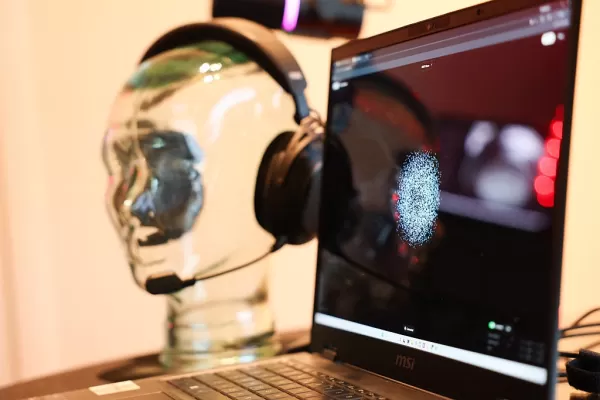 OpenAI backs Sam Altman’s Merge Labs brain-computer interface venture
In a move that deepens the intersection of AI and human biology, OpenAI has invested in Merge Labs, a brain-computer interface startup founded by CEO Sam Altman.Emerging from stealth on Thursday, Merge Labs announced an undisclosed seed round. Source
OpenAI backs Sam Altman’s Merge Labs brain-computer interface venture
In a move that deepens the intersection of AI and human biology, OpenAI has invested in Merge Labs, a brain-computer interface startup founded by CEO Sam Altman.Emerging from stealth on Thursday, Merge Labs announced an undisclosed seed round. Source

2026 Latest Best Top-Rated AI Editing Tools for Business and Academic Writing! XIX.AI has curated a powerful, game-changing collection of must-try tools that go through rigorous real-world tests. You’ll find detailed free vs paid comparison, accurate rankings, and insights to help you boost writing efficiency, produce high-quality content faster, and meet tight deadlines. Explore now to unlock your AI edge!
9 tools
xix.ai
2026 Latest Best Top-Rated AI Debugging Tools for Python and JavaScript Projects, curated by XIX.AI. These powerful game-changing solutions offer real-world tests, weekly updated rankings, and a free vs paid comparison to help you fix coding errors faster, boost productivity, and unlock your AI edge. Explore now!
14 tools
xix.ai

2026 Latest Best AI Code Search Tools for Large Repositories ranked by expert teams. This curated list showcases top-rated solutions that deliver powerful, game-changing speed when navigating massive codebases. You’ll find a free vs paid comparison along with real-world tests to help you choose the perfect fit. XIX.AI provides exclusive insights to elevate your productivity. Explore now and unlock your AI edge.
9 tools
xix.ai

2026 Latest Best Top-Rated AI Rewrite Tools for Faster Content Refresh are here on XIX.AI! This curated list features powerful game-changing solutions that boost writing efficiency significantly through real-world tests and detailed rankings. You’ll find a free vs paid comparison to help you choose the perfect option. Explore now to Unlock your AI edge!
9 tools
xix.ai

2026 Latest Best Top-rated AI Action Item Tools for Project Follow Up! XIX.AI has curated a powerful, game-changing collection of must-try tools that deliver accurate task tracking, real-time updates, and streamlined workflow management. Every entry undergoes rigorous weekly updated real-world tests to ensure top performance across all use cases. Get a free vs paid comparison to find the perfect fit for boosting your productivity. Explore now to Unlock your AI edge!
10 tools
xix.ai

2026 Latest Best Top-rated AI Agent Builder Tools for Business Process Automation! XIX.AI has curated a powerful, game-changing collection of must-try options that go through rigorous real-world tests. You’ll find detailed free vs paid comparison insights and updated weekly rankings to help you spot the perfect tool for boosting productivity across work tasks. Explore now to Unlock your AI edge!
12 tools
xix.ai

So they're basically saying 'we're not replacing you with AI, we're just taking your money to fund AI research'? That's almost worse. 😅












