


 Home
HomeOpenAI Unveils Codex Cloud Environments for Seamless Cross-Device Use
OpenAI has expanded its software engineering agent, Codex, with new capabilities that extend its utility beyond individual laptops. These updates introduce reusable cloud development environments, enabling access from any device.
Announced during OpenAI’s Dev Day on Tuesday, this update is part of a broader series of improvements for Codex. The company also unveiled a refreshed Codex CLI, an enhanced code review workflow, infrastructure hardening tools, and additional API enhancements.
Although Codex previously supported cloud-based remote tasks, today’s announcement highlights a shift toward making these environments persistent and configurable. Rather than treating each cloud task as an isolated sandbox, OpenAI is focusing on continuity and customization.
According to the company, developers can now run Codex across various platforms, including local computers, mobile devices, and cloud infrastructure. These reusable environments are designed to accelerate task initiation and provide teams with a shared workspace featuring standardized settings and permissions.
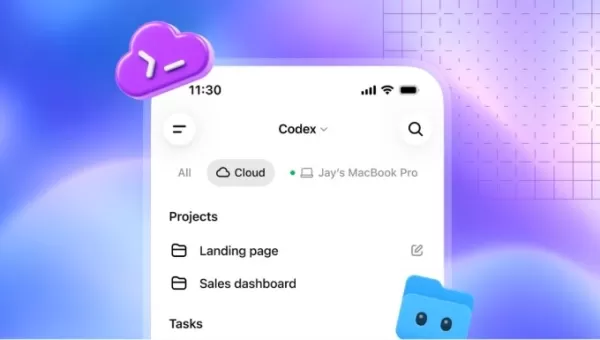
Image Credits:OpenAI
Additionally, the Codex CLI has been updated to support voice commands, allowing developers to initiate and manage tasks hands-free.
A new /agents view simplifies task delegation and monitoring, enabling users to track multiple tasks simultaneously. Other improvements include enhanced prompt editing, session resumption, and worktree management. OpenAI has also introduced a streamlined terminal interface to improve readability during extended sessions.
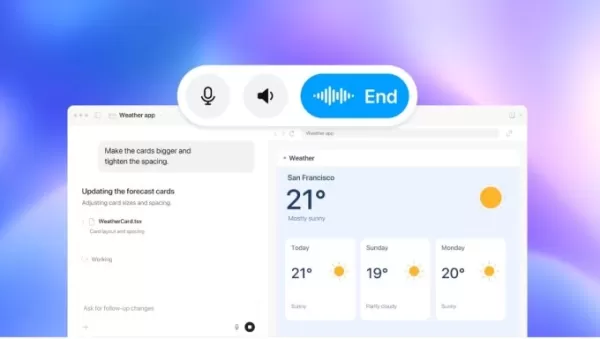
Image Credits:OpenAI
Codex is now integrated into a new code review experience within the ChatGPT desktop application. Users can view summaries, inspect code changes, or query Codex for potential issues before providing feedback on GitHub pull requests or GitLab merge requests.
This automated code review feature allows Codex to conduct initial assessments even when users are away from their computers.
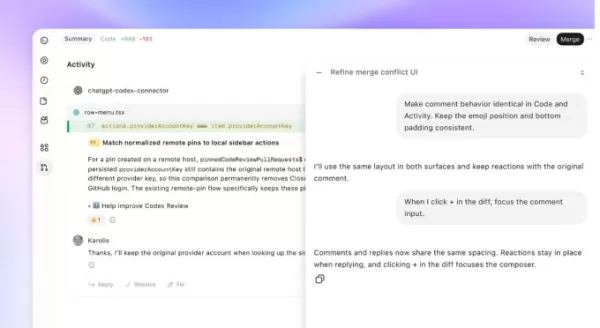
Image Credits:OpenAI
On the security front, OpenAI is launching Codex Security Cloud, a suite of tools designed to help developers protect their infrastructure. Users can scan entire GitHub repositories on demand, on a schedule, or triggered by new commits. Codex analyzes the results, eliminates duplicates, and prepares fixes in the cloud, operating even when the user is inactive or their laptop is closed.
Notably, this toolkit includes access to models from OpenAI’s cybersecurity initiative, Daybreak Blue, without requiring a separate application process.
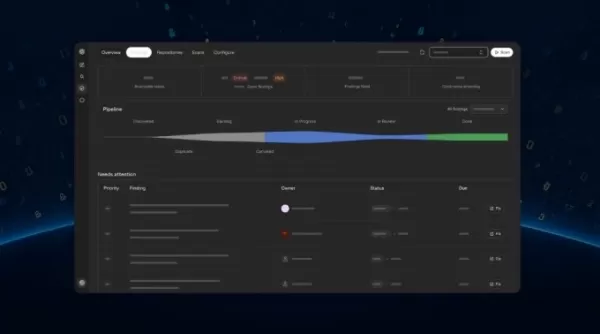
Image Credits:OpenAI
OpenAI also announced several API updates, including a new Decisions API for real-time decision-making. This API utilizes Luna to answer predefined user questions with specific answers. Additionally, an updated Agents API now supports computer use and integrates with Amazon’s Bedrock Managed Agents, enabling the creation of OpenAI agents that run entirely on AWS.
Related article
 U.S. government backs OpenAI in copyright dispute over LLM training
The Trump administration has submitted a 20-page brief supporting OpenAI in a copyright lawsuit filed by The New York Times, defending the company’s practice of using unlicensed copyrighted material to train its large language models.“The United Stat
Microsoft exec calls AI data scraping 'biggest theft of labor in history,' unredacted filings show
Unsealed documents from the three-year-old copyright lawsuit filed by The New York Times against OpenAI and Microsoft reveal an admission that AI scraping constitutes theft and poses a severe threat to media outlets.According to the lawsuit, a senior
OpenAI GPT-6 Halves Token Costs Across Benchmarks as Sol and Luna Join
According to Artificial Analysis, GPT-6 Sol (max) ranks as the top model for intelligence, priced at $48. Image credit: Getty ImagesAfter OpenAI released GPT-6 Sol and Luna, Matt Weaver, Head of Solutions Engineering, explained to AI Magazine how the
Related Special Topic Recommendations
code
U.S. government backs OpenAI in copyright dispute over LLM training
The Trump administration has submitted a 20-page brief supporting OpenAI in a copyright lawsuit filed by The New York Times, defending the company’s practice of using unlicensed copyrighted material to train its large language models.“The United Stat
Microsoft exec calls AI data scraping 'biggest theft of labor in history,' unredacted filings show
Unsealed documents from the three-year-old copyright lawsuit filed by The New York Times against OpenAI and Microsoft reveal an admission that AI scraping constitutes theft and poses a severe threat to media outlets.According to the lawsuit, a senior
OpenAI GPT-6 Halves Token Costs Across Benchmarks as Sol and Luna Join
According to Artificial Analysis, GPT-6 Sol (max) ranks as the top model for intelligence, priced at $48. Image credit: Getty ImagesAfter OpenAI released GPT-6 Sol and Luna, Matt Weaver, Head of Solutions Engineering, explained to AI Magazine how the
Related Special Topic Recommendations
code
 Best AI Coding Tools for Python and JavaScript
2026 Latest Best Top-Rated AI Coding Tools for Python and JavaScript are here on XIX.AI’s curated list. These powerful game-changing tools have undergone rigorous real-world tests to deliver exceptional results for writing efficient code, fixing bugs, and boosting productivity. Get a free vs paid comparison and see which options suit your needs. Explore now to Discover your perfect coding tool and Unlock your AI edge.
 10 tools
 xix.ai
Academic Research
Best AI Citation Mapping Tools for Research Discovery
xix.ai
Academic Research
Best AI Citation Mapping Tools for Research Discovery
2026 Latest Best Top-Rated AI Citation Mapping Tools for Research Discovery! XIX.AI has curated a powerful, game-changing collection of must-try tools that go through rigorous real-world tests to deliver accurate results. You’ll find detailed free vs paid comparisons, weekly updated rankings, and insights to help you boost your research efficiency and uncover valuable data faster. Explore now to discover your perfect tool for academic work! 238 characters
11 tools
xix.ai
SEO
AI Meta Tag Tools for Faster On Page SEO
2026 Latest Best Top-rated AI Meta Tag Tools for Faster On Page SEO! XIX.AI has curated a powerful, game-changing collection of highly reliable tools that undergo rigorous real-world tests. You’ll find a free vs paid comparison along with detailed rankings to help you choose the perfect option for boosting your content’s search visibility and improving writing efficiency. Explore now to Unlock your AI edge!
9 tools
xix.ai
Health & Wellness
AI Habit Tracking Tools for Personal Health Goals
2026 Latest Best AI Habit Tracking Tools for Personal Health Goals are here on XIX.AI! Our curated top-rated list includes powerful, game-changing solutions that help you stay consistent with your goals through real-world tests and strict rankings. We also offer a free vs paid comparison to help you choose the perfect fit. Explore now to Unlock your AI edge in achieving better health outcomes.
10 tools
xix.ai
Data Analysis
Best AI Anomaly Detection Tools for Dashboard Monitoring
2026 Latest Best Top-rated AI Anomaly Detection Tools for Dashboard Monitoring are here on XIX.AI! This curated list features powerful, game-changing solutions that deliver accurate real-world tests through weekly updated rankings. You’ll find a free vs paid comparison and insights into how these tools boost productivity by helping users spot issues fast, streamlining workflow efficiency. Discover your perfect tool to unlock your AI edge today. Explore now!
9 tools
xix.ai
Animation Creation
AI Lip-Sync Generators for Dialogue-Driven Character Animation and Motion Scenes
2026 Latest Best AI Lip-Sync Generators for Dialogue-Driven Character Animation and Motion Scenes! XIX.AI has curated a top-rated list of powerful, game-changing tools that deliver flawless synchronized lip movements for animated characters. Each option undergoes rigorous real-world tests to ensure reliability, and our weekly updated rankings help you find the must-try solution that boosts your animation workflow efficiency. Explore now to discover your perfect tool!
9 tools
xix.ai

 Comments (0)
0/500
Comments (0)
0/500
OpenAI has expanded its software engineering agent, Codex, with new capabilities that extend its utility beyond individual laptops. These updates introduce reusable cloud development environments, enabling access from any device.
Announced during OpenAI’s Dev Day on Tuesday, this update is part of a broader series of improvements for Codex. The company also unveiled a refreshed Codex CLI, an enhanced code review workflow, infrastructure hardening tools, and additional API enhancements.
Although Codex previously supported cloud-based remote tasks, today’s announcement highlights a shift toward making these environments persistent and configurable. Rather than treating each cloud task as an isolated sandbox, OpenAI is focusing on continuity and customization.
According to the company, developers can now run Codex across various platforms, including local computers, mobile devices, and cloud infrastructure. These reusable environments are designed to accelerate task initiation and provide teams with a shared workspace featuring standardized settings and permissions.
Image Credits:OpenAI
Additionally, the Codex CLI has been updated to support voice commands, allowing developers to initiate and manage tasks hands-free.
A new /agents view simplifies task delegation and monitoring, enabling users to track multiple tasks simultaneously. Other improvements include enhanced prompt editing, session resumption, and worktree management. OpenAI has also introduced a streamlined terminal interface to improve readability during extended sessions.
Image Credits:OpenAI
Codex is now integrated into a new code review experience within the ChatGPT desktop application. Users can view summaries, inspect code changes, or query Codex for potential issues before providing feedback on GitHub pull requests or GitLab merge requests.
This automated code review feature allows Codex to conduct initial assessments even when users are away from their computers.
Image Credits:OpenAI
On the security front, OpenAI is launching Codex Security Cloud, a suite of tools designed to help developers protect their infrastructure. Users can scan entire GitHub repositories on demand, on a schedule, or triggered by new commits. Codex analyzes the results, eliminates duplicates, and prepares fixes in the cloud, operating even when the user is inactive or their laptop is closed.
Notably, this toolkit includes access to models from OpenAI’s cybersecurity initiative, Daybreak Blue, without requiring a separate application process.
Image Credits:OpenAI
OpenAI also announced several API updates, including a new Decisions API for real-time decision-making. This API utilizes Luna to answer predefined user questions with specific answers. Additionally, an updated Agents API now supports computer use and integrates with Amazon’s Bedrock Managed Agents, enabling the creation of OpenAI agents that run entirely on AWS.








 U.S. government backs OpenAI in copyright dispute over LLM training
The Trump administration has submitted a 20-page brief supporting OpenAI in a copyright lawsuit filed by The New York Times, defending the company’s practice of using unlicensed copyrighted material to train its large language models.“The United Stat
U.S. government backs OpenAI in copyright dispute over LLM training
The Trump administration has submitted a 20-page brief supporting OpenAI in a copyright lawsuit filed by The New York Times, defending the company’s practice of using unlicensed copyrighted material to train its large language models.“The United Stat
 Microsoft exec calls AI data scraping 'biggest theft of labor in history,' unredacted filings show
Unsealed documents from the three-year-old copyright lawsuit filed by The New York Times against OpenAI and Microsoft reveal an admission that AI scraping constitutes theft and poses a severe threat to media outlets.According to the lawsuit, a senior
Microsoft exec calls AI data scraping 'biggest theft of labor in history,' unredacted filings show
Unsealed documents from the three-year-old copyright lawsuit filed by The New York Times against OpenAI and Microsoft reveal an admission that AI scraping constitutes theft and poses a severe threat to media outlets.According to the lawsuit, a senior
 OpenAI GPT-6 Halves Token Costs Across Benchmarks as Sol and Luna Join
According to Artificial Analysis, GPT-6 Sol (max) ranks as the top model for intelligence, priced at $48. Image credit: Getty ImagesAfter OpenAI released GPT-6 Sol and Luna, Matt Weaver, Head of Solutions Engineering, explained to AI Magazine how the
OpenAI GPT-6 Halves Token Costs Across Benchmarks as Sol and Luna Join
According to Artificial Analysis, GPT-6 Sol (max) ranks as the top model for intelligence, priced at $48. Image credit: Getty ImagesAfter OpenAI released GPT-6 Sol and Luna, Matt Weaver, Head of Solutions Engineering, explained to AI Magazine how the

2026 Latest Best Top-Rated AI Coding Tools for Python and JavaScript are here on XIX.AI’s curated list. These powerful game-changing tools have undergone rigorous real-world tests to deliver exceptional results for writing efficient code, fixing bugs, and boosting productivity. Get a free vs paid comparison and see which options suit your needs. Explore now to Discover your perfect coding tool and Unlock your AI edge.
10 tools
xix.ai

2026 Latest Best Top-Rated AI Citation Mapping Tools for Research Discovery! XIX.AI has curated a powerful, game-changing collection of must-try tools that go through rigorous real-world tests to deliver accurate results. You’ll find detailed free vs paid comparisons, weekly updated rankings, and insights to help you boost your research efficiency and uncover valuable data faster. Explore now to discover your perfect tool for academic work! 238 characters
11 tools
xix.ai

2026 Latest Best Top-rated AI Meta Tag Tools for Faster On Page SEO! XIX.AI has curated a powerful, game-changing collection of highly reliable tools that undergo rigorous real-world tests. You’ll find a free vs paid comparison along with detailed rankings to help you choose the perfect option for boosting your content’s search visibility and improving writing efficiency. Explore now to Unlock your AI edge!
9 tools
xix.ai

2026 Latest Best AI Habit Tracking Tools for Personal Health Goals are here on XIX.AI! Our curated top-rated list includes powerful, game-changing solutions that help you stay consistent with your goals through real-world tests and strict rankings. We also offer a free vs paid comparison to help you choose the perfect fit. Explore now to Unlock your AI edge in achieving better health outcomes.
10 tools
xix.ai

2026 Latest Best Top-rated AI Anomaly Detection Tools for Dashboard Monitoring are here on XIX.AI! This curated list features powerful, game-changing solutions that deliver accurate real-world tests through weekly updated rankings. You’ll find a free vs paid comparison and insights into how these tools boost productivity by helping users spot issues fast, streamlining workflow efficiency. Discover your perfect tool to unlock your AI edge today. Explore now!
9 tools
xix.ai

2026 Latest Best AI Lip-Sync Generators for Dialogue-Driven Character Animation and Motion Scenes! XIX.AI has curated a top-rated list of powerful, game-changing tools that deliver flawless synchronized lip movements for animated characters. Each option undergoes rigorous real-world tests to ensure reliability, and our weekly updated rankings help you find the must-try solution that boosts your animation workflow efficiency. Explore now to discover your perfect tool!
9 tools
xix.ai












