


 Home
HomeNick Clegg: Mandatory Artist Consent Would Stifle AI Industry Growth

As UK policymakers debate the regulation of the AI sector, Nick Clegg, a former deputy prime minister and Meta executive, asserted that forcing companies to obtain artist consent would "essentially cripple" the AI industry.
Speaking at a launch event for his new book, Clegg acknowledged that creators should retain the right to opt out of having their work used to train AI systems. However, he argued that seeking permission in advance was unworkable.
"I believe the creative community wants to go further," Clegg told The Times. "Many argue, ‘You can only train AI on my content if you ask me first.’ Personally, I find that impractical, given the enormous datasets these models require."
"I simply don't see how you could obtain consent from every creator in advance. That approach seems unfeasible," Clegg added. "Moreover, if the UK adopted such a rule while other nations did not, it would effectively destroy the domestic AI industry overnight."
These remarks follow ongoing parliamentary discussions regarding new legislation designed to offer creative professionals greater visibility into how AI firms utilize their work. A proposed amendment to the Data (Use and Access) Bill would mandate that tech companies disclose which copyrighted materials were used in AI training. Hundreds of artists—including Paul McCartney, Dua Lipa, Elton John, and Andrew Lloyd Webber—joined writers, designers, and journalists in signing an open letter endorsing the amendment earlier in May.
The amendment, put forward by filmmaker and director Beeban Kidron, has circulated widely, attracting growing support. Nevertheless, on Thursday, lawmakers rejected the proposal. Technology Secretary Peter Kyle commented that "the UK economy depends on the success of both the AI and creative industries." Kidron and other advocates contend that transparency would enable copyright enforcement and reduce the likelihood of AI firms using protected works without authorization.
In a Guardian opinion piece, Kidron vowed that "the fight is not over," as the Data (Use and Access) Bill returns to the House of Lords in early June.
Related article
 Duolingo Faces New Competition as Google Integrates Language Learning into Translate
Google is introducing AI-driven language learning tools directly into its Translate application. This new beta feature personalizes language lessons to match your proficiency and specific goals, like preparing for an international trip.Initially, the
EcoFlow Launches Plug-In Solar Power Systems for US Households
The United States is now introducing EcoFlow's DIY balcony solar system, which I previously reviewed in Europe. EcoFlow states that its Stream Series will be the first plug-and-play solar products available domestically, enabling homeowners and rente
Google Launches Gemini CLI for Developers
Google has launched a new open-source AI agent that brings the coding, content generation, and research power of Gemini directly into developer terminals. Dubbed Gemini CLI, Google describes it as a "fundamental upgrade to your command-line experienc
Related Special Topic Recommendations
Design & Art
Duolingo Faces New Competition as Google Integrates Language Learning into Translate
Google is introducing AI-driven language learning tools directly into its Translate application. This new beta feature personalizes language lessons to match your proficiency and specific goals, like preparing for an international trip.Initially, the
EcoFlow Launches Plug-In Solar Power Systems for US Households
The United States is now introducing EcoFlow's DIY balcony solar system, which I previously reviewed in Europe. EcoFlow states that its Stream Series will be the first plug-and-play solar products available domestically, enabling homeowners and rente
Google Launches Gemini CLI for Developers
Google has launched a new open-source AI agent that brings the coding, content generation, and research power of Gemini directly into developer terminals. Dubbed Gemini CLI, Google describes it as a "fundamental upgrade to your command-line experienc
Related Special Topic Recommendations
Design & Art
 Top AI Illustration Tools: Create Editorial Scenes and Cover Art Faster
2026 Latest Top-rated AI Illustration Tools: Our curated list features the best powerfully designed tools for creating stunning editorial scenes and eye-catching cover art quickly. Each option has gone through rigorous real-world tests, offering a free vs paid comparison to help you find the perfect match for your workflow. Try these must-try solutions today to unlock your AI edge and boost your creative productivity. Explore now at XIX.AI.
 10 tools
 xix.ai
Education and Learning
Top AI Tutors for Exam Prep: Practice Math, Science, and English
xix.ai
Education and Learning
Top AI Tutors for Exam Prep: Practice Math, Science, and English
2026 Latest Top-Rated Best AI Tutors for Exam Prep are here on XIX.AI! Our curated list features powerful game-changing tools that offer free vs paid comparison, real-world tests, and weekly updated rankings. They help boost your writing efficiency, simplify complex topic learning, and unlock your academic potential. Explore now to Discover your perfect exam prep tool and Start creating today to Unlock your AI edge!
10 tools
xix.ai
Finance
AI Budget Planning Tools for Personal Money Management
2026 Latest Best Top-Rated AI Budget Planning Tools for Personal Money Management are here on XIX.AI! This curated collection features powerful, game-changing solutions that help you conduct real-world tests, understand spending habits, and create personalized plans to boost productivity. Enjoy a free vs paid comparison along with detailed rankings. Must-try tools designed to simplify money management and unlock your AI edge. Explore now!
11 tools
xix.ai
Health & Wellness
AI Sleep Tracking Assistants: Improve Recovery with Better Bedtime Habits
2026 Latest Best Top-Rated AI Sleep Tracking Assistants curated for ultimate recovery. This fully updated weekly guide features powerful tools that deliver real-world tests, free vs paid comparison, and detailed rankings to help you find the must-try solution that boosts sleep quality and supports better bedtime habits. Explore now at XIX.AI to Unlock your AI edge.
10 tools
xix.ai
Data Analysis
AI SQL Copilots for Product and Revenue Analytics
2026 Latest Best Top-Rated AI SQL Copilots for Product and Revenue Analytics! XIX.AI has curated a powerful, game-changing collection of must-try tools that undergo real-world tests through weekly updated rankings. These tools help users boost productivity significantly by accelerating data analysis, streamlining complex queries, and generating accurate insights to drive smarter business decisions. Explore now to Discover your perfect tool for unlocking your AI edge!
14 tools
xix.ai
Education and Learning
Best AI Homework Helpers That Teach: Learn Concepts, Not Just Answers
2026 Latest Best Top-Rated AI Homework Helpers That Teach Core Concepts Not Just Answers Powerful Tools for Students Must-Try Curated List Weekly Updated Free vs Paid Comparison Real-World Tests Accurate Rankings to Help You Unlock Your Full Learning Potential Explore now to Discover your perfect tool for smarter studying.
10 tools
xix.ai

 Comments (1)
0/500
Comments (1)
0/500
![RonaldLee]()
So Nick Clegg thinks asking artists for permission would 'cripple' the AI industry? That's like saying asking for consent ruins dating. 🙄 Maybe the real problem is building a business model on stealing others' work without compensation.
As UK policymakers debate the regulation of the AI sector, Nick Clegg, a former deputy prime minister and Meta executive, asserted that forcing companies to obtain artist consent would "essentially cripple" the AI industry.
Speaking at a launch event for his new book, Clegg acknowledged that creators should retain the right to opt out of having their work used to train AI systems. However, he argued that seeking permission in advance was unworkable.
"I believe the creative community wants to go further," Clegg told The Times. "Many argue, ‘You can only train AI on my content if you ask me first.’ Personally, I find that impractical, given the enormous datasets these models require."
"I simply don't see how you could obtain consent from every creator in advance. That approach seems unfeasible," Clegg added. "Moreover, if the UK adopted such a rule while other nations did not, it would effectively destroy the domestic AI industry overnight."
These remarks follow ongoing parliamentary discussions regarding new legislation designed to offer creative professionals greater visibility into how AI firms utilize their work. A proposed amendment to the Data (Use and Access) Bill would mandate that tech companies disclose which copyrighted materials were used in AI training. Hundreds of artists—including Paul McCartney, Dua Lipa, Elton John, and Andrew Lloyd Webber—joined writers, designers, and journalists in signing an open letter endorsing the amendment earlier in May.
The amendment, put forward by filmmaker and director Beeban Kidron, has circulated widely, attracting growing support. Nevertheless, on Thursday, lawmakers rejected the proposal. Technology Secretary Peter Kyle commented that "the UK economy depends on the success of both the AI and creative industries." Kidron and other advocates contend that transparency would enable copyright enforcement and reduce the likelihood of AI firms using protected works without authorization.
In a Guardian opinion piece, Kidron vowed that "the fight is not over," as the Data (Use and Access) Bill returns to the House of Lords in early June.








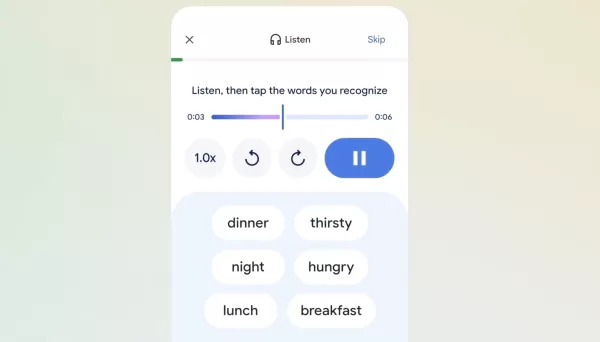 Duolingo Faces New Competition as Google Integrates Language Learning into Translate
Google is introducing AI-driven language learning tools directly into its Translate application. This new beta feature personalizes language lessons to match your proficiency and specific goals, like preparing for an international trip.Initially, the
Duolingo Faces New Competition as Google Integrates Language Learning into Translate
Google is introducing AI-driven language learning tools directly into its Translate application. This new beta feature personalizes language lessons to match your proficiency and specific goals, like preparing for an international trip.Initially, the
 EcoFlow Launches Plug-In Solar Power Systems for US Households
The United States is now introducing EcoFlow's DIY balcony solar system, which I previously reviewed in Europe. EcoFlow states that its Stream Series will be the first plug-and-play solar products available domestically, enabling homeowners and rente
EcoFlow Launches Plug-In Solar Power Systems for US Households
The United States is now introducing EcoFlow's DIY balcony solar system, which I previously reviewed in Europe. EcoFlow states that its Stream Series will be the first plug-and-play solar products available domestically, enabling homeowners and rente
 Google Launches Gemini CLI for Developers
Google has launched a new open-source AI agent that brings the coding, content generation, and research power of Gemini directly into developer terminals. Dubbed Gemini CLI, Google describes it as a "fundamental upgrade to your command-line experienc
Google Launches Gemini CLI for Developers
Google has launched a new open-source AI agent that brings the coding, content generation, and research power of Gemini directly into developer terminals. Dubbed Gemini CLI, Google describes it as a "fundamental upgrade to your command-line experienc

2026 Latest Top-rated AI Illustration Tools: Our curated list features the best powerfully designed tools for creating stunning editorial scenes and eye-catching cover art quickly. Each option has gone through rigorous real-world tests, offering a free vs paid comparison to help you find the perfect match for your workflow. Try these must-try solutions today to unlock your AI edge and boost your creative productivity. Explore now at XIX.AI.
10 tools
xix.ai

2026 Latest Top-Rated Best AI Tutors for Exam Prep are here on XIX.AI! Our curated list features powerful game-changing tools that offer free vs paid comparison, real-world tests, and weekly updated rankings. They help boost your writing efficiency, simplify complex topic learning, and unlock your academic potential. Explore now to Discover your perfect exam prep tool and Start creating today to Unlock your AI edge!
10 tools
xix.ai

2026 Latest Best Top-Rated AI Budget Planning Tools for Personal Money Management are here on XIX.AI! This curated collection features powerful, game-changing solutions that help you conduct real-world tests, understand spending habits, and create personalized plans to boost productivity. Enjoy a free vs paid comparison along with detailed rankings. Must-try tools designed to simplify money management and unlock your AI edge. Explore now!
11 tools
xix.ai

2026 Latest Best Top-Rated AI Sleep Tracking Assistants curated for ultimate recovery. This fully updated weekly guide features powerful tools that deliver real-world tests, free vs paid comparison, and detailed rankings to help you find the must-try solution that boosts sleep quality and supports better bedtime habits. Explore now at XIX.AI to Unlock your AI edge.
10 tools
xix.ai

2026 Latest Best Top-Rated AI SQL Copilots for Product and Revenue Analytics! XIX.AI has curated a powerful, game-changing collection of must-try tools that undergo real-world tests through weekly updated rankings. These tools help users boost productivity significantly by accelerating data analysis, streamlining complex queries, and generating accurate insights to drive smarter business decisions. Explore now to Discover your perfect tool for unlocking your AI edge!
14 tools
xix.ai

2026 Latest Best Top-Rated AI Homework Helpers That Teach Core Concepts Not Just Answers Powerful Tools for Students Must-Try Curated List Weekly Updated Free vs Paid Comparison Real-World Tests Accurate Rankings to Help You Unlock Your Full Learning Potential Explore now to Discover your perfect tool for smarter studying.
10 tools
xix.ai

So Nick Clegg thinks asking artists for permission would 'cripple' the AI industry? That's like saying asking for consent ruins dating. 🙄 Maybe the real problem is building a business model on stealing others' work without compensation.












