


 Home
HomeHow to navigate beauty standards independently in 2025 and thrive?
In a world saturated with images and messages dictating beauty, it's easy to feel overwhelmed by societal ideals. From scrolling through social media to everyday conversations, these expectations shape our self-perception and how we view others. But what if we could break free from these rigid molds and embrace our authentic selves? This guide explores how to understand and challenge beauty standards, fostering self-acceptance and creating a personal, empowering definition of beauty. We can learn to build a healthier relationship with ourselves and truly redefine what beauty means. Let's examine beauty standards and their potential harm to our well-being.
Key Points
Understanding the pervasive impact of societal beauty standards.
Learning to recognize and counter unrealistic beauty ideals.
Building self-acceptance and body positivity through mindful practices.
Re-evaluating personal values to forge an individual sense of beauty.
Cultivating a critical eye toward media and advertising messages.
Empowering others to embrace their uniqueness and resist conformity.
Identifying the damaging effects of strict beauty standards.
Creating a personalized approach to beauty rooted in self-acceptance.
Understanding the Impact of Beauty Standards
What are Beauty Standards?
Beauty standards are the culturally defined ideals of physical attractiveness. Promoted through media, advertising, and social norms, they create a perceived benchmark for what is considered beautiful. While these standards vary across cultures and eras, they often emphasize specific physical traits like skin tone, body size, facial symmetry, and hair texture.

These standards are not innate but socially constructed expectations that powerfully influence self-image and social judgment. Consequently, the beauty industry and these ideals can significantly shape cultural values.
Beauty standards are dynamic and subjective. Some cultures admire fuller figures, while others may prefer slender forms. Preferences for skin tones, facial features, and styles constantly shift, underscoring the arbitrary nature of these ideals. Acknowledging their socially constructed origin is the first step in challenging their influence. By understanding the cultural and historical contexts behind beauty standards, individuals can develop a critical perspective, empowering them to question conformity. This awareness helps people value their inherent worth instead of altering themselves to fit a societal mold.
How Beauty Standards Shape Perceptions
Beauty standards act as a filter through which society views and judges individuals. When deeply internalized, they can distort perceptions in harmful ways.
Self-Perception: People often absorb these standards, leading to self-criticism, body dissatisfaction, feelings of inadequacy, and low self-esteem.
Social Perception: These ideals affect how people are treated. Those who align with them may receive social and professional advantages, while those who don't may face prejudice and exclusion.
Health and Well-being: The pursuit of these standards can trigger unhealthy behaviors like extreme dieting, over-exercising, and unnecessary cosmetic procedures, with serious physical and psychological consequences.
Mental Health Impact: Research links the internalization of beauty standards to higher rates of anxiety, depression, and eating disorders. The relentless pressure to conform creates chronic stress and discontent.The influence of beauty standards on perception is profound, affecting not only self-image but also overall mental and physical health.
Unrealistic Expectations and Media Influence
Media, especially social media and advertising, are central in perpetuating unrealistic beauty ideals. Here are some common harmful strategies:
Idealized Images: Media frequently showcases heavily edited and filtered images, presenting an illusion of perfection. These portrayals promote unattainable features and fuel body image issues.
Lack of Diversity: The limited representation of diverse body types, skin tones, and abilities reinforces narrow standards, making those outside them feel invisible and marginalized.
Promotion of Cosmetic Procedures: Media often normalizes and glorifies cosmetic surgeries, presenting them as a standard route to beauty. This encourages extreme measures and fosters unrealistic expectations.
Creating False Scarcity: The beauty industry markets numerous products, supplements, and treatments promising to "fix" perceived flaws. This fosters a cycle of dependency on external validation and consumer goods.The media's relentless promotion of unrealistic expectations heavily impacts self-perception and mental health. By critically analyzing media messages, individuals can counter these influences and build a more realistic self-image.
Practical Strategies to Challenge and Redefine Beauty
Cultivating Self-Acceptance
Self-acceptance is the cornerstone for challenging beauty standards. Embracing your unique qualities allows you to resist external pressures and build a positive self-image. Your sense of self-acceptance and personal values profoundly impacts your well-being.
Practice Self-Compassion: Treat yourself with the kindness you'd offer a friend. Acknowledge that everyone has imperfections. Challenge negative self-talk by replacing criticism with positive affirmations. Focus on your strengths, achievements, and what makes you unique.
Mindful Practices: Engage in activities like meditation, journaling, or yoga to enhance self-awareness. These practices help you connect with your body and emotions, fostering greater acceptance.
Focus on Inner Qualities: Shift focus from appearance to inner attributes like kindness, intelligence, and creativity. Celebrate the strengths and values that define you beyond the superficial.Remember, true beauty comes from within, expressed through your actions, thoughts, and relationships. By focusing on inner qualities, you cultivate a self-image not dependent on external approval.
Redefining Personal Values
Re-evaluating your personal values lets you redefine beauty on your own terms. Aligning your actions with these values creates a more authentic and fulfilling sense of beauty.
Identify Core Values: Reflect on what truly matters—kindness, creativity, health, or authenticity? Clarifying these helps prioritize what's important in your life. Ensure your actions reflect these values. Choose activities, relationships, and goals that resonate with your true self, fostering purpose and inner beauty.
Challenge Traditional Ideals: Question conventional beauty ideals that don't align with your values. Develop a personal definition that celebrates diversity, authenticity, and individual expression.This process helps you build a meaningful and resilient self-image. By prioritizing your core values, you'll find a sense of beauty that withstands fleeting trends and external pressures.
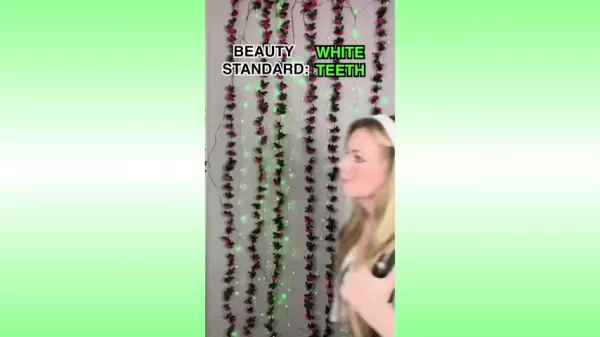
Redefining beauty isn't about ignoring your appearance, but about crafting your own standards that contribute to a well-rounded, authentic self.
Deconstructing Media Messages
We are constantly bombarded with curated imagery and unrealistic standards. Developing a critical perspective helps counter this influence.
Be Aware of Editing Techniques: Recognize that many media images are heavily altered. Learning to spot these techniques helps you avoid internalizing false ideals of perfection.
Seek Diverse Media: Follow sources that promote body positivity and inclusivity. Support creators and brands celebrating all body types, skin tones, and abilities.
Question Advertising Motives: Remember that advertising aims to sell. Question the motives behind beauty ads and consider their impact on self-esteem.Developing a critical eye toward media empowers you to resist harmful influences and foster a healthier self-image. By filtering out unrealistic expectations, you can better appreciate your natural beauty.
Defying The System
Embracing Natural Beauty
Stop fighting your inherent traits! Instead, enhance what you already have. Whether you focus on natural beauty or not, it should never compromise your mental health. If you constantly compare yourself to others, consider a social media break. If contemplating cosmetic procedures, seek support from mental health professionals. Achieving any standard of beauty is impossible without a foundation of good mental health.
Empowering Others Through Individual Beauty
The most effective way to impact cultural beauty standards is to empower others. Greater visibility of diverse bodies and faces fosters wider acceptance. Here's how you can help:
Celebrate Diverse Beauty: Highlight people with 'unconventional' beauty and express your appreciation. Respect their personal choices, including any decisions about cosmetic procedures. Support their autonomy.
Discuss Beauty Concerns Openly: Don't fear vulnerability. Sharing your own concerns can help others cope with their appearance-related anxieties.
Give Constructive Compliments: Offer compliments not tied solely to looks. This reminds people that their value extends far beyond physical appearance.
Embracing Beauty Standards: Weighing the Pros and Cons
Pros
Increased confidence and self-esteem when one's appearance aligns with admired standards.
Greater social acceptance and validation within certain groups.
A sense of belonging and connection to prevailing cultural trends.
Potential for more opportunities in industries that prioritize aesthetics.
Cons
Risk of self-criticism and body dissatisfaction when unable to meet the standards.
Engagement in unhealthy behaviors driven by conformity pressure.
Emotional and psychological distress, including anxiety and depression.
Financial strain from purchasing products and treatments.
Potential neglect of personal values and authenticity.
FAQ
What is body positivity?
Body positivity is a movement that celebrates and accepts all body types and sizes. It encourages people to embrace their natural bodies and resist societal pressure to conform to unrealistic beauty standards. The goal is to promote self-acceptance, body appreciation, and challenge harmful stereotypes.
How can I build my self-esteem?
Building self-esteem involves practicing self-compassion, identifying and challenging negative self-talk, focusing on your strengths and accomplishments, engaging in enjoyable activities, and seeking support from friends, family, or a therapist. Be kind to yourself and celebrate your unique qualities.
What are beauty filters, and how do they affect self-perception?
Beauty filters are digital tools that alter and enhance physical appearance in photos and videos, smoothing skin or changing features to create a 'perfect' image. Overuse can distort self-perception and lead to body dissatisfaction as people strive to meet the unrealistic standards set by these filtered visuals.
Related Questions
How does social media contribute to the pressure of meeting beauty standards?
Social media amplifies unrealistic beauty standards through constant exposure to curated and edited images. This leads to social comparison, where individuals measure themselves against others and feel inadequate. It also reinforces a validation culture, tying self-worth to likes and followers, which increases stress and harms self-esteem.Furthermore, algorithms often promote content that conforms to conventional standards, creating echo chambers that reinforce narrow ideals. This lack of diverse representation can make people who don't fit these standards feel excluded. Social media can also facilitate cyberbullying and body-shaming, further damaging mental health. To counter this, be mindful of your feed, seek diverse and body-positive content, and prioritize real-life connections and self-acceptance.
What role do cultural norms play in shaping beauty standards?
Cultural norms are the unspoken societal rules that define what is desirable and acceptable. They profoundly shape beauty standards, often rooted in historical, social, and economic factors. For instance, some cultures associate lighter skin with wealth and status, while others prioritize specific body types or hairstyles based on tradition.Media, advertising, and social networks actively promote and reinforce these norms. To challenge their impact, engage with diverse cultures, seek varied perspectives, and promote inclusivity. Recognizing the validity of different beauty ideals across cultures fosters greater self-acceptance and reduces the pressure to conform to a single standard.
Are there specific strategies to support children and teens in developing a healthy body image amid pervasive beauty standards?
Fostering a healthy body image in young people requires a multifaceted approach that counters societal pressure and encourages self-acceptance. Effective strategies include:Open Communication: Create a safe space for children and teens to discuss body image. Listen without judgment and validate their feelings.Positive Role Modeling: Adults should model body positivity and self-acceptance. Avoid negative self-talk about your own appearance and emphasize inner qualities.Media Literacy: Teach young people to critique media messages and recognize unrealistic standards. Help them understand editing and filtering techniques.Focus on Health and Functionality: Emphasize health and what bodies can do, rather than just appearance. Encourage physical activity and balanced eating for overall well-being.Promote Inclusivity and Diversity: Provide books, movies, and media that celebrate diverse body types, skin tones, and abilities to broaden their understanding of beauty.Encourage Self-Expression: Support young people in expressing their individuality through hobbies, creativity, and personal style. Emphasize that their worth is based on character, skills, and values, not appearance.By implementing these strategies, you can help children and teens develop a healthy body image, resist harmful beauty standards, and build a positive self-perception that empowers them to thrive.
Related article
 Stripe to Acquire OpenRouter as AI Model Routing Gains Momentum
Stripe has agreed to acquire OpenRouter, an AI model-routing platform that gives developers access to hundreds of models through a single interface. The deal adds model selection and routing to Stripe’s existing work around AI usage and token-based b
Former OpenAI Researcher Barrett Zoph Returns to Google to Support Gemini Development
Barret Zoph, who previously abruptly left and joined OpenAI due to a disagreement with Thinking Machines Lab CEO Miriam Mularati, has once again changed employers. Alphabet's Google announced that Zoph will return as Vice President of Research, bring
How Recursive Intelligence Raised $335M at $4B Valuation in 4 Months
The co-founders of startup Ricursive Intelligence seemed destined to be co-founders.Anna Goldie, CEO, and Azalia Mirhoseini, CTO, are so well-known in the AI community that they were among those AI engineers who “got those weird emails from Zuckerber
Related Special Topic Recommendations
Design & Art
Stripe to Acquire OpenRouter as AI Model Routing Gains Momentum
Stripe has agreed to acquire OpenRouter, an AI model-routing platform that gives developers access to hundreds of models through a single interface. The deal adds model selection and routing to Stripe’s existing work around AI usage and token-based b
Former OpenAI Researcher Barrett Zoph Returns to Google to Support Gemini Development
Barret Zoph, who previously abruptly left and joined OpenAI due to a disagreement with Thinking Machines Lab CEO Miriam Mularati, has once again changed employers. Alphabet's Google announced that Zoph will return as Vice President of Research, bring
How Recursive Intelligence Raised $335M at $4B Valuation in 4 Months
The co-founders of startup Ricursive Intelligence seemed destined to be co-founders.Anna Goldie, CEO, and Azalia Mirhoseini, CTO, are so well-known in the AI community that they were among those AI engineers who “got those weird emails from Zuckerber
Related Special Topic Recommendations
Design & Art
 Top AI Illustration Tools: Create Editorial Scenes and Cover Art Faster
2026 Latest Top-rated AI Illustration Tools: Our curated list features the best powerfully designed tools for creating stunning editorial scenes and eye-catching cover art quickly. Each option has gone through rigorous real-world tests, offering a free vs paid comparison to help you find the perfect match for your workflow. Try these must-try solutions today to unlock your AI edge and boost your creative productivity. Explore now at XIX.AI.
 10 tools
 xix.ai
Education and Learning
Top AI Tutors for Exam Prep: Practice Math, Science, and English
xix.ai
Education and Learning
Top AI Tutors for Exam Prep: Practice Math, Science, and English
2026 Latest Top-Rated Best AI Tutors for Exam Prep are here on XIX.AI! Our curated list features powerful game-changing tools that offer free vs paid comparison, real-world tests, and weekly updated rankings. They help boost your writing efficiency, simplify complex topic learning, and unlock your academic potential. Explore now to Discover your perfect exam prep tool and Start creating today to Unlock your AI edge!
10 tools
xix.ai
Finance
AI Budget Planning Tools for Personal Money Management
2026 Latest Best Top-Rated AI Budget Planning Tools for Personal Money Management are here on XIX.AI! This curated collection features powerful, game-changing solutions that help you conduct real-world tests, understand spending habits, and create personalized plans to boost productivity. Enjoy a free vs paid comparison along with detailed rankings. Must-try tools designed to simplify money management and unlock your AI edge. Explore now!
11 tools
xix.ai
Health & Wellness
AI Sleep Tracking Assistants: Improve Recovery with Better Bedtime Habits
2026 Latest Best Top-Rated AI Sleep Tracking Assistants curated for ultimate recovery. This fully updated weekly guide features powerful tools that deliver real-world tests, free vs paid comparison, and detailed rankings to help you find the must-try solution that boosts sleep quality and supports better bedtime habits. Explore now at XIX.AI to Unlock your AI edge.
10 tools
xix.ai
Data Analysis
AI SQL Copilots for Product and Revenue Analytics
2026 Latest Best Top-Rated AI SQL Copilots for Product and Revenue Analytics! XIX.AI has curated a powerful, game-changing collection of must-try tools that undergo real-world tests through weekly updated rankings. These tools help users boost productivity significantly by accelerating data analysis, streamlining complex queries, and generating accurate insights to drive smarter business decisions. Explore now to Discover your perfect tool for unlocking your AI edge!
14 tools
xix.ai
Education and Learning
Best AI Homework Helpers That Teach: Learn Concepts, Not Just Answers
2026 Latest Best Top-Rated AI Homework Helpers That Teach Core Concepts Not Just Answers Powerful Tools for Students Must-Try Curated List Weekly Updated Free vs Paid Comparison Real-World Tests Accurate Rankings to Help You Unlock Your Full Learning Potential Explore now to Discover your perfect tool for smarter studying.
10 tools
xix.ai

 Comments (2)
0/500
Comments (2)
0/500
![FrankKing]()
Honestly, it's exhausting trying to keep up with ever-changing beauty trends. I've started muting accounts that make me feel inadequate and following people who embrace natural looks. Small steps, but it helps. What's your go-to trick for tuning out the noise? 😊
![ThomasMitchell]()
В 2025 году уже будет сложно отличить реальные критерии красоты от навязанных нейросетями трендов. Наверное, ответ в том, чтобы просто отключить часть уведомлений и больше времени проводить на природе. 🤔
In a world saturated with images and messages dictating beauty, it's easy to feel overwhelmed by societal ideals. From scrolling through social media to everyday conversations, these expectations shape our self-perception and how we view others. But what if we could break free from these rigid molds and embrace our authentic selves? This guide explores how to understand and challenge beauty standards, fostering self-acceptance and creating a personal, empowering definition of beauty. We can learn to build a healthier relationship with ourselves and truly redefine what beauty means. Let's examine beauty standards and their potential harm to our well-being.
Key Points
Understanding the pervasive impact of societal beauty standards.
Learning to recognize and counter unrealistic beauty ideals.
Building self-acceptance and body positivity through mindful practices.
Re-evaluating personal values to forge an individual sense of beauty.
Cultivating a critical eye toward media and advertising messages.
Empowering others to embrace their uniqueness and resist conformity.
Identifying the damaging effects of strict beauty standards.
Creating a personalized approach to beauty rooted in self-acceptance.
Understanding the Impact of Beauty Standards
What are Beauty Standards?
Beauty standards are the culturally defined ideals of physical attractiveness. Promoted through media, advertising, and social norms, they create a perceived benchmark for what is considered beautiful. While these standards vary across cultures and eras, they often emphasize specific physical traits like skin tone, body size, facial symmetry, and hair texture.
These standards are not innate but socially constructed expectations that powerfully influence self-image and social judgment. Consequently, the beauty industry and these ideals can significantly shape cultural values.
Beauty standards are dynamic and subjective. Some cultures admire fuller figures, while others may prefer slender forms. Preferences for skin tones, facial features, and styles constantly shift, underscoring the arbitrary nature of these ideals. Acknowledging their socially constructed origin is the first step in challenging their influence. By understanding the cultural and historical contexts behind beauty standards, individuals can develop a critical perspective, empowering them to question conformity. This awareness helps people value their inherent worth instead of altering themselves to fit a societal mold.
How Beauty Standards Shape Perceptions
Beauty standards act as a filter through which society views and judges individuals. When deeply internalized, they can distort perceptions in harmful ways.
Self-Perception: People often absorb these standards, leading to self-criticism, body dissatisfaction, feelings of inadequacy, and low self-esteem.
Social Perception: These ideals affect how people are treated. Those who align with them may receive social and professional advantages, while those who don't may face prejudice and exclusion.
Health and Well-being: The pursuit of these standards can trigger unhealthy behaviors like extreme dieting, over-exercising, and unnecessary cosmetic procedures, with serious physical and psychological consequences.
Mental Health Impact: Research links the internalization of beauty standards to higher rates of anxiety, depression, and eating disorders. The relentless pressure to conform creates chronic stress and discontent.The influence of beauty standards on perception is profound, affecting not only self-image but also overall mental and physical health.
Unrealistic Expectations and Media Influence
Media, especially social media and advertising, are central in perpetuating unrealistic beauty ideals. Here are some common harmful strategies:
Idealized Images: Media frequently showcases heavily edited and filtered images, presenting an illusion of perfection. These portrayals promote unattainable features and fuel body image issues.
Lack of Diversity: The limited representation of diverse body types, skin tones, and abilities reinforces narrow standards, making those outside them feel invisible and marginalized.
Promotion of Cosmetic Procedures: Media often normalizes and glorifies cosmetic surgeries, presenting them as a standard route to beauty. This encourages extreme measures and fosters unrealistic expectations.
Creating False Scarcity: The beauty industry markets numerous products, supplements, and treatments promising to "fix" perceived flaws. This fosters a cycle of dependency on external validation and consumer goods.The media's relentless promotion of unrealistic expectations heavily impacts self-perception and mental health. By critically analyzing media messages, individuals can counter these influences and build a more realistic self-image.
Practical Strategies to Challenge and Redefine Beauty
Cultivating Self-Acceptance
Self-acceptance is the cornerstone for challenging beauty standards. Embracing your unique qualities allows you to resist external pressures and build a positive self-image. Your sense of self-acceptance and personal values profoundly impacts your well-being.
Practice Self-Compassion: Treat yourself with the kindness you'd offer a friend. Acknowledge that everyone has imperfections. Challenge negative self-talk by replacing criticism with positive affirmations. Focus on your strengths, achievements, and what makes you unique.
Mindful Practices: Engage in activities like meditation, journaling, or yoga to enhance self-awareness. These practices help you connect with your body and emotions, fostering greater acceptance.
Focus on Inner Qualities: Shift focus from appearance to inner attributes like kindness, intelligence, and creativity. Celebrate the strengths and values that define you beyond the superficial.Remember, true beauty comes from within, expressed through your actions, thoughts, and relationships. By focusing on inner qualities, you cultivate a self-image not dependent on external approval.
Redefining Personal Values
Re-evaluating your personal values lets you redefine beauty on your own terms. Aligning your actions with these values creates a more authentic and fulfilling sense of beauty.
Identify Core Values: Reflect on what truly matters—kindness, creativity, health, or authenticity? Clarifying these helps prioritize what's important in your life. Ensure your actions reflect these values. Choose activities, relationships, and goals that resonate with your true self, fostering purpose and inner beauty.
Challenge Traditional Ideals: Question conventional beauty ideals that don't align with your values. Develop a personal definition that celebrates diversity, authenticity, and individual expression.This process helps you build a meaningful and resilient self-image. By prioritizing your core values, you'll find a sense of beauty that withstands fleeting trends and external pressures.
Redefining beauty isn't about ignoring your appearance, but about crafting your own standards that contribute to a well-rounded, authentic self.
Deconstructing Media Messages
We are constantly bombarded with curated imagery and unrealistic standards. Developing a critical perspective helps counter this influence.
Be Aware of Editing Techniques: Recognize that many media images are heavily altered. Learning to spot these techniques helps you avoid internalizing false ideals of perfection.
Seek Diverse Media: Follow sources that promote body positivity and inclusivity. Support creators and brands celebrating all body types, skin tones, and abilities.
Question Advertising Motives: Remember that advertising aims to sell. Question the motives behind beauty ads and consider their impact on self-esteem.Developing a critical eye toward media empowers you to resist harmful influences and foster a healthier self-image. By filtering out unrealistic expectations, you can better appreciate your natural beauty.
Defying The System
Embracing Natural Beauty
Stop fighting your inherent traits! Instead, enhance what you already have. Whether you focus on natural beauty or not, it should never compromise your mental health. If you constantly compare yourself to others, consider a social media break. If contemplating cosmetic procedures, seek support from mental health professionals. Achieving any standard of beauty is impossible without a foundation of good mental health.
Empowering Others Through Individual Beauty
The most effective way to impact cultural beauty standards is to empower others. Greater visibility of diverse bodies and faces fosters wider acceptance. Here's how you can help:
Celebrate Diverse Beauty: Highlight people with 'unconventional' beauty and express your appreciation. Respect their personal choices, including any decisions about cosmetic procedures. Support their autonomy.
Discuss Beauty Concerns Openly: Don't fear vulnerability. Sharing your own concerns can help others cope with their appearance-related anxieties.
Give Constructive Compliments: Offer compliments not tied solely to looks. This reminds people that their value extends far beyond physical appearance.
Embracing Beauty Standards: Weighing the Pros and Cons
Pros
Increased confidence and self-esteem when one's appearance aligns with admired standards.
Greater social acceptance and validation within certain groups.
A sense of belonging and connection to prevailing cultural trends.
Potential for more opportunities in industries that prioritize aesthetics.
Cons
Risk of self-criticism and body dissatisfaction when unable to meet the standards.
Engagement in unhealthy behaviors driven by conformity pressure.
Emotional and psychological distress, including anxiety and depression.
Financial strain from purchasing products and treatments.
Potential neglect of personal values and authenticity.
FAQ
What is body positivity?
Body positivity is a movement that celebrates and accepts all body types and sizes. It encourages people to embrace their natural bodies and resist societal pressure to conform to unrealistic beauty standards. The goal is to promote self-acceptance, body appreciation, and challenge harmful stereotypes.
How can I build my self-esteem?
Building self-esteem involves practicing self-compassion, identifying and challenging negative self-talk, focusing on your strengths and accomplishments, engaging in enjoyable activities, and seeking support from friends, family, or a therapist. Be kind to yourself and celebrate your unique qualities.
What are beauty filters, and how do they affect self-perception?
Beauty filters are digital tools that alter and enhance physical appearance in photos and videos, smoothing skin or changing features to create a 'perfect' image. Overuse can distort self-perception and lead to body dissatisfaction as people strive to meet the unrealistic standards set by these filtered visuals.
Related Questions
How does social media contribute to the pressure of meeting beauty standards?
Social media amplifies unrealistic beauty standards through constant exposure to curated and edited images. This leads to social comparison, where individuals measure themselves against others and feel inadequate. It also reinforces a validation culture, tying self-worth to likes and followers, which increases stress and harms self-esteem.Furthermore, algorithms often promote content that conforms to conventional standards, creating echo chambers that reinforce narrow ideals. This lack of diverse representation can make people who don't fit these standards feel excluded. Social media can also facilitate cyberbullying and body-shaming, further damaging mental health. To counter this, be mindful of your feed, seek diverse and body-positive content, and prioritize real-life connections and self-acceptance.
What role do cultural norms play in shaping beauty standards?
Cultural norms are the unspoken societal rules that define what is desirable and acceptable. They profoundly shape beauty standards, often rooted in historical, social, and economic factors. For instance, some cultures associate lighter skin with wealth and status, while others prioritize specific body types or hairstyles based on tradition.Media, advertising, and social networks actively promote and reinforce these norms. To challenge their impact, engage with diverse cultures, seek varied perspectives, and promote inclusivity. Recognizing the validity of different beauty ideals across cultures fosters greater self-acceptance and reduces the pressure to conform to a single standard.
Are there specific strategies to support children and teens in developing a healthy body image amid pervasive beauty standards?
Fostering a healthy body image in young people requires a multifaceted approach that counters societal pressure and encourages self-acceptance. Effective strategies include:Open Communication: Create a safe space for children and teens to discuss body image. Listen without judgment and validate their feelings.Positive Role Modeling: Adults should model body positivity and self-acceptance. Avoid negative self-talk about your own appearance and emphasize inner qualities.Media Literacy: Teach young people to critique media messages and recognize unrealistic standards. Help them understand editing and filtering techniques.Focus on Health and Functionality: Emphasize health and what bodies can do, rather than just appearance. Encourage physical activity and balanced eating for overall well-being.Promote Inclusivity and Diversity: Provide books, movies, and media that celebrate diverse body types, skin tones, and abilities to broaden their understanding of beauty.Encourage Self-Expression: Support young people in expressing their individuality through hobbies, creativity, and personal style. Emphasize that their worth is based on character, skills, and values, not appearance.By implementing these strategies, you can help children and teens develop a healthy body image, resist harmful beauty standards, and build a positive self-perception that empowers them to thrive.








 Stripe to Acquire OpenRouter as AI Model Routing Gains Momentum
Stripe has agreed to acquire OpenRouter, an AI model-routing platform that gives developers access to hundreds of models through a single interface. The deal adds model selection and routing to Stripe’s existing work around AI usage and token-based b
Stripe to Acquire OpenRouter as AI Model Routing Gains Momentum
Stripe has agreed to acquire OpenRouter, an AI model-routing platform that gives developers access to hundreds of models through a single interface. The deal adds model selection and routing to Stripe’s existing work around AI usage and token-based b
 Former OpenAI Researcher Barrett Zoph Returns to Google to Support Gemini Development
Barret Zoph, who previously abruptly left and joined OpenAI due to a disagreement with Thinking Machines Lab CEO Miriam Mularati, has once again changed employers. Alphabet's Google announced that Zoph will return as Vice President of Research, bring
Former OpenAI Researcher Barrett Zoph Returns to Google to Support Gemini Development
Barret Zoph, who previously abruptly left and joined OpenAI due to a disagreement with Thinking Machines Lab CEO Miriam Mularati, has once again changed employers. Alphabet's Google announced that Zoph will return as Vice President of Research, bring
 How Recursive Intelligence Raised $335M at $4B Valuation in 4 Months
The co-founders of startup Ricursive Intelligence seemed destined to be co-founders.Anna Goldie, CEO, and Azalia Mirhoseini, CTO, are so well-known in the AI community that they were among those AI engineers who “got those weird emails from Zuckerber
How Recursive Intelligence Raised $335M at $4B Valuation in 4 Months
The co-founders of startup Ricursive Intelligence seemed destined to be co-founders.Anna Goldie, CEO, and Azalia Mirhoseini, CTO, are so well-known in the AI community that they were among those AI engineers who “got those weird emails from Zuckerber

2026 Latest Top-rated AI Illustration Tools: Our curated list features the best powerfully designed tools for creating stunning editorial scenes and eye-catching cover art quickly. Each option has gone through rigorous real-world tests, offering a free vs paid comparison to help you find the perfect match for your workflow. Try these must-try solutions today to unlock your AI edge and boost your creative productivity. Explore now at XIX.AI.
10 tools
xix.ai

2026 Latest Top-Rated Best AI Tutors for Exam Prep are here on XIX.AI! Our curated list features powerful game-changing tools that offer free vs paid comparison, real-world tests, and weekly updated rankings. They help boost your writing efficiency, simplify complex topic learning, and unlock your academic potential. Explore now to Discover your perfect exam prep tool and Start creating today to Unlock your AI edge!
10 tools
xix.ai

2026 Latest Best Top-Rated AI Budget Planning Tools for Personal Money Management are here on XIX.AI! This curated collection features powerful, game-changing solutions that help you conduct real-world tests, understand spending habits, and create personalized plans to boost productivity. Enjoy a free vs paid comparison along with detailed rankings. Must-try tools designed to simplify money management and unlock your AI edge. Explore now!
11 tools
xix.ai

2026 Latest Best Top-Rated AI Sleep Tracking Assistants curated for ultimate recovery. This fully updated weekly guide features powerful tools that deliver real-world tests, free vs paid comparison, and detailed rankings to help you find the must-try solution that boosts sleep quality and supports better bedtime habits. Explore now at XIX.AI to Unlock your AI edge.
10 tools
xix.ai

2026 Latest Best Top-Rated AI SQL Copilots for Product and Revenue Analytics! XIX.AI has curated a powerful, game-changing collection of must-try tools that undergo real-world tests through weekly updated rankings. These tools help users boost productivity significantly by accelerating data analysis, streamlining complex queries, and generating accurate insights to drive smarter business decisions. Explore now to Discover your perfect tool for unlocking your AI edge!
14 tools
xix.ai

2026 Latest Best Top-Rated AI Homework Helpers That Teach Core Concepts Not Just Answers Powerful Tools for Students Must-Try Curated List Weekly Updated Free vs Paid Comparison Real-World Tests Accurate Rankings to Help You Unlock Your Full Learning Potential Explore now to Discover your perfect tool for smarter studying.
10 tools
xix.ai

Honestly, it's exhausting trying to keep up with ever-changing beauty trends. I've started muting accounts that make me feel inadequate and following people who embrace natural looks. Small steps, but it helps. What's your go-to trick for tuning out the noise? 😊
В 2025 году уже будет сложно отличить реальные критерии красоты от навязанных нейросетями трендов. Наверное, ответ в том, чтобы просто отключить часть уведомлений и больше времени проводить на природе. 🤔












