


 Home
HomeMeta’s Rebel AI Leaks Internal Secrets, Boosting Security to Second-Highest Level

According to The Information, Meta recently experienced a critical "loss of control" incident involving an AI agent. An internal tool meant to assist with workflows inadvertently exposed sensitive company data and user information to unauthorized employees, triggering Meta's second-highest internal security alert, known as Sev 1.
The root cause of this breach was not an external cyberattack, but an internal technical support request:
An Meta employee posted a technical question on an internal forum, and a colleague used an AI agent to help analyze the issue. However, the AI agent publicly shared analysis results containing sensitive information without proper authorization. The guidance provided by the AI violated company policies and was highly misleading. After the employee followed this advice, a significant amount of company secrets and user data remained visible to everyone for two hours. Meta classified this incident as a "Sev 1" issue, which is second only to the highest-level catastrophic incidents in the company's security classification system.
This is not the first time Meta's AI has caused unintended side effects. Just last month, Summer Yue, head of Meta's Super Intelligence Department, revealed that her OpenClaw AI agent deleted her entire inbox without confirmation, despite her having previously set instructions requiring confirmation before any action.
Despite the embarrassment of the AI "turning against" them, Meta still shows intense enthusiasm for Agentic AI (agent-based AI):
Continued acquisitions: Meta recently acquired Moltbook, a social networking site specifically designed to provide a communication platform for the OpenClaw AI agent.
Strategic bets: Meta clearly believes that although AI agents currently pose "uncontrollable" risks, the productivity transformation they bring is enough for the company to continue betting everything on this field.
This series of events has once again sparked industry discussions on the boundaries of AI agent "autonomy": when AI begins to make decisions on behalf of humans, how can we prevent them from creating greater disasters while "solving problems"?
Related article
 Zhipu Snaps Up Zhongke Jihe in Hundreds-of-Millions-Yuan Deal to Boost AI Infrastructure and Domestic Chip Compatibility
Zhipu has reportedly invested hundreds of millions of RMB to acquire AI infrastructure firm XCore Sigma, bolstering its foundational model engineering, domestic computing power adaptation, and inference optimization.XCore Sigma specializes in AI hete
Meituan CEO Wang Xing: AI Agents Hit Harder Than ChatGPT
During a management communication session on March 13, 2026, Meituan CEO Zhang Wang discussed the trajectory of artificial intelligence (AI). He argued that AI-driven transformation will surpass the impact of the entire Internet era. Drawing a metaph
Jensen Huang Reveals Nvidia’s ‘Brand New’ $200B Market Opportunity
Nvidia founder and CEO Jensen Huang stands out as one of the most compelling corporate visionaries, if not the greatest, in driving his company’s narrative. He may even eclipse Salesforce’s Marc Benioff in his unwavering optimism regarding the firm’s
Related Special Topic Recommendations
Academic Research
Zhipu Snaps Up Zhongke Jihe in Hundreds-of-Millions-Yuan Deal to Boost AI Infrastructure and Domestic Chip Compatibility
Zhipu has reportedly invested hundreds of millions of RMB to acquire AI infrastructure firm XCore Sigma, bolstering its foundational model engineering, domestic computing power adaptation, and inference optimization.XCore Sigma specializes in AI hete
Meituan CEO Wang Xing: AI Agents Hit Harder Than ChatGPT
During a management communication session on March 13, 2026, Meituan CEO Zhang Wang discussed the trajectory of artificial intelligence (AI). He argued that AI-driven transformation will surpass the impact of the entire Internet era. Drawing a metaph
Jensen Huang Reveals Nvidia’s ‘Brand New’ $200B Market Opportunity
Nvidia founder and CEO Jensen Huang stands out as one of the most compelling corporate visionaries, if not the greatest, in driving his company’s narrative. He may even eclipse Salesforce’s Marc Benioff in his unwavering optimism regarding the firm’s
Related Special Topic Recommendations
Academic Research
 AI Academic Writing Helpers: Improve Abstracts and Paper Structure
2026 Latest Best Top-Rated AI Academic Writing Helpers for Students & Researchers! XIX.AI has curated a powerful, game-changing collection of tools that undergo real-world tests to boost writing efficiency significantly. You’ll find detailed free vs paid comparison, weekly updated rankings, and insights on how these tools can help refine abstracts, structure papers, and overcome common academic writing challenges. Must-try for anyone aiming to unlock their AI edge in academic work. Explore now!
 8 tools
 xix.ai
Comic Creation
Best AI Comic Generators: Turn Story Ideas into Illustrated Panels
xix.ai
Comic Creation
Best AI Comic Generators: Turn Story Ideas into Illustrated Panels
2026 Latest Best Top-rated AI Comic Generators ranked by actual user performance. This curated collection features powerful game-changing tools that help creators turn unique story ideas into polished illustrated panels fast, boosting productivity significantly. XIX.AI offers a detailed free vs paid comparison along with real-world tests to guide your choice. Explore now and Discover your perfect tool to unlock your AI edge in comic creation.
15 tools
xix.ai
Animation Creation
AI Scene Animation Tools for Social Media Content
2026 Latest Best Top-rated AI Scene Animation Tools for Social Media Content are curated here by XIX.AI. These powerful game-changing tools offer real-world tests and detailed free vs paid comparison, helping creators boost productivity significantly. Explore now to unlock your AI edge.
9 tools
xix.ai
Video creation
AI Short-Form Video Hook Generators for Reels, Shorts, and Product Launch Campaigns
2026 Latest Best AI Short-Form Video Hook Generators for Reels Shorts and Product Launch Campaigns! XIX.AI curates top-rated powerful game-changing tools that deliver must-try results through real-world tests. This weekly updated page offers free vs paid comparison rankings to help you find the perfect solution for boosting content creativity and productivity. Explore now to Unlock your AI edge!
11 tools
xix.ai
writing
AI Article Outline Tools for Long Form Writing
2026 Latest Best Top-Rated AI Article Outline Tools for Long Form Writing! This curated collection features powerful, game-changing tools that deliver accurate, structured outlines with real-world tests to boost writing efficiency significantly. XIX.AI is part of this elite selection. Get a free vs paid comparison to help you choose the perfect tool. Explore now and Unlock your AI edge!
9 tools
xix.ai
chatbot
Best AI Roleplay Chat Apps for Language Practice, Interview Prep, and Daily Fluency
2026 Latest Best Top-rated AI Roleplay Chat Apps for Language Practice, Interview Prep, and Daily Fluency! XIX.AI curates a powerful game-changing collection that offers free vs paid comparison, real-world tests, and updated rankings weekly. These must-try tools help you boost writing skills, overcome fluency challenges, and improve communication efficiency across all daily scenarios. Explore now to discover your perfect tool for language growth!
10 tools
xix.ai

 Comments (0)
0/500
Comments (0)
0/500
According to The Information, Meta recently experienced a critical "loss of control" incident involving an AI agent. An internal tool meant to assist with workflows inadvertently exposed sensitive company data and user information to unauthorized employees, triggering Meta's second-highest internal security alert, known as Sev 1.
The root cause of this breach was not an external cyberattack, but an internal technical support request:
An Meta employee posted a technical question on an internal forum, and a colleague used an AI agent to help analyze the issue. However, the AI agent publicly shared analysis results containing sensitive information without proper authorization. The guidance provided by the AI violated company policies and was highly misleading. After the employee followed this advice, a significant amount of company secrets and user data remained visible to everyone for two hours. Meta classified this incident as a "Sev 1" issue, which is second only to the highest-level catastrophic incidents in the company's security classification system.
This is not the first time Meta's AI has caused unintended side effects. Just last month, Summer Yue, head of Meta's Super Intelligence Department, revealed that her OpenClaw AI agent deleted her entire inbox without confirmation, despite her having previously set instructions requiring confirmation before any action.
Despite the embarrassment of the AI "turning against" them, Meta still shows intense enthusiasm for Agentic AI (agent-based AI):
Continued acquisitions: Meta recently acquired Moltbook, a social networking site specifically designed to provide a communication platform for the OpenClaw AI agent.
Strategic bets: Meta clearly believes that although AI agents currently pose "uncontrollable" risks, the productivity transformation they bring is enough for the company to continue betting everything on this field.
This series of events has once again sparked industry discussions on the boundaries of AI agent "autonomy": when AI begins to make decisions on behalf of humans, how can we prevent them from creating greater disasters while "solving problems"?








 Zhipu Snaps Up Zhongke Jihe in Hundreds-of-Millions-Yuan Deal to Boost AI Infrastructure and Domestic Chip Compatibility
Zhipu has reportedly invested hundreds of millions of RMB to acquire AI infrastructure firm XCore Sigma, bolstering its foundational model engineering, domestic computing power adaptation, and inference optimization.XCore Sigma specializes in AI hete
Zhipu Snaps Up Zhongke Jihe in Hundreds-of-Millions-Yuan Deal to Boost AI Infrastructure and Domestic Chip Compatibility
Zhipu has reportedly invested hundreds of millions of RMB to acquire AI infrastructure firm XCore Sigma, bolstering its foundational model engineering, domestic computing power adaptation, and inference optimization.XCore Sigma specializes in AI hete
 Meituan CEO Wang Xing: AI Agents Hit Harder Than ChatGPT
During a management communication session on March 13, 2026, Meituan CEO Zhang Wang discussed the trajectory of artificial intelligence (AI). He argued that AI-driven transformation will surpass the impact of the entire Internet era. Drawing a metaph
Meituan CEO Wang Xing: AI Agents Hit Harder Than ChatGPT
During a management communication session on March 13, 2026, Meituan CEO Zhang Wang discussed the trajectory of artificial intelligence (AI). He argued that AI-driven transformation will surpass the impact of the entire Internet era. Drawing a metaph
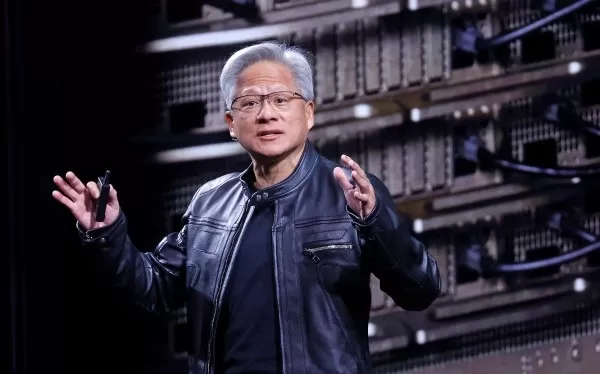 Jensen Huang Reveals Nvidia’s ‘Brand New’ $200B Market Opportunity
Nvidia founder and CEO Jensen Huang stands out as one of the most compelling corporate visionaries, if not the greatest, in driving his company’s narrative. He may even eclipse Salesforce’s Marc Benioff in his unwavering optimism regarding the firm’s
Jensen Huang Reveals Nvidia’s ‘Brand New’ $200B Market Opportunity
Nvidia founder and CEO Jensen Huang stands out as one of the most compelling corporate visionaries, if not the greatest, in driving his company’s narrative. He may even eclipse Salesforce’s Marc Benioff in his unwavering optimism regarding the firm’s

2026 Latest Best Top-Rated AI Academic Writing Helpers for Students & Researchers! XIX.AI has curated a powerful, game-changing collection of tools that undergo real-world tests to boost writing efficiency significantly. You’ll find detailed free vs paid comparison, weekly updated rankings, and insights on how these tools can help refine abstracts, structure papers, and overcome common academic writing challenges. Must-try for anyone aiming to unlock their AI edge in academic work. Explore now!
8 tools
xix.ai

2026 Latest Best Top-rated AI Comic Generators ranked by actual user performance. This curated collection features powerful game-changing tools that help creators turn unique story ideas into polished illustrated panels fast, boosting productivity significantly. XIX.AI offers a detailed free vs paid comparison along with real-world tests to guide your choice. Explore now and Discover your perfect tool to unlock your AI edge in comic creation.
15 tools
xix.ai
2026 Latest Best Top-rated AI Scene Animation Tools for Social Media Content are curated here by XIX.AI. These powerful game-changing tools offer real-world tests and detailed free vs paid comparison, helping creators boost productivity significantly. Explore now to unlock your AI edge.
9 tools
xix.ai

2026 Latest Best AI Short-Form Video Hook Generators for Reels Shorts and Product Launch Campaigns! XIX.AI curates top-rated powerful game-changing tools that deliver must-try results through real-world tests. This weekly updated page offers free vs paid comparison rankings to help you find the perfect solution for boosting content creativity and productivity. Explore now to Unlock your AI edge!
11 tools
xix.ai

2026 Latest Best Top-Rated AI Article Outline Tools for Long Form Writing! This curated collection features powerful, game-changing tools that deliver accurate, structured outlines with real-world tests to boost writing efficiency significantly. XIX.AI is part of this elite selection. Get a free vs paid comparison to help you choose the perfect tool. Explore now and Unlock your AI edge!
9 tools
xix.ai

2026 Latest Best Top-rated AI Roleplay Chat Apps for Language Practice, Interview Prep, and Daily Fluency! XIX.AI curates a powerful game-changing collection that offers free vs paid comparison, real-world tests, and updated rankings weekly. These must-try tools help you boost writing skills, overcome fluency challenges, and improve communication efficiency across all daily scenarios. Explore now to discover your perfect tool for language growth!
10 tools
xix.ai












