


 Home
How to optimize SEO in 2024 for Google and Yahoo Japan
Master Storyboard Drawing: Expert Tips for Non-artists
Table of Contents:
- Introduction
- The Importance of Storyboarding
- Common Misconceptions about Storyboarding
- The Golden Rule for a Great Storyboard
- Different Approaches to Storyboarding 5.1 Visual Approach 5.2 Text-Based Approach
- Key Elements to Include in a Storyboard 6.1 Meese-en-scene 6.1.1 Visual Representation 6.1.2 Descriptive Labels 6.2 Camerawork 6.2.1 Composition and Movement 6.2.2 Camera Symbolism 6.3 Editing 6.3.1 Transition Techniques 6.3.2 Shot Duration 6.4 Sound 6.4.1 Background Music 6.4.2 Sound Effects and Dialogue
- Tips for Creating an Effective Storyboard
- Conclusion
The Art of Storyboarding: Unlocking the Power of Visualization
Introduction
Storyboarding is a vital step in pre-production for film and video projects. It helps creators visualize concepts, plan shots, and share their vision with the team. This guide covers why storyboarding matters, addresses common myths, and offers practical advice for building effective storyboards.
The Importance of Storyboarding
A solid storyboard acts as a production blueprint, streamlining creative decisions and ensuring smooth execution on set. It guides choices on shot composition, camera movement, editing, and sound design. By visualizing the story early, filmmakers can spot potential issues and find creative solutions, saving time and money during production.
Common Misconceptions about Storyboarding
Two common myths surround storyboarding. First, many believe you must be a skilled artist to create good storyboards. In reality, artistic talent is not required; clarity and idea conveyance matter most. Second, some think there is only one correct way to storyboard. While various techniques exist, the goal is always to effectively communicate the intended shots and their purpose.
The Golden Rule for a Great Storyboard
The golden rule for a great storyboard is simple yet powerful: a good storyboard is one that allows the viewer to experience the story beyond just the camera angle and action. It should encapsulate all the necessary details, such as lighting, sound, and atmosphere, providing a comprehensive visualization of the entire film. As renowned filmmaker Martin Scorsese once said, "The storyboard, for me, is the way to visualize the entire movie in advance."
Different Approaches to Storyboarding
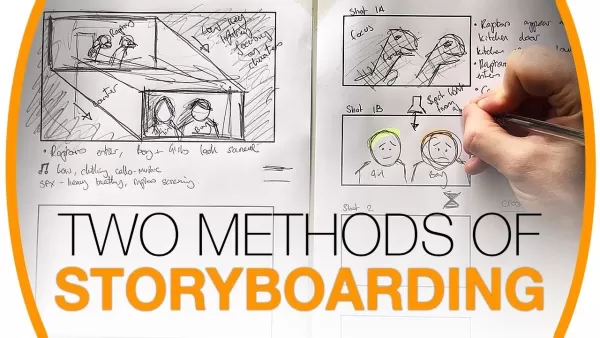
To accommodate different levels of artistic abilities and personal preferences, there are two primary approaches to storyboarding: the visual approach and the text-based approach.
Visual Approach: This approach involves creating visually detailed storyboard frames that depict the desired shots, camera movements, and desired lighting. Even individuals with limited artistic skills can create simple sketches to represent key elements effectively.
Text-Based Approach: For those who prefer or struggle with drawings, a text-based approach can be equally effective. Instead of relying on visual representation, this approach primarily utilizes descriptive labels and written instructions to convey the required actions, camera movements, and desired atmosphere.
Key Elements to Include in a Storyboard
To create a comprehensive and effective storyboard, certain key elements need to be incorporated:
Meese-en-scene: This refers to the arrangement of visual elements within a frame, including props, actors, costumes, and set design.
- Visual Representation: Whether through sketches or simple drawings, visually represent the key aspects of the meese-en-scene to give a clear understanding of the scene's composition and aesthetics.
- Descriptive Labels: To avoid confusion, accompany the visual representation with descriptive labels, clearly indicating the presence of characters, objects, and their actions.
Camerawork: The camera's placement, movement, and composition are critical in storytelling and conveying emotions.
- Composition and Movement: Showcase the desired camera angles, movements, and compositions within each shot. This could be achieved through sketches, arrows, or written instructions.
- Camera Symbolism: If certain shots or movements hold symbolic value, make sure to communicate them effectively, either through visual representation or accompanying labels.
Editing: Provide a clear indication of how shots are edited together and any specific transition techniques or shot durations.
- Transition Techniques: Use symbols or written instructions to represent the desired editing techniques, such as straight cuts, crossfades, or fade ins/outs.
- Shot Duration: Specify the approximate duration of each shot to assist in understanding the timing and pacing of the overall scene.
Sound: Sound adds depth and enhances the impact of visuals, so it is crucial to consider it during storyboarding.
- Background Music: If a specific musical score is intended for a scene, mention it or include a musical note symbol on the storyboard to convey the desired atmosphere.
- Sound Effects and Dialogue: If there are specific sound effects or dialogue that accompany certain actions, provide written descriptions or symbols representing them.
Tips for Creating an Effective Storyboard
- Use clear and concise language to describe actions and desired aesthetics.
- Incorporate industry-specific terminology to communicate intentions precisely.
- Emphasize storytelling and convey emotions through shot composition and camera movements.
- Experiment with different approaches to find what works best for you.
- Collaborate closely with the production team to ensure a unified vision.
- Review and iterate on your storyboard to refine and improve the visual narrative.
Cons
ider software tools or apps that can streamline the creation and sharing of storyboards.- Be open to feedback and adjustments in response to creative discussions and practical considerations.
Conclusion
Storyboarding is an essential tool for filmmakers to visualize their ideas, plan shots, and effectively communicate their vision to the production team. By incorporating elements such as meese-en-scene, camerawork, editing techniques, and sound design, a well-executed storyboard serves as a blueprint for the entire production process. Regardless of your artistic ability, the key to a great storyboard lies in clear communication and conveying the intended experience of the film.
Related article
 Cloudflare Unveils Open Source AI Agent Workspace, Empowering Employees to Build Custom Workflows Without Code
Cloudflare has officially released Cloudflare OS, an open-source AI agent workspace that operates directly in the browser. This platform integrates a wide array of customizable, shareable micro-applications. Far from being a mere wrapper around gener
Musk’s AI Credit Card Checkout Sparks Backlash After OpenAI Exec’s Mockery
Elon Musk recently unveiled Grok’s new shopping capability on social media, explaining that users can snap a photo of their credit card and send it to the chat interface. The AI will then scour the web for the best prices and finalize the purchase on
Zhiyuan Robotics Unveils Self-Developed Embodied Intelligence During Product Release Week
AGIBOT, a pioneer in embodied intelligence, announced on April 3rd that it will host a six-day "AGIBOT AI Week" beginning next Monday, April 7th. This event will highlight a series of core proprietary breakthroughs in embodied intelligence with unpre
Related Special Topic Recommendations
Design & Art
 Top AI Illustration Tools: Create Editorial Scenes and Cover Art Faster
2026 Latest Top-rated AI Illustration Tools: Our curated list features the best powerfully designed tools for creating stunning editorial scenes and eye-catching cover art quickly. Each option has gone through rigorous real-world tests, offering a free vs paid comparison to help you find the perfect match for your workflow. Try these must-try solutions today to unlock your AI edge and boost your creative productivity. Explore now at XIX.AI.
 10 tools
 xix.ai
Education and Learning
Top AI Tutors for Exam Prep: Practice Math, Science, and English
2026 Latest Top-Rated Best AI Tutors for Exam Prep are here on XIX.AI! Our curated list features powerful game-changing tools that offer free vs paid comparison, real-world tests, and weekly updated rankings. They help boost your writing efficiency, simplify complex topic learning, and unlock your academic potential. Explore now to Discover your perfect exam prep tool and Start creating today to Unlock your AI edge!
10 tools
xix.ai
Finance
AI Budget Planning Tools for Personal Money Management
2026 Latest Best Top-Rated AI Budget Planning Tools for Personal Money Management are here on XIX.AI! This curated collection features powerful, game-changing solutions that help you conduct real-world tests, understand spending habits, and create personalized plans to boost productivity. Enjoy a free vs paid comparison along with detailed rankings. Must-try tools designed to simplify money management and unlock your AI edge. Explore now!
11 tools
xix.ai
Health & Wellness
AI Sleep Tracking Assistants: Improve Recovery with Better Bedtime Habits
2026 Latest Best Top-Rated AI Sleep Tracking Assistants curated for ultimate recovery. This fully updated weekly guide features powerful tools that deliver real-world tests, free vs paid comparison, and detailed rankings to help you find the must-try solution that boosts sleep quality and supports better bedtime habits. Explore now at XIX.AI to Unlock your AI edge.
10 tools
xix.ai
Data Analysis
AI SQL Copilots for Product and Revenue Analytics
2026 Latest Best Top-Rated AI SQL Copilots for Product and Revenue Analytics! XIX.AI has curated a powerful, game-changing collection of must-try tools that undergo real-world tests through weekly updated rankings. These tools help users boost productivity significantly by accelerating data analysis, streamlining complex queries, and generating accurate insights to drive smarter business decisions. Explore now to Discover your perfect tool for unlocking your AI edge!
14 tools
xix.ai
Education and Learning
Best AI Homework Helpers That Teach: Learn Concepts, Not Just Answers
2026 Latest Best Top-Rated AI Homework Helpers That Teach Core Concepts Not Just Answers Powerful Tools for Students Must-Try Curated List Weekly Updated Free vs Paid Comparison Real-World Tests Accurate Rankings to Help You Unlock Your Full Learning Potential Explore now to Discover your perfect tool for smarter studying.
10 tools
xix.ai

 Comments (0)
0/500
Master Storyboard Drawing: Expert Tips for Non-artists
Table of Contents:
- Introduction
- The Importance of Storyboarding
- Common Misconceptions about Storyboarding
- The Golden Rule for a Great Storyboard
- Different Approaches to Storyboarding 5.1 Visual Approach 5.2 Text-Based Approach
- Key Elements to Include in a Storyboard 6.1 Meese-en-scene 6.1.1 Visual Representation 6.1.2 Descriptive Labels 6.2 Camerawork 6.2.1 Composition and Movement 6.2.2 Camera Symbolism 6.3 Editing 6.3.1 Transition Techniques 6.3.2 Shot Duration 6.4 Sound 6.4.1 Background Music 6.4.2 Sound Effects and Dialogue
- Tips for Creating an Effective Storyboard
- Conclusion
The Art of Storyboarding: Unlocking the Power of Visualization
Introduction
Storyboarding is a vital step in pre-production for film and video projects. It helps creators visualize concepts, plan shots, and share their vision with the team. This guide covers why storyboarding matters, addresses common myths, and offers practical advice for building effective storyboards.
The Importance of Storyboarding
A solid storyboard acts as a production blueprint, streamlining creative decisions and ensuring smooth execution on set. It guides choices on shot composition, camera movement, editing, and sound design. By visualizing the story early, filmmakers can spot potential issues and find creative solutions, saving time and money during production.
Common Misconceptions about Storyboarding
Two common myths surround storyboarding. First, many believe you must be a skilled artist to create good storyboards. In reality, artistic talent is not required; clarity and idea conveyance matter most. Second, some think there is only one correct way to storyboard. While various techniques exist, the goal is always to effectively communicate the intended shots and their purpose.
The Golden Rule for a Great Storyboard
The golden rule for a great storyboard is simple yet powerful: a good storyboard is one that allows the viewer to experience the story beyond just the camera angle and action. It should encapsulate all the necessary details, such as lighting, sound, and atmosphere, providing a comprehensive visualization of the entire film. As renowned filmmaker Martin Scorsese once said, "The storyboard, for me, is the way to visualize the entire movie in advance."
Different Approaches to Storyboarding
To accommodate different levels of artistic abilities and personal preferences, there are two primary approaches to storyboarding: the visual approach and the text-based approach.
Visual Approach: This approach involves creating visually detailed storyboard frames that depict the desired shots, camera movements, and desired lighting. Even individuals with limited artistic skills can create simple sketches to represent key elements effectively.
Text-Based Approach: For those who prefer or struggle with drawings, a text-based approach can be equally effective. Instead of relying on visual representation, this approach primarily utilizes descriptive labels and written instructions to convey the required actions, camera movements, and desired atmosphere.
Key Elements to Include in a Storyboard
To create a comprehensive and effective storyboard, certain key elements need to be incorporated:
Meese-en-scene: This refers to the arrangement of visual elements within a frame, including props, actors, costumes, and set design.
- Visual Representation: Whether through sketches or simple drawings, visually represent the key aspects of the meese-en-scene to give a clear understanding of the scene's composition and aesthetics.
- Descriptive Labels: To avoid confusion, accompany the visual representation with descriptive labels, clearly indicating the presence of characters, objects, and their actions.
Camerawork: The camera's placement, movement, and composition are critical in storytelling and conveying emotions.
- Composition and Movement: Showcase the desired camera angles, movements, and compositions within each shot. This could be achieved through sketches, arrows, or written instructions.
- Camera Symbolism: If certain shots or movements hold symbolic value, make sure to communicate them effectively, either through visual representation or accompanying labels.
Editing: Provide a clear indication of how shots are edited together and any specific transition techniques or shot durations.
- Transition Techniques: Use symbols or written instructions to represent the desired editing techniques, such as straight cuts, crossfades, or fade ins/outs.
- Shot Duration: Specify the approximate duration of each shot to assist in understanding the timing and pacing of the overall scene.
Sound: Sound adds depth and enhances the impact of visuals, so it is crucial to consider it during storyboarding.
- Background Music: If a specific musical score is intended for a scene, mention it or include a musical note symbol on the storyboard to convey the desired atmosphere.
- Sound Effects and Dialogue: If there are specific sound effects or dialogue that accompany certain actions, provide written descriptions or symbols representing them.
Tips for Creating an Effective Storyboard
- Use clear and concise language to describe actions and desired aesthetics.
- Incorporate industry-specific terminology to communicate intentions precisely.
- Emphasize storytelling and convey emotions through shot composition and camera movements.
- Experiment with different approaches to find what works best for you.
- Collaborate closely with the production team to ensure a unified vision.
- Review and iterate on your storyboard to refine and improve the visual narrative.
Cons
ider software tools or apps that can streamline the creation and sharing of storyboards.- Be open to feedback and adjustments in response to creative discussions and practical considerations.
Conclusion
Storyboarding is an essential tool for filmmakers to visualize their ideas, plan shots, and effectively communicate their vision to the production team. By incorporating elements such as meese-en-scene, camerawork, editing techniques, and sound design, a well-executed storyboard serves as a blueprint for the entire production process. Regardless of your artistic ability, the key to a great storyboard lies in clear communication and conveying the intended experience of the film.








 Cloudflare Unveils Open Source AI Agent Workspace, Empowering Employees to Build Custom Workflows Without Code
Cloudflare has officially released Cloudflare OS, an open-source AI agent workspace that operates directly in the browser. This platform integrates a wide array of customizable, shareable micro-applications. Far from being a mere wrapper around gener
 Musk’s AI Credit Card Checkout Sparks Backlash After OpenAI Exec’s Mockery
Elon Musk recently unveiled Grok’s new shopping capability on social media, explaining that users can snap a photo of their credit card and send it to the chat interface. The AI will then scour the web for the best prices and finalize the purchase on
 Zhiyuan Robotics Unveils Self-Developed Embodied Intelligence During Product Release Week
AGIBOT, a pioneer in embodied intelligence, announced on April 3rd that it will host a six-day "AGIBOT AI Week" beginning next Monday, April 7th. This event will highlight a series of core proprietary breakthroughs in embodied intelligence with unpre

2026 Latest Top-rated AI Illustration Tools: Our curated list features the best powerfully designed tools for creating stunning editorial scenes and eye-catching cover art quickly. Each option has gone through rigorous real-world tests, offering a free vs paid comparison to help you find the perfect match for your workflow. Try these must-try solutions today to unlock your AI edge and boost your creative productivity. Explore now at XIX.AI.
10 tools
xix.ai

2026 Latest Top-Rated Best AI Tutors for Exam Prep are here on XIX.AI! Our curated list features powerful game-changing tools that offer free vs paid comparison, real-world tests, and weekly updated rankings. They help boost your writing efficiency, simplify complex topic learning, and unlock your academic potential. Explore now to Discover your perfect exam prep tool and Start creating today to Unlock your AI edge!
10 tools
xix.ai

2026 Latest Best Top-Rated AI Budget Planning Tools for Personal Money Management are here on XIX.AI! This curated collection features powerful, game-changing solutions that help you conduct real-world tests, understand spending habits, and create personalized plans to boost productivity. Enjoy a free vs paid comparison along with detailed rankings. Must-try tools designed to simplify money management and unlock your AI edge. Explore now!
11 tools
xix.ai

2026 Latest Best Top-Rated AI Sleep Tracking Assistants curated for ultimate recovery. This fully updated weekly guide features powerful tools that deliver real-world tests, free vs paid comparison, and detailed rankings to help you find the must-try solution that boosts sleep quality and supports better bedtime habits. Explore now at XIX.AI to Unlock your AI edge.
10 tools
xix.ai

2026 Latest Best Top-Rated AI SQL Copilots for Product and Revenue Analytics! XIX.AI has curated a powerful, game-changing collection of must-try tools that undergo real-world tests through weekly updated rankings. These tools help users boost productivity significantly by accelerating data analysis, streamlining complex queries, and generating accurate insights to drive smarter business decisions. Explore now to Discover your perfect tool for unlocking your AI edge!
14 tools
xix.ai

2026 Latest Best Top-Rated AI Homework Helpers That Teach Core Concepts Not Just Answers Powerful Tools for Students Must-Try Curated List Weekly Updated Free vs Paid Comparison Real-World Tests Accurate Rankings to Help You Unlock Your Full Learning Potential Explore now to Discover your perfect tool for smarter studying.
10 tools
xix.ai












