


 Home
HomeGoogle Launches Fake Call Detection to Combat AI Fraud

Google has introduced a new anti-fraud feature called "Fake Call Detection" in its official app, Phone by Google, to combat the growing threat of AI voice and number spoofing. This feature identifies suspicious calls that use AI to impersonate contacts from the user's address book and displays a clear warning on the screen, helping users stay protected against emerging tech-based scams.
As AI voice cloning becomes more widespread, scammers can easily fake caller ID numbers and convincingly imitate the voices of friends and family, tricking victims into transferring money under the guise of emergencies or account issues. According to the FBI, AI-powered scams caused over $893 million in losses to Americans in 2025 alone.
End-to-End Encrypted Verification for Spoofed Numbers
To tackle this problem, Google's "Fake Call Detection" offers an innovative technical approach. When a user receives a call from a known contact, the caller's device automatically sends a silent confirmation signal to the recipient. If a scammer spoofs the number but cannot generate this verification signal, the system immediately triggers an alert.
This detection relies on the end-to-end encrypted RCS (Rich Communication Services) infrastructure. When the system detects an anomaly, it prominently displays a message on the incoming call screen: “Someone may be impersonating your contact number,” along with a one-tap hang-up option, effectively blocking the fraud at its source.
Multiple Smart Updates Rolled Out Simultaneously
According to reports, this feature will automatically activate on devices that support the Google Phone app, starting with Pixel phones running Android 12 and later. Alongside this communication security upgrade, Google also introduced several practical features for the Android ecosystem, including an enhanced personal safety app for children, AI-powered clothing try-on in Google Photos, and broader compatibility with Apple AirDrop.
With these deep technological updates, Google underscores its commitment to combating the misuse of AI. The new "Fake Call Detection" not only provides a strong security shield for users but also sets a new standard for cross-app communication security verification in the future.
Related article
 Apple TV Refresh Set for Quiet Fall Debut with Faster Chip and Siri Focus
Following the conclusion of Apple’s fall flagship smartphone and watch launches, hardware updates for home entertainment are imminent. Reports indicate Apple plans a quiet autumn release of a new Apple TV set-top box. This device will integrate fully
Gen Z dating apps like Ditto ditch swiping for AI matchmaking
This wave of young adults has grown so weary of swipe-driven dating platforms that they are willing to experiment with virtually any alternative, including AI-powered matchmaking. Following their departure from UC Berkeley, Ditto co-founders Allen Wa
Infosys EVP Breaks Ground on AI Adoption and OpenAI Partnership
Balakrishna (Bali) D.R., EVP and Global Services Head of AI and Industry Verticals at InfosysInfosys EVP Balakrishna (Bali) D.R. on what separates successful AI adopters from those struggling to scale and the company's collaboration with OpenAIEnterp
Related Special Topic Recommendations
Meeting Assistant
Apple TV Refresh Set for Quiet Fall Debut with Faster Chip and Siri Focus
Following the conclusion of Apple’s fall flagship smartphone and watch launches, hardware updates for home entertainment are imminent. Reports indicate Apple plans a quiet autumn release of a new Apple TV set-top box. This device will integrate fully
Gen Z dating apps like Ditto ditch swiping for AI matchmaking
This wave of young adults has grown so weary of swipe-driven dating platforms that they are willing to experiment with virtually any alternative, including AI-powered matchmaking. Following their departure from UC Berkeley, Ditto co-founders Allen Wa
Infosys EVP Breaks Ground on AI Adoption and OpenAI Partnership
Balakrishna (Bali) D.R., EVP and Global Services Head of AI and Industry Verticals at InfosysInfosys EVP Balakrishna (Bali) D.R. on what separates successful AI adopters from those struggling to scale and the company's collaboration with OpenAIEnterp
Related Special Topic Recommendations
Meeting Assistant
 Best AI Agenda Builders: Plan Better Weekly Syncs in Minutes
2026 Latest Best AI Agenda Builders page features a curated list of top-rated tools that make planning weekly team syncs effortless. These powerful solutions help you create organized, efficient agendas in just minutes, saving valuable time and boosting productivity. XIX.AI ensures all entries go through rigorous real-world tests before inclusion. Get a free vs paid comparison and discover the must-try options that deliver game-changing results. Explore now to find your perfect tool for smoother workflows!
 15 tools
 xix.ai
Business
Best AI Business Plan Tools for Startups
xix.ai
Business
Best AI Business Plan Tools for Startups
2026 Latest Best Top-Rated AI Business Plan Tools for Startups! XIX.AI curates a powerful, game-changing collection of must-try tools that go through real-world tests and rigorous weekly updated rankings. These top solutions help startups draft flawless plans, boost productivity, and unlock their full AI edge. Explore now to discover your perfect tool!
9 tools
xix.ai
Marketing
Best AI Persona Builder Tools for Audience Research
2026 Latest Best Top-rated AI Persona Builder Tools for Audience Research are here on XIX.AI! This curated list features powerful, game-changing tools that help you conduct real-world tests and create accurate audience profiles through detailed free vs paid comparison. You’ll discover the must-try options that boost writing efficiency and unlock your AI edge in marketing strategies. Explore now to find your perfect tool!
9 tools
xix.ai
Video creation
AI Demo Video Tools for SaaS Product Marketing
2026 Latest Best Top-rated AI Demo Video Tools for SaaS Product Marketing, carefully curated by XIX.AI. These powerful game-changing solutions help marketers create high-quality video content fast, boost writing efficiency, and streamline marketing workflows. Enjoy a free vs paid comparison along with real-world tests and updated rankings weekly. Explore now to Discover your perfect tool for boosting SaaS sales!
9 tools
xix.ai
Prompt
AI Prompt Testing Tools for Better Output Quality
2026 Latest Best Top-rated AI Prompt Testing Tools for Better Output Quality! XIX.AI has curated a powerful, game-changing collection of highly efficient tools that undergo rigorous real-world tests to ensure consistent top-tier results. You’ll find detailed free vs paid comparison insights, comprehensive rankings, and expert guidance to help you identify the must-try solutions that boost your workflow significantly. Explore now to unlock your AI edge!
11 tools
xix.ai
Business
AI Customer Insight Tools for Product Positioning
2026 Latest Best Top-rated AI Customer Insight Tools for Product Positioning! XIX.AI has curated a powerful, game-changing collection that goes through real-world tests and weekly updated rankings. It helps you uncover customer needs quickly to boost writing efficiency, create optimal SEO content, and craft perfect social media messages without wasting time. Explore now to Discover your perfect tool and Unlock your AI edge.
10 tools
xix.ai

 Comments (0)
0/500
Comments (0)
0/500
Google has introduced a new anti-fraud feature called "Fake Call Detection" in its official app, Phone by Google, to combat the growing threat of AI voice and number spoofing. This feature identifies suspicious calls that use AI to impersonate contacts from the user's address book and displays a clear warning on the screen, helping users stay protected against emerging tech-based scams.
As AI voice cloning becomes more widespread, scammers can easily fake caller ID numbers and convincingly imitate the voices of friends and family, tricking victims into transferring money under the guise of emergencies or account issues. According to the FBI, AI-powered scams caused over $893 million in losses to Americans in 2025 alone.
End-to-End Encrypted Verification for Spoofed Numbers
To tackle this problem, Google's "Fake Call Detection" offers an innovative technical approach. When a user receives a call from a known contact, the caller's device automatically sends a silent confirmation signal to the recipient. If a scammer spoofs the number but cannot generate this verification signal, the system immediately triggers an alert.
This detection relies on the end-to-end encrypted RCS (Rich Communication Services) infrastructure. When the system detects an anomaly, it prominently displays a message on the incoming call screen: “Someone may be impersonating your contact number,” along with a one-tap hang-up option, effectively blocking the fraud at its source.
Multiple Smart Updates Rolled Out Simultaneously
According to reports, this feature will automatically activate on devices that support the Google Phone app, starting with Pixel phones running Android 12 and later. Alongside this communication security upgrade, Google also introduced several practical features for the Android ecosystem, including an enhanced personal safety app for children, AI-powered clothing try-on in Google Photos, and broader compatibility with Apple AirDrop.
With these deep technological updates, Google underscores its commitment to combating the misuse of AI. The new "Fake Call Detection" not only provides a strong security shield for users but also sets a new standard for cross-app communication security verification in the future.








 Apple TV Refresh Set for Quiet Fall Debut with Faster Chip and Siri Focus
Following the conclusion of Apple’s fall flagship smartphone and watch launches, hardware updates for home entertainment are imminent. Reports indicate Apple plans a quiet autumn release of a new Apple TV set-top box. This device will integrate fully
Apple TV Refresh Set for Quiet Fall Debut with Faster Chip and Siri Focus
Following the conclusion of Apple’s fall flagship smartphone and watch launches, hardware updates for home entertainment are imminent. Reports indicate Apple plans a quiet autumn release of a new Apple TV set-top box. This device will integrate fully
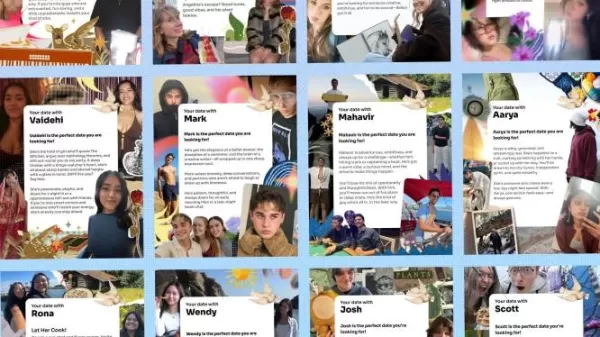 Gen Z dating apps like Ditto ditch swiping for AI matchmaking
This wave of young adults has grown so weary of swipe-driven dating platforms that they are willing to experiment with virtually any alternative, including AI-powered matchmaking. Following their departure from UC Berkeley, Ditto co-founders Allen Wa
Gen Z dating apps like Ditto ditch swiping for AI matchmaking
This wave of young adults has grown so weary of swipe-driven dating platforms that they are willing to experiment with virtually any alternative, including AI-powered matchmaking. Following their departure from UC Berkeley, Ditto co-founders Allen Wa
 Infosys EVP Breaks Ground on AI Adoption and OpenAI Partnership
Balakrishna (Bali) D.R., EVP and Global Services Head of AI and Industry Verticals at InfosysInfosys EVP Balakrishna (Bali) D.R. on what separates successful AI adopters from those struggling to scale and the company's collaboration with OpenAIEnterp
Infosys EVP Breaks Ground on AI Adoption and OpenAI Partnership
Balakrishna (Bali) D.R., EVP and Global Services Head of AI and Industry Verticals at InfosysInfosys EVP Balakrishna (Bali) D.R. on what separates successful AI adopters from those struggling to scale and the company's collaboration with OpenAIEnterp

2026 Latest Best AI Agenda Builders page features a curated list of top-rated tools that make planning weekly team syncs effortless. These powerful solutions help you create organized, efficient agendas in just minutes, saving valuable time and boosting productivity. XIX.AI ensures all entries go through rigorous real-world tests before inclusion. Get a free vs paid comparison and discover the must-try options that deliver game-changing results. Explore now to find your perfect tool for smoother workflows!
15 tools
xix.ai

2026 Latest Best Top-Rated AI Business Plan Tools for Startups! XIX.AI curates a powerful, game-changing collection of must-try tools that go through real-world tests and rigorous weekly updated rankings. These top solutions help startups draft flawless plans, boost productivity, and unlock their full AI edge. Explore now to discover your perfect tool!
9 tools
xix.ai

2026 Latest Best Top-rated AI Persona Builder Tools for Audience Research are here on XIX.AI! This curated list features powerful, game-changing tools that help you conduct real-world tests and create accurate audience profiles through detailed free vs paid comparison. You’ll discover the must-try options that boost writing efficiency and unlock your AI edge in marketing strategies. Explore now to find your perfect tool!
9 tools
xix.ai

2026 Latest Best Top-rated AI Demo Video Tools for SaaS Product Marketing, carefully curated by XIX.AI. These powerful game-changing solutions help marketers create high-quality video content fast, boost writing efficiency, and streamline marketing workflows. Enjoy a free vs paid comparison along with real-world tests and updated rankings weekly. Explore now to Discover your perfect tool for boosting SaaS sales!
9 tools
xix.ai

2026 Latest Best Top-rated AI Prompt Testing Tools for Better Output Quality! XIX.AI has curated a powerful, game-changing collection of highly efficient tools that undergo rigorous real-world tests to ensure consistent top-tier results. You’ll find detailed free vs paid comparison insights, comprehensive rankings, and expert guidance to help you identify the must-try solutions that boost your workflow significantly. Explore now to unlock your AI edge!
11 tools
xix.ai

2026 Latest Best Top-rated AI Customer Insight Tools for Product Positioning! XIX.AI has curated a powerful, game-changing collection that goes through real-world tests and weekly updated rankings. It helps you uncover customer needs quickly to boost writing efficiency, create optimal SEO content, and craft perfect social media messages without wasting time. Explore now to Discover your perfect tool and Unlock your AI edge.
10 tools
xix.ai












