


 Home
HomeFriend, the Lonely AI Wearable, Returns With a New Voice and a Much Bigger Price Tag

Two years ago, tech entrepreneur Avi Schiffmann introduced Friend, an AI-powered wearable device designed for conversation and daily text updates. The core concept was to leverage artificial intelligence to alleviate feelings of isolation. This week, the company unveiled a major product update, adding a significant new feature: voice output.
“Introducing friend 2.0,” Schiffmann announced on X Thursday. The updated device now includes a built-in speaker, enabling it to project a distinct and consistent personality to its users.
A recent commercial for the wearable features a woman wearing the Friend device, discussing what appears to be her ex-girlfriend. “It’s not bad to be gay,” the necklace advises her.
The video then cuts to a man standing on a hillside, sharing his filmmaking aspirations with his Friend. “That last film you made was insane!” the necklace praises him.
The new retail price for this upgraded version of Friend is $249, a substantial increase from the $99 launch price two years ago.
What can you actually do with your Friend beyond casual conversation about your day? This aspect remains unclear. In another recent post on X, Schiffmann elaborated on what he believes is the true purpose of his unconventional product.
“I am interested in this kind of relationship in attempting to offer, some kind of confidant, friend, God, not really sure what it is,” Schiffmann stated. “But it is not an assistant, and it is not a lover.”
Fascinating! Marketing a plastic, algorithm-driven necklace by suggesting it might actually be a deity is certainly bold strategy.
Indeed, Schiffmann’s company has a history of aggressive marketing. Friend’s billboard campaign in the New York City subway system last year went viral after being repeatedly defaced, likely by individuals who opposed the idea of human connection being replaced by a digital amulet.
Most AI wearables have failed to gain mainstream traction — at least so far. The closest competitor to Friend was Humane Inc., which attempted to replace the iPhone with its AI pin but shut down operations in less than a year due to poor sales.
Related article
 NY to Cap Power for 50M AI Data Centers
New York’s actions illustrate how governments globally might manage, tax, and regulate the physical footprint of the AI boom. Credit: Luca Bravo/UnsplashNew York Governor Kathy Hochul signs a historic executive order halting data centres, while state
How Stanford Researchers Engineered a Synthetic Virus Using Artificial Intelligence
AI leaders have highlighted potential risks associated with biologically capable AI models. Credit: CDC/UnsplashUS researchers utilized AI to engineer the first synthetic virus targeting E.coli, while Anthropic CEO Dario Amodei raises concerns about
How AI accelerates China’s drug discovery process
Insilico Medicine has cut the timeline for generating drug development candidates to roughly one year by integrating artificial intelligence with laboratory research in China, CEO Alex Zhavoronkov stated.According to Zhavoronkov, the Hong Kong-listed
Related Special Topic Recommendations
Text-to-speech
NY to Cap Power for 50M AI Data Centers
New York’s actions illustrate how governments globally might manage, tax, and regulate the physical footprint of the AI boom. Credit: Luca Bravo/UnsplashNew York Governor Kathy Hochul signs a historic executive order halting data centres, while state
How Stanford Researchers Engineered a Synthetic Virus Using Artificial Intelligence
AI leaders have highlighted potential risks associated with biologically capable AI models. Credit: CDC/UnsplashUS researchers utilized AI to engineer the first synthetic virus targeting E.coli, while Anthropic CEO Dario Amodei raises concerns about
How AI accelerates China’s drug discovery process
Insilico Medicine has cut the timeline for generating drug development candidates to roughly one year by integrating artificial intelligence with laboratory research in China, CEO Alex Zhavoronkov stated.According to Zhavoronkov, the Hong Kong-listed
Related Special Topic Recommendations
Text-to-speech
 AI Speech Styling Tools for Natural Voice Output
2026 Latest Best Top-Rated AI Speech Styling Tools for Natural Voice Output are here on XIX.AI. This curated collection features powerful, game-changing tools that deliver highly customizable voice tones, perfect for boosting writing efficiency and creating engaging content. We conduct real-world tests to provide accurate weekly updated rankings, along with a free vs paid comparison to help you choose the best fit for your needs. Explore now to Discover your perfect tool and Unlock your AI edge.
 20 tools
 xix.ai
SEO
AI Rank Tracking Tools for Google, AI Overviews, and Answer Engine Visibility
xix.ai
SEO
AI Rank Tracking Tools for Google, AI Overviews, and Answer Engine Visibility
2026 Latest Best Top-rated AI Rank Tracking Tools for Google, AI Overviews, and Answer Engine Visibility are here on XIX.AI. This curated list features powerful game-changing tools that go through rigorous real-world tests to deliver accurate rankings data. Get a free vs paid comparison, see top performers, and discover must-try options to boost your content’s visibility across search engines. Explore now to find the perfect tool for your needs.
10 tools
xix.ai
Productivity
Best AI Second-Brain Organizers for Notes and Tasks
2026 Latest Best Top-Rated AI Second-Brain Organizers for Notes and Tasks! XIX.AI has curated a highly powerful game-changing collection, featuring weekly updated rankings, free vs paid comparison, and real-world tests to help you find the perfect tool that boosts productivity dramatically. Explore now to unlock your AI edge!
11 tools
xix.ai
Prompt
AI Prompt Testing Platforms for ChatGPT and Claude Workflows
2026 Latest Best Top-Rated AI Prompt Testing Platforms for ChatGPT and Claude Workflows! XIX.AI curates a powerful game-changing collection, featuring weekly updated rankings, free vs paid comparison, real-world tests, and detailed feature breakdowns to help you identify the must-try tools that boost productivity and deliver flawless outputs. Explore now to discover your perfect solution and unlock your AI edge. (249 characters)
9 tools
xix.ai
Marketing
AI Landing Page Copy Tools for SaaS A/B Tests, Pricing Pages, and Demo Conversion
2026 Latest Best AI Landing Page Copy Tools for SaaS A/B Tests, Pricing Pages, and Demo Conversion are here on XIX.AI. This curated list of top-rated tools offers powerful game-changing solutions to boost content quality, improve writing efficiency, and enhance overall productivity. We conduct real-world tests and provide a free vs paid comparison along with weekly updated rankings. Must-try options help you break through creation bottlenecks. Explore now to discover your perfect tool and unlock your AI edge!
8 tools
xix.ai
Finance
Excel AI Budget Forecasting Tools for Cash Flow Planning and Expense Control
2026 Latest Best Excel AI tools for cash flow planning and expense control are here on XIX.AI’s top-rated curated list. These powerful game-changing solutions help you boost productivity significantly through real-world tests and rigorous rankings. Get a free vs paid comparison to find the perfect fit for your needs. Explore now to unlock your AI edge in financial management.
9 tools
xix.ai

 Comments (0)
0/500
Comments (0)
0/500
Two years ago, tech entrepreneur Avi Schiffmann introduced Friend, an AI-powered wearable device designed for conversation and daily text updates. The core concept was to leverage artificial intelligence to alleviate feelings of isolation. This week, the company unveiled a major product update, adding a significant new feature: voice output.
“Introducing friend 2.0,” Schiffmann announced on X Thursday. The updated device now includes a built-in speaker, enabling it to project a distinct and consistent personality to its users.
A recent commercial for the wearable features a woman wearing the Friend device, discussing what appears to be her ex-girlfriend. “It’s not bad to be gay,” the necklace advises her.
The video then cuts to a man standing on a hillside, sharing his filmmaking aspirations with his Friend. “That last film you made was insane!” the necklace praises him.
The new retail price for this upgraded version of Friend is $249, a substantial increase from the $99 launch price two years ago.
What can you actually do with your Friend beyond casual conversation about your day? This aspect remains unclear. In another recent post on X, Schiffmann elaborated on what he believes is the true purpose of his unconventional product.
“I am interested in this kind of relationship in attempting to offer, some kind of confidant, friend, God, not really sure what it is,” Schiffmann stated. “But it is not an assistant, and it is not a lover.”
Fascinating! Marketing a plastic, algorithm-driven necklace by suggesting it might actually be a deity is certainly bold strategy.
Indeed, Schiffmann’s company has a history of aggressive marketing. Friend’s billboard campaign in the New York City subway system last year went viral after being repeatedly defaced, likely by individuals who opposed the idea of human connection being replaced by a digital amulet.
Most AI wearables have failed to gain mainstream traction — at least so far. The closest competitor to Friend was Humane Inc., which attempted to replace the iPhone with its AI pin but shut down operations in less than a year due to poor sales.








 NY to Cap Power for 50M AI Data Centers
New York’s actions illustrate how governments globally might manage, tax, and regulate the physical footprint of the AI boom. Credit: Luca Bravo/UnsplashNew York Governor Kathy Hochul signs a historic executive order halting data centres, while state
NY to Cap Power for 50M AI Data Centers
New York’s actions illustrate how governments globally might manage, tax, and regulate the physical footprint of the AI boom. Credit: Luca Bravo/UnsplashNew York Governor Kathy Hochul signs a historic executive order halting data centres, while state
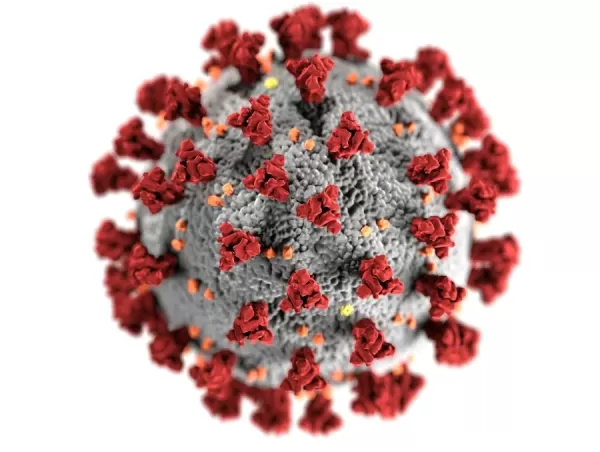 How Stanford Researchers Engineered a Synthetic Virus Using Artificial Intelligence
AI leaders have highlighted potential risks associated with biologically capable AI models. Credit: CDC/UnsplashUS researchers utilized AI to engineer the first synthetic virus targeting E.coli, while Anthropic CEO Dario Amodei raises concerns about
How Stanford Researchers Engineered a Synthetic Virus Using Artificial Intelligence
AI leaders have highlighted potential risks associated with biologically capable AI models. Credit: CDC/UnsplashUS researchers utilized AI to engineer the first synthetic virus targeting E.coli, while Anthropic CEO Dario Amodei raises concerns about
 How AI accelerates China’s drug discovery process
Insilico Medicine has cut the timeline for generating drug development candidates to roughly one year by integrating artificial intelligence with laboratory research in China, CEO Alex Zhavoronkov stated.According to Zhavoronkov, the Hong Kong-listed
How AI accelerates China’s drug discovery process
Insilico Medicine has cut the timeline for generating drug development candidates to roughly one year by integrating artificial intelligence with laboratory research in China, CEO Alex Zhavoronkov stated.According to Zhavoronkov, the Hong Kong-listed
2026 Latest Best Top-Rated AI Speech Styling Tools for Natural Voice Output are here on XIX.AI. This curated collection features powerful, game-changing tools that deliver highly customizable voice tones, perfect for boosting writing efficiency and creating engaging content. We conduct real-world tests to provide accurate weekly updated rankings, along with a free vs paid comparison to help you choose the best fit for your needs. Explore now to Discover your perfect tool and Unlock your AI edge.
20 tools
xix.ai
2026 Latest Best Top-rated AI Rank Tracking Tools for Google, AI Overviews, and Answer Engine Visibility are here on XIX.AI. This curated list features powerful game-changing tools that go through rigorous real-world tests to deliver accurate rankings data. Get a free vs paid comparison, see top performers, and discover must-try options to boost your content’s visibility across search engines. Explore now to find the perfect tool for your needs.
10 tools
xix.ai

2026 Latest Best Top-Rated AI Second-Brain Organizers for Notes and Tasks! XIX.AI has curated a highly powerful game-changing collection, featuring weekly updated rankings, free vs paid comparison, and real-world tests to help you find the perfect tool that boosts productivity dramatically. Explore now to unlock your AI edge!
11 tools
xix.ai

2026 Latest Best Top-Rated AI Prompt Testing Platforms for ChatGPT and Claude Workflows! XIX.AI curates a powerful game-changing collection, featuring weekly updated rankings, free vs paid comparison, real-world tests, and detailed feature breakdowns to help you identify the must-try tools that boost productivity and deliver flawless outputs. Explore now to discover your perfect solution and unlock your AI edge. (249 characters)
9 tools
xix.ai

2026 Latest Best AI Landing Page Copy Tools for SaaS A/B Tests, Pricing Pages, and Demo Conversion are here on XIX.AI. This curated list of top-rated tools offers powerful game-changing solutions to boost content quality, improve writing efficiency, and enhance overall productivity. We conduct real-world tests and provide a free vs paid comparison along with weekly updated rankings. Must-try options help you break through creation bottlenecks. Explore now to discover your perfect tool and unlock your AI edge!
8 tools
xix.ai

2026 Latest Best Excel AI tools for cash flow planning and expense control are here on XIX.AI’s top-rated curated list. These powerful game-changing solutions help you boost productivity significantly through real-world tests and rigorous rankings. Get a free vs paid comparison to find the perfect fit for your needs. Explore now to unlock your AI edge in financial management.
9 tools
xix.ai












