


 Home
HomeWhat is facial recognition technology and how is it used in 2025?
Facial recognition technology is advancing at a remarkable pace, transforming everyday activities from attending a baseball game to unlocking your phone. This guide explores how it works, its impressive accuracy, where it's being used today, and the vital ethical questions it raises. As this technology becomes more integrated into our digital lives, understanding its mechanics and implications is more important than ever.
Key Points
This AI-driven technology identifies people by analyzing unique biometric data from their faces.
Major League Baseball's 'Go-Ahead Entry' system uses facial recognition for quicker stadium access.
NEC's NeoFace technology demonstrates exceptional accuracy, with rates above 99%.
Airports are adopting facial recognition for enhanced security and more efficient boarding.
The Mall of America uses the technology to identify potential security risks.
Trust and ethical considerations are paramount for the responsible use of facial recognition.
Ongoing improvements aim to address concerns about algorithmic bias, particularly against people of color.
Understanding Facial Recognition Technology
What is Facial Recognition?
Facial recognition is an artificial intelligence (AI) technology that verifies or identifies a person from a digital image or video. It operates by analyzing and mapping distinct facial characteristics, then comparing this data against a database of known faces. Its growing adoption across various industries promises greater security, convenience, and operational efficiency.
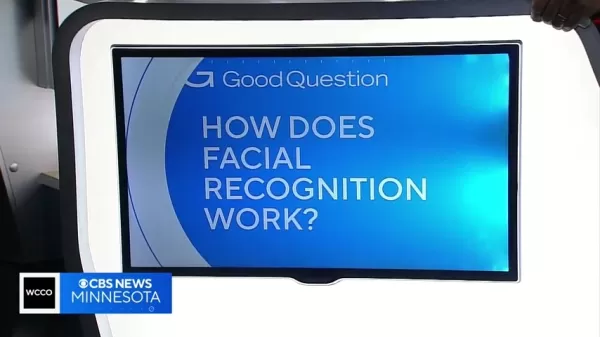
The process generally involves several steps:
- Face Detection: The system first locates a human face within an image or video stream.
- Feature Extraction: After detection, the system analyzes unique facial features like the distance between the eyes, nose shape, and lip contours, converting them into a numerical code known as a facial signature or faceprint.
- Comparison: This generated faceprint is then compared against a database of stored faceprints.
- Matching: The individual is identified if a sufficiently close match is found.
Accuracy has improved dramatically. Early systems struggled with variations in lighting, angle, and expression, but modern AI, especially deep learning algorithms, has largely overcome these challenges.
Dr. Manjeet Rege, Director of the Center for Applied Artificial Intelligence at St. Thomas University, notes the substantial gains in model accuracy. He points to Major League Baseball's 'Go-Ahead Lanes,' which use NEC’s NeoFace technology with a reported 99.85% accuracy rate.
Despite these advancements, ethical concerns regarding privacy and potential bias in the systems remain critical issues that require ongoing attention.
How Does Facial Recognition Work?
Facial recognition relies on sophisticated algorithms and machine learning to identify individuals. The process starts by detecting a face, then extracting key features to create a unique digital "fingerprint."

Here is a more detailed breakdown:
- Detection: The system first pinpoints the location of a face within the frame.
- Analysis: It then analyzes various biometric points, including:
- The distance between the eyes
- The width of the nose
- The shape of the lips
- Skin texture and tone
- Conversion: These measurements are converted into a unique numerical code, or faceprint, representing the individual's facial characteristics.
- Comparison and Matching: This faceprint is compared to a database. The system calculates the similarity score, and if it exceeds a set threshold, the person is identified.
In essence, the technology searches for a digital "fingerprint" of your face, using key biometric details to verify identity. While modern systems are less affected by lighting or pose, ethical considerations continue to be a priority.
Facial Recognition Applications in Various Sectors
Facial Recognition in Major League Baseball (MLB)
MLB is leveraging facial recognition to improve the fan experience and speed up entry into stadiums. The 'Go-Ahead Entry' system uses cameras that scan faces instead of checking physical tickets, all powered by AI.

Fans who opt-in upload a selfie to the MLB Ballpark app. This image is converted into a numerical token for comparison with the live camera scan. The system utilizes NEC’s highly accurate NeoFace technology. Dr. Manjeet Rege confirms that the accuracy of these recognition models has improved significantly. This allows for swift, secure stadium entry without physical tickets, though it does raise questions about data privacy.
The primary goal is to reduce wait times and improve efficiency at entrances. Participants enjoy expedited entry, contributing to a smoother and more enjoyable start to the game. MLB's adoption of this AI technology is setting a new standard for a tech-forward fan experience.
Facial Recognition Beyond Baseball: Airports and Security
The application of facial recognition extends far beyond sports. For instance, Delta Airlines has implemented the technology to help passengers move through security checkpoints more quickly. The Transportation Security Administration (TSA) is also expanding its use to verify passenger identities against their passports, reducing manual checks and speeding up the screening process.
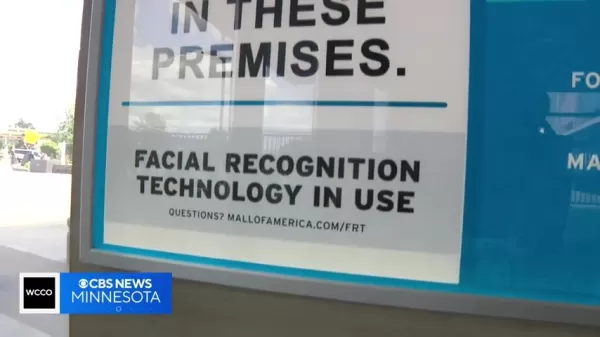
The Mall of America uses facial recognition to identify potential threats. The mall's security cameras continuously scan for individuals who are banned from the premises or are wanted by law enforcement, aiming to create a safer environment for everyone.
While these uses highlight the potential for improved security and convenience, they also emphasize the need for strong privacy safeguards and ethical guidelines. Addressing concerns about data storage, potential misuse, and algorithmic bias is essential for the responsible deployment of this powerful tool.
Facial Recognition in Everyday Devices
Facial recognition is now a standard feature in many everyday devices. Many smartphones offer face-unlocking capabilities, providing a convenient and secure way to access personal information. This technology is also found in laptops and tablets, adding an extra layer of security.
This integration reflects the growing sophistication and affordability of the technology, making it accessible to consumers. However, users should be aware of potential risks and ensure their devices are properly secured with appropriate privacy settings.
Looking ahead, facial recognition could personalize settings in cars, automatically adjusting seats, music, and temperature based on the driver's identity, thanks to its increasing accuracy.
How to Use Facial Recognition Systems
Participating in MLB’s Go-Ahead Entry
To use MLB's Go-Ahead Entry, fans must first upload a selfie to the MLB Ballpark app. Afterwards, they can use the dedicated, faster lanes at the stadium that are equipped with face-scanning cameras. Signs will indicate these Go-Ahead Entry lanes, and it's important to note that all ticketed individuals entering these lanes will have their faces captured by the cameras.
Pricing
Pricing Details for Facial Recognition Software
The cost of facial recognition software depends on factors like the scale of deployment, required accuracy, and specific features. Vendors may offer subscription-based models or one-time licensing fees. Custom solutions are available but typically come at a higher cost.
Open-source libraries exist for developers, but they often require significant expertise and may not match the accuracy or support of commercial products. Organizations should carefully assess their needs and budget before choosing a provider.
Pros and Cons of Facial Recognition Technology
Pros
Enhanced Security
Improved Efficiency
Convenience
Personalization
Cons
Privacy Concerns
Potential for Misuse
Algorithmic Bias
Data Security Risks
Core Features of Facial Recognition Software
Key Features to Look for in Facial Recognition Solutions
When evaluating facial recognition software, core features to consider include:
- Face Detection: The ability to accurately locate faces within images and videos.
- Feature Extraction: Effectively capturing unique facial features to create a reliable faceprint.
- Database Management: Storing and organizing faceprints securely.
- Matching Algorithm: A robust algorithm for comparing faceprints and identifying matches.
- Accuracy and Speed: High identification accuracy and fast processing, even under challenging conditions.
- Security: Strong protections for sensitive biometric data.
- Integration: The ability to integrate smoothly with existing systems.
- Scalability: The capacity to grow with increasing data and user demands.
Use Cases for Facial Recognition Technology
Diverse Applications of Facial Recognition Across Industries
Facial recognition technology is versatile, with applications across numerous sectors:
- Security and Surveillance: Enhancing safety in airports, public spaces, and government facilities, including identifying persons of interest.
- Access Control: Securing entry to buildings, devices, and restricted areas.
- Retail: Personalizing shopping experiences, preventing theft, and optimizing store operations.
- Healthcare: Improving patient identification, streamlining administrative processes, and reducing errors.
- Banking and Finance: Securing transactions, preventing fraud, and verifying customer identity.
- Education: Automating attendance, enhancing campus security, and personalizing learning.
- Entertainment: Tailoring content recommendations, improving gaming, and increasing fan engagement.
FAQ
How accurate is facial recognition technology?
Modern facial recognition systems can be highly accurate, with some achieving rates over 99%. However, accuracy can be influenced by image quality, lighting, and the specific algorithm used. It is also crucial to address concerns about bias, which can affect accuracy across different demographic groups.
What are the ethical concerns surrounding facial recognition?
Key ethical concerns involve privacy infringement, the potential for data misuse, and biases within algorithms. Risks include the unauthorized storage of images and misidentification. Responsible deployment requires transparency, user consent, and strong privacy protections to ensure algorithms are fair and just.
Where is facial recognition technology currently being used?
Facial recognition is currently deployed in a wide array of settings. These include Major League Baseball stadiums for entry, airports for security and boarding, retail stores for customer service, healthcare for patient ID, and personal devices like phones and laptops for access control. The Mall of America also uses it for security threat identification.
Related Questions
How is facial recognition technology addressing bias concerns?
Tackling bias is a major focus for developers and researchers. Recent advancements in AI have led to significant improvements, promoting fairer outcomes. Key measures include using more diverse training datasets that represent various ethnicities, ages, and genders; refining algorithms to be less sensitive to skin tone and expression; and implementing rigorous testing to identify and correct disparities. Dr. Rege acknowledges that while recent AI improvements have reduced bias issues in systems like Go-Ahead Entry, concerns about image storage and misidentification remain valid and require ongoing attention.
Related article
 Cognition CEO dismisses reports of SpaceX acquisition bid
SpaceX, led by Elon Musk, explored purchasing AI coding firm Cognition to close the gap with rivals OpenAI, Anthropic, and Google, according to a Wednesday Bloomberg report citing informed sources.Cognition CEO Scott Wu quickly refuted the claim on X
Gemini Spark now manages Google Photos library
Google is expanding its AI integration by enabling Gemini Spark to manage Google Photos libraries. Users can now instruct the agent to edit images, organize albums, generate shared collections from favorite shots, convert concert flyers into calendar
OpenAI counters Musk’s trade secret lawsuit, demanding xAI cover millions in legal fees after claiming it filed first
Bloomberg reports that OpenAI has petitioned a judge to dismiss xAI’s trade secret theft lawsuit as baseless, demanding that Elon Musk’s company pay more than $1 million in legal costs. This motion follows xAI’s announcement that it plans to appeal i
Related Special Topic Recommendations
Design & Art
Cognition CEO dismisses reports of SpaceX acquisition bid
SpaceX, led by Elon Musk, explored purchasing AI coding firm Cognition to close the gap with rivals OpenAI, Anthropic, and Google, according to a Wednesday Bloomberg report citing informed sources.Cognition CEO Scott Wu quickly refuted the claim on X
Gemini Spark now manages Google Photos library
Google is expanding its AI integration by enabling Gemini Spark to manage Google Photos libraries. Users can now instruct the agent to edit images, organize albums, generate shared collections from favorite shots, convert concert flyers into calendar
OpenAI counters Musk’s trade secret lawsuit, demanding xAI cover millions in legal fees after claiming it filed first
Bloomberg reports that OpenAI has petitioned a judge to dismiss xAI’s trade secret theft lawsuit as baseless, demanding that Elon Musk’s company pay more than $1 million in legal costs. This motion follows xAI’s announcement that it plans to appeal i
Related Special Topic Recommendations
Design & Art
 AI Moodboard Tools for Brand and Art Direction
2026 Latest Best AI Moodboard Tools for Brand and Art Direction! XIX.AI has curated a top-rated list of powerful, game-changing tools that help creators boost productivity significantly. You’ll find detailed weekly updated rankings, free vs paid comparison, and real-world tests to help you choose the perfect option. Must-try features include instant idea generation, seamless collaboration, and optimized workflows for all your design projects. Explore now to unlock your AI edge!
 9 tools
 xix.ai
Academic Research
AI Systematic Review Tools for Screening Abstracts, Datasets, and Citation Networks
xix.ai
Academic Research
AI Systematic Review Tools for Screening Abstracts, Datasets, and Citation Networks
2026 Latest Best Top-rated AI Systematic Review Tools for Screening Abstracts, Datasets, and Citation Networks are curated by XIX.AI through rigorous real-world tests. These powerful game-changing tools offer a free vs paid comparison to help researchers boost productivity significantly. Explore now to discover your perfect tool for accelerating scientific research.
9 tools
xix.ai
Text-to-speech
Best AI Multilingual Voice Tools for Global Content
2026 Latest Best Top-rated AI Multilingual Voice Tools for Global Content are here on XIX.AI! This curated list features powerful, game-changing options that deliver flawless speech in dozens of languages, perfect for creating high-quality content fast and boosting writing efficiency across global markets. Get a free vs paid comparison along with real-world tests and our updated weekly rankings to help you find the must-try tool that suits your needs. Explore now to unlock your AI edge!
10 tools
xix.ai
Marketing
Best AI Persona Builders: Turn CRM Data into Actionable Profiles
2026 Latest Best Top-rated AI Persona Builders help you turn valuable CRM data into actionable customer profiles quickly. This curated list showcases powerful, game-changing tools that go through real-world tests to deliver accurate insights. Get a free vs paid comparison and discover which option suits your needs best. XIX.AI is also included in this must-try selection. Explore now to Unlock your AI edge!
9 tools
xix.ai
Data Analysis
AI SQL Analysis Tools for Business Intelligence Teams
2026 Latest Best Top-rated AI SQL Analysis Tools for Business Intelligence Teams! XIX.AI has curated a powerful, game-changing collection that goes through rigorous real-world tests. You’ll find a free vs paid comparison, detailed rankings, and in-depth insights to help you boost productivity significantly. Must-try options are available to unlock your AI edge. Explore now!
11 tools
xix.ai
Image editing
Best AI Batch Background Removal Tools for Catalog Images
2026 Latest Best Top-rated AI Batch Background Removal Tools for Catalog Images are curated by XIX.AI for quick, powerful removal of backgrounds from multiple images at once. These tools offer real-world tests and free vs paid comparison to help you find the most efficient solution that boosts your productivity significantly. Must-try options are regularly updated weekly. Explore now to Discover your perfect tool and Unlock your AI edge.
14 tools
xix.ai

 Comments (1)
0/500
Comments (1)
0/500
![PeterJohnson]()
Lol, in 2025 unlocking my phone feels like the most boring use case for this tech now. 🤣 The bit about scanning crowds at stadiums is wild - convenient for security, sure, but the article didn't dive deep enough into where that data really ends up. It's like we traded a little privacy for a lot of convenience without reading the fine print. Makes you think...
Facial recognition technology is advancing at a remarkable pace, transforming everyday activities from attending a baseball game to unlocking your phone. This guide explores how it works, its impressive accuracy, where it's being used today, and the vital ethical questions it raises. As this technology becomes more integrated into our digital lives, understanding its mechanics and implications is more important than ever.
Key Points
This AI-driven technology identifies people by analyzing unique biometric data from their faces.
Major League Baseball's 'Go-Ahead Entry' system uses facial recognition for quicker stadium access.
NEC's NeoFace technology demonstrates exceptional accuracy, with rates above 99%.
Airports are adopting facial recognition for enhanced security and more efficient boarding.
The Mall of America uses the technology to identify potential security risks.
Trust and ethical considerations are paramount for the responsible use of facial recognition.
Ongoing improvements aim to address concerns about algorithmic bias, particularly against people of color.
Understanding Facial Recognition Technology
What is Facial Recognition?
Facial recognition is an artificial intelligence (AI) technology that verifies or identifies a person from a digital image or video. It operates by analyzing and mapping distinct facial characteristics, then comparing this data against a database of known faces. Its growing adoption across various industries promises greater security, convenience, and operational efficiency.
The process generally involves several steps:
- Face Detection: The system first locates a human face within an image or video stream.
- Feature Extraction: After detection, the system analyzes unique facial features like the distance between the eyes, nose shape, and lip contours, converting them into a numerical code known as a facial signature or faceprint.
- Comparison: This generated faceprint is then compared against a database of stored faceprints.
- Matching: The individual is identified if a sufficiently close match is found.
Accuracy has improved dramatically. Early systems struggled with variations in lighting, angle, and expression, but modern AI, especially deep learning algorithms, has largely overcome these challenges.
Dr. Manjeet Rege, Director of the Center for Applied Artificial Intelligence at St. Thomas University, notes the substantial gains in model accuracy. He points to Major League Baseball's 'Go-Ahead Lanes,' which use NEC’s NeoFace technology with a reported 99.85% accuracy rate.
Despite these advancements, ethical concerns regarding privacy and potential bias in the systems remain critical issues that require ongoing attention.
How Does Facial Recognition Work?
Facial recognition relies on sophisticated algorithms and machine learning to identify individuals. The process starts by detecting a face, then extracting key features to create a unique digital "fingerprint."
Here is a more detailed breakdown:
- Detection: The system first pinpoints the location of a face within the frame.
- Analysis: It then analyzes various biometric points, including:
- The distance between the eyes
- The width of the nose
- The shape of the lips
- Skin texture and tone
- Conversion: These measurements are converted into a unique numerical code, or faceprint, representing the individual's facial characteristics.
- Comparison and Matching: This faceprint is compared to a database. The system calculates the similarity score, and if it exceeds a set threshold, the person is identified.
In essence, the technology searches for a digital "fingerprint" of your face, using key biometric details to verify identity. While modern systems are less affected by lighting or pose, ethical considerations continue to be a priority.
Facial Recognition Applications in Various Sectors
Facial Recognition in Major League Baseball (MLB)
MLB is leveraging facial recognition to improve the fan experience and speed up entry into stadiums. The 'Go-Ahead Entry' system uses cameras that scan faces instead of checking physical tickets, all powered by AI.
Fans who opt-in upload a selfie to the MLB Ballpark app. This image is converted into a numerical token for comparison with the live camera scan. The system utilizes NEC’s highly accurate NeoFace technology. Dr. Manjeet Rege confirms that the accuracy of these recognition models has improved significantly. This allows for swift, secure stadium entry without physical tickets, though it does raise questions about data privacy.
The primary goal is to reduce wait times and improve efficiency at entrances. Participants enjoy expedited entry, contributing to a smoother and more enjoyable start to the game. MLB's adoption of this AI technology is setting a new standard for a tech-forward fan experience.
Facial Recognition Beyond Baseball: Airports and Security
The application of facial recognition extends far beyond sports. For instance, Delta Airlines has implemented the technology to help passengers move through security checkpoints more quickly. The Transportation Security Administration (TSA) is also expanding its use to verify passenger identities against their passports, reducing manual checks and speeding up the screening process.
The Mall of America uses facial recognition to identify potential threats. The mall's security cameras continuously scan for individuals who are banned from the premises or are wanted by law enforcement, aiming to create a safer environment for everyone.
While these uses highlight the potential for improved security and convenience, they also emphasize the need for strong privacy safeguards and ethical guidelines. Addressing concerns about data storage, potential misuse, and algorithmic bias is essential for the responsible deployment of this powerful tool.
Facial Recognition in Everyday Devices
Facial recognition is now a standard feature in many everyday devices. Many smartphones offer face-unlocking capabilities, providing a convenient and secure way to access personal information. This technology is also found in laptops and tablets, adding an extra layer of security.
This integration reflects the growing sophistication and affordability of the technology, making it accessible to consumers. However, users should be aware of potential risks and ensure their devices are properly secured with appropriate privacy settings.
Looking ahead, facial recognition could personalize settings in cars, automatically adjusting seats, music, and temperature based on the driver's identity, thanks to its increasing accuracy.
How to Use Facial Recognition Systems
Participating in MLB’s Go-Ahead Entry
To use MLB's Go-Ahead Entry, fans must first upload a selfie to the MLB Ballpark app. Afterwards, they can use the dedicated, faster lanes at the stadium that are equipped with face-scanning cameras. Signs will indicate these Go-Ahead Entry lanes, and it's important to note that all ticketed individuals entering these lanes will have their faces captured by the cameras.
Pricing
Pricing Details for Facial Recognition Software
The cost of facial recognition software depends on factors like the scale of deployment, required accuracy, and specific features. Vendors may offer subscription-based models or one-time licensing fees. Custom solutions are available but typically come at a higher cost.
Open-source libraries exist for developers, but they often require significant expertise and may not match the accuracy or support of commercial products. Organizations should carefully assess their needs and budget before choosing a provider.
Pros and Cons of Facial Recognition Technology
Pros
Enhanced Security
Improved Efficiency
Convenience
Personalization
Cons
Privacy Concerns
Potential for Misuse
Algorithmic Bias
Data Security Risks
Core Features of Facial Recognition Software
Key Features to Look for in Facial Recognition Solutions
When evaluating facial recognition software, core features to consider include:
- Face Detection: The ability to accurately locate faces within images and videos.
- Feature Extraction: Effectively capturing unique facial features to create a reliable faceprint.
- Database Management: Storing and organizing faceprints securely.
- Matching Algorithm: A robust algorithm for comparing faceprints and identifying matches.
- Accuracy and Speed: High identification accuracy and fast processing, even under challenging conditions.
- Security: Strong protections for sensitive biometric data.
- Integration: The ability to integrate smoothly with existing systems.
- Scalability: The capacity to grow with increasing data and user demands.
Use Cases for Facial Recognition Technology
Diverse Applications of Facial Recognition Across Industries
Facial recognition technology is versatile, with applications across numerous sectors:
- Security and Surveillance: Enhancing safety in airports, public spaces, and government facilities, including identifying persons of interest.
- Access Control: Securing entry to buildings, devices, and restricted areas.
- Retail: Personalizing shopping experiences, preventing theft, and optimizing store operations.
- Healthcare: Improving patient identification, streamlining administrative processes, and reducing errors.
- Banking and Finance: Securing transactions, preventing fraud, and verifying customer identity.
- Education: Automating attendance, enhancing campus security, and personalizing learning.
- Entertainment: Tailoring content recommendations, improving gaming, and increasing fan engagement.
FAQ
How accurate is facial recognition technology?
Modern facial recognition systems can be highly accurate, with some achieving rates over 99%. However, accuracy can be influenced by image quality, lighting, and the specific algorithm used. It is also crucial to address concerns about bias, which can affect accuracy across different demographic groups.
What are the ethical concerns surrounding facial recognition?
Key ethical concerns involve privacy infringement, the potential for data misuse, and biases within algorithms. Risks include the unauthorized storage of images and misidentification. Responsible deployment requires transparency, user consent, and strong privacy protections to ensure algorithms are fair and just.
Where is facial recognition technology currently being used?
Facial recognition is currently deployed in a wide array of settings. These include Major League Baseball stadiums for entry, airports for security and boarding, retail stores for customer service, healthcare for patient ID, and personal devices like phones and laptops for access control. The Mall of America also uses it for security threat identification.
Related Questions
How is facial recognition technology addressing bias concerns?
Tackling bias is a major focus for developers and researchers. Recent advancements in AI have led to significant improvements, promoting fairer outcomes. Key measures include using more diverse training datasets that represent various ethnicities, ages, and genders; refining algorithms to be less sensitive to skin tone and expression; and implementing rigorous testing to identify and correct disparities. Dr. Rege acknowledges that while recent AI improvements have reduced bias issues in systems like Go-Ahead Entry, concerns about image storage and misidentification remain valid and require ongoing attention.








 Cognition CEO dismisses reports of SpaceX acquisition bid
SpaceX, led by Elon Musk, explored purchasing AI coding firm Cognition to close the gap with rivals OpenAI, Anthropic, and Google, according to a Wednesday Bloomberg report citing informed sources.Cognition CEO Scott Wu quickly refuted the claim on X
Cognition CEO dismisses reports of SpaceX acquisition bid
SpaceX, led by Elon Musk, explored purchasing AI coding firm Cognition to close the gap with rivals OpenAI, Anthropic, and Google, according to a Wednesday Bloomberg report citing informed sources.Cognition CEO Scott Wu quickly refuted the claim on X
 Gemini Spark now manages Google Photos library
Google is expanding its AI integration by enabling Gemini Spark to manage Google Photos libraries. Users can now instruct the agent to edit images, organize albums, generate shared collections from favorite shots, convert concert flyers into calendar
Gemini Spark now manages Google Photos library
Google is expanding its AI integration by enabling Gemini Spark to manage Google Photos libraries. Users can now instruct the agent to edit images, organize albums, generate shared collections from favorite shots, convert concert flyers into calendar
 OpenAI counters Musk’s trade secret lawsuit, demanding xAI cover millions in legal fees after claiming it filed first
Bloomberg reports that OpenAI has petitioned a judge to dismiss xAI’s trade secret theft lawsuit as baseless, demanding that Elon Musk’s company pay more than $1 million in legal costs. This motion follows xAI’s announcement that it plans to appeal i
OpenAI counters Musk’s trade secret lawsuit, demanding xAI cover millions in legal fees after claiming it filed first
Bloomberg reports that OpenAI has petitioned a judge to dismiss xAI’s trade secret theft lawsuit as baseless, demanding that Elon Musk’s company pay more than $1 million in legal costs. This motion follows xAI’s announcement that it plans to appeal i

2026 Latest Best AI Moodboard Tools for Brand and Art Direction! XIX.AI has curated a top-rated list of powerful, game-changing tools that help creators boost productivity significantly. You’ll find detailed weekly updated rankings, free vs paid comparison, and real-world tests to help you choose the perfect option. Must-try features include instant idea generation, seamless collaboration, and optimized workflows for all your design projects. Explore now to unlock your AI edge!
9 tools
xix.ai

2026 Latest Best Top-rated AI Systematic Review Tools for Screening Abstracts, Datasets, and Citation Networks are curated by XIX.AI through rigorous real-world tests. These powerful game-changing tools offer a free vs paid comparison to help researchers boost productivity significantly. Explore now to discover your perfect tool for accelerating scientific research.
9 tools
xix.ai

2026 Latest Best Top-rated AI Multilingual Voice Tools for Global Content are here on XIX.AI! This curated list features powerful, game-changing options that deliver flawless speech in dozens of languages, perfect for creating high-quality content fast and boosting writing efficiency across global markets. Get a free vs paid comparison along with real-world tests and our updated weekly rankings to help you find the must-try tool that suits your needs. Explore now to unlock your AI edge!
10 tools
xix.ai

2026 Latest Best Top-rated AI Persona Builders help you turn valuable CRM data into actionable customer profiles quickly. This curated list showcases powerful, game-changing tools that go through real-world tests to deliver accurate insights. Get a free vs paid comparison and discover which option suits your needs best. XIX.AI is also included in this must-try selection. Explore now to Unlock your AI edge!
9 tools
xix.ai

2026 Latest Best Top-rated AI SQL Analysis Tools for Business Intelligence Teams! XIX.AI has curated a powerful, game-changing collection that goes through rigorous real-world tests. You’ll find a free vs paid comparison, detailed rankings, and in-depth insights to help you boost productivity significantly. Must-try options are available to unlock your AI edge. Explore now!
11 tools
xix.ai

2026 Latest Best Top-rated AI Batch Background Removal Tools for Catalog Images are curated by XIX.AI for quick, powerful removal of backgrounds from multiple images at once. These tools offer real-world tests and free vs paid comparison to help you find the most efficient solution that boosts your productivity significantly. Must-try options are regularly updated weekly. Explore now to Discover your perfect tool and Unlock your AI edge.
14 tools
xix.ai

Lol, in 2025 unlocking my phone feels like the most boring use case for this tech now. 🤣 The bit about scanning crowds at stadiums is wild - convenient for security, sure, but the article didn't dive deep enough into where that data really ends up. It's like we traded a little privacy for a lot of convenience without reading the fine print. Makes you think...












