


 Home
HomeHow to circuit bend a Speak & Spell for a retro synth in 2026?
Ready to unleash your inner mad scientist and craft some truly unique sounds? Let's dive into the world of circuit bending, focusing on how to transform a classic Speak & Spell toy into a wild and unpredictable synthesizer. This goes beyond nostalgia—it's about pushing sonic boundaries and creating something genuinely original with a cool retro vibe.
Key Points
Understand the fundamentals of circuit bending and its historical background.
Learn circuit bending techniques specifically for a vintage Speak & Spell.
Explore a range of circuit bending modifications, from basic bends to advanced sequencing.
Discover sources of inspiration for your circuit bending projects, from online forums to museum displays.
Learn important safety practices for working with electronics.
Understanding Circuit Bending
What is Circuit Bending?
Circuit bending is the creative practice of intentionally short-circuiting low-voltage, battery-powered electronic devices to generate novel and unexpected sounds. By deliberately causing glitches and unpredictable circuit behaviors, you can produce unique and chaotic audio textures.
Think of it as hardware hacking for sonic exploration. The appeal of circuit bending comes from its unpredictability—you never know what sounds you'll discover until you start experimenting.
This process unlocks the hidden potential of electronic devices, turning them into instruments that can create sounds far beyond their original purpose. It's a journey of discovery driven by curiosity and a willingness to embrace the unexpected. Circuit bending is an art form where every device holds hidden potential. Each modification is unique, meaning you'll get different results even with identical devices. This practice is particularly popular among electronic music producers and sound designers.
While circuit bending requires minimal electronics knowledge, this tutorial assumes you have some basic understanding of electronic components.
A Brief History of Circuit Bending
The origins of circuit bending are commonly credited to Reed Ghazala, who accidentally discovered the technique in the 1960s while fixing an electronic organ.
His experiments led to the development of unique instruments and a philosophy centered around embracing electronic unpredictability. Ghazala's work has inspired countless artists and engineers, shaping experimental music and electronic art. Today, his influence continues to resonate throughout the circuit bending community, with his ideas forming the foundation of even the most advanced projects.
Recognized as the 'Father of Circuit Bending,' Ghazala's work and ideas are widely documented online. Many contemporary circuit bending projects build upon his initial experiments and concepts, refining and expanding them.
Why Use a Speak & Spell for Circuit Bending?
The Texas Instruments Speak & Spell, a classic educational toy from the late 1970s and early 1980s, holds a special place in circuit bending.
Its accessible components, straightforward circuit design, and distinctive voice synthesis chip make it perfect for modification. Circuit bending a Speak & Spell provides an excellent introduction to the practice, making it ideal for beginners.
Several factors contribute to the Speak & Spell's popularity:
- Accessibility: Speak & Spells are relatively easy to find and affordable, particularly at thrift stores or online marketplaces.
- Predictable Results: Since most Speak & Spell models share similar designs, it's easier to create consistent modification plans. Most circuit-bent Speak & Spells will perform similarly with comparable results.
- Ease of Modification: The toy's simple design makes it easy to identify and access key components for circuit bending.
- Distinctive Sound: The Speak & Spell's voice synthesis chip produces unique and recognizable tones that add character to the modified instrument.
- Cool Vintage Appeal Speak & Spells have undeniable retro charm that enhances their appeal.
Casper Electronics' Legacy in Circuit Bending
The Influence of Early Online Communities
Before social media dominated online interaction, dedicated websites and online communities served as crucial hubs for sharing knowledge and inspiration.
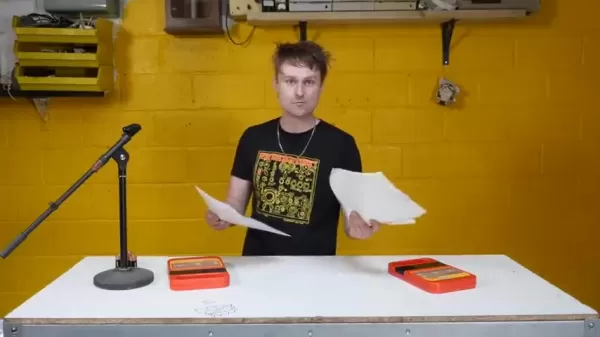
The Facebook group 'Circuit Benders are not crazy we are artistic!' and the Casper Electronics website played significant roles in circuit bending's early development, providing both inspiration and practical ideas. Among these pioneering resources, Casper Electronics stands out as particularly influential for circuit bending enthusiasts.
The Casper Electronics website, now largely archived through tools like the Wayback Machine (though still active as Casper Electronics), was a treasure trove of information, schematics, and project ideas. Its creator fostered a spirit of experimentation and collaboration, encouraging others to push sonic boundaries. Unfortunately, the original site was reportedly hacked, resulting in significant information loss.
Casper Electronics were prolific circuit benders, and their original website offered numerous interesting project ideas and images. To preserve this valuable content, most of the Casper Electronics website is now archived. This archived material remains incredibly helpful for those wanting to circuit bend older devices like the Speak & Spell.
Casper Electronics' impact extends far beyond online forums. As mentioned in related videos, the website inspired many to pick up soldering irons and start experimenting, often leading to fascinating careers. It stands as testament to how online communities can foster creativity and drive innovation.
Remembering the Early Days
Navigating the archived Casper Electronics website can be challenging but rewarding.
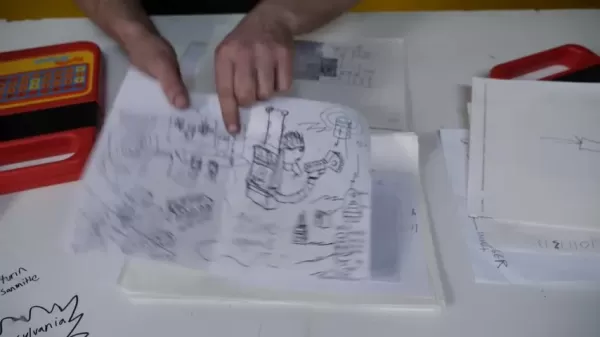
The Wayback Machine lets you access historical snapshots of the site, providing glimpses into circuit bending's early days. The site was hacked, but fortunately, the Wayback Machine preserves the website as many remember it. It's worth exploring for reference.
Understanding how these early websites operated is important because modern sites must comply with various regulations like GDPR and cannot freely publish personal information. Early websites operated without these restrictions, freely sharing people's work, making them invaluable information sources today.
These websites remain priceless resources since much of their content has been lost or scattered across the internet. Today, you can also freely publish and share your findings completely anonymously.
From Casper Electronics to Bastl Instruments
Casper Electronics evolved into what we now know as Bastl Instruments and Instruments of things. Bastl Instruments currently produces standalone and Eurorack synthesizers that carry the same circuit bending spirit as the original Casper Electronics pages. The new versions maintain the same creative philosophy while expanding on earlier concepts. Bastl also collaborates with Casper Electronics, developing both classic ideas and new innovative products.
Building a Classic Circuit Bent Speak & Spell: Step-by-Step Guide
Gather Your Materials
Before starting, ensure you have all necessary tools and components. This includes the Speak & Spell itself, along with soldering equipment and basic electronics knowledge. Additional tools like a drill will also be required.
Here's a basic list:
- Vintage Texas Instruments Speak & Spell toy
- Soldering iron and solder
- Wire strippers
- Wire
- Alligator clips
- Potentiometers (various values)
- Toggle switches
- Pushbuttons
- Drill and drill bits, including Step drill bits
- Screwdrivers
- Safety glasses
- Multimeter (optional, but highly recommended)
- Breadboard or other clamping devices
Disassembling the Speak & Spell
Carefully open the Speak & Spell device. Locate and remove the screws holding the casing together—typically five screws. Once removed, the device should open easily.
**Remember**: Screw configurations may vary between Speak & Spell models, so proceed carefully when removing them.
Probing and Testing the Circuit Board
Use a multimeter to identify potential circuit bending points on the board. Alligator clips are useful for temporarily connecting different points to test their effect on sound.
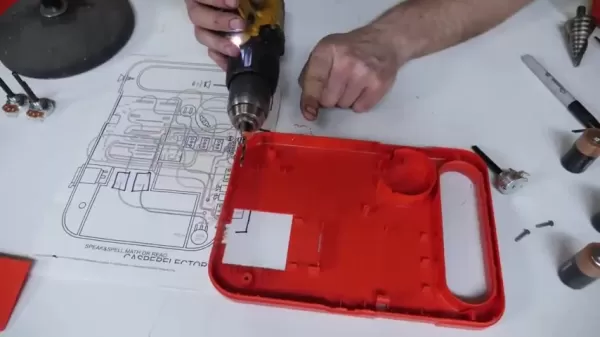
This is where experimentation begins! The key is to test everything and try different approaches.
Exercise caution since handling the board incorrectly could cause electrical surges or shocks that might damage you or the Speak & Spell. Safety first!
Adding Modifications
Once you've identified interesting bends, begin adding permanent modifications. This may involve soldering wires between points, adding potentiometers to control resistance, or installing switches to toggle bends on and off. This is the most time-consuming step, requiring careful soldering according to your planned circuit bends. For this project, follow the Casper Electronics circuit bend approach by adding potentiometers for resistance control and switches to activate/deactivate bends.
**Remember**: You'll need to drill holes in the device casing, so plan accordingly.
Adding a 1/4 output jack
While installing various modules, you'll also want to connect everything to a 1/4" output jack. This allows you to connect your modified Speak & Spell to an amplifier.
First select a position for the jack, then create an opening in the plastic casing. After soldering all connections, install the jack securely in the device.
Reassembling and Testing
Carefully reassemble the Speak & Spell, ensuring all components are securely positioned. Power it on and test your modifications. The new switches, buttons, and potentiometers will require experimentation to fully understand their functions. All circuits will need thorough testing.
If something doesn't sound right, don't worry—circuit bending is an iterative process. Recheck your connections and don't hesitate to try new approaches. Sometimes successful circuit bending requires following your intuition.
Important Tips For The Project
Here is a table of important tips to ensure your Speak & Spell modification succeeds:
Category Tips Electrical SafetyAlways work with battery-powered devices and avoid high-voltage equipment. Use a multimeter to check power levels before handling circuit boards.SolderingPractice soldering techniques before working on the Speak & Spell. Keep your iron clean and use flux for better results.PlanningPlan all steps in advance. Know exactly where you want to drill and solder before starting.Step Drill-bit SafetyAvoid applying excessive pressure with step drill bits, as this could damage both you and the Speak & Spell device.Document EverythingMaintain detailed notes and diagrams of your modifications for future reference.Pricing Cons
iderations
Cost Breakdown for a Circuit Bent Speak & Spell
While the Speak & Spell itself can often be found inexpensively, it's important to consider all potential costs when building this device. Potentiometers, the 1/4" jack, and safety equipment can add up to a significant amount.
Here's a breakdown:
Item Estimated Cost Speak & Spell$5 - $30Soldering Iron & Solder$15 - $50Potentiometers$5 - $20Switches & Buttons$3 - $10Wiring & Connectors$5 - $15Safety Equipment$10 - $30Total$43 - $165Speak & Spell Circuit Bending: Weighing the Pros
and Cons
Pros
Unpredictable and unique soundscapes
Cost-effective way to create a custom synthesizer
Excellent learning experience for electronics and circuit bending
Rewarding feeling of creating something original from discarded technology
Connect with the community by modifying and sharing your creation
Vintage Speak & Spells are becoming increasingly collectible and valuable
Cons
Requires basic electronics knowledge and soldering skills
Can be time-consuming and requires patience
Risk of damaging the device if not handled carefully
Results can be unpredictable, requiring extensive experimentation
If the project fails, it could potentially ruin a Speak & Spell
Ethical considerations regarding modifying vintage machines
Frequently Asked Questions
Is circuit bending legal?
Circuit bending is generally legal provided you own the device you're modifying. However, it's important to respect copyright and avoid selling or distributing modified devices containing copyrighted sounds without permission.
Can I circuit bend other toys or electronic devices?
Absolutely! The techniques learned with the Speak & Spell can apply to various low-voltage, battery-powered electronics. Experiment with keyboards, radios, or other sound-producing devices, but always proceed with caution.
What are some resources for learning more about circuit bending?
Numerous online communities, websites, and books focus on circuit bending. Search for tutorials, schematics, and inspiration from other circuit benders.
What kind of ethical implications are involved with destroying a vintage machine?
Modifying vintage items involves potentially altering historical artifacts. These devices were originally created for specific purposes. However, the Casper Electronics philosophy argues that machines should be freely modified to create new things and add to their historical narrative. This represents a valid perspective. Ultimately, each user must make their own decision while understanding the implications.
Related Questions
Where can I find inspiration for circuit bending projects beyond the Speak & Spell?
Inspiration can come from unexpected places. Explore online communities, attend workshops, visit museums dedicated to obsolete technology, and listen to experimental music. Let curiosity guide you and don't hesitate to experiment with different sounds and techniques.**Good sources include**: * *The Facebook Group 'Circuit Benders are not crazy we are artistic!'*: Excellent for new projects and ideas.* *Casper Electronics Website*: Now known as Bastl Electronics, with archived content available through the Wayback Machine and similar sites. * *Museums dedicated to obsolete technology*: Visit technology museums where you might see functioning vintage machines, though they're often display-only.These represent just a few places where you can find inspiration for creating new circuit bending devices. What's stopping you from starting?
Related article
 Former OpenAI Chief Scientist Ilya’s SSI Unveils First Model
AI has achieved another major milestone. Following his departure from OpenAI, former chief scientist Ilya Sutskever established Safe Superintelligence Inc. (SSI), which has recently unveiled details regarding its inaugural model. Reports from oversea
Lovable Leads Atech's Seed Round as AI Ambient Coding Officially Enters the Hardware Field
On May 14, 2026, AI application development platform Lovable announced its participation in the $800,000 seed funding round for Danish hardware startup Atech. Led by Lovable, the round attracted top-tier venture capital firms including the a16z Scout
Anthropic Expands Claude AI Coding Tools to Japan in Push for Overseas Growth
Anthropic, a prominent U.S. artificial intelligence firm, is intensifying its global outreach. On Wednesday, the company hosted a major developer gathering, "Code with Claude," in Tokyo, drawing close to 500 software engineers. This initiative seeks
Related Special Topic Recommendations
chatbot
Former OpenAI Chief Scientist Ilya’s SSI Unveils First Model
AI has achieved another major milestone. Following his departure from OpenAI, former chief scientist Ilya Sutskever established Safe Superintelligence Inc. (SSI), which has recently unveiled details regarding its inaugural model. Reports from oversea
Lovable Leads Atech's Seed Round as AI Ambient Coding Officially Enters the Hardware Field
On May 14, 2026, AI application development platform Lovable announced its participation in the $800,000 seed funding round for Danish hardware startup Atech. Led by Lovable, the round attracted top-tier venture capital firms including the a16z Scout
Anthropic Expands Claude AI Coding Tools to Japan in Push for Overseas Growth
Anthropic, a prominent U.S. artificial intelligence firm, is intensifying its global outreach. On Wednesday, the company hosted a major developer gathering, "Code with Claude," in Tokyo, drawing close to 500 software engineers. This initiative seeks
Related Special Topic Recommendations
chatbot
 Best AI Conversation Trainer Tools for Interview Practice
2026 Latest Best Top-rated AI Conversation Trainer Tools for Interview Practice are here on XIX.AI! This curated collection features powerful, game-changing tools that go through rigorous real-world tests to deliver accurate feedback. You’ll find a free vs paid comparison and detailed rankings to help you choose the must-try option that boosts your confidence and skills. Explore now to Discover your perfect tool for interview success!
 12 tools
 xix.ai
Design & Art
Best AI Style Transfer Tools for Creative Experiments
xix.ai
Design & Art
Best AI Style Transfer Tools for Creative Experiments
2026 Latest Best Top-rated AI Style Transfer Tools for Creative Experiments! XIX.AI has curated a powerful, game-changing collection of must-try tools that deliver exceptional results through real-world tests and rigorous rankings. These top solutions help creatives boost productivity significantly by accelerating content creation and unlocking endless creative possibilities. Explore now to discover your perfect tool and start creating today!
9 tools
xix.ai
Comic Creation
Best AI Dialogue Bubble Tools for Visual Storytelling
2026 Latest Best Top-Rated AI Dialogue Bubble Tools for Visual Storytelling are here on XIX.AI! This curated collection features powerful, game-changing tools that help creators boost productivity and overcome creative bottlenecks. Get a free vs paid comparison, see real-world tests, and check the latest rankings to find the must-try solutions perfect for crafting engaging visual narratives. Explore now to discover your ideal tool!
10 tools
xix.ai
Meeting Assistant
Top AI Meeting Summary Tools: Track Decisions and Follow-Ups Clearly
2026 Latest Top-Rated Best AI Meeting Summary Tools for Clear Decision Tracking and Effortless Follow-Ups. This curated list showcases powerful, game-changing solutions that boost productivity dramatically by automating meeting notes, identifying key action items, and streamlining team coordination across all projects. Get a free vs paid comparison along with real-world tests and weekly updated rankings to help you find the perfect tool. Explore now to unlock your AI edge!
9 tools
xix.ai
Data Analysis
Best AI Data Cleaning Tools: Fix Missing Values and Duplicates Fast
2026 Latest Best Top-rated AI Data Cleaning Tools for quick fixing of missing values and duplicates. This curated list showcases powerful, game-changing solutions that boost productivity significantly. Each option has undergone rigorous real-world tests to ensure reliability. Get a free vs paid comparison and discover the must-try tool that fits your needs best. Explore now at XIX.AI to Unlock your AI edge.
11 tools
xix.ai
Design & Art
Best AI Creative Ideation Tools for Artists: Break Through Visual Blocks
2026 Latest Best Top-Rated AI Creative Ideation Tools for Artists are curated by XIX.AI to help creators break through visual blocks and boost creativity instantly. These powerful game-changing tools offer real-world tests, detailed free vs paid comparison, and weekly updated rankings. Discover your perfect tool to accelerate content creation and unlock your AI edge today. Explore now!
14 tools
xix.ai

 Comments (0)
0/500
Comments (0)
0/500
Ready to unleash your inner mad scientist and craft some truly unique sounds? Let's dive into the world of circuit bending, focusing on how to transform a classic Speak & Spell toy into a wild and unpredictable synthesizer. This goes beyond nostalgia—it's about pushing sonic boundaries and creating something genuinely original with a cool retro vibe.
Key Points
Understand the fundamentals of circuit bending and its historical background.
Learn circuit bending techniques specifically for a vintage Speak & Spell.
Explore a range of circuit bending modifications, from basic bends to advanced sequencing.
Discover sources of inspiration for your circuit bending projects, from online forums to museum displays.
Learn important safety practices for working with electronics.
Understanding Circuit Bending
What is Circuit Bending?
Circuit bending is the creative practice of intentionally short-circuiting low-voltage, battery-powered electronic devices to generate novel and unexpected sounds. By deliberately causing glitches and unpredictable circuit behaviors, you can produce unique and chaotic audio textures.
Think of it as hardware hacking for sonic exploration. The appeal of circuit bending comes from its unpredictability—you never know what sounds you'll discover until you start experimenting.
This process unlocks the hidden potential of electronic devices, turning them into instruments that can create sounds far beyond their original purpose. It's a journey of discovery driven by curiosity and a willingness to embrace the unexpected. Circuit bending is an art form where every device holds hidden potential. Each modification is unique, meaning you'll get different results even with identical devices. This practice is particularly popular among electronic music producers and sound designers.
While circuit bending requires minimal electronics knowledge, this tutorial assumes you have some basic understanding of electronic components.
A Brief History of Circuit Bending
The origins of circuit bending are commonly credited to Reed Ghazala, who accidentally discovered the technique in the 1960s while fixing an electronic organ.
His experiments led to the development of unique instruments and a philosophy centered around embracing electronic unpredictability. Ghazala's work has inspired countless artists and engineers, shaping experimental music and electronic art. Today, his influence continues to resonate throughout the circuit bending community, with his ideas forming the foundation of even the most advanced projects.
Recognized as the 'Father of Circuit Bending,' Ghazala's work and ideas are widely documented online. Many contemporary circuit bending projects build upon his initial experiments and concepts, refining and expanding them.
Why Use a Speak & Spell for Circuit Bending?
The Texas Instruments Speak & Spell, a classic educational toy from the late 1970s and early 1980s, holds a special place in circuit bending.
Its accessible components, straightforward circuit design, and distinctive voice synthesis chip make it perfect for modification. Circuit bending a Speak & Spell provides an excellent introduction to the practice, making it ideal for beginners.
Several factors contribute to the Speak & Spell's popularity:
- Accessibility: Speak & Spells are relatively easy to find and affordable, particularly at thrift stores or online marketplaces.
- Predictable Results: Since most Speak & Spell models share similar designs, it's easier to create consistent modification plans. Most circuit-bent Speak & Spells will perform similarly with comparable results.
- Ease of Modification: The toy's simple design makes it easy to identify and access key components for circuit bending.
- Distinctive Sound: The Speak & Spell's voice synthesis chip produces unique and recognizable tones that add character to the modified instrument.
- Cool Vintage Appeal Speak & Spells have undeniable retro charm that enhances their appeal.
Casper Electronics' Legacy in Circuit Bending
The Influence of Early Online Communities
Before social media dominated online interaction, dedicated websites and online communities served as crucial hubs for sharing knowledge and inspiration.
The Facebook group 'Circuit Benders are not crazy we are artistic!' and the Casper Electronics website played significant roles in circuit bending's early development, providing both inspiration and practical ideas. Among these pioneering resources, Casper Electronics stands out as particularly influential for circuit bending enthusiasts.
The Casper Electronics website, now largely archived through tools like the Wayback Machine (though still active as Casper Electronics), was a treasure trove of information, schematics, and project ideas. Its creator fostered a spirit of experimentation and collaboration, encouraging others to push sonic boundaries. Unfortunately, the original site was reportedly hacked, resulting in significant information loss.
Casper Electronics were prolific circuit benders, and their original website offered numerous interesting project ideas and images. To preserve this valuable content, most of the Casper Electronics website is now archived. This archived material remains incredibly helpful for those wanting to circuit bend older devices like the Speak & Spell.
Casper Electronics' impact extends far beyond online forums. As mentioned in related videos, the website inspired many to pick up soldering irons and start experimenting, often leading to fascinating careers. It stands as testament to how online communities can foster creativity and drive innovation.
Remembering the Early Days
Navigating the archived Casper Electronics website can be challenging but rewarding.
The Wayback Machine lets you access historical snapshots of the site, providing glimpses into circuit bending's early days. The site was hacked, but fortunately, the Wayback Machine preserves the website as many remember it. It's worth exploring for reference.
Understanding how these early websites operated is important because modern sites must comply with various regulations like GDPR and cannot freely publish personal information. Early websites operated without these restrictions, freely sharing people's work, making them invaluable information sources today.
These websites remain priceless resources since much of their content has been lost or scattered across the internet. Today, you can also freely publish and share your findings completely anonymously.
From Casper Electronics to Bastl Instruments
Casper Electronics evolved into what we now know as Bastl Instruments and Instruments of things. Bastl Instruments currently produces standalone and Eurorack synthesizers that carry the same circuit bending spirit as the original Casper Electronics pages. The new versions maintain the same creative philosophy while expanding on earlier concepts. Bastl also collaborates with Casper Electronics, developing both classic ideas and new innovative products.
Building a Classic Circuit Bent Speak & Spell: Step-by-Step Guide
Gather Your Materials
Before starting, ensure you have all necessary tools and components. This includes the Speak & Spell itself, along with soldering equipment and basic electronics knowledge. Additional tools like a drill will also be required.
Here's a basic list:
- Vintage Texas Instruments Speak & Spell toy
- Soldering iron and solder
- Wire strippers
- Wire
- Alligator clips
- Potentiometers (various values)
- Toggle switches
- Pushbuttons
- Drill and drill bits, including Step drill bits
- Screwdrivers
- Safety glasses
- Multimeter (optional, but highly recommended)
- Breadboard or other clamping devices
Disassembling the Speak & Spell
Carefully open the Speak & Spell device. Locate and remove the screws holding the casing together—typically five screws. Once removed, the device should open easily.
**Remember**: Screw configurations may vary between Speak & Spell models, so proceed carefully when removing them.
Probing and Testing the Circuit Board
Use a multimeter to identify potential circuit bending points on the board. Alligator clips are useful for temporarily connecting different points to test their effect on sound.
This is where experimentation begins! The key is to test everything and try different approaches.
Exercise caution since handling the board incorrectly could cause electrical surges or shocks that might damage you or the Speak & Spell. Safety first!
Adding Modifications
Once you've identified interesting bends, begin adding permanent modifications. This may involve soldering wires between points, adding potentiometers to control resistance, or installing switches to toggle bends on and off. This is the most time-consuming step, requiring careful soldering according to your planned circuit bends. For this project, follow the Casper Electronics circuit bend approach by adding potentiometers for resistance control and switches to activate/deactivate bends.
**Remember**: You'll need to drill holes in the device casing, so plan accordingly.
Adding a 1/4 output jack
While installing various modules, you'll also want to connect everything to a 1/4" output jack. This allows you to connect your modified Speak & Spell to an amplifier.
First select a position for the jack, then create an opening in the plastic casing. After soldering all connections, install the jack securely in the device.
Reassembling and Testing
Carefully reassemble the Speak & Spell, ensuring all components are securely positioned. Power it on and test your modifications. The new switches, buttons, and potentiometers will require experimentation to fully understand their functions. All circuits will need thorough testing.
If something doesn't sound right, don't worry—circuit bending is an iterative process. Recheck your connections and don't hesitate to try new approaches. Sometimes successful circuit bending requires following your intuition.
Important Tips For The Project
Here is a table of important tips to ensure your Speak & Spell modification succeeds:
Pricing Cons
iderations
Cost Breakdown for a Circuit Bent Speak & Spell
While the Speak & Spell itself can often be found inexpensively, it's important to consider all potential costs when building this device. Potentiometers, the 1/4" jack, and safety equipment can add up to a significant amount.
Here's a breakdown:
Speak & Spell Circuit Bending: Weighing the Pros
and Cons
Pros
Unpredictable and unique soundscapes
Cost-effective way to create a custom synthesizer
Excellent learning experience for electronics and circuit bending
Rewarding feeling of creating something original from discarded technology
Connect with the community by modifying and sharing your creation
Vintage Speak & Spells are becoming increasingly collectible and valuable
Cons
Requires basic electronics knowledge and soldering skills
Can be time-consuming and requires patience
Risk of damaging the device if not handled carefully
Results can be unpredictable, requiring extensive experimentation
If the project fails, it could potentially ruin a Speak & Spell
Ethical considerations regarding modifying vintage machines
Frequently Asked Questions
Is circuit bending legal?
Circuit bending is generally legal provided you own the device you're modifying. However, it's important to respect copyright and avoid selling or distributing modified devices containing copyrighted sounds without permission.
Can I circuit bend other toys or electronic devices?
Absolutely! The techniques learned with the Speak & Spell can apply to various low-voltage, battery-powered electronics. Experiment with keyboards, radios, or other sound-producing devices, but always proceed with caution.
What are some resources for learning more about circuit bending?
Numerous online communities, websites, and books focus on circuit bending. Search for tutorials, schematics, and inspiration from other circuit benders.
What kind of ethical implications are involved with destroying a vintage machine?
Modifying vintage items involves potentially altering historical artifacts. These devices were originally created for specific purposes. However, the Casper Electronics philosophy argues that machines should be freely modified to create new things and add to their historical narrative. This represents a valid perspective. Ultimately, each user must make their own decision while understanding the implications.
Related Questions
Where can I find inspiration for circuit bending projects beyond the Speak & Spell?
Inspiration can come from unexpected places. Explore online communities, attend workshops, visit museums dedicated to obsolete technology, and listen to experimental music. Let curiosity guide you and don't hesitate to experiment with different sounds and techniques.**Good sources include**: * *The Facebook Group 'Circuit Benders are not crazy we are artistic!'*: Excellent for new projects and ideas.* *Casper Electronics Website*: Now known as Bastl Electronics, with archived content available through the Wayback Machine and similar sites. * *Museums dedicated to obsolete technology*: Visit technology museums where you might see functioning vintage machines, though they're often display-only.These represent just a few places where you can find inspiration for creating new circuit bending devices. What's stopping you from starting?








 Former OpenAI Chief Scientist Ilya’s SSI Unveils First Model
AI has achieved another major milestone. Following his departure from OpenAI, former chief scientist Ilya Sutskever established Safe Superintelligence Inc. (SSI), which has recently unveiled details regarding its inaugural model. Reports from oversea
Former OpenAI Chief Scientist Ilya’s SSI Unveils First Model
AI has achieved another major milestone. Following his departure from OpenAI, former chief scientist Ilya Sutskever established Safe Superintelligence Inc. (SSI), which has recently unveiled details regarding its inaugural model. Reports from oversea
 Lovable Leads Atech's Seed Round as AI Ambient Coding Officially Enters the Hardware Field
On May 14, 2026, AI application development platform Lovable announced its participation in the $800,000 seed funding round for Danish hardware startup Atech. Led by Lovable, the round attracted top-tier venture capital firms including the a16z Scout
Lovable Leads Atech's Seed Round as AI Ambient Coding Officially Enters the Hardware Field
On May 14, 2026, AI application development platform Lovable announced its participation in the $800,000 seed funding round for Danish hardware startup Atech. Led by Lovable, the round attracted top-tier venture capital firms including the a16z Scout
 Anthropic Expands Claude AI Coding Tools to Japan in Push for Overseas Growth
Anthropic, a prominent U.S. artificial intelligence firm, is intensifying its global outreach. On Wednesday, the company hosted a major developer gathering, "Code with Claude," in Tokyo, drawing close to 500 software engineers. This initiative seeks
Anthropic Expands Claude AI Coding Tools to Japan in Push for Overseas Growth
Anthropic, a prominent U.S. artificial intelligence firm, is intensifying its global outreach. On Wednesday, the company hosted a major developer gathering, "Code with Claude," in Tokyo, drawing close to 500 software engineers. This initiative seeks

2026 Latest Best Top-rated AI Conversation Trainer Tools for Interview Practice are here on XIX.AI! This curated collection features powerful, game-changing tools that go through rigorous real-world tests to deliver accurate feedback. You’ll find a free vs paid comparison and detailed rankings to help you choose the must-try option that boosts your confidence and skills. Explore now to Discover your perfect tool for interview success!
12 tools
xix.ai

2026 Latest Best Top-rated AI Style Transfer Tools for Creative Experiments! XIX.AI has curated a powerful, game-changing collection of must-try tools that deliver exceptional results through real-world tests and rigorous rankings. These top solutions help creatives boost productivity significantly by accelerating content creation and unlocking endless creative possibilities. Explore now to discover your perfect tool and start creating today!
9 tools
xix.ai

2026 Latest Best Top-Rated AI Dialogue Bubble Tools for Visual Storytelling are here on XIX.AI! This curated collection features powerful, game-changing tools that help creators boost productivity and overcome creative bottlenecks. Get a free vs paid comparison, see real-world tests, and check the latest rankings to find the must-try solutions perfect for crafting engaging visual narratives. Explore now to discover your ideal tool!
10 tools
xix.ai

2026 Latest Top-Rated Best AI Meeting Summary Tools for Clear Decision Tracking and Effortless Follow-Ups. This curated list showcases powerful, game-changing solutions that boost productivity dramatically by automating meeting notes, identifying key action items, and streamlining team coordination across all projects. Get a free vs paid comparison along with real-world tests and weekly updated rankings to help you find the perfect tool. Explore now to unlock your AI edge!
9 tools
xix.ai

2026 Latest Best Top-rated AI Data Cleaning Tools for quick fixing of missing values and duplicates. This curated list showcases powerful, game-changing solutions that boost productivity significantly. Each option has undergone rigorous real-world tests to ensure reliability. Get a free vs paid comparison and discover the must-try tool that fits your needs best. Explore now at XIX.AI to Unlock your AI edge.
11 tools
xix.ai

2026 Latest Best Top-Rated AI Creative Ideation Tools for Artists are curated by XIX.AI to help creators break through visual blocks and boost creativity instantly. These powerful game-changing tools offer real-world tests, detailed free vs paid comparison, and weekly updated rankings. Discover your perfect tool to accelerate content creation and unlock your AI edge today. Explore now!
14 tools
xix.ai












