


 Home
HomeExploring the Art of AI-Generated Cityscape Imagery
Artificial intelligence is reshaping creative industries, with AI-generated art demonstrating this powerful transformation. This piece ventures into the captivating realm of AI-crafted cityscapes, presenting a gallery of breathtaking images and shedding light on the prompts and tools that animate these digital creations. Explore the fusion of technology and artistry, and uncover the astonishing potential AI holds for creative endeavors. Prepare to be inspired by a curated selection of digitally constructed urban environments and learn how to begin your own exploration into AI art.
Key Points
The field of AI art is progressing quickly, opening up fresh pathways for creative work.
Urban landscapes are a favored theme for AI art, yielding a wide array of striking and engaging visuals.
Carefully constructed prompts direct AI algorithms to achieve specific artistic results.
Platforms such as Midjourney and DALL-E 2 are key tools for producing high-quality AI artwork.
Grasping the techniques behind AI art improves one's ability to create personalized and distinctive pieces.
Understanding AI-Generated Art
The Rise of AI in Art
AI-generated art utilizes machine learning algorithms to create original pieces. These algorithms, trained on enormous collections of images, learn to identify patterns, styles, and compositional elements. Users can direct the AI by providing specific text prompts, guiding it to produce visuals that match their creative intent. The ease of use and flexibility of AI art tools have made art creation more accessible, enabling people with different skill levels to express their creativity. The influence of AI on the art world is significant, encouraging new ideas and pushing the limits of what art can be. As AI technology continues to progress, its role in shaping the future of art is set to increase. The capacity of AI to generate a variety of styles, from lifelike images to abstract forms, highlights its impressive versatility. As AI becomes a more common part of artistic processes, collaborations between people and machines are likely to produce even more innovative works.
Key Concepts:
- Machine Learning: The technology that allows AI to learn from information.
- Generative Models: AI systems specifically created to produce new content.
- Neural Networks: AI architectures modeled on the human brain's structure.
- Prompts: Text-based instructions that steer the AI's creative output.
Why Cityscapes Are a Popular Subject
Cityscapes provide a complex and visually rich subject, ideal for AI art generation. The detailed architecture, changing light conditions, and lively street scenes give AI algorithms many opportunities to demonstrate their abilities. AI can produce cityscapes in numerous styles, from accurate representations of real cities to imaginative visions of futuristic urban centers. The variety found in urban environments allows for endless creative possibilities, keeping cityscapes a favorite topic for AI artists. Additionally, the symbolic meaning of cities as hubs of culture, innovation, and human endeavor resonates strongly with audiences, adding emotional depth to these AI creations. The ability to adjust elements like weather, time of day, and architectural design lets AI craft cityscapes that evoke different feelings and atmospheres. Whether it's a peaceful sunset over a futuristic skyline or a wet, gleaming street in an old district, AI-generated cityscapes capture the spirit of urban life in fascinating and often dreamlike ways. Cities represent major human achievements and complex societies, making them a deeply engaging subject for AI to interpret and reinvent.
Tools and Techniques for AI Cityscape Generation
Exploring AI Art Platforms
A number of AI platforms have become prominent in art generation, each with distinct strengths and functionalities. Midjourney, recognized for its artistic and painterly aesthetic, is a top choice for creating visually impressive cityscapes. DALL-E 2, created by OpenAI, is excellent at producing highly detailed and realistic images from text descriptions. Other significant platforms include Stable Diffusion and NightCafe, which provide users with various customization options and community resources. These tools employ sophisticated algorithms to interpret prompts and generate high-quality artwork. Choosing the best platform depends on the intended visual style and the user's desired level of control. For example, Midjourney is often selected for its ability to create atmospheric and evocative cityscapes, while DALL-E 2 is chosen for its accuracy and realism. Stable Diffusion offers a good mix of creative freedom and technical adjustment, making it a flexible option for experienced users. The diversity of these platforms enables creators to try different styles and methods, continually expanding the possibilities of AI art.
- Midjourney: Praised for its distinctive artistic approach.
- DALL-E 2: Outstanding at creating detailed, realistic imagery.
- Stable Diffusion: Provides extensive customization capabilities.
- NightCafe: Features strong community interaction.
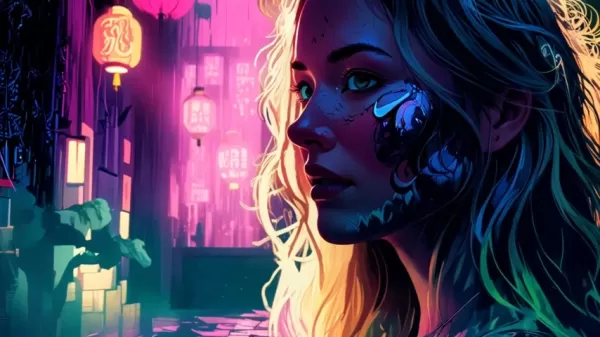
The interfaces of these platforms are typically user-friendly, allowing for straightforward input of prompts and adjustment of settings. Functions such as image enhancement, style application, and selective editing increase the creative potential. Online forums and instructional guides offer valuable support for users to learn and exchange ideas. The collaborative environment on these platforms helps build an active community of AI artists, encouraging innovation and new artistic explorations. Ongoing improvements to these tools suggest even greater possibilities for AI art in the years to come. Knowing the advantages and limitations of each platform is important for getting the best results and fulfilling one's artistic goals.
Crafting Effective Prompts for Cityscape Art
Writing effective prompts is crucial for directing AI to produce the desired cityscape art. Prompts should be detailed, precise, and include information about style, layout, lighting, and ambiance. Terms like 'futuristic,' 'cyberpunk,' 'Art Deco,' 'rainy,' 'sunset,' and 'hyperrealistic' can greatly affect the AI's output. Testing different combinations of words can lead to unexpected and creative outcomes. Simplifying complex concepts into clearer prompts can also help the AI better understand and follow instructions. Mentioning specific artists or art movements can guide the AI to replicate a particular style. Using qualifiers like 'highly detailed,' 'octane render,' and '8k resolution' can improve the visual quality of the final image. Repeatedly adjusting and improving prompts is a fundamental part of the AI art process, enabling users to perfect the results and achieve their vision. Learning how different keywords influence the AI's output is essential for mastering prompt design. The skill of creating prompts that are both descriptive and suggestive develops with practice and experimentation. The more specific and detailed the prompt, the more influence the user has over the final artwork. However, it's also beneficial to embrace some unpredictability, as unexpected results can often lead to creative discoveries.
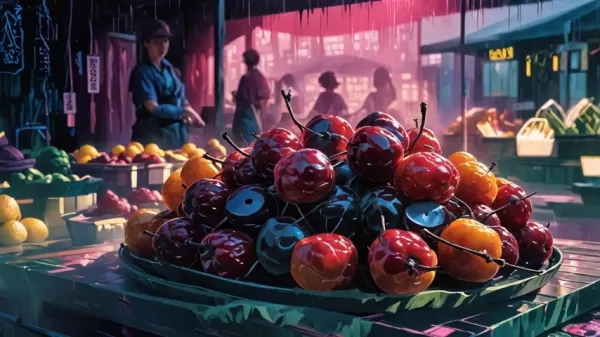
By thoughtfully constructing prompts, users can maximize the capabilities of AI art platforms and create cityscapes that are truly unique and captivating. The table below demonstrates how different types of prompts influence the results:
Prompt Type Example Prompt Result Basic Descriptive "Cityscape" A general, non-specific city image. Style Specific "Cyberpunk cityscape, neon lights" A cityscape featuring a cyberpunk aesthetic with prominent neon lighting. Compositional "Aerial view of a futuristic cityscape at sunset" A cityscape viewed from above, with futuristic architecture during sunset. Mood and Atmosphere "Rainy cityscape, noir style" A cityscape with a rainy setting, rendered in a film noir-inspired style. Artistic Influence "Cityscape in the style of Van Gogh" A cityscape created with the distinctive brushwork and color palette of Vincent van Gogh. Technical Specifications "Hyperrealistic cityscape, 8k resolution" A cityscape aiming for photographic realism with extremely high detail and resolution. Combination "Futuristic cityscape, Art Deco style, rainy night, hyperrealistic, 8k resolution" A cityscape blending futuristic and Art Deco elements, set on a rainy night, with high detail and resolution.
Example Prompts:
- Futuristic Cityscape: "A vision of a futuristic city with flying vehicles and immense skyscrapers."
- Cyberpunk Cityscape: "A cyberpunk metropolis illuminated by neon signs and holographic displays."
- Art Deco Cityscape: "A cityscape featuring the geometric patterns and symmetrical designs of Art Deco architecture."
- Rainy Cityscape: "A city street after rain, with lights reflecting on the wet surfaces."
- Sunset Cityscape: "A city skyline at dusk, bathed in warm, golden light."
- Hyperrealistic Cityscape: "An ultra-detailed cityscape with precise textures and realistic light reflections."
Step-by-Step Guide to Creating AI Cityscapes
Step 1: Choose an AI Art Platform
Begin by selecting an AI art platform that meets your requirements. Evaluate factors like user-friendliness, available artistic styles, and cost. Well-known choices include Midjourney, DALL-E 2, Stable Diffusion, and NightCafe. Each platform has specific features and strengths, so it's wise to investigate them to find one that suits your creative ambitions. Some platforms provide free trials or basic free plans, allowing you to test them before purchasing a subscription. Reading user feedback and comparing functionalities can assist in making a good decision. Your chosen platform will affect the overall look and quality of your AI-generated cityscapes. Important considerations are:
- Ease of Use: Is the platform's interface straightforward and easy to navigate?
- Available Styles: Does it support a broad spectrum of artistic styles?
- Pricing: Are the subscription costs or credit systems within your budget?
- Community Support: Is there an active user community for help and inspiration?
By weighing these factors, you can select an AI art platform that will help you create impressive and unique cityscapes.
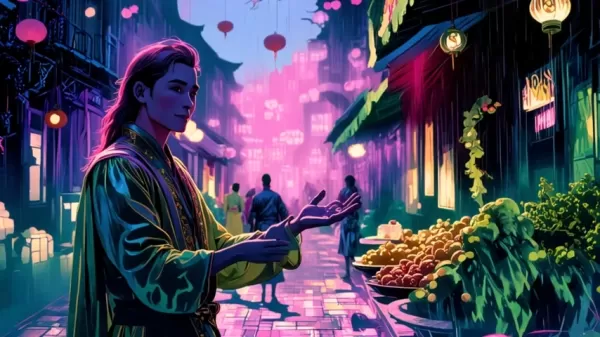
Step 2: Define Your Vision
Before generating images, clearly outline your creative vision. What type of cityscape do you imagine? Consider the style, mood, and atmosphere you wish to convey. Think about architectural styles, weather, time of day, and color schemes. Collecting reference images can help clarify your ideas for the AI. Drawing a simple sketch can also be useful. A well-defined vision increases the likelihood of achieving the results you want. Contemplate the following elements:
- Architectural Styles: Contemporary, historical, futuristic, etc.
- Weather Conditions: Clear, rainy, snowy, foggy, etc.
- Time of Day: Dawn, midday, dusk, night, etc.
- Color Palettes: Warm tones, cool tones, bright colors, soft colors, etc.
By carefully planning your vision, you can ensure your AI-generated cityscapes align with your creative objectives.
Step 3: Craft Your Prompt
Based on your vision, write a clear and descriptive prompt. Include keywords that encapsulate the essence of your desired cityscape. Test different word combinations to see what yields the best results. Use enhancing terms like 'highly detailed,' 'octane render,' and '8k resolution' to improve visual quality. Remember that refining your prompt based on initial outputs is part of the process. Some starting examples are:
- A highly detailed futuristic city, 8k resolution.
- A cityscape during a rain shower.
- A hyper-realistic cityscape with accurate light reflections.
A well-written prompt is essential for generating remarkable AI art. Think of yourself as guiding the AI to realize your concept. The more descriptive and precise you are, the better the AI will execute your instructions. Feel free to experiment with various keywords to discover what works best. With practice, you will become more skilled at writing prompts that produce excellent outcomes. Achieving the desired result often requires patience and repetition.
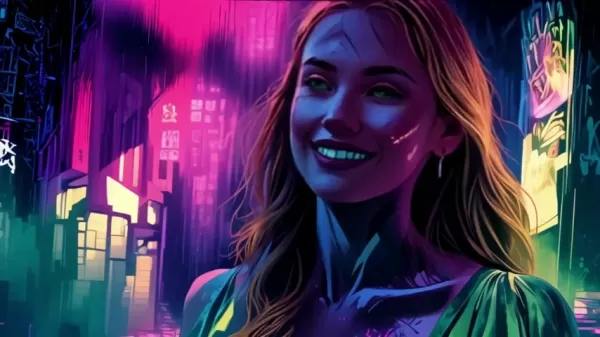
Step 4: Generate and Refine
Enter your prompt into the AI art platform and generate an image. Assess the initial result and determine what could be improved. Adjust your prompt and generate a new image, repeating the process until you are satisfied with the outcome. Experiment with different settings and parameters to fine-tune the image. This cycle of generation and refinement is a key aspect of AI art, allowing you to gradually shape the image to match your vision. Be patient and persistent, and don't hesitate to try new approaches. The more you experiment, the more you will learn about the AI's capabilities. Follow these steps for effective refinement:
- Evaluate the Initial Result: How well does it match your vision? What are its strong and weak points?
- Identify Areas for Improvement: Which aspects of the image need adjustment?
- Refine Your Prompt: How can you modify your prompt to address the weaknesses?
- Regenerate the Image: Create a new image using the updated prompt.
- Iterate as Needed: Repeat the process of evaluation, refinement, and regeneration until you achieve your goal.
Pricing of AI Art Platforms
Cost Considerations for AI Art
The cost of using AI art platforms varies based on the platform and the level of access needed. Some platforms offer free plans with limited features, while others require subscriptions or use a credit system for generating images. Midjourney, for instance, uses a subscription model with different tiers offering a set number of image generations per month. DALL-E 2 operates on a credit system, where the cost per image depends on its size and resolution.
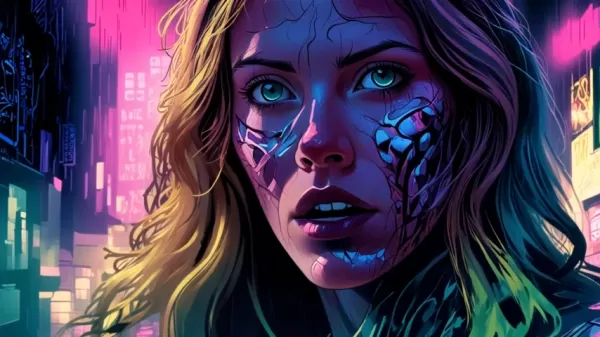
Stable Diffusion and NightCafe provide a combination of free and paid options, with opportunities to earn credits through community involvement. The expense of creating AI art can range from a few dollars to a significant monthly investment, depending on usage volume. Consider your budget and creative needs when selecting a platform. Longer subscription commitments often provide better value. Researching different options will help you find a cost-effective solution for your art projects.
- Midjourney: Subscription-based pricing with different tiers.
- DALL-E 2: Pay-per-image credits system.
- Stable Diffusion: Combination of free access and paid plans.
- NightCafe: Free credits available through community activities.
It's important to note that some platforms may charge more credits for complex or high-resolution images, which is a factor to consider when choosing a plan.
Advantages and Disadvantages of AI-Generated Cityscapes
Pros
Accessibility: AI art tools allow anyone to create stunning cityscapes, irrespective of their artistic training or skill level.
Efficiency: AI can produce intricate cityscape images much faster than traditional methods would allow.
Versatility: AI is capable of generating cityscapes in a vast range of styles, from highly realistic to completely abstract.
Innovation: AI can assist artists in discovering new creative paths and producing original and innovative artworks.
Cons
Lack of Originality: Sometimes AI-generated art may lack the unique perspective and emotional resonance found in human-created art.
Ethical Concerns: The use of AI in art raises important ethical questions regarding copyright, authorship, and the impact on human artists.
Dependence on Prompts: The success of the artwork is highly dependent on the quality and specificity of the user's written prompts.
Limited Control: Users may not have full control over every minute detail of the final AI-generated cityscape.
Core Features of AI Art Platforms
Key Capabilities of AI Art Tools
AI art platforms include a set of core features that enable users to generate impressive and unique cityscapes. These features typically encompass text-to-image generation, style transfer, image upscaling, and inpainting. Text-to-image generation creates visuals from written descriptions, while style transfer applies the aesthetic of one image to another. Image upscaling increases the resolution and detail of generated images, and inpainting allows for precise editing of specific areas. These tools give users significant control over the creative process, helping them produce cityscapes that closely match their vision. Key features often include:
- Text-to-Image Generation: The ability to create images from text prompts.
- Style Transfer: Applying the visual style of one image to another.
- Image Upscaling: Enhancing the resolution and detail of generated images.
- Inpainting: Editing and refining specific parts of an image.
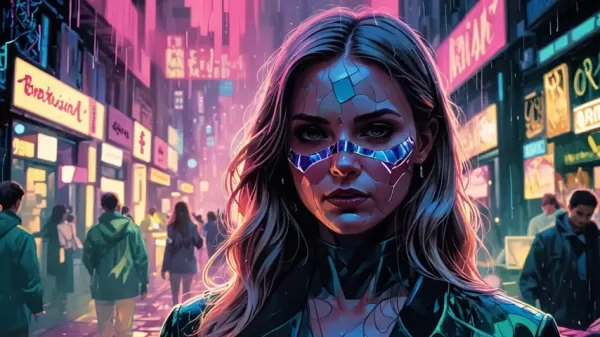
These fundamental features, combined with intuitive interfaces and supportive user communities, make AI art platforms powerful and accessible tools for creativity. Whether you are an experienced artist or a beginner, you can use these features to bring your cityscape ideas to life.
Use Cases for AI-Generated Cityscapes
Applications of AI in Cityscape Art
AI-generated cityscapes have numerous applications, spanning from purely artistic projects to commercial uses. Artists can employ AI to explore new creative directions and produce unique works. Designers can use it to create visualizations and prototypes for urban development projects. Marketers can generate compelling visuals for advertising campaigns. Filmmakers can create impressive visual effects for movies and television. The adaptability of AI-generated cityscapes makes them a valuable resource across various industries. Potential applications include:
- Artistic Expression: Discovering new forms and styles of creative work.
- Urban Planning: Developing visual models and concepts
Related article
 Google Bard Analyzes Book Cover Design and AI Prompts
Ever wondered how you can harness the power of AI to dive deep into the world of image analysis? Google Bard is here to revolutionize the way you approach visual content, especially when it comes to sparking creativity for book cover designs. Whether you're a designer looking for fresh inspiration o
DeepMind CEO Hassabis: I sleep six hours a day, usually feel energetic around 1 a.m.
Fortune recently featured an interview with Demis Hassabis, CEO of Google DeepMind, revealing his unconventional approach to rest and productivity. Hassabis disclosed that he sleeps very little, structuring his waking hours into two distinct work blo
OpenAI, Anthropic Vie for Market Share Despite Revenue Shortfalls
Despite recent reports suggesting OpenAI missed revenue targets, creating pressure on tech stocks this Tuesday, private AI lab investors remain resilient. Seasoned backers have confirmed they will not reduce investment despite negative media coverage
Related Special Topic Recommendations
Music composition
Google Bard Analyzes Book Cover Design and AI Prompts
Ever wondered how you can harness the power of AI to dive deep into the world of image analysis? Google Bard is here to revolutionize the way you approach visual content, especially when it comes to sparking creativity for book cover designs. Whether you're a designer looking for fresh inspiration o
DeepMind CEO Hassabis: I sleep six hours a day, usually feel energetic around 1 a.m.
Fortune recently featured an interview with Demis Hassabis, CEO of Google DeepMind, revealing his unconventional approach to rest and productivity. Hassabis disclosed that he sleeps very little, structuring his waking hours into two distinct work blo
OpenAI, Anthropic Vie for Market Share Despite Revenue Shortfalls
Despite recent reports suggesting OpenAI missed revenue targets, creating pressure on tech stocks this Tuesday, private AI lab investors remain resilient. Seasoned backers have confirmed they will not reduce investment despite negative media coverage
Related Special Topic Recommendations
Music composition
 AI Stem Separation Tools for Remix Production, Sampling Prep, and Karaoke Masters
2026 Latest Best Top-rated AI Stem Separation Tools Curated for Remix Production, Sampling Prep, and Karaoke Masters. These powerful game-changing tools offer real-world tests to deliver precise audio isolation, boosting productivity significantly. XIX.AI provides a weekly updated free vs paid comparison guide to help you find the must-try solution that suits your needs. Explore now to unlock your AI edge.
 8 tools
 xix.ai
Data Analysis
AI SQL Copilots for Revenue Dashboards, Funnel Analysis, and Product Metrics
xix.ai
Data Analysis
AI SQL Copilots for Revenue Dashboards, Funnel Analysis, and Product Metrics
2026 Latest Best AI SQL Copilots Ranked Top-Rated! XIX.AI curates a powerful game-changing collection for weekly updated real-world tests. These must-try tools help you generate accurate revenue dashboards, analyze sales funnels, and track product metrics swiftly, boosting productivity massively. Explore now to Discover your perfect tool for data-driven decision making! 238 characters
9 tools
xix.ai
Music composition
Best AI Melody Writing Tools for Song Drafts
2026 Latest Best Top-Rated AI Melody Writing Tools for Song Drafts! XIX.AI has curated a highly powerful game-changing collection that goes through rigorous real-world tests to deliver the best writing experience. You can find detailed free vs paid comparisons, accurate rankings, and must-try options designed to help you create stunning song drafts effortlessly and boost your creative productivity significantly. Explore now to discover your perfect tool!
8 tools
xix.ai
chatbot
Best AI Conversation Trainer Tools for Interview Practice
2026 Latest Best Top-rated AI Conversation Trainer Tools for Interview Practice are here on XIX.AI! This curated collection features powerful, game-changing tools that go through rigorous real-world tests to deliver accurate feedback. You’ll find a free vs paid comparison and detailed rankings to help you choose the must-try option that boosts your confidence and skills. Explore now to Discover your perfect tool for interview success!
12 tools
xix.ai
Design & Art
Best AI Style Transfer Tools for Creative Experiments
2026 Latest Best Top-rated AI Style Transfer Tools for Creative Experiments! XIX.AI has curated a powerful, game-changing collection of must-try tools that deliver exceptional results through real-world tests and rigorous rankings. These top solutions help creatives boost productivity significantly by accelerating content creation and unlocking endless creative possibilities. Explore now to discover your perfect tool and start creating today!
9 tools
xix.ai
Comic Creation
Best AI Dialogue Bubble Tools for Visual Storytelling
2026 Latest Best Top-Rated AI Dialogue Bubble Tools for Visual Storytelling are here on XIX.AI! This curated collection features powerful, game-changing tools that help creators boost productivity and overcome creative bottlenecks. Get a free vs paid comparison, see real-world tests, and check the latest rankings to find the must-try solutions perfect for crafting engaging visual narratives. Explore now to discover your ideal tool!
10 tools
xix.ai

 Comments (1)
0/500
Comments (1)
0/500
![BillyAnderson]()
Die KI-generierten Stadtansichten sind wirklich beeindruckend! 🏙️ Es ist faszinierend zu sehen, wie Algorithmen Licht, Architektur und Stimmung so realistisch interpretieren können. Ich frage mich, ob solche Tools bald für Stadtplaner oder Architekten zum Standard werden. Allerdings macht es mir auch ein bisschen Angst – wo bleibt da noch Raum für menschliche Intuition und 'Fehler', die oft zu echter Kunst führen?
Artificial intelligence is reshaping creative industries, with AI-generated art demonstrating this powerful transformation. This piece ventures into the captivating realm of AI-crafted cityscapes, presenting a gallery of breathtaking images and shedding light on the prompts and tools that animate these digital creations. Explore the fusion of technology and artistry, and uncover the astonishing potential AI holds for creative endeavors. Prepare to be inspired by a curated selection of digitally constructed urban environments and learn how to begin your own exploration into AI art.
Key Points
The field of AI art is progressing quickly, opening up fresh pathways for creative work.
Urban landscapes are a favored theme for AI art, yielding a wide array of striking and engaging visuals.
Carefully constructed prompts direct AI algorithms to achieve specific artistic results.
Platforms such as Midjourney and DALL-E 2 are key tools for producing high-quality AI artwork.
Grasping the techniques behind AI art improves one's ability to create personalized and distinctive pieces.
Understanding AI-Generated Art
The Rise of AI in Art
AI-generated art utilizes machine learning algorithms to create original pieces. These algorithms, trained on enormous collections of images, learn to identify patterns, styles, and compositional elements. Users can direct the AI by providing specific text prompts, guiding it to produce visuals that match their creative intent. The ease of use and flexibility of AI art tools have made art creation more accessible, enabling people with different skill levels to express their creativity. The influence of AI on the art world is significant, encouraging new ideas and pushing the limits of what art can be. As AI technology continues to progress, its role in shaping the future of art is set to increase. The capacity of AI to generate a variety of styles, from lifelike images to abstract forms, highlights its impressive versatility. As AI becomes a more common part of artistic processes, collaborations between people and machines are likely to produce even more innovative works.
Key Concepts:
- Machine Learning: The technology that allows AI to learn from information.
- Generative Models: AI systems specifically created to produce new content.
- Neural Networks: AI architectures modeled on the human brain's structure.
- Prompts: Text-based instructions that steer the AI's creative output.
Why Cityscapes Are a Popular Subject
Cityscapes provide a complex and visually rich subject, ideal for AI art generation. The detailed architecture, changing light conditions, and lively street scenes give AI algorithms many opportunities to demonstrate their abilities. AI can produce cityscapes in numerous styles, from accurate representations of real cities to imaginative visions of futuristic urban centers. The variety found in urban environments allows for endless creative possibilities, keeping cityscapes a favorite topic for AI artists. Additionally, the symbolic meaning of cities as hubs of culture, innovation, and human endeavor resonates strongly with audiences, adding emotional depth to these AI creations. The ability to adjust elements like weather, time of day, and architectural design lets AI craft cityscapes that evoke different feelings and atmospheres. Whether it's a peaceful sunset over a futuristic skyline or a wet, gleaming street in an old district, AI-generated cityscapes capture the spirit of urban life in fascinating and often dreamlike ways. Cities represent major human achievements and complex societies, making them a deeply engaging subject for AI to interpret and reinvent.
Tools and Techniques for AI Cityscape Generation
Exploring AI Art Platforms
A number of AI platforms have become prominent in art generation, each with distinct strengths and functionalities. Midjourney, recognized for its artistic and painterly aesthetic, is a top choice for creating visually impressive cityscapes. DALL-E 2, created by OpenAI, is excellent at producing highly detailed and realistic images from text descriptions. Other significant platforms include Stable Diffusion and NightCafe, which provide users with various customization options and community resources. These tools employ sophisticated algorithms to interpret prompts and generate high-quality artwork. Choosing the best platform depends on the intended visual style and the user's desired level of control. For example, Midjourney is often selected for its ability to create atmospheric and evocative cityscapes, while DALL-E 2 is chosen for its accuracy and realism. Stable Diffusion offers a good mix of creative freedom and technical adjustment, making it a flexible option for experienced users. The diversity of these platforms enables creators to try different styles and methods, continually expanding the possibilities of AI art.
- Midjourney: Praised for its distinctive artistic approach.
- DALL-E 2: Outstanding at creating detailed, realistic imagery.
- Stable Diffusion: Provides extensive customization capabilities.
- NightCafe: Features strong community interaction.
The interfaces of these platforms are typically user-friendly, allowing for straightforward input of prompts and adjustment of settings. Functions such as image enhancement, style application, and selective editing increase the creative potential. Online forums and instructional guides offer valuable support for users to learn and exchange ideas. The collaborative environment on these platforms helps build an active community of AI artists, encouraging innovation and new artistic explorations. Ongoing improvements to these tools suggest even greater possibilities for AI art in the years to come. Knowing the advantages and limitations of each platform is important for getting the best results and fulfilling one's artistic goals.
Crafting Effective Prompts for Cityscape Art
Writing effective prompts is crucial for directing AI to produce the desired cityscape art. Prompts should be detailed, precise, and include information about style, layout, lighting, and ambiance. Terms like 'futuristic,' 'cyberpunk,' 'Art Deco,' 'rainy,' 'sunset,' and 'hyperrealistic' can greatly affect the AI's output. Testing different combinations of words can lead to unexpected and creative outcomes. Simplifying complex concepts into clearer prompts can also help the AI better understand and follow instructions. Mentioning specific artists or art movements can guide the AI to replicate a particular style. Using qualifiers like 'highly detailed,' 'octane render,' and '8k resolution' can improve the visual quality of the final image. Repeatedly adjusting and improving prompts is a fundamental part of the AI art process, enabling users to perfect the results and achieve their vision. Learning how different keywords influence the AI's output is essential for mastering prompt design. The skill of creating prompts that are both descriptive and suggestive develops with practice and experimentation. The more specific and detailed the prompt, the more influence the user has over the final artwork. However, it's also beneficial to embrace some unpredictability, as unexpected results can often lead to creative discoveries.
By thoughtfully constructing prompts, users can maximize the capabilities of AI art platforms and create cityscapes that are truly unique and captivating. The table below demonstrates how different types of prompts influence the results:
| Prompt Type | Example Prompt | Result |
|---|---|---|
| Basic Descriptive | "Cityscape" | A general, non-specific city image. |
| Style Specific | "Cyberpunk cityscape, neon lights" | A cityscape featuring a cyberpunk aesthetic with prominent neon lighting. |
| Compositional | "Aerial view of a futuristic cityscape at sunset" | A cityscape viewed from above, with futuristic architecture during sunset. |
| Mood and Atmosphere | "Rainy cityscape, noir style" | A cityscape with a rainy setting, rendered in a film noir-inspired style. |
| Artistic Influence | "Cityscape in the style of Van Gogh" | A cityscape created with the distinctive brushwork and color palette of Vincent van Gogh. |
| Technical Specifications | "Hyperrealistic cityscape, 8k resolution" | A cityscape aiming for photographic realism with extremely high detail and resolution. |
| Combination | "Futuristic cityscape, Art Deco style, rainy night, hyperrealistic, 8k resolution" | A cityscape blending futuristic and Art Deco elements, set on a rainy night, with high detail and resolution. |
Example Prompts:
- Futuristic Cityscape: "A vision of a futuristic city with flying vehicles and immense skyscrapers."
- Cyberpunk Cityscape: "A cyberpunk metropolis illuminated by neon signs and holographic displays."
- Art Deco Cityscape: "A cityscape featuring the geometric patterns and symmetrical designs of Art Deco architecture."
- Rainy Cityscape: "A city street after rain, with lights reflecting on the wet surfaces."
- Sunset Cityscape: "A city skyline at dusk, bathed in warm, golden light."
- Hyperrealistic Cityscape: "An ultra-detailed cityscape with precise textures and realistic light reflections."
Step-by-Step Guide to Creating AI Cityscapes
Step 1: Choose an AI Art Platform
Begin by selecting an AI art platform that meets your requirements. Evaluate factors like user-friendliness, available artistic styles, and cost. Well-known choices include Midjourney, DALL-E 2, Stable Diffusion, and NightCafe. Each platform has specific features and strengths, so it's wise to investigate them to find one that suits your creative ambitions. Some platforms provide free trials or basic free plans, allowing you to test them before purchasing a subscription. Reading user feedback and comparing functionalities can assist in making a good decision. Your chosen platform will affect the overall look and quality of your AI-generated cityscapes. Important considerations are:
- Ease of Use: Is the platform's interface straightforward and easy to navigate?
- Available Styles: Does it support a broad spectrum of artistic styles?
- Pricing: Are the subscription costs or credit systems within your budget?
- Community Support: Is there an active user community for help and inspiration?
By weighing these factors, you can select an AI art platform that will help you create impressive and unique cityscapes.
Step 2: Define Your Vision
Before generating images, clearly outline your creative vision. What type of cityscape do you imagine? Consider the style, mood, and atmosphere you wish to convey. Think about architectural styles, weather, time of day, and color schemes. Collecting reference images can help clarify your ideas for the AI. Drawing a simple sketch can also be useful. A well-defined vision increases the likelihood of achieving the results you want. Contemplate the following elements:
- Architectural Styles: Contemporary, historical, futuristic, etc.
- Weather Conditions: Clear, rainy, snowy, foggy, etc.
- Time of Day: Dawn, midday, dusk, night, etc.
- Color Palettes: Warm tones, cool tones, bright colors, soft colors, etc.
By carefully planning your vision, you can ensure your AI-generated cityscapes align with your creative objectives.
Step 3: Craft Your Prompt
Based on your vision, write a clear and descriptive prompt. Include keywords that encapsulate the essence of your desired cityscape. Test different word combinations to see what yields the best results. Use enhancing terms like 'highly detailed,' 'octane render,' and '8k resolution' to improve visual quality. Remember that refining your prompt based on initial outputs is part of the process. Some starting examples are:
- A highly detailed futuristic city, 8k resolution.
- A cityscape during a rain shower.
- A hyper-realistic cityscape with accurate light reflections.
A well-written prompt is essential for generating remarkable AI art. Think of yourself as guiding the AI to realize your concept. The more descriptive and precise you are, the better the AI will execute your instructions. Feel free to experiment with various keywords to discover what works best. With practice, you will become more skilled at writing prompts that produce excellent outcomes. Achieving the desired result often requires patience and repetition.
Step 4: Generate and Refine
Enter your prompt into the AI art platform and generate an image. Assess the initial result and determine what could be improved. Adjust your prompt and generate a new image, repeating the process until you are satisfied with the outcome. Experiment with different settings and parameters to fine-tune the image. This cycle of generation and refinement is a key aspect of AI art, allowing you to gradually shape the image to match your vision. Be patient and persistent, and don't hesitate to try new approaches. The more you experiment, the more you will learn about the AI's capabilities. Follow these steps for effective refinement:
- Evaluate the Initial Result: How well does it match your vision? What are its strong and weak points?
- Identify Areas for Improvement: Which aspects of the image need adjustment?
- Refine Your Prompt: How can you modify your prompt to address the weaknesses?
- Regenerate the Image: Create a new image using the updated prompt.
- Iterate as Needed: Repeat the process of evaluation, refinement, and regeneration until you achieve your goal.
Pricing of AI Art Platforms
Cost Considerations for AI Art
The cost of using AI art platforms varies based on the platform and the level of access needed. Some platforms offer free plans with limited features, while others require subscriptions or use a credit system for generating images. Midjourney, for instance, uses a subscription model with different tiers offering a set number of image generations per month. DALL-E 2 operates on a credit system, where the cost per image depends on its size and resolution.
Stable Diffusion and NightCafe provide a combination of free and paid options, with opportunities to earn credits through community involvement. The expense of creating AI art can range from a few dollars to a significant monthly investment, depending on usage volume. Consider your budget and creative needs when selecting a platform. Longer subscription commitments often provide better value. Researching different options will help you find a cost-effective solution for your art projects.
- Midjourney: Subscription-based pricing with different tiers.
- DALL-E 2: Pay-per-image credits system.
- Stable Diffusion: Combination of free access and paid plans.
- NightCafe: Free credits available through community activities.
It's important to note that some platforms may charge more credits for complex or high-resolution images, which is a factor to consider when choosing a plan.
Advantages and Disadvantages of AI-Generated Cityscapes
Pros
Accessibility: AI art tools allow anyone to create stunning cityscapes, irrespective of their artistic training or skill level.
Efficiency: AI can produce intricate cityscape images much faster than traditional methods would allow.
Versatility: AI is capable of generating cityscapes in a vast range of styles, from highly realistic to completely abstract.
Innovation: AI can assist artists in discovering new creative paths and producing original and innovative artworks.
Cons
Lack of Originality: Sometimes AI-generated art may lack the unique perspective and emotional resonance found in human-created art.
Ethical Concerns: The use of AI in art raises important ethical questions regarding copyright, authorship, and the impact on human artists.
Dependence on Prompts: The success of the artwork is highly dependent on the quality and specificity of the user's written prompts.
Limited Control: Users may not have full control over every minute detail of the final AI-generated cityscape.
Core Features of AI Art Platforms
Key Capabilities of AI Art Tools
AI art platforms include a set of core features that enable users to generate impressive and unique cityscapes. These features typically encompass text-to-image generation, style transfer, image upscaling, and inpainting. Text-to-image generation creates visuals from written descriptions, while style transfer applies the aesthetic of one image to another. Image upscaling increases the resolution and detail of generated images, and inpainting allows for precise editing of specific areas. These tools give users significant control over the creative process, helping them produce cityscapes that closely match their vision. Key features often include:
- Text-to-Image Generation: The ability to create images from text prompts.
- Style Transfer: Applying the visual style of one image to another.
- Image Upscaling: Enhancing the resolution and detail of generated images.
- Inpainting: Editing and refining specific parts of an image.
These fundamental features, combined with intuitive interfaces and supportive user communities, make AI art platforms powerful and accessible tools for creativity. Whether you are an experienced artist or a beginner, you can use these features to bring your cityscape ideas to life.
Use Cases for AI-Generated Cityscapes
Applications of AI in Cityscape Art
AI-generated cityscapes have numerous applications, spanning from purely artistic projects to commercial uses. Artists can employ AI to explore new creative directions and produce unique works. Designers can use it to create visualizations and prototypes for urban development projects. Marketers can generate compelling visuals for advertising campaigns. Filmmakers can create impressive visual effects for movies and television. The adaptability of AI-generated cityscapes makes them a valuable resource across various industries. Potential applications include:
- Artistic Expression: Discovering new forms and styles of creative work.
- Urban Planning: Developing visual models and concepts








 Google Bard Analyzes Book Cover Design and AI Prompts
Ever wondered how you can harness the power of AI to dive deep into the world of image analysis? Google Bard is here to revolutionize the way you approach visual content, especially when it comes to sparking creativity for book cover designs. Whether you're a designer looking for fresh inspiration o
Google Bard Analyzes Book Cover Design and AI Prompts
Ever wondered how you can harness the power of AI to dive deep into the world of image analysis? Google Bard is here to revolutionize the way you approach visual content, especially when it comes to sparking creativity for book cover designs. Whether you're a designer looking for fresh inspiration o
 DeepMind CEO Hassabis: I sleep six hours a day, usually feel energetic around 1 a.m.
Fortune recently featured an interview with Demis Hassabis, CEO of Google DeepMind, revealing his unconventional approach to rest and productivity. Hassabis disclosed that he sleeps very little, structuring his waking hours into two distinct work blo
DeepMind CEO Hassabis: I sleep six hours a day, usually feel energetic around 1 a.m.
Fortune recently featured an interview with Demis Hassabis, CEO of Google DeepMind, revealing his unconventional approach to rest and productivity. Hassabis disclosed that he sleeps very little, structuring his waking hours into two distinct work blo
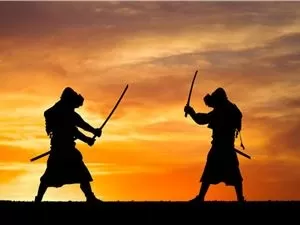 OpenAI, Anthropic Vie for Market Share Despite Revenue Shortfalls
Despite recent reports suggesting OpenAI missed revenue targets, creating pressure on tech stocks this Tuesday, private AI lab investors remain resilient. Seasoned backers have confirmed they will not reduce investment despite negative media coverage
OpenAI, Anthropic Vie for Market Share Despite Revenue Shortfalls
Despite recent reports suggesting OpenAI missed revenue targets, creating pressure on tech stocks this Tuesday, private AI lab investors remain resilient. Seasoned backers have confirmed they will not reduce investment despite negative media coverage

2026 Latest Best Top-rated AI Stem Separation Tools Curated for Remix Production, Sampling Prep, and Karaoke Masters. These powerful game-changing tools offer real-world tests to deliver precise audio isolation, boosting productivity significantly. XIX.AI provides a weekly updated free vs paid comparison guide to help you find the must-try solution that suits your needs. Explore now to unlock your AI edge.
8 tools
xix.ai

2026 Latest Best AI SQL Copilots Ranked Top-Rated! XIX.AI curates a powerful game-changing collection for weekly updated real-world tests. These must-try tools help you generate accurate revenue dashboards, analyze sales funnels, and track product metrics swiftly, boosting productivity massively. Explore now to Discover your perfect tool for data-driven decision making! 238 characters
9 tools
xix.ai

2026 Latest Best Top-Rated AI Melody Writing Tools for Song Drafts! XIX.AI has curated a highly powerful game-changing collection that goes through rigorous real-world tests to deliver the best writing experience. You can find detailed free vs paid comparisons, accurate rankings, and must-try options designed to help you create stunning song drafts effortlessly and boost your creative productivity significantly. Explore now to discover your perfect tool!
8 tools
xix.ai

2026 Latest Best Top-rated AI Conversation Trainer Tools for Interview Practice are here on XIX.AI! This curated collection features powerful, game-changing tools that go through rigorous real-world tests to deliver accurate feedback. You’ll find a free vs paid comparison and detailed rankings to help you choose the must-try option that boosts your confidence and skills. Explore now to Discover your perfect tool for interview success!
12 tools
xix.ai

2026 Latest Best Top-rated AI Style Transfer Tools for Creative Experiments! XIX.AI has curated a powerful, game-changing collection of must-try tools that deliver exceptional results through real-world tests and rigorous rankings. These top solutions help creatives boost productivity significantly by accelerating content creation and unlocking endless creative possibilities. Explore now to discover your perfect tool and start creating today!
9 tools
xix.ai
2026 Latest Best Top-Rated AI Dialogue Bubble Tools for Visual Storytelling are here on XIX.AI! This curated collection features powerful, game-changing tools that help creators boost productivity and overcome creative bottlenecks. Get a free vs paid comparison, see real-world tests, and check the latest rankings to find the must-try solutions perfect for crafting engaging visual narratives. Explore now to discover your ideal tool!
10 tools
xix.ai

Die KI-generierten Stadtansichten sind wirklich beeindruckend! 🏙️ Es ist faszinierend zu sehen, wie Algorithmen Licht, Architektur und Stimmung so realistisch interpretieren können. Ich frage mich, ob solche Tools bald für Stadtplaner oder Architekten zum Standard werden. Allerdings macht es mir auch ein bisschen Angst – wo bleibt da noch Raum für menschliche Intuition und 'Fehler', die oft zu echter Kunst führen?












