


 Home
Cao Cao Travel Reorganizes Independent AI Unit, Invests Millions in Salary for Smart Mobility Leader

Cao Cao Travel, a ride-hailing platform, has recently announced the creation of a dedicated AI business unit to accelerate its AI strategy. The company has also posted a job listing for a Chief AI Officer, with a total compensation package exceeding ten million yuan.
This step signals Cao Cao Travel's intention to move beyond its traditional ride-hailing identity and evolve into an intelligent transportation infrastructure provider in the AI era. The Chief AI Officer will be directly involved in shaping the company's AI transformation strategy and ecosystem partnerships, as well as building a top-tier AI algorithm and engineering team.
This strategic decision aligns with progress in its autonomous driving operations. In April, Cao Cao Travel became the first company in Hangzhou to receive approval for unmanned robotaxi road testing. More recently, it formed a strategic partnership with the Shanghai International Automobile City, with plans to deploy 100 robotaxis in Shanghai this year and expand large-scale operations in key cities.
Cao Cao Travel has already built a three-in-one closed-loop ecosystem combining intelligent customized vehicles, intelligent driving technology, and intelligent operations. Additionally, the Eva Cab—China's first domestically developed robotaxi prototype, with Cao Cao Travel deeply involved in its product definition and R&D—is set to debut at the 2026 Hong Kong Auto Show. According to its roadmap, this highly customized robotaxi will enter mass production in 2027, with a target of deploying 100,000 units by 2030.
Against the backdrop of accelerating integration between large models and autonomous driving technology, Cao Cao Travel has used organizational restructuring and top-tier talent acquisition to not only revamp its core technology assets but also speed up the commercialization of intelligent driving in the ride-hailing sector. This lays important organizational and ecological groundwork for capital-intensive unmanned operations.
Related article
 AI Large Models Embrace IPv6 as Xiongan New Area Leads Standalone Network Pilot
The Cyberspace Administration of China, alongside regulators from Beijing, Shanghai, Zhejiang, and Shenzhen, has partnered with five major large model providers to launch the "Artificial Intelligence Large Model IPv6 Capability Enhancement Special Ac
Xiaomi’s Self-Developed Input Method Features Built-In Large Model for System-Level AI Correction
Xiaomi has rolled out the澎湃 OS3 Beta update to internal testers, featuring the highly anticipated debut of its proprietary system-level keyboard. This isn't just a standard typing tool; it's deeply woven into the OS's core, leveraging the device's AI
Data Center Boom Fuels US Grid Innovation
The rapid expansion of artificial intelligence has triggered a massive spike in national energy consumption. While critics argue this surge is straining the nation’s aging electrical infrastructure, concerns persist that short-term power shortages co
Related Special Topic Recommendations
Design & Art
 Top AI Illustration Tools: Create Editorial Scenes and Cover Art Faster
2026 Latest Top-rated AI Illustration Tools: Our curated list features the best powerfully designed tools for creating stunning editorial scenes and eye-catching cover art quickly. Each option has gone through rigorous real-world tests, offering a free vs paid comparison to help you find the perfect match for your workflow. Try these must-try solutions today to unlock your AI edge and boost your creative productivity. Explore now at XIX.AI.
 10 tools
 xix.ai
Education and Learning
Top AI Tutors for Exam Prep: Practice Math, Science, and English
2026 Latest Top-Rated Best AI Tutors for Exam Prep are here on XIX.AI! Our curated list features powerful game-changing tools that offer free vs paid comparison, real-world tests, and weekly updated rankings. They help boost your writing efficiency, simplify complex topic learning, and unlock your academic potential. Explore now to Discover your perfect exam prep tool and Start creating today to Unlock your AI edge!
10 tools
xix.ai
Finance
AI Budget Planning Tools for Personal Money Management
2026 Latest Best Top-Rated AI Budget Planning Tools for Personal Money Management are here on XIX.AI! This curated collection features powerful, game-changing solutions that help you conduct real-world tests, understand spending habits, and create personalized plans to boost productivity. Enjoy a free vs paid comparison along with detailed rankings. Must-try tools designed to simplify money management and unlock your AI edge. Explore now!
11 tools
xix.ai
Health & Wellness
AI Sleep Tracking Assistants: Improve Recovery with Better Bedtime Habits
2026 Latest Best Top-Rated AI Sleep Tracking Assistants curated for ultimate recovery. This fully updated weekly guide features powerful tools that deliver real-world tests, free vs paid comparison, and detailed rankings to help you find the must-try solution that boosts sleep quality and supports better bedtime habits. Explore now at XIX.AI to Unlock your AI edge.
10 tools
xix.ai
Data Analysis
AI SQL Copilots for Product and Revenue Analytics
2026 Latest Best Top-Rated AI SQL Copilots for Product and Revenue Analytics! XIX.AI has curated a powerful, game-changing collection of must-try tools that undergo real-world tests through weekly updated rankings. These tools help users boost productivity significantly by accelerating data analysis, streamlining complex queries, and generating accurate insights to drive smarter business decisions. Explore now to Discover your perfect tool for unlocking your AI edge!
14 tools
xix.ai
Education and Learning
Best AI Homework Helpers That Teach: Learn Concepts, Not Just Answers
2026 Latest Best Top-Rated AI Homework Helpers That Teach Core Concepts Not Just Answers Powerful Tools for Students Must-Try Curated List Weekly Updated Free vs Paid Comparison Real-World Tests Accurate Rankings to Help You Unlock Your Full Learning Potential Explore now to Discover your perfect tool for smarter studying.
10 tools
xix.ai

 Comments (0)
0/500
Cao Cao Travel, a ride-hailing platform, has recently announced the creation of a dedicated AI business unit to accelerate its AI strategy. The company has also posted a job listing for a Chief AI Officer, with a total compensation package exceeding ten million yuan.
This step signals Cao Cao Travel's intention to move beyond its traditional ride-hailing identity and evolve into an intelligent transportation infrastructure provider in the AI era. The Chief AI Officer will be directly involved in shaping the company's AI transformation strategy and ecosystem partnerships, as well as building a top-tier AI algorithm and engineering team.
This strategic decision aligns with progress in its autonomous driving operations. In April, Cao Cao Travel became the first company in Hangzhou to receive approval for unmanned robotaxi road testing. More recently, it formed a strategic partnership with the Shanghai International Automobile City, with plans to deploy 100 robotaxis in Shanghai this year and expand large-scale operations in key cities.
Cao Cao Travel has already built a three-in-one closed-loop ecosystem combining intelligent customized vehicles, intelligent driving technology, and intelligent operations. Additionally, the Eva Cab—China's first domestically developed robotaxi prototype, with Cao Cao Travel deeply involved in its product definition and R&D—is set to debut at the 2026 Hong Kong Auto Show. According to its roadmap, this highly customized robotaxi will enter mass production in 2027, with a target of deploying 100,000 units by 2030.
Against the backdrop of accelerating integration between large models and autonomous driving technology, Cao Cao Travel has used organizational restructuring and top-tier talent acquisition to not only revamp its core technology assets but also speed up the commercialization of intelligent driving in the ride-hailing sector. This lays important organizational and ecological groundwork for capital-intensive unmanned operations.








 AI Large Models Embrace IPv6 as Xiongan New Area Leads Standalone Network Pilot
The Cyberspace Administration of China, alongside regulators from Beijing, Shanghai, Zhejiang, and Shenzhen, has partnered with five major large model providers to launch the "Artificial Intelligence Large Model IPv6 Capability Enhancement Special Ac
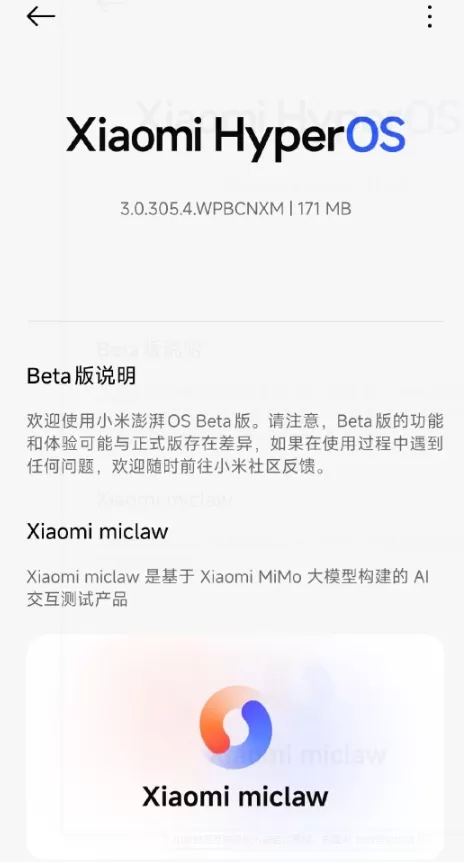 Xiaomi’s Self-Developed Input Method Features Built-In Large Model for System-Level AI Correction
Xiaomi has rolled out the澎湃 OS3 Beta update to internal testers, featuring the highly anticipated debut of its proprietary system-level keyboard. This isn't just a standard typing tool; it's deeply woven into the OS's core, leveraging the device's AI
 Data Center Boom Fuels US Grid Innovation
The rapid expansion of artificial intelligence has triggered a massive spike in national energy consumption. While critics argue this surge is straining the nation’s aging electrical infrastructure, concerns persist that short-term power shortages co

2026 Latest Top-rated AI Illustration Tools: Our curated list features the best powerfully designed tools for creating stunning editorial scenes and eye-catching cover art quickly. Each option has gone through rigorous real-world tests, offering a free vs paid comparison to help you find the perfect match for your workflow. Try these must-try solutions today to unlock your AI edge and boost your creative productivity. Explore now at XIX.AI.
10 tools
xix.ai

2026 Latest Top-Rated Best AI Tutors for Exam Prep are here on XIX.AI! Our curated list features powerful game-changing tools that offer free vs paid comparison, real-world tests, and weekly updated rankings. They help boost your writing efficiency, simplify complex topic learning, and unlock your academic potential. Explore now to Discover your perfect exam prep tool and Start creating today to Unlock your AI edge!
10 tools
xix.ai

2026 Latest Best Top-Rated AI Budget Planning Tools for Personal Money Management are here on XIX.AI! This curated collection features powerful, game-changing solutions that help you conduct real-world tests, understand spending habits, and create personalized plans to boost productivity. Enjoy a free vs paid comparison along with detailed rankings. Must-try tools designed to simplify money management and unlock your AI edge. Explore now!
11 tools
xix.ai

2026 Latest Best Top-Rated AI Sleep Tracking Assistants curated for ultimate recovery. This fully updated weekly guide features powerful tools that deliver real-world tests, free vs paid comparison, and detailed rankings to help you find the must-try solution that boosts sleep quality and supports better bedtime habits. Explore now at XIX.AI to Unlock your AI edge.
10 tools
xix.ai

2026 Latest Best Top-Rated AI SQL Copilots for Product and Revenue Analytics! XIX.AI has curated a powerful, game-changing collection of must-try tools that undergo real-world tests through weekly updated rankings. These tools help users boost productivity significantly by accelerating data analysis, streamlining complex queries, and generating accurate insights to drive smarter business decisions. Explore now to Discover your perfect tool for unlocking your AI edge!
14 tools
xix.ai

2026 Latest Best Top-Rated AI Homework Helpers That Teach Core Concepts Not Just Answers Powerful Tools for Students Must-Try Curated List Weekly Updated Free vs Paid Comparison Real-World Tests Accurate Rankings to Help You Unlock Your Full Learning Potential Explore now to Discover your perfect tool for smarter studying.
10 tools
xix.ai












