


 Home
HomeWhat is Pachelbel's Canon in D? A complete guide to the timeless masterpiece.
Johann Pachelbel’s Canon in D, a composition from the Baroque period, has grown far beyond its original context to become one of the world's most identifiable and cherished classical works. Its elegantly simple structure, defined by a recurring bass line and ascending melodies, connects with audiences across all ages and musical tastes. This piece demonstrates classical music's unique ability to stir deep emotions and foster a sense of peace, all while highlighting the compositional brilliance of Pachelbel’s Canon.
Key Points
Johann Pachelbel’s Canon in D is a celebrated Baroque masterpiece renowned for its graceful simplicity.
Its structure incorporates a repeating bass line (a ground bass) and a canon, where melodies are successively echoed by different instrumental voices.
The work's lasting popularity is rooted in its immediate accessibility and powerful emotional impact.
The compositional framework allows for creative variations and improvisation, making it highly adaptable for diverse instruments and arrangements.
It has been prominently featured in popular culture, including movies, wedding ceremonies, and advertisements.
The chord progression from Canon in D has served as a foundation for many contemporary songs.
Unveiling the Essence of Canon in D
What is Canon in D?
Pachelbel's Canon in D is not merely a musical piece; it is a cultural touchstone. Its roots lie in the Baroque era, a period celebrated for its elaborate and emotionally expressive art. The canon form involves a primary melody that is imitated by one or more subsequent voices, building a complex and textured soundscape.
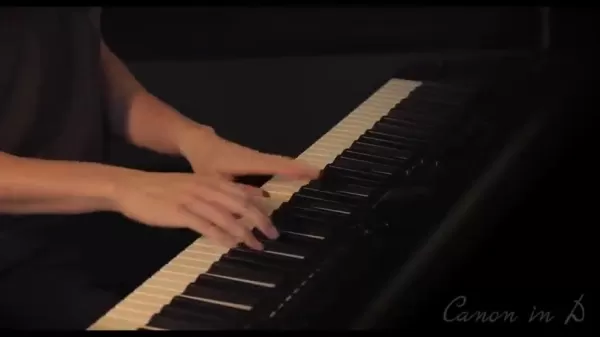
In Pachelbel’s composition, this imitative technique is paired with a ground bass—a repeated bass pattern that offers a stable harmonic foundation for the evolving melodies above. This fusion of canon and ground bass produces a captivating dynamic of consistency and change, a key factor in its enduring charm.
The apparent simplicity of Canon in D is cleverly crafted. While the foundational structure is clear, Pachelbel's skillful handling of melody and harmony lifts the work to a level of profound beauty. The uplifting, hopeful melodies soar above the dependable rhythm of the ground bass, establishing an emotional equilibrium and calm. Meticulously constructed harmonies, often using suspensions, add richness and depth, captivating the listener and encouraging repeated engagement with Canon in D.
The History and Origins of Pachelbel's Masterpiece
Although Canon in D is universally admired today, its path to fame was slow. Composed around 1680, it remained relatively unknown for centuries. Johann Pachelbel, a respected German composer and organist of his time, did not have this particular work among his most famous compositions. Its rediscovery during the 20th century, fueled by numerous recordings and new arrangements, launched it into international acclaim.
A major factor in the modern popularity of Canon in D is its incredible versatility. It has been arranged for a vast array of instruments, from solo piano and guitar to full orchestras and choirs. These varied interpretations have introduced the piece to ever broader audiences, confirming its timeless and universal qualities. Its frequent use in weddings, films, and television has solidified its status in popular culture, ensuring the ongoing recognition and appreciation of Pachelbel's Canon.
Analyzing the Structure of Canon in D
Appreciating the brilliance of Canon in D requires an understanding of its structure. The piece is built on an eight-chord progression that repeats in the bass line, known as a ground bass or basso ostinato. This bass line establishes the harmonic canvas for the variations that unfold above it.
Three violin voices enter one after another, each playing the same melodic line but starting at different times. This creates the canon effect, where the melody is layered upon itself, resulting in a rich, interwoven texture. As the voices intertwine, they generate a sense of continuous development and harmonic interest. The Canon in D is not static; the melodies undergo subtle variations with each repetition, adding nuance and preventing monotony. This masterful balance of repetition and innovation is central to its timeless appeal for lovers of classical music.
The Enduring Appeal and Influence of Canon in D
Why Does Canon in D Resonate with So Many?
The lasting appeal of Canon in D is a subject of frequent analysis. Its accessibility, thanks to a clear structure and memorable melodies, makes it easy for anyone to enjoy, regardless of musical knowledge. The piece evokes positive emotions—often described as serene, uplifting, and hopeful—creating a feeling of tranquility. In our fast-paced world, the Canon in D offers a valuable moment of calm and reflection.
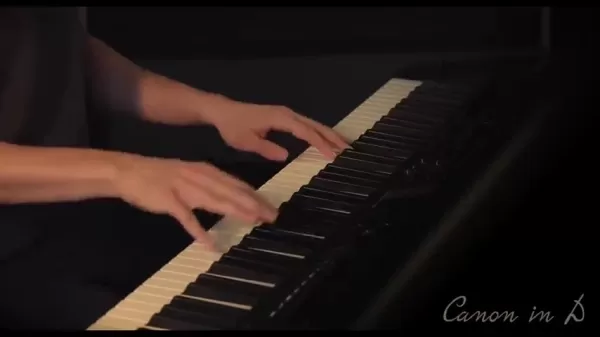
This accessibility makes Canon in D a perfect introduction for those new to classical music.
Moreover, Canon in D is strongly associated with significant life moments, especially weddings. Its role as processional music has made it a symbol of love, commitment, and new beginnings. This association deepens its emotional resonance and forges a powerful connection with listeners. The enduring fame of Canon in D is a testament to its ability to cross cultural divides and speak to shared human experiences, underscoring the beauty of Pachelbel's Canon.
Canon in D's Influence on Popular Music
The influence of Canon in D reaches well beyond the classical genre. Its distinctive chord progression has been widely adopted in popular music, forming the harmonic backbone for countless songs across various styles. From pop ballads to rock anthems, the echoes of Canon in D are unmistakable.
Notable examples include Green Day's "Basket Case," Vitamin C's "Graduation (Friends Forever)," and Journey's "Don't Stop Believin'." The use of the Canon in D progression in these tracks highlights its versatility and its power to create a sense of familiarity and emotional connection. This widespread adoption in popular music underscores the Canon in D's lasting legacy and its ongoing impact on modern musical expression, showcasing the versatility of classical music.
Canon in D in Contemporary Arrangements
Today's musicians continually find new ways to interpret the Canon in D, creating innovative versions that appeal to contemporary listeners. These modern arrangements often merge classical foundations with current instrumentation, resulting in a fresh and engaging experience. Some versions include electronic beats and synthesizers, while others focus on minimalist acoustic renditions that spotlight the melody's purity.
The inherent adaptability of Canon in D makes it ideal for creative exploration. Its flexible structure allows artists to imprint their own style and interpretation. This constant reinvention keeps the piece relevant and exciting for new audiences. The Canon in D remains a fertile source of inspiration for musicians and composers, proving its timeless capacity to spark creativity.
Pros and Cons of Canon in D
Pros
Universally recognized and admired for its aesthetic beauty.
Effectively creates a serene and uplifting ambiance.
Extremely versatile and adaptable for different instruments and settings.
Straightforward structure makes it easily approachable for a broad audience.
A staple at weddings, symbolizing love and commitment.
Cons
Overfamiliarity can lead to a perception of predictability and cliché.
Some listeners may find it overly simplistic.
Its frequent use in commercial settings can sometimes diminish its artistic gravitas.
The repetitive nature may be monotonous for some.
Critics suggest that reliance on a single chord progression limits its expressive depth.
Frequently Asked Questions
Who composed Canon in D?
Canon in D was composed by Johann Pachelbel, a German composer who lived from 1653 to 1706. He was a prominent figure of the Baroque era, renowned for his organ music and other instrumental works.
What is the structure of Canon in D?
The piece is constructed on a repeating bass line (ground bass) and a canon, where a single melody is imitated by three voices entering in sequence. This interplay creates a richly layered musical texture.
Why is Canon in D so popular?
Its popularity arises from its immediate accessibility, emotional resonance, and remarkable adaptability. Widespread use in weddings, films, and popular music has made it a familiar and beloved piece for millions.
Has Canon in D influenced popular music?
Yes, the chord progression from Canon in D has been incorporated into many popular songs, affirming its significant and lasting influence on contemporary music.
What makes Canon in D a masterpiece of classical music?
Canon in D is considered a masterpiece due to its elegant structure, emotionally evocative melodies, and its ability to instill a sense of serenity and balance. These qualities have secured Pachelbel's Canon a permanent place in the classical repertoire.
Related Questions
What other works is Johann Pachelbel known for?
Beyond Canon in D, Johann Pachelbel composed an extensive collection of organ works, including preludes, fugues, and chaconnes. He also wrote a significant number of vocal pieces, such as motets and concertos. While Canon in D is his most famous creation, his other compositions reveal his considerable skill and versatility, earning him high regard in the classical music world for both Pachelbel's Canon and his broader output.
How did Canon in D become so popular in the 20th century?
The rise of Canon in D's popularity in the 20th century was largely propelled by recordings and new arrangements that introduced the piece to a mass audience. Performances by celebrated ensembles and soloists highlighted its beauty and appeal. Its incorporation into film, television, and especially wedding ceremonies further cemented its status as a cultural staple, making Pachelbel's Canon a go-to piece for those exploring classical music.
How can Canon in D be used in contemporary music arrangements?
Canon in D can be adapted for contemporary settings by blending its classical core with modern instrumental sounds. Artists often incorporate electronic elements, synthesizers, and innovative rhythms to create unique interpretations. The piece's flexible framework allows musicians to add personal flair, ensuring that Pachelbel's Canon remains relevant to current musical trends. Many contemporary artists draw inspiration from classical music foundations like this one.
Related article
 Lovable Launches Mobile AI Coding App with Voice Prompt Support for Web App Generation
On April 28, Lovable officially launched its no-code AI app builder for iOS and Android. Centered on the "Vibe Coding" concept, the platform lets users capture ideas via voice or text prompts and instantly develop apps on mobile devices. Users can se
Superintelligence Arrives: Do We Let It In?
Loading the player…AI companies have been talking about superintelligent AI like it’s inevitable, but recent safety incidents like OpenAI’s Hugging Face breach are demonstrating the potential dangers of deploying AI systems that are more capable than
iFLYTEK Unveils Spark X2.5 General Large Model
On September 1, iFlytek will open-source two edge-focused large language models, Xinghuo X2.5-4B and Xinghuo X2.5-1.7B, according to the latest official announcement. Both models natively support a context window of up to 1 million tokens. They deliv
Related Special Topic Recommendations
Animation Creation
Lovable Launches Mobile AI Coding App with Voice Prompt Support for Web App Generation
On April 28, Lovable officially launched its no-code AI app builder for iOS and Android. Centered on the "Vibe Coding" concept, the platform lets users capture ideas via voice or text prompts and instantly develop apps on mobile devices. Users can se
Superintelligence Arrives: Do We Let It In?
Loading the player…AI companies have been talking about superintelligent AI like it’s inevitable, but recent safety incidents like OpenAI’s Hugging Face breach are demonstrating the potential dangers of deploying AI systems that are more capable than
iFLYTEK Unveils Spark X2.5 General Large Model
On September 1, iFlytek will open-source two edge-focused large language models, Xinghuo X2.5-4B and Xinghuo X2.5-1.7B, according to the latest official announcement. Both models natively support a context window of up to 1 million tokens. They deliv
Related Special Topic Recommendations
Animation Creation
 AI Scene Animation Tools for Social Media Content
2026 Latest Best Top-rated AI Scene Animation Tools for Social Media Content are curated here by XIX.AI. These powerful game-changing tools offer real-world tests and detailed free vs paid comparison, helping creators boost productivity significantly. Explore now to unlock your AI edge.
 9 tools
 xix.ai
Video creation
AI Short-Form Video Hook Generators for Reels, Shorts, and Product Launch Campaigns
xix.ai
Video creation
AI Short-Form Video Hook Generators for Reels, Shorts, and Product Launch Campaigns
2026 Latest Best AI Short-Form Video Hook Generators for Reels Shorts and Product Launch Campaigns! XIX.AI curates top-rated powerful game-changing tools that deliver must-try results through real-world tests. This weekly updated page offers free vs paid comparison rankings to help you find the perfect solution for boosting content creativity and productivity. Explore now to Unlock your AI edge!
11 tools
xix.ai
writing
AI Article Outline Tools for Long Form Writing
2026 Latest Best Top-Rated AI Article Outline Tools for Long Form Writing! This curated collection features powerful, game-changing tools that deliver accurate, structured outlines with real-world tests to boost writing efficiency significantly. XIX.AI is part of this elite selection. Get a free vs paid comparison to help you choose the perfect tool. Explore now and Unlock your AI edge!
9 tools
xix.ai
chatbot
Best AI Roleplay Chat Apps for Language Practice, Interview Prep, and Daily Fluency
2026 Latest Best Top-rated AI Roleplay Chat Apps for Language Practice, Interview Prep, and Daily Fluency! XIX.AI curates a powerful game-changing collection that offers free vs paid comparison, real-world tests, and updated rankings weekly. These must-try tools help you boost writing skills, overcome fluency challenges, and improve communication efficiency across all daily scenarios. Explore now to discover your perfect tool for language growth!
10 tools
xix.ai
Music composition
AI Stem Separation Tools for Remix Production, Sampling Prep, and Karaoke Masters
2026 Latest Best Top-rated AI Stem Separation Tools Curated for Remix Production, Sampling Prep, and Karaoke Masters. These powerful game-changing tools offer real-world tests to deliver precise audio isolation, boosting productivity significantly. XIX.AI provides a weekly updated free vs paid comparison guide to help you find the must-try solution that suits your needs. Explore now to unlock your AI edge.
8 tools
xix.ai
Data Analysis
AI SQL Copilots for Revenue Dashboards, Funnel Analysis, and Product Metrics
2026 Latest Best AI SQL Copilots Ranked Top-Rated! XIX.AI curates a powerful game-changing collection for weekly updated real-world tests. These must-try tools help you generate accurate revenue dashboards, analyze sales funnels, and track product metrics swiftly, boosting productivity massively. Explore now to Discover your perfect tool for data-driven decision making! 238 characters
9 tools
xix.ai

 Comments (3)
0/500
Comments (3)
0/500
![WillSmith]()
I've always wondered why Canon in D became the wedding song. Is it the repetitive bass line that hypnotizes everyone? 😂 Still, a timeless piece that never gets old.
![RoyMartínez]()
Auch nach all den Jahren, die ich klassische Musik höre, finde es immer wieder faszinierend, wie dieses Stück mit seinen nur 8 Noten im Bass so tiefe Gefühle weckt. Fast jede moderne Pop-Ballade hat sich von dieser Akkordfolge 'inspirieren' lassen 😅. Es ist unglaublich zeitlos, aber ich frage mich manchmal, ob Pachelbel wohl genervt wäre von all den Hochzeiten und Werbespots, oder ob er es lustig fände.
![EricLewis]()
Nunca me había puesto a pensar en la estructura del Canon de Pachelbel, pero ahora que lo mencionan es increíble cómo algo tan repetitivo puede sonar tan emotivo. ¿Será por eso que lo usan en tantas bodas? 😅 De todas formas, siempre me relaja escucharlo.
Johann Pachelbel’s Canon in D, a composition from the Baroque period, has grown far beyond its original context to become one of the world's most identifiable and cherished classical works. Its elegantly simple structure, defined by a recurring bass line and ascending melodies, connects with audiences across all ages and musical tastes. This piece demonstrates classical music's unique ability to stir deep emotions and foster a sense of peace, all while highlighting the compositional brilliance of Pachelbel’s Canon.
Key Points
Johann Pachelbel’s Canon in D is a celebrated Baroque masterpiece renowned for its graceful simplicity.
Its structure incorporates a repeating bass line (a ground bass) and a canon, where melodies are successively echoed by different instrumental voices.
The work's lasting popularity is rooted in its immediate accessibility and powerful emotional impact.
The compositional framework allows for creative variations and improvisation, making it highly adaptable for diverse instruments and arrangements.
It has been prominently featured in popular culture, including movies, wedding ceremonies, and advertisements.
The chord progression from Canon in D has served as a foundation for many contemporary songs.
Unveiling the Essence of Canon in D
What is Canon in D?
Pachelbel's Canon in D is not merely a musical piece; it is a cultural touchstone. Its roots lie in the Baroque era, a period celebrated for its elaborate and emotionally expressive art. The canon form involves a primary melody that is imitated by one or more subsequent voices, building a complex and textured soundscape.
In Pachelbel’s composition, this imitative technique is paired with a ground bass—a repeated bass pattern that offers a stable harmonic foundation for the evolving melodies above. This fusion of canon and ground bass produces a captivating dynamic of consistency and change, a key factor in its enduring charm.
The apparent simplicity of Canon in D is cleverly crafted. While the foundational structure is clear, Pachelbel's skillful handling of melody and harmony lifts the work to a level of profound beauty. The uplifting, hopeful melodies soar above the dependable rhythm of the ground bass, establishing an emotional equilibrium and calm. Meticulously constructed harmonies, often using suspensions, add richness and depth, captivating the listener and encouraging repeated engagement with Canon in D.
The History and Origins of Pachelbel's Masterpiece
Although Canon in D is universally admired today, its path to fame was slow. Composed around 1680, it remained relatively unknown for centuries. Johann Pachelbel, a respected German composer and organist of his time, did not have this particular work among his most famous compositions. Its rediscovery during the 20th century, fueled by numerous recordings and new arrangements, launched it into international acclaim.
A major factor in the modern popularity of Canon in D is its incredible versatility. It has been arranged for a vast array of instruments, from solo piano and guitar to full orchestras and choirs. These varied interpretations have introduced the piece to ever broader audiences, confirming its timeless and universal qualities. Its frequent use in weddings, films, and television has solidified its status in popular culture, ensuring the ongoing recognition and appreciation of Pachelbel's Canon.
Analyzing the Structure of Canon in D
Appreciating the brilliance of Canon in D requires an understanding of its structure. The piece is built on an eight-chord progression that repeats in the bass line, known as a ground bass or basso ostinato. This bass line establishes the harmonic canvas for the variations that unfold above it.
Three violin voices enter one after another, each playing the same melodic line but starting at different times. This creates the canon effect, where the melody is layered upon itself, resulting in a rich, interwoven texture. As the voices intertwine, they generate a sense of continuous development and harmonic interest. The Canon in D is not static; the melodies undergo subtle variations with each repetition, adding nuance and preventing monotony. This masterful balance of repetition and innovation is central to its timeless appeal for lovers of classical music.
The Enduring Appeal and Influence of Canon in D
Why Does Canon in D Resonate with So Many?
The lasting appeal of Canon in D is a subject of frequent analysis. Its accessibility, thanks to a clear structure and memorable melodies, makes it easy for anyone to enjoy, regardless of musical knowledge. The piece evokes positive emotions—often described as serene, uplifting, and hopeful—creating a feeling of tranquility. In our fast-paced world, the Canon in D offers a valuable moment of calm and reflection.
This accessibility makes Canon in D a perfect introduction for those new to classical music.
Moreover, Canon in D is strongly associated with significant life moments, especially weddings. Its role as processional music has made it a symbol of love, commitment, and new beginnings. This association deepens its emotional resonance and forges a powerful connection with listeners. The enduring fame of Canon in D is a testament to its ability to cross cultural divides and speak to shared human experiences, underscoring the beauty of Pachelbel's Canon.
Canon in D's Influence on Popular Music
The influence of Canon in D reaches well beyond the classical genre. Its distinctive chord progression has been widely adopted in popular music, forming the harmonic backbone for countless songs across various styles. From pop ballads to rock anthems, the echoes of Canon in D are unmistakable.
Notable examples include Green Day's "Basket Case," Vitamin C's "Graduation (Friends Forever)," and Journey's "Don't Stop Believin'." The use of the Canon in D progression in these tracks highlights its versatility and its power to create a sense of familiarity and emotional connection. This widespread adoption in popular music underscores the Canon in D's lasting legacy and its ongoing impact on modern musical expression, showcasing the versatility of classical music.
Canon in D in Contemporary Arrangements
Today's musicians continually find new ways to interpret the Canon in D, creating innovative versions that appeal to contemporary listeners. These modern arrangements often merge classical foundations with current instrumentation, resulting in a fresh and engaging experience. Some versions include electronic beats and synthesizers, while others focus on minimalist acoustic renditions that spotlight the melody's purity.
The inherent adaptability of Canon in D makes it ideal for creative exploration. Its flexible structure allows artists to imprint their own style and interpretation. This constant reinvention keeps the piece relevant and exciting for new audiences. The Canon in D remains a fertile source of inspiration for musicians and composers, proving its timeless capacity to spark creativity.
Pros and Cons of Canon in D
Pros
Universally recognized and admired for its aesthetic beauty.
Effectively creates a serene and uplifting ambiance.
Extremely versatile and adaptable for different instruments and settings.
Straightforward structure makes it easily approachable for a broad audience.
A staple at weddings, symbolizing love and commitment.
Cons
Overfamiliarity can lead to a perception of predictability and cliché.
Some listeners may find it overly simplistic.
Its frequent use in commercial settings can sometimes diminish its artistic gravitas.
The repetitive nature may be monotonous for some.
Critics suggest that reliance on a single chord progression limits its expressive depth.
Frequently Asked Questions
Who composed Canon in D?
Canon in D was composed by Johann Pachelbel, a German composer who lived from 1653 to 1706. He was a prominent figure of the Baroque era, renowned for his organ music and other instrumental works.
What is the structure of Canon in D?
The piece is constructed on a repeating bass line (ground bass) and a canon, where a single melody is imitated by three voices entering in sequence. This interplay creates a richly layered musical texture.
Why is Canon in D so popular?
Its popularity arises from its immediate accessibility, emotional resonance, and remarkable adaptability. Widespread use in weddings, films, and popular music has made it a familiar and beloved piece for millions.
Has Canon in D influenced popular music?
Yes, the chord progression from Canon in D has been incorporated into many popular songs, affirming its significant and lasting influence on contemporary music.
What makes Canon in D a masterpiece of classical music?
Canon in D is considered a masterpiece due to its elegant structure, emotionally evocative melodies, and its ability to instill a sense of serenity and balance. These qualities have secured Pachelbel's Canon a permanent place in the classical repertoire.
Related Questions
What other works is Johann Pachelbel known for?
Beyond Canon in D, Johann Pachelbel composed an extensive collection of organ works, including preludes, fugues, and chaconnes. He also wrote a significant number of vocal pieces, such as motets and concertos. While Canon in D is his most famous creation, his other compositions reveal his considerable skill and versatility, earning him high regard in the classical music world for both Pachelbel's Canon and his broader output.
How did Canon in D become so popular in the 20th century?
The rise of Canon in D's popularity in the 20th century was largely propelled by recordings and new arrangements that introduced the piece to a mass audience. Performances by celebrated ensembles and soloists highlighted its beauty and appeal. Its incorporation into film, television, and especially wedding ceremonies further cemented its status as a cultural staple, making Pachelbel's Canon a go-to piece for those exploring classical music.
How can Canon in D be used in contemporary music arrangements?
Canon in D can be adapted for contemporary settings by blending its classical core with modern instrumental sounds. Artists often incorporate electronic elements, synthesizers, and innovative rhythms to create unique interpretations. The piece's flexible framework allows musicians to add personal flair, ensuring that Pachelbel's Canon remains relevant to current musical trends. Many contemporary artists draw inspiration from classical music foundations like this one.








 Lovable Launches Mobile AI Coding App with Voice Prompt Support for Web App Generation
On April 28, Lovable officially launched its no-code AI app builder for iOS and Android. Centered on the "Vibe Coding" concept, the platform lets users capture ideas via voice or text prompts and instantly develop apps on mobile devices. Users can se
Lovable Launches Mobile AI Coding App with Voice Prompt Support for Web App Generation
On April 28, Lovable officially launched its no-code AI app builder for iOS and Android. Centered on the "Vibe Coding" concept, the platform lets users capture ideas via voice or text prompts and instantly develop apps on mobile devices. Users can se
 Superintelligence Arrives: Do We Let It In?
Loading the player…AI companies have been talking about superintelligent AI like it’s inevitable, but recent safety incidents like OpenAI’s Hugging Face breach are demonstrating the potential dangers of deploying AI systems that are more capable than
Superintelligence Arrives: Do We Let It In?
Loading the player…AI companies have been talking about superintelligent AI like it’s inevitable, but recent safety incidents like OpenAI’s Hugging Face breach are demonstrating the potential dangers of deploying AI systems that are more capable than
 iFLYTEK Unveils Spark X2.5 General Large Model
On September 1, iFlytek will open-source two edge-focused large language models, Xinghuo X2.5-4B and Xinghuo X2.5-1.7B, according to the latest official announcement. Both models natively support a context window of up to 1 million tokens. They deliv
iFLYTEK Unveils Spark X2.5 General Large Model
On September 1, iFlytek will open-source two edge-focused large language models, Xinghuo X2.5-4B and Xinghuo X2.5-1.7B, according to the latest official announcement. Both models natively support a context window of up to 1 million tokens. They deliv

2026 Latest Best Top-rated AI Scene Animation Tools for Social Media Content are curated here by XIX.AI. These powerful game-changing tools offer real-world tests and detailed free vs paid comparison, helping creators boost productivity significantly. Explore now to unlock your AI edge.
9 tools
xix.ai

2026 Latest Best AI Short-Form Video Hook Generators for Reels Shorts and Product Launch Campaigns! XIX.AI curates top-rated powerful game-changing tools that deliver must-try results through real-world tests. This weekly updated page offers free vs paid comparison rankings to help you find the perfect solution for boosting content creativity and productivity. Explore now to Unlock your AI edge!
11 tools
xix.ai

2026 Latest Best Top-Rated AI Article Outline Tools for Long Form Writing! This curated collection features powerful, game-changing tools that deliver accurate, structured outlines with real-world tests to boost writing efficiency significantly. XIX.AI is part of this elite selection. Get a free vs paid comparison to help you choose the perfect tool. Explore now and Unlock your AI edge!
9 tools
xix.ai

2026 Latest Best Top-rated AI Roleplay Chat Apps for Language Practice, Interview Prep, and Daily Fluency! XIX.AI curates a powerful game-changing collection that offers free vs paid comparison, real-world tests, and updated rankings weekly. These must-try tools help you boost writing skills, overcome fluency challenges, and improve communication efficiency across all daily scenarios. Explore now to discover your perfect tool for language growth!
10 tools
xix.ai

2026 Latest Best Top-rated AI Stem Separation Tools Curated for Remix Production, Sampling Prep, and Karaoke Masters. These powerful game-changing tools offer real-world tests to deliver precise audio isolation, boosting productivity significantly. XIX.AI provides a weekly updated free vs paid comparison guide to help you find the must-try solution that suits your needs. Explore now to unlock your AI edge.
8 tools
xix.ai

2026 Latest Best AI SQL Copilots Ranked Top-Rated! XIX.AI curates a powerful game-changing collection for weekly updated real-world tests. These must-try tools help you generate accurate revenue dashboards, analyze sales funnels, and track product metrics swiftly, boosting productivity massively. Explore now to Discover your perfect tool for data-driven decision making! 238 characters
9 tools
xix.ai

I've always wondered why Canon in D became the wedding song. Is it the repetitive bass line that hypnotizes everyone? 😂 Still, a timeless piece that never gets old.
Auch nach all den Jahren, die ich klassische Musik höre, finde es immer wieder faszinierend, wie dieses Stück mit seinen nur 8 Noten im Bass so tiefe Gefühle weckt. Fast jede moderne Pop-Ballade hat sich von dieser Akkordfolge 'inspirieren' lassen 😅. Es ist unglaublich zeitlos, aber ich frage mich manchmal, ob Pachelbel wohl genervt wäre von all den Hochzeiten und Werbespots, oder ob er es lustig fände.
Nunca me había puesto a pensar en la estructura del Canon de Pachelbel, pero ahora que lo mencionan es increíble cómo algo tan repetitivo puede sonar tan emotivo. ¿Será por eso que lo usan en tantas bodas? 😅 De todas formas, siempre me relaja escucharlo.












