


 Home
HomeApple Explores Dual-Mode Smart Glasses: AR and Standard Versions in Development

According to Bloomberg, Apple has made significant progress in developing a chip for smart glasses that would compete with Ray-Ban Meta's offerings.
The report indicates that this chip is based on the architecture used in Apple Watch processors, though components have been streamlined for efficiency. It is specifically engineered to support multiple camera systems expected in the smart glasses. Apple aims to begin mass production of the chip by late 2026 or early 2027, with consumer product availability targeted within that window.
The company is also reportedly working on augmented reality glasses, positioning itself alongside Meta in this emerging category. While Meta demonstrated its Orion glasses last year, these are not intended for public release. Instead, the consumer version is anticipated with the second generation, potentially launching in 2027.
Additional developments include specialized chips for camera-equipped Apple Watch and AirPods models, with target readiness around 2027. The report also notes ongoing work on next-generation M-series chips and dedicated AI server processors.
Related article
 Apple Watch’s New AI Features Normalize Always-Listening Tech
Apple is pushing consumers to embrace a new norm: your devices are constantly listening.During Wednesday’s “Surprise and Shine” iPhone launch, which unveiled the latest hardware, the true revelation wasn’t the rumored foldable iPhone, but rather how
OpenAI’s first hardware device reportedly a mobile, screenless speaker
Reports indicate OpenAI’s initial hardware venture is a mobile smart speaker featuring integrated AI that syncs with ChatGPT to deliver various home automation services.According to a Tuesday Bloomberg report, the device, currently in development, is
Tony Fadell on why the first wave of AI gadgets failed — and what comes next
As Tony Fadell steps onto the stage at the inaugural MIT Future Fest, he displays a slide featuring three discontinued, heavily hyped AI devices: the Rabbit R1, the Humane AI pin, and the Limitless pendant.“These represented the initial generation of
Related Special Topic Recommendations
Design & Art
Apple Watch’s New AI Features Normalize Always-Listening Tech
Apple is pushing consumers to embrace a new norm: your devices are constantly listening.During Wednesday’s “Surprise and Shine” iPhone launch, which unveiled the latest hardware, the true revelation wasn’t the rumored foldable iPhone, but rather how
OpenAI’s first hardware device reportedly a mobile, screenless speaker
Reports indicate OpenAI’s initial hardware venture is a mobile smart speaker featuring integrated AI that syncs with ChatGPT to deliver various home automation services.According to a Tuesday Bloomberg report, the device, currently in development, is
Tony Fadell on why the first wave of AI gadgets failed — and what comes next
As Tony Fadell steps onto the stage at the inaugural MIT Future Fest, he displays a slide featuring three discontinued, heavily hyped AI devices: the Rabbit R1, the Humane AI pin, and the Limitless pendant.“These represented the initial generation of
Related Special Topic Recommendations
Design & Art
 Top AI Illustration Tools: Create Editorial Scenes and Cover Art Faster
2026 Latest Top-rated AI Illustration Tools: Our curated list features the best powerfully designed tools for creating stunning editorial scenes and eye-catching cover art quickly. Each option has gone through rigorous real-world tests, offering a free vs paid comparison to help you find the perfect match for your workflow. Try these must-try solutions today to unlock your AI edge and boost your creative productivity. Explore now at XIX.AI.
 10 tools
 xix.ai
Education and Learning
Top AI Tutors for Exam Prep: Practice Math, Science, and English
xix.ai
Education and Learning
Top AI Tutors for Exam Prep: Practice Math, Science, and English
2026 Latest Top-Rated Best AI Tutors for Exam Prep are here on XIX.AI! Our curated list features powerful game-changing tools that offer free vs paid comparison, real-world tests, and weekly updated rankings. They help boost your writing efficiency, simplify complex topic learning, and unlock your academic potential. Explore now to Discover your perfect exam prep tool and Start creating today to Unlock your AI edge!
10 tools
xix.ai
Finance
AI Budget Planning Tools for Personal Money Management
2026 Latest Best Top-Rated AI Budget Planning Tools for Personal Money Management are here on XIX.AI! This curated collection features powerful, game-changing solutions that help you conduct real-world tests, understand spending habits, and create personalized plans to boost productivity. Enjoy a free vs paid comparison along with detailed rankings. Must-try tools designed to simplify money management and unlock your AI edge. Explore now!
11 tools
xix.ai
Health & Wellness
AI Sleep Tracking Assistants: Improve Recovery with Better Bedtime Habits
2026 Latest Best Top-Rated AI Sleep Tracking Assistants curated for ultimate recovery. This fully updated weekly guide features powerful tools that deliver real-world tests, free vs paid comparison, and detailed rankings to help you find the must-try solution that boosts sleep quality and supports better bedtime habits. Explore now at XIX.AI to Unlock your AI edge.
10 tools
xix.ai
Data Analysis
AI SQL Copilots for Product and Revenue Analytics
2026 Latest Best Top-Rated AI SQL Copilots for Product and Revenue Analytics! XIX.AI has curated a powerful, game-changing collection of must-try tools that undergo real-world tests through weekly updated rankings. These tools help users boost productivity significantly by accelerating data analysis, streamlining complex queries, and generating accurate insights to drive smarter business decisions. Explore now to Discover your perfect tool for unlocking your AI edge!
14 tools
xix.ai
Education and Learning
Best AI Homework Helpers That Teach: Learn Concepts, Not Just Answers
2026 Latest Best Top-Rated AI Homework Helpers That Teach Core Concepts Not Just Answers Powerful Tools for Students Must-Try Curated List Weekly Updated Free vs Paid Comparison Real-World Tests Accurate Rankings to Help You Unlock Your Full Learning Potential Explore now to Discover your perfect tool for smarter studying.
10 tools
xix.ai

 Comments (1)
0/500
Comments (1)
0/500
![RalphPerez]()
Interesting choice to base the chip on Apple Watch architecture. Makes sense for power and heat management, but will it be enough to compete with Meta's dedicated hardware? This feels more like a cautious 'me too' play rather than something truly disruptive from Apple.
According to Bloomberg, Apple has made significant progress in developing a chip for smart glasses that would compete with Ray-Ban Meta's offerings.
The report indicates that this chip is based on the architecture used in Apple Watch processors, though components have been streamlined for efficiency. It is specifically engineered to support multiple camera systems expected in the smart glasses. Apple aims to begin mass production of the chip by late 2026 or early 2027, with consumer product availability targeted within that window.
The company is also reportedly working on augmented reality glasses, positioning itself alongside Meta in this emerging category. While Meta demonstrated its Orion glasses last year, these are not intended for public release. Instead, the consumer version is anticipated with the second generation, potentially launching in 2027.
Additional developments include specialized chips for camera-equipped Apple Watch and AirPods models, with target readiness around 2027. The report also notes ongoing work on next-generation M-series chips and dedicated AI server processors.








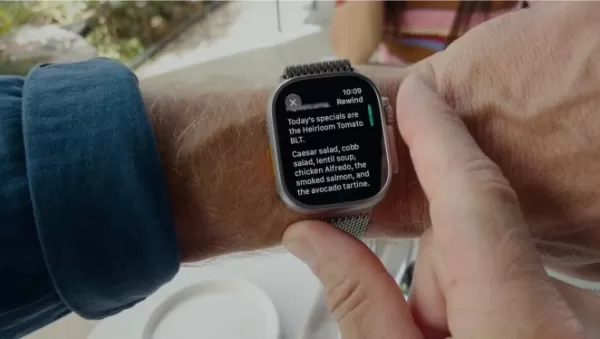 Apple Watch’s New AI Features Normalize Always-Listening Tech
Apple is pushing consumers to embrace a new norm: your devices are constantly listening.During Wednesday’s “Surprise and Shine” iPhone launch, which unveiled the latest hardware, the true revelation wasn’t the rumored foldable iPhone, but rather how
Apple Watch’s New AI Features Normalize Always-Listening Tech
Apple is pushing consumers to embrace a new norm: your devices are constantly listening.During Wednesday’s “Surprise and Shine” iPhone launch, which unveiled the latest hardware, the true revelation wasn’t the rumored foldable iPhone, but rather how
 OpenAI’s first hardware device reportedly a mobile, screenless speaker
Reports indicate OpenAI’s initial hardware venture is a mobile smart speaker featuring integrated AI that syncs with ChatGPT to deliver various home automation services.According to a Tuesday Bloomberg report, the device, currently in development, is
OpenAI’s first hardware device reportedly a mobile, screenless speaker
Reports indicate OpenAI’s initial hardware venture is a mobile smart speaker featuring integrated AI that syncs with ChatGPT to deliver various home automation services.According to a Tuesday Bloomberg report, the device, currently in development, is
 Tony Fadell on why the first wave of AI gadgets failed — and what comes next
As Tony Fadell steps onto the stage at the inaugural MIT Future Fest, he displays a slide featuring three discontinued, heavily hyped AI devices: the Rabbit R1, the Humane AI pin, and the Limitless pendant.“These represented the initial generation of
Tony Fadell on why the first wave of AI gadgets failed — and what comes next
As Tony Fadell steps onto the stage at the inaugural MIT Future Fest, he displays a slide featuring three discontinued, heavily hyped AI devices: the Rabbit R1, the Humane AI pin, and the Limitless pendant.“These represented the initial generation of

2026 Latest Top-rated AI Illustration Tools: Our curated list features the best powerfully designed tools for creating stunning editorial scenes and eye-catching cover art quickly. Each option has gone through rigorous real-world tests, offering a free vs paid comparison to help you find the perfect match for your workflow. Try these must-try solutions today to unlock your AI edge and boost your creative productivity. Explore now at XIX.AI.
10 tools
xix.ai

2026 Latest Top-Rated Best AI Tutors for Exam Prep are here on XIX.AI! Our curated list features powerful game-changing tools that offer free vs paid comparison, real-world tests, and weekly updated rankings. They help boost your writing efficiency, simplify complex topic learning, and unlock your academic potential. Explore now to Discover your perfect exam prep tool and Start creating today to Unlock your AI edge!
10 tools
xix.ai

2026 Latest Best Top-Rated AI Budget Planning Tools for Personal Money Management are here on XIX.AI! This curated collection features powerful, game-changing solutions that help you conduct real-world tests, understand spending habits, and create personalized plans to boost productivity. Enjoy a free vs paid comparison along with detailed rankings. Must-try tools designed to simplify money management and unlock your AI edge. Explore now!
11 tools
xix.ai

2026 Latest Best Top-Rated AI Sleep Tracking Assistants curated for ultimate recovery. This fully updated weekly guide features powerful tools that deliver real-world tests, free vs paid comparison, and detailed rankings to help you find the must-try solution that boosts sleep quality and supports better bedtime habits. Explore now at XIX.AI to Unlock your AI edge.
10 tools
xix.ai

2026 Latest Best Top-Rated AI SQL Copilots for Product and Revenue Analytics! XIX.AI has curated a powerful, game-changing collection of must-try tools that undergo real-world tests through weekly updated rankings. These tools help users boost productivity significantly by accelerating data analysis, streamlining complex queries, and generating accurate insights to drive smarter business decisions. Explore now to Discover your perfect tool for unlocking your AI edge!
14 tools
xix.ai

2026 Latest Best Top-Rated AI Homework Helpers That Teach Core Concepts Not Just Answers Powerful Tools for Students Must-Try Curated List Weekly Updated Free vs Paid Comparison Real-World Tests Accurate Rankings to Help You Unlock Your Full Learning Potential Explore now to Discover your perfect tool for smarter studying.
10 tools
xix.ai

Interesting choice to base the chip on Apple Watch architecture. Makes sense for power and heat management, but will it be enough to compete with Meta's dedicated hardware? This feels more like a cautious 'me too' play rather than something truly disruptive from Apple.












