


 Home
HomeAmazon Rufus: Revolutionizes Online Shopping as Your Personal AI Assistant
Amazon Rufus: How AI is Revolutionizing Online Shopping
The e-commerce landscape is changing at lightning speed, and artificial intelligence (AI) is leading the charge. Amazon, always at the cutting edge of online retail, has introduced Rufus—an AI-powered shopping assistant designed to transform how we browse, compare, and buy products. But what exactly is Rufus, and how does it stack up against other AI-driven tools like Arc Search? Let’s dive in.
What Is Amazon Rufus?
Amazon Rufus is a generative AI chatbot built right into the Amazon shopping app. Unlike a standard search bar, Rufus acts like a personal shopping concierge, answering detailed questions, comparing products, and offering tailored recommendations.
Key Features of Rufus:
✔ In-depth product insights – Combines data from Amazon’s catalog, reviews, and Q&As
✔ Smart comparisons – Helps you weigh different options side by side
✔ Personalized suggestions – Learns from your shopping habits to recommend relevant items
✔ Conversational AI – Responds naturally, just like chatting with a store assistant
The Tech Behind Rufus: OLMo (Open Language Model)
Rufus is powered by AI2’s OLMo (Open Language Model), specifically the OLMo 7B version. What makes this exciting?
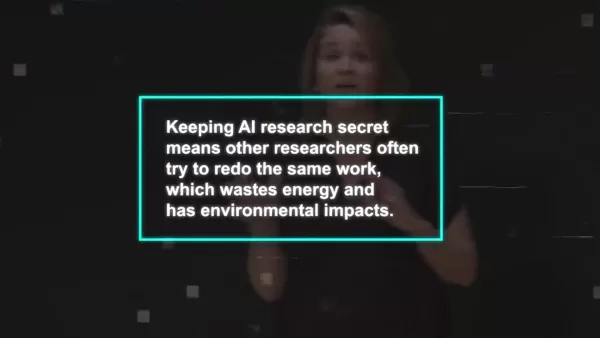
🔹 Open-source collaboration – Unlike closed AI models, OLMo’s transparency allows developers to refine and improve it collectively.
🔹 Reduced environmental impact – By avoiding redundant training, it’s a more sustainable approach to AI.
🔹 Responsible AI development – Amazon is committed to refining Rufus based on user feedback (thumbs up/down ratings).
Want to explore further?
Why the Gradual Rollout?
Amazon is taking a careful approach:
- Testing the system – Ensuring reliability before full-scale launch
- Fine-tuning responses – Making Rufus smarter with real-world interactions
- Improving accuracy – Reducing errors and biases over time
AI Chatbots in E-Commerce: A Growing Trend
Rufus is part of a bigger movement—AI-driven shopping assistants are becoming the norm. Here’s how they’re changing the game:
✅ Smarter product discovery – No more endless scrolling; AI suggests what you actually need.
✅ Hyper-personalized recommendations – Learns your style and preferences.
✅ Instant customer support – Answers questions without waiting for human agents.
✅ AI-generated content – From product descriptions to reviews, AI is streamlining content creation.

With natural language processing (NLP), these chatbots feel more human-like, making shopping smoother and more intuitive.
Arc Search: AI’s Role in Web Browsing
While Amazon is reshaping shopping, The Browser Company is reimagining web browsing with Arc Search.
How Arc Search Works:
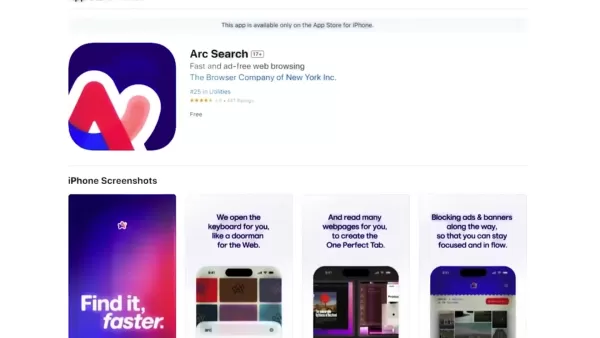
🔹 "Browse for Me" – Instead of showing links, it summarizes answers from multiple sources.
🔹 AI-generated tabs – Creates clean, ad-free pages for distraction-free reading.
🔹 Automatic cleanup – No more cluttered tabs—Arc keeps things tidy.

Is Arc Search a Chrome Killer?
It’s positioning itself as a smarter, faster alternative to traditional browsers. But will it disrupt e-commerce? Possibly—if AI starts pulling product info directly, bypassing traditional search results.
Learn more:
Pros & Cons of AI Shopping Assistants
👍 The Upsides
✔ Faster decision-making – No more analysis paralysis.
✔ Personalized shopping – AI understands your tastes better over time.
✔ Better support – Instant answers to product questions.
👎 The Downsides
❌ Potential bias – AI recommendations may favor certain brands.
❌ Privacy concerns – How much data is being tracked?
❌ Over-reliance on AI – Could reduce critical thinking in purchases.
Real-World Use Cases for Amazon Rufus
1. Finding the Perfect Gift
"What are good Valentine’s Day gifts under $50?"
Rufus could suggest flowers, chocolates, or jewelry based on past purchases.
2. Comparing Products
"What’s the difference between trail and road running shoes?"
Rufus breaks down key features to help you decide.
3. Travel Planning
"What should I pack for a trip to Ireland?"
Rufus could generate a packing list and recommend travel essentials.

FAQs About Amazon Rufus
❓ Is Rufus available to all Amazon users?
Currently, it’s in beta testing, rolling out gradually.
❓ How does Rufus differ from Alexa?
Rufus is shopping-specific, while Alexa is a general-purpose assistant.
❓ Will Rufus replace human customer service?
Not entirely—but it will handle routine queries, freeing humans for complex issues.
❓ What are the risks of AI shopping assistants?
- Bias in recommendations
- Data privacy concerns
- Over-dependence on AI
Final Thoughts: The Future of AI in Shopping
Amazon Rufus and tools like Arc Search are just the beginning. AI is making online shopping faster, smarter, and more personalized—but it also raises questions about privacy, bias, and reliance on automation.
One thing’s clear: AI is here to stay, and those who adapt will have the best shopping experiences.
What do you think? Will AI shopping assistants like Rufus become indispensable, or are there risks we’re overlooking? Drop your thoughts below! 🚀
Related article
 DeepMind CEO Hassabis: I sleep six hours a day, usually feel energetic around 1 a.m.
Fortune recently featured an interview with Demis Hassabis, CEO of Google DeepMind, revealing his unconventional approach to rest and productivity. Hassabis disclosed that he sleeps very little, structuring his waking hours into two distinct work blo
OpenAI, Anthropic Vie for Market Share Despite Revenue Shortfalls
Despite recent reports suggesting OpenAI missed revenue targets, creating pressure on tech stocks this Tuesday, private AI lab investors remain resilient. Seasoned backers have confirmed they will not reduce investment despite negative media coverage
California AV Compliance: A New Era of Tickets, Geofences, and 1M Miles
Guident operates an AuveTech shuttle in South Florida, managing a four-mile route in West Palm Beach and a one-mile route in Boca Raton using its remote monitoring technology. | Credit: GuidentCalifornia is redefining the regulatory landscape for dri
Related Special Topic Recommendations
Music composition
DeepMind CEO Hassabis: I sleep six hours a day, usually feel energetic around 1 a.m.
Fortune recently featured an interview with Demis Hassabis, CEO of Google DeepMind, revealing his unconventional approach to rest and productivity. Hassabis disclosed that he sleeps very little, structuring his waking hours into two distinct work blo
OpenAI, Anthropic Vie for Market Share Despite Revenue Shortfalls
Despite recent reports suggesting OpenAI missed revenue targets, creating pressure on tech stocks this Tuesday, private AI lab investors remain resilient. Seasoned backers have confirmed they will not reduce investment despite negative media coverage
California AV Compliance: A New Era of Tickets, Geofences, and 1M Miles
Guident operates an AuveTech shuttle in South Florida, managing a four-mile route in West Palm Beach and a one-mile route in Boca Raton using its remote monitoring technology. | Credit: GuidentCalifornia is redefining the regulatory landscape for dri
Related Special Topic Recommendations
Music composition
 AI Stem Separation Tools for Remix Production, Sampling Prep, and Karaoke Masters
2026 Latest Best Top-rated AI Stem Separation Tools Curated for Remix Production, Sampling Prep, and Karaoke Masters. These powerful game-changing tools offer real-world tests to deliver precise audio isolation, boosting productivity significantly. XIX.AI provides a weekly updated free vs paid comparison guide to help you find the must-try solution that suits your needs. Explore now to unlock your AI edge.
 8 tools
 xix.ai
Data Analysis
AI SQL Copilots for Revenue Dashboards, Funnel Analysis, and Product Metrics
xix.ai
Data Analysis
AI SQL Copilots for Revenue Dashboards, Funnel Analysis, and Product Metrics
2026 Latest Best AI SQL Copilots Ranked Top-Rated! XIX.AI curates a powerful game-changing collection for weekly updated real-world tests. These must-try tools help you generate accurate revenue dashboards, analyze sales funnels, and track product metrics swiftly, boosting productivity massively. Explore now to Discover your perfect tool for data-driven decision making! 238 characters
9 tools
xix.ai
Music composition
Best AI Melody Writing Tools for Song Drafts
2026 Latest Best Top-Rated AI Melody Writing Tools for Song Drafts! XIX.AI has curated a highly powerful game-changing collection that goes through rigorous real-world tests to deliver the best writing experience. You can find detailed free vs paid comparisons, accurate rankings, and must-try options designed to help you create stunning song drafts effortlessly and boost your creative productivity significantly. Explore now to discover your perfect tool!
8 tools
xix.ai
chatbot
Best AI Conversation Trainer Tools for Interview Practice
2026 Latest Best Top-rated AI Conversation Trainer Tools for Interview Practice are here on XIX.AI! This curated collection features powerful, game-changing tools that go through rigorous real-world tests to deliver accurate feedback. You’ll find a free vs paid comparison and detailed rankings to help you choose the must-try option that boosts your confidence and skills. Explore now to Discover your perfect tool for interview success!
12 tools
xix.ai
Design & Art
Best AI Style Transfer Tools for Creative Experiments
2026 Latest Best Top-rated AI Style Transfer Tools for Creative Experiments! XIX.AI has curated a powerful, game-changing collection of must-try tools that deliver exceptional results through real-world tests and rigorous rankings. These top solutions help creatives boost productivity significantly by accelerating content creation and unlocking endless creative possibilities. Explore now to discover your perfect tool and start creating today!
9 tools
xix.ai
Comic Creation
Best AI Dialogue Bubble Tools for Visual Storytelling
2026 Latest Best Top-Rated AI Dialogue Bubble Tools for Visual Storytelling are here on XIX.AI! This curated collection features powerful, game-changing tools that help creators boost productivity and overcome creative bottlenecks. Get a free vs paid comparison, see real-world tests, and check the latest rankings to find the must-try solutions perfect for crafting engaging visual narratives. Explore now to discover your ideal tool!
10 tools
xix.ai

 Comments (9)
0/500
Comments (9)
0/500
![OliviaBaker]()
Okay but like... is this just a fancy way to get me to buy more stuff? 😅 I mean, having an AI shopping assistant sounds cool, but how do I know it's not secretly pushing Amazon's own brands? Still, I'd try it out for finding weird niche products.
![GregoryCarter]()
Ну вот, Amazon снова всех удивляет! 😅 Rufus выглядит интересно, но не станет ли это очередным способом слежки за нашими покупками? Иногда кажется, что ИИ-ассистенты знают о нас больше, чем мы сами. Хотя... если это поможет быстрее находить нужные товары, почему бы и нет?
![JonathanNelson]()
Ну вот, Amazon снова всех удивляет! 😅 Rufus выглядит как очередной шаг к тотальному контролю над нашими покупками. Интересно, сколько данных о пользователях они собирают для обучения этого ИИ? Мне кажется, скоро алгоритмы будут знать о нас больше, чем мы сами. Крутая технология, но немного жутковато.
![KennethKing]()
Isso vai facilitar muito a vida na hora de comprar online, mas me pergunto se essas recomendações de IA realmente entendem meu estilo ou só promovem produtos pagos 🤔 Será que vamos perder a magia de descobrir coisas por acaso?
![GregoryJones]()
AIが買い物をここまで変えるなんて…!Amzon Rufus、確かに便利そうだけど、個人情報の扱いが気になるなぁ😅 検索履歴と購買データはどう使われるんだろう?
![JonathanGreen]()
Est-ce que Rufus va réellement m'aider ou juste me pousser à acheter plus ? 😅 L'idée est intéressante mais j'ai des doutes sur la protection des données perso. En tout cas, l'IA débarque en force dans le e-commerce !
Amazon Rufus: How AI is Revolutionizing Online Shopping
The e-commerce landscape is changing at lightning speed, and artificial intelligence (AI) is leading the charge. Amazon, always at the cutting edge of online retail, has introduced Rufus—an AI-powered shopping assistant designed to transform how we browse, compare, and buy products. But what exactly is Rufus, and how does it stack up against other AI-driven tools like Arc Search? Let’s dive in.
What Is Amazon Rufus?
Amazon Rufus is a generative AI chatbot built right into the Amazon shopping app. Unlike a standard search bar, Rufus acts like a personal shopping concierge, answering detailed questions, comparing products, and offering tailored recommendations.
Key Features of Rufus:
✔ In-depth product insights – Combines data from Amazon’s catalog, reviews, and Q&As
✔ Smart comparisons – Helps you weigh different options side by side
✔ Personalized suggestions – Learns from your shopping habits to recommend relevant items
✔ Conversational AI – Responds naturally, just like chatting with a store assistant
The Tech Behind Rufus: OLMo (Open Language Model)
Rufus is powered by AI2’s OLMo (Open Language Model), specifically the OLMo 7B version. What makes this exciting?
🔹 Open-source collaboration – Unlike closed AI models, OLMo’s transparency allows developers to refine and improve it collectively.
🔹 Reduced environmental impact – By avoiding redundant training, it’s a more sustainable approach to AI.
🔹 Responsible AI development – Amazon is committed to refining Rufus based on user feedback (thumbs up/down ratings).
Want to explore further?
Why the Gradual Rollout?
Amazon is taking a careful approach:
- Testing the system – Ensuring reliability before full-scale launch
- Fine-tuning responses – Making Rufus smarter with real-world interactions
- Improving accuracy – Reducing errors and biases over time
AI Chatbots in E-Commerce: A Growing Trend
Rufus is part of a bigger movement—AI-driven shopping assistants are becoming the norm. Here’s how they’re changing the game:
✅ Smarter product discovery – No more endless scrolling; AI suggests what you actually need.
✅ Hyper-personalized recommendations – Learns your style and preferences.
✅ Instant customer support – Answers questions without waiting for human agents.
✅ AI-generated content – From product descriptions to reviews, AI is streamlining content creation.
With natural language processing (NLP), these chatbots feel more human-like, making shopping smoother and more intuitive.
Arc Search: AI’s Role in Web Browsing
While Amazon is reshaping shopping, The Browser Company is reimagining web browsing with Arc Search.
How Arc Search Works:
🔹 "Browse for Me" – Instead of showing links, it summarizes answers from multiple sources.
🔹 AI-generated tabs – Creates clean, ad-free pages for distraction-free reading.
🔹 Automatic cleanup – No more cluttered tabs—Arc keeps things tidy.
Is Arc Search a Chrome Killer?
It’s positioning itself as a smarter, faster alternative to traditional browsers. But will it disrupt e-commerce? Possibly—if AI starts pulling product info directly, bypassing traditional search results.
Learn more:
Pros & Cons of AI Shopping Assistants
👍 The Upsides
✔ Faster decision-making – No more analysis paralysis.
✔ Personalized shopping – AI understands your tastes better over time.
✔ Better support – Instant answers to product questions.
👎 The Downsides
❌ Potential bias – AI recommendations may favor certain brands.
❌ Privacy concerns – How much data is being tracked?
❌ Over-reliance on AI – Could reduce critical thinking in purchases.
Real-World Use Cases for Amazon Rufus
1. Finding the Perfect Gift
"What are good Valentine’s Day gifts under $50?"
Rufus could suggest flowers, chocolates, or jewelry based on past purchases.
2. Comparing Products
"What’s the difference between trail and road running shoes?"
Rufus breaks down key features to help you decide.
3. Travel Planning
"What should I pack for a trip to Ireland?"
Rufus could generate a packing list and recommend travel essentials.
FAQs About Amazon Rufus
❓ Is Rufus available to all Amazon users?
Currently, it’s in beta testing, rolling out gradually.
❓ How does Rufus differ from Alexa?
Rufus is shopping-specific, while Alexa is a general-purpose assistant.
❓ Will Rufus replace human customer service?
Not entirely—but it will handle routine queries, freeing humans for complex issues.
❓ What are the risks of AI shopping assistants?
- Bias in recommendations
- Data privacy concerns
- Over-dependence on AI
Final Thoughts: The Future of AI in Shopping
Amazon Rufus and tools like Arc Search are just the beginning. AI is making online shopping faster, smarter, and more personalized—but it also raises questions about privacy, bias, and reliance on automation.
One thing’s clear: AI is here to stay, and those who adapt will have the best shopping experiences.
What do you think? Will AI shopping assistants like Rufus become indispensable, or are there risks we’re overlooking? Drop your thoughts below! 🚀








 DeepMind CEO Hassabis: I sleep six hours a day, usually feel energetic around 1 a.m.
Fortune recently featured an interview with Demis Hassabis, CEO of Google DeepMind, revealing his unconventional approach to rest and productivity. Hassabis disclosed that he sleeps very little, structuring his waking hours into two distinct work blo
DeepMind CEO Hassabis: I sleep six hours a day, usually feel energetic around 1 a.m.
Fortune recently featured an interview with Demis Hassabis, CEO of Google DeepMind, revealing his unconventional approach to rest and productivity. Hassabis disclosed that he sleeps very little, structuring his waking hours into two distinct work blo
 OpenAI, Anthropic Vie for Market Share Despite Revenue Shortfalls
Despite recent reports suggesting OpenAI missed revenue targets, creating pressure on tech stocks this Tuesday, private AI lab investors remain resilient. Seasoned backers have confirmed they will not reduce investment despite negative media coverage
California AV Compliance: A New Era of Tickets, Geofences, and 1M Miles
Guident operates an AuveTech shuttle in South Florida, managing a four-mile route in West Palm Beach and a one-mile route in Boca Raton using its remote monitoring technology. | Credit: GuidentCalifornia is redefining the regulatory landscape for dri
OpenAI, Anthropic Vie for Market Share Despite Revenue Shortfalls
Despite recent reports suggesting OpenAI missed revenue targets, creating pressure on tech stocks this Tuesday, private AI lab investors remain resilient. Seasoned backers have confirmed they will not reduce investment despite negative media coverage
California AV Compliance: A New Era of Tickets, Geofences, and 1M Miles
Guident operates an AuveTech shuttle in South Florida, managing a four-mile route in West Palm Beach and a one-mile route in Boca Raton using its remote monitoring technology. | Credit: GuidentCalifornia is redefining the regulatory landscape for dri

2026 Latest Best Top-rated AI Stem Separation Tools Curated for Remix Production, Sampling Prep, and Karaoke Masters. These powerful game-changing tools offer real-world tests to deliver precise audio isolation, boosting productivity significantly. XIX.AI provides a weekly updated free vs paid comparison guide to help you find the must-try solution that suits your needs. Explore now to unlock your AI edge.
8 tools
xix.ai

2026 Latest Best AI SQL Copilots Ranked Top-Rated! XIX.AI curates a powerful game-changing collection for weekly updated real-world tests. These must-try tools help you generate accurate revenue dashboards, analyze sales funnels, and track product metrics swiftly, boosting productivity massively. Explore now to Discover your perfect tool for data-driven decision making! 238 characters
9 tools
xix.ai

2026 Latest Best Top-Rated AI Melody Writing Tools for Song Drafts! XIX.AI has curated a highly powerful game-changing collection that goes through rigorous real-world tests to deliver the best writing experience. You can find detailed free vs paid comparisons, accurate rankings, and must-try options designed to help you create stunning song drafts effortlessly and boost your creative productivity significantly. Explore now to discover your perfect tool!
8 tools
xix.ai

2026 Latest Best Top-rated AI Conversation Trainer Tools for Interview Practice are here on XIX.AI! This curated collection features powerful, game-changing tools that go through rigorous real-world tests to deliver accurate feedback. You’ll find a free vs paid comparison and detailed rankings to help you choose the must-try option that boosts your confidence and skills. Explore now to Discover your perfect tool for interview success!
12 tools
xix.ai

2026 Latest Best Top-rated AI Style Transfer Tools for Creative Experiments! XIX.AI has curated a powerful, game-changing collection of must-try tools that deliver exceptional results through real-world tests and rigorous rankings. These top solutions help creatives boost productivity significantly by accelerating content creation and unlocking endless creative possibilities. Explore now to discover your perfect tool and start creating today!
9 tools
xix.ai

2026 Latest Best Top-Rated AI Dialogue Bubble Tools for Visual Storytelling are here on XIX.AI! This curated collection features powerful, game-changing tools that help creators boost productivity and overcome creative bottlenecks. Get a free vs paid comparison, see real-world tests, and check the latest rankings to find the must-try solutions perfect for crafting engaging visual narratives. Explore now to discover your ideal tool!
10 tools
xix.ai

Okay but like... is this just a fancy way to get me to buy more stuff? 😅 I mean, having an AI shopping assistant sounds cool, but how do I know it's not secretly pushing Amazon's own brands? Still, I'd try it out for finding weird niche products.
Ну вот, Amazon снова всех удивляет! 😅 Rufus выглядит интересно, но не станет ли это очередным способом слежки за нашими покупками? Иногда кажется, что ИИ-ассистенты знают о нас больше, чем мы сами. Хотя... если это поможет быстрее находить нужные товары, почему бы и нет?
Ну вот, Amazon снова всех удивляет! 😅 Rufus выглядит как очередной шаг к тотальному контролю над нашими покупками. Интересно, сколько данных о пользователях они собирают для обучения этого ИИ? Мне кажется, скоро алгоритмы будут знать о нас больше, чем мы сами. Крутая технология, но немного жутковато.
Isso vai facilitar muito a vida na hora de comprar online, mas me pergunto se essas recomendações de IA realmente entendem meu estilo ou só promovem produtos pagos 🤔 Será que vamos perder a magia de descobrir coisas por acaso?
AIが買い物をここまで変えるなんて…!Amzon Rufus、確かに便利そうだけど、個人情報の扱いが気になるなぁ😅 検索履歴と購買データはどう使われるんだろう?
Est-ce que Rufus va réellement m'aider ou juste me pousser à acheter plus ? 😅 L'idée est intéressante mais j'ai des doutes sur la protection des données perso. En tout cas, l'IA débarque en force dans le e-commerce !












