


 Home
HomeWhat are the ethics and legal issues of AI celebrity videos in 2026?
The rise of artificial intelligence has unlocked remarkable new capabilities in content creation, blurring the boundaries between reality and simulation. A particularly notable development is the emergence of AI-generated videos featuring deceased celebrities, a trend that sparks both fascination and intense debate. This article explores the ethical dilemmas, evolving legal frameworks, and potential consequences of this powerful new technology.
Key Points
AI technology can now produce highly realistic videos featuring the likenesses of deceased celebrities.
Using AI to digitally revive deceased individuals raises profound ethical questions concerning consent and respect.
Legal structures governing digital replicas and likeness rights are still developing, creating significant uncertainty.
Many families and estates of deceased celebrities have voiced serious concerns about this type of AI-generated content.
A vigorous debate is growing about balancing free expression with the protection of a deceased individual's legacy.
OpenAI has established specific policies to manage the use of its Sora AI in generating celebrity likenesses.
California has passed a law mandating consent from a deceased performer's estate for the creation of digital reproductions.
Legal experts anticipate continuous evolution in AI-related law to address these complex challenges.
The film and television industry is deeply concerned about the unauthorized use of celebrity likeness and voice through AI.
AI tools like Sora present intricate questions regarding copyright, intellectual property, and the proliferation of unauthorized deepfakes.
The Rise of AI-Generated Celebrity Videos
What are AI-Generated Celebrity Videos?
AI-generated celebrity videos are digital productions created using sophisticated artificial intelligence algorithms. These systems can replicate a famous person's appearance, voice, and characteristic behaviors. The technology can place celebrities into entirely new situations, have them deliver scripted messages, or even simulate interviews. This is achieved through deep learning models trained on extensive collections of existing video, audio recordings, and personal data. Advanced tools like Sora can produce highly realistic synthetic media, leveraging celebrity likenesses to achieve convincing outcomes.
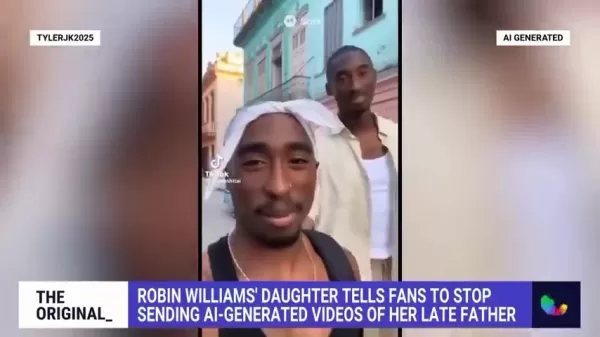
This technology prompts serious ethical and legal questions, especially when it involves celebrities who have passed away and cannot grant permission. Using a deceased person's digital likeness can be viewed as disrespectful, exploitative, or an infringement of their intellectual property rights. Conversely, some proponents suggest these videos can act as a tribute, helping to keep a celebrity's memory alive for their fanbase.
The spread of AI-generated celebrity videos is accelerated by the growing availability and sophistication of AI tools. Platforms such as OpenAI's Sora have simplified the process for creating realistic synthetic media, adding further complexity to the situation. Forming a balanced and informed perspective requires considering the various viewpoints on this issue. These AI developments have caused significant apprehension among professionals in the film and television sectors.
Ethical Cons
iderations: Cons
ent and Respect
The ethical implications of producing AI-generated videos of deceased celebrities are deep and multifaceted. A primary issue centers on the concept of consent. Since the individuals depicted are no longer living, they cannot provide permission for their likeness to be used, raising fundamental questions about the ethics of proceeding without it.
Creating a convincing AI-generated celebrity likeness is a technically complex challenge, and the field is in a state of constant evolution as the underlying tools advance.
Demonstrating respect for the deceased is another crucial ethical factor. Critics argue that such videos can be deeply disrespectful, particularly if they portray the celebrity in a manner that contradicts their known values or public persona. The risk of the technology being misused or leading to misrepresentation heightens these worries.
Zelda Williams, the daughter of the late Robin Williams, has been an outspoken opponent of AI-generated videos featuring her father, emphasizing the emotional distress these creations can inflict on families.She has publicly asked fans to cease sharing these videos with her, describing them as "pointless" and a "poor use of time and effort," stating firmly that it's "not what he would have wanted."This highlights the critical need to consider the feelings of those who were closest to the deceased. Zelda has even referred to such AI-generated celebrity content as 'distasteful TikTok fodder'.
Beyond the immediate family, wider societal values are also relevant. Many perceive the unauthorized use of a deceased person's image as a form of exploitation, leveraging their fame for profit without their approval. Others contend it represents a kind of digital necromancy, an inappropriate manipulation of the image of someone who can no longer speak for themselves.
The Evolving Legal Landscape: Likeness Rights and Digital Replicas
The legal framework governing the use of deceased celebrities' likenesses in AI-generated videos is intricate and continually shifting.Traditional right of publicity laws, which safeguard a person's control over the commercial use of their name and image, often differ by state and may offer limited protection after death.
Certain states have post-mortem right of publicity statutes that extend these protections for a specified duration, granting the deceased's estate control over the use of their likeness. However, applying these laws to AI-generated content is uncertain, as the technology introduces novel questions about what defines a "likeness" and whether AI creations are covered by existing legal definitions. The surge in AI-generated celebrity likenesses has introduced numerous questions and complexities for the judicial system.
In the absence of clear legal precedent, courts will likely need to address issues such as:
- Whether an AI-generated video violates a deceased celebrity's right of publicity, even if it doesn't directly copy existing footage or photographs.
- Whether using AI to create a digital replica qualifies as a transformative use, which might be shielded by free speech principles.
- How to balance the rights of the deceased and their estates against the public's interest in creative expression and technological advancement.
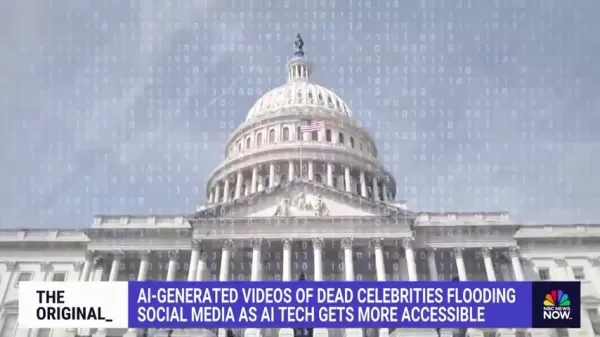
California has taken a forward-looking approach by passing legislation that requires studios to get consent from a deceased performer's estate before using an AI-generated digital replica.
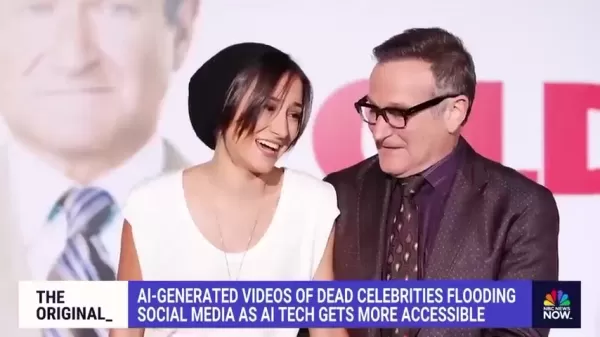
This law is designed to safeguard the rights of deceased performers and their families, though its practical interpretation and enforcement remain to be seen. This legislative action is, in part, a response to advocacy from entertainment industry unions and professionals.
Despite such efforts, the field of AI law is evolving continuously, though not as rapidly as the underlying technology itself.Legal analysts predict ongoing adjustments and new developments in AI legislation to tackle these issues, which should lead to greater clarity and stronger protections for the likeness rights of deceased celebrities.
AI Policies & Official Statements
Statements from OpenAI
OpenAI, the organization responsible for the Sora AI video generator, recognizes the ethical and legal complexities associated with its technology. The company has stated that while there are legitimate free speech interests in depicting historical figures, it believes that public figures and their families should have the final say over how their likeness is utilized.
Consequently, OpenAI has put policies in place to mitigate the potential misuse of Sora for generating celebrity likenesses. These policies likely include:
- Mandating that users reveal if their videos include AI-generated depictions of real people.
- Banning the use of Sora to produce videos that are defamatory, harassing, or that impersonate real individuals without their consent.
- Offering a process for individuals and their estates to request that their likeness not be used in Sora-generated content.
OpenAI has also shown a commitment to collaborating with stakeholders, including celebrities, estates, and legal specialists, to formulate responsible guidelines for its technology's use. The company acknowledges the necessity for ongoing conversation and adaptation as AI technology progresses.
Motion Picture Association's Stance
The Motion Picture Association (MPA), which represents major film and television studios, has also expressed its position on the issue of AI-generated celebrity videos.The MPA has raised alarms about the unauthorized use of celebrity likenesses and voices, especially concerning deepfakes and other synthetic media.
The MPA has urged AI developers to take accountability for preventing their technology's misuse and has supported the establishment of clear legal frameworks to protect intellectual property rights. The association has also stressed the importance of transparency, encouraging platforms to clearly label AI-generated content to prevent audience deception.
The MPA's position reflects wider concerns within the film and television industry about AI's potential impact on creative employment and the value of intellectual property. The industry is actively seeking ways to adapt to this shifting landscape while defending the rights and interests of its members.
Navigating AI tools: Steps to Use AI Video Generators Responsibly
Disclaimer & Legal Cons
ultation
Adhering to the following steps is crucial for using artificial intelligence video generators in a responsible manner:
- Understand the Technology: Acquaint yourself with the functions and constraints of AI video generators like OpenAI's Sora, and acknowledge their potential for misuse.
- Check the User Agreements: Before using any service, it is essential to read and fully comprehend the user agreement. Verify that the terms align with current legal standards.
- Obtain Necessary Rights: Secure all required rights and permissions for any copyrighted material—including images, audio, and video footage—that you plan to input into the AI generator. Consult a legal professional if necessary. Furthermore, ensure compliance with all applicable local, regional, and federal regulations.
- Respect Privacy Be mindful of privacy rights and refrain from using AI to create videos that could be deemed defamatory, harassing, or that impersonate real people without their consent.
- Transparency & Clear Disclosures: Be honest about your video's purpose and provide viewers with the clarity they deserve. Always include clear notices when AI is used to generate videos that feature real people or their likenesses.
Cons
ider Family's Perspective: If you are contemplating creating a video that features a deceased celebrity, take time to reflect on the views of their family and estate. Honor any requests they have made concerning the use of their loved one's image.- Engage in Dialogue with other industry experts: Take part in conversations about the ethical and legal ramifications of AI-generated celebrity videos, and help shape responsible guidelines and standards. Ensure you fully grasp the nuances of the technology you are introducing to the world.
- Prioritize Ethical Development and AI-Generation: Champion the ethical development and application of AI technology, supporting policies that defend individual rights and encourage responsible innovation.
Weighing the Impact of AI Celebrity Videos
Pros
Opens new avenues for creative expression and artistic innovation
Enables the generation of fresh content and experiences for fans
Offers a way to preserve and honor the memory of deceased celebrities
Provides a cost-efficient option compared to conventional production techniques
Cons
Raises ethical issues regarding consent and respect for the deceased
Potential for misuse and inaccurate representation
Legal ambiguities concerning likeness rights and digital replicas
Risk of causing emotional pain to families and loved ones
Possible negative effects on creative careers and intellectual property value
The danger of a deceased celebrity being shown saying or doing something controversial
Frequently Asked Questions
Is it legal to create AI-generated videos of deceased celebrities?
The legality of producing AI-generated videos of deceased celebrities is not straightforward and depends on multiple factors, including state-specific right of publicity laws, the content's nature, and whether the estate has provided consent. While federal legislation on this matter is currently lacking, California has been more proactive than other states in protecting celebrity likenesses. The legal field surrounding AI is dynamic and continually developing.
What are the ethical concerns surrounding AI celebrity likeness?
Key ethical concerns involve the absence of consent, showing respect for the deceased, the potential for misrepresentation, and the exploitation of their fame without permission. It's worth noting that the AI itself is often not created with harmful intent; rather, the technology has advanced faster than the legal system's ability to regulate it. By adhering to the responsible steps outlined earlier, individuals and organizations can navigate the use of AI products more conscientiously.
What measures are in place to prevent the misuse of AI-generated celebrity videos?
Current measures include platform policies that mandate disclosure, forbid harmful content, and offer channels for individuals and estates to seek the removal of material. The Motion Picture Association is also pushing for definitive legal structures and responsible AI development. However, it is important to consider the MPA's stance critically, as the organization may have a vested interest in advocating for stricter regulations.
More Questions about AI-Generated Likeness
How will AI be used by industries other than the film industry?
The ethical challenges of using AI to simulate real humans extend far beyond the realm of celebrities or public figures. This technology poses serious concerns across multiple sectors. Here is an overview of potential misuses and how they might be addressed:Fake News and Misinformation: AI can fabricate believable fake news stories and manipulate visuals or videos, commonly known as deepfakes. This can disseminate false information, sway public perception, and undermine social stability. Regulatory measures and public education campaigns are underway to counter the spread of misinformation.Impersonation and Identity Theft: AI can be utilized to impersonate individuals, creating fraudulent accounts or synthetic identities. This technology could be deployed in phishing schemes, financial fraud, and other malicious acts. Enhanced authentication methods and identity verification technologies are being developed to secure digital identities.Automation of Bias: AI systems trained on biased datasets can perpetuate and intensify societal prejudices, resulting in discriminatory practices in areas like employment, lending, and the legal system. The debate on effectively combating AI bias is ongoing, as solutions tend to be highly context-specific. One potential approach involves regulations that demand algorithm transparency and auditability.Autonomous Weapons: The development of AI-driven autonomous weapon systems raises alarms about the loss of human oversight in lethal force decisions, potentially leading to unintended outcomes and conflict escalation. Numerous international treaties and advocacy movements have arisen to ban or strictly control the creation and use of such weapons.
Related article
 Ultraman’s College Critique Sparks Debate on Redefining Growth and Careers in the AI Era
In an era defined by rapid AI advancement, traditional education and career planning face unprecedented challenges. OpenAI CEO Sam Altman recently delivered a provocative address at the Internapalooza tech intern event, arguing that a four-year colle
Ctrip Business Travel Unveils AI Ecosystem with 7 Industry Agents and 17 Core Capabilities
Ctrip Business Travel has officially unveiled the "Ctrip Business Travel AI Ecosystem," leveraging large language models to fundamentally restructure corporate travel management. This comprehensive ecosystem addresses four core scenarios: travel arra
Stripe to Acquire OpenRouter as AI Model Routing Gains Momentum
Stripe has agreed to acquire OpenRouter, an AI model-routing platform that gives developers access to hundreds of models through a single interface. The deal adds model selection and routing to Stripe’s existing work around AI usage and token-based b
Related Special Topic Recommendations
Design & Art
Ultraman’s College Critique Sparks Debate on Redefining Growth and Careers in the AI Era
In an era defined by rapid AI advancement, traditional education and career planning face unprecedented challenges. OpenAI CEO Sam Altman recently delivered a provocative address at the Internapalooza tech intern event, arguing that a four-year colle
Ctrip Business Travel Unveils AI Ecosystem with 7 Industry Agents and 17 Core Capabilities
Ctrip Business Travel has officially unveiled the "Ctrip Business Travel AI Ecosystem," leveraging large language models to fundamentally restructure corporate travel management. This comprehensive ecosystem addresses four core scenarios: travel arra
Stripe to Acquire OpenRouter as AI Model Routing Gains Momentum
Stripe has agreed to acquire OpenRouter, an AI model-routing platform that gives developers access to hundreds of models through a single interface. The deal adds model selection and routing to Stripe’s existing work around AI usage and token-based b
Related Special Topic Recommendations
Design & Art
 Top AI Illustration Tools: Create Editorial Scenes and Cover Art Faster
2026 Latest Top-rated AI Illustration Tools: Our curated list features the best powerfully designed tools for creating stunning editorial scenes and eye-catching cover art quickly. Each option has gone through rigorous real-world tests, offering a free vs paid comparison to help you find the perfect match for your workflow. Try these must-try solutions today to unlock your AI edge and boost your creative productivity. Explore now at XIX.AI.
 10 tools
 xix.ai
Education and Learning
Top AI Tutors for Exam Prep: Practice Math, Science, and English
xix.ai
Education and Learning
Top AI Tutors for Exam Prep: Practice Math, Science, and English
2026 Latest Top-Rated Best AI Tutors for Exam Prep are here on XIX.AI! Our curated list features powerful game-changing tools that offer free vs paid comparison, real-world tests, and weekly updated rankings. They help boost your writing efficiency, simplify complex topic learning, and unlock your academic potential. Explore now to Discover your perfect exam prep tool and Start creating today to Unlock your AI edge!
10 tools
xix.ai
Finance
AI Budget Planning Tools for Personal Money Management
2026 Latest Best Top-Rated AI Budget Planning Tools for Personal Money Management are here on XIX.AI! This curated collection features powerful, game-changing solutions that help you conduct real-world tests, understand spending habits, and create personalized plans to boost productivity. Enjoy a free vs paid comparison along with detailed rankings. Must-try tools designed to simplify money management and unlock your AI edge. Explore now!
11 tools
xix.ai
Health & Wellness
AI Sleep Tracking Assistants: Improve Recovery with Better Bedtime Habits
2026 Latest Best Top-Rated AI Sleep Tracking Assistants curated for ultimate recovery. This fully updated weekly guide features powerful tools that deliver real-world tests, free vs paid comparison, and detailed rankings to help you find the must-try solution that boosts sleep quality and supports better bedtime habits. Explore now at XIX.AI to Unlock your AI edge.
10 tools
xix.ai
Data Analysis
AI SQL Copilots for Product and Revenue Analytics
2026 Latest Best Top-Rated AI SQL Copilots for Product and Revenue Analytics! XIX.AI has curated a powerful, game-changing collection of must-try tools that undergo real-world tests through weekly updated rankings. These tools help users boost productivity significantly by accelerating data analysis, streamlining complex queries, and generating accurate insights to drive smarter business decisions. Explore now to Discover your perfect tool for unlocking your AI edge!
14 tools
xix.ai
Education and Learning
Best AI Homework Helpers That Teach: Learn Concepts, Not Just Answers
2026 Latest Best Top-Rated AI Homework Helpers That Teach Core Concepts Not Just Answers Powerful Tools for Students Must-Try Curated List Weekly Updated Free vs Paid Comparison Real-World Tests Accurate Rankings to Help You Unlock Your Full Learning Potential Explore now to Discover your perfect tool for smarter studying.
10 tools
xix.ai

 Comments (0)
0/500
Comments (0)
0/500
The rise of artificial intelligence has unlocked remarkable new capabilities in content creation, blurring the boundaries between reality and simulation. A particularly notable development is the emergence of AI-generated videos featuring deceased celebrities, a trend that sparks both fascination and intense debate. This article explores the ethical dilemmas, evolving legal frameworks, and potential consequences of this powerful new technology.
Key Points
AI technology can now produce highly realistic videos featuring the likenesses of deceased celebrities.
Using AI to digitally revive deceased individuals raises profound ethical questions concerning consent and respect.
Legal structures governing digital replicas and likeness rights are still developing, creating significant uncertainty.
Many families and estates of deceased celebrities have voiced serious concerns about this type of AI-generated content.
A vigorous debate is growing about balancing free expression with the protection of a deceased individual's legacy.
OpenAI has established specific policies to manage the use of its Sora AI in generating celebrity likenesses.
California has passed a law mandating consent from a deceased performer's estate for the creation of digital reproductions.
Legal experts anticipate continuous evolution in AI-related law to address these complex challenges.
The film and television industry is deeply concerned about the unauthorized use of celebrity likeness and voice through AI.
AI tools like Sora present intricate questions regarding copyright, intellectual property, and the proliferation of unauthorized deepfakes.
The Rise of AI-Generated Celebrity Videos
What are AI-Generated Celebrity Videos?
AI-generated celebrity videos are digital productions created using sophisticated artificial intelligence algorithms. These systems can replicate a famous person's appearance, voice, and characteristic behaviors. The technology can place celebrities into entirely new situations, have them deliver scripted messages, or even simulate interviews. This is achieved through deep learning models trained on extensive collections of existing video, audio recordings, and personal data. Advanced tools like Sora can produce highly realistic synthetic media, leveraging celebrity likenesses to achieve convincing outcomes.
This technology prompts serious ethical and legal questions, especially when it involves celebrities who have passed away and cannot grant permission. Using a deceased person's digital likeness can be viewed as disrespectful, exploitative, or an infringement of their intellectual property rights. Conversely, some proponents suggest these videos can act as a tribute, helping to keep a celebrity's memory alive for their fanbase.
The spread of AI-generated celebrity videos is accelerated by the growing availability and sophistication of AI tools. Platforms such as OpenAI's Sora have simplified the process for creating realistic synthetic media, adding further complexity to the situation. Forming a balanced and informed perspective requires considering the various viewpoints on this issue. These AI developments have caused significant apprehension among professionals in the film and television sectors.
Ethical Cons
iderations: Cons
ent and Respect
The ethical implications of producing AI-generated videos of deceased celebrities are deep and multifaceted. A primary issue centers on the concept of consent. Since the individuals depicted are no longer living, they cannot provide permission for their likeness to be used, raising fundamental questions about the ethics of proceeding without it.
Creating a convincing AI-generated celebrity likeness is a technically complex challenge, and the field is in a state of constant evolution as the underlying tools advance.
Demonstrating respect for the deceased is another crucial ethical factor. Critics argue that such videos can be deeply disrespectful, particularly if they portray the celebrity in a manner that contradicts their known values or public persona. The risk of the technology being misused or leading to misrepresentation heightens these worries.
Zelda Williams, the daughter of the late Robin Williams, has been an outspoken opponent of AI-generated videos featuring her father, emphasizing the emotional distress these creations can inflict on families.She has publicly asked fans to cease sharing these videos with her, describing them as "pointless" and a "poor use of time and effort," stating firmly that it's "not what he would have wanted."This highlights the critical need to consider the feelings of those who were closest to the deceased. Zelda has even referred to such AI-generated celebrity content as 'distasteful TikTok fodder'.
Beyond the immediate family, wider societal values are also relevant. Many perceive the unauthorized use of a deceased person's image as a form of exploitation, leveraging their fame for profit without their approval. Others contend it represents a kind of digital necromancy, an inappropriate manipulation of the image of someone who can no longer speak for themselves.
The Evolving Legal Landscape: Likeness Rights and Digital Replicas
The legal framework governing the use of deceased celebrities' likenesses in AI-generated videos is intricate and continually shifting.Traditional right of publicity laws, which safeguard a person's control over the commercial use of their name and image, often differ by state and may offer limited protection after death.
Certain states have post-mortem right of publicity statutes that extend these protections for a specified duration, granting the deceased's estate control over the use of their likeness. However, applying these laws to AI-generated content is uncertain, as the technology introduces novel questions about what defines a "likeness" and whether AI creations are covered by existing legal definitions. The surge in AI-generated celebrity likenesses has introduced numerous questions and complexities for the judicial system.
In the absence of clear legal precedent, courts will likely need to address issues such as:
- Whether an AI-generated video violates a deceased celebrity's right of publicity, even if it doesn't directly copy existing footage or photographs.
- Whether using AI to create a digital replica qualifies as a transformative use, which might be shielded by free speech principles.
- How to balance the rights of the deceased and their estates against the public's interest in creative expression and technological advancement.
California has taken a forward-looking approach by passing legislation that requires studios to get consent from a deceased performer's estate before using an AI-generated digital replica.
This law is designed to safeguard the rights of deceased performers and their families, though its practical interpretation and enforcement remain to be seen. This legislative action is, in part, a response to advocacy from entertainment industry unions and professionals.
Despite such efforts, the field of AI law is evolving continuously, though not as rapidly as the underlying technology itself.Legal analysts predict ongoing adjustments and new developments in AI legislation to tackle these issues, which should lead to greater clarity and stronger protections for the likeness rights of deceased celebrities.
AI Policies & Official Statements
Statements from OpenAI
OpenAI, the organization responsible for the Sora AI video generator, recognizes the ethical and legal complexities associated with its technology. The company has stated that while there are legitimate free speech interests in depicting historical figures, it believes that public figures and their families should have the final say over how their likeness is utilized.
Consequently, OpenAI has put policies in place to mitigate the potential misuse of Sora for generating celebrity likenesses. These policies likely include:
- Mandating that users reveal if their videos include AI-generated depictions of real people.
- Banning the use of Sora to produce videos that are defamatory, harassing, or that impersonate real individuals without their consent.
- Offering a process for individuals and their estates to request that their likeness not be used in Sora-generated content.
OpenAI has also shown a commitment to collaborating with stakeholders, including celebrities, estates, and legal specialists, to formulate responsible guidelines for its technology's use. The company acknowledges the necessity for ongoing conversation and adaptation as AI technology progresses.
Motion Picture Association's Stance
The Motion Picture Association (MPA), which represents major film and television studios, has also expressed its position on the issue of AI-generated celebrity videos.The MPA has raised alarms about the unauthorized use of celebrity likenesses and voices, especially concerning deepfakes and other synthetic media.
The MPA has urged AI developers to take accountability for preventing their technology's misuse and has supported the establishment of clear legal frameworks to protect intellectual property rights. The association has also stressed the importance of transparency, encouraging platforms to clearly label AI-generated content to prevent audience deception.
The MPA's position reflects wider concerns within the film and television industry about AI's potential impact on creative employment and the value of intellectual property. The industry is actively seeking ways to adapt to this shifting landscape while defending the rights and interests of its members.
Navigating AI tools: Steps to Use AI Video Generators Responsibly
Disclaimer & Legal Cons
ultation
Adhering to the following steps is crucial for using artificial intelligence video generators in a responsible manner:
- Understand the Technology: Acquaint yourself with the functions and constraints of AI video generators like OpenAI's Sora, and acknowledge their potential for misuse.
- Check the User Agreements: Before using any service, it is essential to read and fully comprehend the user agreement. Verify that the terms align with current legal standards.
- Obtain Necessary Rights: Secure all required rights and permissions for any copyrighted material—including images, audio, and video footage—that you plan to input into the AI generator. Consult a legal professional if necessary. Furthermore, ensure compliance with all applicable local, regional, and federal regulations.
- Respect Privacy Be mindful of privacy rights and refrain from using AI to create videos that could be deemed defamatory, harassing, or that impersonate real people without their consent.
- Transparency & Clear Disclosures: Be honest about your video's purpose and provide viewers with the clarity they deserve. Always include clear notices when AI is used to generate videos that feature real people or their likenesses.
Cons
ider Family's Perspective: If you are contemplating creating a video that features a deceased celebrity, take time to reflect on the views of their family and estate. Honor any requests they have made concerning the use of their loved one's image.- Engage in Dialogue with other industry experts: Take part in conversations about the ethical and legal ramifications of AI-generated celebrity videos, and help shape responsible guidelines and standards. Ensure you fully grasp the nuances of the technology you are introducing to the world.
- Prioritize Ethical Development and AI-Generation: Champion the ethical development and application of AI technology, supporting policies that defend individual rights and encourage responsible innovation.
Weighing the Impact of AI Celebrity Videos
Pros
Opens new avenues for creative expression and artistic innovation
Enables the generation of fresh content and experiences for fans
Offers a way to preserve and honor the memory of deceased celebrities
Provides a cost-efficient option compared to conventional production techniques
Cons
Raises ethical issues regarding consent and respect for the deceased
Potential for misuse and inaccurate representation
Legal ambiguities concerning likeness rights and digital replicas
Risk of causing emotional pain to families and loved ones
Possible negative effects on creative careers and intellectual property value
The danger of a deceased celebrity being shown saying or doing something controversial
Frequently Asked Questions
Is it legal to create AI-generated videos of deceased celebrities?
The legality of producing AI-generated videos of deceased celebrities is not straightforward and depends on multiple factors, including state-specific right of publicity laws, the content's nature, and whether the estate has provided consent. While federal legislation on this matter is currently lacking, California has been more proactive than other states in protecting celebrity likenesses. The legal field surrounding AI is dynamic and continually developing.
What are the ethical concerns surrounding AI celebrity likeness?
Key ethical concerns involve the absence of consent, showing respect for the deceased, the potential for misrepresentation, and the exploitation of their fame without permission. It's worth noting that the AI itself is often not created with harmful intent; rather, the technology has advanced faster than the legal system's ability to regulate it. By adhering to the responsible steps outlined earlier, individuals and organizations can navigate the use of AI products more conscientiously.
What measures are in place to prevent the misuse of AI-generated celebrity videos?
Current measures include platform policies that mandate disclosure, forbid harmful content, and offer channels for individuals and estates to seek the removal of material. The Motion Picture Association is also pushing for definitive legal structures and responsible AI development. However, it is important to consider the MPA's stance critically, as the organization may have a vested interest in advocating for stricter regulations.
More Questions about AI-Generated Likeness
How will AI be used by industries other than the film industry?
The ethical challenges of using AI to simulate real humans extend far beyond the realm of celebrities or public figures. This technology poses serious concerns across multiple sectors. Here is an overview of potential misuses and how they might be addressed:Fake News and Misinformation: AI can fabricate believable fake news stories and manipulate visuals or videos, commonly known as deepfakes. This can disseminate false information, sway public perception, and undermine social stability. Regulatory measures and public education campaigns are underway to counter the spread of misinformation.Impersonation and Identity Theft: AI can be utilized to impersonate individuals, creating fraudulent accounts or synthetic identities. This technology could be deployed in phishing schemes, financial fraud, and other malicious acts. Enhanced authentication methods and identity verification technologies are being developed to secure digital identities.Automation of Bias: AI systems trained on biased datasets can perpetuate and intensify societal prejudices, resulting in discriminatory practices in areas like employment, lending, and the legal system. The debate on effectively combating AI bias is ongoing, as solutions tend to be highly context-specific. One potential approach involves regulations that demand algorithm transparency and auditability.Autonomous Weapons: The development of AI-driven autonomous weapon systems raises alarms about the loss of human oversight in lethal force decisions, potentially leading to unintended outcomes and conflict escalation. Numerous international treaties and advocacy movements have arisen to ban or strictly control the creation and use of such weapons.








 Ultraman’s College Critique Sparks Debate on Redefining Growth and Careers in the AI Era
In an era defined by rapid AI advancement, traditional education and career planning face unprecedented challenges. OpenAI CEO Sam Altman recently delivered a provocative address at the Internapalooza tech intern event, arguing that a four-year colle
Ultraman’s College Critique Sparks Debate on Redefining Growth and Careers in the AI Era
In an era defined by rapid AI advancement, traditional education and career planning face unprecedented challenges. OpenAI CEO Sam Altman recently delivered a provocative address at the Internapalooza tech intern event, arguing that a four-year colle
 Ctrip Business Travel Unveils AI Ecosystem with 7 Industry Agents and 17 Core Capabilities
Ctrip Business Travel has officially unveiled the "Ctrip Business Travel AI Ecosystem," leveraging large language models to fundamentally restructure corporate travel management. This comprehensive ecosystem addresses four core scenarios: travel arra
Ctrip Business Travel Unveils AI Ecosystem with 7 Industry Agents and 17 Core Capabilities
Ctrip Business Travel has officially unveiled the "Ctrip Business Travel AI Ecosystem," leveraging large language models to fundamentally restructure corporate travel management. This comprehensive ecosystem addresses four core scenarios: travel arra
 Stripe to Acquire OpenRouter as AI Model Routing Gains Momentum
Stripe has agreed to acquire OpenRouter, an AI model-routing platform that gives developers access to hundreds of models through a single interface. The deal adds model selection and routing to Stripe’s existing work around AI usage and token-based b
Stripe to Acquire OpenRouter as AI Model Routing Gains Momentum
Stripe has agreed to acquire OpenRouter, an AI model-routing platform that gives developers access to hundreds of models through a single interface. The deal adds model selection and routing to Stripe’s existing work around AI usage and token-based b
2026 Latest Top-rated AI Illustration Tools: Our curated list features the best powerfully designed tools for creating stunning editorial scenes and eye-catching cover art quickly. Each option has gone through rigorous real-world tests, offering a free vs paid comparison to help you find the perfect match for your workflow. Try these must-try solutions today to unlock your AI edge and boost your creative productivity. Explore now at XIX.AI.
10 tools
xix.ai

2026 Latest Top-Rated Best AI Tutors for Exam Prep are here on XIX.AI! Our curated list features powerful game-changing tools that offer free vs paid comparison, real-world tests, and weekly updated rankings. They help boost your writing efficiency, simplify complex topic learning, and unlock your academic potential. Explore now to Discover your perfect exam prep tool and Start creating today to Unlock your AI edge!
10 tools
xix.ai

2026 Latest Best Top-Rated AI Budget Planning Tools for Personal Money Management are here on XIX.AI! This curated collection features powerful, game-changing solutions that help you conduct real-world tests, understand spending habits, and create personalized plans to boost productivity. Enjoy a free vs paid comparison along with detailed rankings. Must-try tools designed to simplify money management and unlock your AI edge. Explore now!
11 tools
xix.ai
2026 Latest Best Top-Rated AI Sleep Tracking Assistants curated for ultimate recovery. This fully updated weekly guide features powerful tools that deliver real-world tests, free vs paid comparison, and detailed rankings to help you find the must-try solution that boosts sleep quality and supports better bedtime habits. Explore now at XIX.AI to Unlock your AI edge.
10 tools
xix.ai
2026 Latest Best Top-Rated AI SQL Copilots for Product and Revenue Analytics! XIX.AI has curated a powerful, game-changing collection of must-try tools that undergo real-world tests through weekly updated rankings. These tools help users boost productivity significantly by accelerating data analysis, streamlining complex queries, and generating accurate insights to drive smarter business decisions. Explore now to Discover your perfect tool for unlocking your AI edge!
14 tools
xix.ai

2026 Latest Best Top-Rated AI Homework Helpers That Teach Core Concepts Not Just Answers Powerful Tools for Students Must-Try Curated List Weekly Updated Free vs Paid Comparison Real-World Tests Accurate Rankings to Help You Unlock Your Full Learning Potential Explore now to Discover your perfect tool for smarter studying.
10 tools
xix.ai












