


 Home
AI Voice Scams Bypass Security at Three O’Clock

Shannon Brightwell, 73, was jolted by a frantic call in Florida. The voice on the line was her daughter, sobbing. She claimed to have struck a pregnant woman while texting and driving, been arrested, and needed $15,000 for bail. Panicked, Brightwell followed the caller’s instructions, withdrew cash, and handed it to a courier. Only after reaching her daughter directly did she realize the truth: it was a sophisticated scam. The crying voice was AI-generated; her daughter was perfectly safe.
This form of AI voice fraud is spreading rapidly, emerging as one of the most prevalent crimes in the United States. A 2026 FBI report highlighted artificial intelligence-related cases for the first time, revealing losses exceeding $893 million. Elderly individuals are the primary targets, selected for their savings and limited tech familiarity. Rapid AI advancements have made these scams both inexpensive and highly effective.
The mechanics of AI voice cloning reveal that scammers can replicate audio nearly indistinguishable from real voices using just a three-second sample. Shockingly, the barrier to entry is minimal, with many service providers lacking robust verification protocols.
Experts warn that post-event detection is no longer adequate against modern fraud tactics. Even deepfake technology specialists acknowledge that distinguishing authentic from synthetic audio is growing increasingly difficult. In an era of information overload, verifying sound authenticity without additional checks is a formidable challenge.
Elderly vulnerability to these scams stems not from a lack of intelligence, but from a upbringing rooted in social trust, making them more likely to believe family calls. Faced with an emergency request from a loved one, emotion often overrides reason. Many victims, even after recognizing the deception, struggle to recover from the emotional toll.
In conclusion, AI voice fraud has become an urgent social concern. As technology evolves, the risks to the elderly will intensify. Protecting them requires proactive societal measures, moving beyond mere public awareness campaigns.
Related article
 Claude Opus 5.5 Enters Internal Testing, Leaps Two Tiers to Challenge GPT-6 at a Fraction of the Cost
While anticipation for Opus 5.2 remains high, recent developments indicate a strategic leap to version 5.5. Early today, developer Lyra shared insider information revealing that Claude Opus 5.5, internally codenamed "claude-wafer-eap," is currently u
OpenAI Unveils GPT-6-Powered Intelligent UI, Redefining ChatGPT’s Interactive Visual Experience
OpenAI is set to introduce a new "Intelligent UI" this Wednesday alongside its latest large language model, GPT-6, delivering a major leap forward in ChatGPT’s visual and interactive capabilities. This update moves beyond traditional text-only respon
PHP Armageddon: OpenAI, Google’s Wiz uncover ancient holes, sparking internet panic
The U.S. National Security Agency issued a critical alert on Wednesday regarding two severe vulnerabilities in PHP, for which patches have already been released by the PHP Foundation.As a server-side scripting language, PHP powers approximately 70% o
Related Special Topic Recommendations
Design & Art
 Top AI Illustration Tools: Create Editorial Scenes and Cover Art Faster
2026 Latest Top-rated AI Illustration Tools: Our curated list features the best powerfully designed tools for creating stunning editorial scenes and eye-catching cover art quickly. Each option has gone through rigorous real-world tests, offering a free vs paid comparison to help you find the perfect match for your workflow. Try these must-try solutions today to unlock your AI edge and boost your creative productivity. Explore now at XIX.AI.
 10 tools
 xix.ai
Education and Learning
Top AI Tutors for Exam Prep: Practice Math, Science, and English
2026 Latest Top-Rated Best AI Tutors for Exam Prep are here on XIX.AI! Our curated list features powerful game-changing tools that offer free vs paid comparison, real-world tests, and weekly updated rankings. They help boost your writing efficiency, simplify complex topic learning, and unlock your academic potential. Explore now to Discover your perfect exam prep tool and Start creating today to Unlock your AI edge!
10 tools
xix.ai
Finance
AI Budget Planning Tools for Personal Money Management
2026 Latest Best Top-Rated AI Budget Planning Tools for Personal Money Management are here on XIX.AI! This curated collection features powerful, game-changing solutions that help you conduct real-world tests, understand spending habits, and create personalized plans to boost productivity. Enjoy a free vs paid comparison along with detailed rankings. Must-try tools designed to simplify money management and unlock your AI edge. Explore now!
11 tools
xix.ai
Health & Wellness
AI Sleep Tracking Assistants: Improve Recovery with Better Bedtime Habits
2026 Latest Best Top-Rated AI Sleep Tracking Assistants curated for ultimate recovery. This fully updated weekly guide features powerful tools that deliver real-world tests, free vs paid comparison, and detailed rankings to help you find the must-try solution that boosts sleep quality and supports better bedtime habits. Explore now at XIX.AI to Unlock your AI edge.
10 tools
xix.ai
Data Analysis
AI SQL Copilots for Product and Revenue Analytics
2026 Latest Best Top-Rated AI SQL Copilots for Product and Revenue Analytics! XIX.AI has curated a powerful, game-changing collection of must-try tools that undergo real-world tests through weekly updated rankings. These tools help users boost productivity significantly by accelerating data analysis, streamlining complex queries, and generating accurate insights to drive smarter business decisions. Explore now to Discover your perfect tool for unlocking your AI edge!
14 tools
xix.ai
Education and Learning
Best AI Homework Helpers That Teach: Learn Concepts, Not Just Answers
2026 Latest Best Top-Rated AI Homework Helpers That Teach Core Concepts Not Just Answers Powerful Tools for Students Must-Try Curated List Weekly Updated Free vs Paid Comparison Real-World Tests Accurate Rankings to Help You Unlock Your Full Learning Potential Explore now to Discover your perfect tool for smarter studying.
10 tools
xix.ai

 Comments (0)
0/500
Shannon Brightwell, 73, was jolted by a frantic call in Florida. The voice on the line was her daughter, sobbing. She claimed to have struck a pregnant woman while texting and driving, been arrested, and needed $15,000 for bail. Panicked, Brightwell followed the caller’s instructions, withdrew cash, and handed it to a courier. Only after reaching her daughter directly did she realize the truth: it was a sophisticated scam. The crying voice was AI-generated; her daughter was perfectly safe.
This form of AI voice fraud is spreading rapidly, emerging as one of the most prevalent crimes in the United States. A 2026 FBI report highlighted artificial intelligence-related cases for the first time, revealing losses exceeding $893 million. Elderly individuals are the primary targets, selected for their savings and limited tech familiarity. Rapid AI advancements have made these scams both inexpensive and highly effective.
The mechanics of AI voice cloning reveal that scammers can replicate audio nearly indistinguishable from real voices using just a three-second sample. Shockingly, the barrier to entry is minimal, with many service providers lacking robust verification protocols.
Experts warn that post-event detection is no longer adequate against modern fraud tactics. Even deepfake technology specialists acknowledge that distinguishing authentic from synthetic audio is growing increasingly difficult. In an era of information overload, verifying sound authenticity without additional checks is a formidable challenge.
Elderly vulnerability to these scams stems not from a lack of intelligence, but from a upbringing rooted in social trust, making them more likely to believe family calls. Faced with an emergency request from a loved one, emotion often overrides reason. Many victims, even after recognizing the deception, struggle to recover from the emotional toll.
In conclusion, AI voice fraud has become an urgent social concern. As technology evolves, the risks to the elderly will intensify. Protecting them requires proactive societal measures, moving beyond mere public awareness campaigns.








 Claude Opus 5.5 Enters Internal Testing, Leaps Two Tiers to Challenge GPT-6 at a Fraction of the Cost
While anticipation for Opus 5.2 remains high, recent developments indicate a strategic leap to version 5.5. Early today, developer Lyra shared insider information revealing that Claude Opus 5.5, internally codenamed "claude-wafer-eap," is currently u
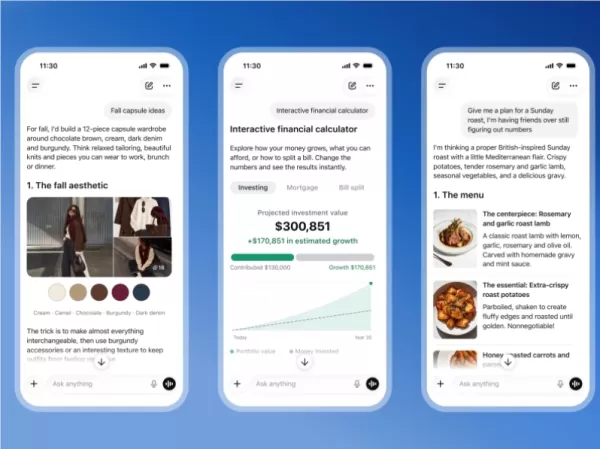 OpenAI Unveils GPT-6-Powered Intelligent UI, Redefining ChatGPT’s Interactive Visual Experience
OpenAI is set to introduce a new "Intelligent UI" this Wednesday alongside its latest large language model, GPT-6, delivering a major leap forward in ChatGPT’s visual and interactive capabilities. This update moves beyond traditional text-only respon
 PHP Armageddon: OpenAI, Google’s Wiz uncover ancient holes, sparking internet panic
The U.S. National Security Agency issued a critical alert on Wednesday regarding two severe vulnerabilities in PHP, for which patches have already been released by the PHP Foundation.As a server-side scripting language, PHP powers approximately 70% o

2026 Latest Top-rated AI Illustration Tools: Our curated list features the best powerfully designed tools for creating stunning editorial scenes and eye-catching cover art quickly. Each option has gone through rigorous real-world tests, offering a free vs paid comparison to help you find the perfect match for your workflow. Try these must-try solutions today to unlock your AI edge and boost your creative productivity. Explore now at XIX.AI.
10 tools
xix.ai

2026 Latest Top-Rated Best AI Tutors for Exam Prep are here on XIX.AI! Our curated list features powerful game-changing tools that offer free vs paid comparison, real-world tests, and weekly updated rankings. They help boost your writing efficiency, simplify complex topic learning, and unlock your academic potential. Explore now to Discover your perfect exam prep tool and Start creating today to Unlock your AI edge!
10 tools
xix.ai

2026 Latest Best Top-Rated AI Budget Planning Tools for Personal Money Management are here on XIX.AI! This curated collection features powerful, game-changing solutions that help you conduct real-world tests, understand spending habits, and create personalized plans to boost productivity. Enjoy a free vs paid comparison along with detailed rankings. Must-try tools designed to simplify money management and unlock your AI edge. Explore now!
11 tools
xix.ai

2026 Latest Best Top-Rated AI Sleep Tracking Assistants curated for ultimate recovery. This fully updated weekly guide features powerful tools that deliver real-world tests, free vs paid comparison, and detailed rankings to help you find the must-try solution that boosts sleep quality and supports better bedtime habits. Explore now at XIX.AI to Unlock your AI edge.
10 tools
xix.ai

2026 Latest Best Top-Rated AI SQL Copilots for Product and Revenue Analytics! XIX.AI has curated a powerful, game-changing collection of must-try tools that undergo real-world tests through weekly updated rankings. These tools help users boost productivity significantly by accelerating data analysis, streamlining complex queries, and generating accurate insights to drive smarter business decisions. Explore now to Discover your perfect tool for unlocking your AI edge!
14 tools
xix.ai

2026 Latest Best Top-Rated AI Homework Helpers That Teach Core Concepts Not Just Answers Powerful Tools for Students Must-Try Curated List Weekly Updated Free vs Paid Comparison Real-World Tests Accurate Rankings to Help You Unlock Your Full Learning Potential Explore now to Discover your perfect tool for smarter studying.
10 tools
xix.ai












