


 Home
HomeAI Voice Editing: A Comprehensive Guide to Achieving Realistic Audio
Transforming Your AI Voice: A Journey to Realism and Monetization
In our tech-driven world, artificial intelligence (AI) is revolutionizing industries, including voice technology. Yet, AI-generated voices often carry a robotic tone that feels out of touch with human listeners. This guide is here to help you turn those mechanical sounds into voices that resonate with warmth and authenticity. We'll explore everything from picking the perfect AI voice to mastering editing techniques, and even delve into the exciting world of monetizing your AI voice creations.
Key Points
- Selecting the ideal AI voice is vital for achieving a realistic sound.
- DupDub AI provides a vast selection of AI voice options to choose from.
- Lexis Audio Editor is your go-to for detailed voice editing, offering essential features for refinement.
- Tweaking pitch, tempo, and adding reverb can dramatically improve the realism of AI voices.
- Equalization and compression are crucial for achieving a polished, professional audio quality.
- Monetizing AI voices opens new opportunities for content creators and businesses alike.
Understanding the Basics of AI Voice Editing
Why Edit AI Voices?
AI voices are everywhere these days, but their quality can be hit or miss. Editing these voices is essential to create content that's not only professional but also captivating. Without editing, AI voices can sound flat, emotionless, and fail to engage listeners. By applying the right editing techniques, you can inject life, personality, and a human touch into your audio. This can lead to audiobooks and other content that's virtually indistinguishable from human recordings. Plus, with enough data, AI can produce high-quality voices at scale.
Essential Tools for AI Voice Editing
There's a range of tools available for editing AI voices. In this guide, we'll focus on DupDub AI for generating voices and Lexis Audio Editor for fine-tuning them. Other noteworthy tools include Adobe Audition, Audacity, and Descript. The choice of tool depends on factors like budget, technical know-how, and specific project needs. We'll be using Lexis Audio Editor here because it's free and easy to access on mobile devices, although it does come with a fee on the Microsoft Store.
Monetizing Your AI Voice Content on YouTube
Strategies for YouTube Monetization
To monetize AI voice content on YouTube, you need a thoughtful strategy that aligns with YouTube's policies and captures viewer interest. Start by creating high-quality, original content, blending AI voices with unique visuals, compelling stories, and creative animations. Engage your audience with a variety of techniques, ensuring your content feels human and delivers real value. Clearly label AI-generated content and maintain transparency about its use. To diversify your income, consider ad revenue, brand partnerships, and merchandise sales related to your content. With a human touch and genuine value, your AI voice content can be successfully monetized on YouTube.

Step-by-Step Guide to Editing AI Voices
Step 1: Generating AI Voiceover with DupDub AI
Start by generating your AI voiceover using DupDub AI. Head over to their website, sign up for an account, and navigate to the 'Studio' section to access the AI voiceover tool. Enter your script and sift through over a thousand voices to find one that fits your project's tone and style. Customize the script and voice settings to enhance the final product, adjusting pause durations for a more natural flow. Once you're happy with the result, download the audio for further editing.

Step 2: Voice Editing with Lexis Audio Editor
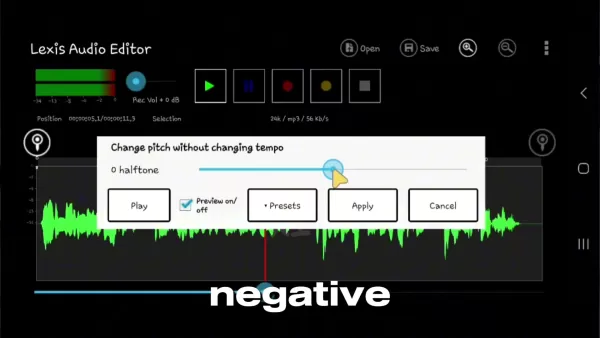
Now, refine your AI voiceover using Lexis Audio Editor, available for free on Google Play Store or for a fee on the Microsoft Store. Import your downloaded audio file, play it to get a feel for the raw voiceover, and then start tweaking. Adjust the pitch under Effects > Change Pitch to give your voice a unique character. Experiment with half-tone adjustments; moving the slider up thins the voice, while moving it down thickens it. Save your preferred settings as a preset.
Step 3: Adjusting Tempo and Speed
AI voices can sometimes sound too slow, so let's speed things up a bit. Go to Effects > Change Tempo in Lexis Audio Editor and gradually increase the tempo (up to +3) to make the voice sound more natural. For fine-tuning, adjust the speed slightly via Effects > Change Speed, keeping changes within +1 to +2 to avoid distortion.
Step 4: Equalization and Amplification
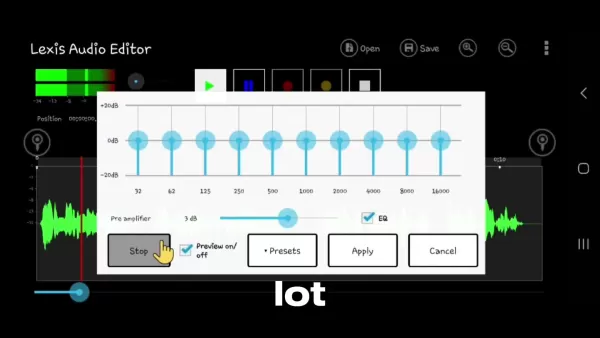
To achieve a professional sound, balance your audio. Use the Equalizer/Amplifier in Lexis Audio Editor to adjust bass and treble. Boost the left three bars for more bass and the right three for more treble, but keep it subtle. Use the preamplifier to bring the volume up to 8dB, ensuring a well-balanced sound.
Step 5: Compression and Reverb
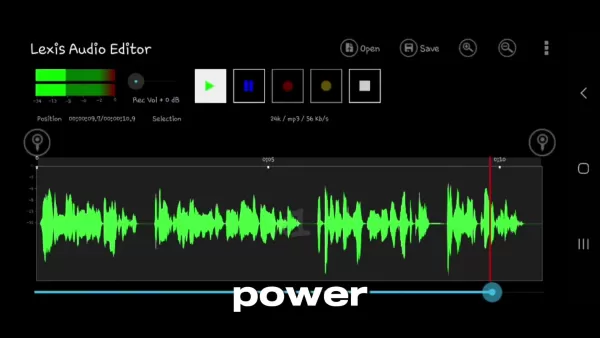
Compression evens out volume levels, while reverb adds a sense of space and naturalness. In Lexis Audio Editor, go to Effects > Compressor and set the threshold between -14 and -18 to manage audio dynamics. Then, navigate to Effects > Reverb and adjust settings like room size (150m), reverb time (5s), damping (55%), and others to simulate a natural environment. Save your edited audio in M4A format for the best quality.
DupDub AI Pricing
DupDub AI offers various pricing tiers to suit different needs and budgets:
- Free Plan: Limited access with a set number of free credits for testing the platform's AI voice, avatar, and other content creation tools.
- Basic Plan: At $10 per month, this plan provides more credits and advanced features, including priority support and extended storage.
- Pro Plan: For $49 per month, this plan offers unlimited access to all features, premium support, and advanced customization, perfect for professionals needing extensive AI content creation capabilities.
Lexis Audio Editor: Pros and Cons
Pros
- Free and accessible on mobile devices.
- Intuitive, user-friendly interface.
- Offers basic voice editing features like pitch and tempo adjustments.
- Great for editing audio on the go.
Cons
- Limited to saving files in M4A format.
- Requires payment for desktop use.
- Doesn't offer human-like voice capabilities.
- Not suited for large datasets or mass generation.
DupDub AI's Core Features
Wide Range of AI Tools
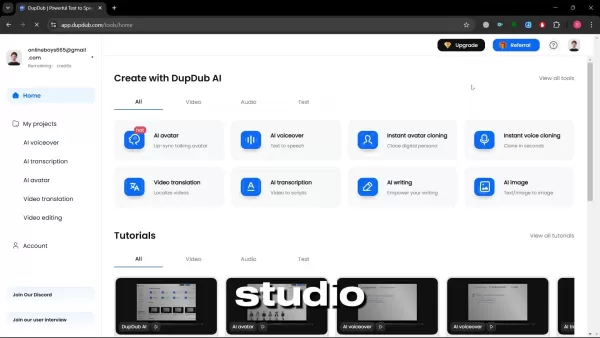
DupDub AI isn't just about voices; it's a comprehensive suite of AI tools for content creation, including avatar creation, voice cloning, video translation, and more. This versatility makes it a one-stop shop for diverse content needs.
Extensive Voice Library
With over a thousand voices, DupDub AI offers a wide range of options to find the perfect voice for your project, catering to different tones and styles.
Customizable Parameters
You can fine-tune your AI voice by adjusting pitch, tempo, and pauses, giving you control over the final audio to make it sound as natural as possible.
AI-Powered Writing Assistance
DupDub AI also includes AI writing tools to help you craft and refine scripts, speeding up the content creation process and ensuring high-quality voiceovers and videos.
Use Cases for Realistic AI Voices
E-Learning
Realistic AI voices can enhance e-learning by creating engaging, informative courses that improve student engagement and comprehension.
Content Creation
Content creators like YouTubers and podcasters can use AI voices to produce high-quality audio without needing professional voice actors, offering a cost-effective solution.
Marketing and Advertising
AI voices are perfect for marketing and advertising, delivering clear, engaging voiceovers for videos and commercials that capture audience attention.
Accessibility
AI voices can improve accessibility for visually impaired individuals by providing text-to-speech capabilities, making digital content more inclusive.
Frequently Asked Questions
Is it necessary to edit AI voices for monetization on YouTube?
While editing can enhance the quality and realism of your content, it's not strictly necessary for monetization on YouTube. The platform focuses more on the originality and human touch of your content. As long as you provide value and original elements, you can monetize even with unedited AI voices.
Can I use AI voices for commercial purposes?
Yes, AI voices can be used commercially, but always check the licensing terms of the AI voice provider to ensure compliance with their usage policies, which might require specific permissions or fees.
Are there any ethical considerations when using AI voices?
Transparency is key when using AI voices. Always inform your audience when they're listening to AI-generated content, especially if it mimics a real person. Avoid using AI voices for deceptive purposes or creating harmful deepfakes.
What are the advantages of using a mobile audio editor like Lexis Audio Editor?
Mobile editors like Lexis Audio Editor offer the convenience of editing on the go, making content creation more accessible. They're often free or affordable, ideal for creators on a budget.
How can I ensure my AI-generated content is unique and valuable?
To make your AI-generated content stand out, infuse it with your unique creativity. Write original scripts, design compelling visuals, and develop a distinctive style. Engage with your audience, refine your content based on feedback, and keep innovating to maintain freshness and engagement.
Related article
 Stripe to Acquire OpenRouter as AI Model Routing Gains Momentum
Stripe has agreed to acquire OpenRouter, an AI model-routing platform that gives developers access to hundreds of models through a single interface. The deal adds model selection and routing to Stripe’s existing work around AI usage and token-based b
Former OpenAI Researcher Barrett Zoph Returns to Google to Support Gemini Development
Barret Zoph, who previously abruptly left and joined OpenAI due to a disagreement with Thinking Machines Lab CEO Miriam Mularati, has once again changed employers. Alphabet's Google announced that Zoph will return as Vice President of Research, bring
How Recursive Intelligence Raised $335M at $4B Valuation in 4 Months
The co-founders of startup Ricursive Intelligence seemed destined to be co-founders.Anna Goldie, CEO, and Azalia Mirhoseini, CTO, are so well-known in the AI community that they were among those AI engineers who “got those weird emails from Zuckerber
Related Special Topic Recommendations
Design & Art
Stripe to Acquire OpenRouter as AI Model Routing Gains Momentum
Stripe has agreed to acquire OpenRouter, an AI model-routing platform that gives developers access to hundreds of models through a single interface. The deal adds model selection and routing to Stripe’s existing work around AI usage and token-based b
Former OpenAI Researcher Barrett Zoph Returns to Google to Support Gemini Development
Barret Zoph, who previously abruptly left and joined OpenAI due to a disagreement with Thinking Machines Lab CEO Miriam Mularati, has once again changed employers. Alphabet's Google announced that Zoph will return as Vice President of Research, bring
How Recursive Intelligence Raised $335M at $4B Valuation in 4 Months
The co-founders of startup Ricursive Intelligence seemed destined to be co-founders.Anna Goldie, CEO, and Azalia Mirhoseini, CTO, are so well-known in the AI community that they were among those AI engineers who “got those weird emails from Zuckerber
Related Special Topic Recommendations
Design & Art
 Top AI Illustration Tools: Create Editorial Scenes and Cover Art Faster
2026 Latest Top-rated AI Illustration Tools: Our curated list features the best powerfully designed tools for creating stunning editorial scenes and eye-catching cover art quickly. Each option has gone through rigorous real-world tests, offering a free vs paid comparison to help you find the perfect match for your workflow. Try these must-try solutions today to unlock your AI edge and boost your creative productivity. Explore now at XIX.AI.
 10 tools
 xix.ai
Education and Learning
Top AI Tutors for Exam Prep: Practice Math, Science, and English
xix.ai
Education and Learning
Top AI Tutors for Exam Prep: Practice Math, Science, and English
2026 Latest Top-Rated Best AI Tutors for Exam Prep are here on XIX.AI! Our curated list features powerful game-changing tools that offer free vs paid comparison, real-world tests, and weekly updated rankings. They help boost your writing efficiency, simplify complex topic learning, and unlock your academic potential. Explore now to Discover your perfect exam prep tool and Start creating today to Unlock your AI edge!
10 tools
xix.ai
Finance
AI Budget Planning Tools for Personal Money Management
2026 Latest Best Top-Rated AI Budget Planning Tools for Personal Money Management are here on XIX.AI! This curated collection features powerful, game-changing solutions that help you conduct real-world tests, understand spending habits, and create personalized plans to boost productivity. Enjoy a free vs paid comparison along with detailed rankings. Must-try tools designed to simplify money management and unlock your AI edge. Explore now!
11 tools
xix.ai
Health & Wellness
AI Sleep Tracking Assistants: Improve Recovery with Better Bedtime Habits
2026 Latest Best Top-Rated AI Sleep Tracking Assistants curated for ultimate recovery. This fully updated weekly guide features powerful tools that deliver real-world tests, free vs paid comparison, and detailed rankings to help you find the must-try solution that boosts sleep quality and supports better bedtime habits. Explore now at XIX.AI to Unlock your AI edge.
10 tools
xix.ai
Data Analysis
AI SQL Copilots for Product and Revenue Analytics
2026 Latest Best Top-Rated AI SQL Copilots for Product and Revenue Analytics! XIX.AI has curated a powerful, game-changing collection of must-try tools that undergo real-world tests through weekly updated rankings. These tools help users boost productivity significantly by accelerating data analysis, streamlining complex queries, and generating accurate insights to drive smarter business decisions. Explore now to Discover your perfect tool for unlocking your AI edge!
14 tools
xix.ai
Education and Learning
Best AI Homework Helpers That Teach: Learn Concepts, Not Just Answers
2026 Latest Best Top-Rated AI Homework Helpers That Teach Core Concepts Not Just Answers Powerful Tools for Students Must-Try Curated List Weekly Updated Free vs Paid Comparison Real-World Tests Accurate Rankings to Help You Unlock Your Full Learning Potential Explore now to Discover your perfect tool for smarter studying.
10 tools
xix.ai

 Comments (16)
0/500
Comments (16)
0/500
![WilliamAnderson]()
I just tried the tool in the article and it can make AI voices sound way more natural, almost like real people speaking. I wonder if companies will use this to cut costs by replacing actual voice actors in ads soon though.
![AlbertGonzalez]()
這篇文章的標題讓我想到最近用AI配音的經驗,有時候合成聲音真的會有點生硬,不過技術進步好快,期待更自然的聲音!😊
![BillyAdams]()
Quem diria que edição de voz IA está tão avançada! 😲 Sempre achei que áudio gerado parecia falso, mas esse guia mostra que dá pra chegar perto do natural. Fico imaginando como isso pode ser usado em podcasts ou até em jogos - seria incrível ter personagens com vozes mais expressivas sem depender de dubladores caros. Mas confesso que fico meio receoso com a possibilidade de alguém usar isso pra imitar vozes reais de forma maliciosa... Será que já tem ferramentas pra detectar áudio falsificado?
![EdwardMoore]()
This guide on AI voice editing is super insightful! I never realized how much work goes into making AI voices sound human. The monetization tips are a game-changer for creators. Excited to try this out! 😎
![WilliamGonzalez]()
This guide on AI voice editing is super insightful! It's wild how far AI has come in mimicking human voices, but that robotic vibe is still a hurdle. Excited to see how this tech evolves for creators! 🎙️
![GeorgeEvans]()
This guide on AI voice editing is super insightful! It's wild how far tech has come, but I wonder if these realistic voices might get too good and start freaking people out. 😅 Anyone else thinking about the ethics of this?
Transforming Your AI Voice: A Journey to Realism and Monetization
In our tech-driven world, artificial intelligence (AI) is revolutionizing industries, including voice technology. Yet, AI-generated voices often carry a robotic tone that feels out of touch with human listeners. This guide is here to help you turn those mechanical sounds into voices that resonate with warmth and authenticity. We'll explore everything from picking the perfect AI voice to mastering editing techniques, and even delve into the exciting world of monetizing your AI voice creations.
Key Points
- Selecting the ideal AI voice is vital for achieving a realistic sound.
- DupDub AI provides a vast selection of AI voice options to choose from.
- Lexis Audio Editor is your go-to for detailed voice editing, offering essential features for refinement.
- Tweaking pitch, tempo, and adding reverb can dramatically improve the realism of AI voices.
- Equalization and compression are crucial for achieving a polished, professional audio quality.
- Monetizing AI voices opens new opportunities for content creators and businesses alike.
Understanding the Basics of AI Voice Editing
Why Edit AI Voices?
AI voices are everywhere these days, but their quality can be hit or miss. Editing these voices is essential to create content that's not only professional but also captivating. Without editing, AI voices can sound flat, emotionless, and fail to engage listeners. By applying the right editing techniques, you can inject life, personality, and a human touch into your audio. This can lead to audiobooks and other content that's virtually indistinguishable from human recordings. Plus, with enough data, AI can produce high-quality voices at scale.
Essential Tools for AI Voice Editing
There's a range of tools available for editing AI voices. In this guide, we'll focus on DupDub AI for generating voices and Lexis Audio Editor for fine-tuning them. Other noteworthy tools include Adobe Audition, Audacity, and Descript. The choice of tool depends on factors like budget, technical know-how, and specific project needs. We'll be using Lexis Audio Editor here because it's free and easy to access on mobile devices, although it does come with a fee on the Microsoft Store.
Monetizing Your AI Voice Content on YouTube
Strategies for YouTube Monetization
To monetize AI voice content on YouTube, you need a thoughtful strategy that aligns with YouTube's policies and captures viewer interest. Start by creating high-quality, original content, blending AI voices with unique visuals, compelling stories, and creative animations. Engage your audience with a variety of techniques, ensuring your content feels human and delivers real value. Clearly label AI-generated content and maintain transparency about its use. To diversify your income, consider ad revenue, brand partnerships, and merchandise sales related to your content. With a human touch and genuine value, your AI voice content can be successfully monetized on YouTube.
Step-by-Step Guide to Editing AI Voices
Step 1: Generating AI Voiceover with DupDub AI
Start by generating your AI voiceover using DupDub AI. Head over to their website, sign up for an account, and navigate to the 'Studio' section to access the AI voiceover tool. Enter your script and sift through over a thousand voices to find one that fits your project's tone and style. Customize the script and voice settings to enhance the final product, adjusting pause durations for a more natural flow. Once you're happy with the result, download the audio for further editing.
Step 2: Voice Editing with Lexis Audio Editor
Now, refine your AI voiceover using Lexis Audio Editor, available for free on Google Play Store or for a fee on the Microsoft Store. Import your downloaded audio file, play it to get a feel for the raw voiceover, and then start tweaking. Adjust the pitch under Effects > Change Pitch to give your voice a unique character. Experiment with half-tone adjustments; moving the slider up thins the voice, while moving it down thickens it. Save your preferred settings as a preset.
Step 3: Adjusting Tempo and Speed
AI voices can sometimes sound too slow, so let's speed things up a bit. Go to Effects > Change Tempo in Lexis Audio Editor and gradually increase the tempo (up to +3) to make the voice sound more natural. For fine-tuning, adjust the speed slightly via Effects > Change Speed, keeping changes within +1 to +2 to avoid distortion.
Step 4: Equalization and Amplification
To achieve a professional sound, balance your audio. Use the Equalizer/Amplifier in Lexis Audio Editor to adjust bass and treble. Boost the left three bars for more bass and the right three for more treble, but keep it subtle. Use the preamplifier to bring the volume up to 8dB, ensuring a well-balanced sound.
Step 5: Compression and Reverb
Compression evens out volume levels, while reverb adds a sense of space and naturalness. In Lexis Audio Editor, go to Effects > Compressor and set the threshold between -14 and -18 to manage audio dynamics. Then, navigate to Effects > Reverb and adjust settings like room size (150m), reverb time (5s), damping (55%), and others to simulate a natural environment. Save your edited audio in M4A format for the best quality.
DupDub AI Pricing
DupDub AI offers various pricing tiers to suit different needs and budgets:
- Free Plan: Limited access with a set number of free credits for testing the platform's AI voice, avatar, and other content creation tools.
- Basic Plan: At $10 per month, this plan provides more credits and advanced features, including priority support and extended storage.
- Pro Plan: For $49 per month, this plan offers unlimited access to all features, premium support, and advanced customization, perfect for professionals needing extensive AI content creation capabilities.
Lexis Audio Editor: Pros and Cons
Pros
- Free and accessible on mobile devices.
- Intuitive, user-friendly interface.
- Offers basic voice editing features like pitch and tempo adjustments.
- Great for editing audio on the go.
Cons
- Limited to saving files in M4A format.
- Requires payment for desktop use.
- Doesn't offer human-like voice capabilities.
- Not suited for large datasets or mass generation.
DupDub AI's Core Features
Wide Range of AI Tools
DupDub AI isn't just about voices; it's a comprehensive suite of AI tools for content creation, including avatar creation, voice cloning, video translation, and more. This versatility makes it a one-stop shop for diverse content needs.
Extensive Voice Library
With over a thousand voices, DupDub AI offers a wide range of options to find the perfect voice for your project, catering to different tones and styles.
Customizable Parameters
You can fine-tune your AI voice by adjusting pitch, tempo, and pauses, giving you control over the final audio to make it sound as natural as possible.
AI-Powered Writing Assistance
DupDub AI also includes AI writing tools to help you craft and refine scripts, speeding up the content creation process and ensuring high-quality voiceovers and videos.
Use Cases for Realistic AI Voices
E-Learning
Realistic AI voices can enhance e-learning by creating engaging, informative courses that improve student engagement and comprehension.
Content Creation
Content creators like YouTubers and podcasters can use AI voices to produce high-quality audio without needing professional voice actors, offering a cost-effective solution.
Marketing and Advertising
AI voices are perfect for marketing and advertising, delivering clear, engaging voiceovers for videos and commercials that capture audience attention.
Accessibility
AI voices can improve accessibility for visually impaired individuals by providing text-to-speech capabilities, making digital content more inclusive.
Frequently Asked Questions
Is it necessary to edit AI voices for monetization on YouTube?
While editing can enhance the quality and realism of your content, it's not strictly necessary for monetization on YouTube. The platform focuses more on the originality and human touch of your content. As long as you provide value and original elements, you can monetize even with unedited AI voices.
Can I use AI voices for commercial purposes?
Yes, AI voices can be used commercially, but always check the licensing terms of the AI voice provider to ensure compliance with their usage policies, which might require specific permissions or fees.
Are there any ethical considerations when using AI voices?
Transparency is key when using AI voices. Always inform your audience when they're listening to AI-generated content, especially if it mimics a real person. Avoid using AI voices for deceptive purposes or creating harmful deepfakes.
What are the advantages of using a mobile audio editor like Lexis Audio Editor?
Mobile editors like Lexis Audio Editor offer the convenience of editing on the go, making content creation more accessible. They're often free or affordable, ideal for creators on a budget.
How can I ensure my AI-generated content is unique and valuable?
To make your AI-generated content stand out, infuse it with your unique creativity. Write original scripts, design compelling visuals, and develop a distinctive style. Engage with your audience, refine your content based on feedback, and keep innovating to maintain freshness and engagement.








 Stripe to Acquire OpenRouter as AI Model Routing Gains Momentum
Stripe has agreed to acquire OpenRouter, an AI model-routing platform that gives developers access to hundreds of models through a single interface. The deal adds model selection and routing to Stripe’s existing work around AI usage and token-based b
Stripe to Acquire OpenRouter as AI Model Routing Gains Momentum
Stripe has agreed to acquire OpenRouter, an AI model-routing platform that gives developers access to hundreds of models through a single interface. The deal adds model selection and routing to Stripe’s existing work around AI usage and token-based b
 Former OpenAI Researcher Barrett Zoph Returns to Google to Support Gemini Development
Barret Zoph, who previously abruptly left and joined OpenAI due to a disagreement with Thinking Machines Lab CEO Miriam Mularati, has once again changed employers. Alphabet's Google announced that Zoph will return as Vice President of Research, bring
Former OpenAI Researcher Barrett Zoph Returns to Google to Support Gemini Development
Barret Zoph, who previously abruptly left and joined OpenAI due to a disagreement with Thinking Machines Lab CEO Miriam Mularati, has once again changed employers. Alphabet's Google announced that Zoph will return as Vice President of Research, bring
 How Recursive Intelligence Raised $335M at $4B Valuation in 4 Months
The co-founders of startup Ricursive Intelligence seemed destined to be co-founders.Anna Goldie, CEO, and Azalia Mirhoseini, CTO, are so well-known in the AI community that they were among those AI engineers who “got those weird emails from Zuckerber
How Recursive Intelligence Raised $335M at $4B Valuation in 4 Months
The co-founders of startup Ricursive Intelligence seemed destined to be co-founders.Anna Goldie, CEO, and Azalia Mirhoseini, CTO, are so well-known in the AI community that they were among those AI engineers who “got those weird emails from Zuckerber

2026 Latest Top-rated AI Illustration Tools: Our curated list features the best powerfully designed tools for creating stunning editorial scenes and eye-catching cover art quickly. Each option has gone through rigorous real-world tests, offering a free vs paid comparison to help you find the perfect match for your workflow. Try these must-try solutions today to unlock your AI edge and boost your creative productivity. Explore now at XIX.AI.
10 tools
xix.ai

2026 Latest Top-Rated Best AI Tutors for Exam Prep are here on XIX.AI! Our curated list features powerful game-changing tools that offer free vs paid comparison, real-world tests, and weekly updated rankings. They help boost your writing efficiency, simplify complex topic learning, and unlock your academic potential. Explore now to Discover your perfect exam prep tool and Start creating today to Unlock your AI edge!
10 tools
xix.ai

2026 Latest Best Top-Rated AI Budget Planning Tools for Personal Money Management are here on XIX.AI! This curated collection features powerful, game-changing solutions that help you conduct real-world tests, understand spending habits, and create personalized plans to boost productivity. Enjoy a free vs paid comparison along with detailed rankings. Must-try tools designed to simplify money management and unlock your AI edge. Explore now!
11 tools
xix.ai

2026 Latest Best Top-Rated AI Sleep Tracking Assistants curated for ultimate recovery. This fully updated weekly guide features powerful tools that deliver real-world tests, free vs paid comparison, and detailed rankings to help you find the must-try solution that boosts sleep quality and supports better bedtime habits. Explore now at XIX.AI to Unlock your AI edge.
10 tools
xix.ai
2026 Latest Best Top-Rated AI SQL Copilots for Product and Revenue Analytics! XIX.AI has curated a powerful, game-changing collection of must-try tools that undergo real-world tests through weekly updated rankings. These tools help users boost productivity significantly by accelerating data analysis, streamlining complex queries, and generating accurate insights to drive smarter business decisions. Explore now to Discover your perfect tool for unlocking your AI edge!
14 tools
xix.ai

2026 Latest Best Top-Rated AI Homework Helpers That Teach Core Concepts Not Just Answers Powerful Tools for Students Must-Try Curated List Weekly Updated Free vs Paid Comparison Real-World Tests Accurate Rankings to Help You Unlock Your Full Learning Potential Explore now to Discover your perfect tool for smarter studying.
10 tools
xix.ai

I just tried the tool in the article and it can make AI voices sound way more natural, almost like real people speaking. I wonder if companies will use this to cut costs by replacing actual voice actors in ads soon though.
這篇文章的標題讓我想到最近用AI配音的經驗,有時候合成聲音真的會有點生硬,不過技術進步好快,期待更自然的聲音!😊
Quem diria que edição de voz IA está tão avançada! 😲 Sempre achei que áudio gerado parecia falso, mas esse guia mostra que dá pra chegar perto do natural. Fico imaginando como isso pode ser usado em podcasts ou até em jogos - seria incrível ter personagens com vozes mais expressivas sem depender de dubladores caros. Mas confesso que fico meio receoso com a possibilidade de alguém usar isso pra imitar vozes reais de forma maliciosa... Será que já tem ferramentas pra detectar áudio falsificado?
This guide on AI voice editing is super insightful! I never realized how much work goes into making AI voices sound human. The monetization tips are a game-changer for creators. Excited to try this out! 😎
This guide on AI voice editing is super insightful! It's wild how far AI has come in mimicking human voices, but that robotic vibe is still a hurdle. Excited to see how this tech evolves for creators! 🎙️
This guide on AI voice editing is super insightful! It's wild how far tech has come, but I wonder if these realistic voices might get too good and start freaking people out. 😅 Anyone else thinking about the ethics of this?












