


 Home
HomeAI Revolution in Music: Transforming Creativity, Copyright, and Future Soundscapes
The music industry is in a constant state of flux. While artists like Billie Eilish have already redefined musical possibilities, artificial intelligence (AI) is now set to trigger an even more profound transformation. AI-generated songs, voice cloning, and automated compositions are challenging traditional methods of creating, producing, and consuming music. This article examines the ascent of AI in the music world, weighing its potential advantages and disadvantages, and considers the future role of human artists in a progressively automated landscape.
Key Points
AI is fundamentally reshaping how music is created, produced, and enjoyed.
AI tools are now capable of composing melodies, writing lyrics, and producing complete songs.
Some platforms analyze existing music to generate new tracks in a comparable style.
AI technology can replicate a singer's voice with remarkable precision.
AI is making the process of music creation faster, more straightforward, and widely accessible.
A potential drawback is that AI may not capture the emotional richness inherent in human expression.
The technology introduces complex copyright and ethical dilemmas for the industry.
Many artists are adopting AI as a creative partner to expand their artistic horizons.
The Rise of AI in Music Creation
What is AI Music?
Artificial intelligence has moved beyond science fiction and is now actively transforming the music industry.
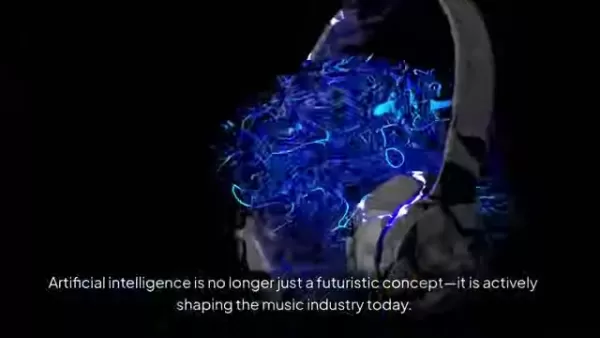
. AI-powered software can now compose melodies, generate lyrics, and produce full songs from scratch. These systems use sophisticated algorithms to analyze massive collections of musical data, learning patterns and styles to create original pieces or convincingly imitate existing ones. This breakthrough unlocks creative potential for everyone, enabling people without formal music training to compose. AI is streamlining music production, making it more efficient and accessible than ever before. Numerous musicians are leveraging AI to explore novel sounds and boost their creative output, continually expanding the frontiers of music.
Many platforms function by analyzing established tracks to produce music with a similar feel. Concurrently, other sophisticated programs can duplicate a vocalist's voice with incredible accuracy, sparking debates about originality and intellectual property. The available tools span from basic melody creators to advanced systems capable of producing complete albums.
AI's Evolution: A Timeline
- Early Stages: The first AI music programs concentrated on basic melody composition and generation.
- Mid-Development: As the technology matured, systems started analyzing existing music to emulate styles and craft more intricate pieces.
- Modern Era: Present-day AI can generate entire songs, clone vocals, and deliver personalized listening experiences.
- Future Trends: AI is expected to become deeply embedded in all facets of music production, from initial composition to final distribution.
AI-Powered Tools: Compose Melodies, Generate Lyrics, and Produce Entire Songs
AI is revolutionizing music production by providing tools that compose melodies, generate lyrics, and produce complete tracks.
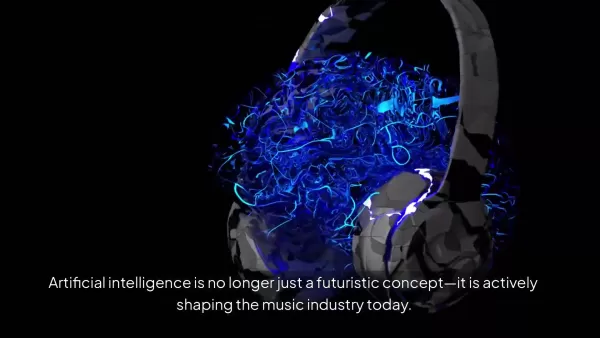
. These AI systems process enormous datasets of music, identifying patterns and styles to produce original works or mimic specific artists. This innovation makes music creation more democratic, empowering individuals with little formal training to express themselves artistically.
Here's a breakdown of what these AI Tools can do:
- Melody Composition: AI can create unique melodies based on user-defined parameters like genre, tempo, and key.
- Lyric Generation: The technology can write lyrics that fit a song's mood and theme, helping songwriters get started or break through creative blocks.
- Complete Song Production: Some advanced AI tools can handle the entire songwriting process, including melodies, harmonies, rhythms, and instrumental arrangements.
Nevertheless, it's crucial to acknowledge the limitations. While AI tools provide speed and accessibility, they might not fully replicate the nuanced emotion and depth of human-created art. This is a central debate within the music community, where many maintain that the human element is indispensable for genuine musical expression.
AI Music Creation Platforms and Software
Popular AI Music Tools in 2025
The AI music sector is growing quickly, with new tools and platforms appearing regularly. Here are some of the leading options available in 2025:
- Amper Music: Provides customizable, AI-generated music for diverse uses like video games, advertising, and films.
- Jukebox (OpenAI): Creates original music complete with lyrics, demonstrating AI's creative capabilities.
- AIVA: Focuses on composing evocative and cinematic scores for movies and video games.
- Boomy: Lets users generate songs in seconds, with features to customize and potentially earn revenue from their creations.
- Soundful: Offers royalty-free music generation tools designed for content creators.
- BandLab: Incorporates AI-powered features into its collaborative music-making environment.
These platforms help artists discover new sonic landscapes. AI algorithms bring speed, customization, and operational efficiency. However, using these tools ethically is vital for maintaining the intrinsic value of human creativity.
Pricing
The Pricing of AI Music Creation Tools
The cost of AI music creation tools varies significantly, influenced by the features provided, the degree of customization, and the licensing terms. Here is a general guide:
- Subscription Models: Many AI music services operate on a subscription basis, with different tiers granting access to various features and usage limits. Basic tiers might include simple composition tools, while premium levels offer advanced capabilities like voice cloning and full production.
- Pay-Per-Use: Certain platforms use a pay-per-use system, charging customers per song or composition generated. This can be cost-effective for those with occasional needs.
- One-Time Purchases: A limited number of AI music software packages are available for a single payment, offering lifetime access. However, these may not be updated as frequently as subscription-based services.
Here is a summary of pricing for some popular AI music instruments:
AI Music Instrument Pricing Structure Estimated Cost Amper Music Subscription Model $10 - $100/month AIVA Subscription Model $11 - $449/month Boomy Subscription & Pay-Per-Use $1 - $30/month Soundful Subscription Model $9 - $50/month BandLab Freemium with Paid Add-Ons Free - $10/month
The long-term value and potential for generating income should influence your choice of pricing plan.
Pros and Cons
Pros
It makes music creation more accessible and democratizes the art form.
It fosters creativity and innovation by enabling new forms of experimentation.
It significantly improves efficiency throughout the music production workflow.
It enables highly personalized music recommendations for listeners.
Cons
It could potentially displace jobs for human musicians.
Questions remain about the authenticity and emotional resonance of AI-made music.
Voice cloning poses significant copyright and ethical questions.
There is a danger of becoming overly dependent on automation.
Use Cases: Unleashing the Power of AI in Music
How AI is Used in Music Today
AI is being integrated into many different areas of music creation, production, and listening. Here are several prominent applications:
- Composition and Arrangement: AI aids musicians in developing melodies, harmonies, and song structures, offering inspiration and broadening creative options.
- Sound Design and Synthesis: AI algorithms can produce distinctive and experimental sounds, driving innovation in audio.
- Mastering and Mixing: AI-driven mastering services analyze and refine audio tracks to ensure they sound great on all systems.
- Voice Cloning and Synthesis: The technology can recreate an artist's vocal signature, enabling new recordings or performances without their physical presence.
- Personalized Music Recommendations: AI systems examine listening patterns to suggest music that aligns with individual tastes, improving user satisfaction.
- Music Education and Training: AI-based tutoring applications deliver customized feedback and instruction for music students.
The tools are continually being improved for better user experience and performance.
Frequently Asked Questions
Will AI replace human musicians?
Although AI can produce compelling music, the consensus is that it cannot replicate the emotional depth and personal perspective that human musicians infuse into their work. AI is more likely to evolve into a powerful assistant for artists, augmenting their creativity and making production more efficient. The central debate persists—can AI ever completely supplant human musicians?
Who owns the copyright to AI-generated music?
Copyright ownership for AI-created music is a complex and unresolved issue. Some organizations argue that such music belongs in the public domain. Others contend it should be protected under standard copyright law.
Is AI music truly creative?
The creative legitimacy of AI-generated music is a subject of ongoing discussion. Its compositional ability stems from learning patterns in pre-existing music. The primary limitation for AI's creativity is the absence of human emotion and lived experience.
Related Questions
What are the ethical concerns surrounding AI in music?
The use of AI in music brings up several ethical issues, especially related to copyright and the potential misuse of artists' work. When an AI produces a song using a cloned voice or a specific style, determining ownership becomes problematic. Copyright regulations must evolve to safeguard artists' unique identities. Another major worry is the overuse of AI. While these tools make production easier, they could undermine the artistic contributions of human musicians. The industry needs to establish a middle ground that encourages technological progress while respecting creative authenticity. Policymakers and music institutions are developing guidelines to manage the application of AI in music.Ethical concerns about AI:Questions about the authenticity of human expression.AI is being developed to complement and enhance human expression.AI should function as a supportive tool, not a total replacement for human creativity.
Related article
 OpenAI, Anthropic Vie for Market Share Despite Revenue Shortfalls
Despite recent reports suggesting OpenAI missed revenue targets, creating pressure on tech stocks this Tuesday, private AI lab investors remain resilient. Seasoned backers have confirmed they will not reduce investment despite negative media coverage
California AV Compliance: A New Era of Tickets, Geofences, and 1M Miles
Guident operates an AuveTech shuttle in South Florida, managing a four-mile route in West Palm Beach and a one-mile route in Boca Raton using its remote monitoring technology. | Credit: GuidentCalifornia is redefining the regulatory landscape for dri
Apple Smart Glasses Could Debut at WWDC27, Highlighting Privacy Protection
Bloomberg’s Mark Gurman reports that Apple’s smart glasses, codenamed N50, are slated for a WWDC27 debut in June 2027, with a retail launch expected in autumn 2027. Originally targeted for late this year and early 2027, the device’s release has been
Related Special Topic Recommendations
Music composition
OpenAI, Anthropic Vie for Market Share Despite Revenue Shortfalls
Despite recent reports suggesting OpenAI missed revenue targets, creating pressure on tech stocks this Tuesday, private AI lab investors remain resilient. Seasoned backers have confirmed they will not reduce investment despite negative media coverage
California AV Compliance: A New Era of Tickets, Geofences, and 1M Miles
Guident operates an AuveTech shuttle in South Florida, managing a four-mile route in West Palm Beach and a one-mile route in Boca Raton using its remote monitoring technology. | Credit: GuidentCalifornia is redefining the regulatory landscape for dri
Apple Smart Glasses Could Debut at WWDC27, Highlighting Privacy Protection
Bloomberg’s Mark Gurman reports that Apple’s smart glasses, codenamed N50, are slated for a WWDC27 debut in June 2027, with a retail launch expected in autumn 2027. Originally targeted for late this year and early 2027, the device’s release has been
Related Special Topic Recommendations
Music composition
 AI Stem Separation Tools for Remix Production, Sampling Prep, and Karaoke Masters
2026 Latest Best Top-rated AI Stem Separation Tools Curated for Remix Production, Sampling Prep, and Karaoke Masters. These powerful game-changing tools offer real-world tests to deliver precise audio isolation, boosting productivity significantly. XIX.AI provides a weekly updated free vs paid comparison guide to help you find the must-try solution that suits your needs. Explore now to unlock your AI edge.
 8 tools
 xix.ai
Data Analysis
AI SQL Copilots for Revenue Dashboards, Funnel Analysis, and Product Metrics
xix.ai
Data Analysis
AI SQL Copilots for Revenue Dashboards, Funnel Analysis, and Product Metrics
2026 Latest Best AI SQL Copilots Ranked Top-Rated! XIX.AI curates a powerful game-changing collection for weekly updated real-world tests. These must-try tools help you generate accurate revenue dashboards, analyze sales funnels, and track product metrics swiftly, boosting productivity massively. Explore now to Discover your perfect tool for data-driven decision making! 238 characters
9 tools
xix.ai
Music composition
Best AI Melody Writing Tools for Song Drafts
2026 Latest Best Top-Rated AI Melody Writing Tools for Song Drafts! XIX.AI has curated a highly powerful game-changing collection that goes through rigorous real-world tests to deliver the best writing experience. You can find detailed free vs paid comparisons, accurate rankings, and must-try options designed to help you create stunning song drafts effortlessly and boost your creative productivity significantly. Explore now to discover your perfect tool!
8 tools
xix.ai
chatbot
Best AI Conversation Trainer Tools for Interview Practice
2026 Latest Best Top-rated AI Conversation Trainer Tools for Interview Practice are here on XIX.AI! This curated collection features powerful, game-changing tools that go through rigorous real-world tests to deliver accurate feedback. You’ll find a free vs paid comparison and detailed rankings to help you choose the must-try option that boosts your confidence and skills. Explore now to Discover your perfect tool for interview success!
12 tools
xix.ai
Design & Art
Best AI Style Transfer Tools for Creative Experiments
2026 Latest Best Top-rated AI Style Transfer Tools for Creative Experiments! XIX.AI has curated a powerful, game-changing collection of must-try tools that deliver exceptional results through real-world tests and rigorous rankings. These top solutions help creatives boost productivity significantly by accelerating content creation and unlocking endless creative possibilities. Explore now to discover your perfect tool and start creating today!
9 tools
xix.ai
Comic Creation
Best AI Dialogue Bubble Tools for Visual Storytelling
2026 Latest Best Top-Rated AI Dialogue Bubble Tools for Visual Storytelling are here on XIX.AI! This curated collection features powerful, game-changing tools that help creators boost productivity and overcome creative bottlenecks. Get a free vs paid comparison, see real-world tests, and check the latest rankings to find the must-try solutions perfect for crafting engaging visual narratives. Explore now to discover your ideal tool!
10 tools
xix.ai

 Comments (3)
0/500
Comments (3)
0/500
![HarryLewis]()
AIが作曲する時代か…ビリー・アイリッシュのようなアーティストの創造性とどう共存するのか気になります。音声クローニングの倫理問題も深刻そう。未来の音楽は人間とAIのコラボが主流になるのかな?🎵
![DavidThomas]()
As a musician myself, the copyright part is what keeps me up at night. AI can create a 'new' Beatles track, but who owns it? The programmer, the user, or the data it was trained on? This feels like the wild west all over again. We need clear rules before creativity gets buried in lawsuits. 🎵⚖️
![JackMartinez]()
Leí el resumen de este artículo y me dejó pensando. ¿Qué pasará con los músicos que recién empiezan si las discográficas prefieren usar voces IA de artistas famosos en lugar de fichar nuevos talentos? 🤔 Por un lado la tecnología es fascinante, pero por otro da un poco de miedo pensar en un futuro donde todo suene 'perfecto' pero carezca de alma auténtica. Ojalá encuentren un equilibrio.
The music industry is in a constant state of flux. While artists like Billie Eilish have already redefined musical possibilities, artificial intelligence (AI) is now set to trigger an even more profound transformation. AI-generated songs, voice cloning, and automated compositions are challenging traditional methods of creating, producing, and consuming music. This article examines the ascent of AI in the music world, weighing its potential advantages and disadvantages, and considers the future role of human artists in a progressively automated landscape.
Key Points
AI is fundamentally reshaping how music is created, produced, and enjoyed.
AI tools are now capable of composing melodies, writing lyrics, and producing complete songs.
Some platforms analyze existing music to generate new tracks in a comparable style.
AI technology can replicate a singer's voice with remarkable precision.
AI is making the process of music creation faster, more straightforward, and widely accessible.
A potential drawback is that AI may not capture the emotional richness inherent in human expression.
The technology introduces complex copyright and ethical dilemmas for the industry.
Many artists are adopting AI as a creative partner to expand their artistic horizons.
The Rise of AI in Music Creation
What is AI Music?
Artificial intelligence has moved beyond science fiction and is now actively transforming the music industry.
. AI-powered software can now compose melodies, generate lyrics, and produce full songs from scratch. These systems use sophisticated algorithms to analyze massive collections of musical data, learning patterns and styles to create original pieces or convincingly imitate existing ones. This breakthrough unlocks creative potential for everyone, enabling people without formal music training to compose. AI is streamlining music production, making it more efficient and accessible than ever before. Numerous musicians are leveraging AI to explore novel sounds and boost their creative output, continually expanding the frontiers of music.
Many platforms function by analyzing established tracks to produce music with a similar feel. Concurrently, other sophisticated programs can duplicate a vocalist's voice with incredible accuracy, sparking debates about originality and intellectual property. The available tools span from basic melody creators to advanced systems capable of producing complete albums.
AI's Evolution: A Timeline
- Early Stages: The first AI music programs concentrated on basic melody composition and generation.
- Mid-Development: As the technology matured, systems started analyzing existing music to emulate styles and craft more intricate pieces.
- Modern Era: Present-day AI can generate entire songs, clone vocals, and deliver personalized listening experiences.
- Future Trends: AI is expected to become deeply embedded in all facets of music production, from initial composition to final distribution.
AI-Powered Tools: Compose Melodies, Generate Lyrics, and Produce Entire Songs
AI is revolutionizing music production by providing tools that compose melodies, generate lyrics, and produce complete tracks.
. These AI systems process enormous datasets of music, identifying patterns and styles to produce original works or mimic specific artists. This innovation makes music creation more democratic, empowering individuals with little formal training to express themselves artistically.
Here's a breakdown of what these AI Tools can do:
- Melody Composition: AI can create unique melodies based on user-defined parameters like genre, tempo, and key.
- Lyric Generation: The technology can write lyrics that fit a song's mood and theme, helping songwriters get started or break through creative blocks.
- Complete Song Production: Some advanced AI tools can handle the entire songwriting process, including melodies, harmonies, rhythms, and instrumental arrangements.
Nevertheless, it's crucial to acknowledge the limitations. While AI tools provide speed and accessibility, they might not fully replicate the nuanced emotion and depth of human-created art. This is a central debate within the music community, where many maintain that the human element is indispensable for genuine musical expression.
AI Music Creation Platforms and Software
Popular AI Music Tools in 2025
The AI music sector is growing quickly, with new tools and platforms appearing regularly. Here are some of the leading options available in 2025:
- Amper Music: Provides customizable, AI-generated music for diverse uses like video games, advertising, and films.
- Jukebox (OpenAI): Creates original music complete with lyrics, demonstrating AI's creative capabilities.
- AIVA: Focuses on composing evocative and cinematic scores for movies and video games.
- Boomy: Lets users generate songs in seconds, with features to customize and potentially earn revenue from their creations.
- Soundful: Offers royalty-free music generation tools designed for content creators.
- BandLab: Incorporates AI-powered features into its collaborative music-making environment.
These platforms help artists discover new sonic landscapes. AI algorithms bring speed, customization, and operational efficiency. However, using these tools ethically is vital for maintaining the intrinsic value of human creativity.
Pricing
The Pricing of AI Music Creation Tools
The cost of AI music creation tools varies significantly, influenced by the features provided, the degree of customization, and the licensing terms. Here is a general guide:
- Subscription Models: Many AI music services operate on a subscription basis, with different tiers granting access to various features and usage limits. Basic tiers might include simple composition tools, while premium levels offer advanced capabilities like voice cloning and full production.
- Pay-Per-Use: Certain platforms use a pay-per-use system, charging customers per song or composition generated. This can be cost-effective for those with occasional needs.
- One-Time Purchases: A limited number of AI music software packages are available for a single payment, offering lifetime access. However, these may not be updated as frequently as subscription-based services.
Here is a summary of pricing for some popular AI music instruments:
| AI Music Instrument | Pricing Structure | Estimated Cost |
|---|---|---|
| Amper Music | Subscription Model | $10 - $100/month |
| AIVA | Subscription Model | $11 - $449/month |
| Boomy | Subscription & Pay-Per-Use | $1 - $30/month |
| Soundful | Subscription Model | $9 - $50/month |
| BandLab | Freemium with Paid Add-Ons | Free - $10/month |
The long-term value and potential for generating income should influence your choice of pricing plan.
Pros and Cons
Pros
It makes music creation more accessible and democratizes the art form.
It fosters creativity and innovation by enabling new forms of experimentation.
It significantly improves efficiency throughout the music production workflow.
It enables highly personalized music recommendations for listeners.
Cons
It could potentially displace jobs for human musicians.
Questions remain about the authenticity and emotional resonance of AI-made music.
Voice cloning poses significant copyright and ethical questions.
There is a danger of becoming overly dependent on automation.
Use Cases: Unleashing the Power of AI in Music
How AI is Used in Music Today
AI is being integrated into many different areas of music creation, production, and listening. Here are several prominent applications:
- Composition and Arrangement: AI aids musicians in developing melodies, harmonies, and song structures, offering inspiration and broadening creative options.
- Sound Design and Synthesis: AI algorithms can produce distinctive and experimental sounds, driving innovation in audio.
- Mastering and Mixing: AI-driven mastering services analyze and refine audio tracks to ensure they sound great on all systems.
- Voice Cloning and Synthesis: The technology can recreate an artist's vocal signature, enabling new recordings or performances without their physical presence.
- Personalized Music Recommendations: AI systems examine listening patterns to suggest music that aligns with individual tastes, improving user satisfaction.
- Music Education and Training: AI-based tutoring applications deliver customized feedback and instruction for music students.
The tools are continually being improved for better user experience and performance.
Frequently Asked Questions
Will AI replace human musicians?
Although AI can produce compelling music, the consensus is that it cannot replicate the emotional depth and personal perspective that human musicians infuse into their work. AI is more likely to evolve into a powerful assistant for artists, augmenting their creativity and making production more efficient. The central debate persists—can AI ever completely supplant human musicians?
Who owns the copyright to AI-generated music?
Copyright ownership for AI-created music is a complex and unresolved issue. Some organizations argue that such music belongs in the public domain. Others contend it should be protected under standard copyright law.
Is AI music truly creative?
The creative legitimacy of AI-generated music is a subject of ongoing discussion. Its compositional ability stems from learning patterns in pre-existing music. The primary limitation for AI's creativity is the absence of human emotion and lived experience.
Related Questions
What are the ethical concerns surrounding AI in music?
The use of AI in music brings up several ethical issues, especially related to copyright and the potential misuse of artists' work. When an AI produces a song using a cloned voice or a specific style, determining ownership becomes problematic. Copyright regulations must evolve to safeguard artists' unique identities. Another major worry is the overuse of AI. While these tools make production easier, they could undermine the artistic contributions of human musicians. The industry needs to establish a middle ground that encourages technological progress while respecting creative authenticity. Policymakers and music institutions are developing guidelines to manage the application of AI in music.Ethical concerns about AI:Questions about the authenticity of human expression.AI is being developed to complement and enhance human expression.AI should function as a supportive tool, not a total replacement for human creativity.








 OpenAI, Anthropic Vie for Market Share Despite Revenue Shortfalls
Despite recent reports suggesting OpenAI missed revenue targets, creating pressure on tech stocks this Tuesday, private AI lab investors remain resilient. Seasoned backers have confirmed they will not reduce investment despite negative media coverage
California AV Compliance: A New Era of Tickets, Geofences, and 1M Miles
Guident operates an AuveTech shuttle in South Florida, managing a four-mile route in West Palm Beach and a one-mile route in Boca Raton using its remote monitoring technology. | Credit: GuidentCalifornia is redefining the regulatory landscape for dri
OpenAI, Anthropic Vie for Market Share Despite Revenue Shortfalls
Despite recent reports suggesting OpenAI missed revenue targets, creating pressure on tech stocks this Tuesday, private AI lab investors remain resilient. Seasoned backers have confirmed they will not reduce investment despite negative media coverage
California AV Compliance: A New Era of Tickets, Geofences, and 1M Miles
Guident operates an AuveTech shuttle in South Florida, managing a four-mile route in West Palm Beach and a one-mile route in Boca Raton using its remote monitoring technology. | Credit: GuidentCalifornia is redefining the regulatory landscape for dri
 Apple Smart Glasses Could Debut at WWDC27, Highlighting Privacy Protection
Bloomberg’s Mark Gurman reports that Apple’s smart glasses, codenamed N50, are slated for a WWDC27 debut in June 2027, with a retail launch expected in autumn 2027. Originally targeted for late this year and early 2027, the device’s release has been
Apple Smart Glasses Could Debut at WWDC27, Highlighting Privacy Protection
Bloomberg’s Mark Gurman reports that Apple’s smart glasses, codenamed N50, are slated for a WWDC27 debut in June 2027, with a retail launch expected in autumn 2027. Originally targeted for late this year and early 2027, the device’s release has been
2026 Latest Best Top-rated AI Stem Separation Tools Curated for Remix Production, Sampling Prep, and Karaoke Masters. These powerful game-changing tools offer real-world tests to deliver precise audio isolation, boosting productivity significantly. XIX.AI provides a weekly updated free vs paid comparison guide to help you find the must-try solution that suits your needs. Explore now to unlock your AI edge.
8 tools
xix.ai

2026 Latest Best AI SQL Copilots Ranked Top-Rated! XIX.AI curates a powerful game-changing collection for weekly updated real-world tests. These must-try tools help you generate accurate revenue dashboards, analyze sales funnels, and track product metrics swiftly, boosting productivity massively. Explore now to Discover your perfect tool for data-driven decision making! 238 characters
9 tools
xix.ai
2026 Latest Best Top-Rated AI Melody Writing Tools for Song Drafts! XIX.AI has curated a highly powerful game-changing collection that goes through rigorous real-world tests to deliver the best writing experience. You can find detailed free vs paid comparisons, accurate rankings, and must-try options designed to help you create stunning song drafts effortlessly and boost your creative productivity significantly. Explore now to discover your perfect tool!
8 tools
xix.ai
2026 Latest Best Top-rated AI Conversation Trainer Tools for Interview Practice are here on XIX.AI! This curated collection features powerful, game-changing tools that go through rigorous real-world tests to deliver accurate feedback. You’ll find a free vs paid comparison and detailed rankings to help you choose the must-try option that boosts your confidence and skills. Explore now to Discover your perfect tool for interview success!
12 tools
xix.ai

2026 Latest Best Top-rated AI Style Transfer Tools for Creative Experiments! XIX.AI has curated a powerful, game-changing collection of must-try tools that deliver exceptional results through real-world tests and rigorous rankings. These top solutions help creatives boost productivity significantly by accelerating content creation and unlocking endless creative possibilities. Explore now to discover your perfect tool and start creating today!
9 tools
xix.ai
2026 Latest Best Top-Rated AI Dialogue Bubble Tools for Visual Storytelling are here on XIX.AI! This curated collection features powerful, game-changing tools that help creators boost productivity and overcome creative bottlenecks. Get a free vs paid comparison, see real-world tests, and check the latest rankings to find the must-try solutions perfect for crafting engaging visual narratives. Explore now to discover your ideal tool!
10 tools
xix.ai

AIが作曲する時代か…ビリー・アイリッシュのようなアーティストの創造性とどう共存するのか気になります。音声クローニングの倫理問題も深刻そう。未来の音楽は人間とAIのコラボが主流になるのかな?🎵
As a musician myself, the copyright part is what keeps me up at night. AI can create a 'new' Beatles track, but who owns it? The programmer, the user, or the data it was trained on? This feels like the wild west all over again. We need clear rules before creativity gets buried in lawsuits. 🎵⚖️
Leí el resumen de este artículo y me dejó pensando. ¿Qué pasará con los músicos que recién empiezan si las discográficas prefieren usar voces IA de artistas famosos en lugar de fichar nuevos talentos? 🤔 Por un lado la tecnología es fascinante, pero por otro da un poco de miedo pensar en un futuro donde todo suene 'perfecto' pero carezca de alma auténtica. Ojalá encuentren un equilibrio.












