


 Home
HomeAI Blends Britney Spears With Blackpink's Venom in New Music Mashup
The merging of artificial intelligence and music has unlocked a vast realm of creative potential. A particularly captivating area is the rise of AI music mashups, which fuse the distinct styles of different artists to produce something entirely novel. Picture the pop charm of Britney Spears combined with the fierce intensity of Blackpink's 'Pink Venom'. The outcome is a uniquely exhilarating auditory experience. This article explores this fascinating trend and examines the transformative role of AI in modern music production.
Key Points
AI is fundamentally changing music production through mashup creation.
Blending Britney Spears with Blackpink highlights AI's creative capabilities.
AI mashups deliver highly original listening experiences.
We'll explore the technical workings behind AI music generation.
We'll address the ethical questions surrounding AI in music.
We'll consider the future impact of AI-generated music on the industry.
The Rise of AI Music Mashups
What are AI Music Mashups?
AI music mashups are produced using artificial intelligence algorithms that combine elements from different songs or artists. These algorithms analyze core musical components such as melody, harmony, rhythm, and tone to craft a unified and often surprising blend. Unlike manually edited traditional mashups, AI can automate much of this process, generating results in significantly less time.
AI utilizes several key techniques, including:
- Source separation: Isolating individual vocal or instrumental tracks from full recordings.
- Style transfer: Imposing the musical characteristics of one artist onto the work of another.
- Generative models: Producing new musical material based on learned patterns.
The results can vary from subtle reinterpretations to completely novel reworkings of familiar tracks.
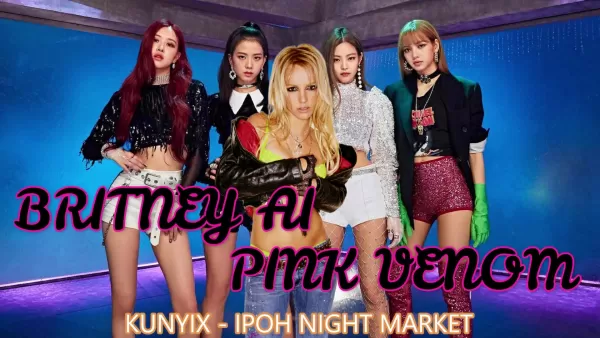
This is where the excitement lies, allowing listeners to experience beloved music in thrilling new combinations.
AI's role in music is increasingly common. As the technology advances, we can anticipate even more sophisticated and inventive mashups that further blur the lines between human and machine creativity.
The Allure of AI-Generated Music
The appeal of AI-generated music stems from its novelty and its ability to produce unexpected fusions. It serves as a creative sandbox for exploring musical "what if" scenarios. What would a Billie Eilish song sound like performed by Queen? Could Beethoven compose a modern pop anthem? AI offers answers, providing listeners with one-of-a-kind experiences.
Accessibility is another significant draw. Aspiring creators and hobbyists can use AI tools to experiment with music production without needing extensive formal training, thereby democratizing the creative process.
AI also enhances efficiency. It can automate complex tasks like harmonizing melodies or generating drum patterns, allowing human musicians to concentrate on the more expressive aspects of their work.
Nevertheless, the growth of AI music prompts important discussions about originality, copyright, and the enduring role of human creativity, which we will explore next.
Britney Spears Meets Blackpink: A Unique Fusion
The Magic of the Mashup
The mashup combining Britney Spears with Blackpink's 'Pink Venom' perfectly illustrates the creative potential unlocked by AI. Envision the pop icon's smooth vocals and infectious hooks layered over the sharp, powerful beats and rap verses of the global K-pop phenomenon. This fusion creates a compelling contrast that captivates the listener.
Britney Spears: A defining force in pop music for decades, her signature dance-pop sound, catchy melodies, and distinctive voice are instantly recognizable.
Blackpink: This chart-topping K-pop group is renowned for high-energy performances, visually stunning videos, and a bold mix of pop, hip-hop, and EDM. 'Pink Venom' exemplifies their confident, intense style.
AI algorithms carefully analyze the musical DNA of both artists, identifying shared elements and weaving them together seamlessly. The final product is a dynamic and unexpected blend that pushes against traditional genre limits.
This mashup is more than a novelty; it demonstrates AI's capacity to recognize and merge distinct musical identities in ways that are both innovative and enjoyable, prompting us to reconsider the definitions of music, creativity, and the future of production.
Creating Your Own AI Music Mashups
Choosing the Right AI Tools
Selecting suitable tools is the first step in creating AI music mashups. Various AI-powered platforms and software are available, each with different strengths.
LALAL.AI: Excels at source separation, allowing you to cleanly extract vocal and instrumental tracks for mashup foundations.
Musicfy: Offers AI-powered vocal editing and style transfer features, enabling you to apply one artist's vocal characteristics to another's track.
Amper Music: Primarily a music generation tool, it can create original compositions in specific styles that can be blended with existing material.
Choose a tool based on your specific goals and technical comfort level, balancing user-friendliness with advanced features.
Step-by-Step Guide to Making an AI Mashup
Follow this general process to create your own AI mashup:
- Select your source tracks: Choose songs or artists you wish to blend, considering how their styles might complement or contrast.
- Isolate key elements: Use source separation tools to extract vocal and instrumental stems, giving you greater creative control.
- Experiment with style transfer: Apply the vocal or instrumental style of one artist to another track using AI, aiming for a cohesive blend.
- Arrange and edit: Use a digital audio workstation (DAW) to arrange your modified tracks. Ensure tempo, key, and harmony align.
- Fine-tune and master: Adjust levels, equalization, and apply final mastering to ensure a polished sound across all playback systems.
While AI handles much of the technical heavy lifting, human creativity and artistic judgment remain crucial for crafting a truly engaging final piece.
AI Music Mashup Tool Pricing
Cost Considerations for AI Music Creation
Pricing for AI music tools varies widely based on the platform and features. Models include subscriptions, pay-per-use, or freemium structures.
- LALAL.AI: Offers free plans with limits and paid subscriptions for more features and faster processing.
- Musicfy: Operates on a freemium model, with paid plans unlocking advanced capabilities like style transfer.
- Amper Music: Charges a monthly subscription for access to its music generation library and customization tools.
Beyond tool costs, remember to consider licensing for any copyrighted source material used in your mashups to ensure legal compliance.
Here’s a table summarizing the pricing structure of some AI music tools:
Tool Pricing Model Description LALAL.AI Freemium/Paid Free tier with limits; paid plans for more features and speed. Musicfy Freemium/Paid Free basic features; subscriptions for style transfer and advanced editing. Amper Music Monthly Subscription Access to a extensive music generation library and customization. VEED.IO Freemium/Paid Includes AI music features alongside comprehensive video editing tools. Beatoven.ai Monthly Subscription AI composes unique, royalty-free music based on music theory.
Factor these costs into your project planning.
Pros and Cons of AI Music Mashups
Pros
Generates novel and unexpected musical blends.
Makes music production accessible to a broader audience.
Automates tedious tasks, freeing musicians for creative work.
Provides royalty-free options for commercial projects.
Supports music education and creative exploration.
Cons
Raises significant copyright concerns regarding source material.
May lack the emotional nuance and depth of human-composed music.
Prompts debates about originality and the value of human artistry.
Requires careful, ethical selection and use of tools.
May encounter resistance from traditionalists within the music industry.
Core Features of AI Music Mashup Tools
Essential Capabilities of AI Music Software
AI music mashup tools provide a suite of features to streamline and enhance creation. Core capabilities include:
- Source separation: Isolates vocals and instruments from existing songs.
- Style transfer: Applies the musical style of one artist or genre to another.
- Tempo and key matching: Aligns different tracks for harmonic compatibility.
- Automatic arrangement: Generates basic track layouts for further customization.
- Vocal editing: Tools for pitch correction, formant shifting, and other vocal adjustments.
- Mastering: Applies final polish to optimize playback across devices.
Select tools based on which features are most critical for your specific creative objectives.
Use Cases for AI Music Mashups
Diverse Applications of AI in Music
AI music mashups have numerous applications, from personal creativity to commercial use:
- Creative expression: A playground for experimenting with styles and creating unique sounds.
- Fan remixes: Enables fans to create novel blends of their favorite artists.
- Music education: Helps students learn about theory, arrangement, and production.
- Commercial soundtracks: Generates royalty-free music for videos, podcasts, and ads.
- Therapeutic applications: Allows therapists to create personalized music for patients.
- Game development: Offers developers an efficient method for creating dynamic soundtracks.
The potential applications are extensive and will likely expand as the technology evolves.
FAQ
Are AI music mashups legal?
Legality depends on the copyright status of the source material. Using copyrighted music without permission or a license typically constitutes infringement. If you intend to share or monetize your mashups, you must secure the necessary rights, which may involve obtaining licenses or using royalty-free music. Always be aware of copyright laws in your jurisdiction and seek legal advice if unsure.
Will AI replace human musicians?
AI is unlikely to completely replace human musicians. While it excels at automating technical tasks, it currently lacks the emotional depth, creative intuition, and artistic judgment inherent to human creators. AI is better viewed as a powerful tool that augments human creativity, helping artists explore ideas, overcome blocks, and streamline workflows. The human element remains essential for creating music with deep emotional resonance.
Related Questions
What is the future of AI in music production?
The future of AI in music production is exceptionally promising. As technology advances, we can expect more sophisticated tools that transform creation, distribution, and consumption. Potential developments include hyper-realistic AI-generated instruments, AI collaborators that assist with songwriting, personalized music tailored to individual listeners, and AI-driven strategies for music promotion. Its integration into the industry will continue to accelerate, making ongoing discussion of its ethical and creative implications essential.
Related article
 iFLYTEK Unveils Spark X2.5 General Large Model
On September 1, iFlytek will open-source two edge-focused large language models, Xinghuo X2.5-4B and Xinghuo X2.5-1.7B, according to the latest official announcement. Both models natively support a context window of up to 1 million tokens. They deliv
Meta Removes AI Photo Editing Feature Following User Backlash
Meta, the social media giant, is once again embroiled in a public debate regarding the delicate balance between artificial intelligence and user privacy. According to TechCrunch, Meta’s Superintelligence Labs introduced a new AI image generator, Muse
DeepMind CEO Hassabis: I sleep six hours a day, usually feel energetic around 1 a.m.
Fortune recently featured an interview with Demis Hassabis, CEO of Google DeepMind, revealing his unconventional approach to rest and productivity. Hassabis disclosed that he sleeps very little, structuring his waking hours into two distinct work blo
Related Special Topic Recommendations
Animation Creation
iFLYTEK Unveils Spark X2.5 General Large Model
On September 1, iFlytek will open-source two edge-focused large language models, Xinghuo X2.5-4B and Xinghuo X2.5-1.7B, according to the latest official announcement. Both models natively support a context window of up to 1 million tokens. They deliv
Meta Removes AI Photo Editing Feature Following User Backlash
Meta, the social media giant, is once again embroiled in a public debate regarding the delicate balance between artificial intelligence and user privacy. According to TechCrunch, Meta’s Superintelligence Labs introduced a new AI image generator, Muse
DeepMind CEO Hassabis: I sleep six hours a day, usually feel energetic around 1 a.m.
Fortune recently featured an interview with Demis Hassabis, CEO of Google DeepMind, revealing his unconventional approach to rest and productivity. Hassabis disclosed that he sleeps very little, structuring his waking hours into two distinct work blo
Related Special Topic Recommendations
Animation Creation
 AI Scene Animation Tools for Social Media Content
2026 Latest Best Top-rated AI Scene Animation Tools for Social Media Content are curated here by XIX.AI. These powerful game-changing tools offer real-world tests and detailed free vs paid comparison, helping creators boost productivity significantly. Explore now to unlock your AI edge.
 9 tools
 xix.ai
Video creation
AI Short-Form Video Hook Generators for Reels, Shorts, and Product Launch Campaigns
xix.ai
Video creation
AI Short-Form Video Hook Generators for Reels, Shorts, and Product Launch Campaigns
2026 Latest Best AI Short-Form Video Hook Generators for Reels Shorts and Product Launch Campaigns! XIX.AI curates top-rated powerful game-changing tools that deliver must-try results through real-world tests. This weekly updated page offers free vs paid comparison rankings to help you find the perfect solution for boosting content creativity and productivity. Explore now to Unlock your AI edge!
11 tools
xix.ai
writing
AI Article Outline Tools for Long Form Writing
2026 Latest Best Top-Rated AI Article Outline Tools for Long Form Writing! This curated collection features powerful, game-changing tools that deliver accurate, structured outlines with real-world tests to boost writing efficiency significantly. XIX.AI is part of this elite selection. Get a free vs paid comparison to help you choose the perfect tool. Explore now and Unlock your AI edge!
9 tools
xix.ai
chatbot
Best AI Roleplay Chat Apps for Language Practice, Interview Prep, and Daily Fluency
2026 Latest Best Top-rated AI Roleplay Chat Apps for Language Practice, Interview Prep, and Daily Fluency! XIX.AI curates a powerful game-changing collection that offers free vs paid comparison, real-world tests, and updated rankings weekly. These must-try tools help you boost writing skills, overcome fluency challenges, and improve communication efficiency across all daily scenarios. Explore now to discover your perfect tool for language growth!
10 tools
xix.ai
Music composition
AI Stem Separation Tools for Remix Production, Sampling Prep, and Karaoke Masters
2026 Latest Best Top-rated AI Stem Separation Tools Curated for Remix Production, Sampling Prep, and Karaoke Masters. These powerful game-changing tools offer real-world tests to deliver precise audio isolation, boosting productivity significantly. XIX.AI provides a weekly updated free vs paid comparison guide to help you find the must-try solution that suits your needs. Explore now to unlock your AI edge.
8 tools
xix.ai
Data Analysis
AI SQL Copilots for Revenue Dashboards, Funnel Analysis, and Product Metrics
2026 Latest Best AI SQL Copilots Ranked Top-Rated! XIX.AI curates a powerful game-changing collection for weekly updated real-world tests. These must-try tools help you generate accurate revenue dashboards, analyze sales funnels, and track product metrics swiftly, boosting productivity massively. Explore now to Discover your perfect tool for data-driven decision making! 238 characters
9 tools
xix.ai

 Comments (0)
0/500
Comments (0)
0/500
The merging of artificial intelligence and music has unlocked a vast realm of creative potential. A particularly captivating area is the rise of AI music mashups, which fuse the distinct styles of different artists to produce something entirely novel. Picture the pop charm of Britney Spears combined with the fierce intensity of Blackpink's 'Pink Venom'. The outcome is a uniquely exhilarating auditory experience. This article explores this fascinating trend and examines the transformative role of AI in modern music production.
Key Points
AI is fundamentally changing music production through mashup creation.
Blending Britney Spears with Blackpink highlights AI's creative capabilities.
AI mashups deliver highly original listening experiences.
We'll explore the technical workings behind AI music generation.
We'll address the ethical questions surrounding AI in music.
We'll consider the future impact of AI-generated music on the industry.
The Rise of AI Music Mashups
What are AI Music Mashups?
AI music mashups are produced using artificial intelligence algorithms that combine elements from different songs or artists. These algorithms analyze core musical components such as melody, harmony, rhythm, and tone to craft a unified and often surprising blend. Unlike manually edited traditional mashups, AI can automate much of this process, generating results in significantly less time.
AI utilizes several key techniques, including:
- Source separation: Isolating individual vocal or instrumental tracks from full recordings.
- Style transfer: Imposing the musical characteristics of one artist onto the work of another.
- Generative models: Producing new musical material based on learned patterns.
The results can vary from subtle reinterpretations to completely novel reworkings of familiar tracks.
This is where the excitement lies, allowing listeners to experience beloved music in thrilling new combinations.
AI's role in music is increasingly common. As the technology advances, we can anticipate even more sophisticated and inventive mashups that further blur the lines between human and machine creativity.
The Allure of AI-Generated Music
The appeal of AI-generated music stems from its novelty and its ability to produce unexpected fusions. It serves as a creative sandbox for exploring musical "what if" scenarios. What would a Billie Eilish song sound like performed by Queen? Could Beethoven compose a modern pop anthem? AI offers answers, providing listeners with one-of-a-kind experiences.
Accessibility is another significant draw. Aspiring creators and hobbyists can use AI tools to experiment with music production without needing extensive formal training, thereby democratizing the creative process.
AI also enhances efficiency. It can automate complex tasks like harmonizing melodies or generating drum patterns, allowing human musicians to concentrate on the more expressive aspects of their work.
Nevertheless, the growth of AI music prompts important discussions about originality, copyright, and the enduring role of human creativity, which we will explore next.
Britney Spears Meets Blackpink: A Unique Fusion
The Magic of the Mashup
The mashup combining Britney Spears with Blackpink's 'Pink Venom' perfectly illustrates the creative potential unlocked by AI. Envision the pop icon's smooth vocals and infectious hooks layered over the sharp, powerful beats and rap verses of the global K-pop phenomenon. This fusion creates a compelling contrast that captivates the listener.
Britney Spears: A defining force in pop music for decades, her signature dance-pop sound, catchy melodies, and distinctive voice are instantly recognizable.
Blackpink: This chart-topping K-pop group is renowned for high-energy performances, visually stunning videos, and a bold mix of pop, hip-hop, and EDM. 'Pink Venom' exemplifies their confident, intense style.
AI algorithms carefully analyze the musical DNA of both artists, identifying shared elements and weaving them together seamlessly. The final product is a dynamic and unexpected blend that pushes against traditional genre limits.
This mashup is more than a novelty; it demonstrates AI's capacity to recognize and merge distinct musical identities in ways that are both innovative and enjoyable, prompting us to reconsider the definitions of music, creativity, and the future of production.
Creating Your Own AI Music Mashups
Choosing the Right AI Tools
Selecting suitable tools is the first step in creating AI music mashups. Various AI-powered platforms and software are available, each with different strengths.
LALAL.AI: Excels at source separation, allowing you to cleanly extract vocal and instrumental tracks for mashup foundations.
Musicfy: Offers AI-powered vocal editing and style transfer features, enabling you to apply one artist's vocal characteristics to another's track.
Amper Music: Primarily a music generation tool, it can create original compositions in specific styles that can be blended with existing material.
Choose a tool based on your specific goals and technical comfort level, balancing user-friendliness with advanced features.
Step-by-Step Guide to Making an AI Mashup
Follow this general process to create your own AI mashup:
- Select your source tracks: Choose songs or artists you wish to blend, considering how their styles might complement or contrast.
- Isolate key elements: Use source separation tools to extract vocal and instrumental stems, giving you greater creative control.
- Experiment with style transfer: Apply the vocal or instrumental style of one artist to another track using AI, aiming for a cohesive blend.
- Arrange and edit: Use a digital audio workstation (DAW) to arrange your modified tracks. Ensure tempo, key, and harmony align.
- Fine-tune and master: Adjust levels, equalization, and apply final mastering to ensure a polished sound across all playback systems.
While AI handles much of the technical heavy lifting, human creativity and artistic judgment remain crucial for crafting a truly engaging final piece.
AI Music Mashup Tool Pricing
Cost Considerations for AI Music Creation
Pricing for AI music tools varies widely based on the platform and features. Models include subscriptions, pay-per-use, or freemium structures.
- LALAL.AI: Offers free plans with limits and paid subscriptions for more features and faster processing.
- Musicfy: Operates on a freemium model, with paid plans unlocking advanced capabilities like style transfer.
- Amper Music: Charges a monthly subscription for access to its music generation library and customization tools.
Beyond tool costs, remember to consider licensing for any copyrighted source material used in your mashups to ensure legal compliance.
Here’s a table summarizing the pricing structure of some AI music tools:
| Tool | Pricing Model | Description |
|---|---|---|
| LALAL.AI | Freemium/Paid | Free tier with limits; paid plans for more features and speed. |
| Musicfy | Freemium/Paid | Free basic features; subscriptions for style transfer and advanced editing. |
| Amper Music | Monthly Subscription | Access to a extensive music generation library and customization. |
| VEED.IO | Freemium/Paid | Includes AI music features alongside comprehensive video editing tools. |
| Beatoven.ai | Monthly Subscription | AI composes unique, royalty-free music based on music theory. |
Factor these costs into your project planning.
Pros and Cons of AI Music Mashups
Pros
Generates novel and unexpected musical blends.
Makes music production accessible to a broader audience.
Automates tedious tasks, freeing musicians for creative work.
Provides royalty-free options for commercial projects.
Supports music education and creative exploration.
Cons
Raises significant copyright concerns regarding source material.
May lack the emotional nuance and depth of human-composed music.
Prompts debates about originality and the value of human artistry.
Requires careful, ethical selection and use of tools.
May encounter resistance from traditionalists within the music industry.
Core Features of AI Music Mashup Tools
Essential Capabilities of AI Music Software
AI music mashup tools provide a suite of features to streamline and enhance creation. Core capabilities include:
- Source separation: Isolates vocals and instruments from existing songs.
- Style transfer: Applies the musical style of one artist or genre to another.
- Tempo and key matching: Aligns different tracks for harmonic compatibility.
- Automatic arrangement: Generates basic track layouts for further customization.
- Vocal editing: Tools for pitch correction, formant shifting, and other vocal adjustments.
- Mastering: Applies final polish to optimize playback across devices.
Select tools based on which features are most critical for your specific creative objectives.
Use Cases for AI Music Mashups
Diverse Applications of AI in Music
AI music mashups have numerous applications, from personal creativity to commercial use:
- Creative expression: A playground for experimenting with styles and creating unique sounds.
- Fan remixes: Enables fans to create novel blends of their favorite artists.
- Music education: Helps students learn about theory, arrangement, and production.
- Commercial soundtracks: Generates royalty-free music for videos, podcasts, and ads.
- Therapeutic applications: Allows therapists to create personalized music for patients.
- Game development: Offers developers an efficient method for creating dynamic soundtracks.
The potential applications are extensive and will likely expand as the technology evolves.
FAQ
Are AI music mashups legal?
Legality depends on the copyright status of the source material. Using copyrighted music without permission or a license typically constitutes infringement. If you intend to share or monetize your mashups, you must secure the necessary rights, which may involve obtaining licenses or using royalty-free music. Always be aware of copyright laws in your jurisdiction and seek legal advice if unsure.
Will AI replace human musicians?
AI is unlikely to completely replace human musicians. While it excels at automating technical tasks, it currently lacks the emotional depth, creative intuition, and artistic judgment inherent to human creators. AI is better viewed as a powerful tool that augments human creativity, helping artists explore ideas, overcome blocks, and streamline workflows. The human element remains essential for creating music with deep emotional resonance.
Related Questions
What is the future of AI in music production?
The future of AI in music production is exceptionally promising. As technology advances, we can expect more sophisticated tools that transform creation, distribution, and consumption. Potential developments include hyper-realistic AI-generated instruments, AI collaborators that assist with songwriting, personalized music tailored to individual listeners, and AI-driven strategies for music promotion. Its integration into the industry will continue to accelerate, making ongoing discussion of its ethical and creative implications essential.








 iFLYTEK Unveils Spark X2.5 General Large Model
On September 1, iFlytek will open-source two edge-focused large language models, Xinghuo X2.5-4B and Xinghuo X2.5-1.7B, according to the latest official announcement. Both models natively support a context window of up to 1 million tokens. They deliv
iFLYTEK Unveils Spark X2.5 General Large Model
On September 1, iFlytek will open-source two edge-focused large language models, Xinghuo X2.5-4B and Xinghuo X2.5-1.7B, according to the latest official announcement. Both models natively support a context window of up to 1 million tokens. They deliv
 Meta Removes AI Photo Editing Feature Following User Backlash
Meta, the social media giant, is once again embroiled in a public debate regarding the delicate balance between artificial intelligence and user privacy. According to TechCrunch, Meta’s Superintelligence Labs introduced a new AI image generator, Muse
Meta Removes AI Photo Editing Feature Following User Backlash
Meta, the social media giant, is once again embroiled in a public debate regarding the delicate balance between artificial intelligence and user privacy. According to TechCrunch, Meta’s Superintelligence Labs introduced a new AI image generator, Muse
 DeepMind CEO Hassabis: I sleep six hours a day, usually feel energetic around 1 a.m.
Fortune recently featured an interview with Demis Hassabis, CEO of Google DeepMind, revealing his unconventional approach to rest and productivity. Hassabis disclosed that he sleeps very little, structuring his waking hours into two distinct work blo
DeepMind CEO Hassabis: I sleep six hours a day, usually feel energetic around 1 a.m.
Fortune recently featured an interview with Demis Hassabis, CEO of Google DeepMind, revealing his unconventional approach to rest and productivity. Hassabis disclosed that he sleeps very little, structuring his waking hours into two distinct work blo
2026 Latest Best Top-rated AI Scene Animation Tools for Social Media Content are curated here by XIX.AI. These powerful game-changing tools offer real-world tests and detailed free vs paid comparison, helping creators boost productivity significantly. Explore now to unlock your AI edge.
9 tools
xix.ai

2026 Latest Best AI Short-Form Video Hook Generators for Reels Shorts and Product Launch Campaigns! XIX.AI curates top-rated powerful game-changing tools that deliver must-try results through real-world tests. This weekly updated page offers free vs paid comparison rankings to help you find the perfect solution for boosting content creativity and productivity. Explore now to Unlock your AI edge!
11 tools
xix.ai

2026 Latest Best Top-Rated AI Article Outline Tools for Long Form Writing! This curated collection features powerful, game-changing tools that deliver accurate, structured outlines with real-world tests to boost writing efficiency significantly. XIX.AI is part of this elite selection. Get a free vs paid comparison to help you choose the perfect tool. Explore now and Unlock your AI edge!
9 tools
xix.ai

2026 Latest Best Top-rated AI Roleplay Chat Apps for Language Practice, Interview Prep, and Daily Fluency! XIX.AI curates a powerful game-changing collection that offers free vs paid comparison, real-world tests, and updated rankings weekly. These must-try tools help you boost writing skills, overcome fluency challenges, and improve communication efficiency across all daily scenarios. Explore now to discover your perfect tool for language growth!
10 tools
xix.ai
2026 Latest Best Top-rated AI Stem Separation Tools Curated for Remix Production, Sampling Prep, and Karaoke Masters. These powerful game-changing tools offer real-world tests to deliver precise audio isolation, boosting productivity significantly. XIX.AI provides a weekly updated free vs paid comparison guide to help you find the must-try solution that suits your needs. Explore now to unlock your AI edge.
8 tools
xix.ai
2026 Latest Best AI SQL Copilots Ranked Top-Rated! XIX.AI curates a powerful game-changing collection for weekly updated real-world tests. These must-try tools help you generate accurate revenue dashboards, analyze sales funnels, and track product metrics swiftly, boosting productivity massively. Explore now to Discover your perfect tool for data-driven decision making! 238 characters
9 tools
xix.ai












