


 Home
HomeAI-Powered Contracts: Legal Challenges and Opportunities in 2025
Artificial intelligence is reshaping business operations, innovation, and creativity. Contracts are now pivotal in safeguarding ownership and ensuring clarity in this dynamic landscape. Do you understand the legal implications when AI creates a new product? Or how AI affects your current business agreements? Explore how AI is transforming the contract landscape, redefining intellectual property, and highlighting the critical need for legal safeguards in an AI-driven era.
Key Takeaways
AI fundamentally changes how contracts are drafted, negotiated, and executed.
Intellectual property (IP) rights are increasingly complex in the AI era, particularly for AI-generated outputs.
Precise contract terms are essential for defining ownership of AI-driven creations.
Businesses must balance efficiency, security, and compliance when integrating AI into contracts.
Legal frameworks need to evolve to match the rapid advancements of AI technology.
The AI Revolution in Contract Law
Contracts in the Age of AI
The rise of artificial intelligence
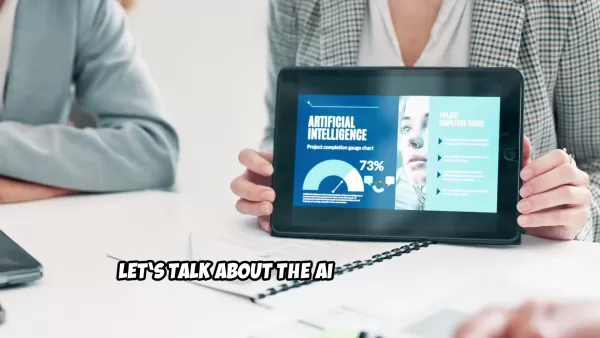
is transforming multiple aspects of business, including contract law. AI brings unprecedented efficiency to agreement processes but introduces complex legal and ethical challenges.
AI’s Role in Contract Creation
AI algorithms streamline contract drafting, review, and analysis, enabling businesses to accelerate workflows and reduce errors. However, as AI assumes these roles, defining ownership and liability becomes more intricate. Contracts are no longer static; they evolve dynamically through machine learning and data insights.
Protecting Ownership in the AI Era
As AI takes on creative tasks, securing intellectual property is critical. Traditional IP laws often require human authorship, creating uncertainty about ownership of AI-generated designs or content. Clear contractual terms defining ownership and licensing rights are vital for AI-generated works to prevent disputes.
Contracts as Pillars of Ownership and Clarity
Despite AI advancements, core contract law principles remain essential. Contracts form the foundation of business relationships, providing a framework to secure ownership and ensure clarity. In the AI era, this clarity is more vital than ever.
Preventing Conflicts with Contracts
Well-crafted contracts anticipate potential disputes and offer resolution mechanisms. AI adds complexity, requiring contracts to specify AI usage, assign responsibility for its actions, and address liabilities. Contracts serve as the first defense against conflicts.
The Need for Precise Agreements
Contract language must be clear and unambiguous. With AI, vague terms can lead to misunderstandings and legal disputes. Contracts need specific clauses addressing AI’s unique challenges to ensure clarity and prevent disagreements.
AI’s Transformative Impact on Contract Stages
Contract Drafting and Creation
AI enhances contract drafting by generating agreements quickly, reducing errors, and ensuring compliance with legal standards. This automation lowers costs and boosts efficiency.
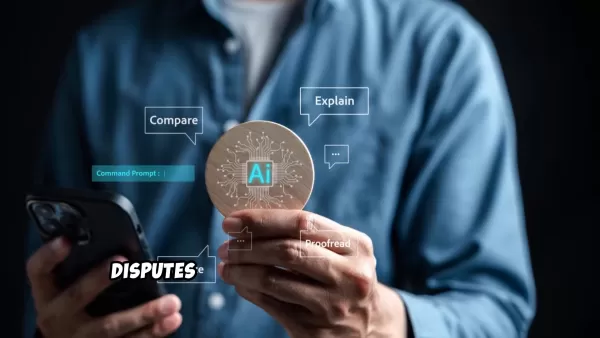
It also aligns agreements with legal requirements.
AI’s Speed in Contract Creation
AI analyzes vast legal document databases to produce tailored contracts, minimizing manual effort and catching potential errors that could cause issues later.
Advantages of AI in Drafting
- Faster contract creation
- Lower error rates
- Enhanced legal compliance
- Cost reductions through automation
Contract Review and Analysis
AI rapidly reviews large volumes of contracts, identifying risks, unclear terms, and compliance issues. This capability transforms how businesses manage agreements, ensuring robust and enforceable contracts.
AI’s Risk Identification
AI detects inconsistencies, omissions, and unfavorable clauses, enabling businesses to address issues before they escalate into disputes. Its analytical power deepens understanding of contractual obligations.
Compliance and Due Diligence
AI streamlines compliance with regulations and enhances due diligence. Automated reviews ensure adherence to legal standards, saving time and resources.
Negotiation Support
AI predicts negotiation outcomes and suggests strategies for better terms. By analyzing market trends and past agreements, AI empowers businesses to negotiate confidently and secure favorable deals.
AI’s Predictive Power
AI forecasts negotiation success based on various strategies, helping businesses prioritize goals and avoid costly concessions.
Strategic Insights
AI offers tailored recommendations and anticipates counterarguments, improving negotiation outcomes by preparing businesses for the other party’s moves.
Execution and Management
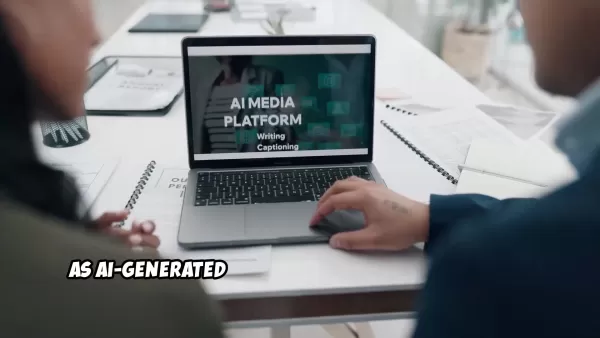
AI-powered smart contracts, integrated with blockchain, automate execution when conditions are met, reducing manual oversight and enhancing transparency.
Benefits of Smart Contracts
- Automated execution
- Reduced need for intermediaries
- Enhanced security via blockchain
- Improved transparency and traceability
How Smart Contracts Operate
Smart contracts are self-executing agreements coded to trigger actions when predefined conditions are met, minimizing errors and ensuring compliance.
Legal Risk and Compliance
AI updates contract templates to reflect legal changes, reducing liability risks. It helps businesses stay compliant with evolving regulations, offering a more efficient approach than traditional methods.
Adapting to Legal Changes
AI monitors legal databases and automatically updates contract templates, helping businesses avoid penalties for non-compliance.
Mitigating Liability Risks
AI identifies potential liabilities and suggests mitigation strategies, enabling businesses to draft contracts that minimize litigation risks.
Dispute Resolution
AI predicts disputes and offers solutions through automated arbitration, streamlining conflict resolution and maintaining business relationships. It analyzes contract terms and case law to propose fair resolutions.
Automated Arbitration
AI serves as a neutral arbitrator, evaluating claims and suggesting resolutions, reducing the need for costly court proceedings.
Predictive Analysis
AI identifies dispute triggers by analyzing historical data, enabling businesses to take preventive measures and reduce risks.
Integrating AI into Your Contracting Process
Steps to Adopt AI in Contract Management
- Evaluate Needs: Identify contract management areas that could benefit from AI automation.
- Choose AI Tools: Select AI-powered platforms that align with your business needs.
- Integrate Tools: Seamlessly incorporate AI tools into existing systems for drafting, review, and analysis.
- Train Teams: Educate legal and business teams on using AI effectively in contract management.
- Monitor Performance: Continuously assess AI tool performance and optimize for maximum efficiency.
- Update Contracts: Ensure all clauses are current to minimize liability risks.
Cost-Effective AI Contract Management Solutions
Pricing Models for AI Platforms
AI-powered contract management platforms offer flexible pricing models tailored to business needs, including:
- Subscription-Based: Monthly or annual fees for platform access and features.
- Usage-Based: Charges based on contract volume or data processed.
- Enterprise Pricing: Customized plans for large organizations with complex needs.
Factors Influencing Costs
The cost of AI contract management depends on:
- Number of users
- Volume of contracts
- Included features
- Level of support
Weighing AI’s Impact: Pros and Cons
Pros
Enhanced efficiency in contract drafting and review
Lower error rates
Improved compliance with regulations
Better negotiation outcomes
Automated contract execution
Cost savings through automation
Cons
Uncertainty over AI-generated output ownership
Potential copyright infringement risks
Ethical and legal concerns with training data
Need for updated legal frameworks
Dependence on AI algorithm accuracy
Potential for disputes
Maximizing Efficiency: Core AI Contract Features
Key Features of AI Contract Platforms
AI-driven contract management platforms streamline the contract lifecycle with features like:
- Automated Drafting: Generate consistent contracts from templates with minimal effort.
- Risk Assessment: Identify potential risks and compliance issues in contract terms.
- Clause Extraction: Automatically track and manage key clauses and obligations.
- Negotiation Support: Gain insights for securing favorable terms.
- Smart Contract Integration: Automate execution with AI-enabled smart contracts.
- Data Analytics: Optimize agreements with data-driven insights.
Transforming Industries: AI Contract Use Cases
Real-World Applications
AI is revolutionizing contract management across industries, including:
- Legal Services: Automates contract review, risk identification, and compliance.
- Financial Services: Enhances due diligence, compliance, and risk management.
- Healthcare: Streamlines contracts, ensures regulatory compliance, and protects patient data.
- Retail: Optimizes supply chain agreements and vendor relationships.
- Manufacturing: Supports negotiations, compliance, and supply chain efficiency.
Frequently Asked Questions
How does AI improve contract drafting?
AI automates contract creation by generating tailored agreements from legal document databases, reducing manual effort, minimizing errors, and ensuring compliance.
What challenges arise in protecting AI-generated works?
IP laws often require human authorship, complicating protection for AI-generated content. Additionally, AI may unintentionally replicate existing works, raising copyright concerns.
Why are contracts critical for AI-generated outputs?
Contracts clarify ownership in the fast-evolving AI landscape, preventing disputes by defining IP rights for AI-generated content amid legal uncertainties.
What is the Kris Kashtanova case, and why does it matter?
The Kris Kashtanova case involved an artist using AI to create graphic novels. The US Copyright Office initially granted protection but later ruled that AI-generated images lacked human authorship, impacting rights for AI-created works.
Related Questions
How does AI aid dispute resolution in contracts?
AI analyzes contract terms and case law to propose equitable solutions, predicts risks, flags compliance issues, and updates templates to reduce legal liabilities, minimizing the need for costly litigation.
Related article
 Ctrip Business Travel Unveils AI Ecosystem with 7 Industry Agents and 17 Core Capabilities
Ctrip Business Travel has officially unveiled the "Ctrip Business Travel AI Ecosystem," leveraging large language models to fundamentally restructure corporate travel management. This comprehensive ecosystem addresses four core scenarios: travel arra
Stripe to Acquire OpenRouter as AI Model Routing Gains Momentum
Stripe has agreed to acquire OpenRouter, an AI model-routing platform that gives developers access to hundreds of models through a single interface. The deal adds model selection and routing to Stripe’s existing work around AI usage and token-based b
Former OpenAI Researcher Barrett Zoph Returns to Google to Support Gemini Development
Barret Zoph, who previously abruptly left and joined OpenAI due to a disagreement with Thinking Machines Lab CEO Miriam Mularati, has once again changed employers. Alphabet's Google announced that Zoph will return as Vice President of Research, bring
Related Special Topic Recommendations
Design & Art
Ctrip Business Travel Unveils AI Ecosystem with 7 Industry Agents and 17 Core Capabilities
Ctrip Business Travel has officially unveiled the "Ctrip Business Travel AI Ecosystem," leveraging large language models to fundamentally restructure corporate travel management. This comprehensive ecosystem addresses four core scenarios: travel arra
Stripe to Acquire OpenRouter as AI Model Routing Gains Momentum
Stripe has agreed to acquire OpenRouter, an AI model-routing platform that gives developers access to hundreds of models through a single interface. The deal adds model selection and routing to Stripe’s existing work around AI usage and token-based b
Former OpenAI Researcher Barrett Zoph Returns to Google to Support Gemini Development
Barret Zoph, who previously abruptly left and joined OpenAI due to a disagreement with Thinking Machines Lab CEO Miriam Mularati, has once again changed employers. Alphabet's Google announced that Zoph will return as Vice President of Research, bring
Related Special Topic Recommendations
Design & Art
 Top AI Illustration Tools: Create Editorial Scenes and Cover Art Faster
2026 Latest Top-rated AI Illustration Tools: Our curated list features the best powerfully designed tools for creating stunning editorial scenes and eye-catching cover art quickly. Each option has gone through rigorous real-world tests, offering a free vs paid comparison to help you find the perfect match for your workflow. Try these must-try solutions today to unlock your AI edge and boost your creative productivity. Explore now at XIX.AI.
 10 tools
 xix.ai
Education and Learning
Top AI Tutors for Exam Prep: Practice Math, Science, and English
xix.ai
Education and Learning
Top AI Tutors for Exam Prep: Practice Math, Science, and English
2026 Latest Top-Rated Best AI Tutors for Exam Prep are here on XIX.AI! Our curated list features powerful game-changing tools that offer free vs paid comparison, real-world tests, and weekly updated rankings. They help boost your writing efficiency, simplify complex topic learning, and unlock your academic potential. Explore now to Discover your perfect exam prep tool and Start creating today to Unlock your AI edge!
10 tools
xix.ai
Finance
AI Budget Planning Tools for Personal Money Management
2026 Latest Best Top-Rated AI Budget Planning Tools for Personal Money Management are here on XIX.AI! This curated collection features powerful, game-changing solutions that help you conduct real-world tests, understand spending habits, and create personalized plans to boost productivity. Enjoy a free vs paid comparison along with detailed rankings. Must-try tools designed to simplify money management and unlock your AI edge. Explore now!
11 tools
xix.ai
Health & Wellness
AI Sleep Tracking Assistants: Improve Recovery with Better Bedtime Habits
2026 Latest Best Top-Rated AI Sleep Tracking Assistants curated for ultimate recovery. This fully updated weekly guide features powerful tools that deliver real-world tests, free vs paid comparison, and detailed rankings to help you find the must-try solution that boosts sleep quality and supports better bedtime habits. Explore now at XIX.AI to Unlock your AI edge.
10 tools
xix.ai
Data Analysis
AI SQL Copilots for Product and Revenue Analytics
2026 Latest Best Top-Rated AI SQL Copilots for Product and Revenue Analytics! XIX.AI has curated a powerful, game-changing collection of must-try tools that undergo real-world tests through weekly updated rankings. These tools help users boost productivity significantly by accelerating data analysis, streamlining complex queries, and generating accurate insights to drive smarter business decisions. Explore now to Discover your perfect tool for unlocking your AI edge!
14 tools
xix.ai
Education and Learning
Best AI Homework Helpers That Teach: Learn Concepts, Not Just Answers
2026 Latest Best Top-Rated AI Homework Helpers That Teach Core Concepts Not Just Answers Powerful Tools for Students Must-Try Curated List Weekly Updated Free vs Paid Comparison Real-World Tests Accurate Rankings to Help You Unlock Your Full Learning Potential Explore now to Discover your perfect tool for smarter studying.
10 tools
xix.ai

 Comments (5)
0/500
Comments (5)
0/500
![JosephEvans]()
這篇文章點出了AI合約的關鍵問題,但2025年的法律真的跟得上技術腳步嗎?我上次用AI工具生成的條款,連自己都看不懂,感覺風險不小啊😅
![KevinHarris]()
Контракты с ИИ — это круто, но кто будет нести ответственность, если алгоритм ошибётся? 😅 Интересно, как суды будут разбираться с такими случаями... Может, пора готовить новых юристов-айтишников?
![EmmaTurner]()
この記事の視点が面白いな。2025年のAI契約課題なら、日本でも自動運転やサービスロボットの法的枠組みが大きなテーマになりそう。でも、契約書をAIが生成しても、最終的に人間がどう責任を取るんだろう?🤔 個人的には、サプライチェーン全体のオートメーション化契約が進むと、中小企業が対応しきれなくなる懸念もある…日本の契約社会、どう進化するか要チェックやね。
![AlbertThomas]()
Contratos com IA são o futuro, mas será que os tribunais estão prontos para lidar com as brechas que vão aparecer? Imagina a confusão quando um modelo gerar um termo ambíguo por conta própria... 😅
![TimothyMiller]()
2025年AI合同的法律挑战?这事儿听起来就头疼 🤯 我现在连电子签名都搞不明白,以后会不会出现AI和AI自己签合同的魔幻场景?企业法务要全员转码农了吗?
Artificial intelligence is reshaping business operations, innovation, and creativity. Contracts are now pivotal in safeguarding ownership and ensuring clarity in this dynamic landscape. Do you understand the legal implications when AI creates a new product? Or how AI affects your current business agreements? Explore how AI is transforming the contract landscape, redefining intellectual property, and highlighting the critical need for legal safeguards in an AI-driven era.
Key Takeaways
AI fundamentally changes how contracts are drafted, negotiated, and executed.
Intellectual property (IP) rights are increasingly complex in the AI era, particularly for AI-generated outputs.
Precise contract terms are essential for defining ownership of AI-driven creations.
Businesses must balance efficiency, security, and compliance when integrating AI into contracts.
Legal frameworks need to evolve to match the rapid advancements of AI technology.
The AI Revolution in Contract Law
Contracts in the Age of AI
The rise of artificial intelligence
is transforming multiple aspects of business, including contract law. AI brings unprecedented efficiency to agreement processes but introduces complex legal and ethical challenges.
AI’s Role in Contract Creation
AI algorithms streamline contract drafting, review, and analysis, enabling businesses to accelerate workflows and reduce errors. However, as AI assumes these roles, defining ownership and liability becomes more intricate. Contracts are no longer static; they evolve dynamically through machine learning and data insights.
Protecting Ownership in the AI Era
As AI takes on creative tasks, securing intellectual property is critical. Traditional IP laws often require human authorship, creating uncertainty about ownership of AI-generated designs or content. Clear contractual terms defining ownership and licensing rights are vital for AI-generated works to prevent disputes.
Contracts as Pillars of Ownership and Clarity
Despite AI advancements, core contract law principles remain essential. Contracts form the foundation of business relationships, providing a framework to secure ownership and ensure clarity. In the AI era, this clarity is more vital than ever.
Preventing Conflicts with Contracts
Well-crafted contracts anticipate potential disputes and offer resolution mechanisms. AI adds complexity, requiring contracts to specify AI usage, assign responsibility for its actions, and address liabilities. Contracts serve as the first defense against conflicts.
The Need for Precise Agreements
Contract language must be clear and unambiguous. With AI, vague terms can lead to misunderstandings and legal disputes. Contracts need specific clauses addressing AI’s unique challenges to ensure clarity and prevent disagreements.
AI’s Transformative Impact on Contract Stages
Contract Drafting and Creation
AI enhances contract drafting by generating agreements quickly, reducing errors, and ensuring compliance with legal standards. This automation lowers costs and boosts efficiency.
It also aligns agreements with legal requirements.
AI’s Speed in Contract Creation
AI analyzes vast legal document databases to produce tailored contracts, minimizing manual effort and catching potential errors that could cause issues later.
Advantages of AI in Drafting
- Faster contract creation
- Lower error rates
- Enhanced legal compliance
- Cost reductions through automation
Contract Review and Analysis
AI rapidly reviews large volumes of contracts, identifying risks, unclear terms, and compliance issues. This capability transforms how businesses manage agreements, ensuring robust and enforceable contracts.
AI’s Risk Identification
AI detects inconsistencies, omissions, and unfavorable clauses, enabling businesses to address issues before they escalate into disputes. Its analytical power deepens understanding of contractual obligations.
Compliance and Due Diligence
AI streamlines compliance with regulations and enhances due diligence. Automated reviews ensure adherence to legal standards, saving time and resources.
Negotiation Support
AI predicts negotiation outcomes and suggests strategies for better terms. By analyzing market trends and past agreements, AI empowers businesses to negotiate confidently and secure favorable deals.
AI’s Predictive Power
AI forecasts negotiation success based on various strategies, helping businesses prioritize goals and avoid costly concessions.
Strategic Insights
AI offers tailored recommendations and anticipates counterarguments, improving negotiation outcomes by preparing businesses for the other party’s moves.
Execution and Management
AI-powered smart contracts, integrated with blockchain, automate execution when conditions are met, reducing manual oversight and enhancing transparency.
Benefits of Smart Contracts
- Automated execution
- Reduced need for intermediaries
- Enhanced security via blockchain
- Improved transparency and traceability
How Smart Contracts Operate
Smart contracts are self-executing agreements coded to trigger actions when predefined conditions are met, minimizing errors and ensuring compliance.
Legal Risk and Compliance
AI updates contract templates to reflect legal changes, reducing liability risks. It helps businesses stay compliant with evolving regulations, offering a more efficient approach than traditional methods.
Adapting to Legal Changes
AI monitors legal databases and automatically updates contract templates, helping businesses avoid penalties for non-compliance.
Mitigating Liability Risks
AI identifies potential liabilities and suggests mitigation strategies, enabling businesses to draft contracts that minimize litigation risks.
Dispute Resolution
AI predicts disputes and offers solutions through automated arbitration, streamlining conflict resolution and maintaining business relationships. It analyzes contract terms and case law to propose fair resolutions.
Automated Arbitration
AI serves as a neutral arbitrator, evaluating claims and suggesting resolutions, reducing the need for costly court proceedings.
Predictive Analysis
AI identifies dispute triggers by analyzing historical data, enabling businesses to take preventive measures and reduce risks.
Integrating AI into Your Contracting Process
Steps to Adopt AI in Contract Management
- Evaluate Needs: Identify contract management areas that could benefit from AI automation.
- Choose AI Tools: Select AI-powered platforms that align with your business needs.
- Integrate Tools: Seamlessly incorporate AI tools into existing systems for drafting, review, and analysis.
- Train Teams: Educate legal and business teams on using AI effectively in contract management.
- Monitor Performance: Continuously assess AI tool performance and optimize for maximum efficiency.
- Update Contracts: Ensure all clauses are current to minimize liability risks.
Cost-Effective AI Contract Management Solutions
Pricing Models for AI Platforms
AI-powered contract management platforms offer flexible pricing models tailored to business needs, including:
- Subscription-Based: Monthly or annual fees for platform access and features.
- Usage-Based: Charges based on contract volume or data processed.
- Enterprise Pricing: Customized plans for large organizations with complex needs.
Factors Influencing Costs
The cost of AI contract management depends on:
- Number of users
- Volume of contracts
- Included features
- Level of support
Weighing AI’s Impact: Pros and Cons
Pros
Enhanced efficiency in contract drafting and review
Lower error rates
Improved compliance with regulations
Better negotiation outcomes
Automated contract execution
Cost savings through automation
Cons
Uncertainty over AI-generated output ownership
Potential copyright infringement risks
Ethical and legal concerns with training data
Need for updated legal frameworks
Dependence on AI algorithm accuracy
Potential for disputes
Maximizing Efficiency: Core AI Contract Features
Key Features of AI Contract Platforms
AI-driven contract management platforms streamline the contract lifecycle with features like:
- Automated Drafting: Generate consistent contracts from templates with minimal effort.
- Risk Assessment: Identify potential risks and compliance issues in contract terms.
- Clause Extraction: Automatically track and manage key clauses and obligations.
- Negotiation Support: Gain insights for securing favorable terms.
- Smart Contract Integration: Automate execution with AI-enabled smart contracts.
- Data Analytics: Optimize agreements with data-driven insights.
Transforming Industries: AI Contract Use Cases
Real-World Applications
AI is revolutionizing contract management across industries, including:
- Legal Services: Automates contract review, risk identification, and compliance.
- Financial Services: Enhances due diligence, compliance, and risk management.
- Healthcare: Streamlines contracts, ensures regulatory compliance, and protects patient data.
- Retail: Optimizes supply chain agreements and vendor relationships.
- Manufacturing: Supports negotiations, compliance, and supply chain efficiency.
Frequently Asked Questions
How does AI improve contract drafting?
AI automates contract creation by generating tailored agreements from legal document databases, reducing manual effort, minimizing errors, and ensuring compliance.
What challenges arise in protecting AI-generated works?
IP laws often require human authorship, complicating protection for AI-generated content. Additionally, AI may unintentionally replicate existing works, raising copyright concerns.
Why are contracts critical for AI-generated outputs?
Contracts clarify ownership in the fast-evolving AI landscape, preventing disputes by defining IP rights for AI-generated content amid legal uncertainties.
What is the Kris Kashtanova case, and why does it matter?
The Kris Kashtanova case involved an artist using AI to create graphic novels. The US Copyright Office initially granted protection but later ruled that AI-generated images lacked human authorship, impacting rights for AI-created works.
Related Questions
How does AI aid dispute resolution in contracts?
AI analyzes contract terms and case law to propose equitable solutions, predicts risks, flags compliance issues, and updates templates to reduce legal liabilities, minimizing the need for costly litigation.








 Ctrip Business Travel Unveils AI Ecosystem with 7 Industry Agents and 17 Core Capabilities
Ctrip Business Travel has officially unveiled the "Ctrip Business Travel AI Ecosystem," leveraging large language models to fundamentally restructure corporate travel management. This comprehensive ecosystem addresses four core scenarios: travel arra
Ctrip Business Travel Unveils AI Ecosystem with 7 Industry Agents and 17 Core Capabilities
Ctrip Business Travel has officially unveiled the "Ctrip Business Travel AI Ecosystem," leveraging large language models to fundamentally restructure corporate travel management. This comprehensive ecosystem addresses four core scenarios: travel arra
 Stripe to Acquire OpenRouter as AI Model Routing Gains Momentum
Stripe has agreed to acquire OpenRouter, an AI model-routing platform that gives developers access to hundreds of models through a single interface. The deal adds model selection and routing to Stripe’s existing work around AI usage and token-based b
Stripe to Acquire OpenRouter as AI Model Routing Gains Momentum
Stripe has agreed to acquire OpenRouter, an AI model-routing platform that gives developers access to hundreds of models through a single interface. The deal adds model selection and routing to Stripe’s existing work around AI usage and token-based b
 Former OpenAI Researcher Barrett Zoph Returns to Google to Support Gemini Development
Barret Zoph, who previously abruptly left and joined OpenAI due to a disagreement with Thinking Machines Lab CEO Miriam Mularati, has once again changed employers. Alphabet's Google announced that Zoph will return as Vice President of Research, bring
Former OpenAI Researcher Barrett Zoph Returns to Google to Support Gemini Development
Barret Zoph, who previously abruptly left and joined OpenAI due to a disagreement with Thinking Machines Lab CEO Miriam Mularati, has once again changed employers. Alphabet's Google announced that Zoph will return as Vice President of Research, bring
2026 Latest Top-rated AI Illustration Tools: Our curated list features the best powerfully designed tools for creating stunning editorial scenes and eye-catching cover art quickly. Each option has gone through rigorous real-world tests, offering a free vs paid comparison to help you find the perfect match for your workflow. Try these must-try solutions today to unlock your AI edge and boost your creative productivity. Explore now at XIX.AI.
10 tools
xix.ai
2026 Latest Top-Rated Best AI Tutors for Exam Prep are here on XIX.AI! Our curated list features powerful game-changing tools that offer free vs paid comparison, real-world tests, and weekly updated rankings. They help boost your writing efficiency, simplify complex topic learning, and unlock your academic potential. Explore now to Discover your perfect exam prep tool and Start creating today to Unlock your AI edge!
10 tools
xix.ai
2026 Latest Best Top-Rated AI Budget Planning Tools for Personal Money Management are here on XIX.AI! This curated collection features powerful, game-changing solutions that help you conduct real-world tests, understand spending habits, and create personalized plans to boost productivity. Enjoy a free vs paid comparison along with detailed rankings. Must-try tools designed to simplify money management and unlock your AI edge. Explore now!
11 tools
xix.ai
2026 Latest Best Top-Rated AI Sleep Tracking Assistants curated for ultimate recovery. This fully updated weekly guide features powerful tools that deliver real-world tests, free vs paid comparison, and detailed rankings to help you find the must-try solution that boosts sleep quality and supports better bedtime habits. Explore now at XIX.AI to Unlock your AI edge.
10 tools
xix.ai

2026 Latest Best Top-Rated AI SQL Copilots for Product and Revenue Analytics! XIX.AI has curated a powerful, game-changing collection of must-try tools that undergo real-world tests through weekly updated rankings. These tools help users boost productivity significantly by accelerating data analysis, streamlining complex queries, and generating accurate insights to drive smarter business decisions. Explore now to Discover your perfect tool for unlocking your AI edge!
14 tools
xix.ai
2026 Latest Best Top-Rated AI Homework Helpers That Teach Core Concepts Not Just Answers Powerful Tools for Students Must-Try Curated List Weekly Updated Free vs Paid Comparison Real-World Tests Accurate Rankings to Help You Unlock Your Full Learning Potential Explore now to Discover your perfect tool for smarter studying.
10 tools
xix.ai

這篇文章點出了AI合約的關鍵問題,但2025年的法律真的跟得上技術腳步嗎?我上次用AI工具生成的條款,連自己都看不懂,感覺風險不小啊😅
Контракты с ИИ — это круто, но кто будет нести ответственность, если алгоритм ошибётся? 😅 Интересно, как суды будут разбираться с такими случаями... Может, пора готовить новых юристов-айтишников?
この記事の視点が面白いな。2025年のAI契約課題なら、日本でも自動運転やサービスロボットの法的枠組みが大きなテーマになりそう。でも、契約書をAIが生成しても、最終的に人間がどう責任を取るんだろう?🤔 個人的には、サプライチェーン全体のオートメーション化契約が進むと、中小企業が対応しきれなくなる懸念もある…日本の契約社会、どう進化するか要チェックやね。
Contratos com IA são o futuro, mas será que os tribunais estão prontos para lidar com as brechas que vão aparecer? Imagina a confusão quando um modelo gerar um termo ambíguo por conta própria... 😅
2025年AI合同的法律挑战?这事儿听起来就头疼 🤯 我现在连电子签名都搞不明白,以后会不会出现AI和AI自己签合同的魔幻场景?企业法务要全员转码农了吗?












