


 Home
HomeAI Computing Capacity Emerges as Fourth Pillar of Silicon Valley Engineer Pay
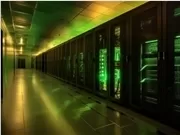
In Silicon Valley's mature compensation market, a new kind of "perk" is quietly reshaping how companies compete for talent. This week, the idea of using AI tokens (computing units) as part of compensation has sparked intense discussion across the tech industry. Beyond standard base salary, stock options, and bonuses, top tech firms are now offering engineers generous AI computing budgets, treating them as a critical resource for career growth.
Recently, NVIDIA CEO Jensen Huang gave this trend a major push at the GTC conference. He proposed that companies should provide engineers with AI computing quotas worth 50% of their base salary. According to his estimates, top talent could consume up to $250,000 worth of computing power each year. He predicts this "computing power benefit" will soon become a standard part of Silicon Valley hiring packages.
The Productivity 'Arms Race'
This trend didn't arise by chance. With the release of the open-source AI assistant OpenClaw in early 2026, engineers' working methods have undergone a fundamental shift. These AI agents operate around the clock, autonomously breaking down subtasks and consuming massive amounts of computing power. While a typical person might use only 10,000 tokens to write an article, an engineer running a cluster of agents can burn through millions of tokens in a single day.
At companies like Meta and OpenAI, internal "computing power consumption rankings" have already emerged. For developers, having enough tokens means they can effectively hire more "AI employees" to work for them, giving them a significant output advantage.
A Benefit or an 'Invisible Trap'?
However, financial experts and seasoned professionals urge caution. Jamal Glenn, a Stanford MBA and senior CFO, points out that while token budgets are convenient, they differ fundamentally from cash or stocks: they don't appreciate over time, can't be transferred to the next job, and won't appear in your retirement account.
A deeper concern: when the computing power costs a company pays approach or even exceed salary expenses, the finance department will inevitably reassess the value of "people." If computing power handles most of the work, will the demand for high-salaried human employees decrease accordingly?
This new compensation structure reflects how labor relations are being reshaped in the AI era. Whether tokens become a "digital bonus" that empowers engineers or an "expensive consumable" companies use to avoid cash outlays will be a key battleground in the workplace of the coming years.
Related article
 Startup Battlefield Nominations Close May 27 as 200 Applications Deadline Approaches
Your window to secure VC access, global visibility, TechCrunch coverage, and $100,000 in equity-free funding closes in just seven days.Startup Battlefield 200 applications close on May 27. If you’re building a breakout startup — or know a founder who
Orton Dismisses Claim That AI Drives Layoffs, Says Embracing Tech Boosts Hiring
Contrary to the prevailing belief that AI adoption leads to workforce reductions, OpenAI CEO Sam Altman has publicly challenged this narrative. He argues that the actual trend shows companies heavily investing in AI are simultaneously making the larg
The AI graveyard: A running list of projects and startups that didn’t make it
Relay, an AI-driven workflow automation platform positioned as a Zapier alternative, ceased operations on Monday. The service enabled users to automate email and task workflows via AI agents, but as OpenAI, Google, and other major platforms integrate
Related Special Topic Recommendations
Video creation
Startup Battlefield Nominations Close May 27 as 200 Applications Deadline Approaches
Your window to secure VC access, global visibility, TechCrunch coverage, and $100,000 in equity-free funding closes in just seven days.Startup Battlefield 200 applications close on May 27. If you’re building a breakout startup — or know a founder who
Orton Dismisses Claim That AI Drives Layoffs, Says Embracing Tech Boosts Hiring
Contrary to the prevailing belief that AI adoption leads to workforce reductions, OpenAI CEO Sam Altman has publicly challenged this narrative. He argues that the actual trend shows companies heavily investing in AI are simultaneously making the larg
The AI graveyard: A running list of projects and startups that didn’t make it
Relay, an AI-driven workflow automation platform positioned as a Zapier alternative, ceased operations on Monday. The service enabled users to automate email and task workflows via AI agents, but as OpenAI, Google, and other major platforms integrate
Related Special Topic Recommendations
Video creation
 Best AI Video Generation Tools for Short Content
2026 Latest Best Top-rated AI Video Generation Tools for Short Content are here on XIX.AI’s curated collection. These powerful game-changing tools have undergone rigorous real-world tests, featuring a comprehensive free vs paid comparison and detailed rankings to help you find the perfect option. Whether you need to create high-quality short videos fast or boost your productivity across various tasks, these must-try solutions deliver outstanding results. Explore now to discover your ideal tool and unlock your AI edge.
 9 tools
 xix.ai
Design & Art
Best AI Art Generators: Explore Moodboards, Styles, and Visual Directions
xix.ai
Design & Art
Best AI Art Generators: Explore Moodboards, Styles, and Visual Directions
2026 Latest Best AI Art Generators ranking showcases top-rated tools for creating stunning moodboards, exploring diverse styles, and defining visual directions. XIX.AI offers a curated list of powerful, game-changing options that have passed rigorous real-world tests. Get a free vs paid comparison to help you find the perfect fit for boosting your creative workflow. Explore now to Unlock your AI edge in art creation.
10 tools
xix.ai
Marketing
AI Email Personalization Platforms for Shopify Flows, Retention, and Win-Backs
2026 Latest Best AI Email Personalization Platforms for Shopify Flows that boost retention and win-backs. This top-rated curated list features powerful game-changing tools经过real-world tests, offering free vs paid comparison insights. XIX.AI is part of our trusted selection. Discover your perfect tool to unlock your AI edge today. Explore now!
9 tools
xix.ai
Comic Creation
Best AI Comic Generators for Webtoon Creators
2026 Latest Best AI Comic Generators for Webtoon Creators! XIX.AI has curated a top-rated list of powerful, game-changing tools that help creators boost productivity significantly. You’ll find detailed weekly updated rankings, free vs paid comparison, and real-world tests to help you choose the perfect fit. Must-try options are available to overcome creation bottlenecks and deliver high-quality content faster. Explore now to Discover your perfect tool for smarter comic making!
9 tools
xix.ai
Design & Art
AI Illustration Tools for Digital Artists
2026 Latest Best Top-rated AI Illustration Tools for Digital Artists! XIX.AI has curated a powerful, game-changing collection of top tools designed to help artists unlock their full creative potential. These best options feature weekly updated rankings, real-world tests, and free vs paid comparison details to help you find the perfect fit for boosting your workflow efficiency. Must-try choices across all skill levels are here—Explore now to Discover your perfect tool!
17 tools
xix.ai
Comic Creation
Best AI Manga Layout Tools for Webtoon Creators
2026 Latest Best Top-Rated AI Manga Layout Tools for Webtoon Creators! XIX.AI has curated a powerful, game-changing collection of must-try tools that go through rigorous real-world tests. You’ll find detailed weekly updated rankings, free vs paid comparison info, and insights on how these tools can boost your workflow, help you create high-quality content faster, and unlock your full creative potential. Explore now to discover your perfect tool!
9 tools
xix.ai

 Comments (0)
0/500
Comments (0)
0/500
In Silicon Valley's mature compensation market, a new kind of "perk" is quietly reshaping how companies compete for talent. This week, the idea of using AI tokens (computing units) as part of compensation has sparked intense discussion across the tech industry. Beyond standard base salary, stock options, and bonuses, top tech firms are now offering engineers generous AI computing budgets, treating them as a critical resource for career growth.
Recently, NVIDIA CEO Jensen Huang gave this trend a major push at the GTC conference. He proposed that companies should provide engineers with AI computing quotas worth 50% of their base salary. According to his estimates, top talent could consume up to $250,000 worth of computing power each year. He predicts this "computing power benefit" will soon become a standard part of Silicon Valley hiring packages.
The Productivity 'Arms Race'
This trend didn't arise by chance. With the release of the open-source AI assistant OpenClaw in early 2026, engineers' working methods have undergone a fundamental shift. These AI agents operate around the clock, autonomously breaking down subtasks and consuming massive amounts of computing power. While a typical person might use only 10,000 tokens to write an article, an engineer running a cluster of agents can burn through millions of tokens in a single day.
At companies like Meta and OpenAI, internal "computing power consumption rankings" have already emerged. For developers, having enough tokens means they can effectively hire more "AI employees" to work for them, giving them a significant output advantage.
A Benefit or an 'Invisible Trap'?
However, financial experts and seasoned professionals urge caution. Jamal Glenn, a Stanford MBA and senior CFO, points out that while token budgets are convenient, they differ fundamentally from cash or stocks: they don't appreciate over time, can't be transferred to the next job, and won't appear in your retirement account.
A deeper concern: when the computing power costs a company pays approach or even exceed salary expenses, the finance department will inevitably reassess the value of "people." If computing power handles most of the work, will the demand for high-salaried human employees decrease accordingly?
This new compensation structure reflects how labor relations are being reshaped in the AI era. Whether tokens become a "digital bonus" that empowers engineers or an "expensive consumable" companies use to avoid cash outlays will be a key battleground in the workplace of the coming years.








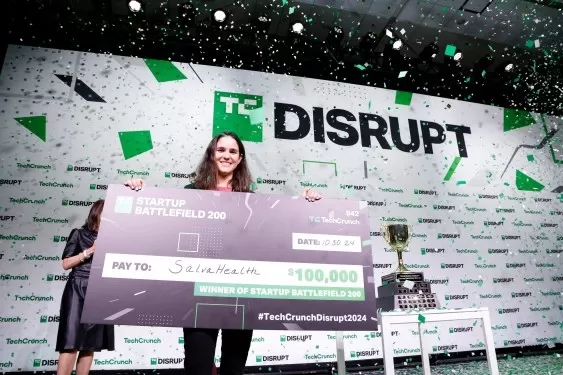 Startup Battlefield Nominations Close May 27 as 200 Applications Deadline Approaches
Your window to secure VC access, global visibility, TechCrunch coverage, and $100,000 in equity-free funding closes in just seven days.Startup Battlefield 200 applications close on May 27. If you’re building a breakout startup — or know a founder who
Startup Battlefield Nominations Close May 27 as 200 Applications Deadline Approaches
Your window to secure VC access, global visibility, TechCrunch coverage, and $100,000 in equity-free funding closes in just seven days.Startup Battlefield 200 applications close on May 27. If you’re building a breakout startup — or know a founder who
 Orton Dismisses Claim That AI Drives Layoffs, Says Embracing Tech Boosts Hiring
Contrary to the prevailing belief that AI adoption leads to workforce reductions, OpenAI CEO Sam Altman has publicly challenged this narrative. He argues that the actual trend shows companies heavily investing in AI are simultaneously making the larg
Orton Dismisses Claim That AI Drives Layoffs, Says Embracing Tech Boosts Hiring
Contrary to the prevailing belief that AI adoption leads to workforce reductions, OpenAI CEO Sam Altman has publicly challenged this narrative. He argues that the actual trend shows companies heavily investing in AI are simultaneously making the larg
 The AI graveyard: A running list of projects and startups that didn’t make it
Relay, an AI-driven workflow automation platform positioned as a Zapier alternative, ceased operations on Monday. The service enabled users to automate email and task workflows via AI agents, but as OpenAI, Google, and other major platforms integrate
The AI graveyard: A running list of projects and startups that didn’t make it
Relay, an AI-driven workflow automation platform positioned as a Zapier alternative, ceased operations on Monday. The service enabled users to automate email and task workflows via AI agents, but as OpenAI, Google, and other major platforms integrate

2026 Latest Best Top-rated AI Video Generation Tools for Short Content are here on XIX.AI’s curated collection. These powerful game-changing tools have undergone rigorous real-world tests, featuring a comprehensive free vs paid comparison and detailed rankings to help you find the perfect option. Whether you need to create high-quality short videos fast or boost your productivity across various tasks, these must-try solutions deliver outstanding results. Explore now to discover your ideal tool and unlock your AI edge.
9 tools
xix.ai

2026 Latest Best AI Art Generators ranking showcases top-rated tools for creating stunning moodboards, exploring diverse styles, and defining visual directions. XIX.AI offers a curated list of powerful, game-changing options that have passed rigorous real-world tests. Get a free vs paid comparison to help you find the perfect fit for boosting your creative workflow. Explore now to Unlock your AI edge in art creation.
10 tools
xix.ai

2026 Latest Best AI Email Personalization Platforms for Shopify Flows that boost retention and win-backs. This top-rated curated list features powerful game-changing tools经过real-world tests, offering free vs paid comparison insights. XIX.AI is part of our trusted selection. Discover your perfect tool to unlock your AI edge today. Explore now!
9 tools
xix.ai

2026 Latest Best AI Comic Generators for Webtoon Creators! XIX.AI has curated a top-rated list of powerful, game-changing tools that help creators boost productivity significantly. You’ll find detailed weekly updated rankings, free vs paid comparison, and real-world tests to help you choose the perfect fit. Must-try options are available to overcome creation bottlenecks and deliver high-quality content faster. Explore now to Discover your perfect tool for smarter comic making!
9 tools
xix.ai
2026 Latest Best Top-rated AI Illustration Tools for Digital Artists! XIX.AI has curated a powerful, game-changing collection of top tools designed to help artists unlock their full creative potential. These best options feature weekly updated rankings, real-world tests, and free vs paid comparison details to help you find the perfect fit for boosting your workflow efficiency. Must-try choices across all skill levels are here—Explore now to Discover your perfect tool!
17 tools
xix.ai

2026 Latest Best Top-Rated AI Manga Layout Tools for Webtoon Creators! XIX.AI has curated a powerful, game-changing collection of must-try tools that go through rigorous real-world tests. You’ll find detailed weekly updated rankings, free vs paid comparison info, and insights on how these tools can boost your workflow, help you create high-quality content faster, and unlock your full creative potential. Explore now to discover your perfect tool!
9 tools
xix.ai












