


 Home
HomeGoogle Unveils Bard Upgrade, Challenging OpenAI’s GPT-4 with Advanced AI Capabilities
The comic book industry is currently grappling with a significant new dilemma: the application of Artificial Intelligence (AI) in the creation of comics. DC Comics and Warner Bros. (WB) have recently faced intense scrutiny over allegations that AI was used to generate artwork for Batman #143. This development has ignited passionate debate among fans, artists, and industry insiders, prompting critical questions about the future relationship between artistic craftsmanship and technological advancement in comics. This article explores the evidence behind these claims, the ethical dilemmas involved, and the potential long-term repercussions for the world of comic books.
Key Points
DC Comics is under fire for the suspected use of AI in the production of Batman #143.
Evidence pointing to AI involvement includes noticeable inconsistencies and unusual stylistic quirks in the artwork.
The controversy has sparked a vital conversation about the ethics of potentially replacing human artists with automation.
AI-generated art is gaining traction across multiple sectors, fueling debates about its appropriate role.
Learning to recognize the hallmarks of AI art can empower readers to identify its use in future comic releases.
The AI Art Controversy in Comic Books
What is the Controversy?
The integration of AI into comic book production has sparked a major controversy throughout the industry. Upon the release of Batman #143, observant readers detected certain irregularities and stylistic anomalies that led them to suspect AI had a hand in creating the art. This suspicion has since escalated into a widespread discussion concerning the ethical ramifications, practical implications, and future role of AI in artistic fields.
The central worry focuses on the potential for AI to displace human artists. Traditional comic art demands significant skill, time, and creative vision. If AI can effectively replicate or even supplant human artists, it poses a direct threat to the careers and livelihoods of countless talented individuals. Additionally, it raises fundamental questions about artistic integrity. Can an algorithm truly be considered creative, or is it simply imitating human expression based on pre-existing data?
The debate has also extended into the legal arena, touching on complex issues of copyright and intellectual property. If an AI system produces a piece of artwork, who holds the rights to it? Is it the software developer, the company that commissioned the AI, or is the artwork considered to be in the public domain?
In essence, the controversy represents a multifaceted clash of ethical, economic, and legal considerations that are actively shaping the future of not just the comic book industry, but the wider creative world.
As AI technology continues to progress at a rapid pace, these discussions are likely to become more frequent and intense. The comic book community is now engaged in a critical effort to find a balance between embracing technological innovation and preserving the irreplaceable value of human creativity and artistic expression. The outcome of this debate may well establish a precedent for other creative sectors facing similar disruptions.
Examining the Suspicions of AI Use in Batman #143
Shortly after Batman #143 hit the shelves, sharp-eyed fans began noticing peculiarities in the artwork that hinted at the possible use of AI. These suspicions were primarily based on identifying specific anomalies often associated with AI-generated imagery. Let's examine the key indicators that have caused a stir within the comic book community.
- Inconsistencies in Anatomy: AI algorithms frequently struggle with rendering complex anatomical structures, particularly in dynamic action poses. Readers have highlighted several instances where character proportions and forms appear slightly distorted, a common red flag for AI-generated content.
- Unnatural Textures and Lighting: Art produced by AI can sometimes feature textures and lighting effects that seem artificial or unnaturally smooth. Critics have identified examples of this in Batman #143, especially within background details and character rendering.
- Repetitive Patterns: Another potential indicator is the appearance of repetitive visual patterns. An AI might not grasp the nuances of artistic variation, leading to elements that are duplicated in a way a human artist would naturally avoid.
- Style Clashes: When an AI attempts to emulate a specific artistic style, it may fail to capture its subtleties, resulting in a noticeable disconnect between the intended style and the final output. This has been observed in certain panels of the comic where the artwork seems inconsistent with the credited artists' known bodies of work.
While these irregularities do not constitute definitive proof of AI usage, their presence has fueled extensive debate and speculation. Many fans and professional artists have voiced concerns that these signs point to a growing trend of incorporating AI into comic production, raising serious questions about the future role of human artistry in the industry.
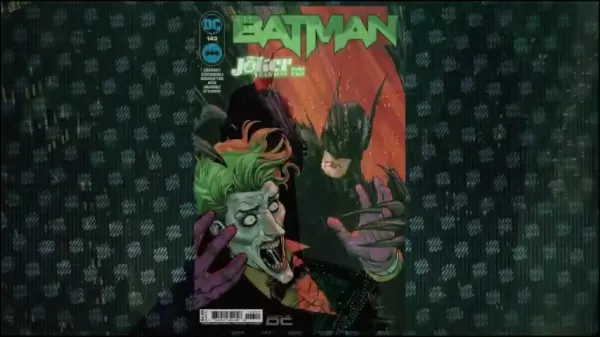
The artwork for the comic, Batman #143, was credited to illustrators Andrea Sorrentino and Giuseppe Camuncoli.
The Broader Impact of AI in Art
AI as a Disruptive Force in Creative Industries
Artificial Intelligence is rapidly transforming a wide range of sectors, and the creative industries are experiencing this disruption firsthand. AI's capacity to generate art, music, and text is both remarkable and concerning. While AI tools open up new avenues for creative exploration, they also pose significant challenges to established artistic practices. Here is a closer look at how AI is reshaping various creative fields:
- Graphic Design: AI applications can now produce logos, marketing banners, and other visual elements with little direct human involvement. This can streamline workflows but also prompts questions about the enduring value of human designers.
- Music Composition: AI systems are capable of composing original music in genres ranging from classical to contemporary pop. Some view this as a useful tool for musicians, while others fear it could saturate the market with formulaic, algorithmically-generated music.
- Writing and Journalism: AI can aid in drafting articles, reports, and even book-length manuscripts. This boosts efficiency in content creation but also sparks debates about the authenticity and quality of machine-generated text. In journalism, AI is used for summarizing news and analyzing data, though ethical concerns about bias and factual accuracy persist.
- Video Production: AI is increasingly utilized for creating visual effects, generating animations, and automating video editing. This can drastically cut production time and costs, but it also threatens the jobs of human animators and editors.
- Photography: Cameras equipped with AI can enhance image quality, perform automated edits, and even synthesize completely new images. This technology has the potential to make photography more accessible, but it also challenges concepts of authenticity and technical skill.
The overarching question is whether AI will serve as a complement to human creativity or eventually replace it. Many analysts argue that AI is most effective as a tool that augments human capabilities, freeing artists to focus on high-level conceptual tasks requiring emotional intelligence and critical thinking. However, powerful economic incentives to automate human labor continue to drive the adoption of AI, ensuring that debates over its ethical and societal impact will persist.
The comic book industry's reaction to AI is a microcosm of a larger trend affecting all creative arts. As the technology evolves, it is imperative for artists, corporate leaders, and regulators to engage in meaningful dialogue about its responsible implementation. Achieving a balance between technological progress and the preservation of human creativity is paramount to ensuring a dynamic and sustainable future for creative professions.
Ethical Considerations of AI in Art
The incorporation of Artificial Intelligence into the artistic domain introduces a complex array of ethical considerations that require careful thought. These issues extend far beyond the technical aspects of AI, delving into fundamental questions about authorship, originality, economic fairness, and cultural significance. Confronting these ethical challenges is essential to forging a equitable and sustainable path forward for both human artists and the industries they inhabit.
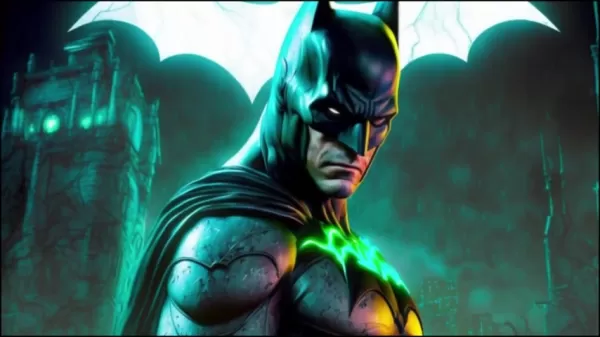
It is becoming increasingly important for people to recognize that the use of AI in creative processes is likely to expand, regardless of personal opinions on the matter.
A primary ethical dilemma revolves around the concept of authorship. When an AI generates an artwork, who should be recognized as its author? Is it the programmer who designed the algorithm, the user who provided the creative prompts, or the AI system itself? Current copyright law generally protects works authored by humans, placing AI-generated art in a legal gray zone. This ambiguity raises significant issues concerning ownership, intellectual property rights, and the commercialization of AI-created works.
The issue of originality is another critical concern. AI art is typically created by training algorithms on massive datasets composed of existing artworks. Consequently, AI-generated pieces may unintentionally replicate elements from copyrighted works. Ensuring that AI art is genuinely original and does not infringe upon the rights of other creators presents a substantial challenge.
The potential economic impact of AI on the art market is also a major point of contention. If AI can produce art quickly and inexpensively, it risks devaluing the work of human artists. This could lead to widespread job losses, reduced income for artists, and a potential decline in the overall quality and diversity of artistic output. Protecting the livelihoods of human artists and ensuring they receive fair compensation is a crucial ethical imperative.
Furthermore, the rise of AI art prompts questions about cultural value. Art has traditionally served as a medium for cultural expression, reflecting the unique experiences, perspectives, and emotions of human creators. If AI-generated art becomes predominant, there is a risk that it could lead to a homogenization of cultural expression, diminishing diversity and authenticity. Preserving art's role as a vehicle for human experience and cultural dialogue is therefore of utmost importance.
To navigate these ethical complexities successfully, collaboration among artists, industry stakeholders, and policymakers is essential. This includes developing clear guidelines and regulations for the responsible use of AI in art, establishing standards for authorship and originality, protecting the rights and economic interests of human artists, and actively promoting diversity and inclusivity within the art world.
By addressing these ethical considerations proactively, we can potentially harness the power of AI to enhance human creativity while safeguarding the core values and principles that define artistic expression.
Pros and Cons of AI in Comics
Pros
Increased Efficiency: AI can automate time-consuming, repetitive tasks, significantly accelerating the comic book production timeline.
Cost Reduction: Utilizing AI-generated artwork has the potential to substantially lower production expenses for publishing companies.
New Creative Possibilities: AI tools can provide artists with new methods to experiment with different visual styles and narrative techniques.
Accessibility: AI technology can lower the barrier to entry, allowing individuals with limited artistic training to create visual content.
Faster Turnaround: The use of AI assistance can lead to quicker release schedules for comic book issues and series.
Cons
Job Displacement: There is a tangible risk that AI could make certain artistic roles obsolete, leading to unemployment within the industry.
Lack of Originality: Art produced by AI may lack the emotional depth, unique perspective, and intentionality that characterizes work by human artists.
Ethical Concerns: Significant legal and ethical questions regarding copyright ownership and authorship of AI-generated art remain largely unresolved.
Quality Concerns: The output from AI systems may not consistently meet the high-quality standards and nuanced detail achieved by skilled human illustrators.
Homogenization: An over-reliance on AI tools could potentially lead to a sameness in artistic styles across publications, reducing visual diversity.
Frequently Asked Questions
What is AI art and how is it created?
AI art describes artwork that is generated by artificial intelligence algorithms. These algorithms are trained on extensive datasets of existing images, learning to produce new images that replicate the styles, subjects, and techniques found in the data. The process usually involves a user providing a text prompt or a set of parameters, which the AI then interprets to create a visual output.
What are the ethical concerns surrounding the use of AI in art?
Key ethical concerns include unresolved questions about authorship and copyright, issues of originality and potential infringement, the economic impact on human artists' livelihoods, and the broader cultural implications for artistic expression and diversity.
How can I identify AI-generated art?
Common indicators of AI-generated art include subtle errors in anatomical accuracy, unnatural or blurred textures, inconsistent lighting, repetitive patterns, and a general lack of cohesive artistic style. It is also helpful to consider the source of the artwork and whether the creator has been transparent about their use of AI tools.
What is DC Comics' official stance on the use of AI in comic creation?
To date, DC Comics has not released an official policy statement regarding its position on the use of AI art. The company has, however, acknowledged that it is reviewing the situation and fan feedback related to the artwork in Batman #143.
What are the potential benefits of using AI in comic creation?
Potential advantages include greater production efficiency, lower costs, the exploration of novel artistic styles, and increased accessibility for creators. AI can handle routine tasks, offer new visual inspiration, and allow individuals with varying skill levels to participate in comic creation.
Related Questions
What other creative industries are being impacted by AI?
AI is making significant inroads into numerous creative sectors, including graphic design, music composition, writing and journalism, video production, and photography. In each of these fields, AI tools are being deployed to automate tasks, generate content, and enhance creative workflows. For instance: In Graphic Design, AI can generate logos and marketing materials. In Music Composition, algorithms can create original scores. In Writing and Journalism, AI assists in drafting content. In Video Production, it powers special effects and editing. In Photography, AI enhances images and automates post-processing.
Related article
 Ctrip Business Travel Unveils AI Ecosystem with 7 Industry Agents and 17 Core Capabilities
Ctrip Business Travel has officially unveiled the "Ctrip Business Travel AI Ecosystem," leveraging large language models to fundamentally restructure corporate travel management. This comprehensive ecosystem addresses four core scenarios: travel arra
Stripe to Acquire OpenRouter as AI Model Routing Gains Momentum
Stripe has agreed to acquire OpenRouter, an AI model-routing platform that gives developers access to hundreds of models through a single interface. The deal adds model selection and routing to Stripe’s existing work around AI usage and token-based b
Former OpenAI Researcher Barrett Zoph Returns to Google to Support Gemini Development
Barret Zoph, who previously abruptly left and joined OpenAI due to a disagreement with Thinking Machines Lab CEO Miriam Mularati, has once again changed employers. Alphabet's Google announced that Zoph will return as Vice President of Research, bring
Related Special Topic Recommendations
Design & Art
Ctrip Business Travel Unveils AI Ecosystem with 7 Industry Agents and 17 Core Capabilities
Ctrip Business Travel has officially unveiled the "Ctrip Business Travel AI Ecosystem," leveraging large language models to fundamentally restructure corporate travel management. This comprehensive ecosystem addresses four core scenarios: travel arra
Stripe to Acquire OpenRouter as AI Model Routing Gains Momentum
Stripe has agreed to acquire OpenRouter, an AI model-routing platform that gives developers access to hundreds of models through a single interface. The deal adds model selection and routing to Stripe’s existing work around AI usage and token-based b
Former OpenAI Researcher Barrett Zoph Returns to Google to Support Gemini Development
Barret Zoph, who previously abruptly left and joined OpenAI due to a disagreement with Thinking Machines Lab CEO Miriam Mularati, has once again changed employers. Alphabet's Google announced that Zoph will return as Vice President of Research, bring
Related Special Topic Recommendations
Design & Art
 Top AI Illustration Tools: Create Editorial Scenes and Cover Art Faster
2026 Latest Top-rated AI Illustration Tools: Our curated list features the best powerfully designed tools for creating stunning editorial scenes and eye-catching cover art quickly. Each option has gone through rigorous real-world tests, offering a free vs paid comparison to help you find the perfect match for your workflow. Try these must-try solutions today to unlock your AI edge and boost your creative productivity. Explore now at XIX.AI.
 10 tools
 xix.ai
Education and Learning
Top AI Tutors for Exam Prep: Practice Math, Science, and English
xix.ai
Education and Learning
Top AI Tutors for Exam Prep: Practice Math, Science, and English
2026 Latest Top-Rated Best AI Tutors for Exam Prep are here on XIX.AI! Our curated list features powerful game-changing tools that offer free vs paid comparison, real-world tests, and weekly updated rankings. They help boost your writing efficiency, simplify complex topic learning, and unlock your academic potential. Explore now to Discover your perfect exam prep tool and Start creating today to Unlock your AI edge!
10 tools
xix.ai
Finance
AI Budget Planning Tools for Personal Money Management
2026 Latest Best Top-Rated AI Budget Planning Tools for Personal Money Management are here on XIX.AI! This curated collection features powerful, game-changing solutions that help you conduct real-world tests, understand spending habits, and create personalized plans to boost productivity. Enjoy a free vs paid comparison along with detailed rankings. Must-try tools designed to simplify money management and unlock your AI edge. Explore now!
11 tools
xix.ai
Health & Wellness
AI Sleep Tracking Assistants: Improve Recovery with Better Bedtime Habits
2026 Latest Best Top-Rated AI Sleep Tracking Assistants curated for ultimate recovery. This fully updated weekly guide features powerful tools that deliver real-world tests, free vs paid comparison, and detailed rankings to help you find the must-try solution that boosts sleep quality and supports better bedtime habits. Explore now at XIX.AI to Unlock your AI edge.
10 tools
xix.ai
Data Analysis
AI SQL Copilots for Product and Revenue Analytics
2026 Latest Best Top-Rated AI SQL Copilots for Product and Revenue Analytics! XIX.AI has curated a powerful, game-changing collection of must-try tools that undergo real-world tests through weekly updated rankings. These tools help users boost productivity significantly by accelerating data analysis, streamlining complex queries, and generating accurate insights to drive smarter business decisions. Explore now to Discover your perfect tool for unlocking your AI edge!
14 tools
xix.ai
Education and Learning
Best AI Homework Helpers That Teach: Learn Concepts, Not Just Answers
2026 Latest Best Top-Rated AI Homework Helpers That Teach Core Concepts Not Just Answers Powerful Tools for Students Must-Try Curated List Weekly Updated Free vs Paid Comparison Real-World Tests Accurate Rankings to Help You Unlock Your Full Learning Potential Explore now to Discover your perfect tool for smarter studying.
10 tools
xix.ai

 Comments (0)
0/500
Comments (0)
0/500
The comic book industry is currently grappling with a significant new dilemma: the application of Artificial Intelligence (AI) in the creation of comics. DC Comics and Warner Bros. (WB) have recently faced intense scrutiny over allegations that AI was used to generate artwork for Batman #143. This development has ignited passionate debate among fans, artists, and industry insiders, prompting critical questions about the future relationship between artistic craftsmanship and technological advancement in comics. This article explores the evidence behind these claims, the ethical dilemmas involved, and the potential long-term repercussions for the world of comic books.
Key Points
DC Comics is under fire for the suspected use of AI in the production of Batman #143.
Evidence pointing to AI involvement includes noticeable inconsistencies and unusual stylistic quirks in the artwork.
The controversy has sparked a vital conversation about the ethics of potentially replacing human artists with automation.
AI-generated art is gaining traction across multiple sectors, fueling debates about its appropriate role.
Learning to recognize the hallmarks of AI art can empower readers to identify its use in future comic releases.
The AI Art Controversy in Comic Books
What is the Controversy?
The integration of AI into comic book production has sparked a major controversy throughout the industry. Upon the release of Batman #143, observant readers detected certain irregularities and stylistic anomalies that led them to suspect AI had a hand in creating the art. This suspicion has since escalated into a widespread discussion concerning the ethical ramifications, practical implications, and future role of AI in artistic fields.
The central worry focuses on the potential for AI to displace human artists. Traditional comic art demands significant skill, time, and creative vision. If AI can effectively replicate or even supplant human artists, it poses a direct threat to the careers and livelihoods of countless talented individuals. Additionally, it raises fundamental questions about artistic integrity. Can an algorithm truly be considered creative, or is it simply imitating human expression based on pre-existing data?
The debate has also extended into the legal arena, touching on complex issues of copyright and intellectual property. If an AI system produces a piece of artwork, who holds the rights to it? Is it the software developer, the company that commissioned the AI, or is the artwork considered to be in the public domain?
In essence, the controversy represents a multifaceted clash of ethical, economic, and legal considerations that are actively shaping the future of not just the comic book industry, but the wider creative world.
As AI technology continues to progress at a rapid pace, these discussions are likely to become more frequent and intense. The comic book community is now engaged in a critical effort to find a balance between embracing technological innovation and preserving the irreplaceable value of human creativity and artistic expression. The outcome of this debate may well establish a precedent for other creative sectors facing similar disruptions.
Examining the Suspicions of AI Use in Batman #143
Shortly after Batman #143 hit the shelves, sharp-eyed fans began noticing peculiarities in the artwork that hinted at the possible use of AI. These suspicions were primarily based on identifying specific anomalies often associated with AI-generated imagery. Let's examine the key indicators that have caused a stir within the comic book community.
- Inconsistencies in Anatomy: AI algorithms frequently struggle with rendering complex anatomical structures, particularly in dynamic action poses. Readers have highlighted several instances where character proportions and forms appear slightly distorted, a common red flag for AI-generated content.
- Unnatural Textures and Lighting: Art produced by AI can sometimes feature textures and lighting effects that seem artificial or unnaturally smooth. Critics have identified examples of this in Batman #143, especially within background details and character rendering.
- Repetitive Patterns: Another potential indicator is the appearance of repetitive visual patterns. An AI might not grasp the nuances of artistic variation, leading to elements that are duplicated in a way a human artist would naturally avoid.
- Style Clashes: When an AI attempts to emulate a specific artistic style, it may fail to capture its subtleties, resulting in a noticeable disconnect between the intended style and the final output. This has been observed in certain panels of the comic where the artwork seems inconsistent with the credited artists' known bodies of work.
While these irregularities do not constitute definitive proof of AI usage, their presence has fueled extensive debate and speculation. Many fans and professional artists have voiced concerns that these signs point to a growing trend of incorporating AI into comic production, raising serious questions about the future role of human artistry in the industry.
The artwork for the comic, Batman #143, was credited to illustrators Andrea Sorrentino and Giuseppe Camuncoli.
The Broader Impact of AI in Art
AI as a Disruptive Force in Creative Industries
Artificial Intelligence is rapidly transforming a wide range of sectors, and the creative industries are experiencing this disruption firsthand. AI's capacity to generate art, music, and text is both remarkable and concerning. While AI tools open up new avenues for creative exploration, they also pose significant challenges to established artistic practices. Here is a closer look at how AI is reshaping various creative fields:
- Graphic Design: AI applications can now produce logos, marketing banners, and other visual elements with little direct human involvement. This can streamline workflows but also prompts questions about the enduring value of human designers.
- Music Composition: AI systems are capable of composing original music in genres ranging from classical to contemporary pop. Some view this as a useful tool for musicians, while others fear it could saturate the market with formulaic, algorithmically-generated music.
- Writing and Journalism: AI can aid in drafting articles, reports, and even book-length manuscripts. This boosts efficiency in content creation but also sparks debates about the authenticity and quality of machine-generated text. In journalism, AI is used for summarizing news and analyzing data, though ethical concerns about bias and factual accuracy persist.
- Video Production: AI is increasingly utilized for creating visual effects, generating animations, and automating video editing. This can drastically cut production time and costs, but it also threatens the jobs of human animators and editors.
- Photography: Cameras equipped with AI can enhance image quality, perform automated edits, and even synthesize completely new images. This technology has the potential to make photography more accessible, but it also challenges concepts of authenticity and technical skill.
The overarching question is whether AI will serve as a complement to human creativity or eventually replace it. Many analysts argue that AI is most effective as a tool that augments human capabilities, freeing artists to focus on high-level conceptual tasks requiring emotional intelligence and critical thinking. However, powerful economic incentives to automate human labor continue to drive the adoption of AI, ensuring that debates over its ethical and societal impact will persist.
The comic book industry's reaction to AI is a microcosm of a larger trend affecting all creative arts. As the technology evolves, it is imperative for artists, corporate leaders, and regulators to engage in meaningful dialogue about its responsible implementation. Achieving a balance between technological progress and the preservation of human creativity is paramount to ensuring a dynamic and sustainable future for creative professions.
Ethical Considerations of AI in Art
The incorporation of Artificial Intelligence into the artistic domain introduces a complex array of ethical considerations that require careful thought. These issues extend far beyond the technical aspects of AI, delving into fundamental questions about authorship, originality, economic fairness, and cultural significance. Confronting these ethical challenges is essential to forging a equitable and sustainable path forward for both human artists and the industries they inhabit.
It is becoming increasingly important for people to recognize that the use of AI in creative processes is likely to expand, regardless of personal opinions on the matter.
A primary ethical dilemma revolves around the concept of authorship. When an AI generates an artwork, who should be recognized as its author? Is it the programmer who designed the algorithm, the user who provided the creative prompts, or the AI system itself? Current copyright law generally protects works authored by humans, placing AI-generated art in a legal gray zone. This ambiguity raises significant issues concerning ownership, intellectual property rights, and the commercialization of AI-created works.
The issue of originality is another critical concern. AI art is typically created by training algorithms on massive datasets composed of existing artworks. Consequently, AI-generated pieces may unintentionally replicate elements from copyrighted works. Ensuring that AI art is genuinely original and does not infringe upon the rights of other creators presents a substantial challenge.
The potential economic impact of AI on the art market is also a major point of contention. If AI can produce art quickly and inexpensively, it risks devaluing the work of human artists. This could lead to widespread job losses, reduced income for artists, and a potential decline in the overall quality and diversity of artistic output. Protecting the livelihoods of human artists and ensuring they receive fair compensation is a crucial ethical imperative.
Furthermore, the rise of AI art prompts questions about cultural value. Art has traditionally served as a medium for cultural expression, reflecting the unique experiences, perspectives, and emotions of human creators. If AI-generated art becomes predominant, there is a risk that it could lead to a homogenization of cultural expression, diminishing diversity and authenticity. Preserving art's role as a vehicle for human experience and cultural dialogue is therefore of utmost importance.
To navigate these ethical complexities successfully, collaboration among artists, industry stakeholders, and policymakers is essential. This includes developing clear guidelines and regulations for the responsible use of AI in art, establishing standards for authorship and originality, protecting the rights and economic interests of human artists, and actively promoting diversity and inclusivity within the art world.
By addressing these ethical considerations proactively, we can potentially harness the power of AI to enhance human creativity while safeguarding the core values and principles that define artistic expression.
Pros and Cons of AI in Comics
Pros
Increased Efficiency: AI can automate time-consuming, repetitive tasks, significantly accelerating the comic book production timeline.
Cost Reduction: Utilizing AI-generated artwork has the potential to substantially lower production expenses for publishing companies.
New Creative Possibilities: AI tools can provide artists with new methods to experiment with different visual styles and narrative techniques.
Accessibility: AI technology can lower the barrier to entry, allowing individuals with limited artistic training to create visual content.
Faster Turnaround: The use of AI assistance can lead to quicker release schedules for comic book issues and series.
Cons
Job Displacement: There is a tangible risk that AI could make certain artistic roles obsolete, leading to unemployment within the industry.
Lack of Originality: Art produced by AI may lack the emotional depth, unique perspective, and intentionality that characterizes work by human artists.
Ethical Concerns: Significant legal and ethical questions regarding copyright ownership and authorship of AI-generated art remain largely unresolved.
Quality Concerns: The output from AI systems may not consistently meet the high-quality standards and nuanced detail achieved by skilled human illustrators.
Homogenization: An over-reliance on AI tools could potentially lead to a sameness in artistic styles across publications, reducing visual diversity.
Frequently Asked Questions
What is AI art and how is it created?
AI art describes artwork that is generated by artificial intelligence algorithms. These algorithms are trained on extensive datasets of existing images, learning to produce new images that replicate the styles, subjects, and techniques found in the data. The process usually involves a user providing a text prompt or a set of parameters, which the AI then interprets to create a visual output.
What are the ethical concerns surrounding the use of AI in art?
Key ethical concerns include unresolved questions about authorship and copyright, issues of originality and potential infringement, the economic impact on human artists' livelihoods, and the broader cultural implications for artistic expression and diversity.
How can I identify AI-generated art?
Common indicators of AI-generated art include subtle errors in anatomical accuracy, unnatural or blurred textures, inconsistent lighting, repetitive patterns, and a general lack of cohesive artistic style. It is also helpful to consider the source of the artwork and whether the creator has been transparent about their use of AI tools.
What is DC Comics' official stance on the use of AI in comic creation?
To date, DC Comics has not released an official policy statement regarding its position on the use of AI art. The company has, however, acknowledged that it is reviewing the situation and fan feedback related to the artwork in Batman #143.
What are the potential benefits of using AI in comic creation?
Potential advantages include greater production efficiency, lower costs, the exploration of novel artistic styles, and increased accessibility for creators. AI can handle routine tasks, offer new visual inspiration, and allow individuals with varying skill levels to participate in comic creation.
Related Questions
What other creative industries are being impacted by AI?
AI is making significant inroads into numerous creative sectors, including graphic design, music composition, writing and journalism, video production, and photography. In each of these fields, AI tools are being deployed to automate tasks, generate content, and enhance creative workflows. For instance: In Graphic Design, AI can generate logos and marketing materials. In Music Composition, algorithms can create original scores. In Writing and Journalism, AI assists in drafting content. In Video Production, it powers special effects and editing. In Photography, AI enhances images and automates post-processing.








 Ctrip Business Travel Unveils AI Ecosystem with 7 Industry Agents and 17 Core Capabilities
Ctrip Business Travel has officially unveiled the "Ctrip Business Travel AI Ecosystem," leveraging large language models to fundamentally restructure corporate travel management. This comprehensive ecosystem addresses four core scenarios: travel arra
Ctrip Business Travel Unveils AI Ecosystem with 7 Industry Agents and 17 Core Capabilities
Ctrip Business Travel has officially unveiled the "Ctrip Business Travel AI Ecosystem," leveraging large language models to fundamentally restructure corporate travel management. This comprehensive ecosystem addresses four core scenarios: travel arra
 Stripe to Acquire OpenRouter as AI Model Routing Gains Momentum
Stripe has agreed to acquire OpenRouter, an AI model-routing platform that gives developers access to hundreds of models through a single interface. The deal adds model selection and routing to Stripe’s existing work around AI usage and token-based b
Stripe to Acquire OpenRouter as AI Model Routing Gains Momentum
Stripe has agreed to acquire OpenRouter, an AI model-routing platform that gives developers access to hundreds of models through a single interface. The deal adds model selection and routing to Stripe’s existing work around AI usage and token-based b
 Former OpenAI Researcher Barrett Zoph Returns to Google to Support Gemini Development
Barret Zoph, who previously abruptly left and joined OpenAI due to a disagreement with Thinking Machines Lab CEO Miriam Mularati, has once again changed employers. Alphabet's Google announced that Zoph will return as Vice President of Research, bring
Former OpenAI Researcher Barrett Zoph Returns to Google to Support Gemini Development
Barret Zoph, who previously abruptly left and joined OpenAI due to a disagreement with Thinking Machines Lab CEO Miriam Mularati, has once again changed employers. Alphabet's Google announced that Zoph will return as Vice President of Research, bring
2026 Latest Top-rated AI Illustration Tools: Our curated list features the best powerfully designed tools for creating stunning editorial scenes and eye-catching cover art quickly. Each option has gone through rigorous real-world tests, offering a free vs paid comparison to help you find the perfect match for your workflow. Try these must-try solutions today to unlock your AI edge and boost your creative productivity. Explore now at XIX.AI.
10 tools
xix.ai
2026 Latest Top-Rated Best AI Tutors for Exam Prep are here on XIX.AI! Our curated list features powerful game-changing tools that offer free vs paid comparison, real-world tests, and weekly updated rankings. They help boost your writing efficiency, simplify complex topic learning, and unlock your academic potential. Explore now to Discover your perfect exam prep tool and Start creating today to Unlock your AI edge!
10 tools
xix.ai
2026 Latest Best Top-Rated AI Budget Planning Tools for Personal Money Management are here on XIX.AI! This curated collection features powerful, game-changing solutions that help you conduct real-world tests, understand spending habits, and create personalized plans to boost productivity. Enjoy a free vs paid comparison along with detailed rankings. Must-try tools designed to simplify money management and unlock your AI edge. Explore now!
11 tools
xix.ai
2026 Latest Best Top-Rated AI Sleep Tracking Assistants curated for ultimate recovery. This fully updated weekly guide features powerful tools that deliver real-world tests, free vs paid comparison, and detailed rankings to help you find the must-try solution that boosts sleep quality and supports better bedtime habits. Explore now at XIX.AI to Unlock your AI edge.
10 tools
xix.ai
2026 Latest Best Top-Rated AI SQL Copilots for Product and Revenue Analytics! XIX.AI has curated a powerful, game-changing collection of must-try tools that undergo real-world tests through weekly updated rankings. These tools help users boost productivity significantly by accelerating data analysis, streamlining complex queries, and generating accurate insights to drive smarter business decisions. Explore now to Discover your perfect tool for unlocking your AI edge!
14 tools
xix.ai

2026 Latest Best Top-Rated AI Homework Helpers That Teach Core Concepts Not Just Answers Powerful Tools for Students Must-Try Curated List Weekly Updated Free vs Paid Comparison Real-World Tests Accurate Rankings to Help You Unlock Your Full Learning Potential Explore now to Discover your perfect tool for smarter studying.
10 tools
xix.ai












