


 Home
HomeHow to coach medical professionals effectively in 2025? Key strategies and E-E-A-T.
In today's dynamic professional landscape, specialists across all industries are exploring strategies to broaden their influence, maximize their skills, and establish a meaningful legacy. For healthcare practitioners, this involves not only clinical excellence but also developing a successful enterprise that can improve communication and deliver vital services. This piece details the story of a physician who adeptly moved from clinical work to business ownership with strategic coaching.
Key Points
Recognizing a major communication disconnect between physicians and their patients.
Using specialized knowledge to develop scalable educational programs, materials, and services.
Providing women diagnosed with cancer with tailored information and dedicated support.
Closing the distance between clinical knowledge and patient comprehension.
Expanding a business while preserving genuine, individual connections.
Converting expertise into a viable and influential enterprise.
Empowering Medical Professionals Through Strategic Coaching
The Communication Crisis in Healthcare
Within the constantly changing healthcare sector, a crucial issue remains: the communication divide separating doctors from patients. Tiffany, an experienced medical oncologist with a 25-year career and thousands of patients, identified this problem. Physicians, frequently using technical language and intricate medical details, find it difficult to explain information in a patient-friendly manner. This lack of clarity can cause misunderstanding, stress, and can ultimately obstruct recovery.
This communication obstacle impacts not just the patient's comprehension, but also their capacity to engage proactively in their own treatment. When patients feel confused or intimidated by medical terminology and care choices, they might disengage rather than become active participants. This passive role can reduce treatment efficacy and negatively affect overall health. Bridging this communication gap is fundamental, as it is essential for patient-focused care and superior health results.
Bridging the Gap: Building a Business That Saves Lives
Motivated by a deep commitment, Tiffany set out on a quest to address this vital need. After many years in clinical practice, she saw the pressing necessity for a framework that could convert complex medical data into clear, actionable knowledge for women navigating a cancer diagnosis.
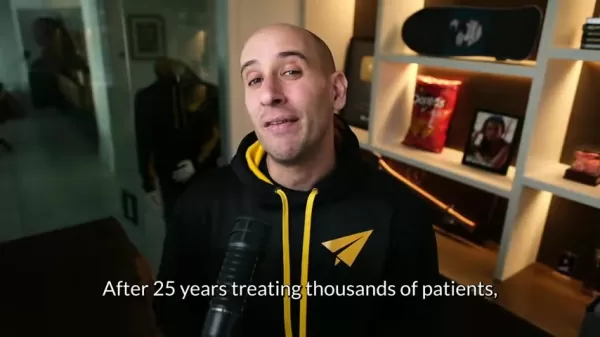
Her answer was to establish a business that connects this divide and preserves lives. This endeavor went beyond launching a standard healthcare company; it was about transforming how medical knowledge is shared and understood.
Medical oncology extends beyond a mere occupation. By creating a business, it addresses the communication barrier and actively involves patients in their own care. Her project concentrated on producing expandable courses, compelling content, and customized services intended for those who most need her expert guidance. It was an innovative method, combining medical proficiency with business strategy to generate a significant effect on numerous women's lives.
The objective was straightforward: to enable women with cancer by equipping them with the understanding and tools required to manage their path with assurance and strength. Her approach was distinctive and potent, targeting not just improved patient outcomes but also reshaping the function of healthcare providers in the modern medical environment.
Transforming Knowledge Into Scalable Resources
To amplify her effect, Tiffany needed to convert her deep expertise into expandable assets that could serve a larger population.

This meant designing organized courses, compelling materials, and user-friendly services that would clarify cancer care and help women manage their health proactively.
The methodology emphasized simplifying intricate medical ideas into manageable sections, guaranteeing that every woman, no matter her prior knowledge or schooling, could understand the key aspects of her condition, treatment possibilities, and health maintenance techniques. She aimed to produce resources that were both educational and uplifting, promoting optimism and active involvement.
Scalability was a primary factor. The aim was to develop materials that could be widely disseminated and utilized, removing geographical or practical obstacles to essential information. This necessitated the use of technology and novel distribution channels to establish a durable and extensive influence.
Key Strategies for Growth and Personal Connection
Maintaining a Personal Touch
A primary difficulty in business expansion is keeping the individual attention that defined its initial success. Tiffany was committed to increasing her audience without losing the authentic relationship and compassion central to her method. This involved a deliberate mix of systemization and custom interaction, making certain every patient felt recognized, listened to, and assisted.
This equilibrium was accomplished through a comprehensive plan. Digital learning programs incorporated live interactive sessions, where patients could ask Tiffany questions directly and obtain tailored advice. Community forums were established to encourage mutual support and shared understanding, enabling patients to interact and form supportive bonds. These actions were created to maintain the personal connection, even during business growth.
She undertook this initiative to guarantee that the highest quality guidance was delivered to patients in a direct and effective manner.
Identifying a Purpose-Driven Expert's Value
If you are a mission-oriented specialist prepared to guide with empathy and expand with a clear plan, this discussion is for you.

Developing a purpose-led enterprise demands a special combination of dedication, skill, and tactical planning. It requires applying your understanding and abilities to form a company that produces income while also contributing positively to society. Essentially, building a mission-focused business is about utilizing your distinct capabilities to meet a critical demand and help build a more empathetic and fair society. Achieving these objectives, however, requires dedication and patience.
First, it is vital to determine your specific area of value. For Tiffany, this was her clinical background. Second, it is crucial to assess whether these offerings gain real engagement, similar to Tiffany's coaching programs. Third, and fundamentally, have confidence in your own capacity to provide these outstanding services, or you will not achieve your potential.
Practical Tips to Believe In Yourself [t:34]
Drop A '#Believe' In the Comments
To connect with like-minded individuals on a similar path, consider engaging and posting a #Believe in the comments section for a chance to be highlighted.

This lets other viewers and participants notice your contribution, assisting in the development of your community.
Pros and Cons of Transitioning to an Online Model
Pros
Broader Audience: Digital channels enable healthcare providers to connect with an international community, eliminating location-based restrictions.
Expandability: Digital materials can be readily amplified to assist more patients without physical capacity limits.
Adaptability: Online systems provide scheduling and service flexibility, meeting the requirements of both the provider and the patient.
Economic Efficiency: Digital operations can lower operational expenses linked to conventional office-based practices.
Cons
Reduced Personal Interaction: Certain patients might prefer the direct contact of in-person medical consultations.
Technology Access Issues: Some patients may lack the necessary equipment or digital literacy for online services.
Compliance and Legal Complexities: Understanding the rules and legal requirements for offering medical services online can be complicated and differs by region.
Information Safety and Confidentiality Issues: Protecting patient data security and privacy in a digital space is essential but potentially difficult.
Frequently Asked Questions
What is a medical oncologist?
A medical oncologist is a doctor who focuses on identifying, managing, and preventing cancer through methods like chemotherapy, hormonal treatments, immunotherapy, and precision medicine.
Why is communication so important in cancer care?
Effective communication guarantees patients completely grasp their condition, available treatments, and possible reactions, enabling them to choose wisely and participate actively in their health management.
How does a purpose-driven expert differ from a traditional business owner?
A purpose-driven specialist emphasizes creating a beneficial social effect and enhancing patient lives, whereas a conventional entrepreneur might concentrate mainly on profitability.
What are some common barriers to effective communication between doctors and patients?
Obstacles involve specialized medical terminology, limited appointment durations, cultural variations, and the psychological impact of a cancer diagnosis.
Why is it important for cancer patients to feel empowered?
Informed and confident patients are more inclined to follow treatment regimens, handle side effects better, and enjoy an improved life quality during their illness.
Related Questions
What are the core skills needed to transition from medical practice to entrepreneurship?
Shifting from clinical work to business ownership calls for a wide-ranging ability set that supplements medical training. While clinical competence is crucial, entrepreneurial achievement depends on capabilities in sectors like promotion, economics, management, and organizational oversight. Below are key competencies necessary for healthcare providers aiming to create a prosperous company. First, knowledge of marketing and sales is essential. You must learn how to market your offerings, draw in customers, and create income. This comprises creating a promotional plan, designing persuasive communication, and using online marketing techniques to access your intended market. Second, financial management abilities are vital. Overseeing economic health is important for any enterprise. Physician-entrepreneurs must comprehend financial planning, projections, liquidity management, and accounting. This confirms the company's fiscal health and supports continued expansion. Third, you require leadership and personnel management skills. Assembling a team and nurturing a productive workplace is key for growth. Successful leadership includes assigning responsibilities, inspiring staff, and building a cooperative and responsible culture. Furthermore, developing professional relationships and partnerships is important. Creating a robust network of advisors, colleagues, and industry connections can offer critical support and direction. Partnering with other experts can also reveal new possibilities and widen your scope. And lastly, technical competency is required. In the current digital era, medical entrepreneurs need to be adept with technology to optimize processes, improve patient services, and facilitate interaction. This includes familiarity with digital medical records, remote consultation systems, and other technological resources.
Related article
 Inside Details Exposed About Next-Gen Gemini: Strained Computing Power, Internal Teams Disagreed on Development Priorities and Resource Allocation
Reports indicate that the launch of Google’s highly anticipated next-generation Gemini model has been pushed back. Internal disagreements over development priorities and resource allocation, combined with limited computing capacity and complex approv
OpenAI Dismisses Growth Slowdown Concerns, Says Multiple Business Units Accelerating
In response to external scrutiny regarding decelerating sales growth and missed internal benchmarks, AI leader OpenAI issued a confident statement on Tuesday, April 28. The company clarified that its consumer products and enterprise services are adva
Alibaba Super Cup: Qwen3.8-Max Debuts with Boosted Coding and Office Tools
Alibaba has officially unveiled Qwen3.8-Max, a next-generation foundation large model boasting 2.4 trillion parameters. This significant AI advancement delivers substantial performance gains in core areas like coding and professional office tasks, sh
Related Special Topic Recommendations
Music composition
Inside Details Exposed About Next-Gen Gemini: Strained Computing Power, Internal Teams Disagreed on Development Priorities and Resource Allocation
Reports indicate that the launch of Google’s highly anticipated next-generation Gemini model has been pushed back. Internal disagreements over development priorities and resource allocation, combined with limited computing capacity and complex approv
OpenAI Dismisses Growth Slowdown Concerns, Says Multiple Business Units Accelerating
In response to external scrutiny regarding decelerating sales growth and missed internal benchmarks, AI leader OpenAI issued a confident statement on Tuesday, April 28. The company clarified that its consumer products and enterprise services are adva
Alibaba Super Cup: Qwen3.8-Max Debuts with Boosted Coding and Office Tools
Alibaba has officially unveiled Qwen3.8-Max, a next-generation foundation large model boasting 2.4 trillion parameters. This significant AI advancement delivers substantial performance gains in core areas like coding and professional office tasks, sh
Related Special Topic Recommendations
Music composition
 Best AI Melody Writing Tools for Song Drafts
2026 Latest Best Top-Rated AI Melody Writing Tools for Song Drafts! XIX.AI has curated a highly powerful game-changing collection that goes through rigorous real-world tests to deliver the best writing experience. You can find detailed free vs paid comparisons, accurate rankings, and must-try options designed to help you create stunning song drafts effortlessly and boost your creative productivity significantly. Explore now to discover your perfect tool!
 8 tools
 xix.ai
chatbot
Best AI Conversation Trainer Tools for Interview Practice
xix.ai
chatbot
Best AI Conversation Trainer Tools for Interview Practice
2026 Latest Best Top-rated AI Conversation Trainer Tools for Interview Practice are here on XIX.AI! This curated collection features powerful, game-changing tools that go through rigorous real-world tests to deliver accurate feedback. You’ll find a free vs paid comparison and detailed rankings to help you choose the must-try option that boosts your confidence and skills. Explore now to Discover your perfect tool for interview success!
12 tools
xix.ai
Design & Art
Best AI Style Transfer Tools for Creative Experiments
2026 Latest Best Top-rated AI Style Transfer Tools for Creative Experiments! XIX.AI has curated a powerful, game-changing collection of must-try tools that deliver exceptional results through real-world tests and rigorous rankings. These top solutions help creatives boost productivity significantly by accelerating content creation and unlocking endless creative possibilities. Explore now to discover your perfect tool and start creating today!
9 tools
xix.ai
Comic Creation
Best AI Dialogue Bubble Tools for Visual Storytelling
2026 Latest Best Top-Rated AI Dialogue Bubble Tools for Visual Storytelling are here on XIX.AI! This curated collection features powerful, game-changing tools that help creators boost productivity and overcome creative bottlenecks. Get a free vs paid comparison, see real-world tests, and check the latest rankings to find the must-try solutions perfect for crafting engaging visual narratives. Explore now to discover your ideal tool!
10 tools
xix.ai
Meeting Assistant
Top AI Meeting Summary Tools: Track Decisions and Follow-Ups Clearly
2026 Latest Top-Rated Best AI Meeting Summary Tools for Clear Decision Tracking and Effortless Follow-Ups. This curated list showcases powerful, game-changing solutions that boost productivity dramatically by automating meeting notes, identifying key action items, and streamlining team coordination across all projects. Get a free vs paid comparison along with real-world tests and weekly updated rankings to help you find the perfect tool. Explore now to unlock your AI edge!
9 tools
xix.ai
Data Analysis
Best AI Data Cleaning Tools: Fix Missing Values and Duplicates Fast
2026 Latest Best Top-rated AI Data Cleaning Tools for quick fixing of missing values and duplicates. This curated list showcases powerful, game-changing solutions that boost productivity significantly. Each option has undergone rigorous real-world tests to ensure reliability. Get a free vs paid comparison and discover the must-try tool that fits your needs best. Explore now at XIX.AI to Unlock your AI edge.
11 tools
xix.ai

 Comments (1)
0/500
Comments (1)
0/500
![KevinDavis]()
Interesting! The E-E-A-T framework for coaching in healthcare is a smart approach, especially for building trust online. But in 2025, how do we balance AI-driven coaching tools with the irreplaceable human touch in sensitive medical fields? The article's focus on legacy is key. 🤔
In today's dynamic professional landscape, specialists across all industries are exploring strategies to broaden their influence, maximize their skills, and establish a meaningful legacy. For healthcare practitioners, this involves not only clinical excellence but also developing a successful enterprise that can improve communication and deliver vital services. This piece details the story of a physician who adeptly moved from clinical work to business ownership with strategic coaching.
Key Points
Recognizing a major communication disconnect between physicians and their patients.
Using specialized knowledge to develop scalable educational programs, materials, and services.
Providing women diagnosed with cancer with tailored information and dedicated support.
Closing the distance between clinical knowledge and patient comprehension.
Expanding a business while preserving genuine, individual connections.
Converting expertise into a viable and influential enterprise.
Empowering Medical Professionals Through Strategic Coaching
The Communication Crisis in Healthcare
Within the constantly changing healthcare sector, a crucial issue remains: the communication divide separating doctors from patients. Tiffany, an experienced medical oncologist with a 25-year career and thousands of patients, identified this problem. Physicians, frequently using technical language and intricate medical details, find it difficult to explain information in a patient-friendly manner. This lack of clarity can cause misunderstanding, stress, and can ultimately obstruct recovery.
This communication obstacle impacts not just the patient's comprehension, but also their capacity to engage proactively in their own treatment. When patients feel confused or intimidated by medical terminology and care choices, they might disengage rather than become active participants. This passive role can reduce treatment efficacy and negatively affect overall health. Bridging this communication gap is fundamental, as it is essential for patient-focused care and superior health results.
Bridging the Gap: Building a Business That Saves Lives
Motivated by a deep commitment, Tiffany set out on a quest to address this vital need. After many years in clinical practice, she saw the pressing necessity for a framework that could convert complex medical data into clear, actionable knowledge for women navigating a cancer diagnosis.
Her answer was to establish a business that connects this divide and preserves lives. This endeavor went beyond launching a standard healthcare company; it was about transforming how medical knowledge is shared and understood.
Medical oncology extends beyond a mere occupation. By creating a business, it addresses the communication barrier and actively involves patients in their own care. Her project concentrated on producing expandable courses, compelling content, and customized services intended for those who most need her expert guidance. It was an innovative method, combining medical proficiency with business strategy to generate a significant effect on numerous women's lives.
The objective was straightforward: to enable women with cancer by equipping them with the understanding and tools required to manage their path with assurance and strength. Her approach was distinctive and potent, targeting not just improved patient outcomes but also reshaping the function of healthcare providers in the modern medical environment.
Transforming Knowledge Into Scalable Resources
To amplify her effect, Tiffany needed to convert her deep expertise into expandable assets that could serve a larger population.
This meant designing organized courses, compelling materials, and user-friendly services that would clarify cancer care and help women manage their health proactively.
The methodology emphasized simplifying intricate medical ideas into manageable sections, guaranteeing that every woman, no matter her prior knowledge or schooling, could understand the key aspects of her condition, treatment possibilities, and health maintenance techniques. She aimed to produce resources that were both educational and uplifting, promoting optimism and active involvement.
Scalability was a primary factor. The aim was to develop materials that could be widely disseminated and utilized, removing geographical or practical obstacles to essential information. This necessitated the use of technology and novel distribution channels to establish a durable and extensive influence.
Key Strategies for Growth and Personal Connection
Maintaining a Personal Touch
A primary difficulty in business expansion is keeping the individual attention that defined its initial success. Tiffany was committed to increasing her audience without losing the authentic relationship and compassion central to her method. This involved a deliberate mix of systemization and custom interaction, making certain every patient felt recognized, listened to, and assisted.
This equilibrium was accomplished through a comprehensive plan. Digital learning programs incorporated live interactive sessions, where patients could ask Tiffany questions directly and obtain tailored advice. Community forums were established to encourage mutual support and shared understanding, enabling patients to interact and form supportive bonds. These actions were created to maintain the personal connection, even during business growth.
She undertook this initiative to guarantee that the highest quality guidance was delivered to patients in a direct and effective manner.
Identifying a Purpose-Driven Expert's Value
If you are a mission-oriented specialist prepared to guide with empathy and expand with a clear plan, this discussion is for you.
Developing a purpose-led enterprise demands a special combination of dedication, skill, and tactical planning. It requires applying your understanding and abilities to form a company that produces income while also contributing positively to society. Essentially, building a mission-focused business is about utilizing your distinct capabilities to meet a critical demand and help build a more empathetic and fair society. Achieving these objectives, however, requires dedication and patience.
First, it is vital to determine your specific area of value. For Tiffany, this was her clinical background. Second, it is crucial to assess whether these offerings gain real engagement, similar to Tiffany's coaching programs. Third, and fundamentally, have confidence in your own capacity to provide these outstanding services, or you will not achieve your potential.
Practical Tips to Believe In Yourself [t:34]
Drop A '#Believe' In the Comments
To connect with like-minded individuals on a similar path, consider engaging and posting a #Believe in the comments section for a chance to be highlighted.
This lets other viewers and participants notice your contribution, assisting in the development of your community.
Pros and Cons of Transitioning to an Online Model
Pros
Broader Audience: Digital channels enable healthcare providers to connect with an international community, eliminating location-based restrictions.
Expandability: Digital materials can be readily amplified to assist more patients without physical capacity limits.
Adaptability: Online systems provide scheduling and service flexibility, meeting the requirements of both the provider and the patient.
Economic Efficiency: Digital operations can lower operational expenses linked to conventional office-based practices.
Cons
Reduced Personal Interaction: Certain patients might prefer the direct contact of in-person medical consultations.
Technology Access Issues: Some patients may lack the necessary equipment or digital literacy for online services.
Compliance and Legal Complexities: Understanding the rules and legal requirements for offering medical services online can be complicated and differs by region.
Information Safety and Confidentiality Issues: Protecting patient data security and privacy in a digital space is essential but potentially difficult.
Frequently Asked Questions
What is a medical oncologist?
A medical oncologist is a doctor who focuses on identifying, managing, and preventing cancer through methods like chemotherapy, hormonal treatments, immunotherapy, and precision medicine.
Why is communication so important in cancer care?
Effective communication guarantees patients completely grasp their condition, available treatments, and possible reactions, enabling them to choose wisely and participate actively in their health management.
How does a purpose-driven expert differ from a traditional business owner?
A purpose-driven specialist emphasizes creating a beneficial social effect and enhancing patient lives, whereas a conventional entrepreneur might concentrate mainly on profitability.
What are some common barriers to effective communication between doctors and patients?
Obstacles involve specialized medical terminology, limited appointment durations, cultural variations, and the psychological impact of a cancer diagnosis.
Why is it important for cancer patients to feel empowered?
Informed and confident patients are more inclined to follow treatment regimens, handle side effects better, and enjoy an improved life quality during their illness.
Related Questions
What are the core skills needed to transition from medical practice to entrepreneurship?
Shifting from clinical work to business ownership calls for a wide-ranging ability set that supplements medical training. While clinical competence is crucial, entrepreneurial achievement depends on capabilities in sectors like promotion, economics, management, and organizational oversight. Below are key competencies necessary for healthcare providers aiming to create a prosperous company. First, knowledge of marketing and sales is essential. You must learn how to market your offerings, draw in customers, and create income. This comprises creating a promotional plan, designing persuasive communication, and using online marketing techniques to access your intended market. Second, financial management abilities are vital. Overseeing economic health is important for any enterprise. Physician-entrepreneurs must comprehend financial planning, projections, liquidity management, and accounting. This confirms the company's fiscal health and supports continued expansion. Third, you require leadership and personnel management skills. Assembling a team and nurturing a productive workplace is key for growth. Successful leadership includes assigning responsibilities, inspiring staff, and building a cooperative and responsible culture. Furthermore, developing professional relationships and partnerships is important. Creating a robust network of advisors, colleagues, and industry connections can offer critical support and direction. Partnering with other experts can also reveal new possibilities and widen your scope. And lastly, technical competency is required. In the current digital era, medical entrepreneurs need to be adept with technology to optimize processes, improve patient services, and facilitate interaction. This includes familiarity with digital medical records, remote consultation systems, and other technological resources.








 Inside Details Exposed About Next-Gen Gemini: Strained Computing Power, Internal Teams Disagreed on Development Priorities and Resource Allocation
Reports indicate that the launch of Google’s highly anticipated next-generation Gemini model has been pushed back. Internal disagreements over development priorities and resource allocation, combined with limited computing capacity and complex approv
Inside Details Exposed About Next-Gen Gemini: Strained Computing Power, Internal Teams Disagreed on Development Priorities and Resource Allocation
Reports indicate that the launch of Google’s highly anticipated next-generation Gemini model has been pushed back. Internal disagreements over development priorities and resource allocation, combined with limited computing capacity and complex approv
 OpenAI Dismisses Growth Slowdown Concerns, Says Multiple Business Units Accelerating
In response to external scrutiny regarding decelerating sales growth and missed internal benchmarks, AI leader OpenAI issued a confident statement on Tuesday, April 28. The company clarified that its consumer products and enterprise services are adva
OpenAI Dismisses Growth Slowdown Concerns, Says Multiple Business Units Accelerating
In response to external scrutiny regarding decelerating sales growth and missed internal benchmarks, AI leader OpenAI issued a confident statement on Tuesday, April 28. The company clarified that its consumer products and enterprise services are adva
 Alibaba Super Cup: Qwen3.8-Max Debuts with Boosted Coding and Office Tools
Alibaba has officially unveiled Qwen3.8-Max, a next-generation foundation large model boasting 2.4 trillion parameters. This significant AI advancement delivers substantial performance gains in core areas like coding and professional office tasks, sh
Alibaba Super Cup: Qwen3.8-Max Debuts with Boosted Coding and Office Tools
Alibaba has officially unveiled Qwen3.8-Max, a next-generation foundation large model boasting 2.4 trillion parameters. This significant AI advancement delivers substantial performance gains in core areas like coding and professional office tasks, sh

2026 Latest Best Top-Rated AI Melody Writing Tools for Song Drafts! XIX.AI has curated a highly powerful game-changing collection that goes through rigorous real-world tests to deliver the best writing experience. You can find detailed free vs paid comparisons, accurate rankings, and must-try options designed to help you create stunning song drafts effortlessly and boost your creative productivity significantly. Explore now to discover your perfect tool!
8 tools
xix.ai

2026 Latest Best Top-rated AI Conversation Trainer Tools for Interview Practice are here on XIX.AI! This curated collection features powerful, game-changing tools that go through rigorous real-world tests to deliver accurate feedback. You’ll find a free vs paid comparison and detailed rankings to help you choose the must-try option that boosts your confidence and skills. Explore now to Discover your perfect tool for interview success!
12 tools
xix.ai

2026 Latest Best Top-rated AI Style Transfer Tools for Creative Experiments! XIX.AI has curated a powerful, game-changing collection of must-try tools that deliver exceptional results through real-world tests and rigorous rankings. These top solutions help creatives boost productivity significantly by accelerating content creation and unlocking endless creative possibilities. Explore now to discover your perfect tool and start creating today!
9 tools
xix.ai

2026 Latest Best Top-Rated AI Dialogue Bubble Tools for Visual Storytelling are here on XIX.AI! This curated collection features powerful, game-changing tools that help creators boost productivity and overcome creative bottlenecks. Get a free vs paid comparison, see real-world tests, and check the latest rankings to find the must-try solutions perfect for crafting engaging visual narratives. Explore now to discover your ideal tool!
10 tools
xix.ai
2026 Latest Top-Rated Best AI Meeting Summary Tools for Clear Decision Tracking and Effortless Follow-Ups. This curated list showcases powerful, game-changing solutions that boost productivity dramatically by automating meeting notes, identifying key action items, and streamlining team coordination across all projects. Get a free vs paid comparison along with real-world tests and weekly updated rankings to help you find the perfect tool. Explore now to unlock your AI edge!
9 tools
xix.ai

2026 Latest Best Top-rated AI Data Cleaning Tools for quick fixing of missing values and duplicates. This curated list showcases powerful, game-changing solutions that boost productivity significantly. Each option has undergone rigorous real-world tests to ensure reliability. Get a free vs paid comparison and discover the must-try tool that fits your needs best. Explore now at XIX.AI to Unlock your AI edge.
11 tools
xix.ai

Interesting! The E-E-A-T framework for coaching in healthcare is a smart approach, especially for building trust online. But in 2025, how do we balance AI-driven coaching tools with the irreplaceable human touch in sensitive medical fields? The article's focus on legacy is key. 🤔












