


 Home
HomeMaster AI Voiceover Tools: A Guide to Virbo & Filmora AI
Are you frustrated by the licensing and usage restrictions of standard text-to-speech websites? Many YouTubers are embracing AI for professional voiceovers, but often find themselves constrained. This guide introduces two comprehensive AI applications, Virbo and Filmora, which provide unrestricted, commercially licensed voice generation, safeguarding your channel's compliance and creative independence.
Key Points
Learn to create unlimited AI voiceovers for YouTube without endangering your channel.
Understand the common licensing pitfalls of text-to-speech websites and the strategies to navigate them.
Explore Virbo, an AI application featuring diverse tools like talking avatars and voices covered by commercial licenses.
Discover a practical method to overcome credit-based limits in Virbo for uninterrupted voiceover production.
Get to know Filmora, a video editing suite with integrated AI text-to-speech, perfect for lifelike voiceovers and full-scale video production.
Follow a detailed, step-by-step tutorial to leverage Filmora's text-to-speech functionality and elevate your video content.
The Problem with Traditional Text-to-Speech
Unlicensed Voices and YouTube Channel Risks
Many digital creators use Text-to-Speech services to produce voiceovers quickly. However, a large portion of these services lacks the proper licensing for commercial use.

This poses a serious risk: using such unlicensed voices in monetized content, like YouTube videos, can violate copyright rules. YouTube enforces strict policies against copyright infringement, potentially resulting in content removal or even channel suspension.
While free or inexpensive TTS is appealing, the repercussions can be severe. It's critical to confirm that any voice you use is either royalty-free or explicitly licensed for commercial monetization. Neglecting this is a major gamble with your channel's standing. The danger is clear—your content could breach platform guidelines, leading YouTube to penalize or terminate your channel.
Consequently, thoroughly reviewing the licensing terms of any TTS service is non-negotiable. Don't take safety for granted based on a service's popularity or accessibility. Read the terms of service carefully to secure your commercial rights. When uncertain, consult legal resources or choose platforms that transparently offer commercial licensing.
Key Takeaway: Always confirm the licensing terms of a text-to-speech service for commercial projects to prevent copyright issues and potential YouTube channel strikes.
Limitations on Free Usage: Eleven Labs as an Example
Even text-to-speech platforms with free access typically impose significant constraints. Eleven Labs, a well-known AI voice service, exemplifies this. Its free tier

is heavily restricted in both the volume of text you can process and the advanced features available. This makes producing lengthy or complex voiceovers impractical without upgrading to a paid plan.
Additionally, platforms often implement systems to prevent misuse of free accounts. Eleven Labs, for example, may monitor for suspicious activity, such as multiple accounts from a single IP address, which can trigger account limitations or blocks, disrupting your workflow.
These limitations frequently push users toward subscriptions, which can become a recurring expense, especially for creators needing high volumes of audio. It's also important to note that some paid plans may still restrict commercial use, requiring an even more expensive license. This underscores the need to evaluate the true long-term cost and limitations of any TTS solution, even those advertised as free.
Key Takeaway: Free Text-to-Speech services usually come with usage caps and feature restrictions. Assess these limits carefully and determine if a paid plan is a worthwhile investment for your content goals.
Related article
 Stripe to Acquire OpenRouter as AI Model Routing Gains Momentum
Stripe has agreed to acquire OpenRouter, an AI model-routing platform that gives developers access to hundreds of models through a single interface. The deal adds model selection and routing to Stripe’s existing work around AI usage and token-based b
Former OpenAI Researcher Barrett Zoph Returns to Google to Support Gemini Development
Barret Zoph, who previously abruptly left and joined OpenAI due to a disagreement with Thinking Machines Lab CEO Miriam Mularati, has once again changed employers. Alphabet's Google announced that Zoph will return as Vice President of Research, bring
How Recursive Intelligence Raised $335M at $4B Valuation in 4 Months
The co-founders of startup Ricursive Intelligence seemed destined to be co-founders.Anna Goldie, CEO, and Azalia Mirhoseini, CTO, are so well-known in the AI community that they were among those AI engineers who “got those weird emails from Zuckerber
Related Special Topic Recommendations
Design & Art
Stripe to Acquire OpenRouter as AI Model Routing Gains Momentum
Stripe has agreed to acquire OpenRouter, an AI model-routing platform that gives developers access to hundreds of models through a single interface. The deal adds model selection and routing to Stripe’s existing work around AI usage and token-based b
Former OpenAI Researcher Barrett Zoph Returns to Google to Support Gemini Development
Barret Zoph, who previously abruptly left and joined OpenAI due to a disagreement with Thinking Machines Lab CEO Miriam Mularati, has once again changed employers. Alphabet's Google announced that Zoph will return as Vice President of Research, bring
How Recursive Intelligence Raised $335M at $4B Valuation in 4 Months
The co-founders of startup Ricursive Intelligence seemed destined to be co-founders.Anna Goldie, CEO, and Azalia Mirhoseini, CTO, are so well-known in the AI community that they were among those AI engineers who “got those weird emails from Zuckerber
Related Special Topic Recommendations
Design & Art
 Top AI Illustration Tools: Create Editorial Scenes and Cover Art Faster
2026 Latest Top-rated AI Illustration Tools: Our curated list features the best powerfully designed tools for creating stunning editorial scenes and eye-catching cover art quickly. Each option has gone through rigorous real-world tests, offering a free vs paid comparison to help you find the perfect match for your workflow. Try these must-try solutions today to unlock your AI edge and boost your creative productivity. Explore now at XIX.AI.
 10 tools
 xix.ai
Education and Learning
Top AI Tutors for Exam Prep: Practice Math, Science, and English
xix.ai
Education and Learning
Top AI Tutors for Exam Prep: Practice Math, Science, and English
2026 Latest Top-Rated Best AI Tutors for Exam Prep are here on XIX.AI! Our curated list features powerful game-changing tools that offer free vs paid comparison, real-world tests, and weekly updated rankings. They help boost your writing efficiency, simplify complex topic learning, and unlock your academic potential. Explore now to Discover your perfect exam prep tool and Start creating today to Unlock your AI edge!
10 tools
xix.ai
Finance
AI Budget Planning Tools for Personal Money Management
2026 Latest Best Top-Rated AI Budget Planning Tools for Personal Money Management are here on XIX.AI! This curated collection features powerful, game-changing solutions that help you conduct real-world tests, understand spending habits, and create personalized plans to boost productivity. Enjoy a free vs paid comparison along with detailed rankings. Must-try tools designed to simplify money management and unlock your AI edge. Explore now!
11 tools
xix.ai
Health & Wellness
AI Sleep Tracking Assistants: Improve Recovery with Better Bedtime Habits
2026 Latest Best Top-Rated AI Sleep Tracking Assistants curated for ultimate recovery. This fully updated weekly guide features powerful tools that deliver real-world tests, free vs paid comparison, and detailed rankings to help you find the must-try solution that boosts sleep quality and supports better bedtime habits. Explore now at XIX.AI to Unlock your AI edge.
10 tools
xix.ai
Data Analysis
AI SQL Copilots for Product and Revenue Analytics
2026 Latest Best Top-Rated AI SQL Copilots for Product and Revenue Analytics! XIX.AI has curated a powerful, game-changing collection of must-try tools that undergo real-world tests through weekly updated rankings. These tools help users boost productivity significantly by accelerating data analysis, streamlining complex queries, and generating accurate insights to drive smarter business decisions. Explore now to Discover your perfect tool for unlocking your AI edge!
14 tools
xix.ai
Education and Learning
Best AI Homework Helpers That Teach: Learn Concepts, Not Just Answers
2026 Latest Best Top-Rated AI Homework Helpers That Teach Core Concepts Not Just Answers Powerful Tools for Students Must-Try Curated List Weekly Updated Free vs Paid Comparison Real-World Tests Accurate Rankings to Help You Unlock Your Full Learning Potential Explore now to Discover your perfect tool for smarter studying.
10 tools
xix.ai

 Comments (0)
0/500
Comments (0)
0/500
Are you frustrated by the licensing and usage restrictions of standard text-to-speech websites? Many YouTubers are embracing AI for professional voiceovers, but often find themselves constrained. This guide introduces two comprehensive AI applications, Virbo and Filmora, which provide unrestricted, commercially licensed voice generation, safeguarding your channel's compliance and creative independence.
Key Points
Learn to create unlimited AI voiceovers for YouTube without endangering your channel.
Understand the common licensing pitfalls of text-to-speech websites and the strategies to navigate them.
Explore Virbo, an AI application featuring diverse tools like talking avatars and voices covered by commercial licenses.
Discover a practical method to overcome credit-based limits in Virbo for uninterrupted voiceover production.
Get to know Filmora, a video editing suite with integrated AI text-to-speech, perfect for lifelike voiceovers and full-scale video production.
Follow a detailed, step-by-step tutorial to leverage Filmora's text-to-speech functionality and elevate your video content.
The Problem with Traditional Text-to-Speech
Unlicensed Voices and YouTube Channel Risks
Many digital creators use Text-to-Speech services to produce voiceovers quickly. However, a large portion of these services lacks the proper licensing for commercial use.
This poses a serious risk: using such unlicensed voices in monetized content, like YouTube videos, can violate copyright rules. YouTube enforces strict policies against copyright infringement, potentially resulting in content removal or even channel suspension.
While free or inexpensive TTS is appealing, the repercussions can be severe. It's critical to confirm that any voice you use is either royalty-free or explicitly licensed for commercial monetization. Neglecting this is a major gamble with your channel's standing. The danger is clear—your content could breach platform guidelines, leading YouTube to penalize or terminate your channel.
Consequently, thoroughly reviewing the licensing terms of any TTS service is non-negotiable. Don't take safety for granted based on a service's popularity or accessibility. Read the terms of service carefully to secure your commercial rights. When uncertain, consult legal resources or choose platforms that transparently offer commercial licensing.
Key Takeaway: Always confirm the licensing terms of a text-to-speech service for commercial projects to prevent copyright issues and potential YouTube channel strikes.
Limitations on Free Usage: Eleven Labs as an Example
Even text-to-speech platforms with free access typically impose significant constraints. Eleven Labs, a well-known AI voice service, exemplifies this. Its free tier
is heavily restricted in both the volume of text you can process and the advanced features available. This makes producing lengthy or complex voiceovers impractical without upgrading to a paid plan.
Additionally, platforms often implement systems to prevent misuse of free accounts. Eleven Labs, for example, may monitor for suspicious activity, such as multiple accounts from a single IP address, which can trigger account limitations or blocks, disrupting your workflow.
These limitations frequently push users toward subscriptions, which can become a recurring expense, especially for creators needing high volumes of audio. It's also important to note that some paid plans may still restrict commercial use, requiring an even more expensive license. This underscores the need to evaluate the true long-term cost and limitations of any TTS solution, even those advertised as free.
Key Takeaway: Free Text-to-Speech services usually come with usage caps and feature restrictions. Assess these limits carefully and determine if a paid plan is a worthwhile investment for your content goals.








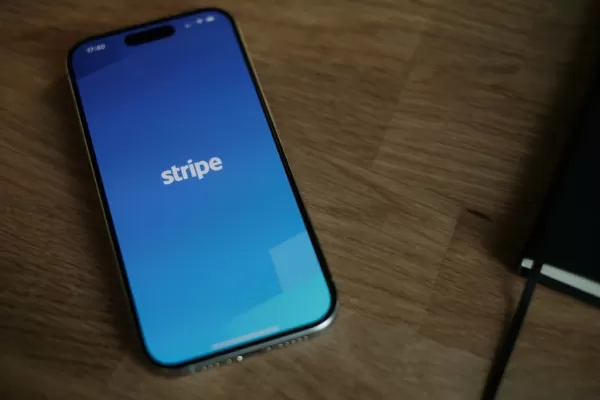 Stripe to Acquire OpenRouter as AI Model Routing Gains Momentum
Stripe has agreed to acquire OpenRouter, an AI model-routing platform that gives developers access to hundreds of models through a single interface. The deal adds model selection and routing to Stripe’s existing work around AI usage and token-based b
Stripe to Acquire OpenRouter as AI Model Routing Gains Momentum
Stripe has agreed to acquire OpenRouter, an AI model-routing platform that gives developers access to hundreds of models through a single interface. The deal adds model selection and routing to Stripe’s existing work around AI usage and token-based b
 Former OpenAI Researcher Barrett Zoph Returns to Google to Support Gemini Development
Barret Zoph, who previously abruptly left and joined OpenAI due to a disagreement with Thinking Machines Lab CEO Miriam Mularati, has once again changed employers. Alphabet's Google announced that Zoph will return as Vice President of Research, bring
Former OpenAI Researcher Barrett Zoph Returns to Google to Support Gemini Development
Barret Zoph, who previously abruptly left and joined OpenAI due to a disagreement with Thinking Machines Lab CEO Miriam Mularati, has once again changed employers. Alphabet's Google announced that Zoph will return as Vice President of Research, bring
 How Recursive Intelligence Raised $335M at $4B Valuation in 4 Months
The co-founders of startup Ricursive Intelligence seemed destined to be co-founders.Anna Goldie, CEO, and Azalia Mirhoseini, CTO, are so well-known in the AI community that they were among those AI engineers who “got those weird emails from Zuckerber
How Recursive Intelligence Raised $335M at $4B Valuation in 4 Months
The co-founders of startup Ricursive Intelligence seemed destined to be co-founders.Anna Goldie, CEO, and Azalia Mirhoseini, CTO, are so well-known in the AI community that they were among those AI engineers who “got those weird emails from Zuckerber
2026 Latest Top-rated AI Illustration Tools: Our curated list features the best powerfully designed tools for creating stunning editorial scenes and eye-catching cover art quickly. Each option has gone through rigorous real-world tests, offering a free vs paid comparison to help you find the perfect match for your workflow. Try these must-try solutions today to unlock your AI edge and boost your creative productivity. Explore now at XIX.AI.
10 tools
xix.ai

2026 Latest Top-Rated Best AI Tutors for Exam Prep are here on XIX.AI! Our curated list features powerful game-changing tools that offer free vs paid comparison, real-world tests, and weekly updated rankings. They help boost your writing efficiency, simplify complex topic learning, and unlock your academic potential. Explore now to Discover your perfect exam prep tool and Start creating today to Unlock your AI edge!
10 tools
xix.ai

2026 Latest Best Top-Rated AI Budget Planning Tools for Personal Money Management are here on XIX.AI! This curated collection features powerful, game-changing solutions that help you conduct real-world tests, understand spending habits, and create personalized plans to boost productivity. Enjoy a free vs paid comparison along with detailed rankings. Must-try tools designed to simplify money management and unlock your AI edge. Explore now!
11 tools
xix.ai
2026 Latest Best Top-Rated AI Sleep Tracking Assistants curated for ultimate recovery. This fully updated weekly guide features powerful tools that deliver real-world tests, free vs paid comparison, and detailed rankings to help you find the must-try solution that boosts sleep quality and supports better bedtime habits. Explore now at XIX.AI to Unlock your AI edge.
10 tools
xix.ai
2026 Latest Best Top-Rated AI SQL Copilots for Product and Revenue Analytics! XIX.AI has curated a powerful, game-changing collection of must-try tools that undergo real-world tests through weekly updated rankings. These tools help users boost productivity significantly by accelerating data analysis, streamlining complex queries, and generating accurate insights to drive smarter business decisions. Explore now to Discover your perfect tool for unlocking your AI edge!
14 tools
xix.ai

2026 Latest Best Top-Rated AI Homework Helpers That Teach Core Concepts Not Just Answers Powerful Tools for Students Must-Try Curated List Weekly Updated Free vs Paid Comparison Real-World Tests Accurate Rankings to Help You Unlock Your Full Learning Potential Explore now to Discover your perfect tool for smarter studying.
10 tools
xix.ai












