


 Home
HomeHow to use ChatGPT for beginners to unlock health potential in 2026?
Do you find yourself endlessly searching symptoms online, only to end up more confused than before? Artificial intelligence (AI) now offers a powerful, real-time way to get clear answers about your health. This beginner's guide will show you how to use AI, specifically ChatGPT, to better manage your well-being. From understanding symptoms to exploring treatment paths, AI can become an essential part of your health toolkit. Let's explore how!
Key Points
AI tools like ChatGPT deliver quick insights into health questions.
Remember, AI is a support tool, not a substitute for advice from qualified medical professionals.
ChatGPT can help you assess symptoms and research different treatment possibilities.
Learning to use AI effectively empowers you to make more informed health choices.
This series highlights ChatGPT for its ease of use and wide accessibility.
Introduction to AI for Health
The Power of AI in Healthcare
In our digital world, AI is reshaping many areas of life, and healthcare is a prime example. AI tools now help people make smarter, more informed decisions about their health. ChatGPT is one such platform—user-friendly and effective for getting real-time answers to health queries.
Whether you're new to AI or seeking better ways to manage your health, this guide offers practical tips and valuable insights.
AI's Role: Artificial intelligence provides a fast way to gather information, explore potential health issues, and understand concerns that might otherwise require hours of research. It delivers personalized feedback tailored to your specific situation.
Disclaimer: It's crucial to understand that while AI is a valuable aid, it cannot replace the expertise of qualified healthcare providers. Always consult your doctor for medical advice, diagnoses, and treatment plans.
Benefits: AI assists with symptom checking, researching both conventional and natural treatments, and receiving health guidance customized to your needs. As we continue, you'll learn how to use AI to enhance your healthcare journey. This tool is meant to empower you, not to replace professional medical consultation.
Why ChatGPT?
Among the many AI tools available, ChatGPT is notable for its simplicity and effectiveness. Its user-friendly design makes it a great starting point for applying AI to health management.
It's intuitively designed, so even those with minimal technical experience can use it successfully.
User-Friendly Interface: ChatGPT's interface mimics a natural conversation, letting you ask questions and get answers in an easy-to-understand format. This makes it accessible for everyone.
Effective Results: Built on advanced natural language processing, ChatGPT provides accurate, relevant information by drawing from an extensive knowledge base.
Ideal Starting Point: Its blend of simplicity and power makes ChatGPT the perfect tool to begin exploring AI in healthcare. As you grow more comfortable, you can investigate more advanced applications.
By focusing on ChatGPT, this guide gives you a solid foundation for using AI to improve your health. Next, we'll see how to apply its features to your specific health needs.
Real-Life Applications of AI for Health
Example 1: Addressing Cold Symptoms in an Elderly Parent
AI is incredibly useful for monitoring health, especially for elderly parents. Imagine your 80-year-old mother starts showing cold symptoms. Since colds can sometimes develop into bronchitis or pneumonia, staying proactive is key.
Using ChatGPT, you can enter her symptoms and instantly receive a summary of what to watch for, when to see a doctor, and natural remedies that may speed recovery. This can include a list of potentially helpful supplements.
Supplement Assessment: Once ChatGPT suggests supplements, checking their availability and suitability is the next step. The AI tool makes this process faster and more efficient.
Checking Supplement Composition: A quick photo with your smartphone sends the ingredient list to ChatGPT, which can then determine if the supplement is likely to be beneficial.
Knowing which supplements to consider helps you take a more comprehensive approach to care, blending natural remedies with possible medical treatments to protect your parent's health.
Simple Home Remedies: ChatGPT might suggest remedies like:
- Using a humidifier with eucalyptus oil.
- Drinking warm tea with ginger, lemon, and honey to ease a sore throat.
Benefits: This quick response can prevent unnecessary doctor visits and offer immediate relief, demonstrating AI's value in everyday health management.
Example 2: Improving Sleep During Menopause
Sleep problems are common for women during menopause. Hormonal changes, like dropping estrogen levels, can disrupt melatonin production, leading to night sweats and restless nights.

In these situations, AI can offer a variety of solutions.
AI's Suggestions:
Cons
ChatGPT can provide insights into the root causes of menopausal sleep issues and suggest potential remedies. These might include:
- Tart cherry juice, a natural source of melatonin.
- Ashwagandha, to reduce stress hormones and encourage deeper sleep.
- GABA, to calm the nervous system and minimize nighttime awakenings.
This proactive approach can lead to better sleep habits and a higher quality of life during menopause, showing how AI adapts to address diverse health challenges.
Getting Started with ChatGPT for Health
Step-by-Step Setup Guide
Before using AI for your health, you need to set up a ChatGPT account. Follow these steps to begin:
Step 1: Create an Account on Your Desktop: Visit OpenAI's website and follow the instructions to create an account.
The process is fast, simple, and free. You'll need a valid email address to verify your account.
Step 2: Download the ChatGPT App on Your Phone: After setting up your account, download the ChatGPT app on your phone for on-the-go access. iPhone users can get it from the App Store, and Android users from the Google Play Store.
Step 3: Watch Out for Fake Apps: Be sure to download the official ChatGPT app by looking for its recognizable logo, as counterfeit apps exist.
Now that ChatGPT is ready, let's see how to use it for everyday health questions.
Engaging with ChatGPT: Asking Your First Health Question
With the ChatGPT app installed, you're ready to start. Here's how to interact with ChatGPT for health information:
- Open ChatGPT: Launch the app on your phone or go to the website on your computer.
- Type Your Question: In the chat box, type a health-related question. This could be about a symptom, a treatment, or a supplement.
- Review the Answer: ChatGPT will generate a response based on its knowledge. Read and consider the information provided.
- Refine Your Query: If the answer isn't quite right, try rephrasing your question or adding more context for a better response. Clearer questions typically yield more accurate answers.
By following these steps, you can use ChatGPT to gain useful health insights and make more informed decisions. Get ready to manage your health in a new way with AI!
Understanding ChatGPT Pricing Options
Free vs. Paid Version
ChatGPT comes in both free and paid versions to suit different needs. Here's what each offers:
Free Version: The free version includes core features, letting you ask questions and get answers on various topics, including health. It's perfect for those new to AI who want to explore without any cost.
Paid Version: The paid version provides extra benefits like faster responses, priority access to new features, and reliable access during busy times. It's ideal for users who need more consistent, dependable service.
For beginners, the free version is recommended. This lets you test its usefulness without obligation. If you find ChatGPT essential for your health management later, you can upgrade to the paid plan for better performance and features.
Pros and Cons of Using AI for Health Management
Pros
Offers quick, convenient access to health information.
Helps assess symptoms and explore treatment options.
Provides personalized recommendations based on your health profile.
Supports preventive health measures and healthier lifestyle choices.
Cons
Not a replacement for professional medical advice.
Potential for inaccurate or biased information.
Lacks emotional understanding and empathy.
Risk of becoming overly reliant on technology.
Key Features of ChatGPT for Health Management
Symptom Checking and Information Retrieval
ChatGPT's speed in delivering relevant information makes it a valuable health management tool.
Its main strength is rapidly retrieving data and generating responses, making it a go-to resource for immediate health insights. Key features include:
Symptom Assessment: Enter symptoms to get a breakdown of potential causes and next steps.Treatment Exploration: Research both standard and alternative treatments.Medication Information: Learn about medications, their uses, and possible side effects.
Real-World Scenario: Suppose you have a persistent headache and want to know possible causes. You can input your symptoms into ChatGPT and receive a list of potential reasons, from stress and dehydration to conditions needing medical attention.
This instant access to information can offer reassurance and help you decide when to seek professional care.
AI-Powered Supplement Analysis
ChatGPT can analyze supplements to help you understand their ingredients and benefits. Key aspects include:
- Using ChatGPT's camera feature to identify supplement ingredients.
- Ensuring you get a comprehensive range of nutrients.
- Verifying correct supplement usage.
Additionally, by scanning a supplement label, you can use this advanced AI app to quickly analyze its ingredients and applications.
Practical Use Cases for ChatGPT in Healthcare
Use Case 1: Preventive Health and Lifestyle Choices
ChatGPT can promote preventive health by offering personalized lifestyle advice:
Nutrition Advice: Get healthy eating tips based on your health needs and dietary preferences.
Exercise Guidance: Receive exercise recommendations suited to your fitness level and goals.
Mental Wellness: Obtain tips for managing stress, improving sleep, and boosting overall mental well-being.

For example, if you want to adopt a healthier lifestyle, ask ChatGPT for a sample meal plan tailored to your dietary limits and fitness objectives. It can provide a detailed plan with nutritional info and cooking suggestions.
Use Case 2: Exploring Complementary and Alternative Medicine (CAM)
Many people are curious about complementary and alternative medicine (CAM) but don't know where to begin. ChatGPT can inform you about various CAM therapies, such as:
Herbal Remedies: Learn the uses and benefits of different herbs for various health conditions.
Acupuncture: Understand how acupuncture works and its potential benefits for pain relief and other issues.
Mindfulness and Meditation: Discover techniques for mindfulness and meditation to reduce stress and enhance mental clarity.
For instance, if you're interested in herbal remedies for anxiety, ask ChatGPT about the potential benefits and risks of herbs like chamomile, lavender, and valerian. It can provide details on uses, dosages, and possible medication interactions. Always follow up with your doctor to ensure it's safe for you.
Frequently Asked Questions About Using AI for Health
Is AI health advice a replacement for professional medical advice?
No, AI does not replace professional medical advice. While it offers valuable insights, never use it for self-diagnosis or treatment decisions without consulting a qualified healthcare provider. Always seek your doctor's advice for medical diagnoses and treatments.
Can I trust the health information provided by ChatGPT?
ChatGPT is trained on extensive data, but it's important to verify the information it gives. Cross-check with reliable sources like medical websites, peer-reviewed studies, and healthcare professionals. In the next video, I'll show you how to fact-check AI health advice.
Is it safe to share my personal health information with AI tools like ChatGPT?
Make sure any AI tools you use have strong security measures to protect your data. Review the tool's privacy policy and terms of service before sharing personal health information. Also, try the free version before making any commitment.
Can AI health tools be used to manage chronic conditions?
AI tools can help manage chronic conditions by providing information on treatments, lifestyle tips, and medication management. However, they should always be used alongside guidance from a healthcare professional. Never use AI as a primary treatment or make decisions without professional input.
What are the limitations of using AI for health?
Limitations include potential inaccuracies or biases, a lack of emotional intelligence and empathy, and the risk of over-dependence on technology. To mitigate this risk, always involve a medical professional.
Related Questions
How can I fact-check information provided by AI tools like ChatGPT?
Fact-checking AI-generated content is vital to ensure accuracy and avoid misinformation. Here's how to do it effectively:Cross-Reference with Trusted Sources: Compare ChatGPT's information with reputable medical websites, peer-reviewed studies, and healthcare professionals.Look for
Cons
istent Recommendations: See if multiple sources give the same advice. Consistency across sources improves reliability.Be Wary of Absolute Claims: Be skeptical of claims that seem too good to be true or promise guaranteed results. Healthcare advice should be backed by scientific evidence.
Cons
ult a Healthcare Professional: Always discuss AI-provided information with your doctor or another healthcare provider. They can offer guidance based on your specific health needs.
What other AI tools can I use for health management?
While this guide focuses on ChatGPT, many other AI tools can assist with health management:AI-Powered Fitness Apps: These apps use AI to track your workouts, create personalized exercise plans, and give real-time feedback on your technique. Many also offer personalized dietary advice to maximize your training results.AI-Driven Mental Health Apps: These apps use AI to provide virtual therapy, mindfulness exercises, and emotional support. Many are designed to aid in self-treatment.
Related article
 Stripe to Acquire OpenRouter as AI Model Routing Gains Momentum
Stripe has agreed to acquire OpenRouter, an AI model-routing platform that gives developers access to hundreds of models through a single interface. The deal adds model selection and routing to Stripe’s existing work around AI usage and token-based b
Former OpenAI Researcher Barrett Zoph Returns to Google to Support Gemini Development
Barret Zoph, who previously abruptly left and joined OpenAI due to a disagreement with Thinking Machines Lab CEO Miriam Mularati, has once again changed employers. Alphabet's Google announced that Zoph will return as Vice President of Research, bring
How Recursive Intelligence Raised $335M at $4B Valuation in 4 Months
The co-founders of startup Ricursive Intelligence seemed destined to be co-founders.Anna Goldie, CEO, and Azalia Mirhoseini, CTO, are so well-known in the AI community that they were among those AI engineers who “got those weird emails from Zuckerber
Related Special Topic Recommendations
Design & Art
Stripe to Acquire OpenRouter as AI Model Routing Gains Momentum
Stripe has agreed to acquire OpenRouter, an AI model-routing platform that gives developers access to hundreds of models through a single interface. The deal adds model selection and routing to Stripe’s existing work around AI usage and token-based b
Former OpenAI Researcher Barrett Zoph Returns to Google to Support Gemini Development
Barret Zoph, who previously abruptly left and joined OpenAI due to a disagreement with Thinking Machines Lab CEO Miriam Mularati, has once again changed employers. Alphabet's Google announced that Zoph will return as Vice President of Research, bring
How Recursive Intelligence Raised $335M at $4B Valuation in 4 Months
The co-founders of startup Ricursive Intelligence seemed destined to be co-founders.Anna Goldie, CEO, and Azalia Mirhoseini, CTO, are so well-known in the AI community that they were among those AI engineers who “got those weird emails from Zuckerber
Related Special Topic Recommendations
Design & Art
 Top AI Illustration Tools: Create Editorial Scenes and Cover Art Faster
2026 Latest Top-rated AI Illustration Tools: Our curated list features the best powerfully designed tools for creating stunning editorial scenes and eye-catching cover art quickly. Each option has gone through rigorous real-world tests, offering a free vs paid comparison to help you find the perfect match for your workflow. Try these must-try solutions today to unlock your AI edge and boost your creative productivity. Explore now at XIX.AI.
 10 tools
 xix.ai
Education and Learning
Top AI Tutors for Exam Prep: Practice Math, Science, and English
xix.ai
Education and Learning
Top AI Tutors for Exam Prep: Practice Math, Science, and English
2026 Latest Top-Rated Best AI Tutors for Exam Prep are here on XIX.AI! Our curated list features powerful game-changing tools that offer free vs paid comparison, real-world tests, and weekly updated rankings. They help boost your writing efficiency, simplify complex topic learning, and unlock your academic potential. Explore now to Discover your perfect exam prep tool and Start creating today to Unlock your AI edge!
10 tools
xix.ai
Finance
AI Budget Planning Tools for Personal Money Management
2026 Latest Best Top-Rated AI Budget Planning Tools for Personal Money Management are here on XIX.AI! This curated collection features powerful, game-changing solutions that help you conduct real-world tests, understand spending habits, and create personalized plans to boost productivity. Enjoy a free vs paid comparison along with detailed rankings. Must-try tools designed to simplify money management and unlock your AI edge. Explore now!
11 tools
xix.ai
Health & Wellness
AI Sleep Tracking Assistants: Improve Recovery with Better Bedtime Habits
2026 Latest Best Top-Rated AI Sleep Tracking Assistants curated for ultimate recovery. This fully updated weekly guide features powerful tools that deliver real-world tests, free vs paid comparison, and detailed rankings to help you find the must-try solution that boosts sleep quality and supports better bedtime habits. Explore now at XIX.AI to Unlock your AI edge.
10 tools
xix.ai
Data Analysis
AI SQL Copilots for Product and Revenue Analytics
2026 Latest Best Top-Rated AI SQL Copilots for Product and Revenue Analytics! XIX.AI has curated a powerful, game-changing collection of must-try tools that undergo real-world tests through weekly updated rankings. These tools help users boost productivity significantly by accelerating data analysis, streamlining complex queries, and generating accurate insights to drive smarter business decisions. Explore now to Discover your perfect tool for unlocking your AI edge!
14 tools
xix.ai
Education and Learning
Best AI Homework Helpers That Teach: Learn Concepts, Not Just Answers
2026 Latest Best Top-Rated AI Homework Helpers That Teach Core Concepts Not Just Answers Powerful Tools for Students Must-Try Curated List Weekly Updated Free vs Paid Comparison Real-World Tests Accurate Rankings to Help You Unlock Your Full Learning Potential Explore now to Discover your perfect tool for smarter studying.
10 tools
xix.ai

 Comments (2)
0/500
Comments (2)
0/500
![MichaelThomas]()
Finally, someone explains ChatGPT for health without the jargon! 🤖 As a beginner, I was drowning in WebMD rabbit holes, so this 2026 guide is a lifesaver. Can it actually distinguish between a cold and something serious? Excited to try it out! 🏥✨
![GaryThomas]()
Honestly, I've been using ChatGPT for random stuff, but never thought about consulting it for health symptoms 🤔. Kinda scary and cool at the same time – what if it misdiagnoses me? Still, this guide makes me wanna try asking about that weird pain in my knee. Let's see if AI is better than WebMD's list of worst-case scenarios 😂
Do you find yourself endlessly searching symptoms online, only to end up more confused than before? Artificial intelligence (AI) now offers a powerful, real-time way to get clear answers about your health. This beginner's guide will show you how to use AI, specifically ChatGPT, to better manage your well-being. From understanding symptoms to exploring treatment paths, AI can become an essential part of your health toolkit. Let's explore how!
Key Points
AI tools like ChatGPT deliver quick insights into health questions.
Remember, AI is a support tool, not a substitute for advice from qualified medical professionals.
ChatGPT can help you assess symptoms and research different treatment possibilities.
Learning to use AI effectively empowers you to make more informed health choices.
This series highlights ChatGPT for its ease of use and wide accessibility.
Introduction to AI for Health
The Power of AI in Healthcare
In our digital world, AI is reshaping many areas of life, and healthcare is a prime example. AI tools now help people make smarter, more informed decisions about their health. ChatGPT is one such platform—user-friendly and effective for getting real-time answers to health queries.
Whether you're new to AI or seeking better ways to manage your health, this guide offers practical tips and valuable insights.
AI's Role: Artificial intelligence provides a fast way to gather information, explore potential health issues, and understand concerns that might otherwise require hours of research. It delivers personalized feedback tailored to your specific situation.
Disclaimer: It's crucial to understand that while AI is a valuable aid, it cannot replace the expertise of qualified healthcare providers. Always consult your doctor for medical advice, diagnoses, and treatment plans.
Benefits: AI assists with symptom checking, researching both conventional and natural treatments, and receiving health guidance customized to your needs. As we continue, you'll learn how to use AI to enhance your healthcare journey. This tool is meant to empower you, not to replace professional medical consultation.
Why ChatGPT?
Among the many AI tools available, ChatGPT is notable for its simplicity and effectiveness. Its user-friendly design makes it a great starting point for applying AI to health management.
It's intuitively designed, so even those with minimal technical experience can use it successfully.
User-Friendly Interface: ChatGPT's interface mimics a natural conversation, letting you ask questions and get answers in an easy-to-understand format. This makes it accessible for everyone.
Effective Results: Built on advanced natural language processing, ChatGPT provides accurate, relevant information by drawing from an extensive knowledge base.
Ideal Starting Point: Its blend of simplicity and power makes ChatGPT the perfect tool to begin exploring AI in healthcare. As you grow more comfortable, you can investigate more advanced applications.
By focusing on ChatGPT, this guide gives you a solid foundation for using AI to improve your health. Next, we'll see how to apply its features to your specific health needs.
Real-Life Applications of AI for Health
Example 1: Addressing Cold Symptoms in an Elderly Parent
AI is incredibly useful for monitoring health, especially for elderly parents. Imagine your 80-year-old mother starts showing cold symptoms. Since colds can sometimes develop into bronchitis or pneumonia, staying proactive is key.
Using ChatGPT, you can enter her symptoms and instantly receive a summary of what to watch for, when to see a doctor, and natural remedies that may speed recovery. This can include a list of potentially helpful supplements.
Supplement Assessment: Once ChatGPT suggests supplements, checking their availability and suitability is the next step. The AI tool makes this process faster and more efficient.
Checking Supplement Composition: A quick photo with your smartphone sends the ingredient list to ChatGPT, which can then determine if the supplement is likely to be beneficial.
Knowing which supplements to consider helps you take a more comprehensive approach to care, blending natural remedies with possible medical treatments to protect your parent's health.
Simple Home Remedies: ChatGPT might suggest remedies like:
- Using a humidifier with eucalyptus oil.
- Drinking warm tea with ginger, lemon, and honey to ease a sore throat.
Benefits: This quick response can prevent unnecessary doctor visits and offer immediate relief, demonstrating AI's value in everyday health management.
Example 2: Improving Sleep During Menopause
Sleep problems are common for women during menopause. Hormonal changes, like dropping estrogen levels, can disrupt melatonin production, leading to night sweats and restless nights.
In these situations, AI can offer a variety of solutions.
AI's Suggestions:
Cons
ChatGPT can provide insights into the root causes of menopausal sleep issues and suggest potential remedies. These might include:
- Tart cherry juice, a natural source of melatonin.
- Ashwagandha, to reduce stress hormones and encourage deeper sleep.
- GABA, to calm the nervous system and minimize nighttime awakenings.
This proactive approach can lead to better sleep habits and a higher quality of life during menopause, showing how AI adapts to address diverse health challenges.
Getting Started with ChatGPT for Health
Step-by-Step Setup Guide
Before using AI for your health, you need to set up a ChatGPT account. Follow these steps to begin:
Step 1: Create an Account on Your Desktop: Visit OpenAI's website and follow the instructions to create an account.
The process is fast, simple, and free. You'll need a valid email address to verify your account.
Step 2: Download the ChatGPT App on Your Phone: After setting up your account, download the ChatGPT app on your phone for on-the-go access. iPhone users can get it from the App Store, and Android users from the Google Play Store.
Step 3: Watch Out for Fake Apps: Be sure to download the official ChatGPT app by looking for its recognizable logo, as counterfeit apps exist.
Now that ChatGPT is ready, let's see how to use it for everyday health questions.
Engaging with ChatGPT: Asking Your First Health Question
With the ChatGPT app installed, you're ready to start. Here's how to interact with ChatGPT for health information:
- Open ChatGPT: Launch the app on your phone or go to the website on your computer.
- Type Your Question: In the chat box, type a health-related question. This could be about a symptom, a treatment, or a supplement.
- Review the Answer: ChatGPT will generate a response based on its knowledge. Read and consider the information provided.
- Refine Your Query: If the answer isn't quite right, try rephrasing your question or adding more context for a better response. Clearer questions typically yield more accurate answers.
By following these steps, you can use ChatGPT to gain useful health insights and make more informed decisions. Get ready to manage your health in a new way with AI!
Understanding ChatGPT Pricing Options
Free vs. Paid Version
ChatGPT comes in both free and paid versions to suit different needs. Here's what each offers:
Free Version: The free version includes core features, letting you ask questions and get answers on various topics, including health. It's perfect for those new to AI who want to explore without any cost.
Paid Version: The paid version provides extra benefits like faster responses, priority access to new features, and reliable access during busy times. It's ideal for users who need more consistent, dependable service.
For beginners, the free version is recommended. This lets you test its usefulness without obligation. If you find ChatGPT essential for your health management later, you can upgrade to the paid plan for better performance and features.
Pros and Cons of Using AI for Health Management
Pros
Offers quick, convenient access to health information.
Helps assess symptoms and explore treatment options.
Provides personalized recommendations based on your health profile.
Supports preventive health measures and healthier lifestyle choices.
Cons
Not a replacement for professional medical advice.
Potential for inaccurate or biased information.
Lacks emotional understanding and empathy.
Risk of becoming overly reliant on technology.
Key Features of ChatGPT for Health Management
Symptom Checking and Information Retrieval
ChatGPT's speed in delivering relevant information makes it a valuable health management tool.
Its main strength is rapidly retrieving data and generating responses, making it a go-to resource for immediate health insights. Key features include:
Symptom Assessment: Enter symptoms to get a breakdown of potential causes and next steps.Treatment Exploration: Research both standard and alternative treatments.Medication Information: Learn about medications, their uses, and possible side effects.
Real-World Scenario: Suppose you have a persistent headache and want to know possible causes. You can input your symptoms into ChatGPT and receive a list of potential reasons, from stress and dehydration to conditions needing medical attention.
This instant access to information can offer reassurance and help you decide when to seek professional care.
AI-Powered Supplement Analysis
ChatGPT can analyze supplements to help you understand their ingredients and benefits. Key aspects include:
- Using ChatGPT's camera feature to identify supplement ingredients.
- Ensuring you get a comprehensive range of nutrients.
- Verifying correct supplement usage.
Additionally, by scanning a supplement label, you can use this advanced AI app to quickly analyze its ingredients and applications.
Practical Use Cases for ChatGPT in Healthcare
Use Case 1: Preventive Health and Lifestyle Choices
ChatGPT can promote preventive health by offering personalized lifestyle advice:
Nutrition Advice: Get healthy eating tips based on your health needs and dietary preferences.
Exercise Guidance: Receive exercise recommendations suited to your fitness level and goals.
Mental Wellness: Obtain tips for managing stress, improving sleep, and boosting overall mental well-being.
For example, if you want to adopt a healthier lifestyle, ask ChatGPT for a sample meal plan tailored to your dietary limits and fitness objectives. It can provide a detailed plan with nutritional info and cooking suggestions.
Use Case 2: Exploring Complementary and Alternative Medicine (CAM)
Many people are curious about complementary and alternative medicine (CAM) but don't know where to begin. ChatGPT can inform you about various CAM therapies, such as:
Herbal Remedies: Learn the uses and benefits of different herbs for various health conditions.
Acupuncture: Understand how acupuncture works and its potential benefits for pain relief and other issues.
Mindfulness and Meditation: Discover techniques for mindfulness and meditation to reduce stress and enhance mental clarity.
For instance, if you're interested in herbal remedies for anxiety, ask ChatGPT about the potential benefits and risks of herbs like chamomile, lavender, and valerian. It can provide details on uses, dosages, and possible medication interactions. Always follow up with your doctor to ensure it's safe for you.
Frequently Asked Questions About Using AI for Health
Is AI health advice a replacement for professional medical advice?
No, AI does not replace professional medical advice. While it offers valuable insights, never use it for self-diagnosis or treatment decisions without consulting a qualified healthcare provider. Always seek your doctor's advice for medical diagnoses and treatments.
Can I trust the health information provided by ChatGPT?
ChatGPT is trained on extensive data, but it's important to verify the information it gives. Cross-check with reliable sources like medical websites, peer-reviewed studies, and healthcare professionals. In the next video, I'll show you how to fact-check AI health advice.
Is it safe to share my personal health information with AI tools like ChatGPT?
Make sure any AI tools you use have strong security measures to protect your data. Review the tool's privacy policy and terms of service before sharing personal health information. Also, try the free version before making any commitment.
Can AI health tools be used to manage chronic conditions?
AI tools can help manage chronic conditions by providing information on treatments, lifestyle tips, and medication management. However, they should always be used alongside guidance from a healthcare professional. Never use AI as a primary treatment or make decisions without professional input.
What are the limitations of using AI for health?
Limitations include potential inaccuracies or biases, a lack of emotional intelligence and empathy, and the risk of over-dependence on technology. To mitigate this risk, always involve a medical professional.
Related Questions
How can I fact-check information provided by AI tools like ChatGPT?
Fact-checking AI-generated content is vital to ensure accuracy and avoid misinformation. Here's how to do it effectively:Cross-Reference with Trusted Sources: Compare ChatGPT's information with reputable medical websites, peer-reviewed studies, and healthcare professionals.Look for
Cons
istent Recommendations: See if multiple sources give the same advice. Consistency across sources improves reliability.Be Wary of Absolute Claims: Be skeptical of claims that seem too good to be true or promise guaranteed results. Healthcare advice should be backed by scientific evidence.
Cons
ult a Healthcare Professional: Always discuss AI-provided information with your doctor or another healthcare provider. They can offer guidance based on your specific health needs.
What other AI tools can I use for health management?
While this guide focuses on ChatGPT, many other AI tools can assist with health management:AI-Powered Fitness Apps: These apps use AI to track your workouts, create personalized exercise plans, and give real-time feedback on your technique. Many also offer personalized dietary advice to maximize your training results.AI-Driven Mental Health Apps: These apps use AI to provide virtual therapy, mindfulness exercises, and emotional support. Many are designed to aid in self-treatment.








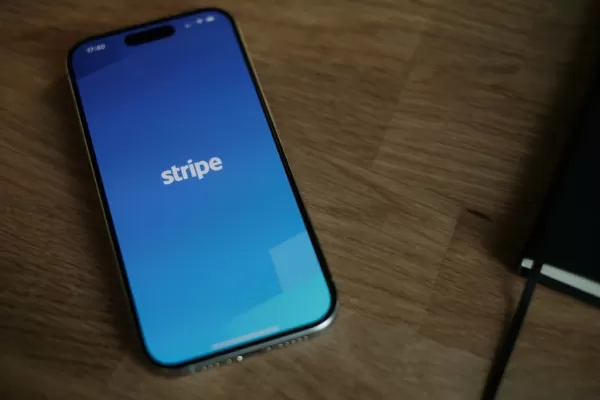 Stripe to Acquire OpenRouter as AI Model Routing Gains Momentum
Stripe has agreed to acquire OpenRouter, an AI model-routing platform that gives developers access to hundreds of models through a single interface. The deal adds model selection and routing to Stripe’s existing work around AI usage and token-based b
Stripe to Acquire OpenRouter as AI Model Routing Gains Momentum
Stripe has agreed to acquire OpenRouter, an AI model-routing platform that gives developers access to hundreds of models through a single interface. The deal adds model selection and routing to Stripe’s existing work around AI usage and token-based b
 Former OpenAI Researcher Barrett Zoph Returns to Google to Support Gemini Development
Barret Zoph, who previously abruptly left and joined OpenAI due to a disagreement with Thinking Machines Lab CEO Miriam Mularati, has once again changed employers. Alphabet's Google announced that Zoph will return as Vice President of Research, bring
Former OpenAI Researcher Barrett Zoph Returns to Google to Support Gemini Development
Barret Zoph, who previously abruptly left and joined OpenAI due to a disagreement with Thinking Machines Lab CEO Miriam Mularati, has once again changed employers. Alphabet's Google announced that Zoph will return as Vice President of Research, bring
 How Recursive Intelligence Raised $335M at $4B Valuation in 4 Months
The co-founders of startup Ricursive Intelligence seemed destined to be co-founders.Anna Goldie, CEO, and Azalia Mirhoseini, CTO, are so well-known in the AI community that they were among those AI engineers who “got those weird emails from Zuckerber
How Recursive Intelligence Raised $335M at $4B Valuation in 4 Months
The co-founders of startup Ricursive Intelligence seemed destined to be co-founders.Anna Goldie, CEO, and Azalia Mirhoseini, CTO, are so well-known in the AI community that they were among those AI engineers who “got those weird emails from Zuckerber

2026 Latest Top-rated AI Illustration Tools: Our curated list features the best powerfully designed tools for creating stunning editorial scenes and eye-catching cover art quickly. Each option has gone through rigorous real-world tests, offering a free vs paid comparison to help you find the perfect match for your workflow. Try these must-try solutions today to unlock your AI edge and boost your creative productivity. Explore now at XIX.AI.
10 tools
xix.ai

2026 Latest Top-Rated Best AI Tutors for Exam Prep are here on XIX.AI! Our curated list features powerful game-changing tools that offer free vs paid comparison, real-world tests, and weekly updated rankings. They help boost your writing efficiency, simplify complex topic learning, and unlock your academic potential. Explore now to Discover your perfect exam prep tool and Start creating today to Unlock your AI edge!
10 tools
xix.ai

2026 Latest Best Top-Rated AI Budget Planning Tools for Personal Money Management are here on XIX.AI! This curated collection features powerful, game-changing solutions that help you conduct real-world tests, understand spending habits, and create personalized plans to boost productivity. Enjoy a free vs paid comparison along with detailed rankings. Must-try tools designed to simplify money management and unlock your AI edge. Explore now!
11 tools
xix.ai

2026 Latest Best Top-Rated AI Sleep Tracking Assistants curated for ultimate recovery. This fully updated weekly guide features powerful tools that deliver real-world tests, free vs paid comparison, and detailed rankings to help you find the must-try solution that boosts sleep quality and supports better bedtime habits. Explore now at XIX.AI to Unlock your AI edge.
10 tools
xix.ai

2026 Latest Best Top-Rated AI SQL Copilots for Product and Revenue Analytics! XIX.AI has curated a powerful, game-changing collection of must-try tools that undergo real-world tests through weekly updated rankings. These tools help users boost productivity significantly by accelerating data analysis, streamlining complex queries, and generating accurate insights to drive smarter business decisions. Explore now to Discover your perfect tool for unlocking your AI edge!
14 tools
xix.ai

2026 Latest Best Top-Rated AI Homework Helpers That Teach Core Concepts Not Just Answers Powerful Tools for Students Must-Try Curated List Weekly Updated Free vs Paid Comparison Real-World Tests Accurate Rankings to Help You Unlock Your Full Learning Potential Explore now to Discover your perfect tool for smarter studying.
10 tools
xix.ai

Finally, someone explains ChatGPT for health without the jargon! 🤖 As a beginner, I was drowning in WebMD rabbit holes, so this 2026 guide is a lifesaver. Can it actually distinguish between a cold and something serious? Excited to try it out! 🏥✨
Honestly, I've been using ChatGPT for random stuff, but never thought about consulting it for health symptoms 🤔. Kinda scary and cool at the same time – what if it misdiagnoses me? Still, this guide makes me wanna try asking about that weird pain in my knee. Let's see if AI is better than WebMD's list of worst-case scenarios 😂












