


 Home
HomeAI Art Accusations Stir Controversy in the Art Community
The digital art landscape is in a constant state of flux, introducing novel tools, techniques, and ethical challenges. A particularly contentious debate revolves around the use of AI in artistic creation. Recently, a prominent artist known as yeurei was thrust into the center of such a storm. Allegations of selling AI-generated artwork ignited intense community-wide debate and examination. This article explores the specifics of this controversy, delving into the accusations, the artist's rebuttal, and the wider ramifications for both creators and consumers. Grasping the subtleties of AI's function in art, and the ethical standards digital creators should adhere to, is crucial for artists and enthusiasts alike. We will investigate the details of the incident and assess its significance for the future of digital art and creative integrity.
Key Points
The artist yeurei was initially accused of selling AI-generated artwork.
These accusations prompted a broad community dialogue on the role of AI in art.
Critics contended that the artist's style bore a strong resemblance to AI-generated imagery.
Subsequent inquiry suggested the artist may have engaged in tracing existing artwork.
The controversy brings ethical questions about artistic integrity and originality to the forefront.
The artist refuted the AI art claims but acknowledged the tracing concerns.
This incident underscores the increasing difficulty in differentiating between human-made and AI-generated art.
Unpacking the AI Art Accusations
What is the AI Art Controversy Surrounding Yeurei?
The digital art community was recently rocked by controversy when yeurei, an artist with a considerable online following, faced claims of selling art produced by artificial intelligence. These allegations stemmed from widespread unease within the art world regarding the authenticity and originality of yeurei's portfolio.
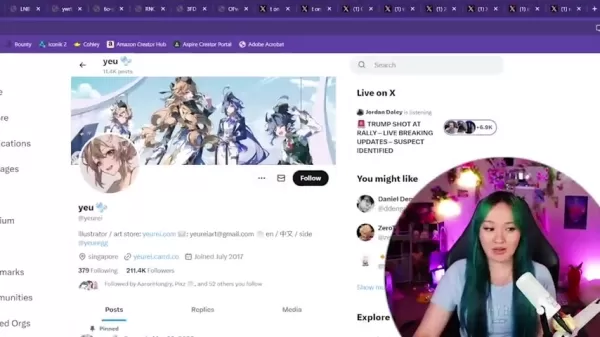
Many observers noted distinct similarities between yeurei's artistic style and the output of various AI art generators. Given the ongoing discourse about the ethical use of AI in art and its potential to displace human artists, these accusations were treated with utmost seriousness. The situation highlights the art world's deep-seated concerns about AI-generated content, where genuine expression and personal touch are paramount. The claims quickly spread across social media, fueling waves of discussion and critical analysis. Followers and peers meticulously examined yeurei's techniques and overall portfolio aesthetic, leading to extensive speculation. Due to yeurei's established reputation, the allegations carried substantial weight and provoked strong emotional responses. The artist's subsequent defense and the resulting fallout have profoundly impacted their career and the community's perception of digital art practices.
The Evidence and Community Response
The case against yeurei was built on visual parallels drawn between their artwork and images created by AI programs like Midjourney and DALL-E. Detractors pointed to consistent stylistic elements, such as specific rendering methods and compositional choices, that appeared to align remarkably with typical AI outputs.
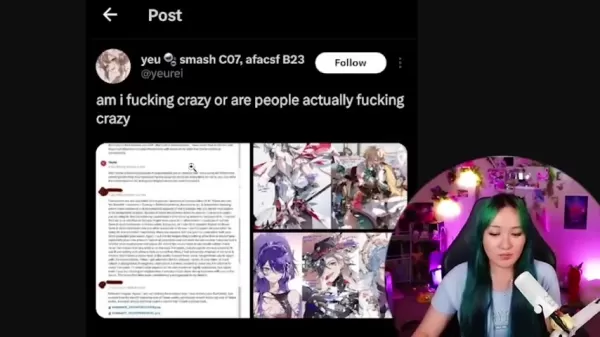
This led many to conclude that yeurei was either directly employing AI in the creative process or relying on it heavily for inspiration and modification. The community's reaction was deeply polarized. Some voiced outrage and a sense of betrayal, accusing the artist of misrepresenting their work and potentially deceiving customers. Others came to yeurei's defense, arguing that stylistic convergence does not automatically imply AI use. This group also stressed the importance of a fair investigation and warned against forming conclusions without definitive proof. Social media platforms became arenas for these clashing perspectives. Artists and aficionados debated the validity of AI in art and the contemporary standards for originality. The dispute laid bare significant rifts within the community over technology's integration into creative workflows. These arguments reflect the larger struggle to define art, originality, and technology's influence on creative expression. It also exposed an urgent need for clear ethical guidelines governing the use of AI in art.
Tracing Allegations Surface
Just as the initial uproar over AI art began to settle, a new, more complex layer of accusation emerged. As the scrutiny intensified, claims surfaced that yeurei had engaged in tracing. Tracing involves using a pre-existing image as a direct underlay for a new piece, frequently without crediting the original creator. This practice is widely condemned in the art community as it compromises core principles of originality and creativity. The tracing allegations against yeurei were based on side-by-side comparisons of their work with illustrations from other artists. Critics identified near-identical line work, composition, and character designs, suggesting yeurei had traced or copied elements from these source materials. This new development amplified the scrutiny and forced a re-examination of yeurei's entire body of work. The tracing claims held serious consequences, as they directly challenged the fundamental integrity and authenticity of yeurei's creations. Unlike the murkier ethical territory of AI use, tracing is almost universally considered an unethical breach. The emergence of these allegations sparked even more extensive discourse and analysis. Many artists and followers expressed profound disappointment and demanded greater transparency and accountability. It raised fundamental questions about the benchmarks for creativity and originality in the digital art sphere.
The Artist's Response and Defense
Addressing the Accusations
Confronted with the escalating situation, yeurei released a statement addressing both the AI art and tracing allegations. While firmly denying the use of AI to generate art, yeurei conceded that they might have unintentionally traced elements from other artists' pieces. Yeurei attributed these instances to the common practice of using reference images and stated they were unaware of the close parallels between their work and the originals. The artist expressed regret for any unintended infringement and promised increased diligence in the future to guarantee the originality of their art. Yeurei's response received a mixed reception. Some community members valued the artist's candor and their effort to confront the issues. Others remained unconvinced, pointing to the sheer extent of the similarities as evidence of deliberate action. Many felt the explanation was lacking in specific detail and a full sense of responsibility. The artist's statement also ignited further conversation about the appropriate application of reference images and the fine line between inspiration and imitation. These discussions reinforced the necessity for clear community guidelines and best practices to ensure artists respect intellectual property and uphold strong ethical standards. It highlighted the intricate relationship between inspiration, reference, and true originality in the creative process.
The Impact on Yeurei's Career
The controversy has left a significant mark on yeurei's professional trajectory and public standing. In the wake of the accusations, the artist suffered a notable decline in followers and clientele. Numerous fans, concerned about the authenticity and integrity of the work, voiced their disappointment and withdrew their support. The allegations also impaired yeurei's capacity to secure new commissions and collaborative projects. The incident triggered a reassessment of yeurei's prior work and led to a general devaluation of their art in the marketplace. This serves as a stark reminder of the critical importance of transparency, originality, and ethical behavior in digital art. It illustrates the potential repercussions of failing to maintain these values, affecting both individual artists and the community at large. The fallout has also prompted closer inspection of other artists and their methodologies. Many in the community are now more alert to the origins and influences behind digital artworks. This heightened vigilance could foster greater accountability and openness across the art world.
Ethical Considerations for Digital Artists
Best Practices for Avoiding AI Art Accusations
In light of growing apprehensions about AI in art, digital creators should adopt clear best practices to ensure transparency and prevent allegations of using AI-generated content. First and foremost, artists should explicitly disclose if AI tools played any role in their creative workflow. Honesty is fundamental for cultivating trust with an audience and clients. Secondly, artists should refrain from over-dependence on AI-generated images as a primary inspirational source. Originality and creativity are highly prized in art, and excessive reliance on AI can erode these qualities. Thirdly, cultivating a unique personal style and technique helps distinguish an artist's work from generic AI outputs. A distinct creative identity can effectively demonstrate that the art is a genuine product of human imagination. Finally, artists must be acutely aware of copyright and intellectual property laws. Utilizing AI-generated images that infringe on existing copyrights can result in legal complications and reputational harm. Embracing these practices assists artists in navigating the complex ethical terrain of AI in art while upholding professional standards.
Proper Use of Reference Images and Tracing
Reference images are a valuable asset for artists, but they must be used responsibly and ethically. When employing references, artists should always credit the original source. Proper attribution respects the intellectual property of the original creator and shows professional courtesy. If tracing elements from a reference, it should be done sparingly, and the traced components must be significantly transformed to contribute to a unique and original composition. Merely duplicating an existing image without adding substantial new creative value is widely deemed unethical and unprofessional. Artists should also seek explicit permission from the original artist before tracing or using their work as a direct reference. Obtaining consent demonstrates respect for intellectual property and minimizes legal risks. Ultimately, artists should aspire to produce original compositions and designs. Over-reliance on references can inhibit creativity and invite accusations of plagiarism. Adhering to these guidelines enables artists to use reference materials ethically, thereby preserving their artistic integrity and showing respect for the creative community.
AI Art Generators: Weighing the Benefits and Drawbacks
Pros
AI art generators can make art creation more accessible, allowing people without formal training to express themselves visually.
AI tools can accelerate the creative process, enabling artists to rapidly generate variations and explore new conceptual territories.
AI can handle repetitive or time-intensive tasks, such as generating complex backgrounds or detailing, allowing artists to concentrate on core creative decisions.
AI art generators can act as a powerful source of inspiration, offering artists new stylistic avenues, compositional ideas, and techniques to incorporate.
Cons
AI-generated art prompts ethical dilemmas concerning originality, copyright, and the possible economic impact on human artists.
AI tools can often produce derivative works that lack the emotional resonance, personal narrative, and unique worldview inherent in human-made art.
Over-dependence on AI may stifle creative growth and impede the development of foundational artistic skills.
The use of AI in art can result in allegations of plagiarism and harm an artist's reputation if not implemented with transparency and ethical consideration.
Frequently Asked Questions (FAQ)
What is AI art?
AI art describes artwork produced using artificial intelligence algorithms. These algorithms are capable of generating original images, altering pre-existing ones, or emulating the styles of renowned artists. Its use has fueled considerable debate, primarily focused on the ethical implications and the potential for reducing opportunities for human artists.
Why is tracing considered unethical in the art world?
Tracing is considered unethical because it typically involves appropriating another artist's work without proper credit or authorization. This violates the core principles of originality and creativity that the art community holds dear. Tracing can lead to copyright infringement and severely damage an artist's credibility.
What are the legal implications of using AI-generated images in commercial art?
The legal ramifications of using AI-generated images commercially are intricate and vary based on the specific AI model, its training data sources, and applicable copyright laws. Artists are advised to seek legal expertise to ensure compliance and avoid infringing on existing copyrights.
Related Questions
How can artists protect themselves from AI art accusations?
Artists can safeguard themselves from AI art allegations by maintaining transparency about their creative methods and thoroughly documenting their process. Sharing preliminary sketches, work-in-progress (WIP) images, and detailing the specific tools and techniques used can effectively demonstrate the human creativity behind their work. Developing a signature style and artistic identity further helps to set their work apart from AI-generated content. When using reference images, artists must consistently credit the original creator and ensure their use of the reference is transformative, resulting in a new, original piece. Proper attribution and transformative use are key to upholding ethical standards and preventing plagiarism claims. Furthermore, staying informed about the latest trends and ethical discussions surrounding AI in art is crucial. Keeping abreast of best practices and actively participating in community dialogues helps artists navigate this complex ethical landscape. It is a way to make a meaningful contribution to the art world and maintain a commitment to genuine creativity.
Related article
 Former OpenAI Researcher Barrett Zoph Returns to Google to Support Gemini Development
Barret Zoph, who previously abruptly left and joined OpenAI due to a disagreement with Thinking Machines Lab CEO Miriam Mularati, has once again changed employers. Alphabet's Google announced that Zoph will return as Vice President of Research, bring
How Recursive Intelligence Raised $335M at $4B Valuation in 4 Months
The co-founders of startup Ricursive Intelligence seemed destined to be co-founders.Anna Goldie, CEO, and Azalia Mirhoseini, CTO, are so well-known in the AI community that they were among those AI engineers who “got those weird emails from Zuckerber
AI race won’t wait, nor will this TechCrunch Disrupt 25% discount
Every founder building in AI right now is asking the same question: Are we moving fast enough, and effectively enough? TechCrunch Disrupt 2026 puts you in the same room as the people wrestling with that existential question at the highest levels. Fro
Related Special Topic Recommendations
Design & Art
Former OpenAI Researcher Barrett Zoph Returns to Google to Support Gemini Development
Barret Zoph, who previously abruptly left and joined OpenAI due to a disagreement with Thinking Machines Lab CEO Miriam Mularati, has once again changed employers. Alphabet's Google announced that Zoph will return as Vice President of Research, bring
How Recursive Intelligence Raised $335M at $4B Valuation in 4 Months
The co-founders of startup Ricursive Intelligence seemed destined to be co-founders.Anna Goldie, CEO, and Azalia Mirhoseini, CTO, are so well-known in the AI community that they were among those AI engineers who “got those weird emails from Zuckerber
AI race won’t wait, nor will this TechCrunch Disrupt 25% discount
Every founder building in AI right now is asking the same question: Are we moving fast enough, and effectively enough? TechCrunch Disrupt 2026 puts you in the same room as the people wrestling with that existential question at the highest levels. Fro
Related Special Topic Recommendations
Design & Art
 Top AI Illustration Tools: Create Editorial Scenes and Cover Art Faster
2026 Latest Top-rated AI Illustration Tools: Our curated list features the best powerfully designed tools for creating stunning editorial scenes and eye-catching cover art quickly. Each option has gone through rigorous real-world tests, offering a free vs paid comparison to help you find the perfect match for your workflow. Try these must-try solutions today to unlock your AI edge and boost your creative productivity. Explore now at XIX.AI.
 10 tools
 xix.ai
Education and Learning
Top AI Tutors for Exam Prep: Practice Math, Science, and English
xix.ai
Education and Learning
Top AI Tutors for Exam Prep: Practice Math, Science, and English
2026 Latest Top-Rated Best AI Tutors for Exam Prep are here on XIX.AI! Our curated list features powerful game-changing tools that offer free vs paid comparison, real-world tests, and weekly updated rankings. They help boost your writing efficiency, simplify complex topic learning, and unlock your academic potential. Explore now to Discover your perfect exam prep tool and Start creating today to Unlock your AI edge!
10 tools
xix.ai
Finance
AI Budget Planning Tools for Personal Money Management
2026 Latest Best Top-Rated AI Budget Planning Tools for Personal Money Management are here on XIX.AI! This curated collection features powerful, game-changing solutions that help you conduct real-world tests, understand spending habits, and create personalized plans to boost productivity. Enjoy a free vs paid comparison along with detailed rankings. Must-try tools designed to simplify money management and unlock your AI edge. Explore now!
11 tools
xix.ai
Health & Wellness
AI Sleep Tracking Assistants: Improve Recovery with Better Bedtime Habits
2026 Latest Best Top-Rated AI Sleep Tracking Assistants curated for ultimate recovery. This fully updated weekly guide features powerful tools that deliver real-world tests, free vs paid comparison, and detailed rankings to help you find the must-try solution that boosts sleep quality and supports better bedtime habits. Explore now at XIX.AI to Unlock your AI edge.
10 tools
xix.ai
Data Analysis
AI SQL Copilots for Product and Revenue Analytics
2026 Latest Best Top-Rated AI SQL Copilots for Product and Revenue Analytics! XIX.AI has curated a powerful, game-changing collection of must-try tools that undergo real-world tests through weekly updated rankings. These tools help users boost productivity significantly by accelerating data analysis, streamlining complex queries, and generating accurate insights to drive smarter business decisions. Explore now to Discover your perfect tool for unlocking your AI edge!
14 tools
xix.ai
Education and Learning
Best AI Homework Helpers That Teach: Learn Concepts, Not Just Answers
2026 Latest Best Top-Rated AI Homework Helpers That Teach Core Concepts Not Just Answers Powerful Tools for Students Must-Try Curated List Weekly Updated Free vs Paid Comparison Real-World Tests Accurate Rankings to Help You Unlock Your Full Learning Potential Explore now to Discover your perfect tool for smarter studying.
10 tools
xix.ai

 Comments (1)
0/500
Comments (1)
0/500
![IsabellaLevis]()
AIアートって本当に「制作」と言えるのかな? 個人的には技術の進歩は面白いけど、人間のクリエイティビティとどう線引きすべきか悩むなあ。これから美術館でAI作品を見る時に、違った目で見てしまいそう… 主なアーティストへの影響も気になる。何が正解かな?😅
The digital art landscape is in a constant state of flux, introducing novel tools, techniques, and ethical challenges. A particularly contentious debate revolves around the use of AI in artistic creation. Recently, a prominent artist known as yeurei was thrust into the center of such a storm. Allegations of selling AI-generated artwork ignited intense community-wide debate and examination. This article explores the specifics of this controversy, delving into the accusations, the artist's rebuttal, and the wider ramifications for both creators and consumers. Grasping the subtleties of AI's function in art, and the ethical standards digital creators should adhere to, is crucial for artists and enthusiasts alike. We will investigate the details of the incident and assess its significance for the future of digital art and creative integrity.
Key Points
The artist yeurei was initially accused of selling AI-generated artwork.
These accusations prompted a broad community dialogue on the role of AI in art.
Critics contended that the artist's style bore a strong resemblance to AI-generated imagery.
Subsequent inquiry suggested the artist may have engaged in tracing existing artwork.
The controversy brings ethical questions about artistic integrity and originality to the forefront.
The artist refuted the AI art claims but acknowledged the tracing concerns.
This incident underscores the increasing difficulty in differentiating between human-made and AI-generated art.
Unpacking the AI Art Accusations
What is the AI Art Controversy Surrounding Yeurei?
The digital art community was recently rocked by controversy when yeurei, an artist with a considerable online following, faced claims of selling art produced by artificial intelligence. These allegations stemmed from widespread unease within the art world regarding the authenticity and originality of yeurei's portfolio.
Many observers noted distinct similarities between yeurei's artistic style and the output of various AI art generators. Given the ongoing discourse about the ethical use of AI in art and its potential to displace human artists, these accusations were treated with utmost seriousness. The situation highlights the art world's deep-seated concerns about AI-generated content, where genuine expression and personal touch are paramount. The claims quickly spread across social media, fueling waves of discussion and critical analysis. Followers and peers meticulously examined yeurei's techniques and overall portfolio aesthetic, leading to extensive speculation. Due to yeurei's established reputation, the allegations carried substantial weight and provoked strong emotional responses. The artist's subsequent defense and the resulting fallout have profoundly impacted their career and the community's perception of digital art practices.
The Evidence and Community Response
The case against yeurei was built on visual parallels drawn between their artwork and images created by AI programs like Midjourney and DALL-E. Detractors pointed to consistent stylistic elements, such as specific rendering methods and compositional choices, that appeared to align remarkably with typical AI outputs.
This led many to conclude that yeurei was either directly employing AI in the creative process or relying on it heavily for inspiration and modification. The community's reaction was deeply polarized. Some voiced outrage and a sense of betrayal, accusing the artist of misrepresenting their work and potentially deceiving customers. Others came to yeurei's defense, arguing that stylistic convergence does not automatically imply AI use. This group also stressed the importance of a fair investigation and warned against forming conclusions without definitive proof. Social media platforms became arenas for these clashing perspectives. Artists and aficionados debated the validity of AI in art and the contemporary standards for originality. The dispute laid bare significant rifts within the community over technology's integration into creative workflows. These arguments reflect the larger struggle to define art, originality, and technology's influence on creative expression. It also exposed an urgent need for clear ethical guidelines governing the use of AI in art.
Tracing Allegations Surface
Just as the initial uproar over AI art began to settle, a new, more complex layer of accusation emerged. As the scrutiny intensified, claims surfaced that yeurei had engaged in tracing. Tracing involves using a pre-existing image as a direct underlay for a new piece, frequently without crediting the original creator. This practice is widely condemned in the art community as it compromises core principles of originality and creativity. The tracing allegations against yeurei were based on side-by-side comparisons of their work with illustrations from other artists. Critics identified near-identical line work, composition, and character designs, suggesting yeurei had traced or copied elements from these source materials. This new development amplified the scrutiny and forced a re-examination of yeurei's entire body of work. The tracing claims held serious consequences, as they directly challenged the fundamental integrity and authenticity of yeurei's creations. Unlike the murkier ethical territory of AI use, tracing is almost universally considered an unethical breach. The emergence of these allegations sparked even more extensive discourse and analysis. Many artists and followers expressed profound disappointment and demanded greater transparency and accountability. It raised fundamental questions about the benchmarks for creativity and originality in the digital art sphere.
The Artist's Response and Defense
Addressing the Accusations
Confronted with the escalating situation, yeurei released a statement addressing both the AI art and tracing allegations. While firmly denying the use of AI to generate art, yeurei conceded that they might have unintentionally traced elements from other artists' pieces. Yeurei attributed these instances to the common practice of using reference images and stated they were unaware of the close parallels between their work and the originals. The artist expressed regret for any unintended infringement and promised increased diligence in the future to guarantee the originality of their art. Yeurei's response received a mixed reception. Some community members valued the artist's candor and their effort to confront the issues. Others remained unconvinced, pointing to the sheer extent of the similarities as evidence of deliberate action. Many felt the explanation was lacking in specific detail and a full sense of responsibility. The artist's statement also ignited further conversation about the appropriate application of reference images and the fine line between inspiration and imitation. These discussions reinforced the necessity for clear community guidelines and best practices to ensure artists respect intellectual property and uphold strong ethical standards. It highlighted the intricate relationship between inspiration, reference, and true originality in the creative process.
The Impact on Yeurei's Career
The controversy has left a significant mark on yeurei's professional trajectory and public standing. In the wake of the accusations, the artist suffered a notable decline in followers and clientele. Numerous fans, concerned about the authenticity and integrity of the work, voiced their disappointment and withdrew their support. The allegations also impaired yeurei's capacity to secure new commissions and collaborative projects. The incident triggered a reassessment of yeurei's prior work and led to a general devaluation of their art in the marketplace. This serves as a stark reminder of the critical importance of transparency, originality, and ethical behavior in digital art. It illustrates the potential repercussions of failing to maintain these values, affecting both individual artists and the community at large. The fallout has also prompted closer inspection of other artists and their methodologies. Many in the community are now more alert to the origins and influences behind digital artworks. This heightened vigilance could foster greater accountability and openness across the art world.
Ethical Considerations for Digital Artists
Best Practices for Avoiding AI Art Accusations
In light of growing apprehensions about AI in art, digital creators should adopt clear best practices to ensure transparency and prevent allegations of using AI-generated content. First and foremost, artists should explicitly disclose if AI tools played any role in their creative workflow. Honesty is fundamental for cultivating trust with an audience and clients. Secondly, artists should refrain from over-dependence on AI-generated images as a primary inspirational source. Originality and creativity are highly prized in art, and excessive reliance on AI can erode these qualities. Thirdly, cultivating a unique personal style and technique helps distinguish an artist's work from generic AI outputs. A distinct creative identity can effectively demonstrate that the art is a genuine product of human imagination. Finally, artists must be acutely aware of copyright and intellectual property laws. Utilizing AI-generated images that infringe on existing copyrights can result in legal complications and reputational harm. Embracing these practices assists artists in navigating the complex ethical terrain of AI in art while upholding professional standards.
Proper Use of Reference Images and Tracing
Reference images are a valuable asset for artists, but they must be used responsibly and ethically. When employing references, artists should always credit the original source. Proper attribution respects the intellectual property of the original creator and shows professional courtesy. If tracing elements from a reference, it should be done sparingly, and the traced components must be significantly transformed to contribute to a unique and original composition. Merely duplicating an existing image without adding substantial new creative value is widely deemed unethical and unprofessional. Artists should also seek explicit permission from the original artist before tracing or using their work as a direct reference. Obtaining consent demonstrates respect for intellectual property and minimizes legal risks. Ultimately, artists should aspire to produce original compositions and designs. Over-reliance on references can inhibit creativity and invite accusations of plagiarism. Adhering to these guidelines enables artists to use reference materials ethically, thereby preserving their artistic integrity and showing respect for the creative community.
AI Art Generators: Weighing the Benefits and Drawbacks
Pros
AI art generators can make art creation more accessible, allowing people without formal training to express themselves visually.
AI tools can accelerate the creative process, enabling artists to rapidly generate variations and explore new conceptual territories.
AI can handle repetitive or time-intensive tasks, such as generating complex backgrounds or detailing, allowing artists to concentrate on core creative decisions.
AI art generators can act as a powerful source of inspiration, offering artists new stylistic avenues, compositional ideas, and techniques to incorporate.
Cons
AI-generated art prompts ethical dilemmas concerning originality, copyright, and the possible economic impact on human artists.
AI tools can often produce derivative works that lack the emotional resonance, personal narrative, and unique worldview inherent in human-made art.
Over-dependence on AI may stifle creative growth and impede the development of foundational artistic skills.
The use of AI in art can result in allegations of plagiarism and harm an artist's reputation if not implemented with transparency and ethical consideration.
Frequently Asked Questions (FAQ)
What is AI art?
AI art describes artwork produced using artificial intelligence algorithms. These algorithms are capable of generating original images, altering pre-existing ones, or emulating the styles of renowned artists. Its use has fueled considerable debate, primarily focused on the ethical implications and the potential for reducing opportunities for human artists.
Why is tracing considered unethical in the art world?
Tracing is considered unethical because it typically involves appropriating another artist's work without proper credit or authorization. This violates the core principles of originality and creativity that the art community holds dear. Tracing can lead to copyright infringement and severely damage an artist's credibility.
What are the legal implications of using AI-generated images in commercial art?
The legal ramifications of using AI-generated images commercially are intricate and vary based on the specific AI model, its training data sources, and applicable copyright laws. Artists are advised to seek legal expertise to ensure compliance and avoid infringing on existing copyrights.
Related Questions
How can artists protect themselves from AI art accusations?
Artists can safeguard themselves from AI art allegations by maintaining transparency about their creative methods and thoroughly documenting their process. Sharing preliminary sketches, work-in-progress (WIP) images, and detailing the specific tools and techniques used can effectively demonstrate the human creativity behind their work. Developing a signature style and artistic identity further helps to set their work apart from AI-generated content. When using reference images, artists must consistently credit the original creator and ensure their use of the reference is transformative, resulting in a new, original piece. Proper attribution and transformative use are key to upholding ethical standards and preventing plagiarism claims. Furthermore, staying informed about the latest trends and ethical discussions surrounding AI in art is crucial. Keeping abreast of best practices and actively participating in community dialogues helps artists navigate this complex ethical landscape. It is a way to make a meaningful contribution to the art world and maintain a commitment to genuine creativity.








 Former OpenAI Researcher Barrett Zoph Returns to Google to Support Gemini Development
Barret Zoph, who previously abruptly left and joined OpenAI due to a disagreement with Thinking Machines Lab CEO Miriam Mularati, has once again changed employers. Alphabet's Google announced that Zoph will return as Vice President of Research, bring
Former OpenAI Researcher Barrett Zoph Returns to Google to Support Gemini Development
Barret Zoph, who previously abruptly left and joined OpenAI due to a disagreement with Thinking Machines Lab CEO Miriam Mularati, has once again changed employers. Alphabet's Google announced that Zoph will return as Vice President of Research, bring
 How Recursive Intelligence Raised $335M at $4B Valuation in 4 Months
The co-founders of startup Ricursive Intelligence seemed destined to be co-founders.Anna Goldie, CEO, and Azalia Mirhoseini, CTO, are so well-known in the AI community that they were among those AI engineers who “got those weird emails from Zuckerber
How Recursive Intelligence Raised $335M at $4B Valuation in 4 Months
The co-founders of startup Ricursive Intelligence seemed destined to be co-founders.Anna Goldie, CEO, and Azalia Mirhoseini, CTO, are so well-known in the AI community that they were among those AI engineers who “got those weird emails from Zuckerber
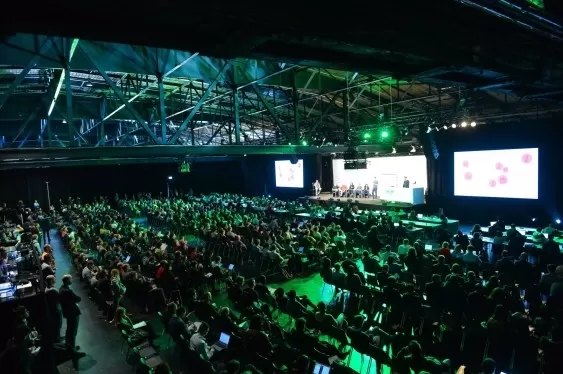 AI race won’t wait, nor will this TechCrunch Disrupt 25% discount
Every founder building in AI right now is asking the same question: Are we moving fast enough, and effectively enough? TechCrunch Disrupt 2026 puts you in the same room as the people wrestling with that existential question at the highest levels. Fro
AI race won’t wait, nor will this TechCrunch Disrupt 25% discount
Every founder building in AI right now is asking the same question: Are we moving fast enough, and effectively enough? TechCrunch Disrupt 2026 puts you in the same room as the people wrestling with that existential question at the highest levels. Fro
2026 Latest Top-rated AI Illustration Tools: Our curated list features the best powerfully designed tools for creating stunning editorial scenes and eye-catching cover art quickly. Each option has gone through rigorous real-world tests, offering a free vs paid comparison to help you find the perfect match for your workflow. Try these must-try solutions today to unlock your AI edge and boost your creative productivity. Explore now at XIX.AI.
10 tools
xix.ai
2026 Latest Top-Rated Best AI Tutors for Exam Prep are here on XIX.AI! Our curated list features powerful game-changing tools that offer free vs paid comparison, real-world tests, and weekly updated rankings. They help boost your writing efficiency, simplify complex topic learning, and unlock your academic potential. Explore now to Discover your perfect exam prep tool and Start creating today to Unlock your AI edge!
10 tools
xix.ai

2026 Latest Best Top-Rated AI Budget Planning Tools for Personal Money Management are here on XIX.AI! This curated collection features powerful, game-changing solutions that help you conduct real-world tests, understand spending habits, and create personalized plans to boost productivity. Enjoy a free vs paid comparison along with detailed rankings. Must-try tools designed to simplify money management and unlock your AI edge. Explore now!
11 tools
xix.ai

2026 Latest Best Top-Rated AI Sleep Tracking Assistants curated for ultimate recovery. This fully updated weekly guide features powerful tools that deliver real-world tests, free vs paid comparison, and detailed rankings to help you find the must-try solution that boosts sleep quality and supports better bedtime habits. Explore now at XIX.AI to Unlock your AI edge.
10 tools
xix.ai

2026 Latest Best Top-Rated AI SQL Copilots for Product and Revenue Analytics! XIX.AI has curated a powerful, game-changing collection of must-try tools that undergo real-world tests through weekly updated rankings. These tools help users boost productivity significantly by accelerating data analysis, streamlining complex queries, and generating accurate insights to drive smarter business decisions. Explore now to Discover your perfect tool for unlocking your AI edge!
14 tools
xix.ai

2026 Latest Best Top-Rated AI Homework Helpers That Teach Core Concepts Not Just Answers Powerful Tools for Students Must-Try Curated List Weekly Updated Free vs Paid Comparison Real-World Tests Accurate Rankings to Help You Unlock Your Full Learning Potential Explore now to Discover your perfect tool for smarter studying.
10 tools
xix.ai

AIアートって本当に「制作」と言えるのかな? 個人的には技術の進歩は面白いけど、人間のクリエイティビティとどう線引きすべきか悩むなあ。これから美術館でAI作品を見る時に、違った目で見てしまいそう… 主なアーティストへの影響も気になる。何が正解かな?😅












