


 Home
HomeRetail Investors Adapt as Market Conditions Shift and Intensify
In today's volatile market, analyzing retail investor behavior is essential. This article thoroughly examines current trends, identifying the stocks retail traders are buying and selling and offering insights for navigating a news-driven, uncertain market environment. We will explore how individual investors are coping with market volatility and which sectors are drawing the most interest, including the rapidly growing AI stock market.
Key Points
Retail trading now makes up roughly 25% of all U.S. stock market activity.
Trading activity among retail investors remains substantially high, surpassing levels seen before the pandemic.
Stocks of megacap companies and artificial intelligence firms are among the most popular with retail traders.
Despite a cautious overall market sentiment, retail investors persistently target specific areas like AI, frequently buying during price dips.
Electricity and power-related stocks are receiving increased focus as critical infrastructure components needed to support AI technologies.
Understanding the Current Market Landscape
A Messy, Headline-Driven Market
The current trading environment is best characterized as chaotic and heavily influenced by news headlines.
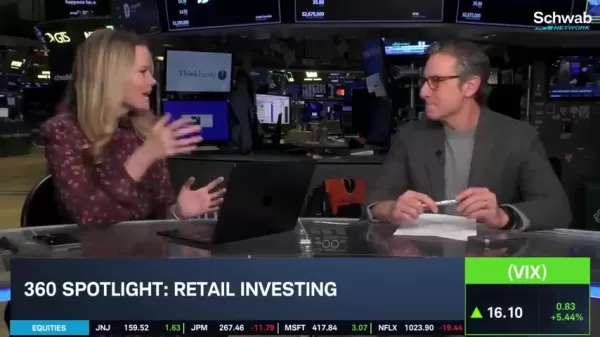
This indicates that market movements are being propelled by news events and public announcements rather than core economic fundamentals. Such an atmosphere fosters volatility and unpredictability, posing challenges for all market participants, but especially for retail traders who might be more prone to reacting emotionally to news. The Volatility Index (VIX) serves as a common measure for overall market volatility.
Investors often react quickly to breaking news, sometimes selling their holdings immediately and analyzing the situation afterward. This pattern results in significant market price swings, which can present both opportunities and risks. Succeeding in a headline-driven market demands careful evaluation and a disciplined strategy to prevent making rash decisions based on short-term news cycles.
Key considerations in a messy market:
- Volatility: Anticipate substantial price movements in either direction.
- Headline sensitivity: Stay ready for quick market reactions to news stories.
- Uncertainty: Accept that market direction is often unpredictable.
- Discipline: Maintain a clear investment plan and resist emotionally-driven choices.
- Due diligence: Conduct comprehensive research on any investment before following market trends.
Retail Investor Sentiment: Caution vs. Action
A notable contradiction exists: retail investors frequently express a cautious or negative outlook in surveys, yet their actual trading behavior shows continued high engagement.
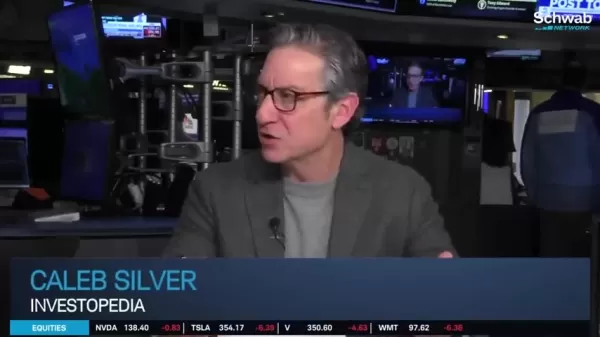
Market sentiment surveys often reflect a bearish perspective, signaling investor worries about current conditions. However, the volume of trades executed by retail investors stays elevated, well above the levels observed before the pandemic. This gap implies that although investors recognize the existing risks, they remain active in the market, possibly motivated by a fear of missing out (FOMO) or confidence in particular investment prospects.
The discrepancy between expressed caution and actual trading volume reveals the complex nature of retail investor psychology. It emphasizes the need to examine real trading patterns, not just survey data, to fully grasp market forces.
This situation highlights the importance for individual investors to align their stated intentions with their actual investment actions. Avoid losing your hard-earned money by making decisions influenced by social pressure or the actions of others.
How to trade the market like a professional?
Understand key metrics to manage your investment properly
Here are the strategies professionals use to achieve success.
- PE Ratio (Price-to-Earnings Ratio): This metric indicates the price investors are paying for each dollar of a company's profit. It's a useful starting point but should not be used in isolation. A high P/E ratio can point to strong growth expectations, but it might also signal an overvalued stock. Professionals use it as an initial screening tool but perform deeper analysis before investing.
- Price-to-Sales Ratio: This ratio compares a company's stock price to its total revenue. It is particularly valuable for evaluating growing companies that may not yet be profitable, as revenue can indicate future potential.
- PEG Ratio (Price/Earnings to Growth Ratio): The PEG ratio helps assess the stock price relative to its expected earnings growth. It provides a more complete picture of valuation than the P/E ratio alone by factoring in future growth projections.
- Debt-to-Equity Ratio: This measures a company's total debt against its shareholder equity, indicating its financial leverage. Use this ratio to evaluate the riskiness of a company’s capital structure and its overall financial stability.
Investing in AI Stocks: Weighing the Opportunities and Risks
Pros
High Growth Potential: The AI industry presents opportunities for substantial returns, driven by fast-paced technological progress and wider implementation.
Innovation and Disruption: Investing in AI allows you to be part of transformative technologies that are reshaping established sectors.
Diversification: Including AI stocks can help diversify an investment portfolio, potentially lowering overall risk.
FOMO is real: Don't let fear prevent you from taking calculated risks that could lead to high rewards.
Cons
High Volatility: AI-related stocks often experience sharp price fluctuations due to fast-changing market sentiment and speculative trading.
Bubble Risk: The AI sector might be vulnerable to a market bubble, fueled by extreme enthusiasm and potentially unrealistic valuations.
Complex Technology: Fully understanding AI technologies demands specialized knowledge, which can make it challenging for some investors to properly evaluate companies.
Unpredictability: As is always the case with financial markets, numerous external variables can influence stock prices, making thorough research critically important.
Frequently Asked Questions (FAQ)
What percentage of the U.S. stock market is driven by retail trading?
Retail trading is responsible for approximately 25% of all U.S. stock market transactions, which is more than double the level seen prior to the pandemic. This substantial participation influences overall market sentiment and enables more accurate trend analysis, helping you make more informed decisions with your capital.
What are the general rules when investing in the market?
While no universal rules exist, it is crucial to perform your due diligence and conduct extensive research. If uncertain, seek answers online, consult a financial advisor, or ask knowledgeable individuals. Ultimately, you are risking your own hard-earned money, so managing that risk effectively is paramount. Avoid simply mimicking others; base your decisions on your own data analysis and personal tolerance for risk.
Related Questions
What is driving the high level of retail trading activity?
A combination of factors is sustaining high retail trading volumes: Easy Access to Trading Platforms: Online brokerages and user-friendly mobile apps have dramatically simplified stock market entry for the average person.Low Interest Rates: A prolonged period of low interest rates has pushed investors toward the stock market in search of better returns.Increased Market Volatility: Erratic market behavior creates openings for short-term trading, attracting retail investors looking for quick gains.Headline Driven Stock Prices: As noted in the video, Caleb explains that individual company narratives are currently driving stock movements more than broader market indices, which explains the high activity among retail traders.
Is the AI market really a bubble? and should you invest in it?
Investing in AI involves considerable risks that must be carefully evaluated, including:High Price SwingsPotential for a Market BubbleTechnical ComplexityGeneral Market ConditionsCurrently, experts do not agree on whether the AI sector constitutes a true bubble. In finance, a "bubble" refers to a period where asset prices rise rapidly and unsustainably, often followed by a sharp collapse. Whether the AI market is currently in such a cycle is unclear, so as an investor, you must weigh these factors carefully before committing capital.
Related article
 DeepMind CEO Hassabis: I sleep six hours a day, usually feel energetic around 1 a.m.
Fortune recently featured an interview with Demis Hassabis, CEO of Google DeepMind, revealing his unconventional approach to rest and productivity. Hassabis disclosed that he sleeps very little, structuring his waking hours into two distinct work blo
OpenAI, Anthropic Vie for Market Share Despite Revenue Shortfalls
Despite recent reports suggesting OpenAI missed revenue targets, creating pressure on tech stocks this Tuesday, private AI lab investors remain resilient. Seasoned backers have confirmed they will not reduce investment despite negative media coverage
California AV Compliance: A New Era of Tickets, Geofences, and 1M Miles
Guident operates an AuveTech shuttle in South Florida, managing a four-mile route in West Palm Beach and a one-mile route in Boca Raton using its remote monitoring technology. | Credit: GuidentCalifornia is redefining the regulatory landscape for dri
Related Special Topic Recommendations
Video creation
DeepMind CEO Hassabis: I sleep six hours a day, usually feel energetic around 1 a.m.
Fortune recently featured an interview with Demis Hassabis, CEO of Google DeepMind, revealing his unconventional approach to rest and productivity. Hassabis disclosed that he sleeps very little, structuring his waking hours into two distinct work blo
OpenAI, Anthropic Vie for Market Share Despite Revenue Shortfalls
Despite recent reports suggesting OpenAI missed revenue targets, creating pressure on tech stocks this Tuesday, private AI lab investors remain resilient. Seasoned backers have confirmed they will not reduce investment despite negative media coverage
California AV Compliance: A New Era of Tickets, Geofences, and 1M Miles
Guident operates an AuveTech shuttle in South Florida, managing a four-mile route in West Palm Beach and a one-mile route in Boca Raton using its remote monitoring technology. | Credit: GuidentCalifornia is redefining the regulatory landscape for dri
Related Special Topic Recommendations
Video creation
 AI Short-Form Video Hook Generators for Reels, Shorts, and Product Launch Campaigns
2026 Latest Best AI Short-Form Video Hook Generators for Reels Shorts and Product Launch Campaigns! XIX.AI curates top-rated powerful game-changing tools that deliver must-try results through real-world tests. This weekly updated page offers free vs paid comparison rankings to help you find the perfect solution for boosting content creativity and productivity. Explore now to Unlock your AI edge!
 11 tools
 xix.ai
writing
AI Article Outline Tools for Long Form Writing
xix.ai
writing
AI Article Outline Tools for Long Form Writing
2026 Latest Best Top-Rated AI Article Outline Tools for Long Form Writing! This curated collection features powerful, game-changing tools that deliver accurate, structured outlines with real-world tests to boost writing efficiency significantly. XIX.AI is part of this elite selection. Get a free vs paid comparison to help you choose the perfect tool. Explore now and Unlock your AI edge!
9 tools
xix.ai
chatbot
Best AI Roleplay Chat Apps for Language Practice, Interview Prep, and Daily Fluency
2026 Latest Best Top-rated AI Roleplay Chat Apps for Language Practice, Interview Prep, and Daily Fluency! XIX.AI curates a powerful game-changing collection that offers free vs paid comparison, real-world tests, and updated rankings weekly. These must-try tools help you boost writing skills, overcome fluency challenges, and improve communication efficiency across all daily scenarios. Explore now to discover your perfect tool for language growth!
10 tools
xix.ai
Music composition
AI Stem Separation Tools for Remix Production, Sampling Prep, and Karaoke Masters
2026 Latest Best Top-rated AI Stem Separation Tools Curated for Remix Production, Sampling Prep, and Karaoke Masters. These powerful game-changing tools offer real-world tests to deliver precise audio isolation, boosting productivity significantly. XIX.AI provides a weekly updated free vs paid comparison guide to help you find the must-try solution that suits your needs. Explore now to unlock your AI edge.
8 tools
xix.ai
Data Analysis
AI SQL Copilots for Revenue Dashboards, Funnel Analysis, and Product Metrics
2026 Latest Best AI SQL Copilots Ranked Top-Rated! XIX.AI curates a powerful game-changing collection for weekly updated real-world tests. These must-try tools help you generate accurate revenue dashboards, analyze sales funnels, and track product metrics swiftly, boosting productivity massively. Explore now to Discover your perfect tool for data-driven decision making! 238 characters
9 tools
xix.ai
Music composition
Best AI Melody Writing Tools for Song Drafts
2026 Latest Best Top-Rated AI Melody Writing Tools for Song Drafts! XIX.AI has curated a highly powerful game-changing collection that goes through rigorous real-world tests to deliver the best writing experience. You can find detailed free vs paid comparisons, accurate rankings, and must-try options designed to help you create stunning song drafts effortlessly and boost your creative productivity significantly. Explore now to discover your perfect tool!
8 tools
xix.ai

 Comments (1)
0/500
Comments (1)
0/500
![JohnRoberts]()
Vaya, el artículo toca un tema que muchos de mis amigos están viviendo de primera mano. Ver cómo los inversores minoristas ahora se mueven más por noticias en lugar de solo análisis fundamental es un cambio enorme. A veces me pregunto si esta volatilidad nos hace más listos o simplemente más propensos al pánico 😅. ¡Da mucho que pensar!
In today's volatile market, analyzing retail investor behavior is essential. This article thoroughly examines current trends, identifying the stocks retail traders are buying and selling and offering insights for navigating a news-driven, uncertain market environment. We will explore how individual investors are coping with market volatility and which sectors are drawing the most interest, including the rapidly growing AI stock market.
Key Points
Retail trading now makes up roughly 25% of all U.S. stock market activity.
Trading activity among retail investors remains substantially high, surpassing levels seen before the pandemic.
Stocks of megacap companies and artificial intelligence firms are among the most popular with retail traders.
Despite a cautious overall market sentiment, retail investors persistently target specific areas like AI, frequently buying during price dips.
Electricity and power-related stocks are receiving increased focus as critical infrastructure components needed to support AI technologies.
Understanding the Current Market Landscape
A Messy, Headline-Driven Market
The current trading environment is best characterized as chaotic and heavily influenced by news headlines.
This indicates that market movements are being propelled by news events and public announcements rather than core economic fundamentals. Such an atmosphere fosters volatility and unpredictability, posing challenges for all market participants, but especially for retail traders who might be more prone to reacting emotionally to news. The Volatility Index (VIX) serves as a common measure for overall market volatility.
Investors often react quickly to breaking news, sometimes selling their holdings immediately and analyzing the situation afterward. This pattern results in significant market price swings, which can present both opportunities and risks. Succeeding in a headline-driven market demands careful evaluation and a disciplined strategy to prevent making rash decisions based on short-term news cycles.
Key considerations in a messy market:
- Volatility: Anticipate substantial price movements in either direction.
- Headline sensitivity: Stay ready for quick market reactions to news stories.
- Uncertainty: Accept that market direction is often unpredictable.
- Discipline: Maintain a clear investment plan and resist emotionally-driven choices.
- Due diligence: Conduct comprehensive research on any investment before following market trends.
Retail Investor Sentiment: Caution vs. Action
A notable contradiction exists: retail investors frequently express a cautious or negative outlook in surveys, yet their actual trading behavior shows continued high engagement.
Market sentiment surveys often reflect a bearish perspective, signaling investor worries about current conditions. However, the volume of trades executed by retail investors stays elevated, well above the levels observed before the pandemic. This gap implies that although investors recognize the existing risks, they remain active in the market, possibly motivated by a fear of missing out (FOMO) or confidence in particular investment prospects.
The discrepancy between expressed caution and actual trading volume reveals the complex nature of retail investor psychology. It emphasizes the need to examine real trading patterns, not just survey data, to fully grasp market forces.
This situation highlights the importance for individual investors to align their stated intentions with their actual investment actions. Avoid losing your hard-earned money by making decisions influenced by social pressure or the actions of others.
How to trade the market like a professional?
Understand key metrics to manage your investment properly
Here are the strategies professionals use to achieve success.
- PE Ratio (Price-to-Earnings Ratio): This metric indicates the price investors are paying for each dollar of a company's profit. It's a useful starting point but should not be used in isolation. A high P/E ratio can point to strong growth expectations, but it might also signal an overvalued stock. Professionals use it as an initial screening tool but perform deeper analysis before investing.
- Price-to-Sales Ratio: This ratio compares a company's stock price to its total revenue. It is particularly valuable for evaluating growing companies that may not yet be profitable, as revenue can indicate future potential.
- PEG Ratio (Price/Earnings to Growth Ratio): The PEG ratio helps assess the stock price relative to its expected earnings growth. It provides a more complete picture of valuation than the P/E ratio alone by factoring in future growth projections.
- Debt-to-Equity Ratio: This measures a company's total debt against its shareholder equity, indicating its financial leverage. Use this ratio to evaluate the riskiness of a company’s capital structure and its overall financial stability.
Investing in AI Stocks: Weighing the Opportunities and Risks
Pros
High Growth Potential: The AI industry presents opportunities for substantial returns, driven by fast-paced technological progress and wider implementation.
Innovation and Disruption: Investing in AI allows you to be part of transformative technologies that are reshaping established sectors.
Diversification: Including AI stocks can help diversify an investment portfolio, potentially lowering overall risk.
FOMO is real: Don't let fear prevent you from taking calculated risks that could lead to high rewards.
Cons
High Volatility: AI-related stocks often experience sharp price fluctuations due to fast-changing market sentiment and speculative trading.
Bubble Risk: The AI sector might be vulnerable to a market bubble, fueled by extreme enthusiasm and potentially unrealistic valuations.
Complex Technology: Fully understanding AI technologies demands specialized knowledge, which can make it challenging for some investors to properly evaluate companies.
Unpredictability: As is always the case with financial markets, numerous external variables can influence stock prices, making thorough research critically important.
Frequently Asked Questions (FAQ)
What percentage of the U.S. stock market is driven by retail trading?
Retail trading is responsible for approximately 25% of all U.S. stock market transactions, which is more than double the level seen prior to the pandemic. This substantial participation influences overall market sentiment and enables more accurate trend analysis, helping you make more informed decisions with your capital.
What are the general rules when investing in the market?
While no universal rules exist, it is crucial to perform your due diligence and conduct extensive research. If uncertain, seek answers online, consult a financial advisor, or ask knowledgeable individuals. Ultimately, you are risking your own hard-earned money, so managing that risk effectively is paramount. Avoid simply mimicking others; base your decisions on your own data analysis and personal tolerance for risk.
Related Questions
What is driving the high level of retail trading activity?
A combination of factors is sustaining high retail trading volumes: Easy Access to Trading Platforms: Online brokerages and user-friendly mobile apps have dramatically simplified stock market entry for the average person.Low Interest Rates: A prolonged period of low interest rates has pushed investors toward the stock market in search of better returns.Increased Market Volatility: Erratic market behavior creates openings for short-term trading, attracting retail investors looking for quick gains.Headline Driven Stock Prices: As noted in the video, Caleb explains that individual company narratives are currently driving stock movements more than broader market indices, which explains the high activity among retail traders.
Is the AI market really a bubble? and should you invest in it?
Investing in AI involves considerable risks that must be carefully evaluated, including:High Price SwingsPotential for a Market BubbleTechnical ComplexityGeneral Market ConditionsCurrently, experts do not agree on whether the AI sector constitutes a true bubble. In finance, a "bubble" refers to a period where asset prices rise rapidly and unsustainably, often followed by a sharp collapse. Whether the AI market is currently in such a cycle is unclear, so as an investor, you must weigh these factors carefully before committing capital.








 DeepMind CEO Hassabis: I sleep six hours a day, usually feel energetic around 1 a.m.
Fortune recently featured an interview with Demis Hassabis, CEO of Google DeepMind, revealing his unconventional approach to rest and productivity. Hassabis disclosed that he sleeps very little, structuring his waking hours into two distinct work blo
DeepMind CEO Hassabis: I sleep six hours a day, usually feel energetic around 1 a.m.
Fortune recently featured an interview with Demis Hassabis, CEO of Google DeepMind, revealing his unconventional approach to rest and productivity. Hassabis disclosed that he sleeps very little, structuring his waking hours into two distinct work blo
 OpenAI, Anthropic Vie for Market Share Despite Revenue Shortfalls
Despite recent reports suggesting OpenAI missed revenue targets, creating pressure on tech stocks this Tuesday, private AI lab investors remain resilient. Seasoned backers have confirmed they will not reduce investment despite negative media coverage
California AV Compliance: A New Era of Tickets, Geofences, and 1M Miles
Guident operates an AuveTech shuttle in South Florida, managing a four-mile route in West Palm Beach and a one-mile route in Boca Raton using its remote monitoring technology. | Credit: GuidentCalifornia is redefining the regulatory landscape for dri
OpenAI, Anthropic Vie for Market Share Despite Revenue Shortfalls
Despite recent reports suggesting OpenAI missed revenue targets, creating pressure on tech stocks this Tuesday, private AI lab investors remain resilient. Seasoned backers have confirmed they will not reduce investment despite negative media coverage
California AV Compliance: A New Era of Tickets, Geofences, and 1M Miles
Guident operates an AuveTech shuttle in South Florida, managing a four-mile route in West Palm Beach and a one-mile route in Boca Raton using its remote monitoring technology. | Credit: GuidentCalifornia is redefining the regulatory landscape for dri

2026 Latest Best AI Short-Form Video Hook Generators for Reels Shorts and Product Launch Campaigns! XIX.AI curates top-rated powerful game-changing tools that deliver must-try results through real-world tests. This weekly updated page offers free vs paid comparison rankings to help you find the perfect solution for boosting content creativity and productivity. Explore now to Unlock your AI edge!
11 tools
xix.ai

2026 Latest Best Top-Rated AI Article Outline Tools for Long Form Writing! This curated collection features powerful, game-changing tools that deliver accurate, structured outlines with real-world tests to boost writing efficiency significantly. XIX.AI is part of this elite selection. Get a free vs paid comparison to help you choose the perfect tool. Explore now and Unlock your AI edge!
9 tools
xix.ai

2026 Latest Best Top-rated AI Roleplay Chat Apps for Language Practice, Interview Prep, and Daily Fluency! XIX.AI curates a powerful game-changing collection that offers free vs paid comparison, real-world tests, and updated rankings weekly. These must-try tools help you boost writing skills, overcome fluency challenges, and improve communication efficiency across all daily scenarios. Explore now to discover your perfect tool for language growth!
10 tools
xix.ai

2026 Latest Best Top-rated AI Stem Separation Tools Curated for Remix Production, Sampling Prep, and Karaoke Masters. These powerful game-changing tools offer real-world tests to deliver precise audio isolation, boosting productivity significantly. XIX.AI provides a weekly updated free vs paid comparison guide to help you find the must-try solution that suits your needs. Explore now to unlock your AI edge.
8 tools
xix.ai

2026 Latest Best AI SQL Copilots Ranked Top-Rated! XIX.AI curates a powerful game-changing collection for weekly updated real-world tests. These must-try tools help you generate accurate revenue dashboards, analyze sales funnels, and track product metrics swiftly, boosting productivity massively. Explore now to Discover your perfect tool for data-driven decision making! 238 characters
9 tools
xix.ai

2026 Latest Best Top-Rated AI Melody Writing Tools for Song Drafts! XIX.AI has curated a highly powerful game-changing collection that goes through rigorous real-world tests to deliver the best writing experience. You can find detailed free vs paid comparisons, accurate rankings, and must-try options designed to help you create stunning song drafts effortlessly and boost your creative productivity significantly. Explore now to discover your perfect tool!
8 tools
xix.ai

Vaya, el artículo toca un tema que muchos de mis amigos están viviendo de primera mano. Ver cómo los inversores minoristas ahora se mueven más por noticias en lugar de solo análisis fundamental es un cambio enorme. A veces me pregunto si esta volatilidad nos hace más listos o simplemente más propensos al pánico 😅. ¡Da mucho que pensar!












