


 Home
Even Line Podcast Investigates Media Manipulation and AI Risks
In the latest episode of the Even Line Podcast, host Chase explores a range of thought-provoking questions submitted by listeners. The discussion moves from analyzing moral panics in music and media to examining AI’s potential effects across various sectors, offering an honest and insightful tour of our world’s complexities. Chase also stresses the value of critical thinking and the need to maintain trust in journalism, especially in an era of rampant misinformation and fast-changing technology.
Key Points
Each generation faces its own unique moral panics, often ignited by new media.
Visual media can create a more powerful bond between creators and their audience.
The swift rise of AI presents a complex challenge to many industries.
Modesty feels like a forgotten virtue in much of today’s entertainment.
Eroding journalistic standards has fueled widespread media distrust.
Open dialogue and critical thinking are vital tools to fight misinformation.
Navigating Media Landscape & AI Concerns
Moral Panics and Generational Divide in Music
The episode begins with a listener query about moral panics tied to music and controversial artists across different eras. Chase talks about the cyclical nature of these anxieties, where every generation tends to criticize the next for pushing boundaries and embracing what seems inappropriate or dangerous. He questions the assumption that the next generation’s music, films, and art will inevitably be more provocative or extreme.

This recurring pattern points to a deeper generational divide. Still, Chase notes that some moral concerns may have a valid basis, encouraging listeners to think critically and to examine common narratives about art, music, and society.
The Impact of Visual Mediums on Audience Connection
Reflecting on the Even Line Podcast’s successful move to a video format on YouTube, Chase considers how visuals help build a stronger audience connection.

He believes adding video creates a greater sense of closeness and understanding between host and viewers, leading to a more engaging and personal experience. This shift toward visual storytelling underscores the power of combining audio with video, offering a platform for deeper connection than audio‑only podcasting typically allows.
AI’s Transformation of Industries: Opportunities and Challenges
Listeners asked about AI’s impact on different fields, especially the possibility of job displacement. This leads to a broader discussion about how technology is quickly upending traditional industries.

Keeping pace with rapidly evolving artificial intelligence is essential. Alongside the challenges, AI also creates opportunities for adaptation. As society grows more reliant on AI, we must stay informed about best practices and remain thoughtful about when and how we let machines do the thinking for us.
A Reflection on Modesty in the Entertainment Industry
Chase highlights a noticeable trend: a decline in modesty, or an excess of “Too Much Information,” among some artists. He reflects on this change, asking whether the drive for openness and authenticity has led to oversharing personal details in a very public way.

This isn’t to say artists should be prudish; the overall point is that these issues require a balanced approach. By finding that balance, we can appreciate art and music for what it is, while still questioning personal norms and ideas we may or may not agree with.
Digging Deeper into The Even Line Podcast's Core
Behind the Scenes of Question Selection
A fascinating part of this episode is how Chase weaves in listener interaction, as he tackles ten of the audience’s most pressing questions.

This process adds deeper meaning and purpose to the Even Line Podcast. These questions open up richer conversations with current and future listeners, ultimately demonstrating the podcast’s value and its dedication to open communication. To help generate such discussions, Chase used AI to suggest some thought-provoking questions for his perspective.
Even Line Podcast's Take on the Media
Media manipulation has always been a core topic on the Even Line Podcast, and one listener asked whether journalism can ever be trusted again. Chase emphasized that audiences need to see journalists as real people, while journalists themselves must uphold the highest ethical standards.

Doing so helps hold journalists responsible and accountable. With accurate information and a clear perspective, the public can start to rebuild that trust, since being well‑informed benefits everyone.
AI in Media: Pros and Cons
Pros
Enables efficient content creation and news aggregation
Delivers a personalized user experience through tailored news feeds
Provides data‑driven insights for more informed reporting
Automates routine tasks, improving overall efficiency
Cons
Risks job displacement for journalists and media professionals
Potential for algorithmic bias and spreading misinformation
Raises ethical concerns about data privacy and manipulation
Over‑reliance on AI could weaken journalistic ethics
Frequently Asked Questions
What is the Even Line Podcast?
The Even Line Podcast is a thought‑provoking show hosted by Chase, focused on questioning mainstream narratives and exploring social and political issues. Through listener questions and in‑depth discussions, it encourages critical thinking and open dialogue.
Where can I listen to Even Line Podcast?
You can find the Even Line Podcast on all major streaming platforms, including Apple Podcasts, Spotify, Amazon Music, Audible, Podchaser, and Podbean.
What kind of topics are discussed on the Even Line Podcast?
The podcast covers a wide spectrum of subjects, from media manipulation and moral panics to current social issues and cultural trends. Each episode invites listeners to examine their assumptions and challenge prevailing viewpoints.
Can I ask the host of the Even Line Podcast questions?
Absolutely. Host Chase actively encourages listener participation and often devotes full episodes to answering audience questions. Listeners are welcome to submit questions related to upcoming or past topics for a chance to have them addressed on the show.
Further Inquiries
How to stay well informed in a world of fake news and misinformation.
Staying well‑informed requires a multi‑pronged strategy: think critically, consult diverse sources, and fact‑check regularly. Be alert to whether information seems credible. Use trusted verification sites like Snopes, PolitiFact, and FactCheck.org. Compare different reports, and balance your own perspective by seeking out varied opinions on each issue.
Related article
 Anthropic Rolls Out Quiet Gray-Scale Testing for Claude Opus 5.2 and Internal Model 2
Anthropic’s latest flagship model, Opus 5.2, has quietly entered early testing within Claude Code this morning. Developers have noted a marked performance divergence between the API calls and the web interface. Packet analysis reveals the backend mod
Google Unveils Agentic AI for Gemini, Launching with Enterprise Clients
During a Google Cloud event on Thursday, the company unveiled plans to integrate Gemini AI into the agentic era. This launch introduces a unified agent capable of not only answering queries but also executing tasks on behalf of users, all within a si
Gecko Robotics partners with NVIDIA to integrate AI agent security and control
Gecko Robotics is leveraging NVIDIA’s latest agentic AI security layer within its inspection robot fleet. Source: Gecko RoboticsNVIDIA Corp. unveiled its Open Agent Safety Platform today, featuring the open-source OpenShell software and the Sentry re
Related Special Topic Recommendations
Design & Art
 Top AI Illustration Tools: Create Editorial Scenes and Cover Art Faster
2026 Latest Top-rated AI Illustration Tools: Our curated list features the best powerfully designed tools for creating stunning editorial scenes and eye-catching cover art quickly. Each option has gone through rigorous real-world tests, offering a free vs paid comparison to help you find the perfect match for your workflow. Try these must-try solutions today to unlock your AI edge and boost your creative productivity. Explore now at XIX.AI.
 10 tools
 xix.ai
Education and Learning
Top AI Tutors for Exam Prep: Practice Math, Science, and English
2026 Latest Top-Rated Best AI Tutors for Exam Prep are here on XIX.AI! Our curated list features powerful game-changing tools that offer free vs paid comparison, real-world tests, and weekly updated rankings. They help boost your writing efficiency, simplify complex topic learning, and unlock your academic potential. Explore now to Discover your perfect exam prep tool and Start creating today to Unlock your AI edge!
10 tools
xix.ai
Finance
AI Budget Planning Tools for Personal Money Management
2026 Latest Best Top-Rated AI Budget Planning Tools for Personal Money Management are here on XIX.AI! This curated collection features powerful, game-changing solutions that help you conduct real-world tests, understand spending habits, and create personalized plans to boost productivity. Enjoy a free vs paid comparison along with detailed rankings. Must-try tools designed to simplify money management and unlock your AI edge. Explore now!
11 tools
xix.ai
Health & Wellness
AI Sleep Tracking Assistants: Improve Recovery with Better Bedtime Habits
2026 Latest Best Top-Rated AI Sleep Tracking Assistants curated for ultimate recovery. This fully updated weekly guide features powerful tools that deliver real-world tests, free vs paid comparison, and detailed rankings to help you find the must-try solution that boosts sleep quality and supports better bedtime habits. Explore now at XIX.AI to Unlock your AI edge.
10 tools
xix.ai
Data Analysis
AI SQL Copilots for Product and Revenue Analytics
2026 Latest Best Top-Rated AI SQL Copilots for Product and Revenue Analytics! XIX.AI has curated a powerful, game-changing collection of must-try tools that undergo real-world tests through weekly updated rankings. These tools help users boost productivity significantly by accelerating data analysis, streamlining complex queries, and generating accurate insights to drive smarter business decisions. Explore now to Discover your perfect tool for unlocking your AI edge!
14 tools
xix.ai
Education and Learning
Best AI Homework Helpers That Teach: Learn Concepts, Not Just Answers
2026 Latest Best Top-Rated AI Homework Helpers That Teach Core Concepts Not Just Answers Powerful Tools for Students Must-Try Curated List Weekly Updated Free vs Paid Comparison Real-World Tests Accurate Rankings to Help You Unlock Your Full Learning Potential Explore now to Discover your perfect tool for smarter studying.
10 tools
xix.ai

 Comments (0)
0/500
In the latest episode of the Even Line Podcast, host Chase explores a range of thought-provoking questions submitted by listeners. The discussion moves from analyzing moral panics in music and media to examining AI’s potential effects across various sectors, offering an honest and insightful tour of our world’s complexities. Chase also stresses the value of critical thinking and the need to maintain trust in journalism, especially in an era of rampant misinformation and fast-changing technology.
Key Points
Each generation faces its own unique moral panics, often ignited by new media.
Visual media can create a more powerful bond between creators and their audience.
The swift rise of AI presents a complex challenge to many industries.
Modesty feels like a forgotten virtue in much of today’s entertainment.
Eroding journalistic standards has fueled widespread media distrust.
Open dialogue and critical thinking are vital tools to fight misinformation.
Navigating Media Landscape & AI Concerns
Moral Panics and Generational Divide in Music
The episode begins with a listener query about moral panics tied to music and controversial artists across different eras. Chase talks about the cyclical nature of these anxieties, where every generation tends to criticize the next for pushing boundaries and embracing what seems inappropriate or dangerous. He questions the assumption that the next generation’s music, films, and art will inevitably be more provocative or extreme.
This recurring pattern points to a deeper generational divide. Still, Chase notes that some moral concerns may have a valid basis, encouraging listeners to think critically and to examine common narratives about art, music, and society.
The Impact of Visual Mediums on Audience Connection
Reflecting on the Even Line Podcast’s successful move to a video format on YouTube, Chase considers how visuals help build a stronger audience connection.
He believes adding video creates a greater sense of closeness and understanding between host and viewers, leading to a more engaging and personal experience. This shift toward visual storytelling underscores the power of combining audio with video, offering a platform for deeper connection than audio‑only podcasting typically allows.
AI’s Transformation of Industries: Opportunities and Challenges
Listeners asked about AI’s impact on different fields, especially the possibility of job displacement. This leads to a broader discussion about how technology is quickly upending traditional industries.
Keeping pace with rapidly evolving artificial intelligence is essential. Alongside the challenges, AI also creates opportunities for adaptation. As society grows more reliant on AI, we must stay informed about best practices and remain thoughtful about when and how we let machines do the thinking for us.
A Reflection on Modesty in the Entertainment Industry
Chase highlights a noticeable trend: a decline in modesty, or an excess of “Too Much Information,” among some artists. He reflects on this change, asking whether the drive for openness and authenticity has led to oversharing personal details in a very public way.
This isn’t to say artists should be prudish; the overall point is that these issues require a balanced approach. By finding that balance, we can appreciate art and music for what it is, while still questioning personal norms and ideas we may or may not agree with.
Digging Deeper into The Even Line Podcast's Core
Behind the Scenes of Question Selection
A fascinating part of this episode is how Chase weaves in listener interaction, as he tackles ten of the audience’s most pressing questions.
This process adds deeper meaning and purpose to the Even Line Podcast. These questions open up richer conversations with current and future listeners, ultimately demonstrating the podcast’s value and its dedication to open communication. To help generate such discussions, Chase used AI to suggest some thought-provoking questions for his perspective.
Even Line Podcast's Take on the Media
Media manipulation has always been a core topic on the Even Line Podcast, and one listener asked whether journalism can ever be trusted again. Chase emphasized that audiences need to see journalists as real people, while journalists themselves must uphold the highest ethical standards.
Doing so helps hold journalists responsible and accountable. With accurate information and a clear perspective, the public can start to rebuild that trust, since being well‑informed benefits everyone.
AI in Media: Pros and Cons
Pros
Enables efficient content creation and news aggregation
Delivers a personalized user experience through tailored news feeds
Provides data‑driven insights for more informed reporting
Automates routine tasks, improving overall efficiency
Cons
Risks job displacement for journalists and media professionals
Potential for algorithmic bias and spreading misinformation
Raises ethical concerns about data privacy and manipulation
Over‑reliance on AI could weaken journalistic ethics
Frequently Asked Questions
What is the Even Line Podcast?
The Even Line Podcast is a thought‑provoking show hosted by Chase, focused on questioning mainstream narratives and exploring social and political issues. Through listener questions and in‑depth discussions, it encourages critical thinking and open dialogue.
Where can I listen to Even Line Podcast?
You can find the Even Line Podcast on all major streaming platforms, including Apple Podcasts, Spotify, Amazon Music, Audible, Podchaser, and Podbean.
What kind of topics are discussed on the Even Line Podcast?
The podcast covers a wide spectrum of subjects, from media manipulation and moral panics to current social issues and cultural trends. Each episode invites listeners to examine their assumptions and challenge prevailing viewpoints.
Can I ask the host of the Even Line Podcast questions?
Absolutely. Host Chase actively encourages listener participation and often devotes full episodes to answering audience questions. Listeners are welcome to submit questions related to upcoming or past topics for a chance to have them addressed on the show.
Further Inquiries
How to stay well informed in a world of fake news and misinformation.
Staying well‑informed requires a multi‑pronged strategy: think critically, consult diverse sources, and fact‑check regularly. Be alert to whether information seems credible. Use trusted verification sites like Snopes, PolitiFact, and FactCheck.org. Compare different reports, and balance your own perspective by seeking out varied opinions on each issue.








 Anthropic Rolls Out Quiet Gray-Scale Testing for Claude Opus 5.2 and Internal Model 2
Anthropic’s latest flagship model, Opus 5.2, has quietly entered early testing within Claude Code this morning. Developers have noted a marked performance divergence between the API calls and the web interface. Packet analysis reveals the backend mod
 Google Unveils Agentic AI for Gemini, Launching with Enterprise Clients
During a Google Cloud event on Thursday, the company unveiled plans to integrate Gemini AI into the agentic era. This launch introduces a unified agent capable of not only answering queries but also executing tasks on behalf of users, all within a si
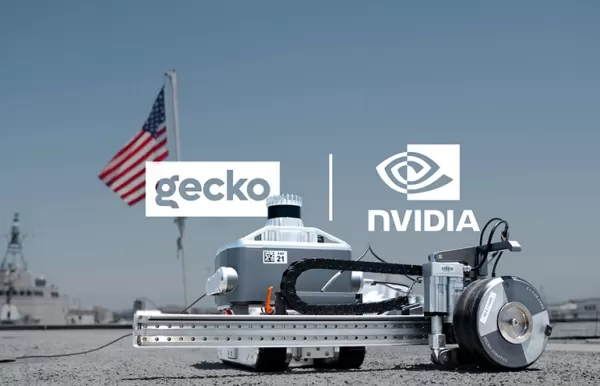 Gecko Robotics partners with NVIDIA to integrate AI agent security and control
Gecko Robotics is leveraging NVIDIA’s latest agentic AI security layer within its inspection robot fleet. Source: Gecko RoboticsNVIDIA Corp. unveiled its Open Agent Safety Platform today, featuring the open-source OpenShell software and the Sentry re

2026 Latest Top-rated AI Illustration Tools: Our curated list features the best powerfully designed tools for creating stunning editorial scenes and eye-catching cover art quickly. Each option has gone through rigorous real-world tests, offering a free vs paid comparison to help you find the perfect match for your workflow. Try these must-try solutions today to unlock your AI edge and boost your creative productivity. Explore now at XIX.AI.
10 tools
xix.ai

2026 Latest Top-Rated Best AI Tutors for Exam Prep are here on XIX.AI! Our curated list features powerful game-changing tools that offer free vs paid comparison, real-world tests, and weekly updated rankings. They help boost your writing efficiency, simplify complex topic learning, and unlock your academic potential. Explore now to Discover your perfect exam prep tool and Start creating today to Unlock your AI edge!
10 tools
xix.ai

2026 Latest Best Top-Rated AI Budget Planning Tools for Personal Money Management are here on XIX.AI! This curated collection features powerful, game-changing solutions that help you conduct real-world tests, understand spending habits, and create personalized plans to boost productivity. Enjoy a free vs paid comparison along with detailed rankings. Must-try tools designed to simplify money management and unlock your AI edge. Explore now!
11 tools
xix.ai

2026 Latest Best Top-Rated AI Sleep Tracking Assistants curated for ultimate recovery. This fully updated weekly guide features powerful tools that deliver real-world tests, free vs paid comparison, and detailed rankings to help you find the must-try solution that boosts sleep quality and supports better bedtime habits. Explore now at XIX.AI to Unlock your AI edge.
10 tools
xix.ai

2026 Latest Best Top-Rated AI SQL Copilots for Product and Revenue Analytics! XIX.AI has curated a powerful, game-changing collection of must-try tools that undergo real-world tests through weekly updated rankings. These tools help users boost productivity significantly by accelerating data analysis, streamlining complex queries, and generating accurate insights to drive smarter business decisions. Explore now to Discover your perfect tool for unlocking your AI edge!
14 tools
xix.ai

2026 Latest Best Top-Rated AI Homework Helpers That Teach Core Concepts Not Just Answers Powerful Tools for Students Must-Try Curated List Weekly Updated Free vs Paid Comparison Real-World Tests Accurate Rankings to Help You Unlock Your Full Learning Potential Explore now to Discover your perfect tool for smarter studying.
10 tools
xix.ai












