


 Home
Home
How to monetize AI-generated YouTube videos in 2025? Creator's guide to revenue and policies.
By 2025, Artificial Intelligence (AI) is a cornerstone of digital content production. Creators widely employ AI for drafting scripts, generating voiceovers, and producing visuals. Yet, a significant question persists: can you earn money from AI-made videos on YouTube? The platform's recent policy shifts have created uncertainty. This guide provides clear, actionable updates and strategies to navigate the monetization of AI-assisted video content.
Key Points
YouTube's policies do not ban AI use in content creation.
AI should enhance, not substitute, the creator's unique contribution.
Content produced with minimal human effort via AI rarely qualifies for monetization.
Monetization requires original storytelling, analysis, or insights.
Channels producing repetitive, formulaic content face a high risk of demonetization.
Content that uses AI to mislead, such as deepfakes, will be demonetized.
Understanding YouTube's Stance on AI-Generated Content
YouTube's Evolving Policies on AI Content
YouTube's official position frames AI as a creator's assistant, not a replacement
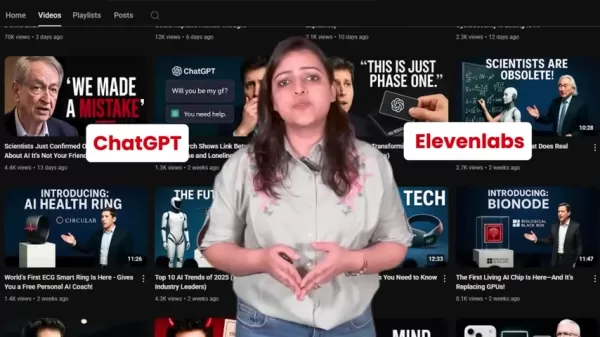
. This means you can utilize AI for various tasks, but your unique perspective, analysis, and narrative style remain vital. Videos missing this human element are categorized as low-effort content and typically fail to meet monetization criteria. The platform prioritizes original content that delivers genuine viewer value, not just automatically assembled material.
Here is how to integrate AI effectively:
- Scriptwriting: Use AI tools like ChatGPT for initial drafts, but thoroughly revise and infuse them with your own expertise.
- Voiceovers: AI voices are acceptable, but pairing them with your personal commentary adds critical uniqueness.
- Visuals: Employ AI for image generation, but tailor them to support your distinctive storytelling.
The core principle is to treat AI as a powerful tool within your process, not a complete solution. Your content must showcase a perspective and value that AI cannot replicate independently. Without this, YouTube is unlikely to approve monetization. Prioritize creating substantial content that serves your audience.
| Key Aspect| Description|| ----------------- | -------------------------------------------------------------------------------------------------------------------------------------------------------------------------- || Originality | Content must demonstrate original storytelling, analysis, or insights.|| Creator Input | The creator's unique personality and input must be evident. || Value Addition| Content should offer value to viewers beyond what AI can generate independently. || Low-Effort Avoidance | Avoid content where AI is used to create videos with minimal human intervention. |
Differentiating Between AI Assistance and Replacement
The critical difference is in the integration of AI into your creative workflow

. If AI generates entire scripts and visuals with negligible original input, you are effectively replacing your creativity. YouTube actively discourages this approach. Videos require demonstrable human effort and originality. Your unique value as a creator is essential, especially for achieving visibility in search results.
A better strategy is to use AI as a foundation. Generate a draft script with an AI tool, then rewrite it to include your personal insights and narrative voice. Use AI-created visuals as a starting point, then apply your creative editing and design skills. This method leverages AI's efficiency while preserving your authentic identity as a creator.
For instance, a channel reviewing AI tools could:
- Perform hands-on testing and share genuine user experiences.
- Provide practical tips and applications an AI might overlook.
- Analyze the tool's pros and cons from a seasoned user's viewpoint.
This transforms AI from a replacement into a potent assistant, yielding content that is both informative and compelling.
The Three Content Types Likely to Be Demonetized on YouTube
Specific categories of AI-generated content are highly prone to demonetization. Recognizing these can help you avoid mistakes and focus on creating content that meets YouTube's standards:
- Low-Effort Content: Videos where the script, visuals, and voiceover are fully AI-generated with only superficial human edits. This content lacks originality and fails to provide unique viewer value. YouTube emphasizes the human element; videos created primarily through automated services will not succeed.
- Repetitive Content: Mass-producing videos with identical formats, AI-generated assets, and little substantive variation leads to demonetization. YouTube penalizes channels that publish bulk content without fresh perspectives or unique elements in each upload.
- Misleading Content: Using AI to create deepfakes, clone voices without consent, or produce deceptive material will result in demonetization. Such content damages trust and often violates policies concerning authenticity and harm.
Remember, significant opportunity exists for high-quality content, and with dedicated effort, you can reach a broader audience than with conventional methods alone.
Real-World Examples: Channels Successfully Monetizing AI Content
AI Uncovered: Combining AI with Human Insight
AI Uncovered is a YouTube channel exploring advancements in Artificial Intelligence. It employs AI for scriptwriting and voiceovers using tools like ChatGPT and ElevenLabs. Despite this reliance, the channel is monetized because the creator adds significant personal insight, analysis, and storytelling to every video

. The channel interprets AI-generated data to forge an emotional connection with its audience.
Everyday AI: Structuring AI Content with Human Creativity
Everyday AI, a channel focused on AI topics, produces content using AI for voiceovers and visuals. This faceless channel is monetized

. Its success stems from the creator's original creative framework—developed through independent thought, story development, and research—which is established before any AI automation begins.
Crafting a Winning Strategy for AI-Assisted YouTube Videos
Step-by-Step Guide
To successfully monetize AI-assisted videos, follow these steps to merge AI efficiency with your creative vision:
- Brainstorm Original Ideas: Start by identifying compelling topics relevant to your niche

. Your unique angle or personal experience is crucial for standing out.
- Research with AI: Use AI tools to gather data quickly, but always fact-check the information.
- Develop Your Narrative: Shape the AI-generated material into your own coherent story.
- Craft Your Delivery Style: Write the final script in your voice and consider recording your own narration.
- Refine with AI Visuals: Edit and customize AI-generated visuals to perfectly complement your narrative.
- Incorporate Feedback: Use analytics tools to understand audience engagement and refine your approach.
Advantages and Disadvantages of Using AI in Video Creation
Pros
Significantly reduced production time
Lower production costs
Potential for enhanced content quality
Opportunity for increased revenue
Ability to scale content output
Cons
Requires a strong focus on originality
Demands substantial creative effort and oversight
Frequently Asked Questions
Is AI video content allowed on YouTube?
Yes, AI-generated video content is allowed on YouTube, provided it complies with the platform's monetization policies and community guidelines. Content that is unoriginal, requires minimal effort, or falls into repetitive or misleading categories risks demonetization. YouTube encourages using AI to augment human creativity, not replace it. When AI is leveraged as part of a thoughtful, creative process, it can help produce superior content more efficiently while maintaining authenticity. This combination also improves your potential to rank well in video search.
How will YouTube handle AI deepfake videos?
YouTube is enforcing strict policies against AI deepfake videos. Content that uses AI to impersonate individuals, spread misinformation, or violate privacy is subject to demonetization and removal. Practices like cloning celebrity voices or manipulating videos to deceive viewers are prohibited. Creators should use AI transparently and cautiously, clearly disclosing its use when appropriate to mitigate policy risks.
How does YouTube define low-effort content?
YouTube defines low-effort content as material generated by AI with insufficient human insight, creativity, or transformation. This includes videos where AI produces scripts and visuals with little to no original input from the creator. The platform advises creators to research thoroughly and build a compelling, original narrative from any AI-sourced information.
Related Questions
What AI tools are approved for video creation?
A wide range of AI tools can assist in video creation, including ChatGPT, ElevenLabs, DALL-E, Veo, Midjourney, and others. These tools can help create engaging content at various production stages. However, it's vital to avoid tools that utilize copyrighted material without proper licensing. Always review the terms of service for any AI tool you use.
Does using AI tools mean less monetization revenue?
Using AI tools does not automatically lead to lower revenue. Your monetization success depends on the effort, originality, and value you incorporate into your videos. Creative, high-effort content typically achieves better viewer engagement and higher revenue. Conversely, a focus on low-effort production is far more likely to reduce earnings and increase demonetization risk.
Related article
 Stripe to Acquire OpenRouter as AI Model Routing Gains Momentum
Stripe has agreed to acquire OpenRouter, an AI model-routing platform that gives developers access to hundreds of models through a single interface. The deal adds model selection and routing to Stripe’s existing work around AI usage and token-based b
Former OpenAI Researcher Barrett Zoph Returns to Google to Support Gemini Development
Barret Zoph, who previously abruptly left and joined OpenAI due to a disagreement with Thinking Machines Lab CEO Miriam Mularati, has once again changed employers. Alphabet's Google announced that Zoph will return as Vice President of Research, bring
How Recursive Intelligence Raised $335M at $4B Valuation in 4 Months
The co-founders of startup Ricursive Intelligence seemed destined to be co-founders.Anna Goldie, CEO, and Azalia Mirhoseini, CTO, are so well-known in the AI community that they were among those AI engineers who “got those weird emails from Zuckerber
Related Special Topic Recommendations
Design & Art
Stripe to Acquire OpenRouter as AI Model Routing Gains Momentum
Stripe has agreed to acquire OpenRouter, an AI model-routing platform that gives developers access to hundreds of models through a single interface. The deal adds model selection and routing to Stripe’s existing work around AI usage and token-based b
Former OpenAI Researcher Barrett Zoph Returns to Google to Support Gemini Development
Barret Zoph, who previously abruptly left and joined OpenAI due to a disagreement with Thinking Machines Lab CEO Miriam Mularati, has once again changed employers. Alphabet's Google announced that Zoph will return as Vice President of Research, bring
How Recursive Intelligence Raised $335M at $4B Valuation in 4 Months
The co-founders of startup Ricursive Intelligence seemed destined to be co-founders.Anna Goldie, CEO, and Azalia Mirhoseini, CTO, are so well-known in the AI community that they were among those AI engineers who “got those weird emails from Zuckerber
Related Special Topic Recommendations
Design & Art
 Top AI Illustration Tools: Create Editorial Scenes and Cover Art Faster
2026 Latest Top-rated AI Illustration Tools: Our curated list features the best powerfully designed tools for creating stunning editorial scenes and eye-catching cover art quickly. Each option has gone through rigorous real-world tests, offering a free vs paid comparison to help you find the perfect match for your workflow. Try these must-try solutions today to unlock your AI edge and boost your creative productivity. Explore now at XIX.AI.
 10 tools
 xix.ai
Education and Learning
Top AI Tutors for Exam Prep: Practice Math, Science, and English
xix.ai
Education and Learning
Top AI Tutors for Exam Prep: Practice Math, Science, and English
2026 Latest Top-Rated Best AI Tutors for Exam Prep are here on XIX.AI! Our curated list features powerful game-changing tools that offer free vs paid comparison, real-world tests, and weekly updated rankings. They help boost your writing efficiency, simplify complex topic learning, and unlock your academic potential. Explore now to Discover your perfect exam prep tool and Start creating today to Unlock your AI edge!
10 tools
xix.ai
Finance
AI Budget Planning Tools for Personal Money Management
2026 Latest Best Top-Rated AI Budget Planning Tools for Personal Money Management are here on XIX.AI! This curated collection features powerful, game-changing solutions that help you conduct real-world tests, understand spending habits, and create personalized plans to boost productivity. Enjoy a free vs paid comparison along with detailed rankings. Must-try tools designed to simplify money management and unlock your AI edge. Explore now!
11 tools
xix.ai
Health & Wellness
AI Sleep Tracking Assistants: Improve Recovery with Better Bedtime Habits
2026 Latest Best Top-Rated AI Sleep Tracking Assistants curated for ultimate recovery. This fully updated weekly guide features powerful tools that deliver real-world tests, free vs paid comparison, and detailed rankings to help you find the must-try solution that boosts sleep quality and supports better bedtime habits. Explore now at XIX.AI to Unlock your AI edge.
10 tools
xix.ai
Data Analysis
AI SQL Copilots for Product and Revenue Analytics
2026 Latest Best Top-Rated AI SQL Copilots for Product and Revenue Analytics! XIX.AI has curated a powerful, game-changing collection of must-try tools that undergo real-world tests through weekly updated rankings. These tools help users boost productivity significantly by accelerating data analysis, streamlining complex queries, and generating accurate insights to drive smarter business decisions. Explore now to Discover your perfect tool for unlocking your AI edge!
14 tools
xix.ai
Education and Learning
Best AI Homework Helpers That Teach: Learn Concepts, Not Just Answers
2026 Latest Best Top-Rated AI Homework Helpers That Teach Core Concepts Not Just Answers Powerful Tools for Students Must-Try Curated List Weekly Updated Free vs Paid Comparison Real-World Tests Accurate Rankings to Help You Unlock Your Full Learning Potential Explore now to Discover your perfect tool for smarter studying.
10 tools
xix.ai

 Comments (3)
0/500
Comments (3)
0/500
![NicholasAdams]()
AIで動画作って収益化って、結局YouTubeのポリシー次第でしょ?2025年って言っても、結局人間のクリエイティビティが評価される仕組みにならないと、単なるツールの乱用になりそう…🤔 個人的にはAIナレーションより自分の声で話す動画の方が信用できるんだけどなぁ。
![PatrickMartinez]()
Achei interessante a questão das políticas do YouTube — será que em 2025 vão diferenciar conteúdo 100% feito por IA? É legal pela praticidade, mas também fico com um pé atrás em relação à originalidade. Por outro lado, se facilitar a entrada de novos criadores, pode ser positivo! 🤔
![RaymondRoberts]()
2025年AI生成视频还能变现?作为刚入行的内容创作者,最担心的就是平台政策突然变卦 🤔 身边已经有人因为版权问题被封号了… 话说回来,工具用得好的话,效率确实能翻倍,但建议还是保留人类创作的‘灵魂’,纯靠AI输出迟早会被算法淘汰吧?大家觉得未来平台会更支持还是限制这类内容呢?
By 2025, Artificial Intelligence (AI) is a cornerstone of digital content production. Creators widely employ AI for drafting scripts, generating voiceovers, and producing visuals. Yet, a significant question persists: can you earn money from AI-made videos on YouTube? The platform's recent policy shifts have created uncertainty. This guide provides clear, actionable updates and strategies to navigate the monetization of AI-assisted video content.
Key Points
YouTube's policies do not ban AI use in content creation.
AI should enhance, not substitute, the creator's unique contribution.
Content produced with minimal human effort via AI rarely qualifies for monetization.
Monetization requires original storytelling, analysis, or insights.
Channels producing repetitive, formulaic content face a high risk of demonetization.
Content that uses AI to mislead, such as deepfakes, will be demonetized.
Understanding YouTube's Stance on AI-Generated Content
YouTube's Evolving Policies on AI Content
YouTube's official position frames AI as a creator's assistant, not a replacement
. This means you can utilize AI for various tasks, but your unique perspective, analysis, and narrative style remain vital. Videos missing this human element are categorized as low-effort content and typically fail to meet monetization criteria. The platform prioritizes original content that delivers genuine viewer value, not just automatically assembled material.
Here is how to integrate AI effectively:
- Scriptwriting: Use AI tools like ChatGPT for initial drafts, but thoroughly revise and infuse them with your own expertise.
- Voiceovers: AI voices are acceptable, but pairing them with your personal commentary adds critical uniqueness.
- Visuals: Employ AI for image generation, but tailor them to support your distinctive storytelling.
The core principle is to treat AI as a powerful tool within your process, not a complete solution. Your content must showcase a perspective and value that AI cannot replicate independently. Without this, YouTube is unlikely to approve monetization. Prioritize creating substantial content that serves your audience.
| Key Aspect| Description|| ----------------- | -------------------------------------------------------------------------------------------------------------------------------------------------------------------------- || Originality | Content must demonstrate original storytelling, analysis, or insights.|| Creator Input | The creator's unique personality and input must be evident. || Value Addition| Content should offer value to viewers beyond what AI can generate independently. || Low-Effort Avoidance | Avoid content where AI is used to create videos with minimal human intervention. |
Differentiating Between AI Assistance and Replacement
The critical difference is in the integration of AI into your creative workflow
. If AI generates entire scripts and visuals with negligible original input, you are effectively replacing your creativity. YouTube actively discourages this approach. Videos require demonstrable human effort and originality. Your unique value as a creator is essential, especially for achieving visibility in search results.
A better strategy is to use AI as a foundation. Generate a draft script with an AI tool, then rewrite it to include your personal insights and narrative voice. Use AI-created visuals as a starting point, then apply your creative editing and design skills. This method leverages AI's efficiency while preserving your authentic identity as a creator.
For instance, a channel reviewing AI tools could:
- Perform hands-on testing and share genuine user experiences.
- Provide practical tips and applications an AI might overlook.
- Analyze the tool's pros and cons from a seasoned user's viewpoint.
This transforms AI from a replacement into a potent assistant, yielding content that is both informative and compelling.
The Three Content Types Likely to Be Demonetized on YouTube
Specific categories of AI-generated content are highly prone to demonetization. Recognizing these can help you avoid mistakes and focus on creating content that meets YouTube's standards:
- Low-Effort Content: Videos where the script, visuals, and voiceover are fully AI-generated with only superficial human edits. This content lacks originality and fails to provide unique viewer value. YouTube emphasizes the human element; videos created primarily through automated services will not succeed.
- Repetitive Content: Mass-producing videos with identical formats, AI-generated assets, and little substantive variation leads to demonetization. YouTube penalizes channels that publish bulk content without fresh perspectives or unique elements in each upload.
- Misleading Content: Using AI to create deepfakes, clone voices without consent, or produce deceptive material will result in demonetization. Such content damages trust and often violates policies concerning authenticity and harm.
Remember, significant opportunity exists for high-quality content, and with dedicated effort, you can reach a broader audience than with conventional methods alone.
Real-World Examples: Channels Successfully Monetizing AI Content
AI Uncovered: Combining AI with Human Insight
AI Uncovered is a YouTube channel exploring advancements in Artificial Intelligence. It employs AI for scriptwriting and voiceovers using tools like ChatGPT and ElevenLabs. Despite this reliance, the channel is monetized because the creator adds significant personal insight, analysis, and storytelling to every video
. The channel interprets AI-generated data to forge an emotional connection with its audience.
Everyday AI: Structuring AI Content with Human Creativity
Everyday AI, a channel focused on AI topics, produces content using AI for voiceovers and visuals. This faceless channel is monetized
. Its success stems from the creator's original creative framework—developed through independent thought, story development, and research—which is established before any AI automation begins.
Crafting a Winning Strategy for AI-Assisted YouTube Videos
Step-by-Step Guide
To successfully monetize AI-assisted videos, follow these steps to merge AI efficiency with your creative vision:
- Brainstorm Original Ideas: Start by identifying compelling topics relevant to your niche
. Your unique angle or personal experience is crucial for standing out.
- Research with AI: Use AI tools to gather data quickly, but always fact-check the information.
- Develop Your Narrative: Shape the AI-generated material into your own coherent story.
- Craft Your Delivery Style: Write the final script in your voice and consider recording your own narration.
- Refine with AI Visuals: Edit and customize AI-generated visuals to perfectly complement your narrative.
- Incorporate Feedback: Use analytics tools to understand audience engagement and refine your approach.
Advantages and Disadvantages of Using AI in Video Creation
Pros
Significantly reduced production time
Lower production costs
Potential for enhanced content quality
Opportunity for increased revenue
Ability to scale content output
Cons
Requires a strong focus on originality
Demands substantial creative effort and oversight
Frequently Asked Questions
Is AI video content allowed on YouTube?
Yes, AI-generated video content is allowed on YouTube, provided it complies with the platform's monetization policies and community guidelines. Content that is unoriginal, requires minimal effort, or falls into repetitive or misleading categories risks demonetization. YouTube encourages using AI to augment human creativity, not replace it. When AI is leveraged as part of a thoughtful, creative process, it can help produce superior content more efficiently while maintaining authenticity. This combination also improves your potential to rank well in video search.
How will YouTube handle AI deepfake videos?
YouTube is enforcing strict policies against AI deepfake videos. Content that uses AI to impersonate individuals, spread misinformation, or violate privacy is subject to demonetization and removal. Practices like cloning celebrity voices or manipulating videos to deceive viewers are prohibited. Creators should use AI transparently and cautiously, clearly disclosing its use when appropriate to mitigate policy risks.
How does YouTube define low-effort content?
YouTube defines low-effort content as material generated by AI with insufficient human insight, creativity, or transformation. This includes videos where AI produces scripts and visuals with little to no original input from the creator. The platform advises creators to research thoroughly and build a compelling, original narrative from any AI-sourced information.
Related Questions
What AI tools are approved for video creation?
A wide range of AI tools can assist in video creation, including ChatGPT, ElevenLabs, DALL-E, Veo, Midjourney, and others. These tools can help create engaging content at various production stages. However, it's vital to avoid tools that utilize copyrighted material without proper licensing. Always review the terms of service for any AI tool you use.
Does using AI tools mean less monetization revenue?
Using AI tools does not automatically lead to lower revenue. Your monetization success depends on the effort, originality, and value you incorporate into your videos. Creative, high-effort content typically achieves better viewer engagement and higher revenue. Conversely, a focus on low-effort production is far more likely to reduce earnings and increase demonetization risk.








 Stripe to Acquire OpenRouter as AI Model Routing Gains Momentum
Stripe has agreed to acquire OpenRouter, an AI model-routing platform that gives developers access to hundreds of models through a single interface. The deal adds model selection and routing to Stripe’s existing work around AI usage and token-based b
Stripe to Acquire OpenRouter as AI Model Routing Gains Momentum
Stripe has agreed to acquire OpenRouter, an AI model-routing platform that gives developers access to hundreds of models through a single interface. The deal adds model selection and routing to Stripe’s existing work around AI usage and token-based b
 Former OpenAI Researcher Barrett Zoph Returns to Google to Support Gemini Development
Barret Zoph, who previously abruptly left and joined OpenAI due to a disagreement with Thinking Machines Lab CEO Miriam Mularati, has once again changed employers. Alphabet's Google announced that Zoph will return as Vice President of Research, bring
Former OpenAI Researcher Barrett Zoph Returns to Google to Support Gemini Development
Barret Zoph, who previously abruptly left and joined OpenAI due to a disagreement with Thinking Machines Lab CEO Miriam Mularati, has once again changed employers. Alphabet's Google announced that Zoph will return as Vice President of Research, bring
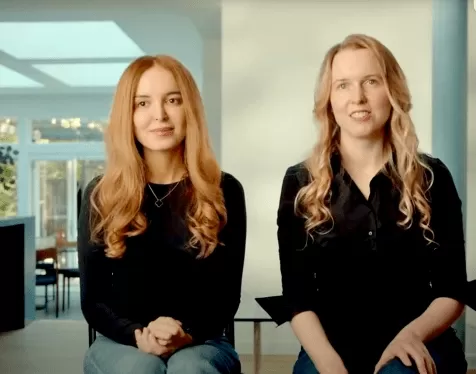 How Recursive Intelligence Raised $335M at $4B Valuation in 4 Months
The co-founders of startup Ricursive Intelligence seemed destined to be co-founders.Anna Goldie, CEO, and Azalia Mirhoseini, CTO, are so well-known in the AI community that they were among those AI engineers who “got those weird emails from Zuckerber
How Recursive Intelligence Raised $335M at $4B Valuation in 4 Months
The co-founders of startup Ricursive Intelligence seemed destined to be co-founders.Anna Goldie, CEO, and Azalia Mirhoseini, CTO, are so well-known in the AI community that they were among those AI engineers who “got those weird emails from Zuckerber

2026 Latest Top-rated AI Illustration Tools: Our curated list features the best powerfully designed tools for creating stunning editorial scenes and eye-catching cover art quickly. Each option has gone through rigorous real-world tests, offering a free vs paid comparison to help you find the perfect match for your workflow. Try these must-try solutions today to unlock your AI edge and boost your creative productivity. Explore now at XIX.AI.
10 tools
xix.ai

2026 Latest Top-Rated Best AI Tutors for Exam Prep are here on XIX.AI! Our curated list features powerful game-changing tools that offer free vs paid comparison, real-world tests, and weekly updated rankings. They help boost your writing efficiency, simplify complex topic learning, and unlock your academic potential. Explore now to Discover your perfect exam prep tool and Start creating today to Unlock your AI edge!
10 tools
xix.ai

2026 Latest Best Top-Rated AI Budget Planning Tools for Personal Money Management are here on XIX.AI! This curated collection features powerful, game-changing solutions that help you conduct real-world tests, understand spending habits, and create personalized plans to boost productivity. Enjoy a free vs paid comparison along with detailed rankings. Must-try tools designed to simplify money management and unlock your AI edge. Explore now!
11 tools
xix.ai

2026 Latest Best Top-Rated AI Sleep Tracking Assistants curated for ultimate recovery. This fully updated weekly guide features powerful tools that deliver real-world tests, free vs paid comparison, and detailed rankings to help you find the must-try solution that boosts sleep quality and supports better bedtime habits. Explore now at XIX.AI to Unlock your AI edge.
10 tools
xix.ai

2026 Latest Best Top-Rated AI SQL Copilots for Product and Revenue Analytics! XIX.AI has curated a powerful, game-changing collection of must-try tools that undergo real-world tests through weekly updated rankings. These tools help users boost productivity significantly by accelerating data analysis, streamlining complex queries, and generating accurate insights to drive smarter business decisions. Explore now to Discover your perfect tool for unlocking your AI edge!
14 tools
xix.ai

2026 Latest Best Top-Rated AI Homework Helpers That Teach Core Concepts Not Just Answers Powerful Tools for Students Must-Try Curated List Weekly Updated Free vs Paid Comparison Real-World Tests Accurate Rankings to Help You Unlock Your Full Learning Potential Explore now to Discover your perfect tool for smarter studying.
10 tools
xix.ai

AIで動画作って収益化って、結局YouTubeのポリシー次第でしょ?2025年って言っても、結局人間のクリエイティビティが評価される仕組みにならないと、単なるツールの乱用になりそう…🤔 個人的にはAIナレーションより自分の声で話す動画の方が信用できるんだけどなぁ。
Achei interessante a questão das políticas do YouTube — será que em 2025 vão diferenciar conteúdo 100% feito por IA? É legal pela praticidade, mas também fico com um pé atrás em relação à originalidade. Por outro lado, se facilitar a entrada de novos criadores, pode ser positivo! 🤔
2025年AI生成视频还能变现?作为刚入行的内容创作者,最担心的就是平台政策突然变卦 🤔 身边已经有人因为版权问题被封号了… 话说回来,工具用得好的话,效率确实能翻倍,但建议还是保留人类创作的‘灵魂’,纯靠AI输出迟早会被算法淘汰吧?大家觉得未来平台会更支持还是限制这类内容呢?












