


 Home
HomeMicrosoft and OpenAI Revise Partnership, Ending Exclusive Licensing Deal

The dynamics of the global AI industry are undergoing a subtle realignment. Microsoft and OpenAI have formally announced substantial updates to their partnership agreement today, designed to grant both entities greater operational flexibility in a fast-evolving market.
Licensing shifts from exclusive to non-exclusive
Under the newly revised terms, Microsoft retains its intellectual property license for OpenAI's models and products, which remains effective until 2032. However, this license has been converted from an "exclusive" to a "non-exclusive" arrangement. This grants OpenAI complete autonomy to make its full product portfolio available to customers through any cloud service provider.
Despite the licensing change, Microsoft continues to hold its status as OpenAI's primary cloud partner. Barring situations where Microsoft's Azure platform cannot meet specific technical requirements, OpenAI's new products will still be launched primarily on Azure. Collaboration between the two companies on data centers and chip development will also proceed.
Financial terms clarified and roles redefined
Financially, the agreement establishes several "liberalizing" consensuses. Microsoft will cease its revenue share payments to OpenAI, while OpenAI's revenue share to Microsoft will continue until 2030 under a capped total amount, no longer directly tied to technological progress.
While financial interactions are simplified, Microsoft will continue to be directly involved in OpenAI's long-term development as a major shareholder. Both parties stated that this adjustment clarifies operational specifics, preserving Microsoft's investment rights while affording OpenAI more independence to expand within the global AI market.
Related article
 Ultraman’s College Critique Sparks Debate on Redefining Growth and Careers in the AI Era
In an era defined by rapid AI advancement, traditional education and career planning face unprecedented challenges. OpenAI CEO Sam Altman recently delivered a provocative address at the Internapalooza tech intern event, arguing that a four-year colle
Ctrip Business Travel Unveils AI Ecosystem with 7 Industry Agents and 17 Core Capabilities
Ctrip Business Travel has officially unveiled the "Ctrip Business Travel AI Ecosystem," leveraging large language models to fundamentally restructure corporate travel management. This comprehensive ecosystem addresses four core scenarios: travel arra
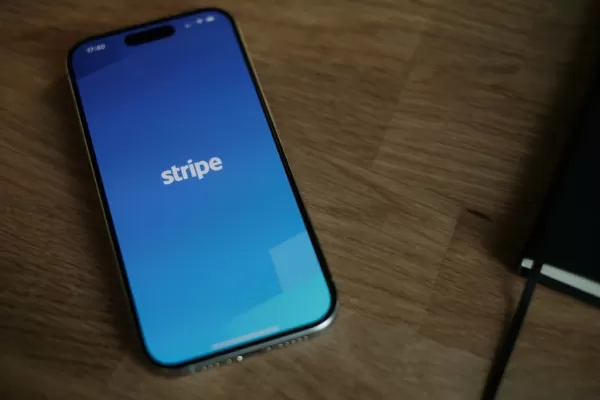
Stripe to Acquire OpenRouter as AI Model Routing Gains Momentum
Stripe has agreed to acquire OpenRouter, an AI model-routing platform that gives developers access to hundreds of models through a single interface. The deal adds model selection and routing to Stripe’s existing work around AI usage and token-based b
Related Special Topic Recommendations
Design & Art
Ultraman’s College Critique Sparks Debate on Redefining Growth and Careers in the AI Era
In an era defined by rapid AI advancement, traditional education and career planning face unprecedented challenges. OpenAI CEO Sam Altman recently delivered a provocative address at the Internapalooza tech intern event, arguing that a four-year colle
Ctrip Business Travel Unveils AI Ecosystem with 7 Industry Agents and 17 Core Capabilities
Ctrip Business Travel has officially unveiled the "Ctrip Business Travel AI Ecosystem," leveraging large language models to fundamentally restructure corporate travel management. This comprehensive ecosystem addresses four core scenarios: travel arra
Stripe to Acquire OpenRouter as AI Model Routing Gains Momentum
Stripe has agreed to acquire OpenRouter, an AI model-routing platform that gives developers access to hundreds of models through a single interface. The deal adds model selection and routing to Stripe’s existing work around AI usage and token-based b
Related Special Topic Recommendations
Design & Art
 Top AI Illustration Tools: Create Editorial Scenes and Cover Art Faster
2026 Latest Top-rated AI Illustration Tools: Our curated list features the best powerfully designed tools for creating stunning editorial scenes and eye-catching cover art quickly. Each option has gone through rigorous real-world tests, offering a free vs paid comparison to help you find the perfect match for your workflow. Try these must-try solutions today to unlock your AI edge and boost your creative productivity. Explore now at XIX.AI.
 10 tools
 xix.ai
Education and Learning
Top AI Tutors for Exam Prep: Practice Math, Science, and English
xix.ai
Education and Learning
Top AI Tutors for Exam Prep: Practice Math, Science, and English
2026 Latest Top-Rated Best AI Tutors for Exam Prep are here on XIX.AI! Our curated list features powerful game-changing tools that offer free vs paid comparison, real-world tests, and weekly updated rankings. They help boost your writing efficiency, simplify complex topic learning, and unlock your academic potential. Explore now to Discover your perfect exam prep tool and Start creating today to Unlock your AI edge!
10 tools
xix.ai
Finance
AI Budget Planning Tools for Personal Money Management
2026 Latest Best Top-Rated AI Budget Planning Tools for Personal Money Management are here on XIX.AI! This curated collection features powerful, game-changing solutions that help you conduct real-world tests, understand spending habits, and create personalized plans to boost productivity. Enjoy a free vs paid comparison along with detailed rankings. Must-try tools designed to simplify money management and unlock your AI edge. Explore now!
11 tools
xix.ai
Health & Wellness
AI Sleep Tracking Assistants: Improve Recovery with Better Bedtime Habits
2026 Latest Best Top-Rated AI Sleep Tracking Assistants curated for ultimate recovery. This fully updated weekly guide features powerful tools that deliver real-world tests, free vs paid comparison, and detailed rankings to help you find the must-try solution that boosts sleep quality and supports better bedtime habits. Explore now at XIX.AI to Unlock your AI edge.
10 tools
xix.ai
Data Analysis
AI SQL Copilots for Product and Revenue Analytics
2026 Latest Best Top-Rated AI SQL Copilots for Product and Revenue Analytics! XIX.AI has curated a powerful, game-changing collection of must-try tools that undergo real-world tests through weekly updated rankings. These tools help users boost productivity significantly by accelerating data analysis, streamlining complex queries, and generating accurate insights to drive smarter business decisions. Explore now to Discover your perfect tool for unlocking your AI edge!
14 tools
xix.ai
Education and Learning
Best AI Homework Helpers That Teach: Learn Concepts, Not Just Answers
2026 Latest Best Top-Rated AI Homework Helpers That Teach Core Concepts Not Just Answers Powerful Tools for Students Must-Try Curated List Weekly Updated Free vs Paid Comparison Real-World Tests Accurate Rankings to Help You Unlock Your Full Learning Potential Explore now to Discover your perfect tool for smarter studying.
10 tools
xix.ai

 Comments (1)
0/500
Comments (1)
0/500
![RalphGonzález]()
So Microsoft and OpenAI are loosening their exclusive tie? Feels like a power shift in the AI arms race. Wonder if this means more competition or chaos. 🤔
The dynamics of the global AI industry are undergoing a subtle realignment. Microsoft and OpenAI have formally announced substantial updates to their partnership agreement today, designed to grant both entities greater operational flexibility in a fast-evolving market.
Licensing shifts from exclusive to non-exclusive
Under the newly revised terms, Microsoft retains its intellectual property license for OpenAI's models and products, which remains effective until 2032. However, this license has been converted from an "exclusive" to a "non-exclusive" arrangement. This grants OpenAI complete autonomy to make its full product portfolio available to customers through any cloud service provider.
Despite the licensing change, Microsoft continues to hold its status as OpenAI's primary cloud partner. Barring situations where Microsoft's Azure platform cannot meet specific technical requirements, OpenAI's new products will still be launched primarily on Azure. Collaboration between the two companies on data centers and chip development will also proceed.
Financial terms clarified and roles redefined
Financially, the agreement establishes several "liberalizing" consensuses. Microsoft will cease its revenue share payments to OpenAI, while OpenAI's revenue share to Microsoft will continue until 2030 under a capped total amount, no longer directly tied to technological progress.
While financial interactions are simplified, Microsoft will continue to be directly involved in OpenAI's long-term development as a major shareholder. Both parties stated that this adjustment clarifies operational specifics, preserving Microsoft's investment rights while affording OpenAI more independence to expand within the global AI market.








 Ultraman’s College Critique Sparks Debate on Redefining Growth and Careers in the AI Era
In an era defined by rapid AI advancement, traditional education and career planning face unprecedented challenges. OpenAI CEO Sam Altman recently delivered a provocative address at the Internapalooza tech intern event, arguing that a four-year colle
Ultraman’s College Critique Sparks Debate on Redefining Growth and Careers in the AI Era
In an era defined by rapid AI advancement, traditional education and career planning face unprecedented challenges. OpenAI CEO Sam Altman recently delivered a provocative address at the Internapalooza tech intern event, arguing that a four-year colle
 Ctrip Business Travel Unveils AI Ecosystem with 7 Industry Agents and 17 Core Capabilities
Ctrip Business Travel has officially unveiled the "Ctrip Business Travel AI Ecosystem," leveraging large language models to fundamentally restructure corporate travel management. This comprehensive ecosystem addresses four core scenarios: travel arra
Ctrip Business Travel Unveils AI Ecosystem with 7 Industry Agents and 17 Core Capabilities
Ctrip Business Travel has officially unveiled the "Ctrip Business Travel AI Ecosystem," leveraging large language models to fundamentally restructure corporate travel management. This comprehensive ecosystem addresses four core scenarios: travel arra
 Stripe to Acquire OpenRouter as AI Model Routing Gains Momentum
Stripe has agreed to acquire OpenRouter, an AI model-routing platform that gives developers access to hundreds of models through a single interface. The deal adds model selection and routing to Stripe’s existing work around AI usage and token-based b
Stripe to Acquire OpenRouter as AI Model Routing Gains Momentum
Stripe has agreed to acquire OpenRouter, an AI model-routing platform that gives developers access to hundreds of models through a single interface. The deal adds model selection and routing to Stripe’s existing work around AI usage and token-based b
2026 Latest Top-rated AI Illustration Tools: Our curated list features the best powerfully designed tools for creating stunning editorial scenes and eye-catching cover art quickly. Each option has gone through rigorous real-world tests, offering a free vs paid comparison to help you find the perfect match for your workflow. Try these must-try solutions today to unlock your AI edge and boost your creative productivity. Explore now at XIX.AI.
10 tools
xix.ai

2026 Latest Top-Rated Best AI Tutors for Exam Prep are here on XIX.AI! Our curated list features powerful game-changing tools that offer free vs paid comparison, real-world tests, and weekly updated rankings. They help boost your writing efficiency, simplify complex topic learning, and unlock your academic potential. Explore now to Discover your perfect exam prep tool and Start creating today to Unlock your AI edge!
10 tools
xix.ai

2026 Latest Best Top-Rated AI Budget Planning Tools for Personal Money Management are here on XIX.AI! This curated collection features powerful, game-changing solutions that help you conduct real-world tests, understand spending habits, and create personalized plans to boost productivity. Enjoy a free vs paid comparison along with detailed rankings. Must-try tools designed to simplify money management and unlock your AI edge. Explore now!
11 tools
xix.ai

2026 Latest Best Top-Rated AI Sleep Tracking Assistants curated for ultimate recovery. This fully updated weekly guide features powerful tools that deliver real-world tests, free vs paid comparison, and detailed rankings to help you find the must-try solution that boosts sleep quality and supports better bedtime habits. Explore now at XIX.AI to Unlock your AI edge.
10 tools
xix.ai

2026 Latest Best Top-Rated AI SQL Copilots for Product and Revenue Analytics! XIX.AI has curated a powerful, game-changing collection of must-try tools that undergo real-world tests through weekly updated rankings. These tools help users boost productivity significantly by accelerating data analysis, streamlining complex queries, and generating accurate insights to drive smarter business decisions. Explore now to Discover your perfect tool for unlocking your AI edge!
14 tools
xix.ai

2026 Latest Best Top-Rated AI Homework Helpers That Teach Core Concepts Not Just Answers Powerful Tools for Students Must-Try Curated List Weekly Updated Free vs Paid Comparison Real-World Tests Accurate Rankings to Help You Unlock Your Full Learning Potential Explore now to Discover your perfect tool for smarter studying.
10 tools
xix.ai

So Microsoft and OpenAI are loosening their exclusive tie? Feels like a power shift in the AI arms race. Wonder if this means more competition or chaos. 🤔












