


 Home
HomeAI-Powered 'Black Widow' Dance Remix Revitalizes Michael Jackson Classic
The legacy of the King of Pop, Michael Jackson, continues to inspire new generations. Today, artificial intelligence is breathing new life into his catalog, with creations like the 'Black Widow' AI remix showcasing this innovative fusion. This exploration examines the appeal of this remix, the technology behind it, and AI's expanding role in music production, offering a fresh look at Jackson's lasting impact.
Key Points
The 'Black Widow' remix demonstrates AI's potential for musical innovation.
AI algorithms can deconstruct and reinterpret Jackson's signature sound.
It merges classic and contemporary musical elements.
AI music creation tools are increasingly available to artists.
This technology prompts important discussions on copyright and originality.
Jackson's musical heritage continues to be a major influence for AI-driven projects.
The AI Revolution in Music: Remixing a Legend
What is the 'Black Widow' AI Remix?
The 'Black Widow' AI remix is a creative interpretation of what a Michael Jackson track might sound like with modern AI production. Advanced algorithms analyze and reconstruct existing music, blending Jackson's iconic vocals and stylistic elements with new beats and arrangements. This results in a novel listening experience that honors the original while exploring new creative directions. The aim is not to replace the classic but to provide a modern tribute that engages both dedicated fans and new listeners.
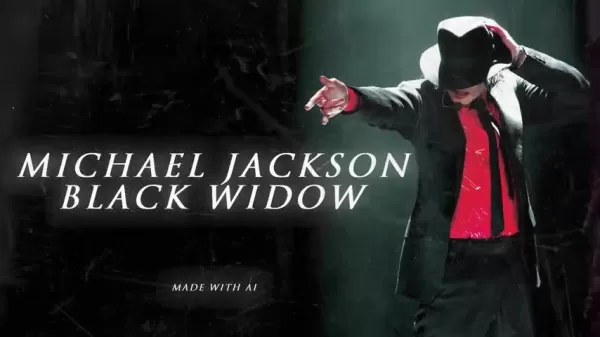
This type of project illustrates AI's role as a creative collaborator, providing tools that were previously out of reach. It empowers artists to discover new dimensions in their work, expanding the possibilities of musical expression and keeping timeless sounds current. As AI technology progresses, such remixes are expected to become more common, fueling conversations about authenticity, intellectual property, and the future of the music industry.
The concept of an AI remix raises fascinating questions about artistic evolution. It shows how algorithms can analyze, interpret, and reconstruct music in unexpected ways, producing a blend of the recognizable and the new. This allows audiences to experience Jackson's enduring appeal from a modern viewpoint, celebrating his artistry in a way that feels both respectful and forward-thinking.
Ultimately, the "Black Widow" remix represents the intersection of AI and music, demonstrating how technology can be a powerful medium for artistic expression and preservation.
The Technology Behind the Remix
Several advanced technologies enable AI-driven music remixes. Here are the key components:
- Neural Networks: These complex systems are trained on large music libraries, learning to identify patterns, rhythms, and song structures. For a Michael Jackson remix, a neural network could study his complete works to understand his vocal techniques and production style, enabling it to generate new content consistent with his artistry.
- Audio Processing Software: Sophisticated software manipulates audio signals with precision, isolating vocals, extracting instruments, and applying effects. This allows producers to break down an original track into its core components for rearrangement and enhancement.
- Generative Algorithms: These algorithms create new musical material from scratch. By setting parameters like tempo and key, they can produce original melodies and harmonies that complement the existing track, allowing for fresh creative input while maintaining a unified sound.
- Machine Learning Models: These models examine existing music to understand its structure and generate new content based on learned patterns. For example, a model could analyze chord progressions in Jackson's music and create new ones that fit seamlessly into a remix, blending familiarity with innovation.
- AI-Powered DAWs (Digital Audio Workstations): Modern DAWs incorporate AI features that assist with mixing, mastering, and sound design. These tools streamline the production process, letting creators focus on artistic choices rather than technical details.
Together, these technologies provide producers with remarkable creative freedom. As AI develops further, we can anticipate even more advanced tools that continue to blur the lines between human and machine-generated art. The 'Black Widow' remix is a compelling example of what's achievable when technology meets a passion for musical innovation.
The Enduring Appeal of Michael Jackson's Music
Michael Jackson's music has a timeless quality that continues to attract listeners worldwide. Several factors contribute to its lasting popularity:
- Unique Vocal Style: Jackson's voice was instantly recognizable, with its impressive range, agility, and emotional power. His signature vocal quirks, ad-libs, and high notes added a distinctive and dynamic quality that deeply connected with audiences.
- Infectious Rhythms: His music was built on irresistible beats that made people want to dance. By blending funk, soul, and disco with pop, he created a sound that was both energetic and engaging.
- Innovative Production: Collaborations with producers like Quincy Jones led to groundbreaking sound techniques. Their use of synthesizers, drum machines, and sampling crafted a sonic experience that felt both ahead of its time and eternally fresh.
- Emotional Depth: Beyond catchy tunes, Jackson's songs often explored themes of love, social issues, and personal challenges. This emotional resonance allowed his music to make a profound and personal impact on listeners.
- Visual Spectacle: Jackson was a pioneer in music videos and live performances, turning them into immersive artistic events. His innovative choreography, costumes, and stage designs elevated his music into a complete entertainment experience.
Decades later, new generations continue to discover and admire Jackson's work. Its unique combination of musical excellence, innovation, and emotional power secures its status as legendary, making it rich material for AI remixes that both honor and reimagine its timeless appeal.
Ethical and Legal Considerations of AI Music Remixes
Copyright and Ownership
A primary concern with AI-generated music is copyright. If an AI is trained on copyrighted songs, who owns the resulting music? Is it the AI developer, the user, or the original rights holder? These are complex questions without simple answers. As AI music grows, clear legal standards are needed to protect both creators and copyright owners.
Additionally, using AI for remixing raises fair use questions. Does transforming a copyrighted track with AI qualify as a transformative use under fair use? This depends on factors like the degree of transformation, the remix's purpose, and its effect on the original's market. Courts will need to address these issues as AI music evolves.
Another key issue is attribution for AI-generated music. Should the AI be credited as a co-author? Some argue against it, citing the lack of human intent and creativity. Others believe the AI's contribution is significant enough for recognition. This debate reflects the changing nature of authorship in the AI era and the need for new frameworks that acknowledge machine collaboration in creative work.
Authenticity and Originality
AI in music also prompts debates on authenticity and originality. Can music created by AI, based on existing patterns, be considered truly original? Critics suggest AI can only imitate, lacking the genuine creativity and emotional expression of human artists.
Proponents argue that AI is a tool for real creativity, helping artists explore new sounds and expand musical boundaries. By combining AI's analytical capabilities with human artistry, it's possible to create music that is both innovative and meaningful. The perspective should be of AI as a collaborator, not a replacement.
Another worry is that AI might lead to musical homogenization, reducing diversity and individuality. If AI models are trained on a narrow range of styles, they may produce similar-sounding music. To prevent this, it's vital to use diverse training datasets and encourage artists to use AI in ways that reflect their unique creative voices.
Creating Your Own AI-Powered Music Remixes
Step 1: Choose Your Tools
A range of AI music tools is available, each with different capabilities. Popular options include:
- Amper Music: A web-based platform for creating original music with AI. You set the genre, tempo, key, and instruments, and it generates a custom track.
- Jukebox (OpenAI): An OpenAI neural net that creates original music, including vocals, in various styles, adding a layer of realism.
- AIVA (Artificial Intelligence Virtual Artist): An AI composer focused on emotional, cinematic scores for films, games, and other media, often used in advertising.
- LANDR: An AI-powered mastering service that automatically enhances track quality by optimizing loudness, clarity, and overall sound.
Select tools based on your budget, skill level, and creative objectives. Many offer free trials or limited free versions for experimentation.
Step 2: Prepare Your Audio
Before remixing with AI, prepare your audio files by:
- Isolating Vocals: Use software like Audacity or Adobe Audition to separate vocals from the instrumental track for individual manipulation.
- Extracting Instrumental Parts: Isolate specific instruments or create loops from sections of the original song using audio software.
- Cleaning Up Audio: Remove background noise, hiss, or clicks for a clean, professional sound.
- Converting to Appropriate Format: Ensure your audio files are in a compatible format like WAV or MP3 for your AI tools.
Careful audio preparation is crucial for a high-quality remix.
Step 3: Experiment and Iterate
Success in AI-powered remixing comes from experimentation and iteration. Try different tools, processing methods, and creative concepts. Don't hesitate to explore new sonic territories.
As you experiment, focus on:
- Balance: Ensure AI-generated elements enhance the original without overshadowing it. Aim for a mix of the familiar and the new.
- Cohesion: Make sure all parts of your remix work together harmoniously for a unified listening experience.
- Originality: Strive for a remix that reflects your unique vision. Use AI to express your musical identity, not just replicate existing styles.
Creating an AI-powered remix is an iterative journey. Be ready to experiment, learn from missteps, and refine your work. With dedication, you can produce remixes that are both innovative and personally meaningful.
Pricing of AI Music Tools
Cost Analysis
AI music tools have various pricing models, affecting their accessibility. Free versions often have restrictions, while subscriptions offer more features.
- Free Tools: Some AI music generators provide basic functions for free, with limits on track number, length, or available features.
- Subscription Models: Many tools use monthly or annual subscriptions, with different tiers for more features and higher usage limits.
- One-Time Purchases: Some software is available for a single purchase, which can be cost-effective for long-term use despite a higher initial cost.
Choose a tool based on your budget and needs. Beginners may start with free or low-cost options, while professionals might invest in comprehensive subscriptions or purchases.
AI Music Remixes: Weighing the Advantages and Disadvantages
Pros
Provides innovative new takes on classic songs.
Makes music creation tools accessible to more people.
Enables fast music creation and experimentation.
Cons
Raises copyright and ownership concerns.
Might lack the emotional nuance of human-composed music.
Could lead to a sameness in musical styles.
Core Features of AI Music Platforms
Key Capabilities
AI music platforms offer features like automatic composition, style adaptation, and dynamic music generation, enabling the creation of custom music pieces.
- Automatic Composition: AI can generate original music based on user-defined parameters like genre, tempo, and instruments, useful for background music and soundscapes.
- Style Transfer: AI can apply the style of one song to another, allowing creations that echo favorite artists or genres.
- Adaptive Music Generation: AI can produce music that changes based on user interaction or environment, ideal for interactive media like video games and VR.
- Customization Options: Platforms provide various settings to adjust tempo, key, and instrumentation, tailoring the music to specific requirements.
- Integration with DAWs: Some AI tools integrate with Digital Audio Workstations, enhancing existing production workflows and saving time.
These platforms are constantly improving, adding features that make music creation more intuitive and powerful.
Diverse Use Cases of AI Music
Applications Across Industries
AI music is utilized in advertising, gaming, film, and therapy, showing its wide-ranging potential.
- Advertising: AI creates original music for commercials, saving on licensing costs and ensuring brand alignment.
- Gaming: It generates adaptive, interactive soundtracks that enhance immersion in video games.
- Film: AI can compose original scores, providing a cost-effective alternative to traditional composers while matching the project's mood.
- Therapeutic Purposes: AI produces personalized music to help reduce stress, anxiety, and pain for patients.
As AI music technology advances, we can expect even more innovative applications to emerge.
Frequently Asked Questions
Is AI music truly original?
While AI uses existing patterns, it can produce unique compositions. Originality often comes from the user's creative guidance, steering the AI's output. By setting specific parameters, users can generate music that stands apart. AI also enables exploration of new sonic territories, leading to innovative and personal works. The essence is collaboration, with human vision directing the AI.
Will AI replace human musicians?
This is unlikely. AI acts as a tool to enhance creativity, not replace it. It can help with generating musical ideas, but the emotional depth and artistic intent provided by humans remain irreplaceable. AI tools can help musicians explore new directions and streamline workflows, but the human element is crucial for creating deeply meaningful music.
How does AI ensure copyright compliance?
Developers take steps to avoid infringement, such as training AI on royalty-free music and providing tools for original content creation. However, users must also be cautious, ensuring their use of AI-generated music respects copyright laws. This includes securing licenses for any copyrighted material used and avoiding infringement. Staying informed about legal standards is essential as the technology evolves.
Related Questions
What are the limitations of AI in music creation?
Current AI struggles with nuanced emotional expression and the spontaneity of live performance. It can produce technically sound music but often misses the raw energy and emotional depth of human creation. AI-generated works can also lack the distinctive creative spark of human composers, sometimes relying too heavily on existing patterns. However, ongoing advancements are gradually addressing these limitations.
How is AI changing the role of music producers?
AI is reshaping production by automating technical tasks, allowing producers to concentrate on creative decisions. It assists with mixing, mastering, and sound design, freeing up time for artistic direction. AI also offers new tools for sonic exploration, enabling producers to push creative boundaries. This partnership between human and machine is leading to more innovative and polished music production.
Related article
 Stripe to Acquire OpenRouter as AI Model Routing Gains Momentum
Stripe has agreed to acquire OpenRouter, an AI model-routing platform that gives developers access to hundreds of models through a single interface. The deal adds model selection and routing to Stripe’s existing work around AI usage and token-based b
Former OpenAI Researcher Barrett Zoph Returns to Google to Support Gemini Development
Barret Zoph, who previously abruptly left and joined OpenAI due to a disagreement with Thinking Machines Lab CEO Miriam Mularati, has once again changed employers. Alphabet's Google announced that Zoph will return as Vice President of Research, bring
How Recursive Intelligence Raised $335M at $4B Valuation in 4 Months
The co-founders of startup Ricursive Intelligence seemed destined to be co-founders.Anna Goldie, CEO, and Azalia Mirhoseini, CTO, are so well-known in the AI community that they were among those AI engineers who “got those weird emails from Zuckerber
Related Special Topic Recommendations
Design & Art
Stripe to Acquire OpenRouter as AI Model Routing Gains Momentum
Stripe has agreed to acquire OpenRouter, an AI model-routing platform that gives developers access to hundreds of models through a single interface. The deal adds model selection and routing to Stripe’s existing work around AI usage and token-based b
Former OpenAI Researcher Barrett Zoph Returns to Google to Support Gemini Development
Barret Zoph, who previously abruptly left and joined OpenAI due to a disagreement with Thinking Machines Lab CEO Miriam Mularati, has once again changed employers. Alphabet's Google announced that Zoph will return as Vice President of Research, bring
How Recursive Intelligence Raised $335M at $4B Valuation in 4 Months
The co-founders of startup Ricursive Intelligence seemed destined to be co-founders.Anna Goldie, CEO, and Azalia Mirhoseini, CTO, are so well-known in the AI community that they were among those AI engineers who “got those weird emails from Zuckerber
Related Special Topic Recommendations
Design & Art
 Top AI Illustration Tools: Create Editorial Scenes and Cover Art Faster
2026 Latest Top-rated AI Illustration Tools: Our curated list features the best powerfully designed tools for creating stunning editorial scenes and eye-catching cover art quickly. Each option has gone through rigorous real-world tests, offering a free vs paid comparison to help you find the perfect match for your workflow. Try these must-try solutions today to unlock your AI edge and boost your creative productivity. Explore now at XIX.AI.
 10 tools
 xix.ai
Education and Learning
Top AI Tutors for Exam Prep: Practice Math, Science, and English
xix.ai
Education and Learning
Top AI Tutors for Exam Prep: Practice Math, Science, and English
2026 Latest Top-Rated Best AI Tutors for Exam Prep are here on XIX.AI! Our curated list features powerful game-changing tools that offer free vs paid comparison, real-world tests, and weekly updated rankings. They help boost your writing efficiency, simplify complex topic learning, and unlock your academic potential. Explore now to Discover your perfect exam prep tool and Start creating today to Unlock your AI edge!
10 tools
xix.ai
Finance
AI Budget Planning Tools for Personal Money Management
2026 Latest Best Top-Rated AI Budget Planning Tools for Personal Money Management are here on XIX.AI! This curated collection features powerful, game-changing solutions that help you conduct real-world tests, understand spending habits, and create personalized plans to boost productivity. Enjoy a free vs paid comparison along with detailed rankings. Must-try tools designed to simplify money management and unlock your AI edge. Explore now!
11 tools
xix.ai
Health & Wellness
AI Sleep Tracking Assistants: Improve Recovery with Better Bedtime Habits
2026 Latest Best Top-Rated AI Sleep Tracking Assistants curated for ultimate recovery. This fully updated weekly guide features powerful tools that deliver real-world tests, free vs paid comparison, and detailed rankings to help you find the must-try solution that boosts sleep quality and supports better bedtime habits. Explore now at XIX.AI to Unlock your AI edge.
10 tools
xix.ai
Data Analysis
AI SQL Copilots for Product and Revenue Analytics
2026 Latest Best Top-Rated AI SQL Copilots for Product and Revenue Analytics! XIX.AI has curated a powerful, game-changing collection of must-try tools that undergo real-world tests through weekly updated rankings. These tools help users boost productivity significantly by accelerating data analysis, streamlining complex queries, and generating accurate insights to drive smarter business decisions. Explore now to Discover your perfect tool for unlocking your AI edge!
14 tools
xix.ai
Education and Learning
Best AI Homework Helpers That Teach: Learn Concepts, Not Just Answers
2026 Latest Best Top-Rated AI Homework Helpers That Teach Core Concepts Not Just Answers Powerful Tools for Students Must-Try Curated List Weekly Updated Free vs Paid Comparison Real-World Tests Accurate Rankings to Help You Unlock Your Full Learning Potential Explore now to Discover your perfect tool for smarter studying.
10 tools
xix.ai

 Comments (1)
0/500
Comments (1)
0/500
![ScottKing]()
マイケル・ジャクソンの曲をAIでリミックス?「ブラックウィドウ」って何だろ?😅 正直、元の曲の良さを台無しにするんじゃないか心配だけど、技術的には面白い試みだね。もしダンスが追いついてくれたら、ちょっと見てみようかな。🕺✨
The legacy of the King of Pop, Michael Jackson, continues to inspire new generations. Today, artificial intelligence is breathing new life into his catalog, with creations like the 'Black Widow' AI remix showcasing this innovative fusion. This exploration examines the appeal of this remix, the technology behind it, and AI's expanding role in music production, offering a fresh look at Jackson's lasting impact.
Key Points
The 'Black Widow' remix demonstrates AI's potential for musical innovation.
AI algorithms can deconstruct and reinterpret Jackson's signature sound.
It merges classic and contemporary musical elements.
AI music creation tools are increasingly available to artists.
This technology prompts important discussions on copyright and originality.
Jackson's musical heritage continues to be a major influence for AI-driven projects.
The AI Revolution in Music: Remixing a Legend
What is the 'Black Widow' AI Remix?
The 'Black Widow' AI remix is a creative interpretation of what a Michael Jackson track might sound like with modern AI production. Advanced algorithms analyze and reconstruct existing music, blending Jackson's iconic vocals and stylistic elements with new beats and arrangements. This results in a novel listening experience that honors the original while exploring new creative directions. The aim is not to replace the classic but to provide a modern tribute that engages both dedicated fans and new listeners.
This type of project illustrates AI's role as a creative collaborator, providing tools that were previously out of reach. It empowers artists to discover new dimensions in their work, expanding the possibilities of musical expression and keeping timeless sounds current. As AI technology progresses, such remixes are expected to become more common, fueling conversations about authenticity, intellectual property, and the future of the music industry.
The concept of an AI remix raises fascinating questions about artistic evolution. It shows how algorithms can analyze, interpret, and reconstruct music in unexpected ways, producing a blend of the recognizable and the new. This allows audiences to experience Jackson's enduring appeal from a modern viewpoint, celebrating his artistry in a way that feels both respectful and forward-thinking.
Ultimately, the "Black Widow" remix represents the intersection of AI and music, demonstrating how technology can be a powerful medium for artistic expression and preservation.
The Technology Behind the Remix
Several advanced technologies enable AI-driven music remixes. Here are the key components:
- Neural Networks: These complex systems are trained on large music libraries, learning to identify patterns, rhythms, and song structures. For a Michael Jackson remix, a neural network could study his complete works to understand his vocal techniques and production style, enabling it to generate new content consistent with his artistry.
- Audio Processing Software: Sophisticated software manipulates audio signals with precision, isolating vocals, extracting instruments, and applying effects. This allows producers to break down an original track into its core components for rearrangement and enhancement.
- Generative Algorithms: These algorithms create new musical material from scratch. By setting parameters like tempo and key, they can produce original melodies and harmonies that complement the existing track, allowing for fresh creative input while maintaining a unified sound.
- Machine Learning Models: These models examine existing music to understand its structure and generate new content based on learned patterns. For example, a model could analyze chord progressions in Jackson's music and create new ones that fit seamlessly into a remix, blending familiarity with innovation.
- AI-Powered DAWs (Digital Audio Workstations): Modern DAWs incorporate AI features that assist with mixing, mastering, and sound design. These tools streamline the production process, letting creators focus on artistic choices rather than technical details.
Together, these technologies provide producers with remarkable creative freedom. As AI develops further, we can anticipate even more advanced tools that continue to blur the lines between human and machine-generated art. The 'Black Widow' remix is a compelling example of what's achievable when technology meets a passion for musical innovation.
The Enduring Appeal of Michael Jackson's Music
Michael Jackson's music has a timeless quality that continues to attract listeners worldwide. Several factors contribute to its lasting popularity:
- Unique Vocal Style: Jackson's voice was instantly recognizable, with its impressive range, agility, and emotional power. His signature vocal quirks, ad-libs, and high notes added a distinctive and dynamic quality that deeply connected with audiences.
- Infectious Rhythms: His music was built on irresistible beats that made people want to dance. By blending funk, soul, and disco with pop, he created a sound that was both energetic and engaging.
- Innovative Production: Collaborations with producers like Quincy Jones led to groundbreaking sound techniques. Their use of synthesizers, drum machines, and sampling crafted a sonic experience that felt both ahead of its time and eternally fresh.
- Emotional Depth: Beyond catchy tunes, Jackson's songs often explored themes of love, social issues, and personal challenges. This emotional resonance allowed his music to make a profound and personal impact on listeners.
- Visual Spectacle: Jackson was a pioneer in music videos and live performances, turning them into immersive artistic events. His innovative choreography, costumes, and stage designs elevated his music into a complete entertainment experience.
Decades later, new generations continue to discover and admire Jackson's work. Its unique combination of musical excellence, innovation, and emotional power secures its status as legendary, making it rich material for AI remixes that both honor and reimagine its timeless appeal.
Ethical and Legal Considerations of AI Music Remixes
Copyright and Ownership
A primary concern with AI-generated music is copyright. If an AI is trained on copyrighted songs, who owns the resulting music? Is it the AI developer, the user, or the original rights holder? These are complex questions without simple answers. As AI music grows, clear legal standards are needed to protect both creators and copyright owners.
Additionally, using AI for remixing raises fair use questions. Does transforming a copyrighted track with AI qualify as a transformative use under fair use? This depends on factors like the degree of transformation, the remix's purpose, and its effect on the original's market. Courts will need to address these issues as AI music evolves.
Another key issue is attribution for AI-generated music. Should the AI be credited as a co-author? Some argue against it, citing the lack of human intent and creativity. Others believe the AI's contribution is significant enough for recognition. This debate reflects the changing nature of authorship in the AI era and the need for new frameworks that acknowledge machine collaboration in creative work.
Authenticity and Originality
AI in music also prompts debates on authenticity and originality. Can music created by AI, based on existing patterns, be considered truly original? Critics suggest AI can only imitate, lacking the genuine creativity and emotional expression of human artists.
Proponents argue that AI is a tool for real creativity, helping artists explore new sounds and expand musical boundaries. By combining AI's analytical capabilities with human artistry, it's possible to create music that is both innovative and meaningful. The perspective should be of AI as a collaborator, not a replacement.
Another worry is that AI might lead to musical homogenization, reducing diversity and individuality. If AI models are trained on a narrow range of styles, they may produce similar-sounding music. To prevent this, it's vital to use diverse training datasets and encourage artists to use AI in ways that reflect their unique creative voices.
Creating Your Own AI-Powered Music Remixes
Step 1: Choose Your Tools
A range of AI music tools is available, each with different capabilities. Popular options include:
- Amper Music: A web-based platform for creating original music with AI. You set the genre, tempo, key, and instruments, and it generates a custom track.
- Jukebox (OpenAI): An OpenAI neural net that creates original music, including vocals, in various styles, adding a layer of realism.
- AIVA (Artificial Intelligence Virtual Artist): An AI composer focused on emotional, cinematic scores for films, games, and other media, often used in advertising.
- LANDR: An AI-powered mastering service that automatically enhances track quality by optimizing loudness, clarity, and overall sound.
Select tools based on your budget, skill level, and creative objectives. Many offer free trials or limited free versions for experimentation.
Step 2: Prepare Your Audio
Before remixing with AI, prepare your audio files by:
- Isolating Vocals: Use software like Audacity or Adobe Audition to separate vocals from the instrumental track for individual manipulation.
- Extracting Instrumental Parts: Isolate specific instruments or create loops from sections of the original song using audio software.
- Cleaning Up Audio: Remove background noise, hiss, or clicks for a clean, professional sound.
- Converting to Appropriate Format: Ensure your audio files are in a compatible format like WAV or MP3 for your AI tools.
Careful audio preparation is crucial for a high-quality remix.
Step 3: Experiment and Iterate
Success in AI-powered remixing comes from experimentation and iteration. Try different tools, processing methods, and creative concepts. Don't hesitate to explore new sonic territories.
As you experiment, focus on:
- Balance: Ensure AI-generated elements enhance the original without overshadowing it. Aim for a mix of the familiar and the new.
- Cohesion: Make sure all parts of your remix work together harmoniously for a unified listening experience.
- Originality: Strive for a remix that reflects your unique vision. Use AI to express your musical identity, not just replicate existing styles.
Creating an AI-powered remix is an iterative journey. Be ready to experiment, learn from missteps, and refine your work. With dedication, you can produce remixes that are both innovative and personally meaningful.
Pricing of AI Music Tools
Cost Analysis
AI music tools have various pricing models, affecting their accessibility. Free versions often have restrictions, while subscriptions offer more features.
- Free Tools: Some AI music generators provide basic functions for free, with limits on track number, length, or available features.
- Subscription Models: Many tools use monthly or annual subscriptions, with different tiers for more features and higher usage limits.
- One-Time Purchases: Some software is available for a single purchase, which can be cost-effective for long-term use despite a higher initial cost.
Choose a tool based on your budget and needs. Beginners may start with free or low-cost options, while professionals might invest in comprehensive subscriptions or purchases.
AI Music Remixes: Weighing the Advantages and Disadvantages
Pros
Provides innovative new takes on classic songs.
Makes music creation tools accessible to more people.
Enables fast music creation and experimentation.
Cons
Raises copyright and ownership concerns.
Might lack the emotional nuance of human-composed music.
Could lead to a sameness in musical styles.
Core Features of AI Music Platforms
Key Capabilities
AI music platforms offer features like automatic composition, style adaptation, and dynamic music generation, enabling the creation of custom music pieces.
- Automatic Composition: AI can generate original music based on user-defined parameters like genre, tempo, and instruments, useful for background music and soundscapes.
- Style Transfer: AI can apply the style of one song to another, allowing creations that echo favorite artists or genres.
- Adaptive Music Generation: AI can produce music that changes based on user interaction or environment, ideal for interactive media like video games and VR.
- Customization Options: Platforms provide various settings to adjust tempo, key, and instrumentation, tailoring the music to specific requirements.
- Integration with DAWs: Some AI tools integrate with Digital Audio Workstations, enhancing existing production workflows and saving time.
These platforms are constantly improving, adding features that make music creation more intuitive and powerful.
Diverse Use Cases of AI Music
Applications Across Industries
AI music is utilized in advertising, gaming, film, and therapy, showing its wide-ranging potential.
- Advertising: AI creates original music for commercials, saving on licensing costs and ensuring brand alignment.
- Gaming: It generates adaptive, interactive soundtracks that enhance immersion in video games.
- Film: AI can compose original scores, providing a cost-effective alternative to traditional composers while matching the project's mood.
- Therapeutic Purposes: AI produces personalized music to help reduce stress, anxiety, and pain for patients.
As AI music technology advances, we can expect even more innovative applications to emerge.
Frequently Asked Questions
Is AI music truly original?
While AI uses existing patterns, it can produce unique compositions. Originality often comes from the user's creative guidance, steering the AI's output. By setting specific parameters, users can generate music that stands apart. AI also enables exploration of new sonic territories, leading to innovative and personal works. The essence is collaboration, with human vision directing the AI.
Will AI replace human musicians?
This is unlikely. AI acts as a tool to enhance creativity, not replace it. It can help with generating musical ideas, but the emotional depth and artistic intent provided by humans remain irreplaceable. AI tools can help musicians explore new directions and streamline workflows, but the human element is crucial for creating deeply meaningful music.
How does AI ensure copyright compliance?
Developers take steps to avoid infringement, such as training AI on royalty-free music and providing tools for original content creation. However, users must also be cautious, ensuring their use of AI-generated music respects copyright laws. This includes securing licenses for any copyrighted material used and avoiding infringement. Staying informed about legal standards is essential as the technology evolves.
Related Questions
What are the limitations of AI in music creation?
Current AI struggles with nuanced emotional expression and the spontaneity of live performance. It can produce technically sound music but often misses the raw energy and emotional depth of human creation. AI-generated works can also lack the distinctive creative spark of human composers, sometimes relying too heavily on existing patterns. However, ongoing advancements are gradually addressing these limitations.
How is AI changing the role of music producers?
AI is reshaping production by automating technical tasks, allowing producers to concentrate on creative decisions. It assists with mixing, mastering, and sound design, freeing up time for artistic direction. AI also offers new tools for sonic exploration, enabling producers to push creative boundaries. This partnership between human and machine is leading to more innovative and polished music production.








 Stripe to Acquire OpenRouter as AI Model Routing Gains Momentum
Stripe has agreed to acquire OpenRouter, an AI model-routing platform that gives developers access to hundreds of models through a single interface. The deal adds model selection and routing to Stripe’s existing work around AI usage and token-based b
Stripe to Acquire OpenRouter as AI Model Routing Gains Momentum
Stripe has agreed to acquire OpenRouter, an AI model-routing platform that gives developers access to hundreds of models through a single interface. The deal adds model selection and routing to Stripe’s existing work around AI usage and token-based b
 Former OpenAI Researcher Barrett Zoph Returns to Google to Support Gemini Development
Barret Zoph, who previously abruptly left and joined OpenAI due to a disagreement with Thinking Machines Lab CEO Miriam Mularati, has once again changed employers. Alphabet's Google announced that Zoph will return as Vice President of Research, bring
Former OpenAI Researcher Barrett Zoph Returns to Google to Support Gemini Development
Barret Zoph, who previously abruptly left and joined OpenAI due to a disagreement with Thinking Machines Lab CEO Miriam Mularati, has once again changed employers. Alphabet's Google announced that Zoph will return as Vice President of Research, bring
 How Recursive Intelligence Raised $335M at $4B Valuation in 4 Months
The co-founders of startup Ricursive Intelligence seemed destined to be co-founders.Anna Goldie, CEO, and Azalia Mirhoseini, CTO, are so well-known in the AI community that they were among those AI engineers who “got those weird emails from Zuckerber
How Recursive Intelligence Raised $335M at $4B Valuation in 4 Months
The co-founders of startup Ricursive Intelligence seemed destined to be co-founders.Anna Goldie, CEO, and Azalia Mirhoseini, CTO, are so well-known in the AI community that they were among those AI engineers who “got those weird emails from Zuckerber

2026 Latest Top-rated AI Illustration Tools: Our curated list features the best powerfully designed tools for creating stunning editorial scenes and eye-catching cover art quickly. Each option has gone through rigorous real-world tests, offering a free vs paid comparison to help you find the perfect match for your workflow. Try these must-try solutions today to unlock your AI edge and boost your creative productivity. Explore now at XIX.AI.
10 tools
xix.ai
2026 Latest Top-Rated Best AI Tutors for Exam Prep are here on XIX.AI! Our curated list features powerful game-changing tools that offer free vs paid comparison, real-world tests, and weekly updated rankings. They help boost your writing efficiency, simplify complex topic learning, and unlock your academic potential. Explore now to Discover your perfect exam prep tool and Start creating today to Unlock your AI edge!
10 tools
xix.ai

2026 Latest Best Top-Rated AI Budget Planning Tools for Personal Money Management are here on XIX.AI! This curated collection features powerful, game-changing solutions that help you conduct real-world tests, understand spending habits, and create personalized plans to boost productivity. Enjoy a free vs paid comparison along with detailed rankings. Must-try tools designed to simplify money management and unlock your AI edge. Explore now!
11 tools
xix.ai

2026 Latest Best Top-Rated AI Sleep Tracking Assistants curated for ultimate recovery. This fully updated weekly guide features powerful tools that deliver real-world tests, free vs paid comparison, and detailed rankings to help you find the must-try solution that boosts sleep quality and supports better bedtime habits. Explore now at XIX.AI to Unlock your AI edge.
10 tools
xix.ai

2026 Latest Best Top-Rated AI SQL Copilots for Product and Revenue Analytics! XIX.AI has curated a powerful, game-changing collection of must-try tools that undergo real-world tests through weekly updated rankings. These tools help users boost productivity significantly by accelerating data analysis, streamlining complex queries, and generating accurate insights to drive smarter business decisions. Explore now to Discover your perfect tool for unlocking your AI edge!
14 tools
xix.ai
2026 Latest Best Top-Rated AI Homework Helpers That Teach Core Concepts Not Just Answers Powerful Tools for Students Must-Try Curated List Weekly Updated Free vs Paid Comparison Real-World Tests Accurate Rankings to Help You Unlock Your Full Learning Potential Explore now to Discover your perfect tool for smarter studying.
10 tools
xix.ai

マイケル・ジャクソンの曲をAIでリミックス?「ブラックウィドウ」って何だろ?😅 正直、元の曲の良さを台無しにするんじゃないか心配だけど、技術的には面白い試みだね。もしダンスが追いついてくれたら、ちょっと見てみようかな。🕺✨












