


 Home
HomeExploring the Shadowy Realm of Disney's Maleficent
Maleficent stands as one of Disney's most iconic villains, captivating audiences with her intricate character and haunting presence. This exploration delves into what we might call her "dark era," analyzing the symbolism of her raven companion, the themes of solitude and wisdom, and the pervasive ominous signs in her world. Discover what makes Maleficent such a compelling study in villainy and her enduring impact on popular culture.
Key Points
The theme of solitude is central to understanding Maleficent's character and motivations.
The raven symbolizes intelligence, foresight, and a connection to the mystical realm.
Maleficent's formidable power and wisdom are often conveyed through her interactions with the raven and her command of dark magic.
Ominous imagery is a constant, contributing to the dark and foreboding atmosphere of her domain.
Her transformation from a benevolent fairy to a vengeful villain is driven by profound betrayal and a twisted sense of justice.
The strategic use of color, particularly black and purple, visually defines her malevolent aura.
Maleficent's narrative serves as a cautionary tale about the corrupting nature of unchecked power and revenge.
Understanding Maleficent's Dark World
The Solitude of a Disney Villain
Maleficent's dark period is characterized by profound isolation. As a powerful fairy scorned and betrayed, she retreats into a self-imposed exile, crafting a world defined by her solitude. This loneliness stokes her resentment and fury, accelerating her descent into villainy. The lack of genuine connection intensifies her feeling of injustice, compelling her to seek retribution. This theme of solitude is
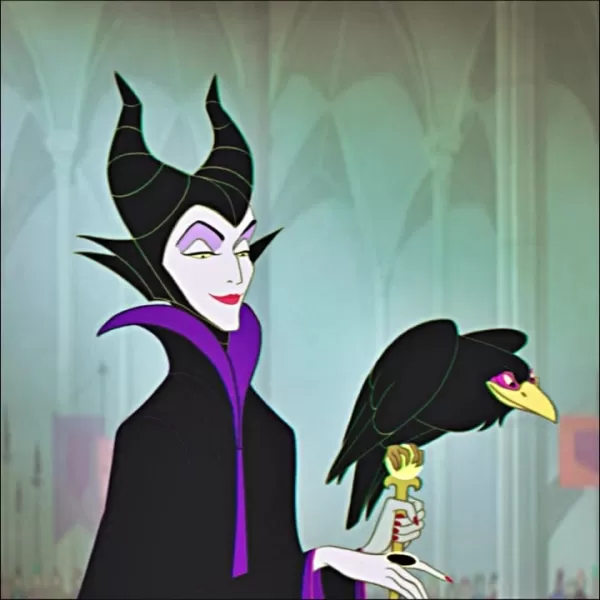
a recurring motif in villain stories, illustrating the psychological damage of isolation and how bitterness can fester. The hauntingly beautiful yet lonely landscape surrounding her castle mirrors her internal strife. To understand Maleficent is to acknowledge this foundational loneliness and its role in dictating her actions. Her deeds throughout the story echo her isolation, cementing her status as an eternal outcast. The immense power she commands is both a cause and a result of this alienation, creating a vicious cycle that prolongs her dark era.
Keywords: Solitude, Isolation, Disney Villain, Maleficent, Betrayal, Retribution
The Raven: Symbol of Wisdom and Ominous Signs
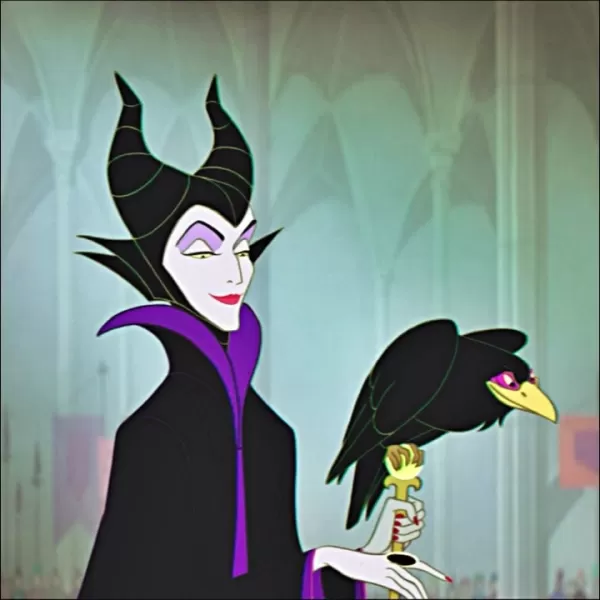
The raven is a constant in Maleficent's world, far more than a mere pet. It embodies intelligence, arcane knowledge, and a link to unseen realms. This dark bird acts as her eyes and ears, executing commands and delivering vital intelligence. Its presence amplifies the ominous aura around Maleficent, a herald of impending doom. In many traditions, ravens are tied to prophecy and mystery, enriching their symbolic role here. The bird's sharp intellect mirrors Maleficent's own strategic cunning, making it a perfect emblem of her cold wisdom. Frequently depicted perched on her staff or shoulder, the raven is an extension of her very being. Grasping the raven's significance is key to understanding the breadth of Maleficent's influence. Its unblinking surveillance allows her to maintain control and anticipate threats, solidifying her reputation as a formidable, all-seeing adversary.
Keywords: Raven, Symbolism, Wisdom, Ominous Signs, Maleficent, Prophecy, Mystical, Knowledge, Black Bird
The Transformation and Portrayal of Maleficent's Evil Aura
From Benevolent Fairy to Vengeful Villain
Maleficent's metamorphosis from a kind fairy into a vengeful foe is the core of her tragedy. Propelled by betrayal and a scorching desire for what she perceives as justice, she surrenders to her darker impulses. This shift is a gradual unraveling, fed by the agony of broken trust. The stark contrast between her past benevolence and present malice highlights revenge's corrupting power. Understanding this change requires examining the traumatic events that triggered it. The curse she casts on Princess Aurora is an act of a shattered heart, an attempt to project her own pain onto another. Yet, even in her villainy, fleeting glimpses of her former self emerge, adding profound complexity to her character.
Keywords: Transformation, Betrayal, Vengeance, Villain, Fairy, Justice, Curse, Revenge, Maleficent, Aurora
Visual Representation of Evil: Colors and Imagery
The visual language of Maleficent's evil is meticulously constructed through color and imagery. Dominant blacks and purples define her foreboding presence, creating an unforgettable visual impression. The sharp, angular designs of her costume and horns accentuate her menacing nature. Her dark magic often manifests as swirling emerald fire, suggesting chaos and danger. Imagery of tangled thorns and shadowy minions paints the hostile environment she rules. Her castle itself, with its jagged spires and imposing silhouette, contributes to a pervasive sense of dread. Every element coalesces to craft a visually stunning and iconic antagonist.
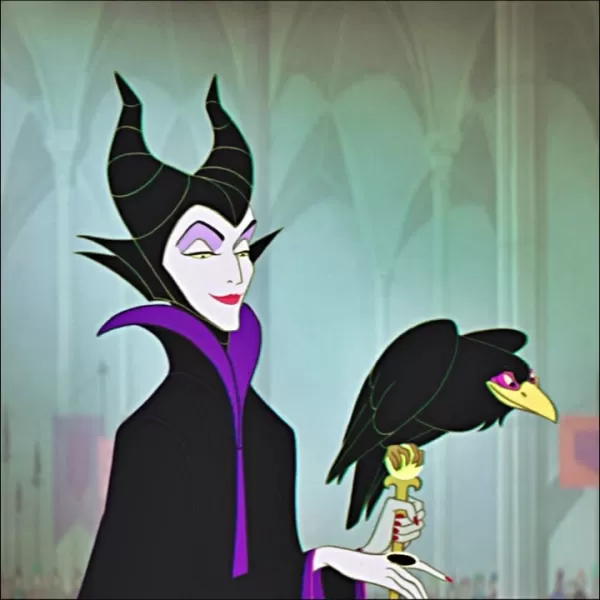
The stark contrast between her pale complexion and dark attire heightens her otherworldliness, setting her apart from the realms of light and virtue.This deliberate visual storytelling cements her status as an enduring symbol of cinematic evil.
Keywords: Visual Representation, Evil Aura, Black, Purple, Dark Magic, Imagery, Design, Menacing, Maleficent, Disney Villain
Analyzing Maleficent's Character: Pros and Cons
Pros
Complex Character: Maleficent is a multi-dimensional villain with a rich, sympathetic backstory that adds depth.
Powerful Presence: Her commanding aura and mastery of dark magic establish her as a truly formidable foe.
Symbolic Significance: She powerfully embodies themes of betrayal, the corrupting nature of revenge, and the abuse of power.
Visual Appeal: Her striking and iconic design is a major contributor to her lasting popularity.
Moral Ambiguity: She challenges black-and-white morality, encouraging audiences to reflect on the nuances of justice and motive.
Cons
Ruthlessness: In her pursuit of vengeance, Maleficent can be exceedingly cruel and ruthless.
Isolation: Her profound solitude deepens her bitterness and severs connections that might have led to healing.
Deception: She frequently relies on manipulation and deceit to achieve her goals.
Lack of Empathy: She struggles to empathize with those she believes have wronged her, seeing them only as enemies.
Moral Corruption: Her journey serves as a clear warning about how pain and power can corrupt even noble beings.
Frequently Asked Questions about Maleficent
What is the primary theme explored in Maleficent's story?
The central theme is the corrosive power of revenge and the perils of wielded without restraint. The story demonstrates how deep betrayal and a thirst for retribution can warp a benevolent nature into something vengeful. Maleficent's path highlights the psychological cost of isolation and how bitterness takes root. It functions as a cautionary tale, inviting reflection on the true nature of justice and the complex spectrum between good and evil. Her moral ambiguity allows for a deeper audience connection and contemplation of human frailty. Ultimately, the narrative suggests that breaking cycles of violence requires empathy and understanding.This theme is woven throughout the film's visuals, dialogue, and character dynamics, forming the core of its message. The visual juxtaposition of her past innocence and present darkness underscores the profound depth of her transformation. Maleficent embodies the internal battle between light and shadow, showing how circumstances and choices can tip the balance.
Related Questions about Dark Characters in Disney
How does Maleficent compare to other Disney villains in terms of complexity?
Maleficent is distinguished by her exceptional depth and narrative complexity among Disney antagonists. Unlike more straightforward villains, she possesses a sympathetic origin story. Her evolution from guardian to antagonist is motivated by betrayal and a distorted quest for justice, adding significant nuance. This moral complexity blurs traditional lines of good and evil, prompting deeper thought about motive and consequence. Her formidable presence, magical prowess, and iconic visual design further cement her status. While other villains are memorable, Maleficent's layered personality makes her uniquely compelling. Her struggles with loneliness, empathy, and corruption resonate on a human level. Unlike villains driven purely by greed or ambition, Maleficent's actions stem from profound personal wounding. This makes her more relatable and her story more tragic. Her arc encourages viewers to consider the roots of darkness and the possibility of redemption. The visual symbolism of her appearance—the contrast of light and dark—mirrors the ongoing conflict within her soul.
Related article
 Stripe to Acquire OpenRouter as AI Model Routing Gains Momentum
Stripe has agreed to acquire OpenRouter, an AI model-routing platform that gives developers access to hundreds of models through a single interface. The deal adds model selection and routing to Stripe’s existing work around AI usage and token-based b
Former OpenAI Researcher Barrett Zoph Returns to Google to Support Gemini Development
Barret Zoph, who previously abruptly left and joined OpenAI due to a disagreement with Thinking Machines Lab CEO Miriam Mularati, has once again changed employers. Alphabet's Google announced that Zoph will return as Vice President of Research, bring
How Recursive Intelligence Raised $335M at $4B Valuation in 4 Months
The co-founders of startup Ricursive Intelligence seemed destined to be co-founders.Anna Goldie, CEO, and Azalia Mirhoseini, CTO, are so well-known in the AI community that they were among those AI engineers who “got those weird emails from Zuckerber
Related Special Topic Recommendations
Design & Art
Stripe to Acquire OpenRouter as AI Model Routing Gains Momentum
Stripe has agreed to acquire OpenRouter, an AI model-routing platform that gives developers access to hundreds of models through a single interface. The deal adds model selection and routing to Stripe’s existing work around AI usage and token-based b
Former OpenAI Researcher Barrett Zoph Returns to Google to Support Gemini Development
Barret Zoph, who previously abruptly left and joined OpenAI due to a disagreement with Thinking Machines Lab CEO Miriam Mularati, has once again changed employers. Alphabet's Google announced that Zoph will return as Vice President of Research, bring
How Recursive Intelligence Raised $335M at $4B Valuation in 4 Months
The co-founders of startup Ricursive Intelligence seemed destined to be co-founders.Anna Goldie, CEO, and Azalia Mirhoseini, CTO, are so well-known in the AI community that they were among those AI engineers who “got those weird emails from Zuckerber
Related Special Topic Recommendations
Design & Art
 Top AI Illustration Tools: Create Editorial Scenes and Cover Art Faster
2026 Latest Top-rated AI Illustration Tools: Our curated list features the best powerfully designed tools for creating stunning editorial scenes and eye-catching cover art quickly. Each option has gone through rigorous real-world tests, offering a free vs paid comparison to help you find the perfect match for your workflow. Try these must-try solutions today to unlock your AI edge and boost your creative productivity. Explore now at XIX.AI.
 10 tools
 xix.ai
Education and Learning
Top AI Tutors for Exam Prep: Practice Math, Science, and English
xix.ai
Education and Learning
Top AI Tutors for Exam Prep: Practice Math, Science, and English
2026 Latest Top-Rated Best AI Tutors for Exam Prep are here on XIX.AI! Our curated list features powerful game-changing tools that offer free vs paid comparison, real-world tests, and weekly updated rankings. They help boost your writing efficiency, simplify complex topic learning, and unlock your academic potential. Explore now to Discover your perfect exam prep tool and Start creating today to Unlock your AI edge!
10 tools
xix.ai
Finance
AI Budget Planning Tools for Personal Money Management
2026 Latest Best Top-Rated AI Budget Planning Tools for Personal Money Management are here on XIX.AI! This curated collection features powerful, game-changing solutions that help you conduct real-world tests, understand spending habits, and create personalized plans to boost productivity. Enjoy a free vs paid comparison along with detailed rankings. Must-try tools designed to simplify money management and unlock your AI edge. Explore now!
11 tools
xix.ai
Health & Wellness
AI Sleep Tracking Assistants: Improve Recovery with Better Bedtime Habits
2026 Latest Best Top-Rated AI Sleep Tracking Assistants curated for ultimate recovery. This fully updated weekly guide features powerful tools that deliver real-world tests, free vs paid comparison, and detailed rankings to help you find the must-try solution that boosts sleep quality and supports better bedtime habits. Explore now at XIX.AI to Unlock your AI edge.
10 tools
xix.ai
Data Analysis
AI SQL Copilots for Product and Revenue Analytics
2026 Latest Best Top-Rated AI SQL Copilots for Product and Revenue Analytics! XIX.AI has curated a powerful, game-changing collection of must-try tools that undergo real-world tests through weekly updated rankings. These tools help users boost productivity significantly by accelerating data analysis, streamlining complex queries, and generating accurate insights to drive smarter business decisions. Explore now to Discover your perfect tool for unlocking your AI edge!
14 tools
xix.ai
Education and Learning
Best AI Homework Helpers That Teach: Learn Concepts, Not Just Answers
2026 Latest Best Top-Rated AI Homework Helpers That Teach Core Concepts Not Just Answers Powerful Tools for Students Must-Try Curated List Weekly Updated Free vs Paid Comparison Real-World Tests Accurate Rankings to Help You Unlock Your Full Learning Potential Explore now to Discover your perfect tool for smarter studying.
10 tools
xix.ai

 Comments (1)
0/500
Comments (1)
0/500
![BrianGonzález]()
玛琳菲森的黑翼确实很有压迫感,但这部电影把反派洗白成主角后,反而削弱了她那种纯粹的邪恶魅力。虽然特效华丽,但我更怀念老版里那种让人不寒而栗的恐怖氛围,而不是现在这种强行赋予“母亲角色”的温情戏码。
Maleficent stands as one of Disney's most iconic villains, captivating audiences with her intricate character and haunting presence. This exploration delves into what we might call her "dark era," analyzing the symbolism of her raven companion, the themes of solitude and wisdom, and the pervasive ominous signs in her world. Discover what makes Maleficent such a compelling study in villainy and her enduring impact on popular culture.
Key Points
The theme of solitude is central to understanding Maleficent's character and motivations.
The raven symbolizes intelligence, foresight, and a connection to the mystical realm.
Maleficent's formidable power and wisdom are often conveyed through her interactions with the raven and her command of dark magic.
Ominous imagery is a constant, contributing to the dark and foreboding atmosphere of her domain.
Her transformation from a benevolent fairy to a vengeful villain is driven by profound betrayal and a twisted sense of justice.
The strategic use of color, particularly black and purple, visually defines her malevolent aura.
Maleficent's narrative serves as a cautionary tale about the corrupting nature of unchecked power and revenge.
Understanding Maleficent's Dark World
The Solitude of a Disney Villain
Maleficent's dark period is characterized by profound isolation. As a powerful fairy scorned and betrayed, she retreats into a self-imposed exile, crafting a world defined by her solitude. This loneliness stokes her resentment and fury, accelerating her descent into villainy. The lack of genuine connection intensifies her feeling of injustice, compelling her to seek retribution. This theme of solitude is
a recurring motif in villain stories, illustrating the psychological damage of isolation and how bitterness can fester. The hauntingly beautiful yet lonely landscape surrounding her castle mirrors her internal strife. To understand Maleficent is to acknowledge this foundational loneliness and its role in dictating her actions. Her deeds throughout the story echo her isolation, cementing her status as an eternal outcast. The immense power she commands is both a cause and a result of this alienation, creating a vicious cycle that prolongs her dark era.
Keywords: Solitude, Isolation, Disney Villain, Maleficent, Betrayal, Retribution
The Raven: Symbol of Wisdom and Ominous Signs
The raven is a constant in Maleficent's world, far more than a mere pet. It embodies intelligence, arcane knowledge, and a link to unseen realms. This dark bird acts as her eyes and ears, executing commands and delivering vital intelligence. Its presence amplifies the ominous aura around Maleficent, a herald of impending doom. In many traditions, ravens are tied to prophecy and mystery, enriching their symbolic role here. The bird's sharp intellect mirrors Maleficent's own strategic cunning, making it a perfect emblem of her cold wisdom. Frequently depicted perched on her staff or shoulder, the raven is an extension of her very being. Grasping the raven's significance is key to understanding the breadth of Maleficent's influence. Its unblinking surveillance allows her to maintain control and anticipate threats, solidifying her reputation as a formidable, all-seeing adversary.
Keywords: Raven, Symbolism, Wisdom, Ominous Signs, Maleficent, Prophecy, Mystical, Knowledge, Black Bird
The Transformation and Portrayal of Maleficent's Evil Aura
From Benevolent Fairy to Vengeful Villain
Maleficent's metamorphosis from a kind fairy into a vengeful foe is the core of her tragedy. Propelled by betrayal and a scorching desire for what she perceives as justice, she surrenders to her darker impulses. This shift is a gradual unraveling, fed by the agony of broken trust. The stark contrast between her past benevolence and present malice highlights revenge's corrupting power. Understanding this change requires examining the traumatic events that triggered it. The curse she casts on Princess Aurora is an act of a shattered heart, an attempt to project her own pain onto another. Yet, even in her villainy, fleeting glimpses of her former self emerge, adding profound complexity to her character.
Keywords: Transformation, Betrayal, Vengeance, Villain, Fairy, Justice, Curse, Revenge, Maleficent, Aurora
Visual Representation of Evil: Colors and Imagery
The visual language of Maleficent's evil is meticulously constructed through color and imagery. Dominant blacks and purples define her foreboding presence, creating an unforgettable visual impression. The sharp, angular designs of her costume and horns accentuate her menacing nature. Her dark magic often manifests as swirling emerald fire, suggesting chaos and danger. Imagery of tangled thorns and shadowy minions paints the hostile environment she rules. Her castle itself, with its jagged spires and imposing silhouette, contributes to a pervasive sense of dread. Every element coalesces to craft a visually stunning and iconic antagonist.
The stark contrast between her pale complexion and dark attire heightens her otherworldliness, setting her apart from the realms of light and virtue.This deliberate visual storytelling cements her status as an enduring symbol of cinematic evil.
Keywords: Visual Representation, Evil Aura, Black, Purple, Dark Magic, Imagery, Design, Menacing, Maleficent, Disney Villain
Analyzing Maleficent's Character: Pros and Cons
Pros
Complex Character: Maleficent is a multi-dimensional villain with a rich, sympathetic backstory that adds depth.
Powerful Presence: Her commanding aura and mastery of dark magic establish her as a truly formidable foe.
Symbolic Significance: She powerfully embodies themes of betrayal, the corrupting nature of revenge, and the abuse of power.
Visual Appeal: Her striking and iconic design is a major contributor to her lasting popularity.
Moral Ambiguity: She challenges black-and-white morality, encouraging audiences to reflect on the nuances of justice and motive.
Cons
Ruthlessness: In her pursuit of vengeance, Maleficent can be exceedingly cruel and ruthless.
Isolation: Her profound solitude deepens her bitterness and severs connections that might have led to healing.
Deception: She frequently relies on manipulation and deceit to achieve her goals.
Lack of Empathy: She struggles to empathize with those she believes have wronged her, seeing them only as enemies.
Moral Corruption: Her journey serves as a clear warning about how pain and power can corrupt even noble beings.
Frequently Asked Questions about Maleficent
What is the primary theme explored in Maleficent's story?
The central theme is the corrosive power of revenge and the perils of wielded without restraint. The story demonstrates how deep betrayal and a thirst for retribution can warp a benevolent nature into something vengeful. Maleficent's path highlights the psychological cost of isolation and how bitterness takes root. It functions as a cautionary tale, inviting reflection on the true nature of justice and the complex spectrum between good and evil. Her moral ambiguity allows for a deeper audience connection and contemplation of human frailty. Ultimately, the narrative suggests that breaking cycles of violence requires empathy and understanding.This theme is woven throughout the film's visuals, dialogue, and character dynamics, forming the core of its message. The visual juxtaposition of her past innocence and present darkness underscores the profound depth of her transformation. Maleficent embodies the internal battle between light and shadow, showing how circumstances and choices can tip the balance.
Related Questions about Dark Characters in Disney
How does Maleficent compare to other Disney villains in terms of complexity?
Maleficent is distinguished by her exceptional depth and narrative complexity among Disney antagonists. Unlike more straightforward villains, she possesses a sympathetic origin story. Her evolution from guardian to antagonist is motivated by betrayal and a distorted quest for justice, adding significant nuance. This moral complexity blurs traditional lines of good and evil, prompting deeper thought about motive and consequence. Her formidable presence, magical prowess, and iconic visual design further cement her status. While other villains are memorable, Maleficent's layered personality makes her uniquely compelling. Her struggles with loneliness, empathy, and corruption resonate on a human level. Unlike villains driven purely by greed or ambition, Maleficent's actions stem from profound personal wounding. This makes her more relatable and her story more tragic. Her arc encourages viewers to consider the roots of darkness and the possibility of redemption. The visual symbolism of her appearance—the contrast of light and dark—mirrors the ongoing conflict within her soul.








 Stripe to Acquire OpenRouter as AI Model Routing Gains Momentum
Stripe has agreed to acquire OpenRouter, an AI model-routing platform that gives developers access to hundreds of models through a single interface. The deal adds model selection and routing to Stripe’s existing work around AI usage and token-based b
Stripe to Acquire OpenRouter as AI Model Routing Gains Momentum
Stripe has agreed to acquire OpenRouter, an AI model-routing platform that gives developers access to hundreds of models through a single interface. The deal adds model selection and routing to Stripe’s existing work around AI usage and token-based b
 Former OpenAI Researcher Barrett Zoph Returns to Google to Support Gemini Development
Barret Zoph, who previously abruptly left and joined OpenAI due to a disagreement with Thinking Machines Lab CEO Miriam Mularati, has once again changed employers. Alphabet's Google announced that Zoph will return as Vice President of Research, bring
Former OpenAI Researcher Barrett Zoph Returns to Google to Support Gemini Development
Barret Zoph, who previously abruptly left and joined OpenAI due to a disagreement with Thinking Machines Lab CEO Miriam Mularati, has once again changed employers. Alphabet's Google announced that Zoph will return as Vice President of Research, bring
 How Recursive Intelligence Raised $335M at $4B Valuation in 4 Months
The co-founders of startup Ricursive Intelligence seemed destined to be co-founders.Anna Goldie, CEO, and Azalia Mirhoseini, CTO, are so well-known in the AI community that they were among those AI engineers who “got those weird emails from Zuckerber
How Recursive Intelligence Raised $335M at $4B Valuation in 4 Months
The co-founders of startup Ricursive Intelligence seemed destined to be co-founders.Anna Goldie, CEO, and Azalia Mirhoseini, CTO, are so well-known in the AI community that they were among those AI engineers who “got those weird emails from Zuckerber

2026 Latest Top-rated AI Illustration Tools: Our curated list features the best powerfully designed tools for creating stunning editorial scenes and eye-catching cover art quickly. Each option has gone through rigorous real-world tests, offering a free vs paid comparison to help you find the perfect match for your workflow. Try these must-try solutions today to unlock your AI edge and boost your creative productivity. Explore now at XIX.AI.
10 tools
xix.ai

2026 Latest Top-Rated Best AI Tutors for Exam Prep are here on XIX.AI! Our curated list features powerful game-changing tools that offer free vs paid comparison, real-world tests, and weekly updated rankings. They help boost your writing efficiency, simplify complex topic learning, and unlock your academic potential. Explore now to Discover your perfect exam prep tool and Start creating today to Unlock your AI edge!
10 tools
xix.ai

2026 Latest Best Top-Rated AI Budget Planning Tools for Personal Money Management are here on XIX.AI! This curated collection features powerful, game-changing solutions that help you conduct real-world tests, understand spending habits, and create personalized plans to boost productivity. Enjoy a free vs paid comparison along with detailed rankings. Must-try tools designed to simplify money management and unlock your AI edge. Explore now!
11 tools
xix.ai

2026 Latest Best Top-Rated AI Sleep Tracking Assistants curated for ultimate recovery. This fully updated weekly guide features powerful tools that deliver real-world tests, free vs paid comparison, and detailed rankings to help you find the must-try solution that boosts sleep quality and supports better bedtime habits. Explore now at XIX.AI to Unlock your AI edge.
10 tools
xix.ai

2026 Latest Best Top-Rated AI SQL Copilots for Product and Revenue Analytics! XIX.AI has curated a powerful, game-changing collection of must-try tools that undergo real-world tests through weekly updated rankings. These tools help users boost productivity significantly by accelerating data analysis, streamlining complex queries, and generating accurate insights to drive smarter business decisions. Explore now to Discover your perfect tool for unlocking your AI edge!
14 tools
xix.ai

2026 Latest Best Top-Rated AI Homework Helpers That Teach Core Concepts Not Just Answers Powerful Tools for Students Must-Try Curated List Weekly Updated Free vs Paid Comparison Real-World Tests Accurate Rankings to Help You Unlock Your Full Learning Potential Explore now to Discover your perfect tool for smarter studying.
10 tools
xix.ai

玛琳菲森的黑翼确实很有压迫感,但这部电影把反派洗白成主角后,反而削弱了她那种纯粹的邪恶魅力。虽然特效华丽,但我更怀念老版里那种让人不寒而栗的恐怖氛围,而不是现在这种强行赋予“母亲角色”的温情戏码。












