


 Home
Is privacy a myth in the digital age?

Debunking the Privacy Myth in Today's Digital World
Contents
- Introduction
- The Privacy Myth in the Digital Era
- How Data Collection Affects Privacy
- Personal Data as a Valuable Asset
- Frequent Data Breaches and Cyberattacks
- Coming to Terms with Privacy Erosion
- Weak Regulations and Enforcement Gaps
- Public Awareness and Personal Choices
- The Dual Nature of Privacy
- Progress in Encryption and Privacy-First Tools
- The Role of Legislation and Rules
- What Lies Ahead for Privacy in the Digital Age
- Conclusion
In today’s hyperconnected world, privacy has become a scarce commodity. Rapid technological progress, combined with widespread personal data collection, has challenged the once-cherished idea of privacy. This article examines the myth of privacy in the digital age and explores whether accepting its decline is the only realistic option.
Introduction
The digital age has brought unprecedented connectivity and information sharing. With just a few clicks, we can access vast knowledge, connect globally, and complete countless online transactions. Yet this convenience comes at a price—the gradual loss of privacy.
How Data Collection Affects Privacy
Personal Data as a Valuable Asset
In the digital era, personal data has become a highly valuable commodity. Companies and governments gather massive amounts of information about individuals, tracking their online behavior, shopping habits, and even location. This extensive data collection raises serious concerns about how well personal privacy is protected.
Frequent Data Breaches and Cyberattacks
Ongoing data breaches and cyberattacks further highlight how vulnerable personal privacy is today. With so much sensitive information stored online, people constantly face the risk of their data being exposed. This reality has fueled growing skepticism about the integrity of privacy in the digital world.
Coming to Terms with Privacy Erosion
While the erosion of privacy may feel discouraging, some argue that accepting it is the only practical approach. They point to the omnipresence of data collection, weak regulations, and the convenience of digital services as reasons to let go of privacy expectations.
Weak Regulations and Enforcement Gaps
The lack of strong data privacy regulations and enforcement allows companies to exploit personal information for profit. Without robust safeguards, individuals feel powerless against the widespread collection and use of their data.
Public Awareness and Personal Choices
Despite the challenges, growing public awareness about digital privacy enables people to make informed decisions about their data. This includes choosing privacy-focused services, adopting safe online habits, and supporting initiatives that prioritize protecting personal information.
The Dual Nature of Privacy
Privacy erosion should not be accepted without question. While many believe privacy is a lost cause, others argue it is a fundamental right worth defending. Advances in encryption, security software, and privacy-focused technologies provide tools to safeguard privacy online. For example, a VPN encrypts your traffic and hides your IP, allowing you to stay anonymous so advertisers and data brokers cannot track your activity. Additionally, privacy laws like the General Data Protection Regulation (GDPR) in Europe reflect society’s commitment to protecting personal privacy.
What Lies Ahead for Privacy in the Digital Age
The future of privacy in the digital age remains uncertain. As technology evolves, new challenges will emerge, demanding innovative solutions that balance privacy needs with the benefits of connectivity. Governments, businesses, and individuals must collaborate to find a delicate equilibrium that protects personal privacy while enabling technological progress.
Conclusion
The myth of privacy in the digital age is a complex, multifaceted issue. While privacy has undoubtedly eroded, accepting its demise should not be the default response. Through regulation, awareness, and the development of privacy-focused technologies, individuals can regain some control over their online privacy. The digital age presents both challenges and opportunities, and as we navigate this landscape, it is crucial to keep questioning, advocating, and striving for a future that respects personal privacy.
- Rapid technological advancement in the digital age has led to the erosion of privacy.
- Personal data has become a valuable asset, with companies and governments collecting extensive amounts of information on individuals.
- Frequent data breaches and cyberattacks further undermine personal privacy.
- Some argue that accepting the loss of privacy is the only pragmatic option in the digital era.
- Weak regulations and enforcement gaps contribute to the exploitation of personal data.
- Public awareness and informed choices allow individuals to protect their privacy.
- Advances in encryption, security software, and privacy-focused technologies can help safeguard privacy.
- The future of privacy in the digital age remains uncertain and requires a balance between privacy and technological progress.
Q: Can privacy be preserved in the digital age? A: Preserving privacy in the digital age is challenging but not impossible. Advances in encryption, awareness, and the use of privacy-focused technologies provide tools to protect personal information.
Q: What are the risks of data breaches and cyberattacks to personal privacy? A: Data breaches and cyberattacks expose personal information to unauthorized access and misuse, compromising individuals’ privacy and increasing the risk of identity theft and fraud.
Q: How can individuals protect their online privacy? A: Individuals can protect their online privacy by choosing privacy-focused services, adopting secure practices, being cautious about sharing personal information, and familiarizing themselves with privacy policies and terms of service.
Q: Is privacy regulation necessary in the digital age? A: Yes, privacy regulation is essential to ensure that individuals’ personal data is protected. Regulations like the GDPR in Europe aim to establish data protection guidelines and empower individuals with rights over their personal information.
Q: Will privacy continue to erode in the future? A: The future of privacy in the digital age is uncertain. As technology evolves, new challenges will arise, requiring ongoing efforts to balance privacy rights with technological advancements.
Related article
 xAI Unveils Early Grok Beta for Complex Programming Tasks
On May 14, Elon Musk’s AI venture xAI launched an early beta of a coding assistant named Grok Build. Currently restricted to SuperGrok subscribers, the platform is designed to streamline software engineering and handle intricate programming workflows
Anthropic CEO Outlines Plan To Pace The Frontier
AI researchers have issued increasingly urgent warnings about artificial intelligence risks, with OpenAI CEO Sam Altman suggesting it may be time to “pace” development. But what would that actually entail?In a recent blog post, Anthropic CEO Dario Am
48 Hours to TechCrunch Disrupt 2026: Hear From the Builders Shaping What’s Next
With less than 48 hours remaining, TechCrunch Disrupt 2026 kicks off at San Francisco’s Moscone West. Secure your ticket for up to $100 off before door prices rise. Plus, grab a second pass at half price. Register today.From October 13-15, over 10,00
Related Special Topic Recommendations
Design & Art
 Top AI Illustration Tools: Create Editorial Scenes and Cover Art Faster
2026 Latest Top-rated AI Illustration Tools: Our curated list features the best powerfully designed tools for creating stunning editorial scenes and eye-catching cover art quickly. Each option has gone through rigorous real-world tests, offering a free vs paid comparison to help you find the perfect match for your workflow. Try these must-try solutions today to unlock your AI edge and boost your creative productivity. Explore now at XIX.AI.
 10 tools
 xix.ai
Education and Learning
Top AI Tutors for Exam Prep: Practice Math, Science, and English
2026 Latest Top-Rated Best AI Tutors for Exam Prep are here on XIX.AI! Our curated list features powerful game-changing tools that offer free vs paid comparison, real-world tests, and weekly updated rankings. They help boost your writing efficiency, simplify complex topic learning, and unlock your academic potential. Explore now to Discover your perfect exam prep tool and Start creating today to Unlock your AI edge!
10 tools
xix.ai
Finance
AI Budget Planning Tools for Personal Money Management
2026 Latest Best Top-Rated AI Budget Planning Tools for Personal Money Management are here on XIX.AI! This curated collection features powerful, game-changing solutions that help you conduct real-world tests, understand spending habits, and create personalized plans to boost productivity. Enjoy a free vs paid comparison along with detailed rankings. Must-try tools designed to simplify money management and unlock your AI edge. Explore now!
11 tools
xix.ai
Health & Wellness
AI Sleep Tracking Assistants: Improve Recovery with Better Bedtime Habits
2026 Latest Best Top-Rated AI Sleep Tracking Assistants curated for ultimate recovery. This fully updated weekly guide features powerful tools that deliver real-world tests, free vs paid comparison, and detailed rankings to help you find the must-try solution that boosts sleep quality and supports better bedtime habits. Explore now at XIX.AI to Unlock your AI edge.
10 tools
xix.ai
Data Analysis
AI SQL Copilots for Product and Revenue Analytics
2026 Latest Best Top-Rated AI SQL Copilots for Product and Revenue Analytics! XIX.AI has curated a powerful, game-changing collection of must-try tools that undergo real-world tests through weekly updated rankings. These tools help users boost productivity significantly by accelerating data analysis, streamlining complex queries, and generating accurate insights to drive smarter business decisions. Explore now to Discover your perfect tool for unlocking your AI edge!
14 tools
xix.ai
Education and Learning
Best AI Homework Helpers That Teach: Learn Concepts, Not Just Answers
2026 Latest Best Top-Rated AI Homework Helpers That Teach Core Concepts Not Just Answers Powerful Tools for Students Must-Try Curated List Weekly Updated Free vs Paid Comparison Real-World Tests Accurate Rankings to Help You Unlock Your Full Learning Potential Explore now to Discover your perfect tool for smarter studying.
10 tools
xix.ai

 Comments (0)
0/500
Debunking the Privacy Myth in Today's Digital World
Contents
- Introduction
- The Privacy Myth in the Digital Era
- How Data Collection Affects Privacy
- Personal Data as a Valuable Asset
- Frequent Data Breaches and Cyberattacks
- Coming to Terms with Privacy Erosion
- Weak Regulations and Enforcement Gaps
- Public Awareness and Personal Choices
- The Dual Nature of Privacy
- Progress in Encryption and Privacy-First Tools
- The Role of Legislation and Rules
- What Lies Ahead for Privacy in the Digital Age
- Conclusion
In today’s hyperconnected world, privacy has become a scarce commodity. Rapid technological progress, combined with widespread personal data collection, has challenged the once-cherished idea of privacy. This article examines the myth of privacy in the digital age and explores whether accepting its decline is the only realistic option.
Introduction
The digital age has brought unprecedented connectivity and information sharing. With just a few clicks, we can access vast knowledge, connect globally, and complete countless online transactions. Yet this convenience comes at a price—the gradual loss of privacy.
How Data Collection Affects Privacy
Personal Data as a Valuable Asset
In the digital era, personal data has become a highly valuable commodity. Companies and governments gather massive amounts of information about individuals, tracking their online behavior, shopping habits, and even location. This extensive data collection raises serious concerns about how well personal privacy is protected.
Frequent Data Breaches and Cyberattacks
Ongoing data breaches and cyberattacks further highlight how vulnerable personal privacy is today. With so much sensitive information stored online, people constantly face the risk of their data being exposed. This reality has fueled growing skepticism about the integrity of privacy in the digital world.
Coming to Terms with Privacy Erosion
While the erosion of privacy may feel discouraging, some argue that accepting it is the only practical approach. They point to the omnipresence of data collection, weak regulations, and the convenience of digital services as reasons to let go of privacy expectations.
Weak Regulations and Enforcement Gaps
The lack of strong data privacy regulations and enforcement allows companies to exploit personal information for profit. Without robust safeguards, individuals feel powerless against the widespread collection and use of their data.
Public Awareness and Personal Choices
Despite the challenges, growing public awareness about digital privacy enables people to make informed decisions about their data. This includes choosing privacy-focused services, adopting safe online habits, and supporting initiatives that prioritize protecting personal information.
The Dual Nature of Privacy
Privacy erosion should not be accepted without question. While many believe privacy is a lost cause, others argue it is a fundamental right worth defending. Advances in encryption, security software, and privacy-focused technologies provide tools to safeguard privacy online. For example, a VPN encrypts your traffic and hides your IP, allowing you to stay anonymous so advertisers and data brokers cannot track your activity. Additionally, privacy laws like the General Data Protection Regulation (GDPR) in Europe reflect society’s commitment to protecting personal privacy.
What Lies Ahead for Privacy in the Digital Age
The future of privacy in the digital age remains uncertain. As technology evolves, new challenges will emerge, demanding innovative solutions that balance privacy needs with the benefits of connectivity. Governments, businesses, and individuals must collaborate to find a delicate equilibrium that protects personal privacy while enabling technological progress.
Conclusion
The myth of privacy in the digital age is a complex, multifaceted issue. While privacy has undoubtedly eroded, accepting its demise should not be the default response. Through regulation, awareness, and the development of privacy-focused technologies, individuals can regain some control over their online privacy. The digital age presents both challenges and opportunities, and as we navigate this landscape, it is crucial to keep questioning, advocating, and striving for a future that respects personal privacy.
- Rapid technological advancement in the digital age has led to the erosion of privacy.
- Personal data has become a valuable asset, with companies and governments collecting extensive amounts of information on individuals.
- Frequent data breaches and cyberattacks further undermine personal privacy.
- Some argue that accepting the loss of privacy is the only pragmatic option in the digital era.
- Weak regulations and enforcement gaps contribute to the exploitation of personal data.
- Public awareness and informed choices allow individuals to protect their privacy.
- Advances in encryption, security software, and privacy-focused technologies can help safeguard privacy.
- The future of privacy in the digital age remains uncertain and requires a balance between privacy and technological progress.
Q: Can privacy be preserved in the digital age? A: Preserving privacy in the digital age is challenging but not impossible. Advances in encryption, awareness, and the use of privacy-focused technologies provide tools to protect personal information.
Q: What are the risks of data breaches and cyberattacks to personal privacy? A: Data breaches and cyberattacks expose personal information to unauthorized access and misuse, compromising individuals’ privacy and increasing the risk of identity theft and fraud.
Q: How can individuals protect their online privacy? A: Individuals can protect their online privacy by choosing privacy-focused services, adopting secure practices, being cautious about sharing personal information, and familiarizing themselves with privacy policies and terms of service.
Q: Is privacy regulation necessary in the digital age? A: Yes, privacy regulation is essential to ensure that individuals’ personal data is protected. Regulations like the GDPR in Europe aim to establish data protection guidelines and empower individuals with rights over their personal information.
Q: Will privacy continue to erode in the future? A: The future of privacy in the digital age is uncertain. As technology evolves, new challenges will arise, requiring ongoing efforts to balance privacy rights with technological advancements.








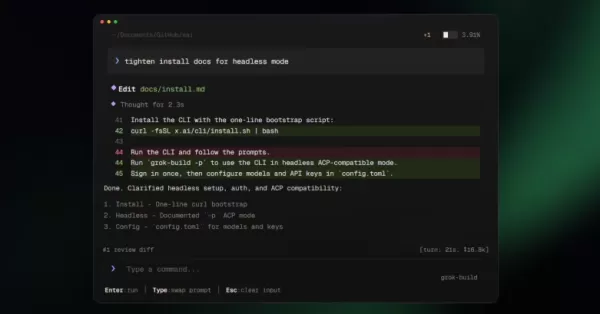 xAI Unveils Early Grok Beta for Complex Programming Tasks
On May 14, Elon Musk’s AI venture xAI launched an early beta of a coding assistant named Grok Build. Currently restricted to SuperGrok subscribers, the platform is designed to streamline software engineering and handle intricate programming workflows
 Anthropic CEO Outlines Plan To Pace The Frontier
AI researchers have issued increasingly urgent warnings about artificial intelligence risks, with OpenAI CEO Sam Altman suggesting it may be time to “pace” development. But what would that actually entail?In a recent blog post, Anthropic CEO Dario Am
 48 Hours to TechCrunch Disrupt 2026: Hear From the Builders Shaping What’s Next
With less than 48 hours remaining, TechCrunch Disrupt 2026 kicks off at San Francisco’s Moscone West. Secure your ticket for up to $100 off before door prices rise. Plus, grab a second pass at half price. Register today.From October 13-15, over 10,00

2026 Latest Top-rated AI Illustration Tools: Our curated list features the best powerfully designed tools for creating stunning editorial scenes and eye-catching cover art quickly. Each option has gone through rigorous real-world tests, offering a free vs paid comparison to help you find the perfect match for your workflow. Try these must-try solutions today to unlock your AI edge and boost your creative productivity. Explore now at XIX.AI.
10 tools
xix.ai

2026 Latest Top-Rated Best AI Tutors for Exam Prep are here on XIX.AI! Our curated list features powerful game-changing tools that offer free vs paid comparison, real-world tests, and weekly updated rankings. They help boost your writing efficiency, simplify complex topic learning, and unlock your academic potential. Explore now to Discover your perfect exam prep tool and Start creating today to Unlock your AI edge!
10 tools
xix.ai

2026 Latest Best Top-Rated AI Budget Planning Tools for Personal Money Management are here on XIX.AI! This curated collection features powerful, game-changing solutions that help you conduct real-world tests, understand spending habits, and create personalized plans to boost productivity. Enjoy a free vs paid comparison along with detailed rankings. Must-try tools designed to simplify money management and unlock your AI edge. Explore now!
11 tools
xix.ai

2026 Latest Best Top-Rated AI Sleep Tracking Assistants curated for ultimate recovery. This fully updated weekly guide features powerful tools that deliver real-world tests, free vs paid comparison, and detailed rankings to help you find the must-try solution that boosts sleep quality and supports better bedtime habits. Explore now at XIX.AI to Unlock your AI edge.
10 tools
xix.ai

2026 Latest Best Top-Rated AI SQL Copilots for Product and Revenue Analytics! XIX.AI has curated a powerful, game-changing collection of must-try tools that undergo real-world tests through weekly updated rankings. These tools help users boost productivity significantly by accelerating data analysis, streamlining complex queries, and generating accurate insights to drive smarter business decisions. Explore now to Discover your perfect tool for unlocking your AI edge!
14 tools
xix.ai

2026 Latest Best Top-Rated AI Homework Helpers That Teach Core Concepts Not Just Answers Powerful Tools for Students Must-Try Curated List Weekly Updated Free vs Paid Comparison Real-World Tests Accurate Rankings to Help You Unlock Your Full Learning Potential Explore now to Discover your perfect tool for smarter studying.
10 tools
xix.ai












