


 Home
HomeWhat is Fiddler on the Roof's meaning? Analysis of dreams & musical themes for 2025.
The timeless musical Fiddler on the Roof resonates with global audiences through its profound exploration of family, tradition, and survival. One of its most iconic songs, If I Were a Rich Man, captures the heartfelt dreams of Tevye, a milkman striving to support his family in a pre-revolutionary Russian Jewish village. The song offers a window into his longing for a life free from financial strain, envisioning comfort, respect, and the freedom for spiritual study. This article delves into the themes, lyrics, and enduring cultural impact of If I Were a Rich Man.
Key Points
The song If I Were a Rich Man expresses Tevye's deep desire for wealth to improve his family's life.
It explores universal themes of poverty, tradition, and social mobility.
The lyrics paint a detailed picture of how wealth would transform Tevye's daily existence.
Its cultural impact extends far beyond the stage, speaking to anyone who dreams of a better future.
The song's musical composition, including its Yiddish influences, adds to its powerful emotional resonance.
Unpacking 'If I Were a Rich Man': Themes and Dreams
The Yearning for Financial Freedom
At its heart, If I Were a Rich Man is a powerful anthem about escaping poverty. Burdened by constant financial worry, Tevye imagines a life where money is no longer a source of daily anxiety.
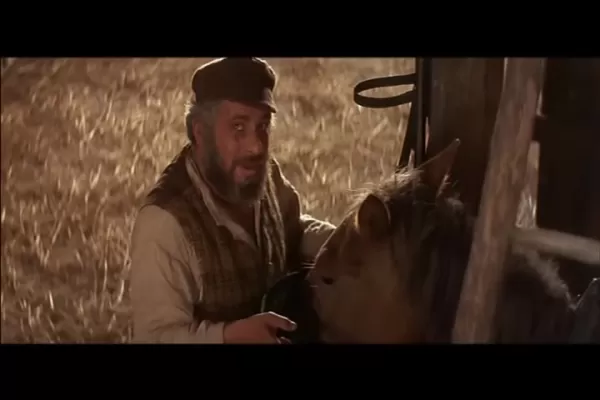
He dreams of providing his family with material security and opportunities currently out of reach. This universal longing for financial stability connects with people across cultures and generations. The vivid lyrics contrast his humble reality with his aspirations, making the theme deeply relatable and moving.
Tevye's wishes are notably practical, not extravagant:
- A large, multi-storied house
- An abundance of rooms
- A sturdy tin roof with genuine wooden floors
These details highlight his desire for a comfortable, secure home rather than mere opulence. His fantasy of filling the yard with poultry underscores a connection to a simpler, agrarian prosperity, showing his dreams are rooted in an enhanced version of his traditional life.
The Importance of Tradition and Respect
For Tevye, wealth is not only about material comfort but also about earning respect and a higher social standing.
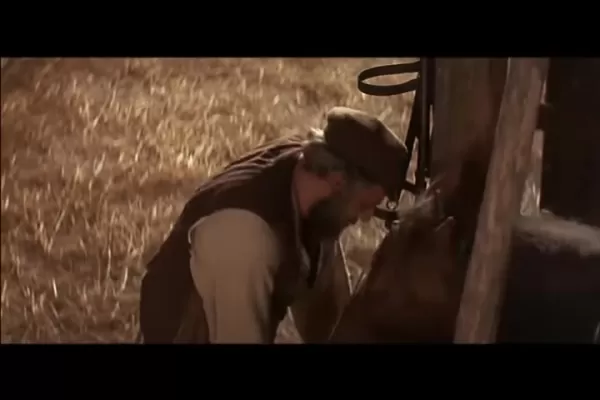
He envisions becoming a revered community elder, consulted for his wisdom. The lines 'The most important men in town will come to fawn on me. They will ask me to advise them like a Solomon the Wise' reveal this craving for recognition. In his traditional community, wealth would grant him the influence and authority he lacks, allowing him to contribute more significantly. Thus, his dream of riches is deeply tied to achieving honor among his peers.
A central part of his dream is the leisure to engage in religious study.
And I’d discuss the Holy Books with the learned men,Seven hours every dayThat would be the sweetest thing of all
Ultimately, Tevye dreams of becoming a man with the time to devote to his faith and community.
Musicality and Cultural Influences
The music of If I Were a Rich Man significantly amplifies its emotional power. Drawing from Yiddish folk traditions, the song carries an authentic cultural richness. Its distinctive intervals, scales, and instrumentation evoke the atmosphere of a Eastern European shtetl.
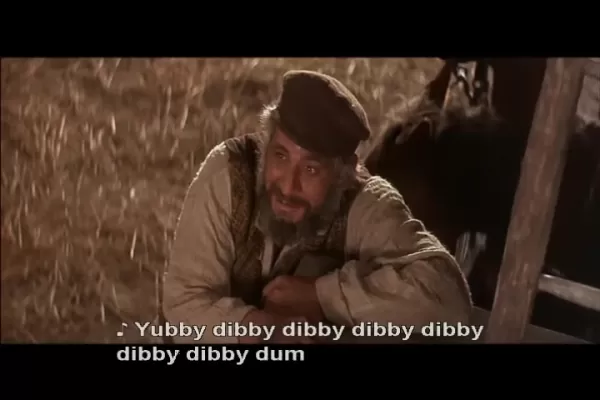
The playful, repetitive scat singing like 'Yubby dibby dibby dibby dum' adds a whimsical layer that contrasts with the seriousness of Tevye's longing. This musical blend reflects the complexity of his character—a man dreaming of a different future while firmly rooted in his heritage. The result is an engaging and deeply resonant listening experience.
Lyrics that Resonate: A Line-by-Line Exploration
Breaking Down Tevye's Dreams
Here’s a closer look at key lyrics from If I Were a Rich Man:
- 'Oh, dear Lord... You made many, many poor people. I realize, of course, it's no shame to be poor. But it's no great honor either.'
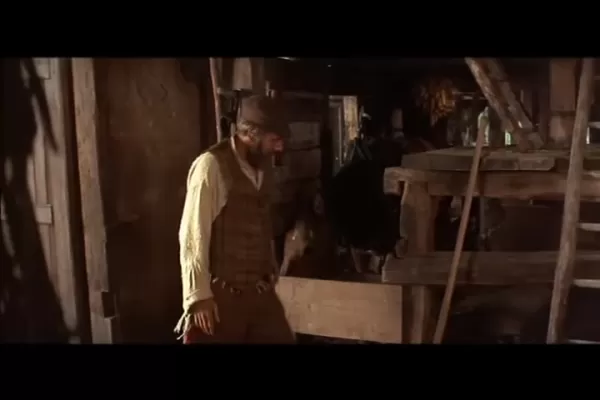
This opening is a candid, theological observation. Tevye accepts his lot but acknowledges the hardship of poverty, framing his desire for improvement as natural and justified.
- 'If I were a rich man, Ya ha deedle deedle, diddle diddle diddle diddle dum. All day long I'd biddy biddy bum. If I were a wealthy man' - The infectious, nonsensical melody highlights the fantastical nature of his daydream, while its repetition shows how all-consuming the thought is.
- 'I'd build a big tall house with rooms by the dozen, right in the middle of the town. A fine tin roof with real wooden floors below. There would be one long staircase just going up, and one even longer coming down, and one more leading nowhere, just for show!' - These are specific, tangible improvements. The staircase to "nowhere" is his one purely frivolous touch, a symbol of having enough to afford mere decoration.
- 'I'd fill my yard with chicks and turkeys and geese and ducks for the town to see and hear Squawking just as noisily as they can.' - This envisioned abundance is a public display of prosperity, a traditional and recognizable sign of success in his village.
- 'And each wife of the town Will see that I'm a fine important man. And the Rabbi himself Will come running To ask me things like, 'It pleases you, Reb Tevye… Pardon me, Reb Tevye...' - Here, his desire for social elevation is explicit. He longs for the respect and deference shown to community leaders.
How to Appreciate 'If I Were a Rich Man' on a Deeper Level
Contextualizing the Song within the Musical
The song's placement early in Fiddler on the Roof is crucial. It represents Tevye's initial optimism before the story's major conflicts unfold. As the musical progresses—with his daughters challenging tradition and external threats looming—the song gains poignant irony. The gap between his hopeful dreams and the harsh realities he faces underscores the central struggle of preserving tradition in a changing world.
Consider how the musical’s overall message shapes your understanding of Tevye’s desires and struggles.
Connecting the Song to Personal Experiences
The enduring power of If I Were a Rich Man lies in its personal relatability. Reflect on your own aspirations. What would you change with unlimited resources? Which values would you uphold? How would you use prosperity to help your community? Engaging with these questions reveals the song's deeper layer: it's not merely about money, but about the universal pursuit of happiness, purpose, and a meaningful life.
Frequently Asked Questions
What is the main theme of If I Were a Rich Man?
The song's central theme is the desire for financial security and an improved life, deeply connected to wishes for social respect, community standing, and the freedom to pursue spiritual study, all within a traditional framework.
What are some of the musical influences in If I Were a Rich Man?
The song is strongly influenced by Yiddish folk music, which provides its authentic cultural texture through characteristic melodies, scales, and instrumental choices that evoke Eastern European Jewish life.
How does the song relate to the overall themes of Fiddler on the Roof?
Initially a expression of hopeful dreams, the song later serves as a poignant contrast to the hardships Tevye endures. Its themes of longing and change directly reflect the musical's broader exploration of tradition confronting a shifting world.
Why is the song still popular today?
Its universal themes of financial worry, the quest for respect, and the dream of a better future remain deeply relevant. The catchy, emotionally rich composition ensures its lasting appeal.
Related Questions
What are some other famous songs from Fiddler on the Roof?
Fiddler on the Roof features several beloved songs. "Tradition" establishes the musical's core theme. "Matchmaker, Matchmaker" explores the daughters' hopes and fears about marriage. "Sunrise, Sunset" poignantly reflects on time's passage. "To Life (L’Chaim!)" is a vibrant celebration of resilience. "Anatevka" is a sorrowful farewell to a vanishing home.
What is the historical context of Fiddler on the Roof?
The musical is set in a fictional Jewish village in the Pale of Settlement in pre-revolutionary Russia (circa 1905), a time of rising anti-Semitism, pogroms, and social turmoil. This backdrop highlights the community's struggle to maintain its traditions and way of life amidst persecution and upheaval.
What are some modern interpretations of the themes in Fiddler on the Roof?
The musical's themes continue to resonate through modern lenses: as a story of immigration and displacement; a study in preserving cultural identity; a commentary on social justice and discrimination; and a timeless examination of family dynamics across generations. These interpretations confirm the story's ongoing relevance to universal human experiences.
Related article
 Stripe to Acquire OpenRouter as AI Model Routing Gains Momentum
Stripe has agreed to acquire OpenRouter, an AI model-routing platform that gives developers access to hundreds of models through a single interface. The deal adds model selection and routing to Stripe’s existing work around AI usage and token-based b
Former OpenAI Researcher Barrett Zoph Returns to Google to Support Gemini Development
Barret Zoph, who previously abruptly left and joined OpenAI due to a disagreement with Thinking Machines Lab CEO Miriam Mularati, has once again changed employers. Alphabet's Google announced that Zoph will return as Vice President of Research, bring
How Recursive Intelligence Raised $335M at $4B Valuation in 4 Months
The co-founders of startup Ricursive Intelligence seemed destined to be co-founders.Anna Goldie, CEO, and Azalia Mirhoseini, CTO, are so well-known in the AI community that they were among those AI engineers who “got those weird emails from Zuckerber
Related Special Topic Recommendations
Design & Art
Stripe to Acquire OpenRouter as AI Model Routing Gains Momentum
Stripe has agreed to acquire OpenRouter, an AI model-routing platform that gives developers access to hundreds of models through a single interface. The deal adds model selection and routing to Stripe’s existing work around AI usage and token-based b
Former OpenAI Researcher Barrett Zoph Returns to Google to Support Gemini Development
Barret Zoph, who previously abruptly left and joined OpenAI due to a disagreement with Thinking Machines Lab CEO Miriam Mularati, has once again changed employers. Alphabet's Google announced that Zoph will return as Vice President of Research, bring
How Recursive Intelligence Raised $335M at $4B Valuation in 4 Months
The co-founders of startup Ricursive Intelligence seemed destined to be co-founders.Anna Goldie, CEO, and Azalia Mirhoseini, CTO, are so well-known in the AI community that they were among those AI engineers who “got those weird emails from Zuckerber
Related Special Topic Recommendations
Design & Art
 Top AI Illustration Tools: Create Editorial Scenes and Cover Art Faster
2026 Latest Top-rated AI Illustration Tools: Our curated list features the best powerfully designed tools for creating stunning editorial scenes and eye-catching cover art quickly. Each option has gone through rigorous real-world tests, offering a free vs paid comparison to help you find the perfect match for your workflow. Try these must-try solutions today to unlock your AI edge and boost your creative productivity. Explore now at XIX.AI.
 10 tools
 xix.ai
Education and Learning
Top AI Tutors for Exam Prep: Practice Math, Science, and English
xix.ai
Education and Learning
Top AI Tutors for Exam Prep: Practice Math, Science, and English
2026 Latest Top-Rated Best AI Tutors for Exam Prep are here on XIX.AI! Our curated list features powerful game-changing tools that offer free vs paid comparison, real-world tests, and weekly updated rankings. They help boost your writing efficiency, simplify complex topic learning, and unlock your academic potential. Explore now to Discover your perfect exam prep tool and Start creating today to Unlock your AI edge!
10 tools
xix.ai
Finance
AI Budget Planning Tools for Personal Money Management
2026 Latest Best Top-Rated AI Budget Planning Tools for Personal Money Management are here on XIX.AI! This curated collection features powerful, game-changing solutions that help you conduct real-world tests, understand spending habits, and create personalized plans to boost productivity. Enjoy a free vs paid comparison along with detailed rankings. Must-try tools designed to simplify money management and unlock your AI edge. Explore now!
11 tools
xix.ai
Health & Wellness
AI Sleep Tracking Assistants: Improve Recovery with Better Bedtime Habits
2026 Latest Best Top-Rated AI Sleep Tracking Assistants curated for ultimate recovery. This fully updated weekly guide features powerful tools that deliver real-world tests, free vs paid comparison, and detailed rankings to help you find the must-try solution that boosts sleep quality and supports better bedtime habits. Explore now at XIX.AI to Unlock your AI edge.
10 tools
xix.ai
Data Analysis
AI SQL Copilots for Product and Revenue Analytics
2026 Latest Best Top-Rated AI SQL Copilots for Product and Revenue Analytics! XIX.AI has curated a powerful, game-changing collection of must-try tools that undergo real-world tests through weekly updated rankings. These tools help users boost productivity significantly by accelerating data analysis, streamlining complex queries, and generating accurate insights to drive smarter business decisions. Explore now to Discover your perfect tool for unlocking your AI edge!
14 tools
xix.ai
Education and Learning
Best AI Homework Helpers That Teach: Learn Concepts, Not Just Answers
2026 Latest Best Top-Rated AI Homework Helpers That Teach Core Concepts Not Just Answers Powerful Tools for Students Must-Try Curated List Weekly Updated Free vs Paid Comparison Real-World Tests Accurate Rankings to Help You Unlock Your Full Learning Potential Explore now to Discover your perfect tool for smarter studying.
10 tools
xix.ai

 Comments (1)
0/500
Comments (1)
0/500
![DanielAllen]()
Die Analyse der Träume und Themen in 'Anatevka' für 2025 ist faszinierend! Besonders 'Wenn ich einmal reich wär' zeigt immer noch, wie universell der Wunsch nach Sicherheit ist. Irgendwie frage ich mich, ob Tevye heute Crypto gemined hätte, nur um seine Traditionen zu bewahren. 😅
The timeless musical Fiddler on the Roof resonates with global audiences through its profound exploration of family, tradition, and survival. One of its most iconic songs, If I Were a Rich Man, captures the heartfelt dreams of Tevye, a milkman striving to support his family in a pre-revolutionary Russian Jewish village. The song offers a window into his longing for a life free from financial strain, envisioning comfort, respect, and the freedom for spiritual study. This article delves into the themes, lyrics, and enduring cultural impact of If I Were a Rich Man.
Key Points
The song If I Were a Rich Man expresses Tevye's deep desire for wealth to improve his family's life.
It explores universal themes of poverty, tradition, and social mobility.
The lyrics paint a detailed picture of how wealth would transform Tevye's daily existence.
Its cultural impact extends far beyond the stage, speaking to anyone who dreams of a better future.
The song's musical composition, including its Yiddish influences, adds to its powerful emotional resonance.
Unpacking 'If I Were a Rich Man': Themes and Dreams
The Yearning for Financial Freedom
At its heart, If I Were a Rich Man is a powerful anthem about escaping poverty. Burdened by constant financial worry, Tevye imagines a life where money is no longer a source of daily anxiety.
He dreams of providing his family with material security and opportunities currently out of reach. This universal longing for financial stability connects with people across cultures and generations. The vivid lyrics contrast his humble reality with his aspirations, making the theme deeply relatable and moving.
Tevye's wishes are notably practical, not extravagant:
- A large, multi-storied house
- An abundance of rooms
- A sturdy tin roof with genuine wooden floors
These details highlight his desire for a comfortable, secure home rather than mere opulence. His fantasy of filling the yard with poultry underscores a connection to a simpler, agrarian prosperity, showing his dreams are rooted in an enhanced version of his traditional life.
The Importance of Tradition and Respect
For Tevye, wealth is not only about material comfort but also about earning respect and a higher social standing.
He envisions becoming a revered community elder, consulted for his wisdom. The lines 'The most important men in town will come to fawn on me. They will ask me to advise them like a Solomon the Wise' reveal this craving for recognition. In his traditional community, wealth would grant him the influence and authority he lacks, allowing him to contribute more significantly. Thus, his dream of riches is deeply tied to achieving honor among his peers.
A central part of his dream is the leisure to engage in religious study.
And I’d discuss the Holy Books with the learned men,Seven hours every dayThat would be the sweetest thing of all
Ultimately, Tevye dreams of becoming a man with the time to devote to his faith and community.
Musicality and Cultural Influences
The music of If I Were a Rich Man significantly amplifies its emotional power. Drawing from Yiddish folk traditions, the song carries an authentic cultural richness. Its distinctive intervals, scales, and instrumentation evoke the atmosphere of a Eastern European shtetl.
The playful, repetitive scat singing like 'Yubby dibby dibby dibby dum' adds a whimsical layer that contrasts with the seriousness of Tevye's longing. This musical blend reflects the complexity of his character—a man dreaming of a different future while firmly rooted in his heritage. The result is an engaging and deeply resonant listening experience.
Lyrics that Resonate: A Line-by-Line Exploration
Breaking Down Tevye's Dreams
Here’s a closer look at key lyrics from If I Were a Rich Man:
- 'Oh, dear Lord... You made many, many poor people. I realize, of course, it's no shame to be poor. But it's no great honor either.'
This opening is a candid, theological observation. Tevye accepts his lot but acknowledges the hardship of poverty, framing his desire for improvement as natural and justified.
- 'If I were a rich man, Ya ha deedle deedle, diddle diddle diddle diddle dum. All day long I'd biddy biddy bum. If I were a wealthy man' - The infectious, nonsensical melody highlights the fantastical nature of his daydream, while its repetition shows how all-consuming the thought is.
- 'I'd build a big tall house with rooms by the dozen, right in the middle of the town. A fine tin roof with real wooden floors below. There would be one long staircase just going up, and one even longer coming down, and one more leading nowhere, just for show!' - These are specific, tangible improvements. The staircase to "nowhere" is his one purely frivolous touch, a symbol of having enough to afford mere decoration.
- 'I'd fill my yard with chicks and turkeys and geese and ducks for the town to see and hear Squawking just as noisily as they can.' - This envisioned abundance is a public display of prosperity, a traditional and recognizable sign of success in his village.
- 'And each wife of the town Will see that I'm a fine important man. And the Rabbi himself Will come running To ask me things like, 'It pleases you, Reb Tevye… Pardon me, Reb Tevye...' - Here, his desire for social elevation is explicit. He longs for the respect and deference shown to community leaders.
How to Appreciate 'If I Were a Rich Man' on a Deeper Level
Contextualizing the Song within the Musical
The song's placement early in Fiddler on the Roof is crucial. It represents Tevye's initial optimism before the story's major conflicts unfold. As the musical progresses—with his daughters challenging tradition and external threats looming—the song gains poignant irony. The gap between his hopeful dreams and the harsh realities he faces underscores the central struggle of preserving tradition in a changing world.
Consider how the musical’s overall message shapes your understanding of Tevye’s desires and struggles.
Connecting the Song to Personal Experiences
The enduring power of If I Were a Rich Man lies in its personal relatability. Reflect on your own aspirations. What would you change with unlimited resources? Which values would you uphold? How would you use prosperity to help your community? Engaging with these questions reveals the song's deeper layer: it's not merely about money, but about the universal pursuit of happiness, purpose, and a meaningful life.
Frequently Asked Questions
What is the main theme of If I Were a Rich Man?
The song's central theme is the desire for financial security and an improved life, deeply connected to wishes for social respect, community standing, and the freedom to pursue spiritual study, all within a traditional framework.
What are some of the musical influences in If I Were a Rich Man?
The song is strongly influenced by Yiddish folk music, which provides its authentic cultural texture through characteristic melodies, scales, and instrumental choices that evoke Eastern European Jewish life.
How does the song relate to the overall themes of Fiddler on the Roof?
Initially a expression of hopeful dreams, the song later serves as a poignant contrast to the hardships Tevye endures. Its themes of longing and change directly reflect the musical's broader exploration of tradition confronting a shifting world.
Why is the song still popular today?
Its universal themes of financial worry, the quest for respect, and the dream of a better future remain deeply relevant. The catchy, emotionally rich composition ensures its lasting appeal.
Related Questions
What are some other famous songs from Fiddler on the Roof?
Fiddler on the Roof features several beloved songs. "Tradition" establishes the musical's core theme. "Matchmaker, Matchmaker" explores the daughters' hopes and fears about marriage. "Sunrise, Sunset" poignantly reflects on time's passage. "To Life (L’Chaim!)" is a vibrant celebration of resilience. "Anatevka" is a sorrowful farewell to a vanishing home.
What is the historical context of Fiddler on the Roof?
The musical is set in a fictional Jewish village in the Pale of Settlement in pre-revolutionary Russia (circa 1905), a time of rising anti-Semitism, pogroms, and social turmoil. This backdrop highlights the community's struggle to maintain its traditions and way of life amidst persecution and upheaval.
What are some modern interpretations of the themes in Fiddler on the Roof?
The musical's themes continue to resonate through modern lenses: as a story of immigration and displacement; a study in preserving cultural identity; a commentary on social justice and discrimination; and a timeless examination of family dynamics across generations. These interpretations confirm the story's ongoing relevance to universal human experiences.








 Stripe to Acquire OpenRouter as AI Model Routing Gains Momentum
Stripe has agreed to acquire OpenRouter, an AI model-routing platform that gives developers access to hundreds of models through a single interface. The deal adds model selection and routing to Stripe’s existing work around AI usage and token-based b
Stripe to Acquire OpenRouter as AI Model Routing Gains Momentum
Stripe has agreed to acquire OpenRouter, an AI model-routing platform that gives developers access to hundreds of models through a single interface. The deal adds model selection and routing to Stripe’s existing work around AI usage and token-based b
 Former OpenAI Researcher Barrett Zoph Returns to Google to Support Gemini Development
Barret Zoph, who previously abruptly left and joined OpenAI due to a disagreement with Thinking Machines Lab CEO Miriam Mularati, has once again changed employers. Alphabet's Google announced that Zoph will return as Vice President of Research, bring
Former OpenAI Researcher Barrett Zoph Returns to Google to Support Gemini Development
Barret Zoph, who previously abruptly left and joined OpenAI due to a disagreement with Thinking Machines Lab CEO Miriam Mularati, has once again changed employers. Alphabet's Google announced that Zoph will return as Vice President of Research, bring
 How Recursive Intelligence Raised $335M at $4B Valuation in 4 Months
The co-founders of startup Ricursive Intelligence seemed destined to be co-founders.Anna Goldie, CEO, and Azalia Mirhoseini, CTO, are so well-known in the AI community that they were among those AI engineers who “got those weird emails from Zuckerber
How Recursive Intelligence Raised $335M at $4B Valuation in 4 Months
The co-founders of startup Ricursive Intelligence seemed destined to be co-founders.Anna Goldie, CEO, and Azalia Mirhoseini, CTO, are so well-known in the AI community that they were among those AI engineers who “got those weird emails from Zuckerber

2026 Latest Top-rated AI Illustration Tools: Our curated list features the best powerfully designed tools for creating stunning editorial scenes and eye-catching cover art quickly. Each option has gone through rigorous real-world tests, offering a free vs paid comparison to help you find the perfect match for your workflow. Try these must-try solutions today to unlock your AI edge and boost your creative productivity. Explore now at XIX.AI.
10 tools
xix.ai

2026 Latest Top-Rated Best AI Tutors for Exam Prep are here on XIX.AI! Our curated list features powerful game-changing tools that offer free vs paid comparison, real-world tests, and weekly updated rankings. They help boost your writing efficiency, simplify complex topic learning, and unlock your academic potential. Explore now to Discover your perfect exam prep tool and Start creating today to Unlock your AI edge!
10 tools
xix.ai

2026 Latest Best Top-Rated AI Budget Planning Tools for Personal Money Management are here on XIX.AI! This curated collection features powerful, game-changing solutions that help you conduct real-world tests, understand spending habits, and create personalized plans to boost productivity. Enjoy a free vs paid comparison along with detailed rankings. Must-try tools designed to simplify money management and unlock your AI edge. Explore now!
11 tools
xix.ai

2026 Latest Best Top-Rated AI Sleep Tracking Assistants curated for ultimate recovery. This fully updated weekly guide features powerful tools that deliver real-world tests, free vs paid comparison, and detailed rankings to help you find the must-try solution that boosts sleep quality and supports better bedtime habits. Explore now at XIX.AI to Unlock your AI edge.
10 tools
xix.ai

2026 Latest Best Top-Rated AI SQL Copilots for Product and Revenue Analytics! XIX.AI has curated a powerful, game-changing collection of must-try tools that undergo real-world tests through weekly updated rankings. These tools help users boost productivity significantly by accelerating data analysis, streamlining complex queries, and generating accurate insights to drive smarter business decisions. Explore now to Discover your perfect tool for unlocking your AI edge!
14 tools
xix.ai

2026 Latest Best Top-Rated AI Homework Helpers That Teach Core Concepts Not Just Answers Powerful Tools for Students Must-Try Curated List Weekly Updated Free vs Paid Comparison Real-World Tests Accurate Rankings to Help You Unlock Your Full Learning Potential Explore now to Discover your perfect tool for smarter studying.
10 tools
xix.ai

Die Analyse der Träume und Themen in 'Anatevka' für 2025 ist faszinierend! Besonders 'Wenn ich einmal reich wär' zeigt immer noch, wie universell der Wunsch nach Sicherheit ist. Irgendwie frage ich mich, ob Tevye heute Crypto gemined hätte, nur um seine Traditionen zu bewahren. 😅












