


 Home
HomeHow to master creative outfit layering in 2025? A comprehensive style guide.
Layering is a true artistic skill. It extends far beyond staying warm, enabling you to craft unique and expressive outfits that reflect your individual style. This guide covers everything from the historical origins of layering to contemporary methods, giving you the knowledge and inspiration to perfect this art. Prepare to revitalize your wardrobe and build stunning, versatile looks!
Key Points
Discover historical inspiration: Learn how layering progressed from a practical need to a fashion-forward choice.
Grasp essential layering methods: Master different approaches for combining tops, skirts, dresses, and coats.
Create balanced proportions and shapes: Understand how to design layered outfits that are visually harmonious.
Play with textures and colors: Learn effective ways to incorporate your personal flair into layered styles.
Enhance outfits with accessories: Elevate your layered looks with well-chosen jewelry, belts, and scarves.
The History and Purpose of Layering
Layering: More Than Just Warmth
For centuries, layering has been integral to how people dress, serving many purposes beyond simple insulation. Knowing this history offers a rich backdrop for today's innovative layering practices. From ancient times to modern runways, layering has been shaped by cultural rules, functional demands, and changing tastes in aesthetics.

Modesty and Cultural Norms: Across many societies, layering was used to maintain modesty, covering the body to align with religious or social codes. In the Victorian and Edwardian periods, women's fashion used extensive layering to form distinct silhouettes and uphold propriety. Layered undergarments, petticoats, and dresses composed intricate outfits that signaled social standing and moral conformity. Even now, layering remains a key element of modest dress within many religious and cultural groups around the world.
Military Uniforms and Practicality: Layering was also vital in military attire, especially in harsh climates. The requirement for insulation and durability led to layered clothing systems that enabled soldiers to cope with shifting conditions. The U.S. Army's M-1943 uniform from World War II, for instance, consisted of an undershirt, a long-sleeved flannel shirt, and a sweater, offering soldiers both warmth and mobility. It is said that L.L.Bean, a noted outdoor apparel brand, advised on military gear and clothing design during the war, aiding in the creation of practical, layered uniforms.
These historical instances highlight the complex role of layering. It isn't merely about piling on clothes for warmth but also about communicating cultural identity, fulfilling practical functions, and showcasing personal style. Recognizing these historical factors helps us see layering as a dynamic and significant part of fashion's evolution.
Creative Layering Techniques for Tops
Elevating Your Look with Layered Tops
Layering tops opens up a world of options for designing distinctive and chic outfits. Whether your goal is extra warmth, visual appeal, or a custom touch, learning these methods will enhance your style. Here are some inventive ways to layer tops:
Vest Over Shirt: A vest effortlessly adds style to an outfit without creating extra bulk or warmth. It pairs well with short or long sleeve shirts, sweaters, turtlenecks, or collared styles.
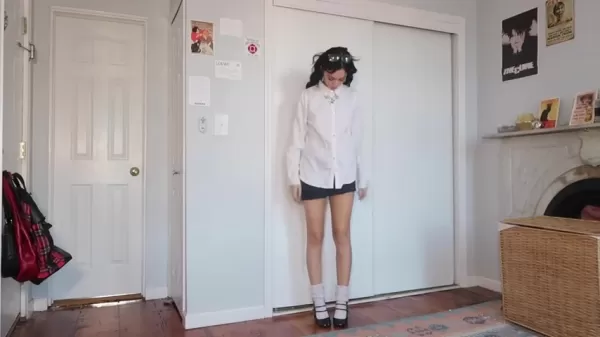
Tank Top Over Shirt: Wearing a tank top over a shirt is a straightforward yet striking approach. It works especially well if the tank features eye-catching cutouts or lace trim.
Off-the-Shoulder Sweater Over Top: Combining a simple top with a slightly oversized, off-the-shoulder sweater creates a timeless, graceful layered effect. To achieve this, just slide one shoulder of the sweater down your arm. The result is an elegant and attractive outfit.
See-Through Top Layering: This involves wearing a sheer shirt either over or under another top. It's an excellent method for transitioning summer clothing into other seasons, like wearing summer pieces in the fall.
Cropped on Cropped: This easy but impactful technique builds a visually engaging layered top. Wear two shirts of different lengths together to add depth and dimension. It also offers a chance to highlight a waist-defining corset or bralette.
Puff Sleeve Over Long Shirt: Experiment by layering a puff-sleeved shirt over a long-sleeved collared shirt, perhaps with a corset. A good rule is to layer pieces in order of decreasing size, such as a tee under a long-sleeved shirt.
These techniques are a starting point for trying new styles and combinations. By mixing textures, colors, and accessories, you can assemble layered outfits that capture your personal taste and leave a memorable impression. Feel free to explore and find fresh ways to showcase your individuality through layering. Fashion is ultimately about self-expression.
How To Layer Tops for Fall
Tips for Wearing Layered Tops
Start with a Solid Foundation: Choose a comfortable, well-fitting base layer, like a light t-shirt, turtleneck, or fitted long-sleeve top.
Introduce Texture and Color: After your base, add layers with contrasting textures and colors to build visual depth.
Consider
adding a chunky knit sweater, a denim jacket, or a patterned blouse.Play with Proportions: Try different lengths and shapes to achieve a well-proportioned outfit. A cropped sweater over a longer top can highlight your waist, while an oversized cardigan lends a relaxed, boho feel.
Incorporate Accessories: Complete your layered outfit with appropriate accessories. A bold necklace, a chic scarf, or a stylish belt can inject character and unify the ensemble.
Consider the Occasion: Match your layering to the event. A casual day out might suit a simple tee and jacket, while a formal setting could allow for a more detailed, multi-layered style.
Pros and Cons of Layering
Pros
Versatility: Layering increases your wardrobe's flexibility, letting you assemble many outfits from a few core items.
Adaptability: It lets you easily respond to weather changes by adding or removing layers for optimal comfort.
Personal Expression: Layering is a creative outlet for displaying your unique style by blending different textures, colors, and shapes.
Visual Interest: Layered outfits introduce depth and dimension, making your overall appearance more captivating.
Cons
Potential Bulkiness: Too many layers can result in a bulky, unflattering shape if not styled thoughtfully.
Complexity: Putting together a well-proportioned layered look can be detailed and time-intensive.
Temperature Control: Managing body heat can be tricky with multiple layers, sometimes causing discomfort from overheating or chill.
Cost: Developing a layered wardrobe can be pricey, as it often calls for a range of mix-and-match pieces.
Frequently Asked Questions
What are some tips for layering in warm weather?
In hot climates, prioritize light, airy materials like linen, cotton, and silk. Use translucent layers, such as a mesh top over a camisole, to add style without sacrificing comfort.
Consider
using a vest as your main layer in warm weather to complement the outfit without the heat.How can I avoid looking bulky when layering?
Select thinner, more form-fitting layers to minimize added volume. Achieve balance by combining snug and looser items—for instance, a fitted turtleneck under a loose dress, or a structured jacket over a cozy sweater.
What are the best accessories for layered outfits?
Accessories are crucial for finishing a layered outfit. Belts can accentuate your waist for a sleeker look, while scarves and necklaces contribute personality and charm.
Consider
the complete style of your look and pick accessories that harmonize with each layer.Related Questions About Layering
How does layering work with skirt and dress?
Layering dresses and skirts is just as effective as with tops. You can wear a dress over a skirt—this works with both mini and maxi lengths. When wearing a skirt as a dress, a bralette on top can provide security in breezy weather. Alternatively, try a skirt over a dress. Ideally, dresses meant for layering should be able to roll up so the sleeves sit on the upper arm, enhancing the style. Another idea is to layer the skirt first, then put the dress on top! You can also try wearing two skirts together for a more intricate, visually compelling layered effect. Another key tip: If your bag or shoes don't match the dress you're layering, coordinate them with the top skirt instead. Layering two skirts of similar lengths allows both to be visible, creating a rich, detailed outfit.
Related article
 Inside Details Exposed About Next-Gen Gemini: Strained Computing Power, Internal Teams Disagreed on Development Priorities and Resource Allocation
Reports indicate that the launch of Google’s highly anticipated next-generation Gemini model has been pushed back. Internal disagreements over development priorities and resource allocation, combined with limited computing capacity and complex approv
OpenAI Dismisses Growth Slowdown Concerns, Says Multiple Business Units Accelerating
In response to external scrutiny regarding decelerating sales growth and missed internal benchmarks, AI leader OpenAI issued a confident statement on Tuesday, April 28. The company clarified that its consumer products and enterprise services are adva
Alibaba Super Cup: Qwen3.8-Max Debuts with Boosted Coding and Office Tools
Alibaba has officially unveiled Qwen3.8-Max, a next-generation foundation large model boasting 2.4 trillion parameters. This significant AI advancement delivers substantial performance gains in core areas like coding and professional office tasks, sh
Related Special Topic Recommendations
Music composition
Inside Details Exposed About Next-Gen Gemini: Strained Computing Power, Internal Teams Disagreed on Development Priorities and Resource Allocation
Reports indicate that the launch of Google’s highly anticipated next-generation Gemini model has been pushed back. Internal disagreements over development priorities and resource allocation, combined with limited computing capacity and complex approv
OpenAI Dismisses Growth Slowdown Concerns, Says Multiple Business Units Accelerating
In response to external scrutiny regarding decelerating sales growth and missed internal benchmarks, AI leader OpenAI issued a confident statement on Tuesday, April 28. The company clarified that its consumer products and enterprise services are adva
Alibaba Super Cup: Qwen3.8-Max Debuts with Boosted Coding and Office Tools
Alibaba has officially unveiled Qwen3.8-Max, a next-generation foundation large model boasting 2.4 trillion parameters. This significant AI advancement delivers substantial performance gains in core areas like coding and professional office tasks, sh
Related Special Topic Recommendations
Music composition
 Best AI Melody Writing Tools for Song Drafts
2026 Latest Best Top-Rated AI Melody Writing Tools for Song Drafts! XIX.AI has curated a highly powerful game-changing collection that goes through rigorous real-world tests to deliver the best writing experience. You can find detailed free vs paid comparisons, accurate rankings, and must-try options designed to help you create stunning song drafts effortlessly and boost your creative productivity significantly. Explore now to discover your perfect tool!
 8 tools
 xix.ai
chatbot
Best AI Conversation Trainer Tools for Interview Practice
xix.ai
chatbot
Best AI Conversation Trainer Tools for Interview Practice
2026 Latest Best Top-rated AI Conversation Trainer Tools for Interview Practice are here on XIX.AI! This curated collection features powerful, game-changing tools that go through rigorous real-world tests to deliver accurate feedback. You’ll find a free vs paid comparison and detailed rankings to help you choose the must-try option that boosts your confidence and skills. Explore now to Discover your perfect tool for interview success!
12 tools
xix.ai
Design & Art
Best AI Style Transfer Tools for Creative Experiments
2026 Latest Best Top-rated AI Style Transfer Tools for Creative Experiments! XIX.AI has curated a powerful, game-changing collection of must-try tools that deliver exceptional results through real-world tests and rigorous rankings. These top solutions help creatives boost productivity significantly by accelerating content creation and unlocking endless creative possibilities. Explore now to discover your perfect tool and start creating today!
9 tools
xix.ai
Comic Creation
Best AI Dialogue Bubble Tools for Visual Storytelling
2026 Latest Best Top-Rated AI Dialogue Bubble Tools for Visual Storytelling are here on XIX.AI! This curated collection features powerful, game-changing tools that help creators boost productivity and overcome creative bottlenecks. Get a free vs paid comparison, see real-world tests, and check the latest rankings to find the must-try solutions perfect for crafting engaging visual narratives. Explore now to discover your ideal tool!
10 tools
xix.ai
Meeting Assistant
Top AI Meeting Summary Tools: Track Decisions and Follow-Ups Clearly
2026 Latest Top-Rated Best AI Meeting Summary Tools for Clear Decision Tracking and Effortless Follow-Ups. This curated list showcases powerful, game-changing solutions that boost productivity dramatically by automating meeting notes, identifying key action items, and streamlining team coordination across all projects. Get a free vs paid comparison along with real-world tests and weekly updated rankings to help you find the perfect tool. Explore now to unlock your AI edge!
9 tools
xix.ai
Data Analysis
Best AI Data Cleaning Tools: Fix Missing Values and Duplicates Fast
2026 Latest Best Top-rated AI Data Cleaning Tools for quick fixing of missing values and duplicates. This curated list showcases powerful, game-changing solutions that boost productivity significantly. Each option has undergone rigorous real-world tests to ensure reliability. Get a free vs paid comparison and discover the must-try tool that fits your needs best. Explore now at XIX.AI to Unlock your AI edge.
11 tools
xix.ai

 Comments (1)
0/500
Comments (1)
0/500
![RalphSanchez]()
이런 스타일링 가이드는 실용적이네요! 2025년 트렌드를 예측하는 건 항상 재미있지만, 이 글은 역사적 배경부터 실제 적용 팁까지 잘 설명해줘요. 요즘 AI가 패션 코디도 추천한다던데, 인간의 창의성은 역시 대체하기 어려운 것 같아요 😅 옷 레이어링이 예술이라는 말에 공감해요!
Layering is a true artistic skill. It extends far beyond staying warm, enabling you to craft unique and expressive outfits that reflect your individual style. This guide covers everything from the historical origins of layering to contemporary methods, giving you the knowledge and inspiration to perfect this art. Prepare to revitalize your wardrobe and build stunning, versatile looks!
Key Points
Discover historical inspiration: Learn how layering progressed from a practical need to a fashion-forward choice.
Grasp essential layering methods: Master different approaches for combining tops, skirts, dresses, and coats.
Create balanced proportions and shapes: Understand how to design layered outfits that are visually harmonious.
Play with textures and colors: Learn effective ways to incorporate your personal flair into layered styles.
Enhance outfits with accessories: Elevate your layered looks with well-chosen jewelry, belts, and scarves.
The History and Purpose of Layering
Layering: More Than Just Warmth
For centuries, layering has been integral to how people dress, serving many purposes beyond simple insulation. Knowing this history offers a rich backdrop for today's innovative layering practices. From ancient times to modern runways, layering has been shaped by cultural rules, functional demands, and changing tastes in aesthetics.
Modesty and Cultural Norms: Across many societies, layering was used to maintain modesty, covering the body to align with religious or social codes. In the Victorian and Edwardian periods, women's fashion used extensive layering to form distinct silhouettes and uphold propriety. Layered undergarments, petticoats, and dresses composed intricate outfits that signaled social standing and moral conformity. Even now, layering remains a key element of modest dress within many religious and cultural groups around the world.
Military Uniforms and Practicality: Layering was also vital in military attire, especially in harsh climates. The requirement for insulation and durability led to layered clothing systems that enabled soldiers to cope with shifting conditions. The U.S. Army's M-1943 uniform from World War II, for instance, consisted of an undershirt, a long-sleeved flannel shirt, and a sweater, offering soldiers both warmth and mobility. It is said that L.L.Bean, a noted outdoor apparel brand, advised on military gear and clothing design during the war, aiding in the creation of practical, layered uniforms.
These historical instances highlight the complex role of layering. It isn't merely about piling on clothes for warmth but also about communicating cultural identity, fulfilling practical functions, and showcasing personal style. Recognizing these historical factors helps us see layering as a dynamic and significant part of fashion's evolution.
Creative Layering Techniques for Tops
Elevating Your Look with Layered Tops
Layering tops opens up a world of options for designing distinctive and chic outfits. Whether your goal is extra warmth, visual appeal, or a custom touch, learning these methods will enhance your style. Here are some inventive ways to layer tops:
Vest Over Shirt: A vest effortlessly adds style to an outfit without creating extra bulk or warmth. It pairs well with short or long sleeve shirts, sweaters, turtlenecks, or collared styles.
Tank Top Over Shirt: Wearing a tank top over a shirt is a straightforward yet striking approach. It works especially well if the tank features eye-catching cutouts or lace trim.
Off-the-Shoulder Sweater Over Top: Combining a simple top with a slightly oversized, off-the-shoulder sweater creates a timeless, graceful layered effect. To achieve this, just slide one shoulder of the sweater down your arm. The result is an elegant and attractive outfit.
See-Through Top Layering: This involves wearing a sheer shirt either over or under another top. It's an excellent method for transitioning summer clothing into other seasons, like wearing summer pieces in the fall.
Cropped on Cropped: This easy but impactful technique builds a visually engaging layered top. Wear two shirts of different lengths together to add depth and dimension. It also offers a chance to highlight a waist-defining corset or bralette.
Puff Sleeve Over Long Shirt: Experiment by layering a puff-sleeved shirt over a long-sleeved collared shirt, perhaps with a corset. A good rule is to layer pieces in order of decreasing size, such as a tee under a long-sleeved shirt.
These techniques are a starting point for trying new styles and combinations. By mixing textures, colors, and accessories, you can assemble layered outfits that capture your personal taste and leave a memorable impression. Feel free to explore and find fresh ways to showcase your individuality through layering. Fashion is ultimately about self-expression.
How To Layer Tops for Fall
Tips for Wearing Layered Tops
Start with a Solid Foundation: Choose a comfortable, well-fitting base layer, like a light t-shirt, turtleneck, or fitted long-sleeve top.
Introduce Texture and Color: After your base, add layers with contrasting textures and colors to build visual depth.
Consider
adding a chunky knit sweater, a denim jacket, or a patterned blouse.Play with Proportions: Try different lengths and shapes to achieve a well-proportioned outfit. A cropped sweater over a longer top can highlight your waist, while an oversized cardigan lends a relaxed, boho feel.
Incorporate Accessories: Complete your layered outfit with appropriate accessories. A bold necklace, a chic scarf, or a stylish belt can inject character and unify the ensemble.
Consider the Occasion: Match your layering to the event. A casual day out might suit a simple tee and jacket, while a formal setting could allow for a more detailed, multi-layered style.
Pros and Cons of Layering
Pros
Versatility: Layering increases your wardrobe's flexibility, letting you assemble many outfits from a few core items.
Adaptability: It lets you easily respond to weather changes by adding or removing layers for optimal comfort.
Personal Expression: Layering is a creative outlet for displaying your unique style by blending different textures, colors, and shapes.
Visual Interest: Layered outfits introduce depth and dimension, making your overall appearance more captivating.
Cons
Potential Bulkiness: Too many layers can result in a bulky, unflattering shape if not styled thoughtfully.
Complexity: Putting together a well-proportioned layered look can be detailed and time-intensive.
Temperature Control: Managing body heat can be tricky with multiple layers, sometimes causing discomfort from overheating or chill.
Cost: Developing a layered wardrobe can be pricey, as it often calls for a range of mix-and-match pieces.
Frequently Asked Questions
What are some tips for layering in warm weather?
In hot climates, prioritize light, airy materials like linen, cotton, and silk. Use translucent layers, such as a mesh top over a camisole, to add style without sacrificing comfort.
Consider
using a vest as your main layer in warm weather to complement the outfit without the heat.How can I avoid looking bulky when layering?
Select thinner, more form-fitting layers to minimize added volume. Achieve balance by combining snug and looser items—for instance, a fitted turtleneck under a loose dress, or a structured jacket over a cozy sweater.
What are the best accessories for layered outfits?
Accessories are crucial for finishing a layered outfit. Belts can accentuate your waist for a sleeker look, while scarves and necklaces contribute personality and charm.
Consider
the complete style of your look and pick accessories that harmonize with each layer.Related Questions About Layering
How does layering work with skirt and dress?
Layering dresses and skirts is just as effective as with tops. You can wear a dress over a skirt—this works with both mini and maxi lengths. When wearing a skirt as a dress, a bralette on top can provide security in breezy weather. Alternatively, try a skirt over a dress. Ideally, dresses meant for layering should be able to roll up so the sleeves sit on the upper arm, enhancing the style. Another idea is to layer the skirt first, then put the dress on top! You can also try wearing two skirts together for a more intricate, visually compelling layered effect. Another key tip: If your bag or shoes don't match the dress you're layering, coordinate them with the top skirt instead. Layering two skirts of similar lengths allows both to be visible, creating a rich, detailed outfit.








 Inside Details Exposed About Next-Gen Gemini: Strained Computing Power, Internal Teams Disagreed on Development Priorities and Resource Allocation
Reports indicate that the launch of Google’s highly anticipated next-generation Gemini model has been pushed back. Internal disagreements over development priorities and resource allocation, combined with limited computing capacity and complex approv
Inside Details Exposed About Next-Gen Gemini: Strained Computing Power, Internal Teams Disagreed on Development Priorities and Resource Allocation
Reports indicate that the launch of Google’s highly anticipated next-generation Gemini model has been pushed back. Internal disagreements over development priorities and resource allocation, combined with limited computing capacity and complex approv
 OpenAI Dismisses Growth Slowdown Concerns, Says Multiple Business Units Accelerating
In response to external scrutiny regarding decelerating sales growth and missed internal benchmarks, AI leader OpenAI issued a confident statement on Tuesday, April 28. The company clarified that its consumer products and enterprise services are adva
OpenAI Dismisses Growth Slowdown Concerns, Says Multiple Business Units Accelerating
In response to external scrutiny regarding decelerating sales growth and missed internal benchmarks, AI leader OpenAI issued a confident statement on Tuesday, April 28. The company clarified that its consumer products and enterprise services are adva
 Alibaba Super Cup: Qwen3.8-Max Debuts with Boosted Coding and Office Tools
Alibaba has officially unveiled Qwen3.8-Max, a next-generation foundation large model boasting 2.4 trillion parameters. This significant AI advancement delivers substantial performance gains in core areas like coding and professional office tasks, sh
Alibaba Super Cup: Qwen3.8-Max Debuts with Boosted Coding and Office Tools
Alibaba has officially unveiled Qwen3.8-Max, a next-generation foundation large model boasting 2.4 trillion parameters. This significant AI advancement delivers substantial performance gains in core areas like coding and professional office tasks, sh

2026 Latest Best Top-Rated AI Melody Writing Tools for Song Drafts! XIX.AI has curated a highly powerful game-changing collection that goes through rigorous real-world tests to deliver the best writing experience. You can find detailed free vs paid comparisons, accurate rankings, and must-try options designed to help you create stunning song drafts effortlessly and boost your creative productivity significantly. Explore now to discover your perfect tool!
8 tools
xix.ai

2026 Latest Best Top-rated AI Conversation Trainer Tools for Interview Practice are here on XIX.AI! This curated collection features powerful, game-changing tools that go through rigorous real-world tests to deliver accurate feedback. You’ll find a free vs paid comparison and detailed rankings to help you choose the must-try option that boosts your confidence and skills. Explore now to Discover your perfect tool for interview success!
12 tools
xix.ai
2026 Latest Best Top-rated AI Style Transfer Tools for Creative Experiments! XIX.AI has curated a powerful, game-changing collection of must-try tools that deliver exceptional results through real-world tests and rigorous rankings. These top solutions help creatives boost productivity significantly by accelerating content creation and unlocking endless creative possibilities. Explore now to discover your perfect tool and start creating today!
9 tools
xix.ai

2026 Latest Best Top-Rated AI Dialogue Bubble Tools for Visual Storytelling are here on XIX.AI! This curated collection features powerful, game-changing tools that help creators boost productivity and overcome creative bottlenecks. Get a free vs paid comparison, see real-world tests, and check the latest rankings to find the must-try solutions perfect for crafting engaging visual narratives. Explore now to discover your ideal tool!
10 tools
xix.ai

2026 Latest Top-Rated Best AI Meeting Summary Tools for Clear Decision Tracking and Effortless Follow-Ups. This curated list showcases powerful, game-changing solutions that boost productivity dramatically by automating meeting notes, identifying key action items, and streamlining team coordination across all projects. Get a free vs paid comparison along with real-world tests and weekly updated rankings to help you find the perfect tool. Explore now to unlock your AI edge!
9 tools
xix.ai

2026 Latest Best Top-rated AI Data Cleaning Tools for quick fixing of missing values and duplicates. This curated list showcases powerful, game-changing solutions that boost productivity significantly. Each option has undergone rigorous real-world tests to ensure reliability. Get a free vs paid comparison and discover the must-try tool that fits your needs best. Explore now at XIX.AI to Unlock your AI edge.
11 tools
xix.ai

이런 스타일링 가이드는 실용적이네요! 2025년 트렌드를 예측하는 건 항상 재미있지만, 이 글은 역사적 배경부터 실제 적용 팁까지 잘 설명해줘요. 요즘 AI가 패션 코디도 추천한다던데, 인간의 창의성은 역시 대체하기 어려운 것 같아요 😅 옷 레이어링이 예술이라는 말에 공감해요!












