


 Home
HomeY Combinator's Geoff Ralston Launches New AI Safety Fund
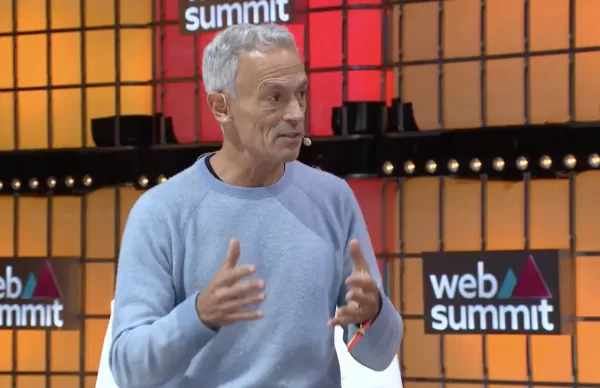
Geoff Ralston, a prominent figure in the startup world through his long association with Y Combinator, has officially returned to active investing, as he announced on Thursday.
His new fund, named the Safe Artificial Intelligence Fund (SAIF), reflects its core mission while also serving as a clever acronym.
According to the fund's website, Ralston is targeting startups dedicated to "enhancing AI safety, security, and responsible deployment." He intends to issue $100,000 checks using a SAFE agreement—"pun intended," he notes—with a valuation cap of $10 million. A SAFE, famously developed by Y Combinator, is a simple agreement for future equity that defers valuation until a later funding round.
While venture capital interest in AI startups is widespread, Ralston’s approach is distinctly centered on safe AI, a focus he acknowledges is intentionally broad.
"Most AI projects today are designed to solve problems, boost efficiency, or create new capabilities. While not inherently unsafe, safety isn't their main priority," Ralston explained to TechCrunch. "My goal is to fund startups where safe AI is the primary objective, as I've defined it in very broad terms."
His investment scope includes companies focused on making AI safer, such as those improving transparency in AI decision-making or establishing safety benchmarks. It also covers tools that protect intellectual property, ensure regulatory compliance, combat disinformation, and detect AI-driven attacks. Additionally, he is interested in functional AI tools designed with built-in safety, like advanced AI forecasting systems or AI-powered negotiation platforms that safeguard corporate secrets.
Although this may resemble the investment thesis of other AI-focused VCs, Ralston is excluding certain areas. One clear example is fully autonomous weapons systems.
"There are undeniably unsafe applications of AI, such as designing bioweapons or managing conventional weapons without human oversight," he stated.
In fact, he aims to back "weapon safety systems" that can identify or prevent attacks from AI-controlled weapons.
This stance presents a contrasting perspective to many current defense tech founders and investors. As TechCrunch has covered, some developers of AI weapons are increasingly advocating for systems that operate independently of human control.
Despite the crowded AI investment landscape, Ralston believes his Y Combinator ties can provide an edge. He left YC in 2022 after a three-year term as president—succeeded by Garry Tan—and more than ten years as an advisor.
Ralston plans to offer the same kind of mentorship he provided at the renowned startup accelerator, including guidance on applying to Y Combinator. He also promises to help portfolio companies access his extensive network of investors.
Ralston has not disclosed the fund's size, the number of startups he plans to support, or the identities of his limited partners.
Related article
 Stripe to Acquire OpenRouter as AI Model Routing Gains Momentum
Stripe has agreed to acquire OpenRouter, an AI model-routing platform that gives developers access to hundreds of models through a single interface. The deal adds model selection and routing to Stripe’s existing work around AI usage and token-based b
Former OpenAI Researcher Barrett Zoph Returns to Google to Support Gemini Development
Barret Zoph, who previously abruptly left and joined OpenAI due to a disagreement with Thinking Machines Lab CEO Miriam Mularati, has once again changed employers. Alphabet's Google announced that Zoph will return as Vice President of Research, bring
How Recursive Intelligence Raised $335M at $4B Valuation in 4 Months
The co-founders of startup Ricursive Intelligence seemed destined to be co-founders.Anna Goldie, CEO, and Azalia Mirhoseini, CTO, are so well-known in the AI community that they were among those AI engineers who “got those weird emails from Zuckerber
Related Special Topic Recommendations
Design & Art
Stripe to Acquire OpenRouter as AI Model Routing Gains Momentum
Stripe has agreed to acquire OpenRouter, an AI model-routing platform that gives developers access to hundreds of models through a single interface. The deal adds model selection and routing to Stripe’s existing work around AI usage and token-based b
Former OpenAI Researcher Barrett Zoph Returns to Google to Support Gemini Development
Barret Zoph, who previously abruptly left and joined OpenAI due to a disagreement with Thinking Machines Lab CEO Miriam Mularati, has once again changed employers. Alphabet's Google announced that Zoph will return as Vice President of Research, bring
How Recursive Intelligence Raised $335M at $4B Valuation in 4 Months
The co-founders of startup Ricursive Intelligence seemed destined to be co-founders.Anna Goldie, CEO, and Azalia Mirhoseini, CTO, are so well-known in the AI community that they were among those AI engineers who “got those weird emails from Zuckerber
Related Special Topic Recommendations
Design & Art
 Top AI Illustration Tools: Create Editorial Scenes and Cover Art Faster
2026 Latest Top-rated AI Illustration Tools: Our curated list features the best powerfully designed tools for creating stunning editorial scenes and eye-catching cover art quickly. Each option has gone through rigorous real-world tests, offering a free vs paid comparison to help you find the perfect match for your workflow. Try these must-try solutions today to unlock your AI edge and boost your creative productivity. Explore now at XIX.AI.
 10 tools
 xix.ai
Education and Learning
Top AI Tutors for Exam Prep: Practice Math, Science, and English
xix.ai
Education and Learning
Top AI Tutors for Exam Prep: Practice Math, Science, and English
2026 Latest Top-Rated Best AI Tutors for Exam Prep are here on XIX.AI! Our curated list features powerful game-changing tools that offer free vs paid comparison, real-world tests, and weekly updated rankings. They help boost your writing efficiency, simplify complex topic learning, and unlock your academic potential. Explore now to Discover your perfect exam prep tool and Start creating today to Unlock your AI edge!
10 tools
xix.ai
Finance
AI Budget Planning Tools for Personal Money Management
2026 Latest Best Top-Rated AI Budget Planning Tools for Personal Money Management are here on XIX.AI! This curated collection features powerful, game-changing solutions that help you conduct real-world tests, understand spending habits, and create personalized plans to boost productivity. Enjoy a free vs paid comparison along with detailed rankings. Must-try tools designed to simplify money management and unlock your AI edge. Explore now!
11 tools
xix.ai
Health & Wellness
AI Sleep Tracking Assistants: Improve Recovery with Better Bedtime Habits
2026 Latest Best Top-Rated AI Sleep Tracking Assistants curated for ultimate recovery. This fully updated weekly guide features powerful tools that deliver real-world tests, free vs paid comparison, and detailed rankings to help you find the must-try solution that boosts sleep quality and supports better bedtime habits. Explore now at XIX.AI to Unlock your AI edge.
10 tools
xix.ai
Data Analysis
AI SQL Copilots for Product and Revenue Analytics
2026 Latest Best Top-Rated AI SQL Copilots for Product and Revenue Analytics! XIX.AI has curated a powerful, game-changing collection of must-try tools that undergo real-world tests through weekly updated rankings. These tools help users boost productivity significantly by accelerating data analysis, streamlining complex queries, and generating accurate insights to drive smarter business decisions. Explore now to Discover your perfect tool for unlocking your AI edge!
14 tools
xix.ai
Education and Learning
Best AI Homework Helpers That Teach: Learn Concepts, Not Just Answers
2026 Latest Best Top-Rated AI Homework Helpers That Teach Core Concepts Not Just Answers Powerful Tools for Students Must-Try Curated List Weekly Updated Free vs Paid Comparison Real-World Tests Accurate Rankings to Help You Unlock Your Full Learning Potential Explore now to Discover your perfect tool for smarter studying.
10 tools
xix.ai

 Comments (3)
0/500
Comments (3)
0/500
![BenHernández]()
Y CombinatorのGeoff RalstonがAI安全基金を設立か。最近のAI開発のスピードを考えると、安全性への投資は必須だね。🤖 技術の進歩だけでなく、倫理面でのガードレールがしっかりしているか気になるところ。投資家としての目利きも期待したい! #AI #Safety
![JasonKing]()
Great to see someone with Ralston's track record focusing on AI safety. But is a dedicated fund enough to actually steer the industry away from potential dangers? 🤔 Curious how they'll vet startups – just another buzzword or real accountability?
![DonaldSanchez]()
AI 안전성에 집중하는 펀드가 생기는 건 흥미롭네요! 요즘 유니콘 육성에만 목메고 있는 실리콘밸리 풍토에서 돈이 윤리적 관심사로 흐를 수 있다는 점도 놀랍고요. 😮 그런데 올드스쿨 VC가 새로운 펀드를 런칭하면서 AI 안전에 대한 우려를 표명한 건 꽤 이례적이네요...
Geoff Ralston, a prominent figure in the startup world through his long association with Y Combinator, has officially returned to active investing, as he announced on Thursday.
His new fund, named the Safe Artificial Intelligence Fund (SAIF), reflects its core mission while also serving as a clever acronym.
According to the fund's website, Ralston is targeting startups dedicated to "enhancing AI safety, security, and responsible deployment." He intends to issue $100,000 checks using a SAFE agreement—"pun intended," he notes—with a valuation cap of $10 million. A SAFE, famously developed by Y Combinator, is a simple agreement for future equity that defers valuation until a later funding round.
While venture capital interest in AI startups is widespread, Ralston’s approach is distinctly centered on safe AI, a focus he acknowledges is intentionally broad.
"Most AI projects today are designed to solve problems, boost efficiency, or create new capabilities. While not inherently unsafe, safety isn't their main priority," Ralston explained to TechCrunch. "My goal is to fund startups where safe AI is the primary objective, as I've defined it in very broad terms."
His investment scope includes companies focused on making AI safer, such as those improving transparency in AI decision-making or establishing safety benchmarks. It also covers tools that protect intellectual property, ensure regulatory compliance, combat disinformation, and detect AI-driven attacks. Additionally, he is interested in functional AI tools designed with built-in safety, like advanced AI forecasting systems or AI-powered negotiation platforms that safeguard corporate secrets.
Although this may resemble the investment thesis of other AI-focused VCs, Ralston is excluding certain areas. One clear example is fully autonomous weapons systems.
"There are undeniably unsafe applications of AI, such as designing bioweapons or managing conventional weapons without human oversight," he stated.
In fact, he aims to back "weapon safety systems" that can identify or prevent attacks from AI-controlled weapons.
This stance presents a contrasting perspective to many current defense tech founders and investors. As TechCrunch has covered, some developers of AI weapons are increasingly advocating for systems that operate independently of human control.
Despite the crowded AI investment landscape, Ralston believes his Y Combinator ties can provide an edge. He left YC in 2022 after a three-year term as president—succeeded by Garry Tan—and more than ten years as an advisor.
Ralston plans to offer the same kind of mentorship he provided at the renowned startup accelerator, including guidance on applying to Y Combinator. He also promises to help portfolio companies access his extensive network of investors.
Ralston has not disclosed the fund's size, the number of startups he plans to support, or the identities of his limited partners.








 Stripe to Acquire OpenRouter as AI Model Routing Gains Momentum
Stripe has agreed to acquire OpenRouter, an AI model-routing platform that gives developers access to hundreds of models through a single interface. The deal adds model selection and routing to Stripe’s existing work around AI usage and token-based b
Stripe to Acquire OpenRouter as AI Model Routing Gains Momentum
Stripe has agreed to acquire OpenRouter, an AI model-routing platform that gives developers access to hundreds of models through a single interface. The deal adds model selection and routing to Stripe’s existing work around AI usage and token-based b
 Former OpenAI Researcher Barrett Zoph Returns to Google to Support Gemini Development
Barret Zoph, who previously abruptly left and joined OpenAI due to a disagreement with Thinking Machines Lab CEO Miriam Mularati, has once again changed employers. Alphabet's Google announced that Zoph will return as Vice President of Research, bring
Former OpenAI Researcher Barrett Zoph Returns to Google to Support Gemini Development
Barret Zoph, who previously abruptly left and joined OpenAI due to a disagreement with Thinking Machines Lab CEO Miriam Mularati, has once again changed employers. Alphabet's Google announced that Zoph will return as Vice President of Research, bring
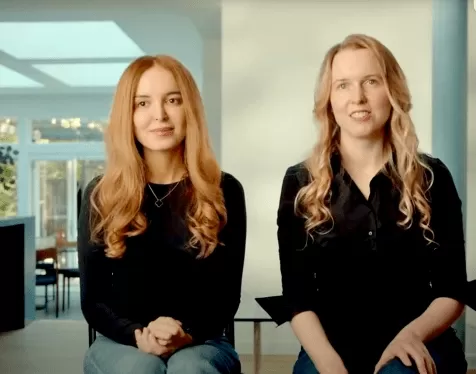 How Recursive Intelligence Raised $335M at $4B Valuation in 4 Months
The co-founders of startup Ricursive Intelligence seemed destined to be co-founders.Anna Goldie, CEO, and Azalia Mirhoseini, CTO, are so well-known in the AI community that they were among those AI engineers who “got those weird emails from Zuckerber
How Recursive Intelligence Raised $335M at $4B Valuation in 4 Months
The co-founders of startup Ricursive Intelligence seemed destined to be co-founders.Anna Goldie, CEO, and Azalia Mirhoseini, CTO, are so well-known in the AI community that they were among those AI engineers who “got those weird emails from Zuckerber

2026 Latest Top-rated AI Illustration Tools: Our curated list features the best powerfully designed tools for creating stunning editorial scenes and eye-catching cover art quickly. Each option has gone through rigorous real-world tests, offering a free vs paid comparison to help you find the perfect match for your workflow. Try these must-try solutions today to unlock your AI edge and boost your creative productivity. Explore now at XIX.AI.
10 tools
xix.ai

2026 Latest Top-Rated Best AI Tutors for Exam Prep are here on XIX.AI! Our curated list features powerful game-changing tools that offer free vs paid comparison, real-world tests, and weekly updated rankings. They help boost your writing efficiency, simplify complex topic learning, and unlock your academic potential. Explore now to Discover your perfect exam prep tool and Start creating today to Unlock your AI edge!
10 tools
xix.ai

2026 Latest Best Top-Rated AI Budget Planning Tools for Personal Money Management are here on XIX.AI! This curated collection features powerful, game-changing solutions that help you conduct real-world tests, understand spending habits, and create personalized plans to boost productivity. Enjoy a free vs paid comparison along with detailed rankings. Must-try tools designed to simplify money management and unlock your AI edge. Explore now!
11 tools
xix.ai
2026 Latest Best Top-Rated AI Sleep Tracking Assistants curated for ultimate recovery. This fully updated weekly guide features powerful tools that deliver real-world tests, free vs paid comparison, and detailed rankings to help you find the must-try solution that boosts sleep quality and supports better bedtime habits. Explore now at XIX.AI to Unlock your AI edge.
10 tools
xix.ai

2026 Latest Best Top-Rated AI SQL Copilots for Product and Revenue Analytics! XIX.AI has curated a powerful, game-changing collection of must-try tools that undergo real-world tests through weekly updated rankings. These tools help users boost productivity significantly by accelerating data analysis, streamlining complex queries, and generating accurate insights to drive smarter business decisions. Explore now to Discover your perfect tool for unlocking your AI edge!
14 tools
xix.ai

2026 Latest Best Top-Rated AI Homework Helpers That Teach Core Concepts Not Just Answers Powerful Tools for Students Must-Try Curated List Weekly Updated Free vs Paid Comparison Real-World Tests Accurate Rankings to Help You Unlock Your Full Learning Potential Explore now to Discover your perfect tool for smarter studying.
10 tools
xix.ai

Y CombinatorのGeoff RalstonがAI安全基金を設立か。最近のAI開発のスピードを考えると、安全性への投資は必須だね。🤖 技術の進歩だけでなく、倫理面でのガードレールがしっかりしているか気になるところ。投資家としての目利きも期待したい! #AI #Safety
Great to see someone with Ralston's track record focusing on AI safety. But is a dedicated fund enough to actually steer the industry away from potential dangers? 🤔 Curious how they'll vet startups – just another buzzword or real accountability?
AI 안전성에 집중하는 펀드가 생기는 건 흥미롭네요! 요즘 유니콘 육성에만 목메고 있는 실리콘밸리 풍토에서 돈이 윤리적 관심사로 흐를 수 있다는 점도 놀랍고요. 😮 그런데 올드스쿨 VC가 새로운 펀드를 런칭하면서 AI 안전에 대한 우려를 표명한 건 꽤 이례적이네요...












