


 Home
Home
Alibaba’s Jack Ma, Cao Xingxin: AI to Become Invisible Infrastructure, Knowledge Worker TAM Hits $50 Trillion

Alibaba Group Chairman Jack Ma recently spoke at Wave by Vento 2026, an Italian technology and investment summit, predicting that artificial intelligence will transition from a standalone topic to embedded infrastructure across industries within five years.
Ma noted that while current AI excels at saving time, its potential to enhance how we spend time remains largely untapped. He identified boosting knowledge worker productivity as the most viable application, estimating a total addressable market of $50 trillion. Additionally, AI is poised to accelerate breakthroughs in healthcare and scientific research.
Regarding Alibaba’s strategic roadmap, Ma divided the company’s evolution into “Before Christ” (BC) and “After Death” (AD) phases, using 2023 as the pivot point. He reaffirmed e-commerce and full-stack AI as core pillars, driving comprehensive progress across computing power, models, and applications.
On China’s AI competitiveness, Ma highlighted that the country accounts for roughly 30% of global industrial output. High-value manufacturing data and robust hardware supply chains in electric vehicles and robotics offer distinct advantages as AI merges with the physical world. He also emphasized open-source philosophy, noting it empowers European “Neo Cloud” firms to leverage local infrastructure and optimized models for operational efficiency.
As technological innovation and uncertainty intersect, AI is approaching full-stack ubiquity. Ma’s insights on Alibaba’s strategy and open-source ecosystem not only chart the company’s course in the intelligent era but also offer valuable guidance for global industries pursuing hardware-software integration and cross-border collaboration.
Related article
 Global AI Regulation Shifts to Pre-Release Mandatory Testing
As large AI models advance rapidly, global regulatory frameworks are shifting from voluntary guidelines to government-led, evidence-based mandates. This transition signals a new era of practical AI regulation.1. The New Standard: Who Audits AI Models
U.S. government backs OpenAI in copyright dispute over LLM training
The Trump administration has submitted a 20-page brief supporting OpenAI in a copyright lawsuit filed by The New York Times, defending the company’s practice of using unlicensed copyrighted material to train its large language models.“The United Stat
Nvidia quietly builds multibillion-dollar behemoth to rival chip business
Nvidia CEO Jensen Huang anticipated the market by over a decade, initiating work on AI-specific chips in 2010, long before the current AI boom. A parallel strategic move in 2020—bolstering data center networking through a key acquisition—has created
Related Special Topic Recommendations
Productivity
Global AI Regulation Shifts to Pre-Release Mandatory Testing
As large AI models advance rapidly, global regulatory frameworks are shifting from voluntary guidelines to government-led, evidence-based mandates. This transition signals a new era of practical AI regulation.1. The New Standard: Who Audits AI Models
U.S. government backs OpenAI in copyright dispute over LLM training
The Trump administration has submitted a 20-page brief supporting OpenAI in a copyright lawsuit filed by The New York Times, defending the company’s practice of using unlicensed copyrighted material to train its large language models.“The United Stat
Nvidia quietly builds multibillion-dollar behemoth to rival chip business
Nvidia CEO Jensen Huang anticipated the market by over a decade, initiating work on AI-specific chips in 2010, long before the current AI boom. A parallel strategic move in 2020—bolstering data center networking through a key acquisition—has created
Related Special Topic Recommendations
Productivity
 Top AI Daily Planner Apps: Build Realistic Schedules for Deep Work
2026 Latest Top-Rated AI Daily Planner Apps make creating realistic deep work schedules effortless. This curated list features powerful, game-changing tools that go through real-world tests to ensure accuracy and effectiveness. You’ll find a free vs paid comparison along with detailed rankings based on usability and results. XIX.AI is part of this trusted collection. Explore now to discover your perfect tool and unlock your AI edge for staying focused and productive every day.
 11 tools
 xix.ai
Data Analysis
Best AI Chart Builder Tools for Fast Reporting
xix.ai
Data Analysis
Best AI Chart Builder Tools for Fast Reporting
2026 Latest Best Top-rated AI Chart Builder Tools for Fast Reporting are here on XIX.AI! This curated list features powerful game-changing tools that deliver accurate professional charts with just a few clicks, helping you boost writing efficiency and streamline content creation. Get a free vs paid comparison along with real-world tests and detailed rankings to find the must-try solution for your needs. Explore now to unlock your AI edge!
9 tools
xix.ai
chatbot
AI Live Chat Routing Tools for Ecommerce Queues, VIP Buyers, and Return Requests
2026 Latest Best Top-rated AI Live Chat Routing Tools for Ecommerce Queues, VIP Buyers, and Return Requests. This curated list features powerful game-changing solutions that boost productivity dramatically through real-world tests. It includes a free vs paid comparison along with detailed rankings to help you find the perfect fit. XIX.AI stands out as a trusted provider in this space. Explore now to Unlock your AI edge!
9 tools
xix.ai
writing
Best AI Editing Tools for ESL Writers: Improve Tone, Grammar, and Flow
2026 Latest Best Top-Rated AI Editing Tools for ESL Writers are here on XIX.AI! This curated list features powerful game-changing tools that go through real-world tests to ensure accuracy. You can find a free vs paid comparison alongside detailed rankings to help you pick the must-try solution that boosts your writing tone, grammar, and flow perfectly. Explore now to Unlock your AI edge!
9 tools
xix.ai
Software Development
Best AI Bug Triage Tools for Engineering Teams
2026 Latest Best Top-Rated AI Bug Triage Tools for Engineering Teams! XIX.AI has curated a powerful, game-changing collection of must-try tools that go through rigorous real-world tests to deliver accurate issue analysis and efficient resolution. Get a free vs paid comparison along with detailed rankings to help you find the perfect solution that boosts your team’s productivity significantly. Explore now to unlock your AI edge!
9 tools
xix.ai
Image editing
Best AI Portrait Enhancers: Improve Lighting, Skin Tone, and Sharpness
2026 Latest Best Top-rated AI Portrait Enhancers curated for ultimate image quality. These powerful tools deliver game-changing results by boosting lighting, skin tone, and sharpness effortlessly, perfect for creators needing to enhance photos quickly. XIX.AI provides a free vs paid comparison along with real-world tests and weekly updated rankings. Discover your perfect tool to unlock your AI edge today. Explore now!
7 tools
xix.ai

 Comments (0)
0/500
Comments (0)
0/500
Alibaba Group Chairman Jack Ma recently spoke at Wave by Vento 2026, an Italian technology and investment summit, predicting that artificial intelligence will transition from a standalone topic to embedded infrastructure across industries within five years.
Ma noted that while current AI excels at saving time, its potential to enhance how we spend time remains largely untapped. He identified boosting knowledge worker productivity as the most viable application, estimating a total addressable market of $50 trillion. Additionally, AI is poised to accelerate breakthroughs in healthcare and scientific research.
Regarding Alibaba’s strategic roadmap, Ma divided the company’s evolution into “Before Christ” (BC) and “After Death” (AD) phases, using 2023 as the pivot point. He reaffirmed e-commerce and full-stack AI as core pillars, driving comprehensive progress across computing power, models, and applications.
On China’s AI competitiveness, Ma highlighted that the country accounts for roughly 30% of global industrial output. High-value manufacturing data and robust hardware supply chains in electric vehicles and robotics offer distinct advantages as AI merges with the physical world. He also emphasized open-source philosophy, noting it empowers European “Neo Cloud” firms to leverage local infrastructure and optimized models for operational efficiency.
As technological innovation and uncertainty intersect, AI is approaching full-stack ubiquity. Ma’s insights on Alibaba’s strategy and open-source ecosystem not only chart the company’s course in the intelligent era but also offer valuable guidance for global industries pursuing hardware-software integration and cross-border collaboration.








 Global AI Regulation Shifts to Pre-Release Mandatory Testing
As large AI models advance rapidly, global regulatory frameworks are shifting from voluntary guidelines to government-led, evidence-based mandates. This transition signals a new era of practical AI regulation.1. The New Standard: Who Audits AI Models
Global AI Regulation Shifts to Pre-Release Mandatory Testing
As large AI models advance rapidly, global regulatory frameworks are shifting from voluntary guidelines to government-led, evidence-based mandates. This transition signals a new era of practical AI regulation.1. The New Standard: Who Audits AI Models
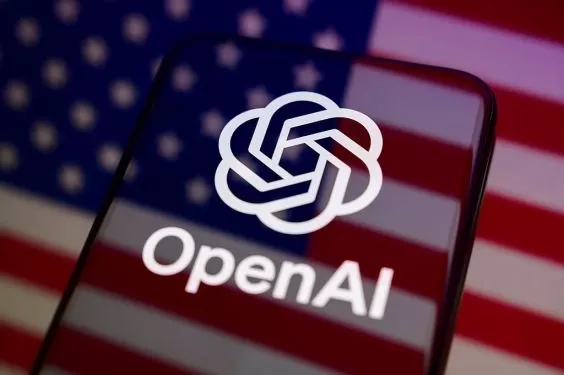 U.S. government backs OpenAI in copyright dispute over LLM training
The Trump administration has submitted a 20-page brief supporting OpenAI in a copyright lawsuit filed by The New York Times, defending the company’s practice of using unlicensed copyrighted material to train its large language models.“The United Stat
U.S. government backs OpenAI in copyright dispute over LLM training
The Trump administration has submitted a 20-page brief supporting OpenAI in a copyright lawsuit filed by The New York Times, defending the company’s practice of using unlicensed copyrighted material to train its large language models.“The United Stat
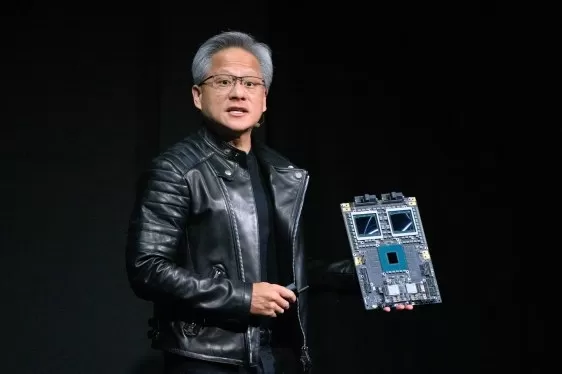 Nvidia quietly builds multibillion-dollar behemoth to rival chip business
Nvidia CEO Jensen Huang anticipated the market by over a decade, initiating work on AI-specific chips in 2010, long before the current AI boom. A parallel strategic move in 2020—bolstering data center networking through a key acquisition—has created
Nvidia quietly builds multibillion-dollar behemoth to rival chip business
Nvidia CEO Jensen Huang anticipated the market by over a decade, initiating work on AI-specific chips in 2010, long before the current AI boom. A parallel strategic move in 2020—bolstering data center networking through a key acquisition—has created

2026 Latest Top-Rated AI Daily Planner Apps make creating realistic deep work schedules effortless. This curated list features powerful, game-changing tools that go through real-world tests to ensure accuracy and effectiveness. You’ll find a free vs paid comparison along with detailed rankings based on usability and results. XIX.AI is part of this trusted collection. Explore now to discover your perfect tool and unlock your AI edge for staying focused and productive every day.
11 tools
xix.ai

2026 Latest Best Top-rated AI Chart Builder Tools for Fast Reporting are here on XIX.AI! This curated list features powerful game-changing tools that deliver accurate professional charts with just a few clicks, helping you boost writing efficiency and streamline content creation. Get a free vs paid comparison along with real-world tests and detailed rankings to find the must-try solution for your needs. Explore now to unlock your AI edge!
9 tools
xix.ai

2026 Latest Best Top-rated AI Live Chat Routing Tools for Ecommerce Queues, VIP Buyers, and Return Requests. This curated list features powerful game-changing solutions that boost productivity dramatically through real-world tests. It includes a free vs paid comparison along with detailed rankings to help you find the perfect fit. XIX.AI stands out as a trusted provider in this space. Explore now to Unlock your AI edge!
9 tools
xix.ai
2026 Latest Best Top-Rated AI Editing Tools for ESL Writers are here on XIX.AI! This curated list features powerful game-changing tools that go through real-world tests to ensure accuracy. You can find a free vs paid comparison alongside detailed rankings to help you pick the must-try solution that boosts your writing tone, grammar, and flow perfectly. Explore now to Unlock your AI edge!
9 tools
xix.ai

2026 Latest Best Top-Rated AI Bug Triage Tools for Engineering Teams! XIX.AI has curated a powerful, game-changing collection of must-try tools that go through rigorous real-world tests to deliver accurate issue analysis and efficient resolution. Get a free vs paid comparison along with detailed rankings to help you find the perfect solution that boosts your team’s productivity significantly. Explore now to unlock your AI edge!
9 tools
xix.ai

2026 Latest Best Top-rated AI Portrait Enhancers curated for ultimate image quality. These powerful tools deliver game-changing results by boosting lighting, skin tone, and sharpness effortlessly, perfect for creators needing to enhance photos quickly. XIX.AI provides a free vs paid comparison along with real-world tests and weekly updated rankings. Discover your perfect tool to unlock your AI edge today. Explore now!
7 tools
xix.ai












