


 Home
HomeAI Voice Editing: How Artificial Intelligence is Revolutionizing Audio
Artificial intelligence is reshaping numerous industries, and voice editing is one of its most transformative applications. AI enables you to modify your voice, create entirely new vocal profiles, and even replicate existing ones. This article delves into the mechanics of AI voice editing, the tools that make it possible, and the associated risks.
Key Points
AI technology can edit and transform vocal recordings.
AI voice cloning allows for the impersonation of specific individuals.
AI can generate renditions of celebrities singing any song.
Understanding the ethical considerations of AI voice technology is crucial.
A variety of online platforms provide AI voice editing and generation services.
Familiarity with AI voice manipulation can help you avoid potential scams.
Understanding AI Voice Editing and Generation
What is AI Voice Editing?
AI voice editing uses artificial intelligence to alter pre-existing voice recordings. This process can adjust a voice's pitch, tone, or accent. Advanced algorithms analyze vocal patterns and manipulate them to achieve the desired outcome. As this technology advances, distinguishing between authentic and AI-modified voices is becoming increasingly challenging. The emergence of AI voice editing presents both significant opportunities and risks, underscoring the need to comprehend its functionality.
This technology depends on sophisticated algorithms trained on extensive datasets of human speech. Once trained, these AI models can modify existing audio or generate completely new synthetic voices. Applications are diverse, ranging from producing more captivating video and podcast content to developing assistive technologies for people with speech disabilities.
Nevertheless, the capabilities of AI voice editing also introduce serious ethical issues. The potential to convincingly imitate a person's voice can be exploited for malicious activities, such as creating deceptive audio for scams or spreading false information. Therefore, using this technology responsibly and recognizing its potential for abuse is vital.
Common features include noise reduction, voice cloning, and the ability to alter vocal traits based on text input. The precision and realism of these tools are continuously improving, making manipulated audio harder to identify. As AI voice technology becomes more accessible, its influence across various sectors and daily life will expand, requiring a careful approach to its development and implementation. The process of AI voice generation has grown increasingly sophisticated, impacting many fields.
The Power of AI Voice Cloning
AI voice cloning elevates voice editing to a new level. It involves creating a digital duplicate of a person's voice that can produce new speech. This process requires a sample of the original voice, which the AI analyzes to learn its unique attributes. Once cloned, the AI can generate speech in that voice, even if the individual never actually spoke those words. This capability has profound implications for entertainment, advertising, and personal communication.
The procedure typically involves providing an AI model with several minutes of recorded speech from the target person. The AI examines the audio to extract characteristics like pitch, tone, and accent. After training, the AI can synthesize new speech in the cloned voice, enabling users to create custom audio clips.
However, AI voice cloning also raises substantial ethical concerns. The potential for misuse is significant, including impersonating individuals for fraudulent purposes or creating manipulated audio for political influence. Replicating someone's voice without their consent poses serious questions about privacy, identity theft, and the potential weakening of trust in audio communications. As AI voice cloning becomes more advanced, establishing strong safeguards and ethical guidelines is essential to prevent misuse and protect individuals from harm. The importance of safeguards for AI voice cloning cannot be overemphasized.
Responsible use involves securing explicit consent before cloning a voice and implementing measures to prevent unauthorized use. Additionally, educating the public about the risks of AI voice manipulation and providing tools to detect synthetic audio is important. By proactively addressing these challenges, we can leverage the benefits of AI voice cloning while minimizing its potential dangers.
AI Voice and Celebrity Impersonation
A particularly fascinating use of AI voice technology is enabling celebrities to sing songs they never actually performed.

By training an AI on a celebrity's vocal patterns, you can input the lyrics of any song and have the AI produce a believable performance in their voice. This unlocks a world of creative potential, allowing fans to experience their favorite artists performing songs from different genres or time periods.
This is accomplished using platforms that let you select a celebrity voice and input the desired song. The AI processes the data and generates an audio file of the celebrity singing the track. It's a compelling example of how AI can be used for entertainment and artistic exploration. However, it's important to consider the ethical aspects, such as copyright matters and the potential for misrepresentation.
The technology functions by using AI to analyze the singing styles of various celebrities and producing a synthetic performance. This raises numerous ethical questions. If AI voice technology can create such performances, what are the legal and ethical consequences? The topic of celebrity impersonation through AI is widely discussed.
AI-Powered Singing Voice Tools
Detailed Examination of Covers.ai: Making Celebrities Sing Your Tune
Covers.ai is a tool used by millions, with its primary appeal being its AI-powered engine. This website is particularly useful for entertainment or producing unique content through custom covers of popular songs. If you like the idea of celebrities performing your chosen tracks, Covers.ai gives you access to an extensive library of celebrity voices.
User Experience:
- The website is designed for intuitive use, making it accessible to everyone.
Variety:
- Covers.ai offers a broad collection of AI voices and allows you to upload voice samples to create your own clones. For personalized content, it enables users to craft unique songs using custom voices.
Community:
- A vibrant community surrounds the site, where users share generated content, along with their creative and innovative ideas.
Getting Started with AI Voice Manipulation
Using Covers.ai: A Step-by-Step Guide
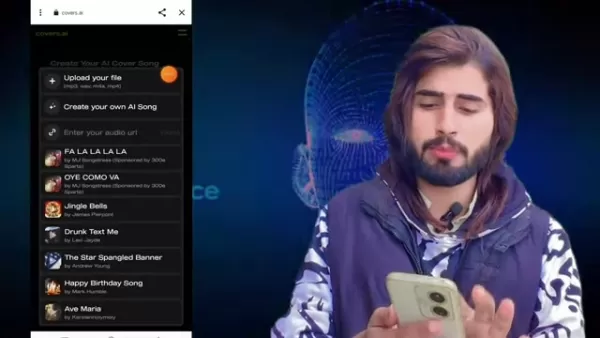
Covers.ai is a powerful tool for creating AI-powered song covers. To begin, follow these steps:
Visit the Website:
- Go to the Covers.AI website.
Enter the Platform:
- Click the "Enter" button to access the platform.
Upload a Song:
- Select a song from the library or upload your own audio file.
Select a Voice:
- Pick a celebrity voice from the available options.
Generate the Cover:
- Click the "Generate" button to create the AI-powered song cover.
Review and Download:
- Listen to the generated cover and download it if you're satisfied with the result.
Remember to use this tool responsibly and adhere to copyright laws. Misusing Covers.ai can lead to legal issues. The site's engine is intended for entertainment and creative content purposes.
Cloning Your Voice
Cloning your voice with PlayHT is an impressive capability! Follow these steps to create your own voice clones:
- Sign up and choose the pricing plan that suits your needs.
- Navigate to Voice Cloning from the dashboard.
- Provide the necessary files for the AI to analyze and apply.
- Follow guidelines and ethical rules to prevent improper or illegal use.
Understanding the Costs of AI Voice Editing
Covers.ai Pricing Structure
Covers.ai provides various pricing plans to meet different user requirements. These typically include a limited free tier with basic features and subscription options for more advanced capabilities. Paid plans generally offer increased voice generation capacity, access to a wider selection of celebrity voices, and additional features like voice cloning and custom voice creation.
While specific pricing may change, here is a general outline:
- Free Tier: Limited access to basic features and a small set of celebrity voices.
- Subscription Plans:
- Basic: Provides more voice generation credits and access to additional voices.
- Premium: Offers unlimited voice generation, advanced features like voice cloning, and priority support.
- Enterprise: Custom solutions for businesses with specific needs, often including dedicated support and custom voice models.
It's important to check the official website for the most up-to-date and detailed pricing information.
PlayHT Pricing Details
PlayHT uses a tiered pricing structure with multiple entry points. You can test the service to see how well it fits your specific application before making a larger commitment.
The PlayHT service pricing tiers include:
- Free: $0 per month
- Creator: $29 per month
- Unlimited: $99 per month
- Enterprise: Contact for pricing
Details for each plan are as follows:
Feature Free Creator Unlimited Enterprise AI Voice Generation Limited Increased Capacity Unlimited Customized to specific needs Access to Celebrity Voices Limited Wider Selection All Voices All voices + custom models Voice Cloning Not Available Available Available Available Custom Voice Creation Not Available Not Available Available Fully Custom and Dedicated Support Priority Support Not Available Not Available Available Dedicated Support Team
Always refer to the official website for the latest pricing details, as offers and specific bundles may change over time.
AI Voice Editing: The Balance Sheet
Pros
Expanded content creation possibilities
Better accessibility for individuals with disabilities
New avenues for entertainment and creative projects
Cons
Risk of identity theft and fraudulent activities
Potential for spreading misinformation and propaganda
Ethical issues regarding consent and ownership of voice data
Exploring the Core Features of AI Voice Editing Tools
Key Features of Covers.ai
Covers.ai offers a suite of features designed to streamline voice editing and generation. Notable features include:
- Celebrity Voice Library: An extensive collection of AI-generated celebrity voices.
- Song Cover Generation: Capability to create AI-powered covers of popular songs.
- Custom Voice Input: Option to upload personal voice samples for tailored results.
- User-Friendly Interface: An easy-to-navigate platform suitable for both novices and experts.
- Voice Cloning: Create realistic clones of existing voices with proper authorization.
- Audio Editing Tools: Integrated tools for refining audio clips and adjusting voice characteristics.
- Commercial Use Rights: Licensing options for using generated content in commercial ventures.
Highlighting PlayHT's Main Capabilities
PlayHT offers numerous core capabilities. You can generate AI voices that are indistinguishable from humans, produce highly realistic text-to-speech voices, quickly convert text into natural-sounding vocal performances in any language and accent, and clone your voice to create high-quality audio that sounds like you without the need for recording.
It is crucial to remember that using these tools responsibly helps uphold ethical standards. To protect against the misuse of PlayHT, take the following steps:
- Obtain clear consent from individuals you intend to impersonate.
- Ensure your use complies with the terms of service and all applicable laws.
- Disclose when content is AI-generated.
- Take steps to help combat misinformation.
- Adhere to copyright regulations.
By following these guidelines, PlayHT's powerful tools can be used responsibly and ethically. Keep these points in mind as you explore AI voice generators.
Real-World Use Cases for AI Voice Technology
Entertainment and Content Creation
AI voice technology is revolutionizing entertainment and content creation. It's used to produce AI-powered song covers, voiceovers for videos, and even personalized audio experiences for games. The ability to generate realistic voices opens up new creative pathways for artists and content creators.
For instance, a YouTuber can use AI to create a video narrated by a celebrity voice. A game developer can use AI to generate distinct character voices, enhancing depth and immersion in the gaming experience. The possibilities are nearly limitless.
Assistive Technologies and Accessibility
AI voice technology plays a vital role in assistive technologies and accessibility. It helps individuals with speech impairments communicate more effectively by converting text to speech. AI-powered voice assistants also provide hands-free control over devices and applications, improving accessibility for people with disabilities.
For example, a person with a motor impairment can use an AI voice assistant to operate smart home devices or dictate emails. A student with dyslexia can use text-to-speech software to read textbooks and enhance comprehension. AI voice technology has the potential to provide practical assistance.
Ethical Implications and Responsible Use
While AI voice technology offers many benefits, it's essential to consider the ethical implications. The ability to clone voices and generate synthetic speech raises concerns about identity theft, fraud, and misinformation. Using these tools responsibly and recognizing the potential for misuse is critical.
A key aspect of responsible use is obtaining explicit consent before cloning someone's voice. It's also important to disclose when AI-generated voices are used, ensuring transparency and preventing deception. Additionally, developers and researchers should prioritize creating tools to detect synthetic audio, helping to combat the spread of misinformation.
By addressing these ethical challenges proactively, we can ensure that AI voice technology is used for positive purposes, empowering individuals and improving communication while reducing potential harms. It is essential to prevent the misuse of AI voice technology.
In conclusion, the AI revolution in voice manipulation tools and websites is a double-edged sword. It holds immense promise for creativity, accessibility, and innovation but also carries significant risks related to potential misuse and ethical concerns. The focus should be on implementing robust ethical measures to enable the responsible use of AI voices.
Frequently Asked Questions About AI Voice Editing
Is AI voice editing ethical?
The ethics of AI voice editing are complex. While the technology has legitimate applications, it can also be misused for harmful purposes. It's essential to use these tools responsibly and recognize the potential for harm. Always obtain consent before cloning a voice and disclose when AI-generated voices are used.
How can I protect myself from AI voice scams?
Protecting yourself from AI voice scams involves being cautious of unsolicited calls or messages asking for sensitive information. Verify the identity of the person you're communicating with through other channels. Be wary of emotional appeals or urgent requests for money. Consider using voice authentication methods for secure transactions. Stay informed about the latest AI voice scams and share this information with others.
What are the best AI voice editing tools available?
Several AI voice editing tools are available, each with unique strengths and weaknesses. Covers.ai is a popular choice for creating AI-powered song covers. PlayHT is a robust option for generating realistic text-to-speech voices. The best tool for you depends on your specific needs and budget. As you explore AI voice editing tools, remember to stay informed and safe!
Can I use AI voice tools for commercial purposes?
Yes, but it's necessary to review the terms of service for the tools you're using. Some platforms offer commercial use rights and licensed content. Ensure you follow all legal guidelines to avoid potential legal problems.
Related Questions
What are the legal implications of AI voice cloning?
The legal implications of AI voice cloning are still developing. Current laws may not fully address the unique challenges posed by this technology. Key legal issues include copyright infringement, right of publicity, and defamation. It's important to consult legal counsel before using AI voice cloning for commercial purposes. Understanding the legal implications is critical for responsible AI adoption.
How accurate is AI voice cloning?
The accuracy of AI voice cloning depends on factors like the quality and quantity of voice samples used for training the AI. Modern AI voice clones can be highly accurate, making it difficult to distinguish them from real voices. However, even the best AI voice clones may have subtle flaws that can be detected with careful analysis.
Related article
 Musk Considered Leaving OpenAI to His Kids as Altman Testifies
This morning, OpenAI CEO Sam Altman took the stand to address former co-founder Elon Musk’s lawsuit challenging the company’s corporate structure.When asked about Musk’s claim that other founders “stole a charity” by launching a for-profit subsidiary
Sam Altman Sparks Debate Over AI's Deceleration
Listen onApple PodcastsListen onSpotifyOpenAI CEO Sam Altman recently suggested that it may be time to “pace the rate of AI development” to allow society to “harden around some of these new capability levels.”On the latest episode of TechCrunch’s Equ
Anthropic Opens Doors to EU Cybersecurity Agency as Mythos5 Model Faces Compliance Exam
Artificial intelligence compliance regulations are advancing significantly. Leading AI firm Anthropic has officially granted the European Union's cybersecurity authority access to its Mythos AI model, a pivotal move for this advanced large language m
Related Special Topic Recommendations
Business
Musk Considered Leaving OpenAI to His Kids as Altman Testifies
This morning, OpenAI CEO Sam Altman took the stand to address former co-founder Elon Musk’s lawsuit challenging the company’s corporate structure.When asked about Musk’s claim that other founders “stole a charity” by launching a for-profit subsidiary
Sam Altman Sparks Debate Over AI's Deceleration
Listen onApple PodcastsListen onSpotifyOpenAI CEO Sam Altman recently suggested that it may be time to “pace the rate of AI development” to allow society to “harden around some of these new capability levels.”On the latest episode of TechCrunch’s Equ
Anthropic Opens Doors to EU Cybersecurity Agency as Mythos5 Model Faces Compliance Exam
Artificial intelligence compliance regulations are advancing significantly. Leading AI firm Anthropic has officially granted the European Union's cybersecurity authority access to its Mythos AI model, a pivotal move for this advanced large language m
Related Special Topic Recommendations
Business
 Best AI Competitive Research Tools for Small Businesses
2026 Latest Best Top-rated AI Competitive Research Tools for Small Businesses! XIX.AI has curated a highly powerful game-changing collection, updated weekly with rigorous real-world tests and detailed rankings. You can find a comprehensive free vs paid comparison to help you identify the must-try tools that boost your productivity and give you a competitive edge. Explore now to discover your perfect tool!
 9 tools
 xix.ai
Image editing
Photoshop AI Retouch Tools for Ecommerce Apparel, Skin Cleanup, and Color Consistency
xix.ai
Image editing
Photoshop AI Retouch Tools for Ecommerce Apparel, Skin Cleanup, and Color Consistency
2026 Latest Best Photoshop AI retouch tools for ecommerce apparel, skin cleanup, and color consistency! This top-rated curated list features powerful game-changing solutions that help you boost writing efficiency, streamline content creation, and achieve perfect visual results effortlessly. Each tool has undergone real-world tests through weekly updated rankings, complete with free vs paid comparison details. Backed by XIX.AI, it’s the must-try guide for anyone aiming to unlock your AI edge. Explore now!
10 tools
xix.ai
Prompt
Best AI Prompt Libraries for ChatGPT Workflows
2026 Latest Best Top-Rated AI Prompt Libraries for optimizing all types of ChatGPT workflows. XIX.AI has curated a powerful, game-changing collection that goes through rigorous real-world tests to ensure top performance. You can find detailed free vs paid comparisons and expert rankings to help you choose the must-try tools that boost your productivity and unlock your AI edge. Explore now!
11 tools
xix.ai
Education and Learning
AI Quiz Builder Platforms for Teachers, Tutors, and Cohort-Based Learning Programs
2026 Latest Best AI Quiz Builder Platforms for Teachers, Tutors, and Cohort-Based Learning Programs! XIX.AI has curated a top-rated list of powerful game-changing tools that go through real-world tests to deliver accurate rankings. These must-try platforms help boost writing efficiency, streamline content creation, and simplify quiz design across all learning scenarios. Explore now to discover your perfect tool for unlocking your AI edge in teaching!
13 tools
xix.ai
code
AI Pull Request Review Tools for GitHub Teams Handling Refactors, Bugs, and Security Gaps
2026 Latest Best AI Pull Request Review Tools for GitHub Teams are here on XIX.AI! This top-rated curated list showcases powerful game-changing solutions that streamline refactoring, bug fixing, and security gap detection across all team workflows. Enjoy a free vs paid comparison along with real-world tests and detailed rankings to help you find the perfect tool that boosts productivity significantly. Explore now to unlock your AI edge!
12 tools
xix.ai
Text-to-speech
Best AI Text to Speech Tools for Natural Voiceovers
2026 Latest Best Top-rated AI Text to Speech Tools for Natural Voiceovers are here on XIX.AI! This curated list features powerful, game-changing options that deliver crystal-clear voices for every use case, backed by real-world tests and weekly updated rankings. Get a free vs paid comparison to find the must-try solution that boosts your productivity instantly. Explore now to Unlock your AI edge!
11 tools
xix.ai

 Comments (0)
0/500
Comments (0)
0/500
Artificial intelligence is reshaping numerous industries, and voice editing is one of its most transformative applications. AI enables you to modify your voice, create entirely new vocal profiles, and even replicate existing ones. This article delves into the mechanics of AI voice editing, the tools that make it possible, and the associated risks.
Key Points
AI technology can edit and transform vocal recordings.
AI voice cloning allows for the impersonation of specific individuals.
AI can generate renditions of celebrities singing any song.
Understanding the ethical considerations of AI voice technology is crucial.
A variety of online platforms provide AI voice editing and generation services.
Familiarity with AI voice manipulation can help you avoid potential scams.
Understanding AI Voice Editing and Generation
What is AI Voice Editing?
AI voice editing uses artificial intelligence to alter pre-existing voice recordings. This process can adjust a voice's pitch, tone, or accent. Advanced algorithms analyze vocal patterns and manipulate them to achieve the desired outcome. As this technology advances, distinguishing between authentic and AI-modified voices is becoming increasingly challenging. The emergence of AI voice editing presents both significant opportunities and risks, underscoring the need to comprehend its functionality.
This technology depends on sophisticated algorithms trained on extensive datasets of human speech. Once trained, these AI models can modify existing audio or generate completely new synthetic voices. Applications are diverse, ranging from producing more captivating video and podcast content to developing assistive technologies for people with speech disabilities.
Nevertheless, the capabilities of AI voice editing also introduce serious ethical issues. The potential to convincingly imitate a person's voice can be exploited for malicious activities, such as creating deceptive audio for scams or spreading false information. Therefore, using this technology responsibly and recognizing its potential for abuse is vital.
Common features include noise reduction, voice cloning, and the ability to alter vocal traits based on text input. The precision and realism of these tools are continuously improving, making manipulated audio harder to identify. As AI voice technology becomes more accessible, its influence across various sectors and daily life will expand, requiring a careful approach to its development and implementation. The process of AI voice generation has grown increasingly sophisticated, impacting many fields.
The Power of AI Voice Cloning
AI voice cloning elevates voice editing to a new level. It involves creating a digital duplicate of a person's voice that can produce new speech. This process requires a sample of the original voice, which the AI analyzes to learn its unique attributes. Once cloned, the AI can generate speech in that voice, even if the individual never actually spoke those words. This capability has profound implications for entertainment, advertising, and personal communication.
The procedure typically involves providing an AI model with several minutes of recorded speech from the target person. The AI examines the audio to extract characteristics like pitch, tone, and accent. After training, the AI can synthesize new speech in the cloned voice, enabling users to create custom audio clips.
However, AI voice cloning also raises substantial ethical concerns. The potential for misuse is significant, including impersonating individuals for fraudulent purposes or creating manipulated audio for political influence. Replicating someone's voice without their consent poses serious questions about privacy, identity theft, and the potential weakening of trust in audio communications. As AI voice cloning becomes more advanced, establishing strong safeguards and ethical guidelines is essential to prevent misuse and protect individuals from harm. The importance of safeguards for AI voice cloning cannot be overemphasized.
Responsible use involves securing explicit consent before cloning a voice and implementing measures to prevent unauthorized use. Additionally, educating the public about the risks of AI voice manipulation and providing tools to detect synthetic audio is important. By proactively addressing these challenges, we can leverage the benefits of AI voice cloning while minimizing its potential dangers.
AI Voice and Celebrity Impersonation
A particularly fascinating use of AI voice technology is enabling celebrities to sing songs they never actually performed.
By training an AI on a celebrity's vocal patterns, you can input the lyrics of any song and have the AI produce a believable performance in their voice. This unlocks a world of creative potential, allowing fans to experience their favorite artists performing songs from different genres or time periods.
This is accomplished using platforms that let you select a celebrity voice and input the desired song. The AI processes the data and generates an audio file of the celebrity singing the track. It's a compelling example of how AI can be used for entertainment and artistic exploration. However, it's important to consider the ethical aspects, such as copyright matters and the potential for misrepresentation.
The technology functions by using AI to analyze the singing styles of various celebrities and producing a synthetic performance. This raises numerous ethical questions. If AI voice technology can create such performances, what are the legal and ethical consequences? The topic of celebrity impersonation through AI is widely discussed.
AI-Powered Singing Voice Tools
Detailed Examination of Covers.ai: Making Celebrities Sing Your Tune
Covers.ai is a tool used by millions, with its primary appeal being its AI-powered engine. This website is particularly useful for entertainment or producing unique content through custom covers of popular songs. If you like the idea of celebrities performing your chosen tracks, Covers.ai gives you access to an extensive library of celebrity voices.
User Experience:
- The website is designed for intuitive use, making it accessible to everyone.
Variety:
- Covers.ai offers a broad collection of AI voices and allows you to upload voice samples to create your own clones. For personalized content, it enables users to craft unique songs using custom voices.
Community:
- A vibrant community surrounds the site, where users share generated content, along with their creative and innovative ideas.
Getting Started with AI Voice Manipulation
Using Covers.ai: A Step-by-Step Guide
Covers.ai is a powerful tool for creating AI-powered song covers. To begin, follow these steps:
Visit the Website:
- Go to the Covers.AI website.
- Go to the Covers.AI website.
Enter the Platform:
- Click the "Enter" button to access the platform.
Upload a Song:
- Select a song from the library or upload your own audio file.
Select a Voice:
- Pick a celebrity voice from the available options.
Generate the Cover:
- Click the "Generate" button to create the AI-powered song cover.
Review and Download:
- Listen to the generated cover and download it if you're satisfied with the result.
Remember to use this tool responsibly and adhere to copyright laws. Misusing Covers.ai can lead to legal issues. The site's engine is intended for entertainment and creative content purposes.
Cloning Your Voice
Cloning your voice with PlayHT is an impressive capability! Follow these steps to create your own voice clones:
- Sign up and choose the pricing plan that suits your needs.
- Navigate to Voice Cloning from the dashboard.
- Provide the necessary files for the AI to analyze and apply.
- Follow guidelines and ethical rules to prevent improper or illegal use.
Understanding the Costs of AI Voice Editing
Covers.ai Pricing Structure
Covers.ai provides various pricing plans to meet different user requirements. These typically include a limited free tier with basic features and subscription options for more advanced capabilities. Paid plans generally offer increased voice generation capacity, access to a wider selection of celebrity voices, and additional features like voice cloning and custom voice creation.
While specific pricing may change, here is a general outline:
- Free Tier: Limited access to basic features and a small set of celebrity voices.
- Subscription Plans:
- Basic: Provides more voice generation credits and access to additional voices.
- Premium: Offers unlimited voice generation, advanced features like voice cloning, and priority support.
- Enterprise: Custom solutions for businesses with specific needs, often including dedicated support and custom voice models.
It's important to check the official website for the most up-to-date and detailed pricing information.
PlayHT Pricing Details
PlayHT uses a tiered pricing structure with multiple entry points. You can test the service to see how well it fits your specific application before making a larger commitment.
The PlayHT service pricing tiers include:
- Free: $0 per month
- Creator: $29 per month
- Unlimited: $99 per month
- Enterprise: Contact for pricing
Details for each plan are as follows:
| Feature | Free | Creator | Unlimited | Enterprise |
|---|---|---|---|---|
| AI Voice Generation | Limited | Increased Capacity | Unlimited | Customized to specific needs |
| Access to Celebrity Voices | Limited | Wider Selection | All Voices | All voices + custom models |
| Voice Cloning | Not Available | Available | Available | Available |
| Custom Voice Creation | Not Available | Not Available | Available | Fully Custom and Dedicated Support |
| Priority Support | Not Available | Not Available | Available | Dedicated Support Team |
Always refer to the official website for the latest pricing details, as offers and specific bundles may change over time.
AI Voice Editing: The Balance Sheet
Pros
Expanded content creation possibilities
Better accessibility for individuals with disabilities
New avenues for entertainment and creative projects
Cons
Risk of identity theft and fraudulent activities
Potential for spreading misinformation and propaganda
Ethical issues regarding consent and ownership of voice data
Exploring the Core Features of AI Voice Editing Tools
Key Features of Covers.ai
Covers.ai offers a suite of features designed to streamline voice editing and generation. Notable features include:
- Celebrity Voice Library: An extensive collection of AI-generated celebrity voices.
- Song Cover Generation: Capability to create AI-powered covers of popular songs.
- Custom Voice Input: Option to upload personal voice samples for tailored results.
- User-Friendly Interface: An easy-to-navigate platform suitable for both novices and experts.
- Voice Cloning: Create realistic clones of existing voices with proper authorization.
- Audio Editing Tools: Integrated tools for refining audio clips and adjusting voice characteristics.
- Commercial Use Rights: Licensing options for using generated content in commercial ventures.
Highlighting PlayHT's Main Capabilities
PlayHT offers numerous core capabilities. You can generate AI voices that are indistinguishable from humans, produce highly realistic text-to-speech voices, quickly convert text into natural-sounding vocal performances in any language and accent, and clone your voice to create high-quality audio that sounds like you without the need for recording.
It is crucial to remember that using these tools responsibly helps uphold ethical standards. To protect against the misuse of PlayHT, take the following steps:
- Obtain clear consent from individuals you intend to impersonate.
- Ensure your use complies with the terms of service and all applicable laws.
- Disclose when content is AI-generated.
- Take steps to help combat misinformation.
- Adhere to copyright regulations.
By following these guidelines, PlayHT's powerful tools can be used responsibly and ethically. Keep these points in mind as you explore AI voice generators.
Real-World Use Cases for AI Voice Technology
Entertainment and Content Creation
AI voice technology is revolutionizing entertainment and content creation. It's used to produce AI-powered song covers, voiceovers for videos, and even personalized audio experiences for games. The ability to generate realistic voices opens up new creative pathways for artists and content creators.
For instance, a YouTuber can use AI to create a video narrated by a celebrity voice. A game developer can use AI to generate distinct character voices, enhancing depth and immersion in the gaming experience. The possibilities are nearly limitless.
Assistive Technologies and Accessibility
AI voice technology plays a vital role in assistive technologies and accessibility. It helps individuals with speech impairments communicate more effectively by converting text to speech. AI-powered voice assistants also provide hands-free control over devices and applications, improving accessibility for people with disabilities.
For example, a person with a motor impairment can use an AI voice assistant to operate smart home devices or dictate emails. A student with dyslexia can use text-to-speech software to read textbooks and enhance comprehension. AI voice technology has the potential to provide practical assistance.
Ethical Implications and Responsible Use
While AI voice technology offers many benefits, it's essential to consider the ethical implications. The ability to clone voices and generate synthetic speech raises concerns about identity theft, fraud, and misinformation. Using these tools responsibly and recognizing the potential for misuse is critical.
A key aspect of responsible use is obtaining explicit consent before cloning someone's voice. It's also important to disclose when AI-generated voices are used, ensuring transparency and preventing deception. Additionally, developers and researchers should prioritize creating tools to detect synthetic audio, helping to combat the spread of misinformation.
By addressing these ethical challenges proactively, we can ensure that AI voice technology is used for positive purposes, empowering individuals and improving communication while reducing potential harms. It is essential to prevent the misuse of AI voice technology.
In conclusion, the AI revolution in voice manipulation tools and websites is a double-edged sword. It holds immense promise for creativity, accessibility, and innovation but also carries significant risks related to potential misuse and ethical concerns. The focus should be on implementing robust ethical measures to enable the responsible use of AI voices.
Frequently Asked Questions About AI Voice Editing
Is AI voice editing ethical?
The ethics of AI voice editing are complex. While the technology has legitimate applications, it can also be misused for harmful purposes. It's essential to use these tools responsibly and recognize the potential for harm. Always obtain consent before cloning a voice and disclose when AI-generated voices are used.
How can I protect myself from AI voice scams?
Protecting yourself from AI voice scams involves being cautious of unsolicited calls or messages asking for sensitive information. Verify the identity of the person you're communicating with through other channels. Be wary of emotional appeals or urgent requests for money. Consider using voice authentication methods for secure transactions. Stay informed about the latest AI voice scams and share this information with others.
What are the best AI voice editing tools available?
Several AI voice editing tools are available, each with unique strengths and weaknesses. Covers.ai is a popular choice for creating AI-powered song covers. PlayHT is a robust option for generating realistic text-to-speech voices. The best tool for you depends on your specific needs and budget. As you explore AI voice editing tools, remember to stay informed and safe!
Can I use AI voice tools for commercial purposes?
Yes, but it's necessary to review the terms of service for the tools you're using. Some platforms offer commercial use rights and licensed content. Ensure you follow all legal guidelines to avoid potential legal problems.
Related Questions
What are the legal implications of AI voice cloning?
The legal implications of AI voice cloning are still developing. Current laws may not fully address the unique challenges posed by this technology. Key legal issues include copyright infringement, right of publicity, and defamation. It's important to consult legal counsel before using AI voice cloning for commercial purposes. Understanding the legal implications is critical for responsible AI adoption.
How accurate is AI voice cloning?
The accuracy of AI voice cloning depends on factors like the quality and quantity of voice samples used for training the AI. Modern AI voice clones can be highly accurate, making it difficult to distinguish them from real voices. However, even the best AI voice clones may have subtle flaws that can be detected with careful analysis.








 Musk Considered Leaving OpenAI to His Kids as Altman Testifies
This morning, OpenAI CEO Sam Altman took the stand to address former co-founder Elon Musk’s lawsuit challenging the company’s corporate structure.When asked about Musk’s claim that other founders “stole a charity” by launching a for-profit subsidiary
Musk Considered Leaving OpenAI to His Kids as Altman Testifies
This morning, OpenAI CEO Sam Altman took the stand to address former co-founder Elon Musk’s lawsuit challenging the company’s corporate structure.When asked about Musk’s claim that other founders “stole a charity” by launching a for-profit subsidiary
 Sam Altman Sparks Debate Over AI's Deceleration
Listen onApple PodcastsListen onSpotifyOpenAI CEO Sam Altman recently suggested that it may be time to “pace the rate of AI development” to allow society to “harden around some of these new capability levels.”On the latest episode of TechCrunch’s Equ
Sam Altman Sparks Debate Over AI's Deceleration
Listen onApple PodcastsListen onSpotifyOpenAI CEO Sam Altman recently suggested that it may be time to “pace the rate of AI development” to allow society to “harden around some of these new capability levels.”On the latest episode of TechCrunch’s Equ
 Anthropic Opens Doors to EU Cybersecurity Agency as Mythos5 Model Faces Compliance Exam
Artificial intelligence compliance regulations are advancing significantly. Leading AI firm Anthropic has officially granted the European Union's cybersecurity authority access to its Mythos AI model, a pivotal move for this advanced large language m
Anthropic Opens Doors to EU Cybersecurity Agency as Mythos5 Model Faces Compliance Exam
Artificial intelligence compliance regulations are advancing significantly. Leading AI firm Anthropic has officially granted the European Union's cybersecurity authority access to its Mythos AI model, a pivotal move for this advanced large language m

2026 Latest Best Top-rated AI Competitive Research Tools for Small Businesses! XIX.AI has curated a highly powerful game-changing collection, updated weekly with rigorous real-world tests and detailed rankings. You can find a comprehensive free vs paid comparison to help you identify the must-try tools that boost your productivity and give you a competitive edge. Explore now to discover your perfect tool!
9 tools
xix.ai

2026 Latest Best Photoshop AI retouch tools for ecommerce apparel, skin cleanup, and color consistency! This top-rated curated list features powerful game-changing solutions that help you boost writing efficiency, streamline content creation, and achieve perfect visual results effortlessly. Each tool has undergone real-world tests through weekly updated rankings, complete with free vs paid comparison details. Backed by XIX.AI, it’s the must-try guide for anyone aiming to unlock your AI edge. Explore now!
10 tools
xix.ai
2026 Latest Best Top-Rated AI Prompt Libraries for optimizing all types of ChatGPT workflows. XIX.AI has curated a powerful, game-changing collection that goes through rigorous real-world tests to ensure top performance. You can find detailed free vs paid comparisons and expert rankings to help you choose the must-try tools that boost your productivity and unlock your AI edge. Explore now!
11 tools
xix.ai
2026 Latest Best AI Quiz Builder Platforms for Teachers, Tutors, and Cohort-Based Learning Programs! XIX.AI has curated a top-rated list of powerful game-changing tools that go through real-world tests to deliver accurate rankings. These must-try platforms help boost writing efficiency, streamline content creation, and simplify quiz design across all learning scenarios. Explore now to discover your perfect tool for unlocking your AI edge in teaching!
13 tools
xix.ai
2026 Latest Best AI Pull Request Review Tools for GitHub Teams are here on XIX.AI! This top-rated curated list showcases powerful game-changing solutions that streamline refactoring, bug fixing, and security gap detection across all team workflows. Enjoy a free vs paid comparison along with real-world tests and detailed rankings to help you find the perfect tool that boosts productivity significantly. Explore now to unlock your AI edge!
12 tools
xix.ai
2026 Latest Best Top-rated AI Text to Speech Tools for Natural Voiceovers are here on XIX.AI! This curated list features powerful, game-changing options that deliver crystal-clear voices for every use case, backed by real-world tests and weekly updated rankings. Get a free vs paid comparison to find the must-try solution that boosts your productivity instantly. Explore now to Unlock your AI edge!
11 tools
xix.ai












