


 Home
HomeThe Promise and Perils of AI Voice Cloning Technology
Artificial intelligence is revolutionizing our digital world, and one of its most fascinating innovations is the ability to clone human voices using AI. This technology empowers users to generate a digital duplicate of an individual's voice, unveiling a spectrum of possibilities alongside significant risks. From light-hearted impersonations of political leaders to serious debates about its broader implications, AI voice cloning demands a closer look. This exploration delves into the mechanics of voice cloning, the ethical dilemmas it ignites, and showcases some of the most inventive—and occasionally peculiar—applications emerging online. Prepare to step into the era of synthetic speech.
Key Points
AI voice cloning technology can generate highly realistic digital duplicates of a person's vocal identity.
It is increasingly utilized for creating humorous and satirical content, often featuring political personalities.
The rise of this technology brings significant ethical concerns, including potential misuse and the amplification of disinformation.
Platforms like Voice.ai provide accessible tools for voice cloning and real-time voice alteration.
The proliferation of AI-generated audio raises profound questions about authenticity and our perception of reality.
Beyond serious applications, the technology is a popular tool for generating comedic content.
Understanding AI Voice Cloning
What is AI Voice Cloning?
AI Voice Cloning
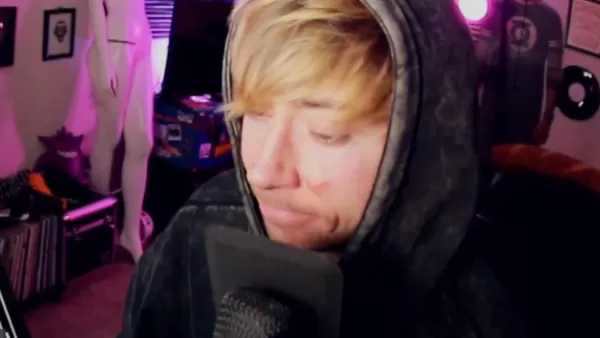
is an advanced technology that employs artificial intelligence to produce a digital copy of a human voice. The process generally entails analyzing audio samples of the target voice to capture its distinct attributes, such as timbre, pitch, cadence, and accent. After the AI model assimilates these vocal patterns, it can synthesize entirely new speech in the cloned voice, including words and phrases not present in the initial training data.
Several technical approaches facilitate AI Voice Cloning, including:
- Text-to-Speech (TTS) Synthesis: Contemporary TTS systems use sophisticated deep learning models, like neural networks, to transform written text into fluid, natural speech. Voice cloning builds on this by tailoring the TTS model to emulate a specific person's vocal signature.
- Voice Conversion: This technique focuses on modifying the acoustic properties of a source speaker's voice to match those of a target speaker, all while maintaining the original speech content.
The capacity to accurately replicate a voice from a limited dataset is what makes AI voice cloning so potent. Rapid advancements in AI have made the technology both more powerful and more accessible, presenting both exciting opportunities and serious challenges in the digital realm.
The Technology Behind AI Voice Cloning
The foundation of AI voice cloning lies in sophisticated machine learning algorithms that can analyze, interpret, and reproduce the intricate nuances of human speech. Here is a breakdown of the core technological components:
- Deep Learning Models: State-of-the-art voice cloning systems rely heavily on deep learning, particularly neural networks. These networks are trained on extensive audio datasets to recognize complex patterns linking textual input to acoustic output.
- Feature Extraction: The first step involves isolating key vocal characteristics from the target voice sample. This analysis covers elements like pitch, emotional tone, articulation, and accent, creating a unique vocal profile.
- Voice Synthesis: Leveraging the extracted vocal profile, the AI model generates new speech in the target voice. This can be done by creating speech from text or converting existing audio from one voice to another.
- Training Data: The realism and accuracy of the cloned voice are heavily dependent on the quality and volume of the audio data used for training. Impressive results can now be achieved with just a few hours of clear audio.
Thanks to these technological strides, AI voice cloning is becoming more mainstream and capable of producing convincingly authentic results. While it holds transformative potential across various sectors, it simultaneously prompts critical ethical discussions.
Political Satire and AI Voice Cloning: A New Era of Commentary
The Rise of AI-Generated Political Voices
A prominent and widespread application of AI voice cloning is in the realm of political satire.
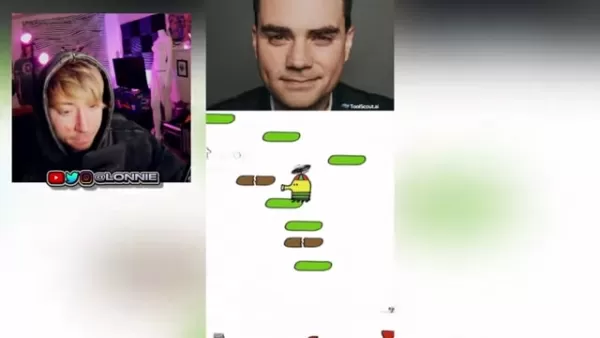
The capacity to realistically mimic the voices of well-known politicians has given rise to a new form of humorous and often critical commentary.
Content creators are leveraging AI voice cloning to:
- Produce authentic-sounding dialogue from high-profile figures.
- Fabricate scenarios, such as politicians engaging in video games like Clash of Clans.
- Make political discourse more engaging and approachable for a wider audience.
These AI-generated videos frequently place political figures in absurd or unconventional situations, offering a satirical take on their public image and policies. However, the convincing nature of these voice clones also highlights the risks associated with potential misuse and the spread of false information.
Ethical Considerations and the Spread of Misinformation
The widespread adoption of AI voice cloning has ignited intense ethical debates. Its capability to produce highly believable audio content raises alarms about malicious applications, especially concerning the spread of misinformation. The potential for harm is substantial:
- Amplifying Fake News: AI-synthesized voices can be used to fabricate convincing news reports or social media content, making it challenging for the public to differentiate truth from falsehood.
- Damage to Reputation: Bad actors could deploy voice cloning to create fraudulent, damaging statements attributed to individuals without their knowledge or consent.
- Impersonation and Fraud: Cloned voices might be used to impersonate someone in sensitive communications, such as financial transactions, leading to identity theft and fraud.
To counter these threats, it is essential for creators, platforms, and consumers of AI-generated media to be aware of its deceptive potential. The development of reliable detection methods for synthesized audio is equally vital for preventing abuse.
Voice.ai: A Platform for Voice Cloning and Manipulation
Voice.ai is a leading platform that allows users to clone their own voices or imitate others. It harnesses artificial intelligence to analyze and replicate vocal traits, enabling strikingly realistic voice transformations.
Key features of the Voice.ai platform include:
- Voice Cloning: Users can generate a digital replica of a chosen voice by providing audio samples for the AI to learn from.
li>Real-Time Voice Changing: The platform supports live voice modulation, allowing users to adopt different vocal personas during conversations.- Voice Marketplace: A dedicated marketplace enables users to trade, share, and monetize their custom voice models.
- Integration with Communication Tools: Voice.ai offers seamless integration with popular communication apps like Discord, Zoom, and Skype, facilitating real-time voice alteration during calls.
While Voice.ai serves as a powerful tool for creativity and entertainment, it also brings to the fore important questions regarding voice ownership, consent, and potential misuse. The platform's terms of service and community guidelines are critical for addressing these concerns.
Other Unexpected and Humorous Use Cases
Apart from political satire, AI voice cloning is being adopted in a variety of other surprising and amusing ways. Here are some notable examples:
- Enhanced Gaming Interactions: Gamers are using voice cloning to role-play as different characters in online voice chats, enriching the gaming experience.
- Voice Acting and Dubbing: The technology is being explored for dubbing and voice-over work, enabling creators to produce realistic character voices efficiently.
- Personalized Audio Content: AI-cloned voices can be used to create custom audio guides, narrations, or interactive stories featuring a familiar voice.
- Artistic and Musical Innovation: Artists and musicians are experimenting with AI-generated vocals to push the boundaries of creative expression in their projects.
The versatility and increasing affordability of voice cloning tools are spurring innovation across creative industries. We are entering a new frontier of synthetic audio, where creative potential is virtually limitless.
How to Use AI Voice Cloning
Step-by-Step Guide to Creating AI Voice Clones
Creating an AI voice clone has become remarkably user-friendly, with various platforms streamlining the process. Here is a general guide to get you started:
- Choose a Voice Cloning Service: Select a platform such as Voice.ai or Resemble.ai based on your specific needs and budget. Many offer free trials or basic free tiers.
- Gather High-Quality Audio Samples: The success of your voice clone depends on clean, high-fidelity recordings that capture the natural rhythm and tone of the target voice.
- Upload and Process Your Audio: Submit your audio samples to the platform to begin the cloning process. The AI will analyze the samples to build a vocal model.
- Refine the Voice Model: Some platforms provide options to fine-tune the cloned voice, allowing adjustments to pitch, speed, and emotional inflection for optimal realism.
- Generate New Audio Content: Once your voice clone is ready, you can use it to convert text into speech or alter existing audio files. Test its capabilities with different scripts and contexts.
With proper preparation and a clear objective, creating and using an AI voice clone can be a highly engaging and productive endeavor.
AI Voice Cloning: Pricing and Affordability
Understanding the Cost of AI Voice Cloning
The cost of using AI voice cloning services varies based on the platform, feature set, and usage volume. Common pricing structures include:
- Subscription Plans: Many services operate on a subscription model, offering monthly or annual plans that include a set amount of voice generation or cloning credits.
- Pay-Per-Use Models: Some platforms charge based on actual usage, such as the duration of audio generated or the number of voice models created, which can be cost-effective for occasional users.
- Free Tiers and Trials: Numerous platforms provide free access with limited features or a trial period, allowing users to evaluate the technology before making a financial commitment.
It's important to assess your project requirements and budget when selecting a service. While some platforms offer premium features and higher fidelity, they may come at a greater cost.
AI Voice Cloning: Weighing the Pros and Cons
Pros
Unlocks new avenues for creative expression and entertainment.
Increasingly accessible and affordable for a broad user base.
Can be used for preserving or restoring voices for personal or historical purposes.
Enables the creation of customized audio experiences.
Allows for extensive voice customization and personalization.
Cons
Raises significant ethical concerns regarding potential misuse.
Poses a threat through the spread of misinformation and fraudulent activities.
Operates in a space with evolving and uncertain legal and regulatory frameworks.
Questions around voice ownership and the necessity of consent remain largely unresolved.
The quality of the final output is directly tied to the quality of the input audio data.
Frequently Asked Questions
What are the ethical considerations of AI voice cloning?
Primary ethical issues include the risk of misuse, the propagation of misinformation, potential harm to reputations, and violations of personal consent and privacy. Responsible use and transparency about the artificial nature of the voice are paramount.
How realistic are AI-cloned voices?
With current technology, AI-cloned voices can achieve a remarkable level of realism, often making it difficult to distinguish them from the original speaker, particularly when high-quality source audio is used.
What are the potential applications of AI voice cloning?
Applications are diverse, spanning from satire and entertainment to professional voice-over work, personalized audio content, and innovative artistic projects.
Can AI voice cloning be used for malicious purposes?
Yes, the technology can be exploited for harmful activities such as creating deceptive news, impersonating individuals, or conducting fraud. Developing countermeasures and detection technologies is essential.
Are there legal regulations for AI voice cloning?
The legal landscape is still developing. However, there is increasing attention on establishing regulations to address copyright, privacy, and consent issues related to synthetic media.
Related Questions
What other AI technologies are transforming the digital landscape?
Beyond voice cloning, several other AI technologies are making a significant impact. Deepfakes: This technology uses AI to create highly realistic but fabricated videos, often used for face-swapping or altering events. While sometimes used for entertainment, it poses serious risks for disinformation. AI-Powered Image Generation: Tools like DALL-E 2 and Midjourney generate detailed images from text descriptions, influencing art, design, and media production. Natural Language Processing (NLP): NLP enables machines to understand and generate human language, powering applications like chatbots, translation services, and content analysis. AI-Driven Automation: AI is automating complex tasks across various sectors, including customer support, data processing, manufacturing, and logistics. These technologies are increasingly blurring the line between authentic and artificially generated content, necessitating careful evaluation of their ethical, legal, and societal implications.
Related article
 Stripe to Acquire OpenRouter as AI Model Routing Gains Momentum
Stripe has agreed to acquire OpenRouter, an AI model-routing platform that gives developers access to hundreds of models through a single interface. The deal adds model selection and routing to Stripe’s existing work around AI usage and token-based b
Former OpenAI Researcher Barrett Zoph Returns to Google to Support Gemini Development
Barret Zoph, who previously abruptly left and joined OpenAI due to a disagreement with Thinking Machines Lab CEO Miriam Mularati, has once again changed employers. Alphabet's Google announced that Zoph will return as Vice President of Research, bring
How Recursive Intelligence Raised $335M at $4B Valuation in 4 Months
The co-founders of startup Ricursive Intelligence seemed destined to be co-founders.Anna Goldie, CEO, and Azalia Mirhoseini, CTO, are so well-known in the AI community that they were among those AI engineers who “got those weird emails from Zuckerber
Related Special Topic Recommendations
Design & Art
Stripe to Acquire OpenRouter as AI Model Routing Gains Momentum
Stripe has agreed to acquire OpenRouter, an AI model-routing platform that gives developers access to hundreds of models through a single interface. The deal adds model selection and routing to Stripe’s existing work around AI usage and token-based b
Former OpenAI Researcher Barrett Zoph Returns to Google to Support Gemini Development
Barret Zoph, who previously abruptly left and joined OpenAI due to a disagreement with Thinking Machines Lab CEO Miriam Mularati, has once again changed employers. Alphabet's Google announced that Zoph will return as Vice President of Research, bring
How Recursive Intelligence Raised $335M at $4B Valuation in 4 Months
The co-founders of startup Ricursive Intelligence seemed destined to be co-founders.Anna Goldie, CEO, and Azalia Mirhoseini, CTO, are so well-known in the AI community that they were among those AI engineers who “got those weird emails from Zuckerber
Related Special Topic Recommendations
Design & Art
 Top AI Illustration Tools: Create Editorial Scenes and Cover Art Faster
2026 Latest Top-rated AI Illustration Tools: Our curated list features the best powerfully designed tools for creating stunning editorial scenes and eye-catching cover art quickly. Each option has gone through rigorous real-world tests, offering a free vs paid comparison to help you find the perfect match for your workflow. Try these must-try solutions today to unlock your AI edge and boost your creative productivity. Explore now at XIX.AI.
 10 tools
 xix.ai
Education and Learning
Top AI Tutors for Exam Prep: Practice Math, Science, and English
xix.ai
Education and Learning
Top AI Tutors for Exam Prep: Practice Math, Science, and English
2026 Latest Top-Rated Best AI Tutors for Exam Prep are here on XIX.AI! Our curated list features powerful game-changing tools that offer free vs paid comparison, real-world tests, and weekly updated rankings. They help boost your writing efficiency, simplify complex topic learning, and unlock your academic potential. Explore now to Discover your perfect exam prep tool and Start creating today to Unlock your AI edge!
10 tools
xix.ai
Finance
AI Budget Planning Tools for Personal Money Management
2026 Latest Best Top-Rated AI Budget Planning Tools for Personal Money Management are here on XIX.AI! This curated collection features powerful, game-changing solutions that help you conduct real-world tests, understand spending habits, and create personalized plans to boost productivity. Enjoy a free vs paid comparison along with detailed rankings. Must-try tools designed to simplify money management and unlock your AI edge. Explore now!
11 tools
xix.ai
Health & Wellness
AI Sleep Tracking Assistants: Improve Recovery with Better Bedtime Habits
2026 Latest Best Top-Rated AI Sleep Tracking Assistants curated for ultimate recovery. This fully updated weekly guide features powerful tools that deliver real-world tests, free vs paid comparison, and detailed rankings to help you find the must-try solution that boosts sleep quality and supports better bedtime habits. Explore now at XIX.AI to Unlock your AI edge.
10 tools
xix.ai
Data Analysis
AI SQL Copilots for Product and Revenue Analytics
2026 Latest Best Top-Rated AI SQL Copilots for Product and Revenue Analytics! XIX.AI has curated a powerful, game-changing collection of must-try tools that undergo real-world tests through weekly updated rankings. These tools help users boost productivity significantly by accelerating data analysis, streamlining complex queries, and generating accurate insights to drive smarter business decisions. Explore now to Discover your perfect tool for unlocking your AI edge!
14 tools
xix.ai
Education and Learning
Best AI Homework Helpers That Teach: Learn Concepts, Not Just Answers
2026 Latest Best Top-Rated AI Homework Helpers That Teach Core Concepts Not Just Answers Powerful Tools for Students Must-Try Curated List Weekly Updated Free vs Paid Comparison Real-World Tests Accurate Rankings to Help You Unlock Your Full Learning Potential Explore now to Discover your perfect tool for smarter studying.
10 tools
xix.ai

 Comments (1)
0/500
Comments (1)
0/500
![FrankAllen]()
Honestly, this voice cloning stuff is both cool and creepy. I mean, imagine being able to make anyone say anything – great for audiobooks, but scary for deepfakes. 😬 What's the plan to stop misuse?
Artificial intelligence is revolutionizing our digital world, and one of its most fascinating innovations is the ability to clone human voices using AI. This technology empowers users to generate a digital duplicate of an individual's voice, unveiling a spectrum of possibilities alongside significant risks. From light-hearted impersonations of political leaders to serious debates about its broader implications, AI voice cloning demands a closer look. This exploration delves into the mechanics of voice cloning, the ethical dilemmas it ignites, and showcases some of the most inventive—and occasionally peculiar—applications emerging online. Prepare to step into the era of synthetic speech.
Key Points
AI voice cloning technology can generate highly realistic digital duplicates of a person's vocal identity.
It is increasingly utilized for creating humorous and satirical content, often featuring political personalities.
The rise of this technology brings significant ethical concerns, including potential misuse and the amplification of disinformation.
Platforms like Voice.ai provide accessible tools for voice cloning and real-time voice alteration.
The proliferation of AI-generated audio raises profound questions about authenticity and our perception of reality.
Beyond serious applications, the technology is a popular tool for generating comedic content.
Understanding AI Voice Cloning
What is AI Voice Cloning?
AI Voice Cloning
is an advanced technology that employs artificial intelligence to produce a digital copy of a human voice. The process generally entails analyzing audio samples of the target voice to capture its distinct attributes, such as timbre, pitch, cadence, and accent. After the AI model assimilates these vocal patterns, it can synthesize entirely new speech in the cloned voice, including words and phrases not present in the initial training data.
Several technical approaches facilitate AI Voice Cloning, including:
- Text-to-Speech (TTS) Synthesis: Contemporary TTS systems use sophisticated deep learning models, like neural networks, to transform written text into fluid, natural speech. Voice cloning builds on this by tailoring the TTS model to emulate a specific person's vocal signature.
- Voice Conversion: This technique focuses on modifying the acoustic properties of a source speaker's voice to match those of a target speaker, all while maintaining the original speech content.
The capacity to accurately replicate a voice from a limited dataset is what makes AI voice cloning so potent. Rapid advancements in AI have made the technology both more powerful and more accessible, presenting both exciting opportunities and serious challenges in the digital realm.
The Technology Behind AI Voice Cloning
The foundation of AI voice cloning lies in sophisticated machine learning algorithms that can analyze, interpret, and reproduce the intricate nuances of human speech. Here is a breakdown of the core technological components:
- Deep Learning Models: State-of-the-art voice cloning systems rely heavily on deep learning, particularly neural networks. These networks are trained on extensive audio datasets to recognize complex patterns linking textual input to acoustic output.
- Feature Extraction: The first step involves isolating key vocal characteristics from the target voice sample. This analysis covers elements like pitch, emotional tone, articulation, and accent, creating a unique vocal profile.
- Voice Synthesis: Leveraging the extracted vocal profile, the AI model generates new speech in the target voice. This can be done by creating speech from text or converting existing audio from one voice to another.
- Training Data: The realism and accuracy of the cloned voice are heavily dependent on the quality and volume of the audio data used for training. Impressive results can now be achieved with just a few hours of clear audio.
Thanks to these technological strides, AI voice cloning is becoming more mainstream and capable of producing convincingly authentic results. While it holds transformative potential across various sectors, it simultaneously prompts critical ethical discussions.
Political Satire and AI Voice Cloning: A New Era of Commentary
The Rise of AI-Generated Political Voices
A prominent and widespread application of AI voice cloning is in the realm of political satire.
The capacity to realistically mimic the voices of well-known politicians has given rise to a new form of humorous and often critical commentary.
Content creators are leveraging AI voice cloning to:
- Produce authentic-sounding dialogue from high-profile figures.
- Fabricate scenarios, such as politicians engaging in video games like Clash of Clans.
- Make political discourse more engaging and approachable for a wider audience.
These AI-generated videos frequently place political figures in absurd or unconventional situations, offering a satirical take on their public image and policies. However, the convincing nature of these voice clones also highlights the risks associated with potential misuse and the spread of false information.
Ethical Considerations and the Spread of Misinformation
The widespread adoption of AI voice cloning has ignited intense ethical debates. Its capability to produce highly believable audio content raises alarms about malicious applications, especially concerning the spread of misinformation. The potential for harm is substantial:
- Amplifying Fake News: AI-synthesized voices can be used to fabricate convincing news reports or social media content, making it challenging for the public to differentiate truth from falsehood.
- Damage to Reputation: Bad actors could deploy voice cloning to create fraudulent, damaging statements attributed to individuals without their knowledge or consent.
- Impersonation and Fraud: Cloned voices might be used to impersonate someone in sensitive communications, such as financial transactions, leading to identity theft and fraud.
To counter these threats, it is essential for creators, platforms, and consumers of AI-generated media to be aware of its deceptive potential. The development of reliable detection methods for synthesized audio is equally vital for preventing abuse.
Voice.ai: A Platform for Voice Cloning and Manipulation
Voice.ai is a leading platform that allows users to clone their own voices or imitate others. It harnesses artificial intelligence to analyze and replicate vocal traits, enabling strikingly realistic voice transformations.
Key features of the Voice.ai platform include:
- Voice Cloning: Users can generate a digital replica of a chosen voice by providing audio samples for the AI to learn from. li>Real-Time Voice Changing: The platform supports live voice modulation, allowing users to adopt different vocal personas during conversations.
- Voice Marketplace: A dedicated marketplace enables users to trade, share, and monetize their custom voice models.
- Integration with Communication Tools: Voice.ai offers seamless integration with popular communication apps like Discord, Zoom, and Skype, facilitating real-time voice alteration during calls.
While Voice.ai serves as a powerful tool for creativity and entertainment, it also brings to the fore important questions regarding voice ownership, consent, and potential misuse. The platform's terms of service and community guidelines are critical for addressing these concerns.
Other Unexpected and Humorous Use Cases
Apart from political satire, AI voice cloning is being adopted in a variety of other surprising and amusing ways. Here are some notable examples:
- Enhanced Gaming Interactions: Gamers are using voice cloning to role-play as different characters in online voice chats, enriching the gaming experience.
- Voice Acting and Dubbing: The technology is being explored for dubbing and voice-over work, enabling creators to produce realistic character voices efficiently.
- Personalized Audio Content: AI-cloned voices can be used to create custom audio guides, narrations, or interactive stories featuring a familiar voice.
- Artistic and Musical Innovation: Artists and musicians are experimenting with AI-generated vocals to push the boundaries of creative expression in their projects.
The versatility and increasing affordability of voice cloning tools are spurring innovation across creative industries. We are entering a new frontier of synthetic audio, where creative potential is virtually limitless.
How to Use AI Voice Cloning
Step-by-Step Guide to Creating AI Voice Clones
Creating an AI voice clone has become remarkably user-friendly, with various platforms streamlining the process. Here is a general guide to get you started:
- Choose a Voice Cloning Service: Select a platform such as Voice.ai or Resemble.ai based on your specific needs and budget. Many offer free trials or basic free tiers.
- Gather High-Quality Audio Samples: The success of your voice clone depends on clean, high-fidelity recordings that capture the natural rhythm and tone of the target voice.
- Upload and Process Your Audio: Submit your audio samples to the platform to begin the cloning process. The AI will analyze the samples to build a vocal model.
- Refine the Voice Model: Some platforms provide options to fine-tune the cloned voice, allowing adjustments to pitch, speed, and emotional inflection for optimal realism.
- Generate New Audio Content: Once your voice clone is ready, you can use it to convert text into speech or alter existing audio files. Test its capabilities with different scripts and contexts.
With proper preparation and a clear objective, creating and using an AI voice clone can be a highly engaging and productive endeavor.
AI Voice Cloning: Pricing and Affordability
Understanding the Cost of AI Voice Cloning
The cost of using AI voice cloning services varies based on the platform, feature set, and usage volume. Common pricing structures include:
- Subscription Plans: Many services operate on a subscription model, offering monthly or annual plans that include a set amount of voice generation or cloning credits.
- Pay-Per-Use Models: Some platforms charge based on actual usage, such as the duration of audio generated or the number of voice models created, which can be cost-effective for occasional users.
- Free Tiers and Trials: Numerous platforms provide free access with limited features or a trial period, allowing users to evaluate the technology before making a financial commitment.
It's important to assess your project requirements and budget when selecting a service. While some platforms offer premium features and higher fidelity, they may come at a greater cost.
AI Voice Cloning: Weighing the Pros and Cons
Pros
Unlocks new avenues for creative expression and entertainment.
Increasingly accessible and affordable for a broad user base.
Can be used for preserving or restoring voices for personal or historical purposes.
Enables the creation of customized audio experiences.
Allows for extensive voice customization and personalization.
Cons
Raises significant ethical concerns regarding potential misuse.
Poses a threat through the spread of misinformation and fraudulent activities.
Operates in a space with evolving and uncertain legal and regulatory frameworks.
Questions around voice ownership and the necessity of consent remain largely unresolved.
The quality of the final output is directly tied to the quality of the input audio data.
Frequently Asked Questions
What are the ethical considerations of AI voice cloning?
Primary ethical issues include the risk of misuse, the propagation of misinformation, potential harm to reputations, and violations of personal consent and privacy. Responsible use and transparency about the artificial nature of the voice are paramount.
How realistic are AI-cloned voices?
With current technology, AI-cloned voices can achieve a remarkable level of realism, often making it difficult to distinguish them from the original speaker, particularly when high-quality source audio is used.
What are the potential applications of AI voice cloning?
Applications are diverse, spanning from satire and entertainment to professional voice-over work, personalized audio content, and innovative artistic projects.
Can AI voice cloning be used for malicious purposes?
Yes, the technology can be exploited for harmful activities such as creating deceptive news, impersonating individuals, or conducting fraud. Developing countermeasures and detection technologies is essential.
Are there legal regulations for AI voice cloning?
The legal landscape is still developing. However, there is increasing attention on establishing regulations to address copyright, privacy, and consent issues related to synthetic media.
Related Questions
What other AI technologies are transforming the digital landscape?
Beyond voice cloning, several other AI technologies are making a significant impact. Deepfakes: This technology uses AI to create highly realistic but fabricated videos, often used for face-swapping or altering events. While sometimes used for entertainment, it poses serious risks for disinformation. AI-Powered Image Generation: Tools like DALL-E 2 and Midjourney generate detailed images from text descriptions, influencing art, design, and media production. Natural Language Processing (NLP): NLP enables machines to understand and generate human language, powering applications like chatbots, translation services, and content analysis. AI-Driven Automation: AI is automating complex tasks across various sectors, including customer support, data processing, manufacturing, and logistics. These technologies are increasingly blurring the line between authentic and artificially generated content, necessitating careful evaluation of their ethical, legal, and societal implications.








 Stripe to Acquire OpenRouter as AI Model Routing Gains Momentum
Stripe has agreed to acquire OpenRouter, an AI model-routing platform that gives developers access to hundreds of models through a single interface. The deal adds model selection and routing to Stripe’s existing work around AI usage and token-based b
Stripe to Acquire OpenRouter as AI Model Routing Gains Momentum
Stripe has agreed to acquire OpenRouter, an AI model-routing platform that gives developers access to hundreds of models through a single interface. The deal adds model selection and routing to Stripe’s existing work around AI usage and token-based b
 Former OpenAI Researcher Barrett Zoph Returns to Google to Support Gemini Development
Barret Zoph, who previously abruptly left and joined OpenAI due to a disagreement with Thinking Machines Lab CEO Miriam Mularati, has once again changed employers. Alphabet's Google announced that Zoph will return as Vice President of Research, bring
Former OpenAI Researcher Barrett Zoph Returns to Google to Support Gemini Development
Barret Zoph, who previously abruptly left and joined OpenAI due to a disagreement with Thinking Machines Lab CEO Miriam Mularati, has once again changed employers. Alphabet's Google announced that Zoph will return as Vice President of Research, bring
 How Recursive Intelligence Raised $335M at $4B Valuation in 4 Months
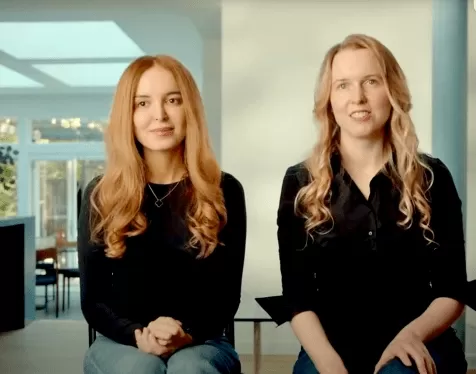
The co-founders of startup Ricursive Intelligence seemed destined to be co-founders.Anna Goldie, CEO, and Azalia Mirhoseini, CTO, are so well-known in the AI community that they were among those AI engineers who “got those weird emails from Zuckerber
How Recursive Intelligence Raised $335M at $4B Valuation in 4 Months
The co-founders of startup Ricursive Intelligence seemed destined to be co-founders.Anna Goldie, CEO, and Azalia Mirhoseini, CTO, are so well-known in the AI community that they were among those AI engineers who “got those weird emails from Zuckerber

2026 Latest Top-rated AI Illustration Tools: Our curated list features the best powerfully designed tools for creating stunning editorial scenes and eye-catching cover art quickly. Each option has gone through rigorous real-world tests, offering a free vs paid comparison to help you find the perfect match for your workflow. Try these must-try solutions today to unlock your AI edge and boost your creative productivity. Explore now at XIX.AI.
10 tools
xix.ai
2026 Latest Top-Rated Best AI Tutors for Exam Prep are here on XIX.AI! Our curated list features powerful game-changing tools that offer free vs paid comparison, real-world tests, and weekly updated rankings. They help boost your writing efficiency, simplify complex topic learning, and unlock your academic potential. Explore now to Discover your perfect exam prep tool and Start creating today to Unlock your AI edge!
10 tools
xix.ai

2026 Latest Best Top-Rated AI Budget Planning Tools for Personal Money Management are here on XIX.AI! This curated collection features powerful, game-changing solutions that help you conduct real-world tests, understand spending habits, and create personalized plans to boost productivity. Enjoy a free vs paid comparison along with detailed rankings. Must-try tools designed to simplify money management and unlock your AI edge. Explore now!
11 tools
xix.ai

2026 Latest Best Top-Rated AI Sleep Tracking Assistants curated for ultimate recovery. This fully updated weekly guide features powerful tools that deliver real-world tests, free vs paid comparison, and detailed rankings to help you find the must-try solution that boosts sleep quality and supports better bedtime habits. Explore now at XIX.AI to Unlock your AI edge.
10 tools
xix.ai
2026 Latest Best Top-Rated AI SQL Copilots for Product and Revenue Analytics! XIX.AI has curated a powerful, game-changing collection of must-try tools that undergo real-world tests through weekly updated rankings. These tools help users boost productivity significantly by accelerating data analysis, streamlining complex queries, and generating accurate insights to drive smarter business decisions. Explore now to Discover your perfect tool for unlocking your AI edge!
14 tools
xix.ai

2026 Latest Best Top-Rated AI Homework Helpers That Teach Core Concepts Not Just Answers Powerful Tools for Students Must-Try Curated List Weekly Updated Free vs Paid Comparison Real-World Tests Accurate Rankings to Help You Unlock Your Full Learning Potential Explore now to Discover your perfect tool for smarter studying.
10 tools
xix.ai

Honestly, this voice cloning stuff is both cool and creepy. I mean, imagine being able to make anyone say anything – great for audiobooks, but scary for deepfakes. 😬 What's the plan to stop misuse?












