


 Home
HomeAI Translation Tools Transform Language Learning and Global Business
Our world is more interconnected than ever, making the ability to communicate across languages a vital skill. AI-powered translation tools are fundamentally changing the way we learn languages and conduct international business. They are dismantling communication obstacles, creating new global opportunities, and making language education more accessible and affordable. This article examines the impact of AI translation on language learning and business, showcasing essential tools, practical applications, and strategies for effectively using this technology.
Key Points
AI translation is transforming language learning, increasing its accessibility and affordability.
Leading AI translation tools are Google Translate, DeepL, and ChatGPT.
AI-driven language solutions are eliminating communication barriers for global commerce.
Freelancing presents a viable path to monetize language skills with AI support.
Developing compelling content and a robust online presence are vital for thriving in the AI language field.
The AI-Powered Language Revolution
The Changing Landscape of Language Learning
AI has transformed language learning, making it more accessible, effective, and budget-friendly. It is removing communication hurdles and providing new avenues for people and companies to connect globally.
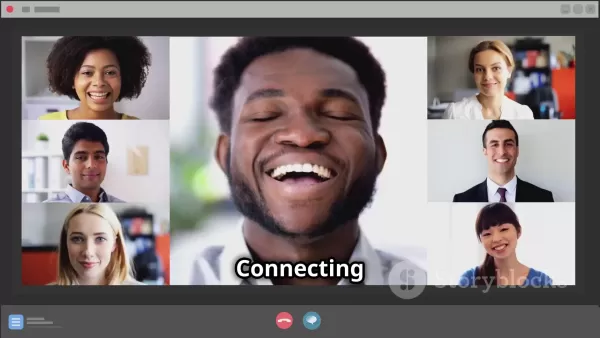
The era of bulky phrasebooks and costly private tutors is over. The incorporation of AI into language applications has made learning more approachable, efficient, and economical for students, travelers, and businesspeople. A critical insight is that AI translation isn’t magic; it’s sophisticated technology that teaches machines to understand human language, including its subtleties, slang, and cultural references.
The Power of AI Translation: Breaking Down Barriers
Imagine a world free from communication barriers. AI is turning this vision into reality by delivering quick, precise, and cost-effective translations directly to you.

This breakthrough is significant, as it unlocks new potential for worldwide collaboration, mutual understanding, and connection.
AI translation is powered by machine learning algorithms that analyze immense datasets of global text and speech, recognize patterns, and continuously improve. The outcomes are remarkable, with translations becoming quicker, more accurate, and widely available. Whether you need to translate documents, understand websites, or engage in live conversations, AI tools are ready to assist.
Key AI Translation Tools
Google Translate: The Heavyweight Champ
Google Translate is likely the most recognized AI translation tool, providing free and often impressively accurate translations for a huge number of languages.

Its simplicity and broad availability make it a top choice for immediate translations and simple communication.
- Pros: Free, fast, widely accessible.
- Cons: May not always capture nuances or complex sentence structures.
DeepL: Accuracy Redefined
DeepL is famous for its precision, particularly with European languages.

It uses advanced neural networks to deliver high-quality translations that preserve the original text's meaning and tone. While a free version exists, a paid subscription provides access to more features and higher usage limits.
- Pros: Exceptional accuracy, particularly for European languages.
- Cons: Limited language support compared to Google Translate, some features require a paid subscription.
ChatGPT: Beyond Translation
ChatGPT is a versatile AI powerhouse that offers much more than basic translation.

It can compose essays, answer complex questions, and even produce creative works in multiple languages, making it an incredibly useful tool for both language learning and content creation.
- Pros: Versatile, capable of generating creative content, supports multiple languages.
- Cons: Requires careful prompting to achieve desired results, accuracy can vary.
Leveraging AI Translation Tools for Language Learning
Immersion and Practice
Utilize AI translation tools to immerse yourself in your target language. Translate articles, websites, and social media posts to build vocabulary and enhance comprehension. Practice conversational skills with AI-powered chatbots to improve pronunciation and fluency.
Content Creation
Generate content in the language you are learning with the help of AI translation tools. Write blog posts, social media updates, or short stories. This practice will sharpen your writing skills and boost your confidence.
Real-Time Assistance
Employ AI translation tools for support during real-time conversations. Translate spoken or written language to better understand others and express yourself clearly. This is particularly useful when traveling or interacting with speakers of other languages.
Pricing
Cost of Language Learning with AI
The expense of using AI for language learning varies based on the tools you select. Free options like Google Translate offer fundamental translation services. For superior accuracy and advanced functionality, tools like DeepL may require a subscription. Similarly, while a basic version of ChatGPT might be free, accessing its full potential for complex language tasks could mean upgrading to a paid plan like ChatGPT Plus, which offers more extensive and reliable capabilities.

Pros and Cons of AI Translation
Pros
Increased Accessibility: AI translation tools make language learning and cross-cultural communication available to a wider audience.
Cost-Effectiveness: AI translation is typically much cheaper than hiring human translators or tutors.
Speed and Efficiency: AI delivers translations almost instantaneously.
Versatility: These tools support a wide array of applications, from learning to professional content creation.
Cons
Accuracy Limitations: AI can sometimes miss subtle nuances or fail with complicated sentences.
Lack of Contextual Understanding: It may not fully grasp cultural context or idiomatic expressions.
Dependence on Technology: Over-reliance on AI can slow the development of your intrinsic language abilities.
Ethical Concerns: The use of AI translation raises questions about bias in algorithms, data privacy, and the potential displacement of human jobs.
Core Features
Features of AI Translation Tools
Each AI translation tool offers a distinct combination of features, so selecting the right one depends on your individual needs. Many popular tools provide more than just translation, offering comprehensive language learning support and features that can help you tailor your skills to meet modern demands.
- Real-Time Assistance: Provides immediate translation for seamless communication.
- Grammar and Style Checkers: Offers writing support and enhancements.
- Customization Options: Allows adjustment for specific languages or desired tones.
- Accessibility: Features a user-friendly interface designed for a diverse range of users.
Use Cases
Diverse Applications of AI in Languages
The flexibility of AI-powered language tools makes them essential in many scenarios, from personal language acquisition to business and professional communication. They enable users to transform their language knowledge into a valuable, marketable skill, ensuring proficiency in translation and linguistic challenges.
- Freelance Translators: Expands the range of translation services, delivering high-quality work to various clients.
- Content Creators: Makes content globally accessible by translating it for new markets.
- Language Tutors: Provides personalized assistance to help students achieve fluency in a new language.
FAQ
Is AI translation truly accurate?
AI translation has made significant progress in accuracy. However, its reliability depends on factors like text complexity, the language pair, and the specific tool used. While AI handles straightforward translations well, it can falter with nuanced language, slang, and cultural references. For important documents, having a human professional review the AI-generated text often ensures the best quality.
Can AI replace human translators?
Despite rapid advancements, it is unlikely that AI will fully replace human translators in the near future. AI is excellent for processing large volumes of text quickly, but humans provide irreplaceable contextual insight, creativity, and cultural awareness. A hybrid approach, where AI performs the initial translation and a human expert polishes it, frequently yields the best results.
Related Questions
How Can I Monetize AI-Powered Language Skills?
As AI translation tools grow more advanced, there are many ways to profit from your language abilities. Consider these options:Offer Translation Services: Provide translation for businesses or individuals needing to communicate across languages. This can include documents, websites, and even real-time interpretation for online meetings.Create Online Language Courses: Develop and sell online courses that integrate AI tools, allowing you to reach a global audience and build passive income.Become an AI-Powered Language Tutor: Deliver customized language lessons that adapt to individual learning styles, using AI for real-time feedback and support.Affiliate Marketing: Earn commissions by promoting language learning tools and resources.Content Creation: Produce engaging language-learning content and monetize it through ads, sponsorships, or subscription models.
How Can Freelancing be Used to Turn AI-Power Tools Into Profit?
Freelancing offers a practical entry point into the world of AI language technology. Building expertise with AI tools and establishing a specific niche is advantageous for career growth.Master the leading AI translation applications.Continuously practice and refine your language skills.Establish an online profile using freelancing platforms like Upwork and ProZ.comBuild a portfolio to display your expertise and past projects.Ensure high customer satisfaction by consistently delivering superior, AI-assisted translations.
Related article
 Anthropic Expands Claude AI Coding Tools to Japan in Push for Overseas Growth
Anthropic, a prominent U.S. artificial intelligence firm, is intensifying its global outreach. On Wednesday, the company hosted a major developer gathering, "Code with Claude," in Tokyo, drawing close to 500 software engineers. This initiative seeks
India’s Software Giant Cuts Hiring, Promises No Layoffs as AI Agents Scale Up
As artificial intelligence reshapes traditional labor-intensive business models, Tata Consultancy Services (TCS), a premier Indian software outsourcing firm, has unveiled its strategic response. During Tuesday’s annual general meeting, the chairman o
China Locks AI Models During Gaokam to Block Instant Homework Help
With the 2026 Gaokao fast approaching, rumors regarding the suspension of AI tools during the exam period have ignited intense online debate. In response to public concern, major AI platforms and educational apps have clarified their stance: rather t
Related Special Topic Recommendations
Design & Art
Anthropic Expands Claude AI Coding Tools to Japan in Push for Overseas Growth
Anthropic, a prominent U.S. artificial intelligence firm, is intensifying its global outreach. On Wednesday, the company hosted a major developer gathering, "Code with Claude," in Tokyo, drawing close to 500 software engineers. This initiative seeks
India’s Software Giant Cuts Hiring, Promises No Layoffs as AI Agents Scale Up
As artificial intelligence reshapes traditional labor-intensive business models, Tata Consultancy Services (TCS), a premier Indian software outsourcing firm, has unveiled its strategic response. During Tuesday’s annual general meeting, the chairman o
China Locks AI Models During Gaokam to Block Instant Homework Help
With the 2026 Gaokao fast approaching, rumors regarding the suspension of AI tools during the exam period have ignited intense online debate. In response to public concern, major AI platforms and educational apps have clarified their stance: rather t
Related Special Topic Recommendations
Design & Art
 Best AI Style Transfer Tools for Creative Experiments
2026 Latest Best Top-rated AI Style Transfer Tools for Creative Experiments! XIX.AI has curated a powerful, game-changing collection of must-try tools that deliver exceptional results through real-world tests and rigorous rankings. These top solutions help creatives boost productivity significantly by accelerating content creation and unlocking endless creative possibilities. Explore now to discover your perfect tool and start creating today!
 9 tools
 xix.ai
Comic Creation
Best AI Dialogue Bubble Tools for Visual Storytelling
xix.ai
Comic Creation
Best AI Dialogue Bubble Tools for Visual Storytelling
2026 Latest Best Top-Rated AI Dialogue Bubble Tools for Visual Storytelling are here on XIX.AI! This curated collection features powerful, game-changing tools that help creators boost productivity and overcome creative bottlenecks. Get a free vs paid comparison, see real-world tests, and check the latest rankings to find the must-try solutions perfect for crafting engaging visual narratives. Explore now to discover your ideal tool!
10 tools
xix.ai
Meeting Assistant
Top AI Meeting Summary Tools: Track Decisions and Follow-Ups Clearly
2026 Latest Top-Rated Best AI Meeting Summary Tools for Clear Decision Tracking and Effortless Follow-Ups. This curated list showcases powerful, game-changing solutions that boost productivity dramatically by automating meeting notes, identifying key action items, and streamlining team coordination across all projects. Get a free vs paid comparison along with real-world tests and weekly updated rankings to help you find the perfect tool. Explore now to unlock your AI edge!
9 tools
xix.ai
Data Analysis
Best AI Data Cleaning Tools: Fix Missing Values and Duplicates Fast
2026 Latest Best Top-rated AI Data Cleaning Tools for quick fixing of missing values and duplicates. This curated list showcases powerful, game-changing solutions that boost productivity significantly. Each option has undergone rigorous real-world tests to ensure reliability. Get a free vs paid comparison and discover the must-try tool that fits your needs best. Explore now at XIX.AI to Unlock your AI edge.
11 tools
xix.ai
Design & Art
Best AI Creative Ideation Tools for Artists: Break Through Visual Blocks
2026 Latest Best Top-Rated AI Creative Ideation Tools for Artists are curated by XIX.AI to help creators break through visual blocks and boost creativity instantly. These powerful game-changing tools offer real-world tests, detailed free vs paid comparison, and weekly updated rankings. Discover your perfect tool to accelerate content creation and unlock your AI edge today. Explore now!
14 tools
xix.ai
Music composition
AI Beat Makers for TikTok Background Tracks, Reels Audio, and Creator Promo Music
2026 Latest Best AI Beat Makers for TikTok Background Tracks, Reels Audio, and Creator Promo Music! XIX.AI has curated a top-rated list of powerful game-changing tools that go through real-world tests to deliver flawless music for every content need. You’ll find detailed free vs paid comparison data, weekly updated rankings, and must-try options to help you boost creativity and productivity. Explore now to discover your perfect tool!
11 tools
xix.ai

 Comments (3)
0/500
Comments (3)
0/500
![JerryLee]()
Are we really learning a language if we just rely on AI to do the heavy lifting? 🤔 Sure, these tools break down barriers in business, but I worry people will stop bothering to actually practice. It's like using a calculator for basic math—yeah, you get the answer, but you lose the skill. Just my two cents.
![AlbertRodriguez]()
這篇文章點出了AI翻譯工具在語言學習和國際商務中的關鍵作用,但我們是否過度依賴技術而忽略了真實的文化交流?有時候直譯會鬧笑話,比如把『吃豆腐』翻成『eat tofu』😂 不過確實幫我省了好多查字典的時間!
![AnthonyClark]()
Не уверен, что ИИ-переводчики полностью заменят изучение языков. Иногда теряются культурные нюансы, и это может создавать неловкие ситуации в бизнесе. Но для бытового общения — просто фантастика! 😄
Our world is more interconnected than ever, making the ability to communicate across languages a vital skill. AI-powered translation tools are fundamentally changing the way we learn languages and conduct international business. They are dismantling communication obstacles, creating new global opportunities, and making language education more accessible and affordable. This article examines the impact of AI translation on language learning and business, showcasing essential tools, practical applications, and strategies for effectively using this technology.
Key Points
AI translation is transforming language learning, increasing its accessibility and affordability.
Leading AI translation tools are Google Translate, DeepL, and ChatGPT.
AI-driven language solutions are eliminating communication barriers for global commerce.
Freelancing presents a viable path to monetize language skills with AI support.
Developing compelling content and a robust online presence are vital for thriving in the AI language field.
The AI-Powered Language Revolution
The Changing Landscape of Language Learning
AI has transformed language learning, making it more accessible, effective, and budget-friendly. It is removing communication hurdles and providing new avenues for people and companies to connect globally.
The era of bulky phrasebooks and costly private tutors is over. The incorporation of AI into language applications has made learning more approachable, efficient, and economical for students, travelers, and businesspeople. A critical insight is that AI translation isn’t magic; it’s sophisticated technology that teaches machines to understand human language, including its subtleties, slang, and cultural references.
The Power of AI Translation: Breaking Down Barriers
Imagine a world free from communication barriers. AI is turning this vision into reality by delivering quick, precise, and cost-effective translations directly to you.
This breakthrough is significant, as it unlocks new potential for worldwide collaboration, mutual understanding, and connection.
AI translation is powered by machine learning algorithms that analyze immense datasets of global text and speech, recognize patterns, and continuously improve. The outcomes are remarkable, with translations becoming quicker, more accurate, and widely available. Whether you need to translate documents, understand websites, or engage in live conversations, AI tools are ready to assist.
Key AI Translation Tools
Google Translate: The Heavyweight Champ
Google Translate is likely the most recognized AI translation tool, providing free and often impressively accurate translations for a huge number of languages.
Its simplicity and broad availability make it a top choice for immediate translations and simple communication.
- Pros: Free, fast, widely accessible.
- Cons: May not always capture nuances or complex sentence structures.
DeepL: Accuracy Redefined
DeepL is famous for its precision, particularly with European languages.
It uses advanced neural networks to deliver high-quality translations that preserve the original text's meaning and tone. While a free version exists, a paid subscription provides access to more features and higher usage limits.
- Pros: Exceptional accuracy, particularly for European languages.
- Cons: Limited language support compared to Google Translate, some features require a paid subscription.
ChatGPT: Beyond Translation
ChatGPT is a versatile AI powerhouse that offers much more than basic translation.
It can compose essays, answer complex questions, and even produce creative works in multiple languages, making it an incredibly useful tool for both language learning and content creation.
- Pros: Versatile, capable of generating creative content, supports multiple languages.
- Cons: Requires careful prompting to achieve desired results, accuracy can vary.
Leveraging AI Translation Tools for Language Learning
Immersion and Practice
Utilize AI translation tools to immerse yourself in your target language. Translate articles, websites, and social media posts to build vocabulary and enhance comprehension. Practice conversational skills with AI-powered chatbots to improve pronunciation and fluency.
Content Creation
Generate content in the language you are learning with the help of AI translation tools. Write blog posts, social media updates, or short stories. This practice will sharpen your writing skills and boost your confidence.
Real-Time Assistance
Employ AI translation tools for support during real-time conversations. Translate spoken or written language to better understand others and express yourself clearly. This is particularly useful when traveling or interacting with speakers of other languages.
Pricing
Cost of Language Learning with AI
The expense of using AI for language learning varies based on the tools you select. Free options like Google Translate offer fundamental translation services. For superior accuracy and advanced functionality, tools like DeepL may require a subscription. Similarly, while a basic version of ChatGPT might be free, accessing its full potential for complex language tasks could mean upgrading to a paid plan like ChatGPT Plus, which offers more extensive and reliable capabilities.
Pros and Cons of AI Translation
Pros
Increased Accessibility: AI translation tools make language learning and cross-cultural communication available to a wider audience.
Cost-Effectiveness: AI translation is typically much cheaper than hiring human translators or tutors.
Speed and Efficiency: AI delivers translations almost instantaneously.
Versatility: These tools support a wide array of applications, from learning to professional content creation.
Cons
Accuracy Limitations: AI can sometimes miss subtle nuances or fail with complicated sentences.
Lack of Contextual Understanding: It may not fully grasp cultural context or idiomatic expressions.
Dependence on Technology: Over-reliance on AI can slow the development of your intrinsic language abilities.
Ethical Concerns: The use of AI translation raises questions about bias in algorithms, data privacy, and the potential displacement of human jobs.
Core Features
Features of AI Translation Tools
Each AI translation tool offers a distinct combination of features, so selecting the right one depends on your individual needs. Many popular tools provide more than just translation, offering comprehensive language learning support and features that can help you tailor your skills to meet modern demands.
- Real-Time Assistance: Provides immediate translation for seamless communication.
- Grammar and Style Checkers: Offers writing support and enhancements.
- Customization Options: Allows adjustment for specific languages or desired tones.
- Accessibility: Features a user-friendly interface designed for a diverse range of users.
Use Cases
Diverse Applications of AI in Languages
The flexibility of AI-powered language tools makes them essential in many scenarios, from personal language acquisition to business and professional communication. They enable users to transform their language knowledge into a valuable, marketable skill, ensuring proficiency in translation and linguistic challenges.
- Freelance Translators: Expands the range of translation services, delivering high-quality work to various clients.
- Content Creators: Makes content globally accessible by translating it for new markets.
- Language Tutors: Provides personalized assistance to help students achieve fluency in a new language.
FAQ
Is AI translation truly accurate?
AI translation has made significant progress in accuracy. However, its reliability depends on factors like text complexity, the language pair, and the specific tool used. While AI handles straightforward translations well, it can falter with nuanced language, slang, and cultural references. For important documents, having a human professional review the AI-generated text often ensures the best quality.
Can AI replace human translators?
Despite rapid advancements, it is unlikely that AI will fully replace human translators in the near future. AI is excellent for processing large volumes of text quickly, but humans provide irreplaceable contextual insight, creativity, and cultural awareness. A hybrid approach, where AI performs the initial translation and a human expert polishes it, frequently yields the best results.
Related Questions
How Can I Monetize AI-Powered Language Skills?
As AI translation tools grow more advanced, there are many ways to profit from your language abilities. Consider these options:Offer Translation Services: Provide translation for businesses or individuals needing to communicate across languages. This can include documents, websites, and even real-time interpretation for online meetings.Create Online Language Courses: Develop and sell online courses that integrate AI tools, allowing you to reach a global audience and build passive income.Become an AI-Powered Language Tutor: Deliver customized language lessons that adapt to individual learning styles, using AI for real-time feedback and support.Affiliate Marketing: Earn commissions by promoting language learning tools and resources.Content Creation: Produce engaging language-learning content and monetize it through ads, sponsorships, or subscription models.
How Can Freelancing be Used to Turn AI-Power Tools Into Profit?
Freelancing offers a practical entry point into the world of AI language technology. Building expertise with AI tools and establishing a specific niche is advantageous for career growth.Master the leading AI translation applications.Continuously practice and refine your language skills.Establish an online profile using freelancing platforms like Upwork and ProZ.comBuild a portfolio to display your expertise and past projects.Ensure high customer satisfaction by consistently delivering superior, AI-assisted translations.








 Anthropic Expands Claude AI Coding Tools to Japan in Push for Overseas Growth
Anthropic, a prominent U.S. artificial intelligence firm, is intensifying its global outreach. On Wednesday, the company hosted a major developer gathering, "Code with Claude," in Tokyo, drawing close to 500 software engineers. This initiative seeks
Anthropic Expands Claude AI Coding Tools to Japan in Push for Overseas Growth
Anthropic, a prominent U.S. artificial intelligence firm, is intensifying its global outreach. On Wednesday, the company hosted a major developer gathering, "Code with Claude," in Tokyo, drawing close to 500 software engineers. This initiative seeks
 India’s Software Giant Cuts Hiring, Promises No Layoffs as AI Agents Scale Up
As artificial intelligence reshapes traditional labor-intensive business models, Tata Consultancy Services (TCS), a premier Indian software outsourcing firm, has unveiled its strategic response. During Tuesday’s annual general meeting, the chairman o
India’s Software Giant Cuts Hiring, Promises No Layoffs as AI Agents Scale Up
As artificial intelligence reshapes traditional labor-intensive business models, Tata Consultancy Services (TCS), a premier Indian software outsourcing firm, has unveiled its strategic response. During Tuesday’s annual general meeting, the chairman o
 China Locks AI Models During Gaokam to Block Instant Homework Help
With the 2026 Gaokao fast approaching, rumors regarding the suspension of AI tools during the exam period have ignited intense online debate. In response to public concern, major AI platforms and educational apps have clarified their stance: rather t
China Locks AI Models During Gaokam to Block Instant Homework Help
With the 2026 Gaokao fast approaching, rumors regarding the suspension of AI tools during the exam period have ignited intense online debate. In response to public concern, major AI platforms and educational apps have clarified their stance: rather t

2026 Latest Best Top-rated AI Style Transfer Tools for Creative Experiments! XIX.AI has curated a powerful, game-changing collection of must-try tools that deliver exceptional results through real-world tests and rigorous rankings. These top solutions help creatives boost productivity significantly by accelerating content creation and unlocking endless creative possibilities. Explore now to discover your perfect tool and start creating today!
9 tools
xix.ai
2026 Latest Best Top-Rated AI Dialogue Bubble Tools for Visual Storytelling are here on XIX.AI! This curated collection features powerful, game-changing tools that help creators boost productivity and overcome creative bottlenecks. Get a free vs paid comparison, see real-world tests, and check the latest rankings to find the must-try solutions perfect for crafting engaging visual narratives. Explore now to discover your ideal tool!
10 tools
xix.ai
2026 Latest Top-Rated Best AI Meeting Summary Tools for Clear Decision Tracking and Effortless Follow-Ups. This curated list showcases powerful, game-changing solutions that boost productivity dramatically by automating meeting notes, identifying key action items, and streamlining team coordination across all projects. Get a free vs paid comparison along with real-world tests and weekly updated rankings to help you find the perfect tool. Explore now to unlock your AI edge!
9 tools
xix.ai

2026 Latest Best Top-rated AI Data Cleaning Tools for quick fixing of missing values and duplicates. This curated list showcases powerful, game-changing solutions that boost productivity significantly. Each option has undergone rigorous real-world tests to ensure reliability. Get a free vs paid comparison and discover the must-try tool that fits your needs best. Explore now at XIX.AI to Unlock your AI edge.
11 tools
xix.ai

2026 Latest Best Top-Rated AI Creative Ideation Tools for Artists are curated by XIX.AI to help creators break through visual blocks and boost creativity instantly. These powerful game-changing tools offer real-world tests, detailed free vs paid comparison, and weekly updated rankings. Discover your perfect tool to accelerate content creation and unlock your AI edge today. Explore now!
14 tools
xix.ai

2026 Latest Best AI Beat Makers for TikTok Background Tracks, Reels Audio, and Creator Promo Music! XIX.AI has curated a top-rated list of powerful game-changing tools that go through real-world tests to deliver flawless music for every content need. You’ll find detailed free vs paid comparison data, weekly updated rankings, and must-try options to help you boost creativity and productivity. Explore now to discover your perfect tool!
11 tools
xix.ai

Are we really learning a language if we just rely on AI to do the heavy lifting? 🤔 Sure, these tools break down barriers in business, but I worry people will stop bothering to actually practice. It's like using a calculator for basic math—yeah, you get the answer, but you lose the skill. Just my two cents.
這篇文章點出了AI翻譯工具在語言學習和國際商務中的關鍵作用,但我們是否過度依賴技術而忽略了真實的文化交流?有時候直譯會鬧笑話,比如把『吃豆腐』翻成『eat tofu』😂 不過確實幫我省了好多查字典的時間!
Не уверен, что ИИ-переводчики полностью заменят изучение языков. Иногда теряются культурные нюансы, и это может создавать неловкие ситуации в бизнесе. Но для бытового общения — просто фантастика! 😄












