


 Home
HomeHow to simulate various AI traffic types in flight simulators for 2026?
AI traffic injects vibrant energy into flight simulators, turning static environments into bustling virtual skies. Yet, the quality of AI can vary dramatically. This guide explores the often amusing and chaotic universe of AI aviation, showcasing a range of traffic types that can either enrich or disrupt your virtual flights. Prepare for some laughs and perhaps a bit of frustration as we reveal the eccentric behaviors of these digital co-pilots.
Key Points
AI traffic can exhibit behaviors from excessively cautious to downright reckless.
Diverse AI personalities contribute to unique and entertaining simulator sessions.
Sometimes AI logic fails, resulting in both hilarious and aggravating moments.
Particular situations, such as AI gangs and idle pilots, introduce distinct challenges and amusement.
Recognizing the limits of AI is key to setting realistic expectations in flight simulations.
The Spectrum of AI Traffic Personalities
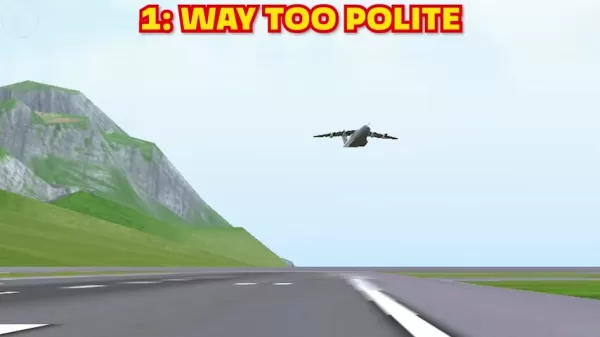
Way Too Polite AI: The Exaggerated Courtesy
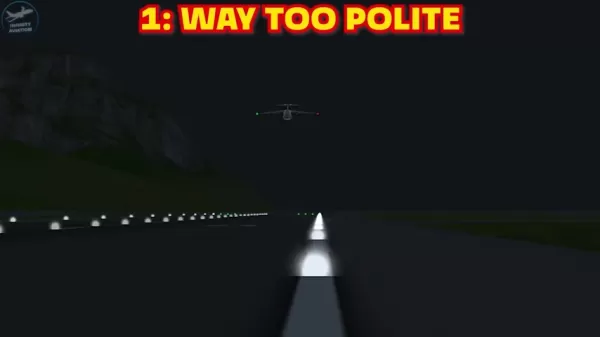
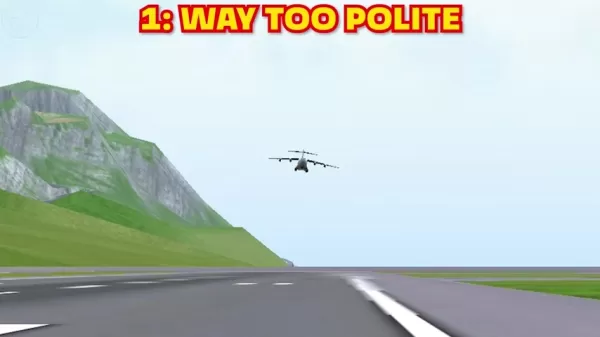
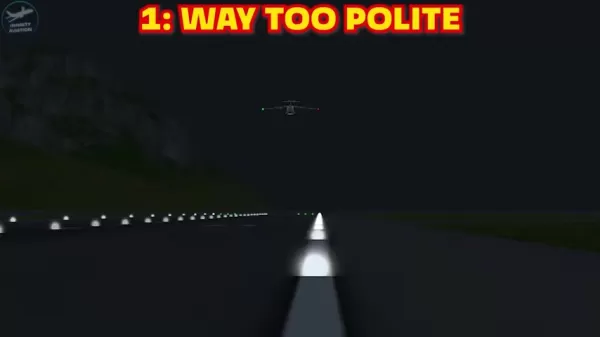
Picture an AI pilot so careful it almost seems to apologize for departing. That's the 'Way Too Polite' AI. These virtual flyers put safety first, often to a humorous degree. They might postpone takeoffs for minor crosswinds, give way to every aircraft on the tarmac, and perform the softest landings possible. While their dedication is commendable, their extreme caution can try the patience of even the calmest simmer, particularly when you're waiting behind them for departure. This AI type represents an exaggerated compliance with aviation norms, standing in stark contrast to more assertive AI styles. It offers a safe, albeit sluggish, presence that can enhance realism in specific contexts. The 'way too polite AI' serves as the polar opposite to other AI types discussed here.
Impatient AI: The Zero Tolerance Taxi Driver
At the opposite extreme lies the 'Impatient AI'.

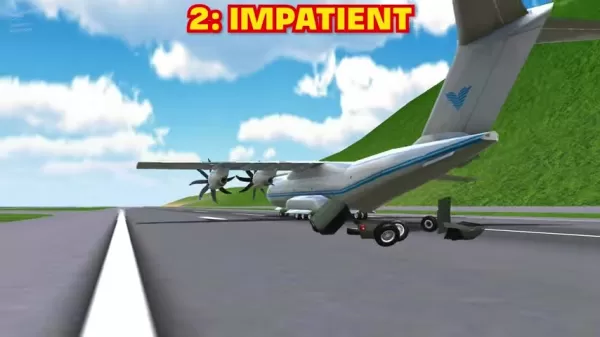
These AI pilots have no patience for hold-ups or rules. They are the aerial equivalent of aggressive cab drivers, darting through traffic, taking shortcuts, and largely ignoring standard protocols. An impatient AI might even drive a vehicle straight into an aircraft to reach the runway and take off. This bold conduct can generate thrilling, if unrealistic, situations that demand quick reflexes to prevent accidents. While their audacity can be engaging, their carelessness frequently leads to disorder and poses issues for players. 'Impatient AI' situations are ideal for pilots aiming to hone their rapid response and judgment under duress.
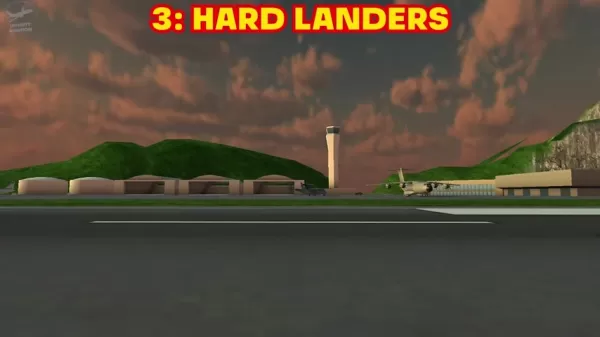
Hard Landers: Brace for Impact
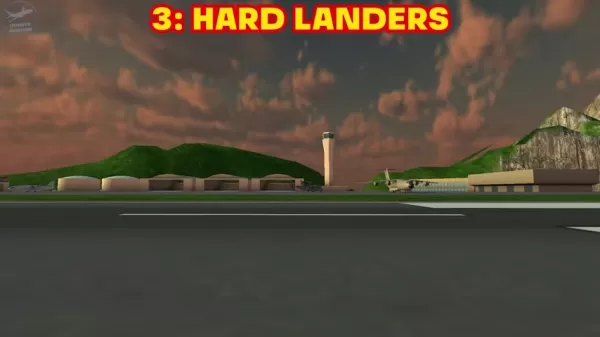
Certain AI pilots appear to fundamentally misunderstand the idea of a 'gentle landing'. The 'Hard Landers' approach the runway with the elegance of a dropped anvil.
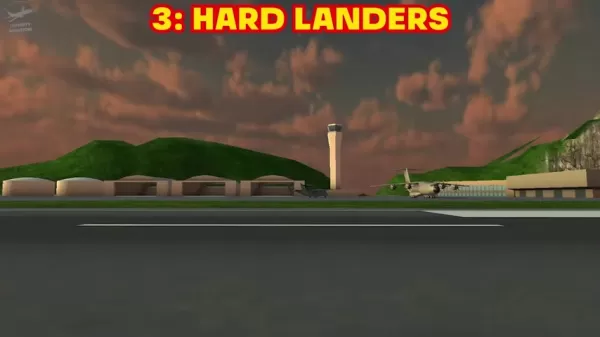
Anticipate jarring touchdowns, bouncing landing gear, and occasional near-catastrophes. While human pilots might sometimes fumble a landing, these AI versions have turned it into a specialty. The hard landing AI, though amusing, may not represent real-world flying accurately.
Laggy AI: The Glitch in the Matrix
Technical constraints can sometimes produce 'Laggy AI'. These virtual pilots experience digital stutters, teleporting over runways, freezing in mid-air, and generally breaking physical laws.
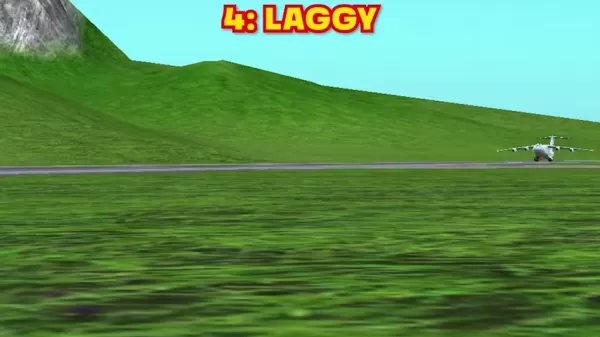
Laggy AI stems more from system strain or coding issues than personality traits. Nevertheless, the outcomes can be absurd as aircraft halt and then abruptly continue their journey. While annoying, these malfunctions can introduce an element of the surreal into your simulation. Resolving these issues typically requires fine-tuning your simulator configuration or modifying AI traffic levels.
Cruel AI: The Art of Aerial Demolition
Get ready for some dark comedy with the 'Cruel AI'.

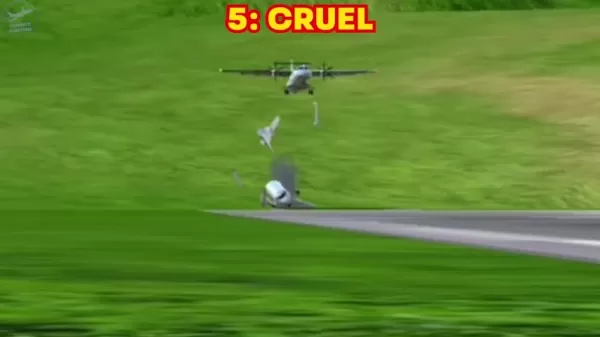
These AI pilots seem to enjoy creating havoc. They may deliberately cross into your flight path, cause mid-air crashes, or engage in other acts of virtual disruption. The game might display two planes stacked atop one another during landing attempts. While it may appear deliberate, it's probably just the AI malfunctioning in a funny way. This type of 'Cruel AI' can demonstrate some plausibly realistic situations.
Butter Landers: The Perfectionists
If hard landers represent one extreme, the 'Butter Landers' represent the opposite.
These AI pilots perform landings so smooth you might not notice the wheels touching down. They glide onto the runway with exceptional finesse, making even skilled human pilots jealous. While not particularly thrilling or funny, butter landers are a valuable addition to AI traffic, contributing to the diverse mix of pilot types within the simulator.
Local Bullies: The Runway Hooligans
In certain flight simulator communities, AI pilots can turn into 'Local Bullies', controlling the airspace and intimidating other aircraft. These bullies cut in front of other planes, taking off and landing on incorrect runways. You might witness a jet departing just as a small propeller plane is preparing to touch down. No amount of care or expertise can avert a collision if an AI bully is set on spoiling your flight. Operating in airspace shared with local bullies requires constant alertness and steady nerves. Players can occasionally exert more influence in these situations by directing the 'local bullies' via ATC commands. However, sometimes it's entertaining to let the scenario unfold naturally.
Lazy AI: Automation Overload
Some AI pilots seem bored with their duties, displaying a 'Lazy AI' demeanor.

The lazy AI pilot will take off straight down the runway centerline and barely become airborne. They might refuse to move from the runway entirely unless compelled. This apparent indifference can lead to missed turns, delayed landings, and other operational mistakes. It helps an airport feel 'active' and can potentially create amusing disorder.
Local Gangs: Turf Wars in the Sky
The flight sim world can occasionally mirror a virtual rendition of Grand Theft Auto. This AI traffic will represent the 'Grove lines' and the 'Ballas lines' from San Andreas.
Local Gang AI includes aircraft displaying gang colors and emblems. These digital aviators participate in virtual dogfights, runway occupations, and other acts of aerial mischief, converting your peaceful flight into a tense gang conflict. Be ready to pick a faction or simply attempt to stay clear of the action.
Loners: The Isolated Aviators
On the other side of the social scale, some AI pilots favor solitude.

The Loner AI Character will simply remain alone and avoid all interaction. Loners often appear somber. Meetings with Loners can offer a touching reminder of the virtual world's potential for both companionship and seclusion.
Hackers: Breaking the Rules
In the digital domain, almost anything is feasible – including AI pilots that 'hack' the system. This AI is typically found in restricted areas. Make sure to intercept the hacker before they inflict significant harm!
Victims: Always Targeted
This unfortunate AI pilot is perpetually doomed.

The victim is destined to crash repeatedly, so ensure you don't end up among the afflicted.
Careless: The Ignorant
The oblivious AI pilot will simply launch into the sky.
The most troubling part is their complete indifference! This AI traffic type is best avoided.
Invincible: Nothing Can Stop
These AI pilots are impervious to damage. The invincible AI resembles an airborne superhero, making them a fantastic addition to the simulator.
The pilot is almost indestructible and the ideal character for AI traffic that appears infallible. However, their 'invincibility' can produce unrealistic scenarios. Expect to see aircraft executing maneuvers that would instantly destroy a real plane. Still, it's quite entertaining to watch invincible AI pilots flout physical laws.
Impostors: The Fake
This AI pilot blends into the surroundings.
This AI resembles the primary aircraft in the sky, but is a lower-quality imitation. This introduces additional confusion and chaos to the environment.
Persistent: Never Giving Up
The persistent AI pilot is committed to reaching its goal, regardless of obstacles.
I will ensure you all arrive at the destination, no matter what it takes!
Bored: No Thrills
This AI traffic has no purpose! The bored AI traffic is recognized for simply reaching an arbitrary location and then circling endlessly.

It can be challenging to determine what the bored AI intends to achieve. Perhaps they're merely bored and amusing themselves?
Scared: Never the Right Time
These AI pilots are perpetually fearful, always reluctant to undertake the next flight.
The aircraft remains inactive, so don't anticipate any movement. This AI traffic is beneficial for learners, as they won't perform any actions that could endanger a novice pilot.
Unstoppable: Nothing Can Stop
This AI pilot refuses to quit. 'Don't interrupt me while I'm working!' is precisely this AI's mindset.

This is an ideal character for AI traffic that appears consistently successful!
Isolated: There's No Way Out
This AI pilot is destined to find itself completely alone. This AI pilot is heading directly into a tunnel!
No matter their destination, they will never actually reach a genuine airport.
How to Use AI Traffic in Flight Simulators
Adjusting AI Traffic Density
Most flight simulators enable you to manage AI traffic density, affecting how many virtual aircraft fill the skies. Raising density produces a more authentic and demanding setting, while lowering it can enhance performance on less capable systems. Test various configurations to discover the ideal mix of realism and fluid operation.
Setting AI traffic density to a suitable level will depend on your hardware and graphics preferences. Ensure you configure these correctly!
Controlling AI Traffic Behavior
Some simulators provide sophisticated options for managing AI behavior, letting you tailor their flight routes, proficiency levels, and even personalities. You might be able to design specific situations, such as a congested air traffic control setting or a formation flight with AI companions. Experimenting with these features can introduce additional depth and replay value to your simulation adventures.
Certain simulators permit users to command AI pilots using controls similar to ATC. This enables you to manage the traffic you encounter aloft, boosting realism and reducing some chaos. Other simulators might also allow you to customize AI traffic to your preference, enabling more humor.
AI Traffic: Weighing the Benefits and Drawbacks
Pros
Improved realism and immersion in the virtual world
Greater challenge and complexity for pilots
Chances to learn about aviation protocols and air traffic control
Potential for surprising and amusing interactions
Cons
Possible performance problems and system strain
Unrealistic AI conduct that can disrupt immersion
Annoying encounters with overly aggressive or unskilled AI pilots
Restricted authority over AI traffic behavior in some simulators
FAQ
What factors affect the realism of AI traffic?
Multiple elements impact AI traffic realism, including the precision of flight models, the sophistication of AI decision-making, and the detail of the virtual setting. Simulators that emphasize realistic AI behavior typically deliver a more engaging and credible flying experience.
Can I create my own AI traffic scenarios?
Many flight simulators provide utilities and materials for crafting custom AI traffic scenarios. This lets you design specific flight routes, establish intricate air traffic arrangements, and even develop unique AI personalities. Investigating these possibilities can greatly increase your simulator's replay value and present a distinctive challenge.
How can I optimize my simulator performance with AI traffic?
AI traffic can heavily tax your system's capabilities. To enhance performance, try decreasing AI traffic density, reducing graphic settings, and verifying your simulator is correctly set up for your hardware. Testing different configurations will assist you in finding the perfect equilibrium between visual quality and smooth operation.
Related Questions
What are the best flight simulators for realistic AI traffic?
Several flight simulators are renowned for their realistic AI traffic systems. X-Plane 12 provides a high level of realism in numerous flight situations.
Cons
ider exploring various simulators to identify the one that matches your tastes. Flight simulators are advancing, and most should be able to generate excellent AI traffic. How do AI systems in flight simulators compare to real-world air traffic control?
AI systems in flight simulators, while growing more advanced, remain a simplified version of real-world air traffic control. Actual air traffic controllers utilize a blend of radar, communication networks, and human skill to direct air traffic, whereas AI systems depend on pre-set rules and algorithms. Although not an exact duplicate, AI traffic serves as a useful instrument for understanding aviation protocols and facing the difficulties of airspace management. These varied tools contribute to the educational and enjoyable aspects of aviation simulators.
Related article
 Former OpenAI Chief Scientist Ilya’s SSI Unveils First Model
AI has achieved another major milestone. Following his departure from OpenAI, former chief scientist Ilya Sutskever established Safe Superintelligence Inc. (SSI), which has recently unveiled details regarding its inaugural model. Reports from oversea
Lovable Leads Atech's Seed Round as AI Ambient Coding Officially Enters the Hardware Field
On May 14, 2026, AI application development platform Lovable announced its participation in the $800,000 seed funding round for Danish hardware startup Atech. Led by Lovable, the round attracted top-tier venture capital firms including the a16z Scout
Anthropic Expands Claude AI Coding Tools to Japan in Push for Overseas Growth
Anthropic, a prominent U.S. artificial intelligence firm, is intensifying its global outreach. On Wednesday, the company hosted a major developer gathering, "Code with Claude," in Tokyo, drawing close to 500 software engineers. This initiative seeks
Related Special Topic Recommendations
chatbot
Former OpenAI Chief Scientist Ilya’s SSI Unveils First Model
AI has achieved another major milestone. Following his departure from OpenAI, former chief scientist Ilya Sutskever established Safe Superintelligence Inc. (SSI), which has recently unveiled details regarding its inaugural model. Reports from oversea
Lovable Leads Atech's Seed Round as AI Ambient Coding Officially Enters the Hardware Field
On May 14, 2026, AI application development platform Lovable announced its participation in the $800,000 seed funding round for Danish hardware startup Atech. Led by Lovable, the round attracted top-tier venture capital firms including the a16z Scout
Anthropic Expands Claude AI Coding Tools to Japan in Push for Overseas Growth
Anthropic, a prominent U.S. artificial intelligence firm, is intensifying its global outreach. On Wednesday, the company hosted a major developer gathering, "Code with Claude," in Tokyo, drawing close to 500 software engineers. This initiative seeks
Related Special Topic Recommendations
chatbot
 Best AI Conversation Trainer Tools for Interview Practice
2026 Latest Best Top-rated AI Conversation Trainer Tools for Interview Practice are here on XIX.AI! This curated collection features powerful, game-changing tools that go through rigorous real-world tests to deliver accurate feedback. You’ll find a free vs paid comparison and detailed rankings to help you choose the must-try option that boosts your confidence and skills. Explore now to Discover your perfect tool for interview success!
 12 tools
 xix.ai
Design & Art
Best AI Style Transfer Tools for Creative Experiments
xix.ai
Design & Art
Best AI Style Transfer Tools for Creative Experiments
2026 Latest Best Top-rated AI Style Transfer Tools for Creative Experiments! XIX.AI has curated a powerful, game-changing collection of must-try tools that deliver exceptional results through real-world tests and rigorous rankings. These top solutions help creatives boost productivity significantly by accelerating content creation and unlocking endless creative possibilities. Explore now to discover your perfect tool and start creating today!
9 tools
xix.ai
Comic Creation
Best AI Dialogue Bubble Tools for Visual Storytelling
2026 Latest Best Top-Rated AI Dialogue Bubble Tools for Visual Storytelling are here on XIX.AI! This curated collection features powerful, game-changing tools that help creators boost productivity and overcome creative bottlenecks. Get a free vs paid comparison, see real-world tests, and check the latest rankings to find the must-try solutions perfect for crafting engaging visual narratives. Explore now to discover your ideal tool!
10 tools
xix.ai
Meeting Assistant
Top AI Meeting Summary Tools: Track Decisions and Follow-Ups Clearly
2026 Latest Top-Rated Best AI Meeting Summary Tools for Clear Decision Tracking and Effortless Follow-Ups. This curated list showcases powerful, game-changing solutions that boost productivity dramatically by automating meeting notes, identifying key action items, and streamlining team coordination across all projects. Get a free vs paid comparison along with real-world tests and weekly updated rankings to help you find the perfect tool. Explore now to unlock your AI edge!
9 tools
xix.ai
Data Analysis
Best AI Data Cleaning Tools: Fix Missing Values and Duplicates Fast
2026 Latest Best Top-rated AI Data Cleaning Tools for quick fixing of missing values and duplicates. This curated list showcases powerful, game-changing solutions that boost productivity significantly. Each option has undergone rigorous real-world tests to ensure reliability. Get a free vs paid comparison and discover the must-try tool that fits your needs best. Explore now at XIX.AI to Unlock your AI edge.
11 tools
xix.ai
Design & Art
Best AI Creative Ideation Tools for Artists: Break Through Visual Blocks
2026 Latest Best Top-Rated AI Creative Ideation Tools for Artists are curated by XIX.AI to help creators break through visual blocks and boost creativity instantly. These powerful game-changing tools offer real-world tests, detailed free vs paid comparison, and weekly updated rankings. Discover your perfect tool to accelerate content creation and unlock your AI edge today. Explore now!
14 tools
xix.ai

 Comments (0)
0/500
Comments (0)
0/500
AI traffic injects vibrant energy into flight simulators, turning static environments into bustling virtual skies. Yet, the quality of AI can vary dramatically. This guide explores the often amusing and chaotic universe of AI aviation, showcasing a range of traffic types that can either enrich or disrupt your virtual flights. Prepare for some laughs and perhaps a bit of frustration as we reveal the eccentric behaviors of these digital co-pilots.
Key Points
AI traffic can exhibit behaviors from excessively cautious to downright reckless.
Diverse AI personalities contribute to unique and entertaining simulator sessions.
Sometimes AI logic fails, resulting in both hilarious and aggravating moments.
Particular situations, such as AI gangs and idle pilots, introduce distinct challenges and amusement.
Recognizing the limits of AI is key to setting realistic expectations in flight simulations.
The Spectrum of AI Traffic Personalities
Way Too Polite AI: The Exaggerated Courtesy
Picture an AI pilot so careful it almost seems to apologize for departing. That's the 'Way Too Polite' AI. These virtual flyers put safety first, often to a humorous degree. They might postpone takeoffs for minor crosswinds, give way to every aircraft on the tarmac, and perform the softest landings possible. While their dedication is commendable, their extreme caution can try the patience of even the calmest simmer, particularly when you're waiting behind them for departure. This AI type represents an exaggerated compliance with aviation norms, standing in stark contrast to more assertive AI styles. It offers a safe, albeit sluggish, presence that can enhance realism in specific contexts. The 'way too polite AI' serves as the polar opposite to other AI types discussed here.
Impatient AI: The Zero Tolerance Taxi Driver
At the opposite extreme lies the 'Impatient AI'.
These AI pilots have no patience for hold-ups or rules. They are the aerial equivalent of aggressive cab drivers, darting through traffic, taking shortcuts, and largely ignoring standard protocols. An impatient AI might even drive a vehicle straight into an aircraft to reach the runway and take off. This bold conduct can generate thrilling, if unrealistic, situations that demand quick reflexes to prevent accidents. While their audacity can be engaging, their carelessness frequently leads to disorder and poses issues for players. 'Impatient AI' situations are ideal for pilots aiming to hone their rapid response and judgment under duress.
Hard Landers: Brace for Impact
Certain AI pilots appear to fundamentally misunderstand the idea of a 'gentle landing'. The 'Hard Landers' approach the runway with the elegance of a dropped anvil.
Anticipate jarring touchdowns, bouncing landing gear, and occasional near-catastrophes. While human pilots might sometimes fumble a landing, these AI versions have turned it into a specialty. The hard landing AI, though amusing, may not represent real-world flying accurately.
Laggy AI: The Glitch in the Matrix
Technical constraints can sometimes produce 'Laggy AI'. These virtual pilots experience digital stutters, teleporting over runways, freezing in mid-air, and generally breaking physical laws.
Laggy AI stems more from system strain or coding issues than personality traits. Nevertheless, the outcomes can be absurd as aircraft halt and then abruptly continue their journey. While annoying, these malfunctions can introduce an element of the surreal into your simulation. Resolving these issues typically requires fine-tuning your simulator configuration or modifying AI traffic levels.
Cruel AI: The Art of Aerial Demolition
Get ready for some dark comedy with the 'Cruel AI'.
These AI pilots seem to enjoy creating havoc. They may deliberately cross into your flight path, cause mid-air crashes, or engage in other acts of virtual disruption. The game might display two planes stacked atop one another during landing attempts. While it may appear deliberate, it's probably just the AI malfunctioning in a funny way. This type of 'Cruel AI' can demonstrate some plausibly realistic situations.
Butter Landers: The Perfectionists
If hard landers represent one extreme, the 'Butter Landers' represent the opposite.
These AI pilots perform landings so smooth you might not notice the wheels touching down. They glide onto the runway with exceptional finesse, making even skilled human pilots jealous. While not particularly thrilling or funny, butter landers are a valuable addition to AI traffic, contributing to the diverse mix of pilot types within the simulator.
Local Bullies: The Runway Hooligans
In certain flight simulator communities, AI pilots can turn into 'Local Bullies', controlling the airspace and intimidating other aircraft. These bullies cut in front of other planes, taking off and landing on incorrect runways. You might witness a jet departing just as a small propeller plane is preparing to touch down. No amount of care or expertise can avert a collision if an AI bully is set on spoiling your flight. Operating in airspace shared with local bullies requires constant alertness and steady nerves. Players can occasionally exert more influence in these situations by directing the 'local bullies' via ATC commands. However, sometimes it's entertaining to let the scenario unfold naturally.
Lazy AI: Automation Overload
Some AI pilots seem bored with their duties, displaying a 'Lazy AI' demeanor.
The lazy AI pilot will take off straight down the runway centerline and barely become airborne. They might refuse to move from the runway entirely unless compelled. This apparent indifference can lead to missed turns, delayed landings, and other operational mistakes. It helps an airport feel 'active' and can potentially create amusing disorder.
Local Gangs: Turf Wars in the Sky
The flight sim world can occasionally mirror a virtual rendition of Grand Theft Auto. This AI traffic will represent the 'Grove lines' and the 'Ballas lines' from San Andreas.
Local Gang AI includes aircraft displaying gang colors and emblems. These digital aviators participate in virtual dogfights, runway occupations, and other acts of aerial mischief, converting your peaceful flight into a tense gang conflict. Be ready to pick a faction or simply attempt to stay clear of the action.
Loners: The Isolated Aviators
On the other side of the social scale, some AI pilots favor solitude.
The Loner AI Character will simply remain alone and avoid all interaction. Loners often appear somber. Meetings with Loners can offer a touching reminder of the virtual world's potential for both companionship and seclusion.
Hackers: Breaking the Rules
In the digital domain, almost anything is feasible – including AI pilots that 'hack' the system. This AI is typically found in restricted areas. Make sure to intercept the hacker before they inflict significant harm!
Victims: Always Targeted
This unfortunate AI pilot is perpetually doomed.
The victim is destined to crash repeatedly, so ensure you don't end up among the afflicted.
Careless: The Ignorant
The oblivious AI pilot will simply launch into the sky.
The most troubling part is their complete indifference! This AI traffic type is best avoided.
Invincible: Nothing Can Stop
These AI pilots are impervious to damage. The invincible AI resembles an airborne superhero, making them a fantastic addition to the simulator.
The pilot is almost indestructible and the ideal character for AI traffic that appears infallible. However, their 'invincibility' can produce unrealistic scenarios. Expect to see aircraft executing maneuvers that would instantly destroy a real plane. Still, it's quite entertaining to watch invincible AI pilots flout physical laws.
Impostors: The Fake
This AI pilot blends into the surroundings.
This AI resembles the primary aircraft in the sky, but is a lower-quality imitation. This introduces additional confusion and chaos to the environment.
Persistent: Never Giving Up
The persistent AI pilot is committed to reaching its goal, regardless of obstacles.
I will ensure you all arrive at the destination, no matter what it takes!
Bored: No Thrills
This AI traffic has no purpose! The bored AI traffic is recognized for simply reaching an arbitrary location and then circling endlessly.
It can be challenging to determine what the bored AI intends to achieve. Perhaps they're merely bored and amusing themselves?
Scared: Never the Right Time
These AI pilots are perpetually fearful, always reluctant to undertake the next flight.
The aircraft remains inactive, so don't anticipate any movement. This AI traffic is beneficial for learners, as they won't perform any actions that could endanger a novice pilot.
Unstoppable: Nothing Can Stop
This AI pilot refuses to quit. 'Don't interrupt me while I'm working!' is precisely this AI's mindset.
This is an ideal character for AI traffic that appears consistently successful!
Isolated: There's No Way Out
This AI pilot is destined to find itself completely alone. This AI pilot is heading directly into a tunnel!
No matter their destination, they will never actually reach a genuine airport.
How to Use AI Traffic in Flight Simulators
Adjusting AI Traffic Density
Most flight simulators enable you to manage AI traffic density, affecting how many virtual aircraft fill the skies. Raising density produces a more authentic and demanding setting, while lowering it can enhance performance on less capable systems. Test various configurations to discover the ideal mix of realism and fluid operation.
Setting AI traffic density to a suitable level will depend on your hardware and graphics preferences. Ensure you configure these correctly!
Controlling AI Traffic Behavior
Some simulators provide sophisticated options for managing AI behavior, letting you tailor their flight routes, proficiency levels, and even personalities. You might be able to design specific situations, such as a congested air traffic control setting or a formation flight with AI companions. Experimenting with these features can introduce additional depth and replay value to your simulation adventures.
Certain simulators permit users to command AI pilots using controls similar to ATC. This enables you to manage the traffic you encounter aloft, boosting realism and reducing some chaos. Other simulators might also allow you to customize AI traffic to your preference, enabling more humor.
AI Traffic: Weighing the Benefits and Drawbacks
Pros
Improved realism and immersion in the virtual world
Greater challenge and complexity for pilots
Chances to learn about aviation protocols and air traffic control
Potential for surprising and amusing interactions
Cons
Possible performance problems and system strain
Unrealistic AI conduct that can disrupt immersion
Annoying encounters with overly aggressive or unskilled AI pilots
Restricted authority over AI traffic behavior in some simulators
FAQ
What factors affect the realism of AI traffic?
Multiple elements impact AI traffic realism, including the precision of flight models, the sophistication of AI decision-making, and the detail of the virtual setting. Simulators that emphasize realistic AI behavior typically deliver a more engaging and credible flying experience.
Can I create my own AI traffic scenarios?
Many flight simulators provide utilities and materials for crafting custom AI traffic scenarios. This lets you design specific flight routes, establish intricate air traffic arrangements, and even develop unique AI personalities. Investigating these possibilities can greatly increase your simulator's replay value and present a distinctive challenge.
How can I optimize my simulator performance with AI traffic?
AI traffic can heavily tax your system's capabilities. To enhance performance, try decreasing AI traffic density, reducing graphic settings, and verifying your simulator is correctly set up for your hardware. Testing different configurations will assist you in finding the perfect equilibrium between visual quality and smooth operation.
Related Questions
What are the best flight simulators for realistic AI traffic?
Several flight simulators are renowned for their realistic AI traffic systems. X-Plane 12 provides a high level of realism in numerous flight situations.
Cons
ider exploring various simulators to identify the one that matches your tastes. Flight simulators are advancing, and most should be able to generate excellent AI traffic.How do AI systems in flight simulators compare to real-world air traffic control?
AI systems in flight simulators, while growing more advanced, remain a simplified version of real-world air traffic control. Actual air traffic controllers utilize a blend of radar, communication networks, and human skill to direct air traffic, whereas AI systems depend on pre-set rules and algorithms. Although not an exact duplicate, AI traffic serves as a useful instrument for understanding aviation protocols and facing the difficulties of airspace management. These varied tools contribute to the educational and enjoyable aspects of aviation simulators.








 Former OpenAI Chief Scientist Ilya’s SSI Unveils First Model
AI has achieved another major milestone. Following his departure from OpenAI, former chief scientist Ilya Sutskever established Safe Superintelligence Inc. (SSI), which has recently unveiled details regarding its inaugural model. Reports from oversea
Former OpenAI Chief Scientist Ilya’s SSI Unveils First Model
AI has achieved another major milestone. Following his departure from OpenAI, former chief scientist Ilya Sutskever established Safe Superintelligence Inc. (SSI), which has recently unveiled details regarding its inaugural model. Reports from oversea
 Lovable Leads Atech's Seed Round as AI Ambient Coding Officially Enters the Hardware Field
On May 14, 2026, AI application development platform Lovable announced its participation in the $800,000 seed funding round for Danish hardware startup Atech. Led by Lovable, the round attracted top-tier venture capital firms including the a16z Scout
Lovable Leads Atech's Seed Round as AI Ambient Coding Officially Enters the Hardware Field
On May 14, 2026, AI application development platform Lovable announced its participation in the $800,000 seed funding round for Danish hardware startup Atech. Led by Lovable, the round attracted top-tier venture capital firms including the a16z Scout
 Anthropic Expands Claude AI Coding Tools to Japan in Push for Overseas Growth
Anthropic, a prominent U.S. artificial intelligence firm, is intensifying its global outreach. On Wednesday, the company hosted a major developer gathering, "Code with Claude," in Tokyo, drawing close to 500 software engineers. This initiative seeks
Anthropic Expands Claude AI Coding Tools to Japan in Push for Overseas Growth
Anthropic, a prominent U.S. artificial intelligence firm, is intensifying its global outreach. On Wednesday, the company hosted a major developer gathering, "Code with Claude," in Tokyo, drawing close to 500 software engineers. This initiative seeks

2026 Latest Best Top-rated AI Conversation Trainer Tools for Interview Practice are here on XIX.AI! This curated collection features powerful, game-changing tools that go through rigorous real-world tests to deliver accurate feedback. You’ll find a free vs paid comparison and detailed rankings to help you choose the must-try option that boosts your confidence and skills. Explore now to Discover your perfect tool for interview success!
12 tools
xix.ai

2026 Latest Best Top-rated AI Style Transfer Tools for Creative Experiments! XIX.AI has curated a powerful, game-changing collection of must-try tools that deliver exceptional results through real-world tests and rigorous rankings. These top solutions help creatives boost productivity significantly by accelerating content creation and unlocking endless creative possibilities. Explore now to discover your perfect tool and start creating today!
9 tools
xix.ai

2026 Latest Best Top-Rated AI Dialogue Bubble Tools for Visual Storytelling are here on XIX.AI! This curated collection features powerful, game-changing tools that help creators boost productivity and overcome creative bottlenecks. Get a free vs paid comparison, see real-world tests, and check the latest rankings to find the must-try solutions perfect for crafting engaging visual narratives. Explore now to discover your ideal tool!
10 tools
xix.ai

2026 Latest Top-Rated Best AI Meeting Summary Tools for Clear Decision Tracking and Effortless Follow-Ups. This curated list showcases powerful, game-changing solutions that boost productivity dramatically by automating meeting notes, identifying key action items, and streamlining team coordination across all projects. Get a free vs paid comparison along with real-world tests and weekly updated rankings to help you find the perfect tool. Explore now to unlock your AI edge!
9 tools
xix.ai

2026 Latest Best Top-rated AI Data Cleaning Tools for quick fixing of missing values and duplicates. This curated list showcases powerful, game-changing solutions that boost productivity significantly. Each option has undergone rigorous real-world tests to ensure reliability. Get a free vs paid comparison and discover the must-try tool that fits your needs best. Explore now at XIX.AI to Unlock your AI edge.
11 tools
xix.ai

2026 Latest Best Top-Rated AI Creative Ideation Tools for Artists are curated by XIX.AI to help creators break through visual blocks and boost creativity instantly. These powerful game-changing tools offer real-world tests, detailed free vs paid comparison, and weekly updated rankings. Discover your perfect tool to accelerate content creation and unlock your AI edge today. Explore now!
14 tools
xix.ai












