


 Home
HomeAI Music Cover: Britney Spears' Emotional Ballad Redefined
Revolutionizing Music: The Role of AI in Song Creation
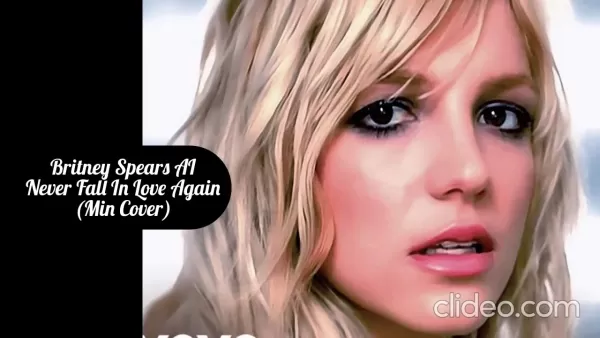
In the ever-evolving world of music, artificial intelligence (AI) is emerging as a transformative force, reshaping how songs are crafted and experienced. Take, for instance, the AI-generated cover of Britney Spears’ emotional ballad—a remarkable demonstration of what AI can achieve. This isn’t just about technical prowess; it’s an exploration of emotional expression and vocal replication, offering a tantalizing glimpse into the future of music creation.
Let’s dive deeper into the intricacies of this AI endeavor and examine its implications for the industry. From emotional depth to technical execution, AI music is proving that it’s more than just a novelty—it’s a game-changer.
The Evolution of AI in Music
AI music is advancing at breakneck speed, empowering creators to craft covers and original tracks alike. At the heart of this revolution is the ability to replicate vocals with astonishing accuracy, as seen in the Britney Spears AI cover. This isn’t just about reproducing notes—it’s about capturing the soulful essence of the original performance.
As AI tools continue to improve, their applications span the entire music-making spectrum. From generating melodies and harmonies to handling sound design and mastering, these tools are redefining the creative process. The rise of AI in music production is not a fleeting trend but a fundamental shift that promises to blur the lines between human and machine creativity.
A Deeper Dive into the Britney Spears AI Cover
The AI-generated cover of Britney Spears’ ballad stands as a testament to the strides AI has made in vocal replication. Unlike traditional remakes, this cover doesn’t merely mimic the original—it tries to embody the emotional resonance that makes Spears’ voice so iconic. Through deep learning and voice cloning technologies, the AI meticulously dissects her vocal nuances, from subtle inflections to heartfelt vibrato.
This endeavor isn’t just about technical finesse; it’s about pushing the boundaries of what AI can achieve. The emotional depth displayed in the cover highlights the growing sophistication of AI in interpreting and expressing complex human emotions. While it may not replicate the original’s emotional impact perfectly, it signals a significant leap forward in AI’s musical capabilities.
Creating Your Own AI Music Cover
Ready to experiment with AI music yourself? Here’s a simplified guide to creating your own AI music cover:
- Choose the Right Platform: Start by selecting an AI music platform that supports vocal replication. Platforms like Amper Music, Jukebox, or Ecrett Music offer varying features and ease of use. Pick one that matches your skill level and goals.
- Analyze the Original Song: Upload the song you want to cover to the platform. The AI will analyze it to extract key elements like melody, harmony, rhythm, and vocal characteristics. This analysis forms the foundation of your AI cover.
- Tailor the Vocal Performance: Adjust the vocal parameters to fine-tune the AI’s replication. Tweak aspects like timbre, vibrato, and inflection to make the AI’s performance match the original as closely as possible.
- Refine and Finalize: Generate the cover and listen to the results. If needed, refine the parameters or make adjustments to the accompaniment. Many platforms offer tools to iterate and perfect your cover until it meets your expectations.
Pricing Models for AI Music Platforms
When exploring AI music platforms, you’ll encounter various pricing models:
- Subscription-Based: Pay a recurring fee for unlimited access to the platform’s features. Ideal for frequent users.
- Pay-Per-Track: Pay for each track you generate. Best for occasional users.
- Royalty-Free Licenses: Purchase licenses to use generated music without additional royalties, though restrictions may apply.
Evaluating AI Music Covers: Pros and Cons
While AI music offers unprecedented accessibility and innovation, it also presents challenges:
- Pros: Democratizes music creation, streamlines workflows, and fosters continuous advancement.
- Cons: Struggles with replicating human creativity and raises ethical concerns like copyright and authenticity.
Diverse Applications of AI Music
From background music for videos to personalized playlists and therapeutic interventions, AI music is finding its place across industries. Its versatility ensures that it will remain a vital component of modern music production.
Frequently Asked Questions About AI Music
- Is AI music creative or just imitative? AI combines imitation with innovation, synthesizing novel elements based on analyzed data. It’s not human-level creativity, but it pushes boundaries.
- How does AI ensure vocal replication? Through deep learning, voice cloning, and prosody transfer, AI learns and replicates vocal nuances with impressive accuracy.
- What are AI’s limitations in emotional music? AI struggles to fully replicate human emotion but shows promise in interpreting and expressing emotional depth.
Looking Ahead: The Future of AI Music
As AI continues to evolve, expect more sophisticated emotion synthesis, enhanced personalization, and innovative educational tools. AI music is poised to become an indispensable part of the creative landscape, offering endless possibilities for musicians and listeners alike.
 Related article
 Stripe to Acquire OpenRouter as AI Model Routing Gains Momentum
Stripe has agreed to acquire OpenRouter, an AI model-routing platform that gives developers access to hundreds of models through a single interface. The deal adds model selection and routing to Stripe’s existing work around AI usage and token-based b
Former OpenAI Researcher Barrett Zoph Returns to Google to Support Gemini Development
Barret Zoph, who previously abruptly left and joined OpenAI due to a disagreement with Thinking Machines Lab CEO Miriam Mularati, has once again changed employers. Alphabet's Google announced that Zoph will return as Vice President of Research, bring
How Recursive Intelligence Raised $335M at $4B Valuation in 4 Months
The co-founders of startup Ricursive Intelligence seemed destined to be co-founders.Anna Goldie, CEO, and Azalia Mirhoseini, CTO, are so well-known in the AI community that they were among those AI engineers who “got those weird emails from Zuckerber
Related Special Topic Recommendations
Design & Art
Stripe to Acquire OpenRouter as AI Model Routing Gains Momentum
Stripe has agreed to acquire OpenRouter, an AI model-routing platform that gives developers access to hundreds of models through a single interface. The deal adds model selection and routing to Stripe’s existing work around AI usage and token-based b
Former OpenAI Researcher Barrett Zoph Returns to Google to Support Gemini Development
Barret Zoph, who previously abruptly left and joined OpenAI due to a disagreement with Thinking Machines Lab CEO Miriam Mularati, has once again changed employers. Alphabet's Google announced that Zoph will return as Vice President of Research, bring
How Recursive Intelligence Raised $335M at $4B Valuation in 4 Months
The co-founders of startup Ricursive Intelligence seemed destined to be co-founders.Anna Goldie, CEO, and Azalia Mirhoseini, CTO, are so well-known in the AI community that they were among those AI engineers who “got those weird emails from Zuckerber
Related Special Topic Recommendations
Design & Art
 Top AI Illustration Tools: Create Editorial Scenes and Cover Art Faster
2026 Latest Top-rated AI Illustration Tools: Our curated list features the best powerfully designed tools for creating stunning editorial scenes and eye-catching cover art quickly. Each option has gone through rigorous real-world tests, offering a free vs paid comparison to help you find the perfect match for your workflow. Try these must-try solutions today to unlock your AI edge and boost your creative productivity. Explore now at XIX.AI.
 10 tools
 xix.ai
Education and Learning
Top AI Tutors for Exam Prep: Practice Math, Science, and English
xix.ai
Education and Learning
Top AI Tutors for Exam Prep: Practice Math, Science, and English
2026 Latest Top-Rated Best AI Tutors for Exam Prep are here on XIX.AI! Our curated list features powerful game-changing tools that offer free vs paid comparison, real-world tests, and weekly updated rankings. They help boost your writing efficiency, simplify complex topic learning, and unlock your academic potential. Explore now to Discover your perfect exam prep tool and Start creating today to Unlock your AI edge!
10 tools
xix.ai
Finance
AI Budget Planning Tools for Personal Money Management
2026 Latest Best Top-Rated AI Budget Planning Tools for Personal Money Management are here on XIX.AI! This curated collection features powerful, game-changing solutions that help you conduct real-world tests, understand spending habits, and create personalized plans to boost productivity. Enjoy a free vs paid comparison along with detailed rankings. Must-try tools designed to simplify money management and unlock your AI edge. Explore now!
11 tools
xix.ai
Health & Wellness
AI Sleep Tracking Assistants: Improve Recovery with Better Bedtime Habits
2026 Latest Best Top-Rated AI Sleep Tracking Assistants curated for ultimate recovery. This fully updated weekly guide features powerful tools that deliver real-world tests, free vs paid comparison, and detailed rankings to help you find the must-try solution that boosts sleep quality and supports better bedtime habits. Explore now at XIX.AI to Unlock your AI edge.
10 tools
xix.ai
Data Analysis
AI SQL Copilots for Product and Revenue Analytics
2026 Latest Best Top-Rated AI SQL Copilots for Product and Revenue Analytics! XIX.AI has curated a powerful, game-changing collection of must-try tools that undergo real-world tests through weekly updated rankings. These tools help users boost productivity significantly by accelerating data analysis, streamlining complex queries, and generating accurate insights to drive smarter business decisions. Explore now to Discover your perfect tool for unlocking your AI edge!
14 tools
xix.ai
Education and Learning
Best AI Homework Helpers That Teach: Learn Concepts, Not Just Answers
2026 Latest Best Top-Rated AI Homework Helpers That Teach Core Concepts Not Just Answers Powerful Tools for Students Must-Try Curated List Weekly Updated Free vs Paid Comparison Real-World Tests Accurate Rankings to Help You Unlock Your Full Learning Potential Explore now to Discover your perfect tool for smarter studying.
10 tools
xix.ai

 Comments (7)
0/500
Comments (7)
0/500
![HarryGonzalez]()
Wait, did AI just turn Britney's ballad into something hauntingly beautiful? 🎤 It’s wild how tech is reshaping music, but does it capture the raw emotion of the original, or is it just a clever trick? Either way, I’m intrigued by the future of songwriting. 🤖✨
![NicholasAdams]()
AIがブリトニーのバラードをカバー?しかも感情まで再現できるなんて、ちょっと怖いけど面白い!😅 人間のアーティストが不要になる日が来るのかな…でも、こんな技術で新しい音楽の形が生まれるなら、それはそれでアリかも。
![RogerRoberts]()
Esta versión de Britney generada por IA es increíble... pero también da un poco de miedo 😅 ¿Hasta dónde llegará esto? Pronto tendremos canciones 'nuevas' de artistas fallecidos y no sé si me gusta la idea.
![JonathanJackson]()
This AI cover of Britney’s ballad is wild! 🎵 It’s like hearing her voice through a futuristic lens—super cool but kinda eerie. How far can this tech go?
![FrankSanchez]()
This AI cover of Britney’s ballad is wild! It’s like hearing her soul through a digital lens—super cool but kinda eerie. 🤖🎶
![AlbertDavis]()
This AI cover of Britney's ballad is wild! Sounds like her but with a futuristic twist. Can't decide if it's genius or just creepy. 😅
Revolutionizing Music: The Role of AI in Song Creation
In the ever-evolving world of music, artificial intelligence (AI) is emerging as a transformative force, reshaping how songs are crafted and experienced. Take, for instance, the AI-generated cover of Britney Spears’ emotional ballad—a remarkable demonstration of what AI can achieve. This isn’t just about technical prowess; it’s an exploration of emotional expression and vocal replication, offering a tantalizing glimpse into the future of music creation.
Let’s dive deeper into the intricacies of this AI endeavor and examine its implications for the industry. From emotional depth to technical execution, AI music is proving that it’s more than just a novelty—it’s a game-changer.
The Evolution of AI in Music
AI music is advancing at breakneck speed, empowering creators to craft covers and original tracks alike. At the heart of this revolution is the ability to replicate vocals with astonishing accuracy, as seen in the Britney Spears AI cover. This isn’t just about reproducing notes—it’s about capturing the soulful essence of the original performance.
As AI tools continue to improve, their applications span the entire music-making spectrum. From generating melodies and harmonies to handling sound design and mastering, these tools are redefining the creative process. The rise of AI in music production is not a fleeting trend but a fundamental shift that promises to blur the lines between human and machine creativity.
A Deeper Dive into the Britney Spears AI Cover
The AI-generated cover of Britney Spears’ ballad stands as a testament to the strides AI has made in vocal replication. Unlike traditional remakes, this cover doesn’t merely mimic the original—it tries to embody the emotional resonance that makes Spears’ voice so iconic. Through deep learning and voice cloning technologies, the AI meticulously dissects her vocal nuances, from subtle inflections to heartfelt vibrato.
This endeavor isn’t just about technical finesse; it’s about pushing the boundaries of what AI can achieve. The emotional depth displayed in the cover highlights the growing sophistication of AI in interpreting and expressing complex human emotions. While it may not replicate the original’s emotional impact perfectly, it signals a significant leap forward in AI’s musical capabilities.
Creating Your Own AI Music Cover
Ready to experiment with AI music yourself? Here’s a simplified guide to creating your own AI music cover:
- Choose the Right Platform: Start by selecting an AI music platform that supports vocal replication. Platforms like Amper Music, Jukebox, or Ecrett Music offer varying features and ease of use. Pick one that matches your skill level and goals.
- Analyze the Original Song: Upload the song you want to cover to the platform. The AI will analyze it to extract key elements like melody, harmony, rhythm, and vocal characteristics. This analysis forms the foundation of your AI cover.
- Tailor the Vocal Performance: Adjust the vocal parameters to fine-tune the AI’s replication. Tweak aspects like timbre, vibrato, and inflection to make the AI’s performance match the original as closely as possible.
- Refine and Finalize: Generate the cover and listen to the results. If needed, refine the parameters or make adjustments to the accompaniment. Many platforms offer tools to iterate and perfect your cover until it meets your expectations.
Pricing Models for AI Music Platforms
When exploring AI music platforms, you’ll encounter various pricing models:
- Subscription-Based: Pay a recurring fee for unlimited access to the platform’s features. Ideal for frequent users.
- Pay-Per-Track: Pay for each track you generate. Best for occasional users.
- Royalty-Free Licenses: Purchase licenses to use generated music without additional royalties, though restrictions may apply.
Evaluating AI Music Covers: Pros and Cons
While AI music offers unprecedented accessibility and innovation, it also presents challenges:
- Pros: Democratizes music creation, streamlines workflows, and fosters continuous advancement.
- Cons: Struggles with replicating human creativity and raises ethical concerns like copyright and authenticity.
Diverse Applications of AI Music
From background music for videos to personalized playlists and therapeutic interventions, AI music is finding its place across industries. Its versatility ensures that it will remain a vital component of modern music production.
Frequently Asked Questions About AI Music
- Is AI music creative or just imitative? AI combines imitation with innovation, synthesizing novel elements based on analyzed data. It’s not human-level creativity, but it pushes boundaries.
- How does AI ensure vocal replication? Through deep learning, voice cloning, and prosody transfer, AI learns and replicates vocal nuances with impressive accuracy.
- What are AI’s limitations in emotional music? AI struggles to fully replicate human emotion but shows promise in interpreting and expressing emotional depth.
Looking Ahead: The Future of AI Music
As AI continues to evolve, expect more sophisticated emotion synthesis, enhanced personalization, and innovative educational tools. AI music is poised to become an indispensable part of the creative landscape, offering endless possibilities for musicians and listeners alike.








 Stripe to Acquire OpenRouter as AI Model Routing Gains Momentum
Stripe has agreed to acquire OpenRouter, an AI model-routing platform that gives developers access to hundreds of models through a single interface. The deal adds model selection and routing to Stripe’s existing work around AI usage and token-based b
Stripe to Acquire OpenRouter as AI Model Routing Gains Momentum
Stripe has agreed to acquire OpenRouter, an AI model-routing platform that gives developers access to hundreds of models through a single interface. The deal adds model selection and routing to Stripe’s existing work around AI usage and token-based b
 Former OpenAI Researcher Barrett Zoph Returns to Google to Support Gemini Development
Barret Zoph, who previously abruptly left and joined OpenAI due to a disagreement with Thinking Machines Lab CEO Miriam Mularati, has once again changed employers. Alphabet's Google announced that Zoph will return as Vice President of Research, bring
Former OpenAI Researcher Barrett Zoph Returns to Google to Support Gemini Development
Barret Zoph, who previously abruptly left and joined OpenAI due to a disagreement with Thinking Machines Lab CEO Miriam Mularati, has once again changed employers. Alphabet's Google announced that Zoph will return as Vice President of Research, bring
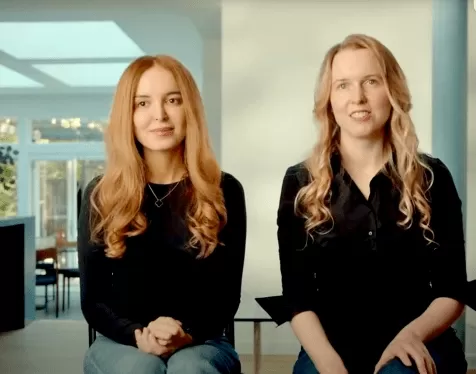 How Recursive Intelligence Raised $335M at $4B Valuation in 4 Months
The co-founders of startup Ricursive Intelligence seemed destined to be co-founders.Anna Goldie, CEO, and Azalia Mirhoseini, CTO, are so well-known in the AI community that they were among those AI engineers who “got those weird emails from Zuckerber
How Recursive Intelligence Raised $335M at $4B Valuation in 4 Months
The co-founders of startup Ricursive Intelligence seemed destined to be co-founders.Anna Goldie, CEO, and Azalia Mirhoseini, CTO, are so well-known in the AI community that they were among those AI engineers who “got those weird emails from Zuckerber
2026 Latest Top-rated AI Illustration Tools: Our curated list features the best powerfully designed tools for creating stunning editorial scenes and eye-catching cover art quickly. Each option has gone through rigorous real-world tests, offering a free vs paid comparison to help you find the perfect match for your workflow. Try these must-try solutions today to unlock your AI edge and boost your creative productivity. Explore now at XIX.AI.
10 tools
xix.ai
2026 Latest Top-Rated Best AI Tutors for Exam Prep are here on XIX.AI! Our curated list features powerful game-changing tools that offer free vs paid comparison, real-world tests, and weekly updated rankings. They help boost your writing efficiency, simplify complex topic learning, and unlock your academic potential. Explore now to Discover your perfect exam prep tool and Start creating today to Unlock your AI edge!
10 tools
xix.ai

2026 Latest Best Top-Rated AI Budget Planning Tools for Personal Money Management are here on XIX.AI! This curated collection features powerful, game-changing solutions that help you conduct real-world tests, understand spending habits, and create personalized plans to boost productivity. Enjoy a free vs paid comparison along with detailed rankings. Must-try tools designed to simplify money management and unlock your AI edge. Explore now!
11 tools
xix.ai

2026 Latest Best Top-Rated AI Sleep Tracking Assistants curated for ultimate recovery. This fully updated weekly guide features powerful tools that deliver real-world tests, free vs paid comparison, and detailed rankings to help you find the must-try solution that boosts sleep quality and supports better bedtime habits. Explore now at XIX.AI to Unlock your AI edge.
10 tools
xix.ai

2026 Latest Best Top-Rated AI SQL Copilots for Product and Revenue Analytics! XIX.AI has curated a powerful, game-changing collection of must-try tools that undergo real-world tests through weekly updated rankings. These tools help users boost productivity significantly by accelerating data analysis, streamlining complex queries, and generating accurate insights to drive smarter business decisions. Explore now to Discover your perfect tool for unlocking your AI edge!
14 tools
xix.ai
2026 Latest Best Top-Rated AI Homework Helpers That Teach Core Concepts Not Just Answers Powerful Tools for Students Must-Try Curated List Weekly Updated Free vs Paid Comparison Real-World Tests Accurate Rankings to Help You Unlock Your Full Learning Potential Explore now to Discover your perfect tool for smarter studying.
10 tools
xix.ai

Wait, did AI just turn Britney's ballad into something hauntingly beautiful? 🎤 It’s wild how tech is reshaping music, but does it capture the raw emotion of the original, or is it just a clever trick? Either way, I’m intrigued by the future of songwriting. 🤖✨
AIがブリトニーのバラードをカバー?しかも感情まで再現できるなんて、ちょっと怖いけど面白い!😅 人間のアーティストが不要になる日が来るのかな…でも、こんな技術で新しい音楽の形が生まれるなら、それはそれでアリかも。
Esta versión de Britney generada por IA es increíble... pero también da un poco de miedo 😅 ¿Hasta dónde llegará esto? Pronto tendremos canciones 'nuevas' de artistas fallecidos y no sé si me gusta la idea.
This AI cover of Britney’s ballad is wild! 🎵 It’s like hearing her voice through a futuristic lens—super cool but kinda eerie. How far can this tech go?
This AI cover of Britney’s ballad is wild! It’s like hearing her soul through a digital lens—super cool but kinda eerie. 🤖🎶
This AI cover of Britney's ballad is wild! Sounds like her but with a futuristic twist. Can't decide if it's genius or just creepy. 😅












