


 Home
HomeHow will AI vs. human creativity impact animators in 2025?
The rise of artificial intelligence is transforming industries like art and animation, bringing both opportunities and challenges. AI offers remarkable speed and efficiency, but its ability to truly emulate human creativity is a subject of intense debate. This article examines the ongoing dialogue between AI-driven animation and the irreplaceable human touch, questioning whether algorithms can ever capture the emotional depth and creative struggle inherent to human expression. Can a machine genuinely understand and convey the complexities of human feeling, hardship, and beauty?
Key Points
The significant difference in time and dedication required for traditional animation versus AI-generated content.
Hayao Miyazaki's viewpoint on the limitations of AI and its perceived emotional void.
The central question: Is AI capable of replicating authentic human creativity and emotional expression?
AI's primary role is to augment and support human artists, not to replace them.
The indispensable value of human emotion and individual personality in creating resonant and meaningful artwork.
The Rapid Evolution of Animation: AI vs. Traditional
The Immense Effort Behind Traditional Animation
Traditional animation, as practiced by masters like Hayao Miyazaki and Studio Ghibli, is a labor of love and extreme dedication.
A mere four-second sequence can demand months of meticulous work, involving countless hours and sleepless nights from teams of skilled animators. Every single frame is crafted by hand, embedding the animation with a richness of detail and emotional weight that is incredibly difficult to replicate. This process transcends technical execution; it is about channeling the artist's spirit into the creation.
The extraordinary commitment involved underscores the profound human connection that defines great art. The traditional animation pipeline is deeply reliant on the unique talent and creative vision of individual artists, making each frame a distinct testament to human skill and feeling.
SEO Keywords: traditional animation, Hayao Miyazaki, Studio Ghibli, hand-drawn animation, animation process, animation pipeline, art, emotional depth, artistic talent
The Speed and Efficiency of AI Animation
AI animation operates at a dramatically different pace, producing content in a fraction of the time.
A ten-second animation that might take a team of traditional animators weeks to complete can be generated by AI in a matter of minutes. This level of efficiency is highly appealing for production studios aiming to reduce expenses and accelerate output.
However, this speed often comes with a compromise. While AI can successfully imitate specific artistic styles and techniques, it frequently falls short in delivering the emotional resonance and unique creative perspective that characterize art made by humans. This leads to a crucial consideration: Are the benefits of speed and cost-effectiveness worth the potential loss of artistic soul?
SEO Keywords: AI animation, AI-generated content, animation speed, animation efficiency, cost reduction, AI limitations, art and technology, digital art, fast animation, creative automation
The Heart of the Matter: Human Emotion vs. Algorithmic Precision
Hayao Miyazaki's Critique of AI Animation
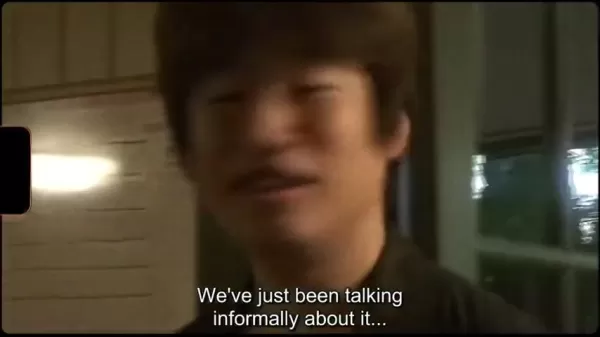
Hayao Miyazaki, an iconic figure in animation, has voiced profound skepticism about AI's place in the artistic realm. He has described AI-generated animation as 'an insult to life itself,' pointing to its fundamental lack of empathy and human connection. For Miyazaki, authentic art must reflect the struggles, passions, and experiences that define our humanity—qualities he believes are beyond the reach of any algorithm.
Miyazaki’s heartfelt criticism gets to the essence of the debate: does art require more than just technical mastery? Is a deeper, emotional dimension, exclusive to human creators, essential? His stance emphasizes that animation should be regarded not just as a technical craft, but as a profound medium for human storytelling and emotional communication.
SEO Keywords: Hayao Miyazaki, AI critique, animation ethics, art and emotion, human touch, Miyazaki quote, animation debate, AI in art, animation industry, artistic integrity
The Emotional Emptiness of AI-Generated Art
A dominant criticism of AI art is its frequent lack of authentic emotional substance.
Although AI can produce visually striking images and smooth animations, it often fails to instill them with genuine, relatable emotion. The algorithmic nature of AI tends to yield work that feels polished yet sterile, missing the subtle nuances and deep layers of meaning found in art born from human experience.
This absence of true emotional value can significantly weaken the artwork's power to connect with an audience. Viewers might admire the technical proficiency on display, but they are far less likely to experience a profound, personal response. At its core, powerful art evokes empathy, prompts reflection, and can inspire change. Is it possible for AI to deliver such a transformative impact without the guiding hand of human feeling?
SEO Keywords: emotional emptiness, AI art, art and technology, algorithmic art, human emotion, lack of empathy, artistic resonance, art impact, art criticism, emotional value
Leveraging AI as a Tool: Enhancing, Not Replacing, Human Artistry
AI as a Supportive Tool for Animators
Despite valid concerns, AI holds genuine promise as an assistant for animators. It can take over repetitive and time-consuming tasks, such as generating in-between frames or producing basic background animations. This automation allows human artists to concentrate their efforts on the more innovative and emotionally charged parts of the creative process. By delegating routine work to AI, artists can invest more time and energy into the core elements of storytelling: developing compelling characters, designing evocative scenes, and conveying authentic emotion.
SEO Keywords: AI as tool, animation software, AI assistance, animator workflow, automation, creative process, art technology, digital art tools, animator aid, AI enhancement
The Importance of Human Oversight and Artistic Vision
The successful adoption of AI in animation hinges on maintaining strong human guidance and a clear artistic direction. AI should be seen as an instrument that expands the capabilities of human animators, not as their substitute. When the computational power of AI is combined with the creative intuition and emotional intelligence of human artists, the result can be animation that is both technically impressive and deeply moving.
Cultivating an environment of creative partnership is also vital. Animators should feel empowered to explore AI tools and integrate them into their personal workflows in a manner that strengthens their artistic voice. This human-centric approach ensures that the soul of the animation remains intact, even as AI technology advances.
SEO Keywords: human oversight, artistic vision, AI collaboration, animation culture, creative workflow, AI integration, human-AI partnership, artistic expression, animator roles, ethical AI use
AI in Animation: Weighing the Benefits and Drawbacks
Pros
Faster production timelines and greater overall efficiency.
Significant reduction in production costs.
Automation of monotonous tasks, allowing artists to focus on creative challenges.
The capability to create intricate visual effects and complex animations.
Cons
A frequent lack of emotional depth and the distinctive touch of a human artist.
Risk of artistic styles becoming homogenized, leading to a loss of individuality.
Worries about the potential displacement of jobs for traditional animators.
Complex ethical and legal issues regarding copyright and ownership of AI-created works.
Frequently Asked Questions about AI and Creativity
Can AI truly be creative?
This remains a deeply philosophical question. AI can produce original combinations and variations based on its training data, but whether this amounts to true creativity is debated. AI systems lack self-awareness, personal emotions, and lived experiences, which are often the wellspring of human creative acts.
Will AI replace human artists?
A complete replacement is considered unlikely. AI is most effectively used as a powerful assistant that handles routine work, provides new starting points, and enhances an artist's own creative abilities. The uniquely human capacities for emotional insight, personal interpretation, and visionary thinking continue to be fundamental to creating art that resonates.
What skills will be important for artists in the age of AI?
In addition to core technical abilities, artists will benefit from strengthening their creative thinking, critical analysis, emotional intelligence, and adaptability. The ability to guide, refine, and infuse AI-generated material with human meaning and intent will become increasingly valuable.
How can artists embrace AI without compromising their artistic integrity?
Artists can adopt a mindset of collaboration with AI. By using it to expand their technical palette, experiment with new forms, and venture into creative areas they might not have explored otherwise, artists can enrich their practice while remaining faithful to their core artistic vision.
Additional Important Questions
How is AI currently being used in Studio Ghibli?
As highlighted in related discussions, Studio Ghibli is not currently utilizing AI in its official film productions. Hayao Miyazaki has been vocal about his concerns regarding the emotional hollowness of AI-generated animation. That said, it's possible that other animation studios are investigating AI for specific supportive tasks, like generating simple motion or background elements.
How can I protect my art from being used to train AI models?
Safeguarding your artwork from being used to train AI is a complex and evolving challenge with no universal solution. Some artists are using more prominent digital watermarks or exploring technical methods to disrupt automated data scraping. Others are actively supporting movements for updated copyright legislation to better protect creators' rights in the digital age. Staying informed about available protective strategies is a key step.
What is the difference between AI art and traditional art?
AI art is produced by algorithms analyzing vast datasets, whereas traditional art is a direct creation of a human artist using physical or digital tools. AI art originates from pattern recognition and lacks the personal history, intentional emotion, and conscious purpose that drive human-made art. Traditional art is inherently an extension of the artist's individual perspective and inner world.
Related article
 Inside Details Exposed About Next-Gen Gemini: Strained Computing Power, Internal Teams Disagreed on Development Priorities and Resource Allocation
Reports indicate that the launch of Google’s highly anticipated next-generation Gemini model has been pushed back. Internal disagreements over development priorities and resource allocation, combined with limited computing capacity and complex approv
OpenAI Dismisses Growth Slowdown Concerns, Says Multiple Business Units Accelerating
In response to external scrutiny regarding decelerating sales growth and missed internal benchmarks, AI leader OpenAI issued a confident statement on Tuesday, April 28. The company clarified that its consumer products and enterprise services are adva
Alibaba Super Cup: Qwen3.8-Max Debuts with Boosted Coding and Office Tools
Alibaba has officially unveiled Qwen3.8-Max, a next-generation foundation large model boasting 2.4 trillion parameters. This significant AI advancement delivers substantial performance gains in core areas like coding and professional office tasks, sh
Related Special Topic Recommendations
Music composition
Inside Details Exposed About Next-Gen Gemini: Strained Computing Power, Internal Teams Disagreed on Development Priorities and Resource Allocation
Reports indicate that the launch of Google’s highly anticipated next-generation Gemini model has been pushed back. Internal disagreements over development priorities and resource allocation, combined with limited computing capacity and complex approv
OpenAI Dismisses Growth Slowdown Concerns, Says Multiple Business Units Accelerating
In response to external scrutiny regarding decelerating sales growth and missed internal benchmarks, AI leader OpenAI issued a confident statement on Tuesday, April 28. The company clarified that its consumer products and enterprise services are adva
Alibaba Super Cup: Qwen3.8-Max Debuts with Boosted Coding and Office Tools
Alibaba has officially unveiled Qwen3.8-Max, a next-generation foundation large model boasting 2.4 trillion parameters. This significant AI advancement delivers substantial performance gains in core areas like coding and professional office tasks, sh
Related Special Topic Recommendations
Music composition
 Best AI Melody Writing Tools for Song Drafts
2026 Latest Best Top-Rated AI Melody Writing Tools for Song Drafts! XIX.AI has curated a highly powerful game-changing collection that goes through rigorous real-world tests to deliver the best writing experience. You can find detailed free vs paid comparisons, accurate rankings, and must-try options designed to help you create stunning song drafts effortlessly and boost your creative productivity significantly. Explore now to discover your perfect tool!
 8 tools
 xix.ai
chatbot
Best AI Conversation Trainer Tools for Interview Practice
xix.ai
chatbot
Best AI Conversation Trainer Tools for Interview Practice
2026 Latest Best Top-rated AI Conversation Trainer Tools for Interview Practice are here on XIX.AI! This curated collection features powerful, game-changing tools that go through rigorous real-world tests to deliver accurate feedback. You’ll find a free vs paid comparison and detailed rankings to help you choose the must-try option that boosts your confidence and skills. Explore now to Discover your perfect tool for interview success!
12 tools
xix.ai
Design & Art
Best AI Style Transfer Tools for Creative Experiments
2026 Latest Best Top-rated AI Style Transfer Tools for Creative Experiments! XIX.AI has curated a powerful, game-changing collection of must-try tools that deliver exceptional results through real-world tests and rigorous rankings. These top solutions help creatives boost productivity significantly by accelerating content creation and unlocking endless creative possibilities. Explore now to discover your perfect tool and start creating today!
9 tools
xix.ai
Comic Creation
Best AI Dialogue Bubble Tools for Visual Storytelling
2026 Latest Best Top-Rated AI Dialogue Bubble Tools for Visual Storytelling are here on XIX.AI! This curated collection features powerful, game-changing tools that help creators boost productivity and overcome creative bottlenecks. Get a free vs paid comparison, see real-world tests, and check the latest rankings to find the must-try solutions perfect for crafting engaging visual narratives. Explore now to discover your ideal tool!
10 tools
xix.ai
Meeting Assistant
Top AI Meeting Summary Tools: Track Decisions and Follow-Ups Clearly
2026 Latest Top-Rated Best AI Meeting Summary Tools for Clear Decision Tracking and Effortless Follow-Ups. This curated list showcases powerful, game-changing solutions that boost productivity dramatically by automating meeting notes, identifying key action items, and streamlining team coordination across all projects. Get a free vs paid comparison along with real-world tests and weekly updated rankings to help you find the perfect tool. Explore now to unlock your AI edge!
9 tools
xix.ai
Data Analysis
Best AI Data Cleaning Tools: Fix Missing Values and Duplicates Fast
2026 Latest Best Top-rated AI Data Cleaning Tools for quick fixing of missing values and duplicates. This curated list showcases powerful, game-changing solutions that boost productivity significantly. Each option has undergone rigorous real-world tests to ensure reliability. Get a free vs paid comparison and discover the must-try tool that fits your needs best. Explore now at XIX.AI to Unlock your AI edge.
11 tools
xix.ai

 Comments (1)
0/500
Comments (1)
0/500
![JasonAnderson]()
Als Hobby-Animator finde ich die Diskussion über KI vs. menschliche Kreativität echt spannend. Klar, KI kann repetitive Aufgaben übernehmen, aber wird sie jemals diese emotionale Tiefe erreichen, die menschliche Geschichten ausmacht? Ich hoffe, dass 2025 mehr Kooperation als Konkurrenz bringt. 🤔
The rise of artificial intelligence is transforming industries like art and animation, bringing both opportunities and challenges. AI offers remarkable speed and efficiency, but its ability to truly emulate human creativity is a subject of intense debate. This article examines the ongoing dialogue between AI-driven animation and the irreplaceable human touch, questioning whether algorithms can ever capture the emotional depth and creative struggle inherent to human expression. Can a machine genuinely understand and convey the complexities of human feeling, hardship, and beauty?
Key Points
The significant difference in time and dedication required for traditional animation versus AI-generated content.
Hayao Miyazaki's viewpoint on the limitations of AI and its perceived emotional void.
The central question: Is AI capable of replicating authentic human creativity and emotional expression?
AI's primary role is to augment and support human artists, not to replace them.
The indispensable value of human emotion and individual personality in creating resonant and meaningful artwork.
The Rapid Evolution of Animation: AI vs. Traditional
The Immense Effort Behind Traditional Animation
Traditional animation, as practiced by masters like Hayao Miyazaki and Studio Ghibli, is a labor of love and extreme dedication.
A mere four-second sequence can demand months of meticulous work, involving countless hours and sleepless nights from teams of skilled animators. Every single frame is crafted by hand, embedding the animation with a richness of detail and emotional weight that is incredibly difficult to replicate. This process transcends technical execution; it is about channeling the artist's spirit into the creation.
The extraordinary commitment involved underscores the profound human connection that defines great art. The traditional animation pipeline is deeply reliant on the unique talent and creative vision of individual artists, making each frame a distinct testament to human skill and feeling.
SEO Keywords: traditional animation, Hayao Miyazaki, Studio Ghibli, hand-drawn animation, animation process, animation pipeline, art, emotional depth, artistic talent
The Speed and Efficiency of AI Animation
AI animation operates at a dramatically different pace, producing content in a fraction of the time.
A ten-second animation that might take a team of traditional animators weeks to complete can be generated by AI in a matter of minutes. This level of efficiency is highly appealing for production studios aiming to reduce expenses and accelerate output.
However, this speed often comes with a compromise. While AI can successfully imitate specific artistic styles and techniques, it frequently falls short in delivering the emotional resonance and unique creative perspective that characterize art made by humans. This leads to a crucial consideration: Are the benefits of speed and cost-effectiveness worth the potential loss of artistic soul?
SEO Keywords: AI animation, AI-generated content, animation speed, animation efficiency, cost reduction, AI limitations, art and technology, digital art, fast animation, creative automation
The Heart of the Matter: Human Emotion vs. Algorithmic Precision
Hayao Miyazaki's Critique of AI Animation
Hayao Miyazaki, an iconic figure in animation, has voiced profound skepticism about AI's place in the artistic realm. He has described AI-generated animation as 'an insult to life itself,' pointing to its fundamental lack of empathy and human connection. For Miyazaki, authentic art must reflect the struggles, passions, and experiences that define our humanity—qualities he believes are beyond the reach of any algorithm.
Miyazaki’s heartfelt criticism gets to the essence of the debate: does art require more than just technical mastery? Is a deeper, emotional dimension, exclusive to human creators, essential? His stance emphasizes that animation should be regarded not just as a technical craft, but as a profound medium for human storytelling and emotional communication.
SEO Keywords: Hayao Miyazaki, AI critique, animation ethics, art and emotion, human touch, Miyazaki quote, animation debate, AI in art, animation industry, artistic integrity
The Emotional Emptiness of AI-Generated Art
A dominant criticism of AI art is its frequent lack of authentic emotional substance.
Although AI can produce visually striking images and smooth animations, it often fails to instill them with genuine, relatable emotion. The algorithmic nature of AI tends to yield work that feels polished yet sterile, missing the subtle nuances and deep layers of meaning found in art born from human experience.
This absence of true emotional value can significantly weaken the artwork's power to connect with an audience. Viewers might admire the technical proficiency on display, but they are far less likely to experience a profound, personal response. At its core, powerful art evokes empathy, prompts reflection, and can inspire change. Is it possible for AI to deliver such a transformative impact without the guiding hand of human feeling?
SEO Keywords: emotional emptiness, AI art, art and technology, algorithmic art, human emotion, lack of empathy, artistic resonance, art impact, art criticism, emotional value
Leveraging AI as a Tool: Enhancing, Not Replacing, Human Artistry
AI as a Supportive Tool for Animators
Despite valid concerns, AI holds genuine promise as an assistant for animators. It can take over repetitive and time-consuming tasks, such as generating in-between frames or producing basic background animations. This automation allows human artists to concentrate their efforts on the more innovative and emotionally charged parts of the creative process. By delegating routine work to AI, artists can invest more time and energy into the core elements of storytelling: developing compelling characters, designing evocative scenes, and conveying authentic emotion.
SEO Keywords: AI as tool, animation software, AI assistance, animator workflow, automation, creative process, art technology, digital art tools, animator aid, AI enhancement
The Importance of Human Oversight and Artistic Vision
The successful adoption of AI in animation hinges on maintaining strong human guidance and a clear artistic direction. AI should be seen as an instrument that expands the capabilities of human animators, not as their substitute. When the computational power of AI is combined with the creative intuition and emotional intelligence of human artists, the result can be animation that is both technically impressive and deeply moving.
Cultivating an environment of creative partnership is also vital. Animators should feel empowered to explore AI tools and integrate them into their personal workflows in a manner that strengthens their artistic voice. This human-centric approach ensures that the soul of the animation remains intact, even as AI technology advances.
SEO Keywords: human oversight, artistic vision, AI collaboration, animation culture, creative workflow, AI integration, human-AI partnership, artistic expression, animator roles, ethical AI use
AI in Animation: Weighing the Benefits and Drawbacks
Pros
Faster production timelines and greater overall efficiency.
Significant reduction in production costs.
Automation of monotonous tasks, allowing artists to focus on creative challenges.
The capability to create intricate visual effects and complex animations.
Cons
A frequent lack of emotional depth and the distinctive touch of a human artist.
Risk of artistic styles becoming homogenized, leading to a loss of individuality.
Worries about the potential displacement of jobs for traditional animators.
Complex ethical and legal issues regarding copyright and ownership of AI-created works.
Frequently Asked Questions about AI and Creativity
Can AI truly be creative?
This remains a deeply philosophical question. AI can produce original combinations and variations based on its training data, but whether this amounts to true creativity is debated. AI systems lack self-awareness, personal emotions, and lived experiences, which are often the wellspring of human creative acts.
Will AI replace human artists?
A complete replacement is considered unlikely. AI is most effectively used as a powerful assistant that handles routine work, provides new starting points, and enhances an artist's own creative abilities. The uniquely human capacities for emotional insight, personal interpretation, and visionary thinking continue to be fundamental to creating art that resonates.
What skills will be important for artists in the age of AI?
In addition to core technical abilities, artists will benefit from strengthening their creative thinking, critical analysis, emotional intelligence, and adaptability. The ability to guide, refine, and infuse AI-generated material with human meaning and intent will become increasingly valuable.
How can artists embrace AI without compromising their artistic integrity?
Artists can adopt a mindset of collaboration with AI. By using it to expand their technical palette, experiment with new forms, and venture into creative areas they might not have explored otherwise, artists can enrich their practice while remaining faithful to their core artistic vision.
Additional Important Questions
How is AI currently being used in Studio Ghibli?
As highlighted in related discussions, Studio Ghibli is not currently utilizing AI in its official film productions. Hayao Miyazaki has been vocal about his concerns regarding the emotional hollowness of AI-generated animation. That said, it's possible that other animation studios are investigating AI for specific supportive tasks, like generating simple motion or background elements.
How can I protect my art from being used to train AI models?
Safeguarding your artwork from being used to train AI is a complex and evolving challenge with no universal solution. Some artists are using more prominent digital watermarks or exploring technical methods to disrupt automated data scraping. Others are actively supporting movements for updated copyright legislation to better protect creators' rights in the digital age. Staying informed about available protective strategies is a key step.
What is the difference between AI art and traditional art?
AI art is produced by algorithms analyzing vast datasets, whereas traditional art is a direct creation of a human artist using physical or digital tools. AI art originates from pattern recognition and lacks the personal history, intentional emotion, and conscious purpose that drive human-made art. Traditional art is inherently an extension of the artist's individual perspective and inner world.








 Inside Details Exposed About Next-Gen Gemini: Strained Computing Power, Internal Teams Disagreed on Development Priorities and Resource Allocation
Reports indicate that the launch of Google’s highly anticipated next-generation Gemini model has been pushed back. Internal disagreements over development priorities and resource allocation, combined with limited computing capacity and complex approv
Inside Details Exposed About Next-Gen Gemini: Strained Computing Power, Internal Teams Disagreed on Development Priorities and Resource Allocation
Reports indicate that the launch of Google’s highly anticipated next-generation Gemini model has been pushed back. Internal disagreements over development priorities and resource allocation, combined with limited computing capacity and complex approv
 OpenAI Dismisses Growth Slowdown Concerns, Says Multiple Business Units Accelerating
In response to external scrutiny regarding decelerating sales growth and missed internal benchmarks, AI leader OpenAI issued a confident statement on Tuesday, April 28. The company clarified that its consumer products and enterprise services are adva
OpenAI Dismisses Growth Slowdown Concerns, Says Multiple Business Units Accelerating
In response to external scrutiny regarding decelerating sales growth and missed internal benchmarks, AI leader OpenAI issued a confident statement on Tuesday, April 28. The company clarified that its consumer products and enterprise services are adva
 Alibaba Super Cup: Qwen3.8-Max Debuts with Boosted Coding and Office Tools
Alibaba has officially unveiled Qwen3.8-Max, a next-generation foundation large model boasting 2.4 trillion parameters. This significant AI advancement delivers substantial performance gains in core areas like coding and professional office tasks, sh
Alibaba Super Cup: Qwen3.8-Max Debuts with Boosted Coding and Office Tools
Alibaba has officially unveiled Qwen3.8-Max, a next-generation foundation large model boasting 2.4 trillion parameters. This significant AI advancement delivers substantial performance gains in core areas like coding and professional office tasks, sh

2026 Latest Best Top-Rated AI Melody Writing Tools for Song Drafts! XIX.AI has curated a highly powerful game-changing collection that goes through rigorous real-world tests to deliver the best writing experience. You can find detailed free vs paid comparisons, accurate rankings, and must-try options designed to help you create stunning song drafts effortlessly and boost your creative productivity significantly. Explore now to discover your perfect tool!
8 tools
xix.ai
2026 Latest Best Top-rated AI Conversation Trainer Tools for Interview Practice are here on XIX.AI! This curated collection features powerful, game-changing tools that go through rigorous real-world tests to deliver accurate feedback. You’ll find a free vs paid comparison and detailed rankings to help you choose the must-try option that boosts your confidence and skills. Explore now to Discover your perfect tool for interview success!
12 tools
xix.ai

2026 Latest Best Top-rated AI Style Transfer Tools for Creative Experiments! XIX.AI has curated a powerful, game-changing collection of must-try tools that deliver exceptional results through real-world tests and rigorous rankings. These top solutions help creatives boost productivity significantly by accelerating content creation and unlocking endless creative possibilities. Explore now to discover your perfect tool and start creating today!
9 tools
xix.ai
2026 Latest Best Top-Rated AI Dialogue Bubble Tools for Visual Storytelling are here on XIX.AI! This curated collection features powerful, game-changing tools that help creators boost productivity and overcome creative bottlenecks. Get a free vs paid comparison, see real-world tests, and check the latest rankings to find the must-try solutions perfect for crafting engaging visual narratives. Explore now to discover your ideal tool!
10 tools
xix.ai

2026 Latest Top-Rated Best AI Meeting Summary Tools for Clear Decision Tracking and Effortless Follow-Ups. This curated list showcases powerful, game-changing solutions that boost productivity dramatically by automating meeting notes, identifying key action items, and streamlining team coordination across all projects. Get a free vs paid comparison along with real-world tests and weekly updated rankings to help you find the perfect tool. Explore now to unlock your AI edge!
9 tools
xix.ai
2026 Latest Best Top-rated AI Data Cleaning Tools for quick fixing of missing values and duplicates. This curated list showcases powerful, game-changing solutions that boost productivity significantly. Each option has undergone rigorous real-world tests to ensure reliability. Get a free vs paid comparison and discover the must-try tool that fits your needs best. Explore now at XIX.AI to Unlock your AI edge.
11 tools
xix.ai

Als Hobby-Animator finde ich die Diskussion über KI vs. menschliche Kreativität echt spannend. Klar, KI kann repetitive Aufgaben übernehmen, aber wird sie jemals diese emotionale Tiefe erreichen, die menschliche Geschichten ausmacht? Ich hoffe, dass 2025 mehr Kooperation als Konkurrenz bringt. 🤔












