


 Home
HomeAI-Generated Drake Tracks Spark Debate on Ethics and Music Evolution
The music industry is in a constant state of flux, with AI-generated music standing as its latest frontier. This article delves into the world of AI-created Drake songs, examining their sudden popularity, the ethical questions they raise, and how both fans and the industry are responding. Is this a preview of music's future, or does it cross an ethical line? We'll explore every angle of this intriguing and divisive subject.
Key Points
The emergence and widespread appeal of AI-generated Drake songs.
The ethical challenges posed by AI music and copyright law.
Responses from the music industry and the associated legal landscape.
Notable examples of AI-generated Drake tracks and how they were received.
The potential long-term impact of AI on music production and artistic expression.
The Rise of AI-Generated Drake Songs
How AI Is Revolutionizing Music Creation
Artificial intelligence has moved beyond science fiction to become a powerful force transforming numerous fields, including music. Modern AI tools can deconstruct musical styles, patterns, and vocal subtleties to produce tracks that closely imitate specific artists.
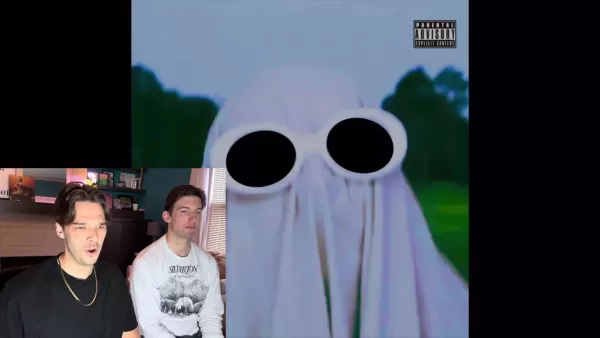
These algorithms are capable of generating original melodies, harmonies, and lyrics, creating new possibilities for music production. This technology empowers both hobbyists and professionals to experiment and compose in ways that were once impossible. The growing accessibility and potential of these tools have fueled a boom in AI-generated music, igniting both enthusiasm and controversy across the industry.
A particularly notable development is the creation of AI-generated songs in the style of major artists. By training on huge datasets of existing music, AI can learn to emulate the distinctive sounds of iconic performers. This has led to a wave of AI-generated tracks from various artists, giving fans new music that feels familiar. The relative ease of producing these songs has resulted in a proliferation of such content on platforms like YouTube and SoundCloud.
The Appeal of AI Drake: Why Are These Songs So Popular?
Drake, as one of the most impactful and successful contemporary artists, has naturally become a focal point for AI-generated music. The popularity of AI Drake songs can be attributed to several key factors:
- Familiarity: Fans always want more music from their favorite artists, and AI Drake tracks offer a way to meet that demand, even if the songs aren't officially from him.
- Novelty: There's a natural fascination in hearing what an AI can produce when mimicking a beloved artist's style, sparking widespread curiosity.
- Accessibility: This type of music is easily found and shared on various online platforms.
- Community: The process of creating and sharing AI music often builds communities of enthusiasts who are excited to explore this new creative territory.
Certain AI-generated Drake songs have achieved remarkable success. For instance, the track “Heart on My Sleeve” by Ghostwriter, while not an official release, accumulated millions of streams and views, demonstrating a significant public appetite for this novel form of entertainment.
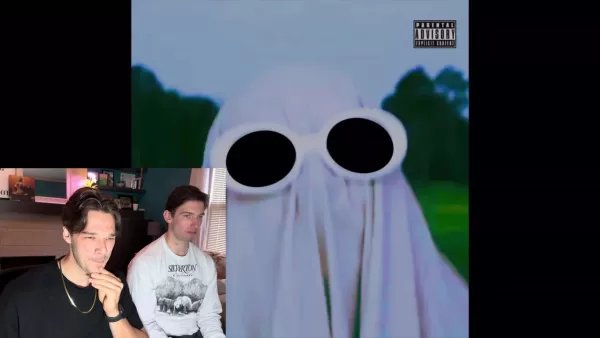
This example shows that AI can now produce music so convincingly that it challenges our ability to distinguish between what is artificial and what is authentic.
Ethical and Legal Quagmire
Copyright Conundrums: Who Owns AI Music?
The rise of AI-generated music introduces complex copyright dilemmas. The issue of ownership becomes especially difficult when AI is used to imitate the style of a living artist. Legal experts are currently wrestling with questions such as:
- Who holds the copyright to an AI-generated Drake song? Is it the AI's developer, the user who trained the model, or the original artist whose style was copied?
- Could AI-generated music be classified as a derivative work? If so, does it infringe on the original artist's copyright?
- How do existing copyright laws, which were written to protect human creators, apply to content generated by non-human intelligence?
Present copyright frameworks are built around the concept of human creativity and authorship. Adapting these laws to cover AI-generated content forces a re-evaluation of what it means to be an author and an owner. Some propose that AI music should belong to the public domain, while others call for stronger regulations to safeguard the rights of human artists.
Artistic Integrity vs. AI Imitation: A Debate
Beyond legalities, a deeper conversation is taking place regarding the artistic integrity of AI-generated music. Critics contend that AI music is purely imitative, lacking the genuine inspiration of a human artist. The central debate revolves around whether AI is capable of true artistic creation or if it is simply recycling and recombining existing patterns. This discussion is ongoing, leaving the future of artistic boundaries uncertain.
The Pros and Cons of AI-Generated Music
Pros
Democratizes access to music creation tools
Opens doors for innovative and experimental soundscapes
Automates routine production work, allowing artists to focus on creativity
Enables personalized music experiences designed for individual tastes
Cons
Raises serious ethical questions about copyright and ownership
Could potentially displace jobs for human musicians
Risks undermining the value of human creativity and expression
Spurs concerns about the authenticity and emotional resonance of AI-created music
Frequently Asked Questions
What is AI-generated music?
AI-generated music is composed using artificial intelligence software. These programs can generate musical arrangements, write lyrics, and even replicate the signature styles of famous musicians.
Are AI-generated songs copyrighted?
The copyright eligibility for AI-generated songs is a legally ambiguous area. Since current copyright law is designed for human-authored works, it's unclear if AI-generated content can be protected.
Can AI music replace human musicians?
Whether AI music can fully replace human musicians is a topic of ongoing discussion. While AI can handle many technical aspects of production, it may lack the nuanced emotion and original creative spark that human artists contribute.
Related Questions
What are the potential benefits of AI in music production?
Artificial intelligence promises several advantages for music production: Enhanced Efficiency: AI can take over repetitive tasks, allowing musicians to dedicate more time to creative exploration.Democratization: It lowers the barrier to entry, enabling people without extensive training to create music.Innovation: AI can suggest unique melodic and harmonic combinations, fostering new creative directions.Personalization: It can analyze individual listening habits to craft customized music experiences. These potential benefits suggest AI could become a powerful tool for both creating music and enhancing how we enjoy it.
Related article
 Anthropic Expands Claude AI Coding Tools to Japan in Push for Overseas Growth
Anthropic, a prominent U.S. artificial intelligence firm, is intensifying its global outreach. On Wednesday, the company hosted a major developer gathering, "Code with Claude," in Tokyo, drawing close to 500 software engineers. This initiative seeks
India’s Software Giant Cuts Hiring, Promises No Layoffs as AI Agents Scale Up
As artificial intelligence reshapes traditional labor-intensive business models, Tata Consultancy Services (TCS), a premier Indian software outsourcing firm, has unveiled its strategic response. During Tuesday’s annual general meeting, the chairman o
China Locks AI Models During Gaokam to Block Instant Homework Help
With the 2026 Gaokao fast approaching, rumors regarding the suspension of AI tools during the exam period have ignited intense online debate. In response to public concern, major AI platforms and educational apps have clarified their stance: rather t
Related Special Topic Recommendations
Design & Art
Anthropic Expands Claude AI Coding Tools to Japan in Push for Overseas Growth
Anthropic, a prominent U.S. artificial intelligence firm, is intensifying its global outreach. On Wednesday, the company hosted a major developer gathering, "Code with Claude," in Tokyo, drawing close to 500 software engineers. This initiative seeks
India’s Software Giant Cuts Hiring, Promises No Layoffs as AI Agents Scale Up
As artificial intelligence reshapes traditional labor-intensive business models, Tata Consultancy Services (TCS), a premier Indian software outsourcing firm, has unveiled its strategic response. During Tuesday’s annual general meeting, the chairman o
China Locks AI Models During Gaokam to Block Instant Homework Help
With the 2026 Gaokao fast approaching, rumors regarding the suspension of AI tools during the exam period have ignited intense online debate. In response to public concern, major AI platforms and educational apps have clarified their stance: rather t
Related Special Topic Recommendations
Design & Art
 Best AI Style Transfer Tools for Creative Experiments
2026 Latest Best Top-rated AI Style Transfer Tools for Creative Experiments! XIX.AI has curated a powerful, game-changing collection of must-try tools that deliver exceptional results through real-world tests and rigorous rankings. These top solutions help creatives boost productivity significantly by accelerating content creation and unlocking endless creative possibilities. Explore now to discover your perfect tool and start creating today!
 9 tools
 xix.ai
Comic Creation
Best AI Dialogue Bubble Tools for Visual Storytelling
xix.ai
Comic Creation
Best AI Dialogue Bubble Tools for Visual Storytelling
2026 Latest Best Top-Rated AI Dialogue Bubble Tools for Visual Storytelling are here on XIX.AI! This curated collection features powerful, game-changing tools that help creators boost productivity and overcome creative bottlenecks. Get a free vs paid comparison, see real-world tests, and check the latest rankings to find the must-try solutions perfect for crafting engaging visual narratives. Explore now to discover your ideal tool!
10 tools
xix.ai
Meeting Assistant
Top AI Meeting Summary Tools: Track Decisions and Follow-Ups Clearly
2026 Latest Top-Rated Best AI Meeting Summary Tools for Clear Decision Tracking and Effortless Follow-Ups. This curated list showcases powerful, game-changing solutions that boost productivity dramatically by automating meeting notes, identifying key action items, and streamlining team coordination across all projects. Get a free vs paid comparison along with real-world tests and weekly updated rankings to help you find the perfect tool. Explore now to unlock your AI edge!
9 tools
xix.ai
Data Analysis
Best AI Data Cleaning Tools: Fix Missing Values and Duplicates Fast
2026 Latest Best Top-rated AI Data Cleaning Tools for quick fixing of missing values and duplicates. This curated list showcases powerful, game-changing solutions that boost productivity significantly. Each option has undergone rigorous real-world tests to ensure reliability. Get a free vs paid comparison and discover the must-try tool that fits your needs best. Explore now at XIX.AI to Unlock your AI edge.
11 tools
xix.ai
Design & Art
Best AI Creative Ideation Tools for Artists: Break Through Visual Blocks
2026 Latest Best Top-Rated AI Creative Ideation Tools for Artists are curated by XIX.AI to help creators break through visual blocks and boost creativity instantly. These powerful game-changing tools offer real-world tests, detailed free vs paid comparison, and weekly updated rankings. Discover your perfect tool to accelerate content creation and unlock your AI edge today. Explore now!
14 tools
xix.ai
Music composition
AI Beat Makers for TikTok Background Tracks, Reels Audio, and Creator Promo Music
2026 Latest Best AI Beat Makers for TikTok Background Tracks, Reels Audio, and Creator Promo Music! XIX.AI has curated a top-rated list of powerful game-changing tools that go through real-world tests to deliver flawless music for every content need. You’ll find detailed free vs paid comparison data, weekly updated rankings, and must-try options to help you boost creativity and productivity. Explore now to discover your perfect tool!
11 tools
xix.ai

 Comments (0)
0/500
Comments (0)
0/500
The music industry is in a constant state of flux, with AI-generated music standing as its latest frontier. This article delves into the world of AI-created Drake songs, examining their sudden popularity, the ethical questions they raise, and how both fans and the industry are responding. Is this a preview of music's future, or does it cross an ethical line? We'll explore every angle of this intriguing and divisive subject.
Key Points
The emergence and widespread appeal of AI-generated Drake songs.
The ethical challenges posed by AI music and copyright law.
Responses from the music industry and the associated legal landscape.
Notable examples of AI-generated Drake tracks and how they were received.
The potential long-term impact of AI on music production and artistic expression.
The Rise of AI-Generated Drake Songs
How AI Is Revolutionizing Music Creation
Artificial intelligence has moved beyond science fiction to become a powerful force transforming numerous fields, including music. Modern AI tools can deconstruct musical styles, patterns, and vocal subtleties to produce tracks that closely imitate specific artists.
These algorithms are capable of generating original melodies, harmonies, and lyrics, creating new possibilities for music production. This technology empowers both hobbyists and professionals to experiment and compose in ways that were once impossible. The growing accessibility and potential of these tools have fueled a boom in AI-generated music, igniting both enthusiasm and controversy across the industry.
A particularly notable development is the creation of AI-generated songs in the style of major artists. By training on huge datasets of existing music, AI can learn to emulate the distinctive sounds of iconic performers. This has led to a wave of AI-generated tracks from various artists, giving fans new music that feels familiar. The relative ease of producing these songs has resulted in a proliferation of such content on platforms like YouTube and SoundCloud.
The Appeal of AI Drake: Why Are These Songs So Popular?
Drake, as one of the most impactful and successful contemporary artists, has naturally become a focal point for AI-generated music. The popularity of AI Drake songs can be attributed to several key factors:
- Familiarity: Fans always want more music from their favorite artists, and AI Drake tracks offer a way to meet that demand, even if the songs aren't officially from him.
- Novelty: There's a natural fascination in hearing what an AI can produce when mimicking a beloved artist's style, sparking widespread curiosity.
- Accessibility: This type of music is easily found and shared on various online platforms.
- Community: The process of creating and sharing AI music often builds communities of enthusiasts who are excited to explore this new creative territory.
Certain AI-generated Drake songs have achieved remarkable success. For instance, the track “Heart on My Sleeve” by Ghostwriter, while not an official release, accumulated millions of streams and views, demonstrating a significant public appetite for this novel form of entertainment.
This example shows that AI can now produce music so convincingly that it challenges our ability to distinguish between what is artificial and what is authentic.
Ethical and Legal Quagmire
Copyright Conundrums: Who Owns AI Music?
The rise of AI-generated music introduces complex copyright dilemmas. The issue of ownership becomes especially difficult when AI is used to imitate the style of a living artist. Legal experts are currently wrestling with questions such as:
- Who holds the copyright to an AI-generated Drake song? Is it the AI's developer, the user who trained the model, or the original artist whose style was copied?
- Could AI-generated music be classified as a derivative work? If so, does it infringe on the original artist's copyright?
- How do existing copyright laws, which were written to protect human creators, apply to content generated by non-human intelligence?
Present copyright frameworks are built around the concept of human creativity and authorship. Adapting these laws to cover AI-generated content forces a re-evaluation of what it means to be an author and an owner. Some propose that AI music should belong to the public domain, while others call for stronger regulations to safeguard the rights of human artists.
Artistic Integrity vs. AI Imitation: A Debate
Beyond legalities, a deeper conversation is taking place regarding the artistic integrity of AI-generated music. Critics contend that AI music is purely imitative, lacking the genuine inspiration of a human artist. The central debate revolves around whether AI is capable of true artistic creation or if it is simply recycling and recombining existing patterns. This discussion is ongoing, leaving the future of artistic boundaries uncertain.
The Pros and Cons of AI-Generated Music
Pros
Democratizes access to music creation tools
Opens doors for innovative and experimental soundscapes
Automates routine production work, allowing artists to focus on creativity
Enables personalized music experiences designed for individual tastes
Cons
Raises serious ethical questions about copyright and ownership
Could potentially displace jobs for human musicians
Risks undermining the value of human creativity and expression
Spurs concerns about the authenticity and emotional resonance of AI-created music
Frequently Asked Questions
What is AI-generated music?
AI-generated music is composed using artificial intelligence software. These programs can generate musical arrangements, write lyrics, and even replicate the signature styles of famous musicians.
Are AI-generated songs copyrighted?
The copyright eligibility for AI-generated songs is a legally ambiguous area. Since current copyright law is designed for human-authored works, it's unclear if AI-generated content can be protected.
Can AI music replace human musicians?
Whether AI music can fully replace human musicians is a topic of ongoing discussion. While AI can handle many technical aspects of production, it may lack the nuanced emotion and original creative spark that human artists contribute.
Related Questions
What are the potential benefits of AI in music production?
Artificial intelligence promises several advantages for music production: Enhanced Efficiency: AI can take over repetitive tasks, allowing musicians to dedicate more time to creative exploration.Democratization: It lowers the barrier to entry, enabling people without extensive training to create music.Innovation: AI can suggest unique melodic and harmonic combinations, fostering new creative directions.Personalization: It can analyze individual listening habits to craft customized music experiences. These potential benefits suggest AI could become a powerful tool for both creating music and enhancing how we enjoy it.








 Anthropic Expands Claude AI Coding Tools to Japan in Push for Overseas Growth
Anthropic, a prominent U.S. artificial intelligence firm, is intensifying its global outreach. On Wednesday, the company hosted a major developer gathering, "Code with Claude," in Tokyo, drawing close to 500 software engineers. This initiative seeks
Anthropic Expands Claude AI Coding Tools to Japan in Push for Overseas Growth
Anthropic, a prominent U.S. artificial intelligence firm, is intensifying its global outreach. On Wednesday, the company hosted a major developer gathering, "Code with Claude," in Tokyo, drawing close to 500 software engineers. This initiative seeks
 India’s Software Giant Cuts Hiring, Promises No Layoffs as AI Agents Scale Up
As artificial intelligence reshapes traditional labor-intensive business models, Tata Consultancy Services (TCS), a premier Indian software outsourcing firm, has unveiled its strategic response. During Tuesday’s annual general meeting, the chairman o
India’s Software Giant Cuts Hiring, Promises No Layoffs as AI Agents Scale Up
As artificial intelligence reshapes traditional labor-intensive business models, Tata Consultancy Services (TCS), a premier Indian software outsourcing firm, has unveiled its strategic response. During Tuesday’s annual general meeting, the chairman o
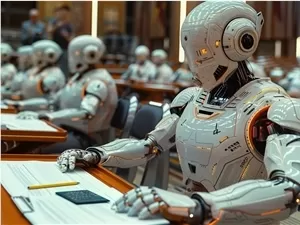 China Locks AI Models During Gaokam to Block Instant Homework Help
With the 2026 Gaokao fast approaching, rumors regarding the suspension of AI tools during the exam period have ignited intense online debate. In response to public concern, major AI platforms and educational apps have clarified their stance: rather t
China Locks AI Models During Gaokam to Block Instant Homework Help
With the 2026 Gaokao fast approaching, rumors regarding the suspension of AI tools during the exam period have ignited intense online debate. In response to public concern, major AI platforms and educational apps have clarified their stance: rather t

2026 Latest Best Top-rated AI Style Transfer Tools for Creative Experiments! XIX.AI has curated a powerful, game-changing collection of must-try tools that deliver exceptional results through real-world tests and rigorous rankings. These top solutions help creatives boost productivity significantly by accelerating content creation and unlocking endless creative possibilities. Explore now to discover your perfect tool and start creating today!
9 tools
xix.ai
2026 Latest Best Top-Rated AI Dialogue Bubble Tools for Visual Storytelling are here on XIX.AI! This curated collection features powerful, game-changing tools that help creators boost productivity and overcome creative bottlenecks. Get a free vs paid comparison, see real-world tests, and check the latest rankings to find the must-try solutions perfect for crafting engaging visual narratives. Explore now to discover your ideal tool!
10 tools
xix.ai
2026 Latest Top-Rated Best AI Meeting Summary Tools for Clear Decision Tracking and Effortless Follow-Ups. This curated list showcases powerful, game-changing solutions that boost productivity dramatically by automating meeting notes, identifying key action items, and streamlining team coordination across all projects. Get a free vs paid comparison along with real-world tests and weekly updated rankings to help you find the perfect tool. Explore now to unlock your AI edge!
9 tools
xix.ai
2026 Latest Best Top-rated AI Data Cleaning Tools for quick fixing of missing values and duplicates. This curated list showcases powerful, game-changing solutions that boost productivity significantly. Each option has undergone rigorous real-world tests to ensure reliability. Get a free vs paid comparison and discover the must-try tool that fits your needs best. Explore now at XIX.AI to Unlock your AI edge.
11 tools
xix.ai
2026 Latest Best Top-Rated AI Creative Ideation Tools for Artists are curated by XIX.AI to help creators break through visual blocks and boost creativity instantly. These powerful game-changing tools offer real-world tests, detailed free vs paid comparison, and weekly updated rankings. Discover your perfect tool to accelerate content creation and unlock your AI edge today. Explore now!
14 tools
xix.ai
2026 Latest Best AI Beat Makers for TikTok Background Tracks, Reels Audio, and Creator Promo Music! XIX.AI has curated a top-rated list of powerful game-changing tools that go through real-world tests to deliver flawless music for every content need. You’ll find detailed free vs paid comparison data, weekly updated rankings, and must-try options to help you boost creativity and productivity. Explore now to discover your perfect tool!
11 tools
xix.ai












