Home
HomeClaude vs. ChatGPT: Comparing AI Capabilities in Book Editing and Rewriting
AI is revolutionizing book editing in today's fast-paced literary world. This guide examines how Claude 3.5 Sonnet and ChatGPT 4.0 can enhance manuscript rewrites, offering insightful feedback, maintaining narrative flow, and adapting to evolving technologies. By mastering these AI platforms, writers can significantly elevate their work's quality while preserving their authentic voice.
Key Points
The newest AI models provide sophisticated manuscript analysis and improvement capabilities.
Writers receive nuanced critiques that strengthen narrative structure and consistency.
Maintaining continuity while updating information proves crucial for modern rewrites.
Effective AI collaboration requires systematic chapter reviews and targeted feedback.
Recognizing each tool's strengths and weaknesses leads to optimal outcomes.
The Role of AI in Modern Book Editing
Rewriting a Book with AI Assistance
Modernizing manuscripts presents significant challenges, particularly with outdated references or internal inconsistencies. Contemporary AI solutions streamline this process by analyzing content comprehensively and suggesting relevant updates.
The primary advantage lies in rapidly identifying and revising obsolete material, whether technological references, cultural norms, or historical context. Ensuring content remains accurate and current adds substantial value, particularly for nonfiction works.

These tools excel at detecting narrative inconsistencies - tracking character details, timeline issues, and plot holes that might escape human notice. Authors benefit from comprehensive discrepancy reports, allowing focused revision efforts.
Style consistency represents another major benefit. Advanced algorithms analyze existing prose to maintain voice and tone throughout new sections, seamlessly blending edits with original content while enhancing readability.
The key to successful implementation involves strategic collaboration rather than passive acceptance. Authors must establish clear objectives, provide specific guidelines, and judiciously evaluate recommendations to align with their creative vision.
Claude 3.5 Sonnet: A Detailed Examination
This AI model specializes in collaborative editing with sophisticated natural language understanding. Its capacity for nuanced interpretation makes it particularly valuable for stylistic refinement and thematic development.
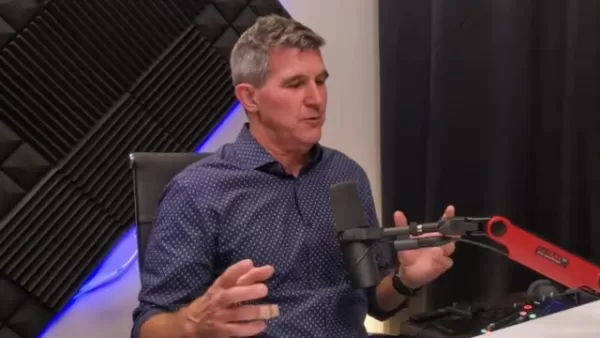
The platform identifies multiple improvement opportunities - suggesting alternative phrasing, highlighting logical gaps, and recommending narrative enhancements. Its contextual awareness ensures suggestions remain faithful to the author's intentions.
Optimal use involves systematic chapter evaluations with tailored instructions for each section. Authors should clarify desired outcomes before analysis and verify recommendations post-review to maintain creative control.
Beyond editing functionality, Claude assists with research verification, sourcing supporting materials, and exploring alternative perspectives - especially beneficial for fact-based works requiring extensive validation.
ChatGPT 4.0: An Alternate AI Editing Solution
OpenAI's latest model offers distinct advantages in creative development alongside editorial functionality. Its generative capabilities provide unique solutions for conceptual challenges writers face.
The system demonstrates particular strength in imaginative content generation - developing subplots, enriching characters, and composing passage alternatives. Fiction authors find these features helpful for overcoming creative blocks.
This creative potential requires careful oversight, as outputs may diverge from authorial intent. Regular evaluation ensures generated content maintains thematic consistency and stylistic appropriateness.

The model handles extensive manuscripts efficiently, identifying macro-level patterns, recurring motifs, and overarching narrative issues that micro-editing might miss. Whole-manuscript analysis provides valuable perspective.
Successful implementation involves precise prompting, explicit output requirements, and thorough human review. Remember - AI serves as creative catalyst rather than replacement for authorial judgment.
Strategies for Collaborative Editing with AI
Developing a Chapter-by-Chapter Methodology
Structured evaluation frameworks maximize AI effectiveness, particularly when analyzing manuscript segments systematically.
Begin by defining specific objectives for each chapter - thematic goals, character arcs, and narrative purposes provide AI with necessary context.
Supply detailed character profiles including biographical data, interpersonal dynamics, and motivational drivers. This ensures behavioral consistency throughout revisions.
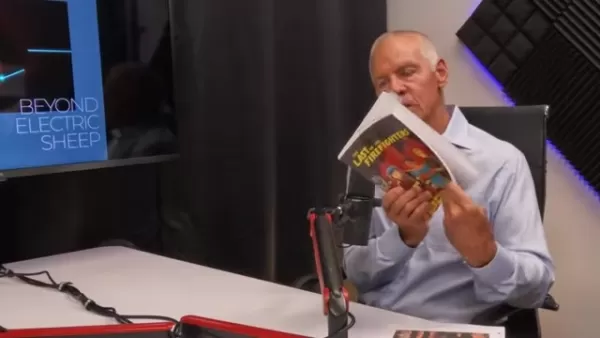
For technologically-influenced narratives, clarify scientific principles, invention parameters, and their plot implications. Verify technical accuracy while maintaining accessibility.
This segmented approach focuses AI analysis while preserving creative coherence across the complete work.
Addressing Limitations and Ensuring Accuracy
While AI delivers remarkable benefits, prudent authors recognize inherent constraints and implement verification protocols.
Generic output presents one challenge - counteract this tendency by providing distinctive stylistic examples and encouraging innovative solutions through iterative prompting.
Nuanced expression requires special attention, particularly humor, irony, and cultural references. Implement thorough reviews for linguistic subtlety that algorithms might misinterpret.
Factual verification remains essential - cross-check all data points against authoritative sources regardless of AI confidence levels. Consider subject matter expert consultation for specialized content.
Balancing AI efficiency with human discernment produces optimal results - leveraging strengths while mitigating weaknesses.
Harnessing the Power of Claude and ChatGPT: A Step-by-Step Guide
Step 1: Preparing Your Manuscript
Strategic preparation streamlines subsequent AI collaboration:
- Standardize document formatting using conventional word processor settings
- Segment content into discrete chapters for targeted analysis
- Perform initial quality passes to eliminate obvious errors
- Develop concise style guidelines covering voice preferences
- Identify priority revision areas needing particular attention
Step 2: Uploading and Prompting AI
Effective interaction requires methodical platform engagement:
Select appropriate platform based on identified needs
Submit documents observing technical specifications
Craft precise directives:
- 'Assess chapter continuity regarding character development'
- 'Recommend phrasing improvements maintaining academic tone'
- 'Verify period-appropriate technology descriptions'
Supplement with character dossiers detailing key attributes
Specify desired output format and analysis depth
Step 3: Evaluating and Integrating AI Suggestions
Judicious implementation preserves creative authority:
- Critically assess recommendations against authorial vision
- Validate factual claims through independent research
- Ensure stylistic changes maintain narrative authenticity
- Use suggestions as creative catalysts rather than mandates
- Supplement with professional editorial review where appropriate
Pricing Structure for AI Book Editing Tools
Understanding Claude and ChatGPT Cost Options
Budget planning requires clarity on service structures:
- Claude 3.5 Sonnet Pricing:
- Tiered access from basic free accounts to premium capacities
- Cost variables include processing volume and feature access
- Scalable options accommodate different project requirements
- ChatGPT 4.0 Pricing:
- Subscription model with monthly computational allocations
- Usage metrics determine credit consumption rates
- Requires monitoring to avoid unexpected supplementary charges
AI Book Editing: Weighing the Pros and Cons
Pros
Significant efficiency gains for mechanical editing tasks
Enhanced accuracy in technical and grammatical elements
Creative stimulus overcoming compositional challenges
Style preservation across extensive revisions
Cost-effective alternative to comprehensive human editing
Cons
Limited grasp of sophisticated literary devices
Occasional factual inaccuracies requiring verification
Formulaic tendencies in content generation
Potential dilution of distinctive authorial voice
Unresolved questions regarding creative attribution
Core Features Comparison: Claude 3.5 Sonnet vs. ChatGPT 4.0
Key Functionalities in AI Book Editing
Feature Claude 3.5 Sonnet ChatGPT 4.0 Language Processing Excels at contextual understanding and nuanced interpretation Requires more explicit stylistic direction Content Creation Prioritizes analytical feedback over generation Generates substantial creative material Continuity Analysis Meticulous discrepancy identification Broad-pattern recognition Style Maintenance Strong tonal consistency preservation Needs vigilant stylistic oversight Research Support Comprehensive fact-checking capability Limited research functionality Interface Design Streamlined specialized workflow Flexible but requires experimentation
Practical Use Cases for AI Book Editing
Applying AI to Enhance Different Book Genres
Genre-specific applications demonstrate AI's versatility:
- Novels: Character depth analysis, plot structure optimization
Subtext enhancement, emotional resonance calibration
- Reference Works: Fact verification, citation management
- Speculative Fiction: Worldbuilding coherence, tech plausibility
- Historical Narratives: Period authenticity maintenance
- Educational Texts: Age-appropriate language calibration
Frequently Asked Questions about AI Book Editing
Is AI book editing a replacement for human editors?
AI serves as complement rather than replacement - human discernment remains irreplaceable for subjective judgments and creative evaluations.
Can AI tools really capture my unique writing style?
Advanced models can approximate stylistic elements but require vigilant authorial oversight to preserve authentic voice.
What are the ethical considerations of using AI in book editing?
Transparency regarding AI involvement and maintaining substantive creative control represent key ethical concerns.
Related Questions about Artificial Intelligence and Writing
How can AI help with brainstorming and idea generation?
AI demonstrates particular strength in conceptual expansion - analyzing narrative patterns, suggesting thematic connections, and proposing original plot developments. By processing extensive literary databases, these tools identify compelling combinations and underserved niches.
Market analysis represents another valuable application - evaluating commercial potential through trend identification and audience preference mapping. This data-driven approach helps align creative vision with reader expectations.
Crucially, AI functions best as creative collaborator rather than autonomous creator. Authors should utilize generated ideas as springboards for original development, maintaining artistic control throughout the process. The most effective applications combine algorithmic suggestion with human refinement.
Contemporary models assist particularly with conceptual framework development, thematic linkage identification, and narrative structure optimization, providing writers with expanded creative possibilities while preserving their essential creative authority.
Related article
 OpenAI bolsters ChatGPT security with Yubico partnership for enhanced account protection
OpenAI is taking significant steps to enhance account security.On Thursday, the company introduced Advanced Account Security, a suite of optional protections for ChatGPT users. While designed for high-profile individuals, these features are available
OpenAI Launches ChatGPT for Personal Finance with Bank Account Integration
On Friday, OpenAI introduced a new suite of personal finance tools in preview for U.S.-based ChatGPT Pro subscribers. This feature allows users to link their financial accounts and ask questions covering everything from spending analysis to long-term
OpenAI asserts genuine breakthrough in solving decades-old mathematical puzzle
OpenAI asserts that its latest reasoning model has generated an original mathematical proof that disproves a famous unsolved conjecture in geometry, first proposed by Paul Erdős in 1946.If this sounds familiar, it's because OpenAI has made similar bo
Related Special Topic Recommendations
writing
OpenAI bolsters ChatGPT security with Yubico partnership for enhanced account protection
OpenAI is taking significant steps to enhance account security.On Thursday, the company introduced Advanced Account Security, a suite of optional protections for ChatGPT users. While designed for high-profile individuals, these features are available
OpenAI Launches ChatGPT for Personal Finance with Bank Account Integration
On Friday, OpenAI introduced a new suite of personal finance tools in preview for U.S.-based ChatGPT Pro subscribers. This feature allows users to link their financial accounts and ask questions covering everything from spending analysis to long-term
OpenAI asserts genuine breakthrough in solving decades-old mathematical puzzle
OpenAI asserts that its latest reasoning model has generated an original mathematical proof that disproves a famous unsolved conjecture in geometry, first proposed by Paul Erdős in 1946.If this sounds familiar, it's because OpenAI has made similar bo
Related Special Topic Recommendations
writing
 Top AI Fiction Profile Creators: Generate Consistent Character Motivations and Fatal Flaws
Discover the 2026 best AI fiction profile creators for crafting deep characters. XIX.AI's curated list features top-rated, game-changing tools that generate consistent motivations and fatal flaws. Compare free vs paid options with real-world tests. Unlock your storytelling potential now.
 10 tools
 xix.ai
Business
Top AI Pricing Optimization Software: Track Competitors & Auto-Adjust Store Prices
xix.ai
Business
Top AI Pricing Optimization Software: Track Competitors & Auto-Adjust Store Prices
Discover the 2026 best AI pricing optimization software on XIX.AI. Our curated list features top-rated, game-changing tools that track competitors and auto-adjust your store prices for maximum profit. Compare free vs paid options with real-world tests. Unlock your pricing edge now.
10 tools
xix.ai
code
Best AI Code Reviewers: Automate Clean Code Compliance & Refactor Legacy Repo Files
Discover the 2026 best AI code reviewers on XIX.AI. Our curated list features top-rated, game-changing tools for automating clean code compliance and refactoring legacy repo files. Compare free vs paid options with real-world tests and weekly updated rankings. Unlock your AI edge today.
10 tools
xix.ai
Text-to-speech
Top AI TTS Apps for Dyslexia: Support Learning and Reading Efficiency for Students
Discover the 2026 latest top-rated AI TTS apps curated for dyslexia support. Our expert rankings compare free vs paid tools, highlighting powerful features for enhanced reading efficiency and learning. Explore must-try, game-changing solutions to unlock student potential. Start your journey at XIX.AI.
10 tools
xix.ai
Comic Creation
Top AI Generators for Shonen Manga: Create High-Octane Action Sequences & Energy Effects
Discover the 2026 best AI generators for Shonen manga at XIX.AI. Our top-rated, curated list features powerful tools for creating high-octane action sequences and dynamic energy effects. Compare free vs paid options with real-world tests. Unlock your creative potential and start crafting epic manga today!
15 tools
xix.ai
Business
Best AI Expense Trackers: Scan Receipts & Categorize Corporate Spend Automatically
2026 Latest Best AI Expense Trackers: Top-rated tools to scan receipts & categorize corporate spend automatically. Discover powerful, game-changing solutions for effortless expense management, accurate financial tracking, and streamlined compliance. Our curated, weekly-updated comparison of free vs paid options helps you find the perfect fit. Unlock your AI edge with XIX.AI's expert picks.
10 tools
xix.ai

 Comments (3)
0/500
Comments (3)
0/500
![WillieRodriguez]()
Interessant, wie KI das Lektorat verändert. Aber kann Claude wirklich den Erzählfluss besser halten als ChatGPT? Ich bin skeptisch, ob die Nuancen menschlicher Sprache so einfach zu erfassen sind. Vielleicht für einfache Korrekturen okay, aber bei kreativen Texten? 🤔
![DouglasAnderson]()
Als Autor finde ich den Vergleich super hilfreich! Claude scheint besser im Erfassen von Nuancen zu sein, während ChatGPT bei Strukturvorschlägen glänzt. Aber mal ehrlich – die Kosten sind für Self-Publisher echt heftig. Vielleicht sollte man beide für verschiedene Phasen nutzen? 🤔
![RobertWhite]()
Ces IA de révision littéraire sont impressionnantes! 😯 Mais en tant qu'auteur débutant, je me demande si cela ne va pas standardiser les styles d'écriture... L'humain aura-t-il encore sa place pour les révisions subtiles et le toucher artistique? Le guide est intéressant, mais la véritable 'âme' du texte, une machine peut-elle la comprendre?
AI is revolutionizing book editing in today's fast-paced literary world. This guide examines how Claude 3.5 Sonnet and ChatGPT 4.0 can enhance manuscript rewrites, offering insightful feedback, maintaining narrative flow, and adapting to evolving technologies. By mastering these AI platforms, writers can significantly elevate their work's quality while preserving their authentic voice.
Key Points
The newest AI models provide sophisticated manuscript analysis and improvement capabilities.
Writers receive nuanced critiques that strengthen narrative structure and consistency.
Maintaining continuity while updating information proves crucial for modern rewrites.
Effective AI collaboration requires systematic chapter reviews and targeted feedback.
Recognizing each tool's strengths and weaknesses leads to optimal outcomes.
The Role of AI in Modern Book Editing
Rewriting a Book with AI Assistance
Modernizing manuscripts presents significant challenges, particularly with outdated references or internal inconsistencies. Contemporary AI solutions streamline this process by analyzing content comprehensively and suggesting relevant updates.
The primary advantage lies in rapidly identifying and revising obsolete material, whether technological references, cultural norms, or historical context. Ensuring content remains accurate and current adds substantial value, particularly for nonfiction works.
These tools excel at detecting narrative inconsistencies - tracking character details, timeline issues, and plot holes that might escape human notice. Authors benefit from comprehensive discrepancy reports, allowing focused revision efforts.
Style consistency represents another major benefit. Advanced algorithms analyze existing prose to maintain voice and tone throughout new sections, seamlessly blending edits with original content while enhancing readability.
The key to successful implementation involves strategic collaboration rather than passive acceptance. Authors must establish clear objectives, provide specific guidelines, and judiciously evaluate recommendations to align with their creative vision.
Claude 3.5 Sonnet: A Detailed Examination
This AI model specializes in collaborative editing with sophisticated natural language understanding. Its capacity for nuanced interpretation makes it particularly valuable for stylistic refinement and thematic development.
The platform identifies multiple improvement opportunities - suggesting alternative phrasing, highlighting logical gaps, and recommending narrative enhancements. Its contextual awareness ensures suggestions remain faithful to the author's intentions.
Optimal use involves systematic chapter evaluations with tailored instructions for each section. Authors should clarify desired outcomes before analysis and verify recommendations post-review to maintain creative control.
Beyond editing functionality, Claude assists with research verification, sourcing supporting materials, and exploring alternative perspectives - especially beneficial for fact-based works requiring extensive validation.
ChatGPT 4.0: An Alternate AI Editing Solution
OpenAI's latest model offers distinct advantages in creative development alongside editorial functionality. Its generative capabilities provide unique solutions for conceptual challenges writers face.
The system demonstrates particular strength in imaginative content generation - developing subplots, enriching characters, and composing passage alternatives. Fiction authors find these features helpful for overcoming creative blocks.
This creative potential requires careful oversight, as outputs may diverge from authorial intent. Regular evaluation ensures generated content maintains thematic consistency and stylistic appropriateness.
The model handles extensive manuscripts efficiently, identifying macro-level patterns, recurring motifs, and overarching narrative issues that micro-editing might miss. Whole-manuscript analysis provides valuable perspective.
Successful implementation involves precise prompting, explicit output requirements, and thorough human review. Remember - AI serves as creative catalyst rather than replacement for authorial judgment.
Strategies for Collaborative Editing with AI
Developing a Chapter-by-Chapter Methodology
Structured evaluation frameworks maximize AI effectiveness, particularly when analyzing manuscript segments systematically.
Begin by defining specific objectives for each chapter - thematic goals, character arcs, and narrative purposes provide AI with necessary context.
Supply detailed character profiles including biographical data, interpersonal dynamics, and motivational drivers. This ensures behavioral consistency throughout revisions.
For technologically-influenced narratives, clarify scientific principles, invention parameters, and their plot implications. Verify technical accuracy while maintaining accessibility.
This segmented approach focuses AI analysis while preserving creative coherence across the complete work.
Addressing Limitations and Ensuring Accuracy
While AI delivers remarkable benefits, prudent authors recognize inherent constraints and implement verification protocols.
Generic output presents one challenge - counteract this tendency by providing distinctive stylistic examples and encouraging innovative solutions through iterative prompting.
Nuanced expression requires special attention, particularly humor, irony, and cultural references. Implement thorough reviews for linguistic subtlety that algorithms might misinterpret.
Factual verification remains essential - cross-check all data points against authoritative sources regardless of AI confidence levels. Consider subject matter expert consultation for specialized content.
Balancing AI efficiency with human discernment produces optimal results - leveraging strengths while mitigating weaknesses.
Harnessing the Power of Claude and ChatGPT: A Step-by-Step Guide
Step 1: Preparing Your Manuscript
Strategic preparation streamlines subsequent AI collaboration:
- Standardize document formatting using conventional word processor settings
- Segment content into discrete chapters for targeted analysis
- Perform initial quality passes to eliminate obvious errors
- Develop concise style guidelines covering voice preferences
- Identify priority revision areas needing particular attention
Step 2: Uploading and Prompting AI
Effective interaction requires methodical platform engagement:
Select appropriate platform based on identified needs
Submit documents observing technical specifications
Craft precise directives:
- 'Assess chapter continuity regarding character development'
- 'Recommend phrasing improvements maintaining academic tone'
- 'Verify period-appropriate technology descriptions'
Supplement with character dossiers detailing key attributes
Specify desired output format and analysis depth
Step 3: Evaluating and Integrating AI Suggestions
Judicious implementation preserves creative authority:
- Critically assess recommendations against authorial vision
- Validate factual claims through independent research
- Ensure stylistic changes maintain narrative authenticity
- Use suggestions as creative catalysts rather than mandates
- Supplement with professional editorial review where appropriate
Pricing Structure for AI Book Editing Tools
Understanding Claude and ChatGPT Cost Options
Budget planning requires clarity on service structures:
- Claude 3.5 Sonnet Pricing:
- Tiered access from basic free accounts to premium capacities
- Cost variables include processing volume and feature access
- Scalable options accommodate different project requirements
- ChatGPT 4.0 Pricing:
- Subscription model with monthly computational allocations
- Usage metrics determine credit consumption rates
- Requires monitoring to avoid unexpected supplementary charges
AI Book Editing: Weighing the Pros and Cons
Pros
Significant efficiency gains for mechanical editing tasks
Enhanced accuracy in technical and grammatical elements
Creative stimulus overcoming compositional challenges
Style preservation across extensive revisions
Cost-effective alternative to comprehensive human editing
Cons
Limited grasp of sophisticated literary devices
Occasional factual inaccuracies requiring verification
Formulaic tendencies in content generation
Potential dilution of distinctive authorial voice
Unresolved questions regarding creative attribution
Core Features Comparison: Claude 3.5 Sonnet vs. ChatGPT 4.0
Key Functionalities in AI Book Editing
| Feature | Claude 3.5 Sonnet | ChatGPT 4.0 |
|---|---|---|
| Language Processing | Excels at contextual understanding and nuanced interpretation | Requires more explicit stylistic direction |
| Content Creation | Prioritizes analytical feedback over generation | Generates substantial creative material |
| Continuity Analysis | Meticulous discrepancy identification | Broad-pattern recognition |
| Style Maintenance | Strong tonal consistency preservation | Needs vigilant stylistic oversight |
| Research Support | Comprehensive fact-checking capability | Limited research functionality |
| Interface Design | Streamlined specialized workflow | Flexible but requires experimentation |
Practical Use Cases for AI Book Editing
Applying AI to Enhance Different Book Genres
Genre-specific applications demonstrate AI's versatility:
- Novels: Character depth analysis, plot structure optimization
Subtext enhancement, emotional resonance calibration
- Reference Works: Fact verification, citation management
- Speculative Fiction: Worldbuilding coherence, tech plausibility
- Historical Narratives: Period authenticity maintenance
- Educational Texts: Age-appropriate language calibration
Frequently Asked Questions about AI Book Editing
Is AI book editing a replacement for human editors?
AI serves as complement rather than replacement - human discernment remains irreplaceable for subjective judgments and creative evaluations.
Can AI tools really capture my unique writing style?
Advanced models can approximate stylistic elements but require vigilant authorial oversight to preserve authentic voice.
What are the ethical considerations of using AI in book editing?
Transparency regarding AI involvement and maintaining substantive creative control represent key ethical concerns.
Related Questions about Artificial Intelligence and Writing
How can AI help with brainstorming and idea generation?
AI demonstrates particular strength in conceptual expansion - analyzing narrative patterns, suggesting thematic connections, and proposing original plot developments. By processing extensive literary databases, these tools identify compelling combinations and underserved niches.
Market analysis represents another valuable application - evaluating commercial potential through trend identification and audience preference mapping. This data-driven approach helps align creative vision with reader expectations.
Crucially, AI functions best as creative collaborator rather than autonomous creator. Authors should utilize generated ideas as springboards for original development, maintaining artistic control throughout the process. The most effective applications combine algorithmic suggestion with human refinement.
Contemporary models assist particularly with conceptual framework development, thematic linkage identification, and narrative structure optimization, providing writers with expanded creative possibilities while preserving their essential creative authority.








 OpenAI bolsters ChatGPT security with Yubico partnership for enhanced account protection
OpenAI is taking significant steps to enhance account security.On Thursday, the company introduced Advanced Account Security, a suite of optional protections for ChatGPT users. While designed for high-profile individuals, these features are available
OpenAI bolsters ChatGPT security with Yubico partnership for enhanced account protection
OpenAI is taking significant steps to enhance account security.On Thursday, the company introduced Advanced Account Security, a suite of optional protections for ChatGPT users. While designed for high-profile individuals, these features are available
 OpenAI Launches ChatGPT for Personal Finance with Bank Account Integration
On Friday, OpenAI introduced a new suite of personal finance tools in preview for U.S.-based ChatGPT Pro subscribers. This feature allows users to link their financial accounts and ask questions covering everything from spending analysis to long-term
OpenAI Launches ChatGPT for Personal Finance with Bank Account Integration
On Friday, OpenAI introduced a new suite of personal finance tools in preview for U.S.-based ChatGPT Pro subscribers. This feature allows users to link their financial accounts and ask questions covering everything from spending analysis to long-term
 OpenAI asserts genuine breakthrough in solving decades-old mathematical puzzle
OpenAI asserts that its latest reasoning model has generated an original mathematical proof that disproves a famous unsolved conjecture in geometry, first proposed by Paul Erdős in 1946.If this sounds familiar, it's because OpenAI has made similar bo
OpenAI asserts genuine breakthrough in solving decades-old mathematical puzzle
OpenAI asserts that its latest reasoning model has generated an original mathematical proof that disproves a famous unsolved conjecture in geometry, first proposed by Paul Erdős in 1946.If this sounds familiar, it's because OpenAI has made similar bo
Discover the 2026 best AI fiction profile creators for crafting deep characters. XIX.AI's curated list features top-rated, game-changing tools that generate consistent motivations and fatal flaws. Compare free vs paid options with real-world tests. Unlock your storytelling potential now.
10 tools
xix.ai

Discover the 2026 best AI pricing optimization software on XIX.AI. Our curated list features top-rated, game-changing tools that track competitors and auto-adjust your store prices for maximum profit. Compare free vs paid options with real-world tests. Unlock your pricing edge now.
10 tools
xix.ai

Discover the 2026 best AI code reviewers on XIX.AI. Our curated list features top-rated, game-changing tools for automating clean code compliance and refactoring legacy repo files. Compare free vs paid options with real-world tests and weekly updated rankings. Unlock your AI edge today.
10 tools
xix.ai
Discover the 2026 latest top-rated AI TTS apps curated for dyslexia support. Our expert rankings compare free vs paid tools, highlighting powerful features for enhanced reading efficiency and learning. Explore must-try, game-changing solutions to unlock student potential. Start your journey at XIX.AI.
10 tools
xix.ai

Discover the 2026 best AI generators for Shonen manga at XIX.AI. Our top-rated, curated list features powerful tools for creating high-octane action sequences and dynamic energy effects. Compare free vs paid options with real-world tests. Unlock your creative potential and start crafting epic manga today!
15 tools
xix.ai
2026 Latest Best AI Expense Trackers: Top-rated tools to scan receipts & categorize corporate spend automatically. Discover powerful, game-changing solutions for effortless expense management, accurate financial tracking, and streamlined compliance. Our curated, weekly-updated comparison of free vs paid options helps you find the perfect fit. Unlock your AI edge with XIX.AI's expert picks.
10 tools
xix.ai

Interessant, wie KI das Lektorat verändert. Aber kann Claude wirklich den Erzählfluss besser halten als ChatGPT? Ich bin skeptisch, ob die Nuancen menschlicher Sprache so einfach zu erfassen sind. Vielleicht für einfache Korrekturen okay, aber bei kreativen Texten? 🤔
Als Autor finde ich den Vergleich super hilfreich! Claude scheint besser im Erfassen von Nuancen zu sein, während ChatGPT bei Strukturvorschlägen glänzt. Aber mal ehrlich – die Kosten sind für Self-Publisher echt heftig. Vielleicht sollte man beide für verschiedene Phasen nutzen? 🤔
Ces IA de révision littéraire sont impressionnantes! 😯 Mais en tant qu'auteur débutant, je me demande si cela ne va pas standardiser les styles d'écriture... L'humain aura-t-il encore sa place pour les révisions subtiles et le toucher artistique? Le guide est intéressant, mais la véritable 'âme' du texte, une machine peut-elle la comprendre?