


 Home
How to achieve radiant skin with 2025 skin analysis technology? Guide & safety.
In today's world, achieving healthy and radiant skin is more than just a cosmetic goal—it's about truly understanding and addressing your skin's specific requirements. Modern skin analysis technology is transforming personal skincare by delivering profound insights into your skin's health and enabling highly customized and effective treatments. This guide will examine the core technology of skin analyzers, their advantages, and how they support you in reaching your skincare objectives.
Key Points
High-tech skin analysis offers a comprehensive evaluation of your skin's state.
Skin analyzers measure key factors such as hydration, pore size, wrinkles, and UV damage.
Tailoring your skincare routine based on data-driven analysis significantly improves outcomes.
Consistent skin analysis allows you to monitor skin changes and refine your approach accordingly.
Working with a professional ensures that you fully leverage analysis results and select the best products for your needs.
Understanding Skin Analysis Technology
What is Skin Analysis?
Skin analysis is a process that utilizes modern imaging and sensing technology to evaluate different skin features, delivering precise data about its condition and wellness.

This method uncovers details that are invisible to the naked eye—such as moisture content, pore dimensions, fine lines, sun damage, and bacterial activity. The primary aim is to build a complete picture of your skin’s unique profile, which allows for the creation of highly targeted skincare regimens.
Skin analysis typically relies on devices that integrate multiple technologies, such as:
- Optical imaging: Takes high-definition pictures of the skin’s surface to examine texture, pores, and wrinkles.
- Spectroscopy: Analyzes light reflection and absorption to quantify hydration, collagen levels, and pigmentation.
- Bioimpedance analysis: Measures skin’s electrical resistance to evaluate hydration status and barrier health.
Together, these technologies generate a detailed overview of your skin, helping specialists suggest the right products and procedures.
Benefits of Advanced Skin Analysis
Advanced skin analysis delivers multiple competitive advantages over older skin assessment approaches. These benefits include:
- Personalized Skincare: Knowing your skin’s exact needs helps you build a regimen that tackles particular issues and enhances effectiveness. A tailored routine outperforms generic solutions that may not match your skin type or concerns.
- Early Detection of Skin Issues: The analysis can spot underlying problems before they surface. Early awareness allows for quicker responses, preventing escalation and reducing potential harm.
- Objective Assessment: Skin analysis delivers unbiased, quantitative information about your skin, moving beyond personal impressions or speculation. This factual basis leads to more reliable treatment choices.
- Tracking Progress: Ongoing analysis lets you measure how well your skincare is working so you can fine-tune as you go. Monitoring improvements keeps you aligned with your goals.
- Cost-Effectiveness: Although the upfront cost of skin analysis might seem significant, it often proves economical over time by steering you away from unnecessary products or procedures. Using the correct items from the start prevents spending on unsuitable options.
Ultimately, high-tech skin analysis helps you take control of your skincare with data-backed decisions, supporting long-term skin vitality and radiance.
How to Use a Skin Analyzer
Step-by-Step Guide
Here’s a straightforward, step-by-step process for operating a skin analyzer:
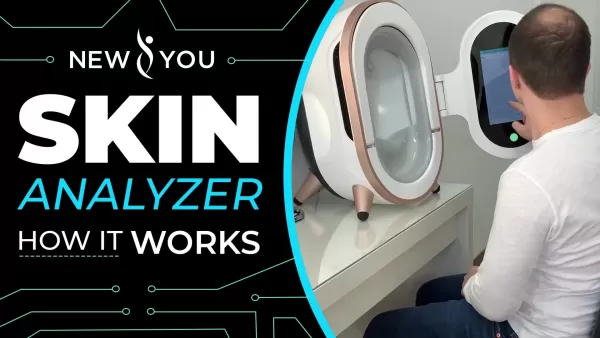
- Initial Setup: Start by entering the client’s details into the software, which sets up a personal record for tracking results.
- Face Placement:
Place your face inside the device’s frame, aligning your forehead and facial contours correctly. It’s best to keep your eyes closed during scanning to shield them from the light.
- Start the Analysis: Press the designated control to begin the scan. The analyzer will capture several images using varied lighting conditions.
- Understanding the Process: The system checks RGB pores, UV spots, signs of aging, and pH balance. RGB (Red, Green, Blue) lighting is used for detailed pore inspection.
- Reviewing the Comprehensive Analysis: A meticulous evaluation is performed, helping determine your skin’s relative age and overall status.
- Checking the Report:
Finally, review the full report with a skincare advisor to develop a focused treatment plan.
Pricing of a Skin Analyzer
Cost Details
The price of a skin analyzer can differ widely depending on its capabilities, manufacturer, and analysis depth.
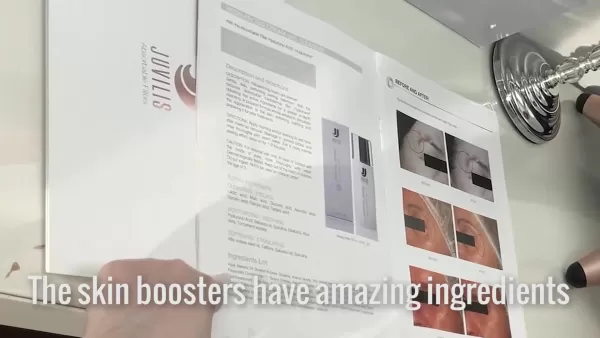
As your report is generated, you’ll see the proportion of pores and other skin health indicators. The system may also suggest suitable treatment options. Ultimately, it helps pave the path to healthier skin. You can interact with the on-screen results and print the document for your reference or to bring to an aesthetician. This gives you actionable skincare guidance.
Pros and Cons
Pros
It generates 12 unique skin analysis reports
Contains glycolic acid
Includes hyaluronic acid
Cons
High pore count
Elevated UV-induced pigmentation
Uneven sebum distribution
May provide an imprecise estimate of skin age.
Use Cases of Skin Analyzer
How It Can Help You
A skin analyzer can assist with:
Unclogging pores

Shielding skin from damage
Fading dark spots
When paired with a quality serum, the system supports lifting, plumping, revitalizing, and energizing the complexion—acting as an astringent and beautifying aid. Hyaluronic acid further enhances skin wellness.
FAQ
How does skin analysis work?
Skin analysis uses technologies like optical imaging, spectroscopy, and bioimpedance measurement to evaluate your skin. These tools measure moisture, pore features, wrinkle intensity, UV exposure, and bacteria, producing an exhaustive skin profile.
What are RGB pores in skin analysis?
RGB pores are analyzed using red, green, and blue light wavelengths. This approach gives a clearer picture of pore structure, size, and general health.
How can I find a reliable skincare professional for skin analysis?
To locate a trustworthy skincare expert, ask for referrals from people you know, read online testimonials, and confirm their qualifications and background. Select a professional who is well-informed, seasoned, and dedicated to offering individualized skincare advice.
Related Questions
How often should I get my skin analyzed?
The ideal frequency for skin analysis depends on your individual concerns and targets. Generally, it is advised to have an analysis every 3–6 months. Regular check-ups let you observe skin changes, gauge your regimen’s performance, and adapt as necessary. If you are addressing particular skin problems or following a treatment plan, more frequent sessions may be beneficial.
Related article
 Stripe to Acquire OpenRouter as AI Model Routing Gains Momentum
Stripe has agreed to acquire OpenRouter, an AI model-routing platform that gives developers access to hundreds of models through a single interface. The deal adds model selection and routing to Stripe’s existing work around AI usage and token-based b
Former OpenAI Researcher Barrett Zoph Returns to Google to Support Gemini Development
Barret Zoph, who previously abruptly left and joined OpenAI due to a disagreement with Thinking Machines Lab CEO Miriam Mularati, has once again changed employers. Alphabet's Google announced that Zoph will return as Vice President of Research, bring
How Recursive Intelligence Raised $335M at $4B Valuation in 4 Months
The co-founders of startup Ricursive Intelligence seemed destined to be co-founders.Anna Goldie, CEO, and Azalia Mirhoseini, CTO, are so well-known in the AI community that they were among those AI engineers who “got those weird emails from Zuckerber
Related Special Topic Recommendations
Design & Art
 Top AI Illustration Tools: Create Editorial Scenes and Cover Art Faster
2026 Latest Top-rated AI Illustration Tools: Our curated list features the best powerfully designed tools for creating stunning editorial scenes and eye-catching cover art quickly. Each option has gone through rigorous real-world tests, offering a free vs paid comparison to help you find the perfect match for your workflow. Try these must-try solutions today to unlock your AI edge and boost your creative productivity. Explore now at XIX.AI.
 10 tools
 xix.ai
Education and Learning
Top AI Tutors for Exam Prep: Practice Math, Science, and English
2026 Latest Top-Rated Best AI Tutors for Exam Prep are here on XIX.AI! Our curated list features powerful game-changing tools that offer free vs paid comparison, real-world tests, and weekly updated rankings. They help boost your writing efficiency, simplify complex topic learning, and unlock your academic potential. Explore now to Discover your perfect exam prep tool and Start creating today to Unlock your AI edge!
10 tools
xix.ai
Finance
AI Budget Planning Tools for Personal Money Management
2026 Latest Best Top-Rated AI Budget Planning Tools for Personal Money Management are here on XIX.AI! This curated collection features powerful, game-changing solutions that help you conduct real-world tests, understand spending habits, and create personalized plans to boost productivity. Enjoy a free vs paid comparison along with detailed rankings. Must-try tools designed to simplify money management and unlock your AI edge. Explore now!
11 tools
xix.ai
Health & Wellness
AI Sleep Tracking Assistants: Improve Recovery with Better Bedtime Habits
2026 Latest Best Top-Rated AI Sleep Tracking Assistants curated for ultimate recovery. This fully updated weekly guide features powerful tools that deliver real-world tests, free vs paid comparison, and detailed rankings to help you find the must-try solution that boosts sleep quality and supports better bedtime habits. Explore now at XIX.AI to Unlock your AI edge.
10 tools
xix.ai
Data Analysis
AI SQL Copilots for Product and Revenue Analytics
2026 Latest Best Top-Rated AI SQL Copilots for Product and Revenue Analytics! XIX.AI has curated a powerful, game-changing collection of must-try tools that undergo real-world tests through weekly updated rankings. These tools help users boost productivity significantly by accelerating data analysis, streamlining complex queries, and generating accurate insights to drive smarter business decisions. Explore now to Discover your perfect tool for unlocking your AI edge!
14 tools
xix.ai
Education and Learning
Best AI Homework Helpers That Teach: Learn Concepts, Not Just Answers
2026 Latest Best Top-Rated AI Homework Helpers That Teach Core Concepts Not Just Answers Powerful Tools for Students Must-Try Curated List Weekly Updated Free vs Paid Comparison Real-World Tests Accurate Rankings to Help You Unlock Your Full Learning Potential Explore now to Discover your perfect tool for smarter studying.
10 tools
xix.ai

 Comments (0)
0/500
In today's world, achieving healthy and radiant skin is more than just a cosmetic goal—it's about truly understanding and addressing your skin's specific requirements. Modern skin analysis technology is transforming personal skincare by delivering profound insights into your skin's health and enabling highly customized and effective treatments. This guide will examine the core technology of skin analyzers, their advantages, and how they support you in reaching your skincare objectives.
Key Points
High-tech skin analysis offers a comprehensive evaluation of your skin's state.
Skin analyzers measure key factors such as hydration, pore size, wrinkles, and UV damage.
Tailoring your skincare routine based on data-driven analysis significantly improves outcomes.
Consistent skin analysis allows you to monitor skin changes and refine your approach accordingly.
Working with a professional ensures that you fully leverage analysis results and select the best products for your needs.
Understanding Skin Analysis Technology
What is Skin Analysis?
Skin analysis is a process that utilizes modern imaging and sensing technology to evaluate different skin features, delivering precise data about its condition and wellness.
This method uncovers details that are invisible to the naked eye—such as moisture content, pore dimensions, fine lines, sun damage, and bacterial activity. The primary aim is to build a complete picture of your skin’s unique profile, which allows for the creation of highly targeted skincare regimens.
Skin analysis typically relies on devices that integrate multiple technologies, such as:
- Optical imaging: Takes high-definition pictures of the skin’s surface to examine texture, pores, and wrinkles.
- Spectroscopy: Analyzes light reflection and absorption to quantify hydration, collagen levels, and pigmentation.
- Bioimpedance analysis: Measures skin’s electrical resistance to evaluate hydration status and barrier health.
Together, these technologies generate a detailed overview of your skin, helping specialists suggest the right products and procedures.
Benefits of Advanced Skin Analysis
Advanced skin analysis delivers multiple competitive advantages over older skin assessment approaches. These benefits include:
- Personalized Skincare: Knowing your skin’s exact needs helps you build a regimen that tackles particular issues and enhances effectiveness. A tailored routine outperforms generic solutions that may not match your skin type or concerns.
- Early Detection of Skin Issues: The analysis can spot underlying problems before they surface. Early awareness allows for quicker responses, preventing escalation and reducing potential harm.
- Objective Assessment: Skin analysis delivers unbiased, quantitative information about your skin, moving beyond personal impressions or speculation. This factual basis leads to more reliable treatment choices.
- Tracking Progress: Ongoing analysis lets you measure how well your skincare is working so you can fine-tune as you go. Monitoring improvements keeps you aligned with your goals.
- Cost-Effectiveness: Although the upfront cost of skin analysis might seem significant, it often proves economical over time by steering you away from unnecessary products or procedures. Using the correct items from the start prevents spending on unsuitable options.
Ultimately, high-tech skin analysis helps you take control of your skincare with data-backed decisions, supporting long-term skin vitality and radiance.
How to Use a Skin Analyzer
Step-by-Step Guide
Here’s a straightforward, step-by-step process for operating a skin analyzer:
- Initial Setup: Start by entering the client’s details into the software, which sets up a personal record for tracking results.
- Face Placement: Place your face inside the device’s frame, aligning your forehead and facial contours correctly. It’s best to keep your eyes closed during scanning to shield them from the light.
- Start the Analysis: Press the designated control to begin the scan. The analyzer will capture several images using varied lighting conditions.
- Understanding the Process: The system checks RGB pores, UV spots, signs of aging, and pH balance. RGB (Red, Green, Blue) lighting is used for detailed pore inspection.
- Reviewing the Comprehensive Analysis: A meticulous evaluation is performed, helping determine your skin’s relative age and overall status.
- Checking the Report: Finally, review the full report with a skincare advisor to develop a focused treatment plan.
Pricing of a Skin Analyzer
Cost Details
The price of a skin analyzer can differ widely depending on its capabilities, manufacturer, and analysis depth.
As your report is generated, you’ll see the proportion of pores and other skin health indicators. The system may also suggest suitable treatment options. Ultimately, it helps pave the path to healthier skin. You can interact with the on-screen results and print the document for your reference or to bring to an aesthetician. This gives you actionable skincare guidance.
Pros and Cons
Pros
It generates 12 unique skin analysis reports
Contains glycolic acid
Includes hyaluronic acid
Cons
High pore count
Elevated UV-induced pigmentation
Uneven sebum distribution
May provide an imprecise estimate of skin age.
Use Cases of Skin Analyzer
How It Can Help You
A skin analyzer can assist with:
Unclogging pores
Shielding skin from damage
Fading dark spots
When paired with a quality serum, the system supports lifting, plumping, revitalizing, and energizing the complexion—acting as an astringent and beautifying aid. Hyaluronic acid further enhances skin wellness.
FAQ
How does skin analysis work?
Skin analysis uses technologies like optical imaging, spectroscopy, and bioimpedance measurement to evaluate your skin. These tools measure moisture, pore features, wrinkle intensity, UV exposure, and bacteria, producing an exhaustive skin profile.
What are RGB pores in skin analysis?
RGB pores are analyzed using red, green, and blue light wavelengths. This approach gives a clearer picture of pore structure, size, and general health.
How can I find a reliable skincare professional for skin analysis?
To locate a trustworthy skincare expert, ask for referrals from people you know, read online testimonials, and confirm their qualifications and background. Select a professional who is well-informed, seasoned, and dedicated to offering individualized skincare advice.
Related Questions
How often should I get my skin analyzed?
The ideal frequency for skin analysis depends on your individual concerns and targets. Generally, it is advised to have an analysis every 3–6 months. Regular check-ups let you observe skin changes, gauge your regimen’s performance, and adapt as necessary. If you are addressing particular skin problems or following a treatment plan, more frequent sessions may be beneficial.








 Stripe to Acquire OpenRouter as AI Model Routing Gains Momentum
Stripe has agreed to acquire OpenRouter, an AI model-routing platform that gives developers access to hundreds of models through a single interface. The deal adds model selection and routing to Stripe’s existing work around AI usage and token-based b
 Former OpenAI Researcher Barrett Zoph Returns to Google to Support Gemini Development
Barret Zoph, who previously abruptly left and joined OpenAI due to a disagreement with Thinking Machines Lab CEO Miriam Mularati, has once again changed employers. Alphabet's Google announced that Zoph will return as Vice President of Research, bring
 How Recursive Intelligence Raised $335M at $4B Valuation in 4 Months
The co-founders of startup Ricursive Intelligence seemed destined to be co-founders.Anna Goldie, CEO, and Azalia Mirhoseini, CTO, are so well-known in the AI community that they were among those AI engineers who “got those weird emails from Zuckerber

2026 Latest Top-rated AI Illustration Tools: Our curated list features the best powerfully designed tools for creating stunning editorial scenes and eye-catching cover art quickly. Each option has gone through rigorous real-world tests, offering a free vs paid comparison to help you find the perfect match for your workflow. Try these must-try solutions today to unlock your AI edge and boost your creative productivity. Explore now at XIX.AI.
10 tools
xix.ai

2026 Latest Top-Rated Best AI Tutors for Exam Prep are here on XIX.AI! Our curated list features powerful game-changing tools that offer free vs paid comparison, real-world tests, and weekly updated rankings. They help boost your writing efficiency, simplify complex topic learning, and unlock your academic potential. Explore now to Discover your perfect exam prep tool and Start creating today to Unlock your AI edge!
10 tools
xix.ai

2026 Latest Best Top-Rated AI Budget Planning Tools for Personal Money Management are here on XIX.AI! This curated collection features powerful, game-changing solutions that help you conduct real-world tests, understand spending habits, and create personalized plans to boost productivity. Enjoy a free vs paid comparison along with detailed rankings. Must-try tools designed to simplify money management and unlock your AI edge. Explore now!
11 tools
xix.ai

2026 Latest Best Top-Rated AI Sleep Tracking Assistants curated for ultimate recovery. This fully updated weekly guide features powerful tools that deliver real-world tests, free vs paid comparison, and detailed rankings to help you find the must-try solution that boosts sleep quality and supports better bedtime habits. Explore now at XIX.AI to Unlock your AI edge.
10 tools
xix.ai

2026 Latest Best Top-Rated AI SQL Copilots for Product and Revenue Analytics! XIX.AI has curated a powerful, game-changing collection of must-try tools that undergo real-world tests through weekly updated rankings. These tools help users boost productivity significantly by accelerating data analysis, streamlining complex queries, and generating accurate insights to drive smarter business decisions. Explore now to Discover your perfect tool for unlocking your AI edge!
14 tools
xix.ai

2026 Latest Best Top-Rated AI Homework Helpers That Teach Core Concepts Not Just Answers Powerful Tools for Students Must-Try Curated List Weekly Updated Free vs Paid Comparison Real-World Tests Accurate Rankings to Help You Unlock Your Full Learning Potential Explore now to Discover your perfect tool for smarter studying.
10 tools
xix.ai












