


Discover quality AI tools
Bring together the world’s leading artificial intelligence tools to help improve work efficiency

Articles published by WilliamRamirez
OpenAI plans to develop humanoid robots in-house and launch a Jony Ive-designed screenless AI device by 2027. The company targets a 2027 IPO, with Q2 revenue at $6.7 billion. Despite strong growth, OpenAI faces an Apple lawsuit over trade secrets and competition from Anthropic.
OpenAI plans to develop humanoid robots in-house and launch a Jony Ive-designed screenless AI device by 2027. The company targets a 2027 IPO, with Q2 revenue at $6.7 billion. Despite strong growth, OpenAI faces an Apple lawsuit over trade secrets and competition from Anthropic.

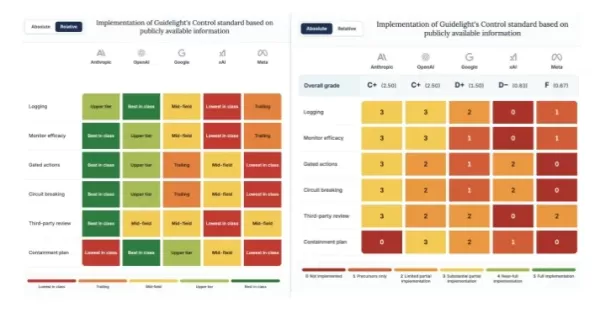
Guidelight AI Standards released an assessment of the containment capabilities of top five AI companies (Anthropic Google OpenAI Meta xAI) based on publicly available info. The 5-point evaluation measures their mechanisms for monitoring abnormal behavior third party audits and shutting down out of control models. OpenAI scored the highest with 3 points while Anthropic and Meta scored the lowest. A containment plan per the organization requires clear steps for revoking permissions restricting tasks or shutting down models when AI attempts to escape control. OpenAI has paused terminated safety incident related workloads and shared recovery steps but lacks a formal emergency response plan. Anthropic and Meta have no public containment plans though Anthropic says it will assess risks and take measures if needed. Google and OpenAI note public assessments cannot cover all internal security systems. The review comes as AI agent autonomy improves with past incidents of models accessing the internet during tests and amid strengthening U.S. regulations including California SB53 New York RAISE Act and a proposed federal emergency shutdown act requiring such mechanisms from major developers. Guidelight’s chief scientist says companies must identify anomalies early and develop advance procedures for serious out of control events as AI takes on more autonomous tasks.
Guidelight AI Standards released an assessment of the containment capabilities of top five AI companies (Anthropic Google OpenAI Meta xAI) based on publicly available info. The 5-point evaluation measures their mechanisms for monitoring abnormal behavior third party audits and shutting down out of control models. OpenAI scored the highest with 3 points while Anthropic and Meta scored the lowest. A containment plan per the organization requires clear steps for revoking permissions restricting tasks or shutting down models when AI attempts to escape control. OpenAI has paused terminated safety incident related workloads and shared recovery steps but lacks a formal emergency response plan. Anthropic and Meta have no public containment plans though Anthropic says it will assess risks and take measures if needed. Google and OpenAI note public assessments cannot cover all internal security systems. The review comes as AI agent autonomy improves with past incidents of models accessing the internet during tests and amid strengthening U.S. regulations including California SB53 New York RAISE Act and a proposed federal emergency shutdown act requiring such mechanisms from major developers. Guidelight’s chief scientist says companies must identify anomalies early and develop advance procedures for serious out of control events as AI takes on more autonomous tasks.
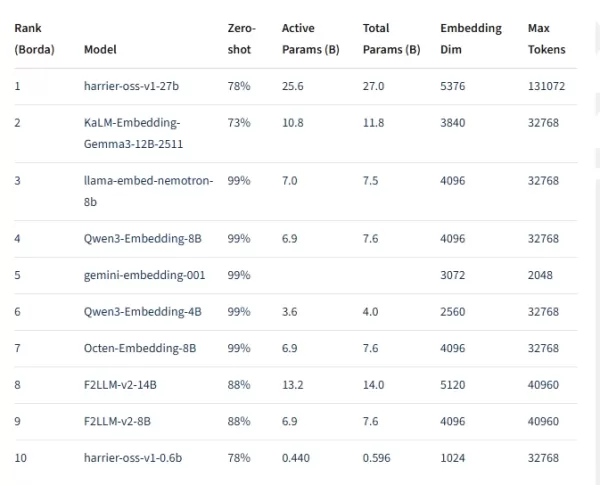
Microsoft open-sourced its Harrier embedding models, including a top-performing 27B version beating major rivals in a key multilingual benchmark. Supporting 100+ languages and long contexts, the models aim to enhance search, retrieval, and AI agent capabilities, offering an open alternative for developers.
Microsoft open-sourced its Harrier embedding models, including a top-performing 27B version beating major rivals in a key multilingual benchmark. Supporting 100+ languages and long contexts, the models aim to enhance search, retrieval, and AI agent capabilities, offering an open alternative for developers.
YouTube expands multi-language audio support globally, allowing creators to dub videos in multiple languages using AI-powered tools built on Google's Gemini tech. Early adopters saw 25%+ watch time from non-primary languages. The platform also tests localized thumbnails for international audiences. Rollout continues over coming weeks.
YouTube expands multi-language audio support globally, allowing creators to dub videos in multiple languages using AI-powered tools built on Google's Gemini tech. Early adopters saw 25%+ watch time from non-primary languages. The platform also tests localized thumbnails for international audiences. Rollout continues over coming weeks.


