


 Heim
HeimAnthropic stellt Sonnet 5.5 als schnelleren und günstigeren Arbeitspartner vor

Amidst the ongoing competition among AI models, Anthropic has launched the latest iteration of Sonnet, its mid-range offering, promising substantially improved speed and lower costs compared to the previous version.
Anthropic positions Sonnet 5.5 as a versatile tool for daily workflows, including software development and document creation.
Sonnet 5, the predecessor to version 5.5, was introduced roughly three months ago, with its primary advantage being cost-efficient agentic deployment.
The key improvement in version 5.5 is enhanced speed. Anthropic states that Sonnet 5.5 operates 30 percent faster than its predecessor, with a notably reduced token consumption rate.
While Sonnet ranks below Opus in raw power, its agility makes it more practical for specific use cases. Benchmarks indicate Sonnet 5.5 outperforms Opus 5.5 in agentic coding tasks, largely due to its capacity to run multiple agents without breaching cost thresholds.
Sonnet 5.5 also demonstrates robust cybersecurity capabilities, matching those of Opus 5. Consequently, Anthropic has applied the same security safeguards to 5.5 that are enforced for Fable and Opus.
Anthropic also intends to release an updated version of Haiku, its most compact model, within the next few weeks, though no specific launch date has been confirmed.
The past year has witnessed a rapid succession of model releases from leading AI laboratories. Recently, OpenAI unveiled several new models, including upgraded versions of Sol and Luna, its mid-tier and budget-friendly options. Meta also introduced a new model designed to support an upcoming feature for its smart glasses.
Verwandter Artikel
 Meta AI App steigt nach dem Start von Muse Spark auf Platz 5 im App Store
Die Meta-KI-Anwendung verzeichnete nach der Veröffentlichung ihres neuesten KI-Modells „Muse Spark“ am Mittwoch einen erheblichen Anstieg der Downloads. Dies ist die erste Modellveröffentlichung unter Alexandr Wang, Leiter von Metas Superintelligence
DeepMind-CEO drängt auf von den USA geleitete Tests von KI-Modellen
Demis Hassabis, Mitbegründer und CEO von Google DeepMind. Bildnachweis: Demis Hassabis/LinkedInDemis Hassabis, CEO von Google DeepMind, weist auf die Gefahren der allgemeinen künstlichen Intelligenz h
Anthropics jüngster Konflikt mit der Trump-Regierung könnte ihr tatsächlich nutzen, wie Verkaufsdaten nahelegen
Anthropic erlebt einen bemerkenswerten Monat.Laut Ramp überholte das KI-Unternehmen OpenAI erstmals beim Marktanteil für Unternehmensausgaben und schloss den Mai mit einer Finanzierungsrunde in Höhe von 65 Milliarden US-Dollar bei einer Bewertung vo
Empfehlungen zu verwandten Spezialthemen
Text-zu-Sprache
Meta AI App steigt nach dem Start von Muse Spark auf Platz 5 im App Store
Die Meta-KI-Anwendung verzeichnete nach der Veröffentlichung ihres neuesten KI-Modells „Muse Spark“ am Mittwoch einen erheblichen Anstieg der Downloads. Dies ist die erste Modellveröffentlichung unter Alexandr Wang, Leiter von Metas Superintelligence
DeepMind-CEO drängt auf von den USA geleitete Tests von KI-Modellen
Demis Hassabis, Mitbegründer und CEO von Google DeepMind. Bildnachweis: Demis Hassabis/LinkedInDemis Hassabis, CEO von Google DeepMind, weist auf die Gefahren der allgemeinen künstlichen Intelligenz h
Anthropics jüngster Konflikt mit der Trump-Regierung könnte ihr tatsächlich nutzen, wie Verkaufsdaten nahelegen
Anthropic erlebt einen bemerkenswerten Monat.Laut Ramp überholte das KI-Unternehmen OpenAI erstmals beim Marktanteil für Unternehmensausgaben und schloss den Mai mit einer Finanzierungsrunde in Höhe von 65 Milliarden US-Dollar bei einer Bewertung vo
Empfehlungen zu verwandten Spezialthemen
Text-zu-Sprache
 AI-Podcast-Stimmenklonungstools für langformatige Erzählungen
2026 Neueste Besten Top-Bewerteten KI-Podcast-Stimmklonungstools für Langform-Erzählungen sind hier auf XIX.AI! Diese kuratierte Liste enthält leistungsstarke, bahnbrechende Lösungen, die Audio in professioneller Qualität mit minimalem Aufwand liefern. Wir führen praxisnahe Tests durch und bieten einen kostenlosen versus kostenpflichtigen Vergleich sowie wöchentlich aktualisierte Rankings, um Ihnen zu helfen, das unbedingt auszuprobierende Tool zu finden, das Ihre Produktivität erheblich steigert. Entdecken Sie jetzt, um Ihren KI-Vorteil freizuschalten!
 10 Tools
 xix.ai
SEO
Die besten KI-Tools für interne Verlinkung: Wachstum von Content-Hubs mit weniger manueller Arbeit
xix.ai
SEO
Die besten KI-Tools für interne Verlinkung: Wachstum von Content-Hubs mit weniger manueller Arbeit
2026 Neueste Besten Top-bewertete KI-Tools für interne Verlinkung für Content-Hubs: Diese kuratierte Liste enthält leistungsstarke, bahnbrechende Lösungen, die den manuellen Aufwand erheblich reduzieren. XIX.AI hat praxisnahe Tests durchgeführt und einen detaillierten kostenlosen versus kostenpflichtigen Vergleich sowie wöchentlich aktualisierte Rankings bereitgestellt, um Ihnen bei der Suche nach dem unbedingt auszuprobierenden Tool zu helfen, das die Produktivität steigert und Ihre Content-Strategie massiv verbessert. Entdecken Sie jetzt, um Ihren KI-Vorteil zu nutzen!
10 Tools
xix.ai
Design
AI-basierte UI-Design-Tools für Web- und Mobilprojekte
Die neuesten und besten AI-basierten UI-Design-Tools für Web- und Mobile-Projekte aus dem Jahr 2026 sind jetzt auf XIX.AI verfügbar! Diese sorgfältig zusammengestellte Liste präsentiert hochbewertete, leistungsstarke Tools, die strenge Prüfungen im echten Einsatz durchlaufen haben, um bahnbrechende Ergebnisse bei der Steigerung von Kreativität und Produktivität zu liefern. Zudem finden Sie hier einen Vergleich zwischen kostenlosen und kostenpflichtigen Versionen, wöchentlich aktualisierte Ranglisten sowie detaillierte Einblicke. Die empfohlenen Tools helfen Ihnen dabei, Design-Probleme zu überwinden und hochwertige Benutzeroberflächen schneller zu erstellen. Entdecken Sie jetzt das perfekte Tool für Ihre Bedürfnisse!
8 Tools
xix.ai
Prompt
Die besten Tools für das Prompt-Engineering: Testen, Überarbeiten und Verbessern von Team-Prompts
Die aktuellsten und am besten bewerteten Prompt-Engineering-Tools für Teams des Jahres 2026 werden hier auf XIX.AI vorgestellt. Diese sorgfältig zusammengestellte Auswahl umfasst leistungsstarke, bahnbrechende Optionen, die strengen Praxistests unterzogen wurden. Hier finden Sie einen Vergleich zwischen kostenlosen und kostenpflichtigen Angeboten, detaillierte Rankings sowie benutzerfreundliche Tools zum Testen, zur Versionsverfolgung und zur Optimierung von Team-Prompts, um die Produktivität deutlich zu steigern. Stöbern Sie jetzt und entdecken Sie Ihr perfektes Tool!
9 Tools
xix.ai
Prompt
Die besten KI-Prompt-Bibliotheken für die Arbeit: Bewährte Prompts für verschiedene Aufgaben wiederverwenden
Die besten KI-Prompt-Bibliotheken für die Arbeit im Jahr 2026: XIX.AI stellt eine erstklassige Sammlung leistungsstarker, bahnbrechender Prompt-Sets zusammen, die Ihnen dabei helfen sollen, bewährte Vorlagen für unzählige Aufgaben wiederzuverwenden und Ihre Produktivität erheblich zu steigern. Profitieren Sie von einem Vergleich zwischen kostenlosen und kostenpflichtigen Angeboten, detaillierten Praxistests und wöchentlich aktualisierten Rankings. Entdecken Sie jetzt das perfekte Tool für sich und nutzen Sie Ihren KI-Vorteil!
11 Tools
xix.ai
Text-zu-Sprache
KI-basierte Erzählwerkzeuge für die Produktion von Hörbüchern
Die besten und am höchsten bewerteten KI-Narrationswerkzeuge für die Produktion von Hörbüchern aus dem Jahr 2026! Diese sorgfältig zusammengestellte Auswahl umfasst leistungsstarke Lösungen, die die Schreibeffizienz erheblich steigern und es Kreativen ermöglichen, Engpässe bei der Inhaltsproduktion zu überwinden. XIX.AI bietet einen Vergleich zwischen kostenloser und kostenpflichtiger Variante sowie detaillierte Tests unter realen Bedingungen und wöchentlich aktualisierte Ranglisten, um Ihnen dabei zu helfen, das perfekte Werkzeug zu finden. Entdecken Sie sie jetzt, um Ihren Vorteil durch KI in der Hörbuchproduktion zu nutzen!
17 Tools
xix.ai

 Kommentare (0)
Amidst the ongoing competition among AI models, Anthropic has launched the latest iteration of Sonnet, its mid-range offering, promising substantially improved speed and lower costs compared to the previous version.
Anthropic positions Sonnet 5.5 as a versatile tool for daily workflows, including software development and document creation.
Sonnet 5, the predecessor to version 5.5, was introduced roughly three months ago, with its primary advantage being cost-efficient agentic deployment.
The key improvement in version 5.5 is enhanced speed. Anthropic states that Sonnet 5.5 operates 30 percent faster than its predecessor, with a notably reduced token consumption rate.
While Sonnet ranks below Opus in raw power, its agility makes it more practical for specific use cases. Benchmarks indicate Sonnet 5.5 outperforms Opus 5.5 in agentic coding tasks, largely due to its capacity to run multiple agents without breaching cost thresholds.
Sonnet 5.5 also demonstrates robust cybersecurity capabilities, matching those of Opus 5. Consequently, Anthropic has applied the same security safeguards to 5.5 that are enforced for Fable and Opus.
Anthropic also intends to release an updated version of Haiku, its most compact model, within the next few weeks, though no specific launch date has been confirmed.
The past year has witnessed a rapid succession of model releases from leading AI laboratories. Recently, OpenAI unveiled several new models, including upgraded versions of Sol and Luna, its mid-tier and budget-friendly options. Meta also introduced a new model designed to support an upcoming feature for its smart glasses.








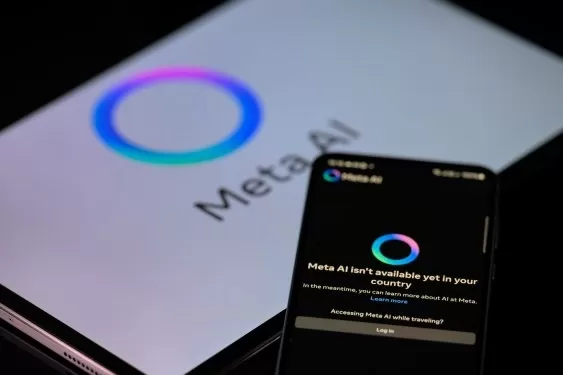 Meta AI App steigt nach dem Start von Muse Spark auf Platz 5 im App Store
Die Meta-KI-Anwendung verzeichnete nach der Veröffentlichung ihres neuesten KI-Modells „Muse Spark“ am Mittwoch einen erheblichen Anstieg der Downloads. Dies ist die erste Modellveröffentlichung unter Alexandr Wang, Leiter von Metas Superintelligence
Meta AI App steigt nach dem Start von Muse Spark auf Platz 5 im App Store
Die Meta-KI-Anwendung verzeichnete nach der Veröffentlichung ihres neuesten KI-Modells „Muse Spark“ am Mittwoch einen erheblichen Anstieg der Downloads. Dies ist die erste Modellveröffentlichung unter Alexandr Wang, Leiter von Metas Superintelligence
 DeepMind-CEO drängt auf von den USA geleitete Tests von KI-Modellen
Demis Hassabis, Mitbegründer und CEO von Google DeepMind. Bildnachweis: Demis Hassabis/LinkedInDemis Hassabis, CEO von Google DeepMind, weist auf die Gefahren der allgemeinen künstlichen Intelligenz h
DeepMind-CEO drängt auf von den USA geleitete Tests von KI-Modellen
Demis Hassabis, Mitbegründer und CEO von Google DeepMind. Bildnachweis: Demis Hassabis/LinkedInDemis Hassabis, CEO von Google DeepMind, weist auf die Gefahren der allgemeinen künstlichen Intelligenz h
 Anthropics jüngster Konflikt mit der Trump-Regierung könnte ihr tatsächlich nutzen, wie Verkaufsdaten nahelegen
Anthropic erlebt einen bemerkenswerten Monat.Laut Ramp überholte das KI-Unternehmen OpenAI erstmals beim Marktanteil für Unternehmensausgaben und schloss den Mai mit einer Finanzierungsrunde in Höhe von 65 Milliarden US-Dollar bei einer Bewertung vo
Anthropics jüngster Konflikt mit der Trump-Regierung könnte ihr tatsächlich nutzen, wie Verkaufsdaten nahelegen
Anthropic erlebt einen bemerkenswerten Monat.Laut Ramp überholte das KI-Unternehmen OpenAI erstmals beim Marktanteil für Unternehmensausgaben und schloss den Mai mit einer Finanzierungsrunde in Höhe von 65 Milliarden US-Dollar bei einer Bewertung vo
2026 Neueste Besten Top-Bewerteten KI-Podcast-Stimmklonungstools für Langform-Erzählungen sind hier auf XIX.AI! Diese kuratierte Liste enthält leistungsstarke, bahnbrechende Lösungen, die Audio in professioneller Qualität mit minimalem Aufwand liefern. Wir führen praxisnahe Tests durch und bieten einen kostenlosen versus kostenpflichtigen Vergleich sowie wöchentlich aktualisierte Rankings, um Ihnen zu helfen, das unbedingt auszuprobierende Tool zu finden, das Ihre Produktivität erheblich steigert. Entdecken Sie jetzt, um Ihren KI-Vorteil freizuschalten!
10 Tools
xix.ai

2026 Neueste Besten Top-bewertete KI-Tools für interne Verlinkung für Content-Hubs: Diese kuratierte Liste enthält leistungsstarke, bahnbrechende Lösungen, die den manuellen Aufwand erheblich reduzieren. XIX.AI hat praxisnahe Tests durchgeführt und einen detaillierten kostenlosen versus kostenpflichtigen Vergleich sowie wöchentlich aktualisierte Rankings bereitgestellt, um Ihnen bei der Suche nach dem unbedingt auszuprobierenden Tool zu helfen, das die Produktivität steigert und Ihre Content-Strategie massiv verbessert. Entdecken Sie jetzt, um Ihren KI-Vorteil zu nutzen!
10 Tools
xix.ai

Die neuesten und besten AI-basierten UI-Design-Tools für Web- und Mobile-Projekte aus dem Jahr 2026 sind jetzt auf XIX.AI verfügbar! Diese sorgfältig zusammengestellte Liste präsentiert hochbewertete, leistungsstarke Tools, die strenge Prüfungen im echten Einsatz durchlaufen haben, um bahnbrechende Ergebnisse bei der Steigerung von Kreativität und Produktivität zu liefern. Zudem finden Sie hier einen Vergleich zwischen kostenlosen und kostenpflichtigen Versionen, wöchentlich aktualisierte Ranglisten sowie detaillierte Einblicke. Die empfohlenen Tools helfen Ihnen dabei, Design-Probleme zu überwinden und hochwertige Benutzeroberflächen schneller zu erstellen. Entdecken Sie jetzt das perfekte Tool für Ihre Bedürfnisse!
8 Tools
xix.ai
Die aktuellsten und am besten bewerteten Prompt-Engineering-Tools für Teams des Jahres 2026 werden hier auf XIX.AI vorgestellt. Diese sorgfältig zusammengestellte Auswahl umfasst leistungsstarke, bahnbrechende Optionen, die strengen Praxistests unterzogen wurden. Hier finden Sie einen Vergleich zwischen kostenlosen und kostenpflichtigen Angeboten, detaillierte Rankings sowie benutzerfreundliche Tools zum Testen, zur Versionsverfolgung und zur Optimierung von Team-Prompts, um die Produktivität deutlich zu steigern. Stöbern Sie jetzt und entdecken Sie Ihr perfektes Tool!
9 Tools
xix.ai
Die besten KI-Prompt-Bibliotheken für die Arbeit im Jahr 2026: XIX.AI stellt eine erstklassige Sammlung leistungsstarker, bahnbrechender Prompt-Sets zusammen, die Ihnen dabei helfen sollen, bewährte Vorlagen für unzählige Aufgaben wiederzuverwenden und Ihre Produktivität erheblich zu steigern. Profitieren Sie von einem Vergleich zwischen kostenlosen und kostenpflichtigen Angeboten, detaillierten Praxistests und wöchentlich aktualisierten Rankings. Entdecken Sie jetzt das perfekte Tool für sich und nutzen Sie Ihren KI-Vorteil!
11 Tools
xix.ai
Die besten und am höchsten bewerteten KI-Narrationswerkzeuge für die Produktion von Hörbüchern aus dem Jahr 2026! Diese sorgfältig zusammengestellte Auswahl umfasst leistungsstarke Lösungen, die die Schreibeffizienz erheblich steigern und es Kreativen ermöglichen, Engpässe bei der Inhaltsproduktion zu überwinden. XIX.AI bietet einen Vergleich zwischen kostenloser und kostenpflichtiger Variante sowie detaillierte Tests unter realen Bedingungen und wöchentlich aktualisierte Ranglisten, um Ihnen dabei zu helfen, das perfekte Werkzeug zu finden. Entdecken Sie sie jetzt, um Ihren Vorteil durch KI in der Hörbuchproduktion zu nutzen!
17 Tools
xix.ai












